As the Iran war intensifies and threatens global energy stability, diplomatic momentum is shifting toward Islamabad, where mediating countries are working to convene a high-level meeting between U.S. and Iranian representatives.
According to multiple reports citing an Israeli official, Turkey, Egypt, and Pakistan are actively pushing to organize talks in Pakistan’s capital later this week, marking a potentially decisive moment in efforts to de-escalate the conflict.
Proposed Islamabad Meeting: Who Will Attend
The planned meeting, if confirmed, would bring together senior figures from both sides:
Iran Delegation
- Mohammad Bagher Ghalibaf
- Other senior Tehran officials
United States Delegation
- Steve Witkoff
- Jared Kushner
- Possibly JD Vance
The talks are expected to take place later this week, depending on coordination between mediators and both parties.
Why Islamabad Was Chosen
Pakistan’s selection as a potential host reflects its unique geopolitical positioning:
- Maintains relations with both Iran and the United States
- Seen as a relatively neutral ground for sensitive discussions
- Already actively involved in mediation efforts
This positions Islamabad as a critical diplomatic bridge at a time when direct negotiations remain politically complicated.
Role of Mediator Countries
Turkey: Strategic Intermediary
- Maintains communication with both NATO allies and regional actors
- Facilitating indirect dialogue channels
Egypt: Regional Stabilizer
- Coordinating Arab diplomatic responses
- Advocating containment of conflict spillover
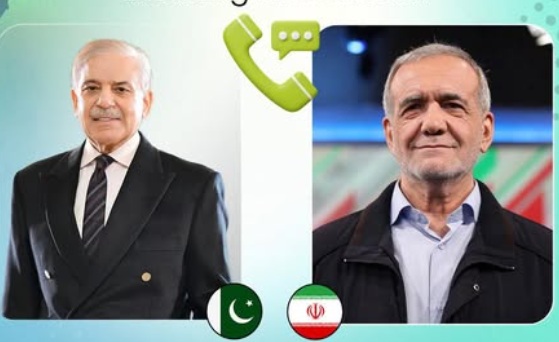
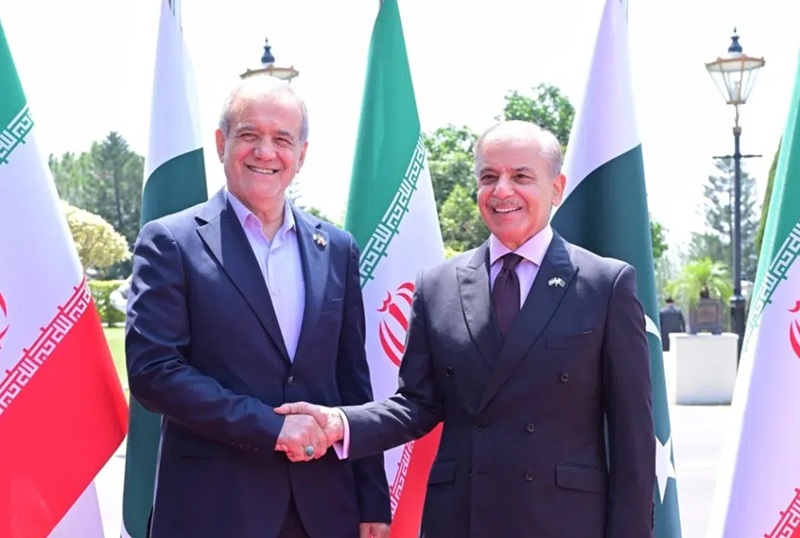
Pakistan: Diplomatic Host & Bridge
- Hosting potential talks in Islamabad
- Acting as a conduit between opposing sides
Together, these countries are forming a multi-layered mediation network, passing messages and coordinating efforts to reduce tensions. (Naharnet)
Backchannel Diplomacy Gains Momentum
Sources indicate that:
- Indirect communications between Washington and Tehran are ongoing
- Mediators are relaying proposals and conditions
- Discussions focus on ending hostilities and stabilizing the region
This reflects a shift toward quiet diplomacy, where sensitive negotiations occur behind the scenes rather than through formal announcements.
Why Mediation Is Urgent
The push for talks comes amid escalating risks:
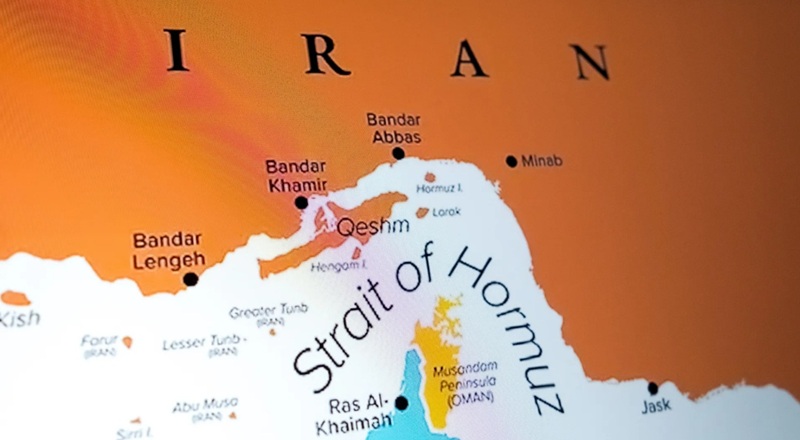
Strait of Hormuz Crisis
- ~20% of global oil flows at risk
- Shipping disruptions impacting global markets
Energy Infrastructure Threats
- Potential strikes on power grids across the region
- Risk of cascading energy and water crises
Expanding Conflict Zone
- Missile exchanges across multiple countries
- Rising civilian and economic costs
These pressures have forced regional powers to act quickly to prevent a broader war.
Challenges Facing the Islamabad Talks
Despite growing diplomatic momentum, several obstacles remain:
- Iran publicly denies direct negotiations
- Ongoing military operations complicate trust
- Both sides seek leverage before concessions
This makes the Islamabad meeting high-risk but potentially high-reward.
What Success Could Look Like
If the talks proceed and gain traction:
Short-Term
- Reduction in hostilities
- Stabilization of energy markets
Medium-Term
- Reopening of the Strait of Hormuz
- Framework for continued negotiations
Long-Term
- Broader regional security dialogue
- Reduced risk of sustained war
What Failure Could Mean
If mediation collapses:
- Escalation into regional energy war
- Attacks on Gulf infrastructure
- Prolonged global economic disruption
- Increased likelihood of direct confrontation
Conclusion
The effort to convene Iran war talks in Islamabad represents one of the most significant diplomatic developments since the conflict began.
With Turkey, Egypt, and Pakistan leading mediation—and key figures from both sides potentially meeting face-to-face—the coming days could determine whether diplomacy can contain the crisis.
Islamabad may now hold the key to either de-escalation—or the next phase of escalation.