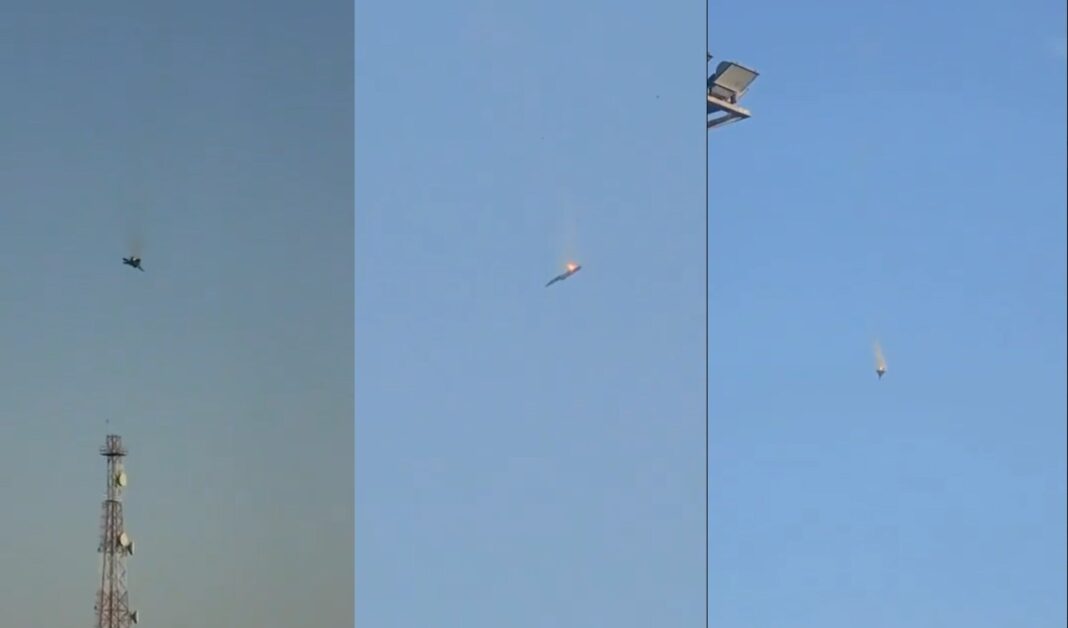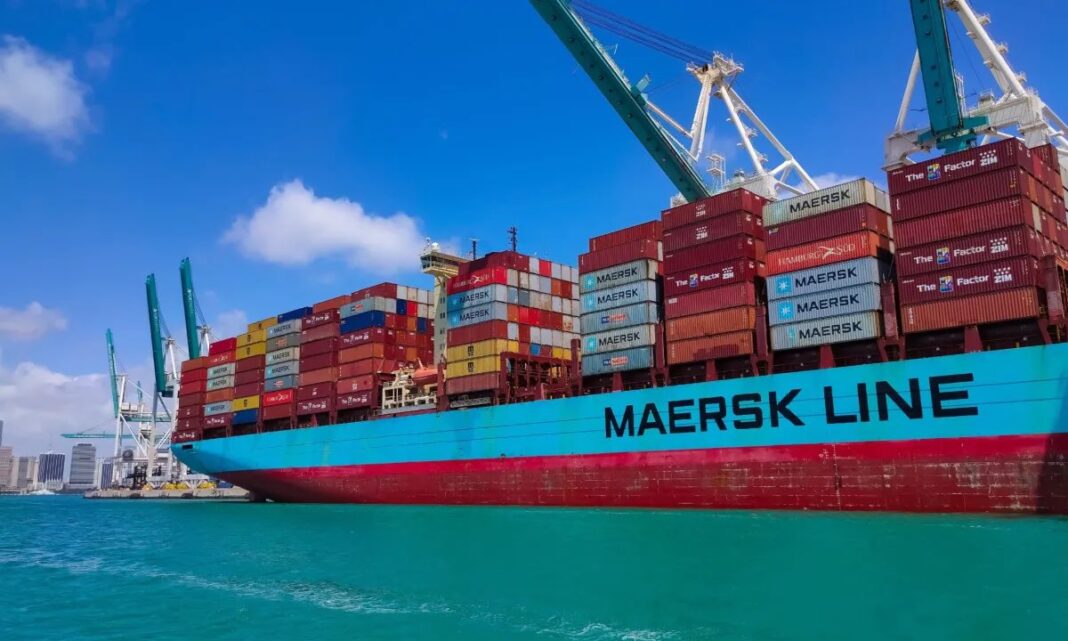
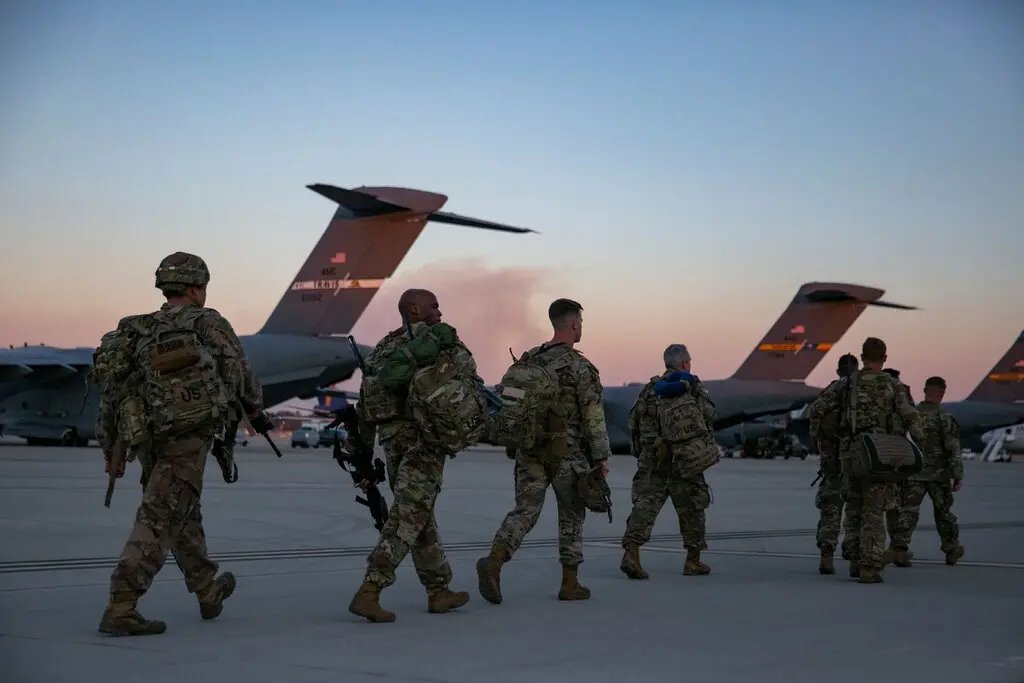
The United States is preparing to deploy thousands of soldiers from its elite 82nd Airborne Division to the Middle East, signaling a potential escalation in the ongoing Iran war.
According to sources cited by Reuters, between 3,000 and 4,000 troops could be sent to the region, adding to an already significant U.S. military buildup.
The move comes as the conflict enters its fourth week, even as Donald Trump continues to speak about possible negotiations with Tehran.
82nd Airborne: Rapid Response Force on Standby
The 82nd Airborne Division, based at Fort Bragg, North Carolina, is one of the U.S. military’s most deployable units.
Key Capabilities:
- Can deploy within 18 hours
- Specializes in:
- Parachute assault operations
- Rapid insertion into conflict zones
Its deployment suggests preparation for high-risk, time-sensitive operations
Military Buildup Expands Across the Region
The planned deployment follows earlier reinforcements:
- Thousands of Marines and sailors aboard the USS Boxer Amphibious Ready Group
- Additional warships and support assets
- Total U.S. forces in the region already exceed 50,000 troops
The buildup reflects a shift toward expanded operational readiness
Ground Operations Still Under Consideration
While no final decision has been made to send troops into Iran, officials confirm that the deployment would:
- Increase operational flexibility
- Prepare for potential future missions
Possible Scenarios:
- Securing the Strait of Hormuz
- Deploying forces along Iran’s coastline
- Targeting Kharg Island, Iran’s main oil export hub
Any such move would represent a major escalation beyond air and naval operations
War Intensifies Despite Talk of Diplomacy
The troop deployment comes amid mixed signals on diplomacy:
US Position
- Claims of “productive talks” with Iran
- Temporary pause on some planned strikes
Iran’s Response
- Denies any direct negotiations
- Rejects US claims of engagement
This reflects a dual-track strategy: talks and escalation happening simultaneously
Scale of the Conflict Continues to Grow
Since the start of joint US–Israel operations on February 28:
War Impact:
- 9,000+ targets struck inside Iran
- 13 US troops killed
- 290 wounded, with most returning to duty
These figures highlight the intensity of the conflict and its growing human cost
Political Risks for the Trump Administration
Deploying ground forces carries significant domestic and political implications.
Key Concerns:
- Public support for the war is declining
- A recent Reuters/Ipsos poll shows:
- 35% approval of US strikes
- 61% disapproval
This creates a dilemma for President Trump, who previously pledged to avoid new Middle East wars.
Strategic Stakes: Hormuz and Global Energy
One of the central concerns driving US planning is the Strait of Hormuz:
- Critical chokepoint for global oil supply
- Disruption could trigger:
- Energy crises
- Market instability
Securing Hormuz is increasingly seen as a core strategic objective
Escalation vs Containment: A Critical Moment
The deployment of the 82nd Airborne signals that the United States is:
- Expanding military options
- Preparing for potential escalation
- Maintaining pressure while exploring diplomacy
Possible Outcomes:
- Limited operations to secure key targets
- Continued air campaign without ground escalation
- Full escalation involving ground forces
Scenario 1: Limited Operations (Most Likely)
| Factor | Details |
|---|---|
| Troop Deployment | Limited (MEU, спец forces, 일부 airborne units) |
| Duration | Weeks to months |
| Risk Level | Medium |
| Cost | High but manageable |
| Political Impact | Contained |
Scenario 2: Full Invasion (High Risk)
| Factor | Details |
|---|---|
| Troop Deployment | 100,000+ (divisions) |
| Duration | Years |
| Risk Level | Very High |
| Cost | Extremely high ($$$$) |
| Political Impact | Global consequences |
Conclusion
The potential deployment of the 82nd Airborne Division marks a pivotal moment in the Iran war.
While diplomacy remains on the table, the scale of military preparations suggests that Washington is preparing for a wider range of scenarios—including ground operations.
The coming days will determine whether the conflict moves toward negotiation—or deeper escalation.