The Trump administration has launched a new phase of its economic campaign against Iran, warning countries that continue doing business with Tehran that they could face US secondary sanctions. Washington has not formally singled out China for country-wide sanctions, but Beijing is clearly the most important target because it buys the overwhelming majority of Iran’s exported crude oil. The immediate measures announced on August 24 target nearly 60 Iranian-linked individuals, companies and vessels, while Washington is preparing broader pressure on foreign businesses and financial networks. The next stage could determine whether the United States is willing to risk a direct economic confrontation with China to cut off Iran’s most important source of revenue.
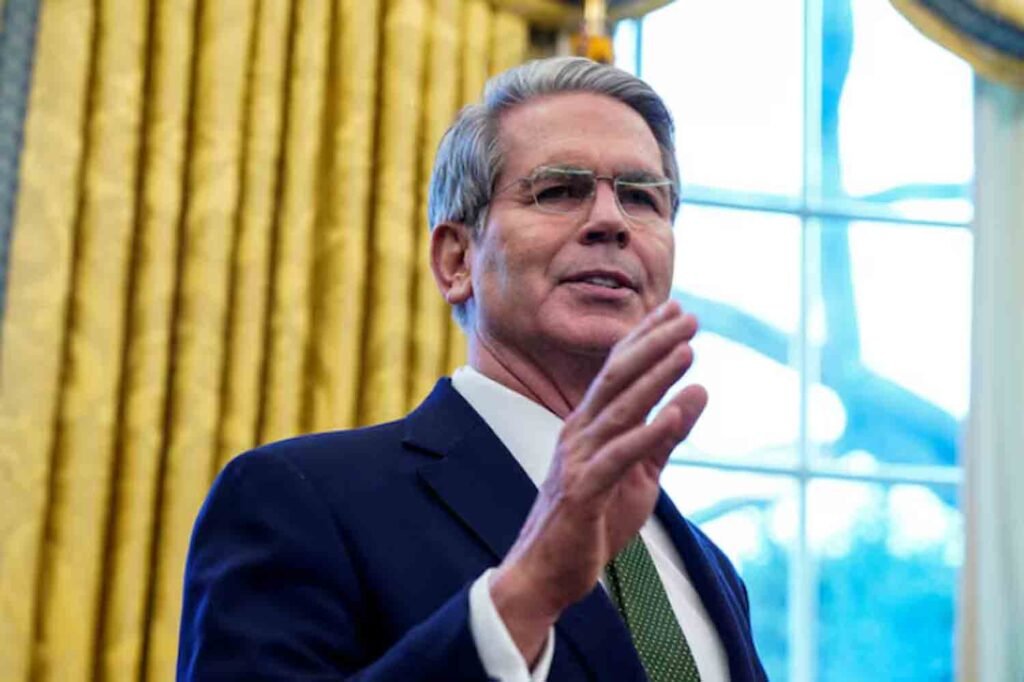
The phrase “economic D-Day” used by US Treasury Secretary Scott Bessent has attracted attention around the world.
But the most important question is not what Washington is doing to Iran.
It is which country Washington ultimately needs to confront if it wants the campaign to succeed.
The answer is increasingly obvious:
China.
China is by far the largest buyer of Iranian oil, and US officials and analysts have repeatedly identified Chinese purchases as the central channel through which Tehran continues to generate oil revenue despite American sanctions. The US-China Economic and Security Review Commission has estimated that Chinese purchases account for roughly 90% of Iran’s exported oil.
Yet there is an important distinction between China being the strategic target and China already being subject to a new blanket US sanctions regime.
That has not happened.
At least for now.
What Did the United States Actually Announce?
On August 24, the Trump administration launched “Operation Economic Outcast,” describing it as a whole-of-government campaign intended to cut Iran off from its remaining international economic lifelines.
The first wave targets nearly 60 individuals, companies and vessels connected to Iran’s military activities, sanctions evasion, oil trade and other activities.
The measures also expand the potential use of secondary sanctions across five sectors:
- digital assets;
- technology;
- gold;
- aviation;
- shipping.
Washington is effectively sending a message to foreign companies:
Doing business with Iran could eventually mean choosing between access to Iran and access to the US financial system.
That is the real significance of Bessent’s warning.
So, Which Country Is Actually Being Targeted?
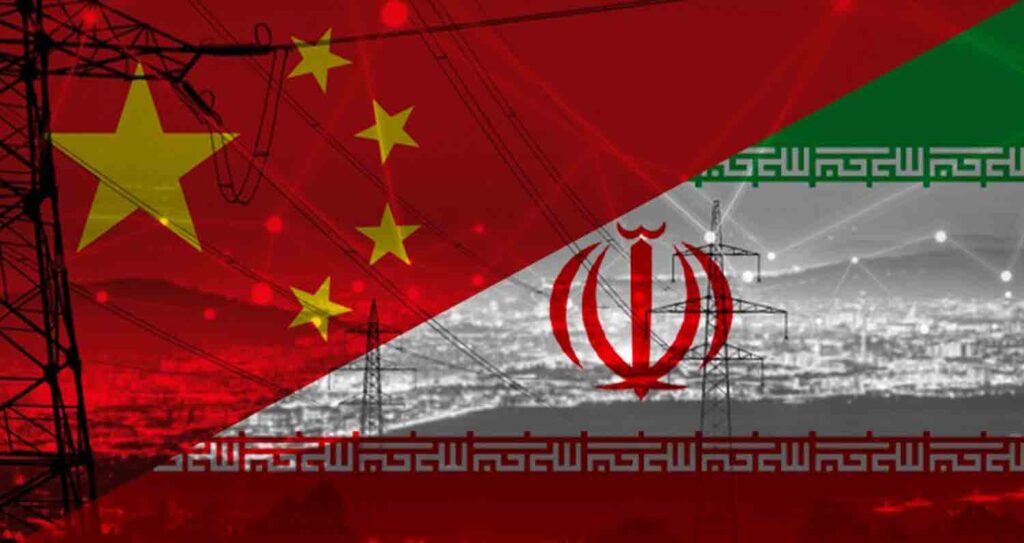
The immediate answer: Iran.
The sanctions announced on August 24 are principally directed against Iranian entities and networks, along with foreign companies, individuals and vessels involved in supporting them.
The strategic answer: China.
China is the country that matters most because of its role as Iran’s principal oil customer.
The broader answer: Any country that helps Iran circumvent US sanctions.
That potentially includes companies and financial networks connected to China, Turkey, the UAE, Iraq and other jurisdictions.
The Financial Times reported that Washington’s new secondary-sanctions strategy is aimed at Iran’s wider trading network, including partners such as China, the UAE, Turkey and Iraq.
So headlines suggesting that “the US has sanctioned China” would currently be misleading.
The more accurate description is:
Washington is warning China and other Iranian trading partners that they could become targets of secondary sanctions if they continue supporting Tehran.
Why China Is the Critical Target
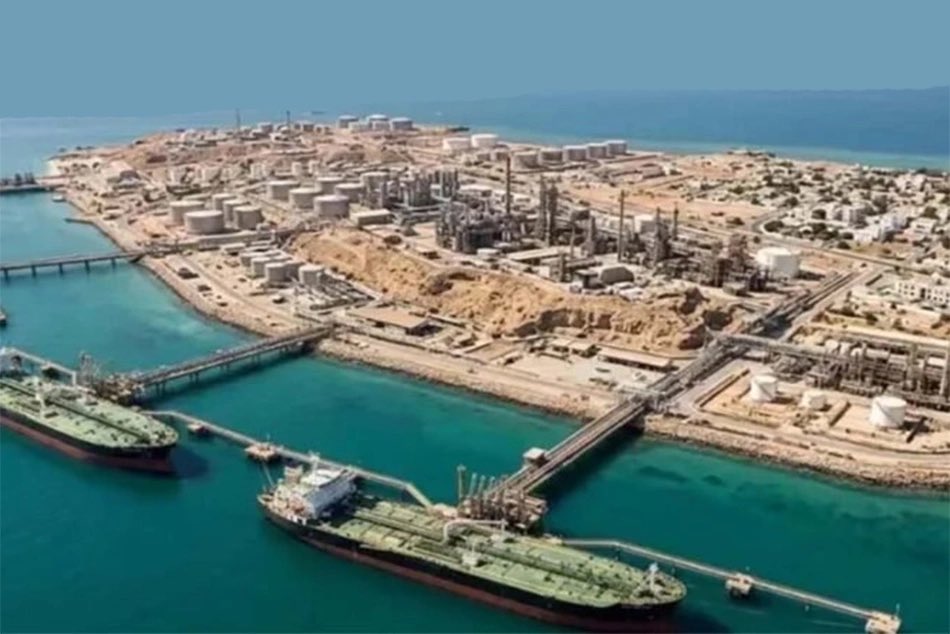
Iran’s oil industry is the centre of the problem.
Washington can sanction Iranian oil companies.
It can sanction tankers.
It can sanction brokers.
It can sanction banks.
It can sanction shadow-fleet operators.
But if a major buyer continues purchasing the oil, Tehran can continue generating revenue.
China is that buyer.
That is why analysts say the effectiveness of America’s economic campaign ultimately depends on what happens to Chinese purchases of Iranian crude.
Daniel Tannebaum of the Atlantic Council has previously argued that China is the most consequential target if Washington wants to make a serious dent in Iran’s ability to finance itself.
China Is Iran’s Economic Lifeline—But Not Indispensable Overnight
There is an important complication.
China’s purchases of Iranian crude have already fallen.
Energy analytics firm Vortexa estimates that Iranian crude imports into China have dropped from around 1.4 million barrels per day before the war to roughly 700,000 barrels per day in recent months, partly because of lower refinery runs and inventory drawdowns.
That means Beijing has already reduced some exposure.
It also means China has alternatives.
Rystad analyst Tianyue Hu told CNN that even a complete halt in Iranian crude imports would probably have limited immediate consequences for China’s overall oil security because of its inventories and access to other suppliers.
But that does not make the issue unimportant.
It makes it strategic rather than purely economic.
China’s Calculation Is Different From Iran’s
For Iran, selling oil is a matter of economic survival.
For China, buying Iranian oil is an economic opportunity—but also an assertion of strategic independence.
Beijing gets discounted crude.
Iran gets revenue.
China also gets leverage over the effectiveness of American sanctions.
That creates a mutually beneficial relationship.
But China has no reason to allow Washington to dictate all of its energy purchases.
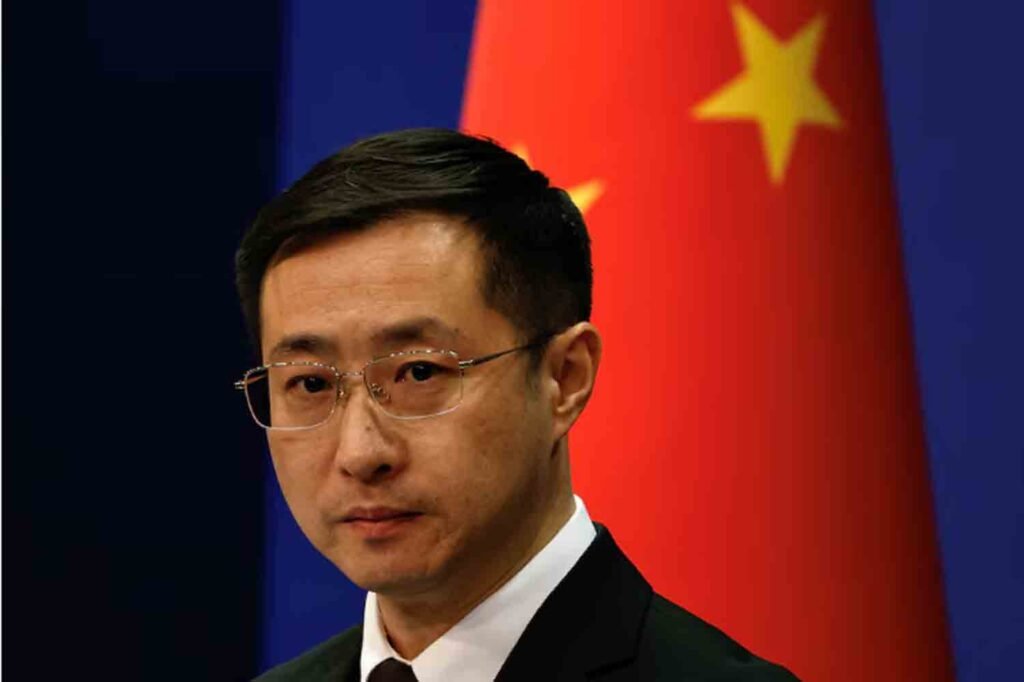
That is why China’s Foreign Ministry immediately rejected the logic of unilateral sanctions.
Chinese spokesman Lin Jian said pressure and sanctions do not help resolve disputes and warned that Beijing would take measures to protect its interests.
This Could Become Another US-China Confrontation
This is where the Iran sanctions campaign becomes much larger than an Iran story.
Trump and Xi are already managing disputes over:
- tariffs;
- technology;
- trade;
- strategic supply chains;
- Taiwan;
- critical minerals;
- and industrial policy.
Adding Iranian oil to the list could create another major source of confrontation.
Washington could theoretically sanction Chinese refiners, banks, shipping companies or other entities that facilitate Iranian oil purchases.
But the moment it begins targeting major Chinese institutions, the dispute becomes much more serious.
Washington Has Already Tested This Strategy
The United States has previously sanctioned Chinese companies involved in Iranian oil.
In April 2025, the Treasury Department sanctioned Shandong Shengxing Chemical, a Chinese “teapot” refinery accused of purchasing more than $1 billion of Iranian crude, along with companies and vessels involved in the shadow-fleet trade.
Washington has continued targeting Chinese and Hong Kong-based entities involved in Iranian procurement and financial networks.
In June 2026, Treasury also sanctioned China- and Hong Kong-based individuals and companies involved in procurement networks supporting Iran’s military.
So this is not the first US attempt to pressure Chinese entities over Iran.
What is new is the scale and rhetoric of the campaign.
Why Washington Is Hesitating to Hit China Directly
This is probably the most important strategic calculation.
If Washington wants to cripple Iran’s oil revenue, it needs to pressure China.
But if Washington heavily sanctions China, it risks creating another major economic confrontation with the world’s second-largest economy.
The Trump administration therefore faces a dilemma:
Option 1: Target China aggressively
This could reduce Iran’s oil revenue but worsen US-China relations.
Option 2: Target smaller Chinese entities
This creates pressure without immediately triggering a major confrontation with Beijing.
Option 3: Persuade China diplomatically
This is cheaper but depends on Beijing voluntarily accepting restrictions imposed by Washington.
Option 4: Pressure the entire shadow fleet
This could reduce Iranian exports without directly sanctioning China’s major financial institutions.
Washington appears to be testing a combination of these approaches.
The “Economic D-Day” Is More Gradual Than the Name Suggests
The language is dramatic.
The implementation is more cautious.
Reuters noted that the August 24 measures did not immediately impose broad penalties on major Chinese financial institutions connected to Iranian oil. Instead, Washington warned that secondary sanctions could follow.
That distinction matters.
The administration is effectively saying:
“Change your behaviour now, or face consequences later.”
It is giving foreign governments and companies time to calculate the risks.
Why the United States Wants China to Act Without Saying “China”
Bessent’s comments were carefully calibrated.
He said Washington was conducting “quiet diplomacy” with countries and communicating its expectations.
He added:
“We know who they are. They know who they are.”
That language allows Washington to threaten China without immediately turning the issue into a direct bilateral confrontation.
Beijing understood the message anyway.
China’s Response Is a Warning to Washington
China’s Foreign Ministry rejected unilateral sanctions and said Beijing would safeguard its rights and interests.
That language is significant.
Beijing is unlikely to accept the principle that Washington can decide which countries China is permitted to trade with.
China’s position has consistently been that unilateral US sanctions should not have extraterritorial authority over Chinese companies.
This makes a negotiated solution difficult.
The Strait of Hormuz Makes Everything More Complicated
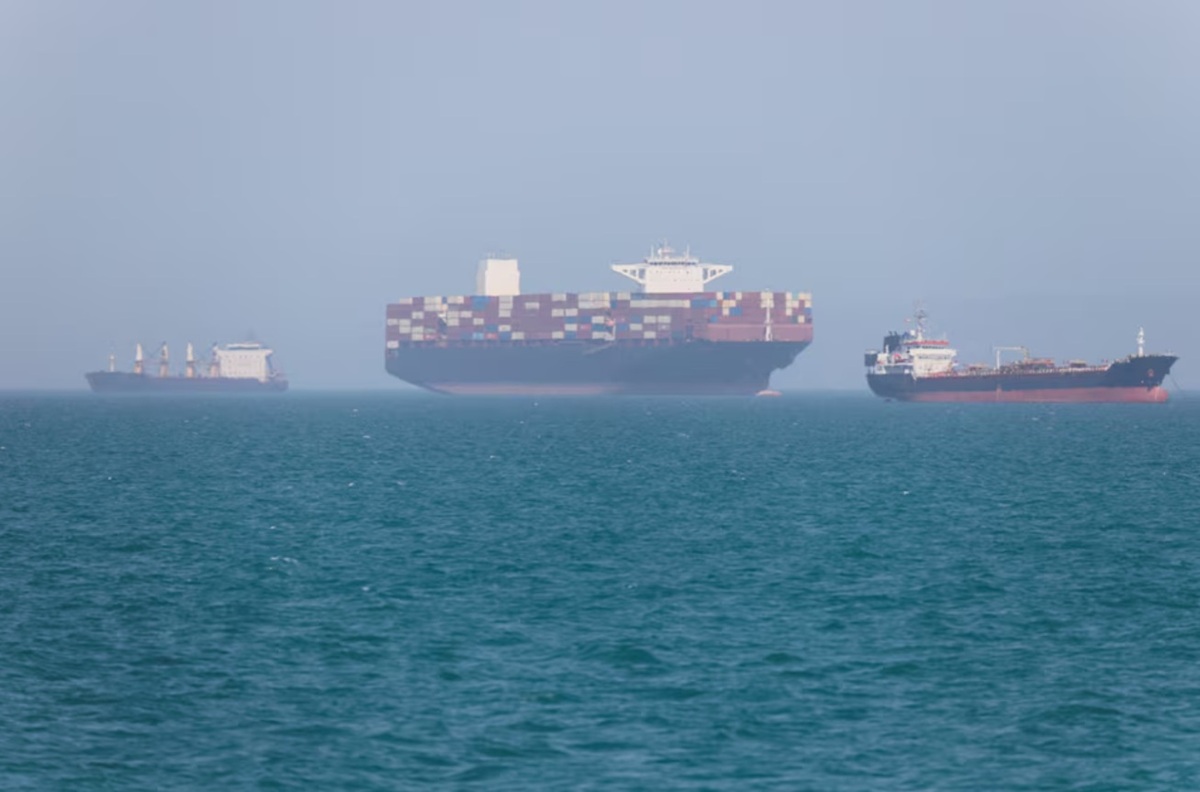
The Iran sanctions campaign is taking place against the backdrop of the continuing crisis around the Strait of Hormuz.
The waterway is crucial to global energy markets.
It is particularly important to China.
According to the figures cited in the report, around 38% of China’s oil and 23% of its LNG transits through Hormuz.
That means Beijing has two separate concerns:
Iranian oil supplies
and
the security of the maritime route through which much of its Middle Eastern energy travels.
A prolonged confrontation around Hormuz therefore directly affects China’s energy security.
China Has Already Been Diversifying
China’s response is not simply to depend on Iran.
Beijing has:
- diversified oil suppliers;
- built strategic petroleum reserves;
- expanded pipeline infrastructure;
- increased overland energy connectivity;
- and maintained relationships with Russia and Gulf producers.
That gives China greater resilience than many other oil-importing countries.
It also explains why a complete cutoff of Iranian crude would probably not create an immediate Chinese energy crisis.
But Iran Offers China a Strategic Discount
Iranian crude is valuable not only because China needs oil.
It is valuable because China can often buy it at a discount due to sanctions risk.
Chinese independent refineries have developed experience handling sanctioned Iranian crude.
The resulting trade network includes:
- intermediary companies;
- ship-to-ship transfers;
- opaque ownership structures;
- alternative payment arrangements;
- and shadow-fleet tankers.
The US has been trying to dismantle precisely this ecosystem.
The Shadow Fleet Is the Weakest Link
Iran’s oil exports increasingly depend on vessels and intermediaries capable of concealing:
- ownership;
- cargo origin;
- destination;
- and financial transactions.
US sanctions have targeted many of these networks.
Treasury has previously described Iranian oil shipments to China involving ship-to-ship transfers and opaque ownership structures.
This creates an enforcement problem.
Even if China wants to continue buying Iranian oil, Washington can attempt to make the transaction increasingly expensive and risky.
But Sanctions Are Not a Physical Blockade
This distinction is important.
Sanctions do not automatically stop oil from moving.
They increase the costs of moving it.
Iran can use:
- alternative shipping networks;
- intermediaries;
- non-dollar transactions;
- ship-to-ship transfers;
- opaque corporate structures;
- and new buyers.
China can also provide mechanisms outside the traditional Western financial system.
That makes complete economic isolation extremely difficult.
India Is a Useful Comparison
India was once a major importer of Iranian oil.
But US sanctions forced Indian refiners to largely stop importing Iranian crude in 2019.
That demonstrates the enormous leverage Washington can exercise over countries that depend heavily on access to the US financial and trading system.
India subsequently diversified its oil purchases, including a major shift toward Russian crude after the Ukraine war.
The current situation with China is different.
China is economically and strategically much more capable of resisting US pressure.
Why China Is Harder to Sanction Than India
The United States has significant leverage over Chinese companies.
But China also has significant leverage over the United States and global markets.
Beijing controls or dominates important parts of supply chains involving:
- rare earths;
- critical minerals;
- manufacturing;
- batteries;
- electronics;
- and industrial inputs.
A major US-China sanctions confrontation could therefore produce reciprocal economic pain.
Washington has to calculate not only “Can we hurt China?”
but also:
“What happens if China retaliates?”
The Iran Issue Could Spill Into the US-China Trade Relationship
This is perhaps the most dangerous consequence.
The US-China relationship has recently been relatively stabilised compared with the peak of the tariff war.
But sanctions against Chinese banks or major energy companies could reignite tensions.
China could respond through:
- counter-sanctions;
- export controls;
- restrictions on critical minerals;
- tighter technology controls;
- or measures targeting American companies.
That would transform an Iran sanctions campaign into a much wider economic confrontation.
Xi Jinping’s Expected US Visit Matters

The timing is especially delicate because Chinese President Xi Jinping is expected to visit the United States next month.
That creates an opportunity for Trump and Xi to negotiate a broader understanding.
Washington could ask China to reduce Iranian oil purchases.
Beijing could demand concessions elsewhere.
The Iran issue could therefore become part of a much larger US-China bargain.
Washington May Be Testing Beijing Before Xi Arrives
The “Economic D-Day” announcement may therefore have two audiences.
Tehran
The message is:
Your economic lifelines are being targeted.
Beijing
The message is:
Your companies and financial institutions could become targets if you continue sustaining Iran.
The United States may be attempting to create negotiating leverage before the Trump-Xi meeting.
The US Has Another Problem: Oil Prices
The administration cannot ignore the effect of sanctions on global energy prices.
If sanctions significantly reduce Iranian exports, global oil supplies tighten.
If Iran responds by disrupting Hormuz, the effect could be much larger.
That could push gasoline prices higher in the United States.
American consumers are already facing elevated fuel prices amid the Iran war.
That creates a political constraint on Washington.
A sanctions policy that hurts Iran but sharply raises American fuel costs could become politically difficult to sustain.
China Can Absorb Some of the Shock
China’s large crude inventories and diversified supply base provide a cushion.
This is why analysts believe Beijing could absorb a significant reduction in Iranian oil imports in the short term.
But China would still face higher costs if the sanctions campaign caused a broader increase in global oil prices.
Thus Beijing has an incentive to prevent the Iran conflict from destabilising the global energy market.
China’s Interests Do Not Completely Align With Iran’s
This is an important point.
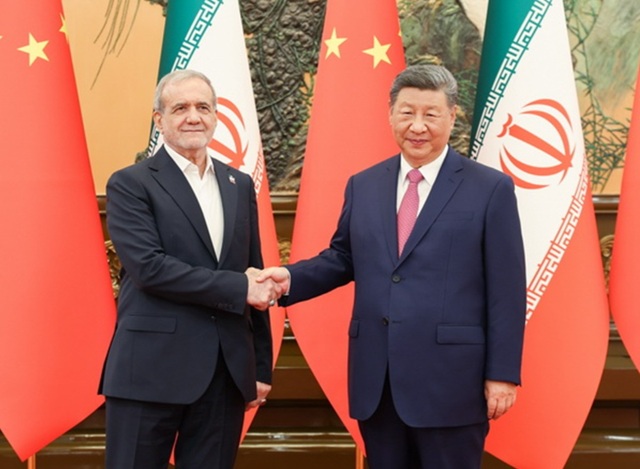
China and Iran are strategic partners.
But they are not allies in the formal military sense.
China does not necessarily want Iran to keep the Strait of Hormuz closed indefinitely.
Beijing needs the strait open.
It needs stable Gulf energy supplies.
It needs global trade routes functioning normally.
Therefore, China could theoretically support diplomatic efforts to reopen Hormuz while still rejecting US sanctions.
That would give Beijing an independent role.
The Sanctions Campaign Is Also a Test of US Financial Power
The United States continues to possess an extraordinary weapon:
access to the dollar and global financial system.
Washington can make transactions involving sanctioned entities extremely difficult.
Banks around the world have strong incentives to comply with US sanctions because they cannot afford to lose access to the American financial system.
This is why secondary sanctions are so powerful.
A foreign company may not care about Iranian sanctions.
But it may care enormously about losing access to US banks.
This Is Why Bessent’s Threat Matters
The most consequential part of the announcement may not be the list of 60 targets.
It is the warning that foreign entities facilitating Iran’s trade could eventually face exclusion from the US financial system.
That creates a choice for every company:
Iranian business or American financial access?
For smaller firms, the answer is often obvious.
For China, it is much more complicated.
What Would Happen If China Refused?
Suppose Beijing decides to continue importing Iranian oil at current levels.
Washington could:
- sanction Chinese refiners;
- sanction shipping companies;
- sanction banks;
- restrict dollar transactions;
- impose secondary sanctions;
- target insurance and maritime services;
- pressure third-country intermediaries.
At that point, China would likely retaliate.
The conflict could then move far beyond Iran.
What If China Cooperates?
If Beijing significantly reduces Iranian oil purchases, Tehran would face a major revenue shock.
Iran could attempt to compensate through:
- higher prices;
- alternative buyers;
- smuggling;
- non-oil exports;
- and domestic measures.
But replacing China’s market would be extremely difficult.
That is why China represents the biggest potential pressure point in Iran’s economic system.
Iran’s Options Are Narrowing—but Not Disappearing
The sanctions campaign could further weaken Iran’s economy.
The country already faces:
- currency pressure;
- inflation;
- declining oil revenues;
- damaged infrastructure;
- restricted financial access;
- and war-related economic disruption.
But Iran has survived decades of sanctions.
Its ability to adapt should not be underestimated.
Sanctions Alone May Not Produce Capitulation
This is the central strategic question.
Washington wants economic pressure to force Tehran to make major concessions.
But sanctions can also produce the opposite reaction.
Iran may conclude that there is little left to lose.
It could therefore:
- accelerate sanctions evasion;
- deepen ties with China and Russia;
- expand alternative payment mechanisms;
- increase pressure around Hormuz;
- or use regional partners.
Economic pressure does not automatically translate into political surrender.
The Real Battle Is Over Iran’s Revenue Pipeline
The US strategy can therefore be understood as an attempt to close the pipeline:
Iranian oil → shipping network → intermediary → Chinese refinery → payment system → Iranian revenue.
Washington wants to disrupt every stage.
China wants to preserve its ability to conduct legitimate energy trade without accepting US extraterritorial restrictions.
Iran wants to keep the entire pipeline functioning.
That is the real economic battle.
Why China Is the Ultimate Test
If Washington can force China to significantly reduce Iranian oil purchases without triggering a major US-China economic crisis, the sanctions campaign could become highly effective.
If China refuses and Washington backs away from sanctioning major Chinese institutions, Iran could retain a crucial economic lifeline.
That is why China—not Turkey, India or the UAE—is the decisive test of Trump’s “economic D-Day.”
But Washington Has a Broader Target List
China should not obscure the other countries and networks involved.
Iran’s trade ecosystem extends across multiple jurisdictions.
Turkey, the UAE, Iraq and other regional hubs can serve as:
- financial intermediaries;
- shipping centres;
- trading platforms;
- corporate registration locations;
- or transit points.
Washington therefore wants to create a global environment in which facilitating Iranian commerce becomes increasingly risky.
The UAE Faces a Particularly Difficult Position
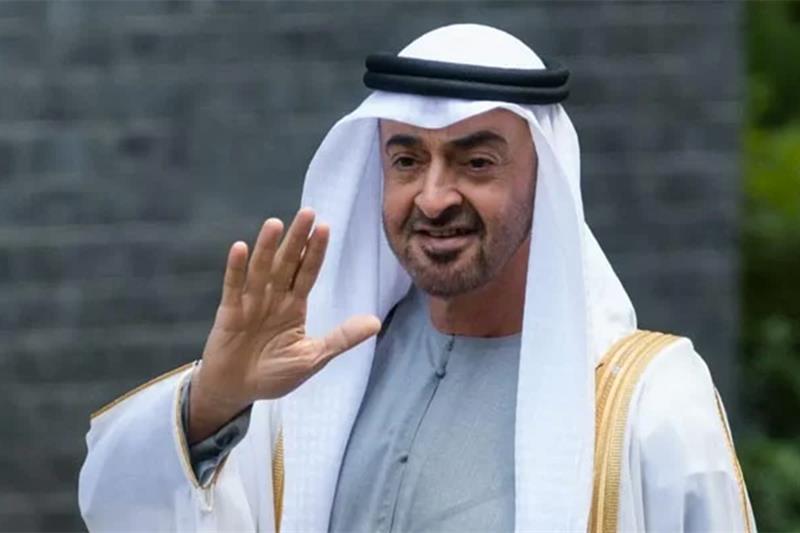
The UAE is a major commercial and financial hub.
It has extensive economic links with both Iran and the United States.
That creates a difficult balancing act.
Washington can pressure Emirati companies.
But excessive pressure could also damage regional trade and financial flows.
This is another reason the administration appears to be moving incrementally rather than imposing blanket measures immediately.
Turkey Is Also Strategically Important
Turkey maintains significant economic relations with Iran while remaining a NATO member and US partner.
An aggressive sanctions campaign against Turkish businesses could create another geopolitical dispute.
Washington therefore has to calibrate pressure carefully.
The objective is not merely to punish Iran.
It is to change the behaviour of the network supporting Iran without destabilising the entire regional economic system.
The “D-Day” Metaphor May Be Bigger Than the First Wave
The first sanctions package is substantial but not necessarily decisive.
The administration has signalled that more measures are coming.
Bessent has refused to set a final deadline, saying Washington does not have “infinite patience.”
That suggests the August 24 announcement should be viewed as the beginning of a campaign rather than its endpoint.
What to Watch Next
The next several weeks will reveal whether the campaign is genuinely escalating.
Watch for Chinese targets
The most important indicator will be whether Treasury sanctions major Chinese refiners, banks or shipping companies.
Watch Iranian oil flows
If Iranian exports to China fall sharply, the strategy is working.
Watch Hormuz
Any renewed disruption could overwhelm the economic benefits of sanctions by driving global oil prices higher.
Watch the dollar
If sanctioned trade increasingly moves outside the dollar system, Washington’s leverage could gradually weaken.
Watch Xi-Trump diplomacy
A compromise between Washington and Beijing could dramatically change the sanctions picture.
Watch Iran’s response
If Tehran increases pressure on shipping or accelerates alternative trade mechanisms, the economic campaign could become more confrontational.
The Biggest Question: Will Trump Risk a China Crisis to Isolate Iran?
This is ultimately the decision facing Washington.
The United States can impose sanctions on Iran indefinitely.
It can target smaller companies and shadow-fleet vessels.
But if Washington wants to seriously cripple Iran’s oil revenue, it eventually has to confront the largest buyer.
China.
That is where the strategy becomes dangerous.
A direct confrontation with Beijing could undermine Trump’s broader economic objectives, disrupt global supply chains and raise energy prices.
But avoiding China could leave Iran with enough revenue to continue resisting.
Bottom Line
The Trump administration’s “Economic D-Day” is officially directed against Iran and the global networks supporting Tehran. The August 24 operation targets nearly 60 individuals, companies and vessels and expands the threat of secondary sanctions across digital assets, technology, gold, aviation and shipping.
But the campaign’s real strategic test lies elsewhere.
China.
China is Iran’s overwhelmingly important oil customer, and Chinese purchases provide Tehran with a major source of foreign currency. That makes Beijing the most consequential country for determining whether Washington’s economic strategy succeeds.
Yet it would be inaccurate to say that the United States has already imposed sweeping new sanctions on China as a country.
It has not.
The current strategy is better understood as a warning backed by the threat of secondary sanctions.
Washington is telling countries and companies that continuing to facilitate Iran’s economic lifelines could eventually cost them access to the American financial system.
For China, however, the calculation is fundamentally different.
Beijing has enough economic weight to resist American pressure, has already diversified its energy sources and has signalled that it will defend its interests against unilateral sanctions.
That creates the central dilemma for Trump:
To economically isolate Iran, Washington may have to confront the country it least wants to confront at the same time—China.
The coming Trump-Xi engagement could therefore become just as important to the future of the Iran sanctions campaign as the measures imposed on Tehran itself.
The real question is no longer simply whether the US can sanction Iran.
It is whether the United States can force Iran’s largest customer to stop buying its oil without triggering a much larger US-China economic confrontation.
That is the real meaning of America’s “economic D-Day.”