Israel’s airstrikes on Syria’s Abu al-Duhur airbase have pushed the increasingly bitter Israel-Turkey rivalry into a dangerous new phase. Israel says it acted to prevent an emerging Turkish military presence in northern Syria from changing the regional balance. Turkey rejects the accusation, while Washington has publicly criticised the strike as an “unnecessary escalation.” With Israel’s October 27 election approaching and Benjamin Netanyahu trailing in several polls, the timing has also raised questions about whether a genuine security concern is being amplified for political advantage. The deeper issue, however, is bigger than Netanyahu: Turkey and Israel are competing over the future strategic order in post-Assad Syria.

The latest Israel-Turkey confrontation began with an airstrike—but the real story is about who gets to shape Syria’s post-Assad security architecture.
Israeli aircraft struck the Abu al-Duhur airbase in Idlib province, damaging the runway and other infrastructure. Syrian sources reported eight strikes and no casualties. The attack came shortly after a Turkish military delegation had visited the facility.
Israel subsequently said the operation was intended to prevent Turkey from establishing a military footprint at the base.
That explanation has been challenged from several directions.
Turkey says Israel is pursuing destabilising and expansionist policies.
Syria says it had not agreed to a permanent Turkish base at Abu al-Duhur.
And US special envoy Tom Barrack, who is also Washington’s ambassador to Turkey, went considerably further, calling the strike an “unnecessary escalation” and later saying US intelligence did not confirm the Israeli assessment that Turkey was preparing to deploy military assets there.
That leaves two competing explanations.
Israel may have acted on intelligence about an emerging Turkish military capability before it became operational.
Or Israel may have overestimated the threat—and potentially used a military incident that also happens to fit Netanyahu’s electoral narrative.
The evidence does not yet allow a definitive conclusion.
But the strategic rivalry itself is real.
Why Abu al-Duhur Matters
The importance of Abu al-Duhur goes beyond the airfield itself.
The base lies in northwestern Syria, relatively close to the Turkish border, and had been largely inactive after years of civil war.
Its location makes it potentially useful for projecting military power into northern and central Syria.
For Turkey, a stronger military relationship with Syria’s new government could provide Ankara with greater influence over Syria’s security institutions and territory.
For Israel, the prospect of another powerful regional military establishing infrastructure inside Syria is deeply sensitive.
Israel has spent years trying to maintain freedom of action over Syrian airspace.
It has also repeatedly attacked Syrian military infrastructure when it believed weapons or military capabilities could fall into the hands of hostile forces.
The emergence of a Turkish air-defence or radar network in Syria would be a fundamentally different problem.
It could complicate Israeli air operations.
Israel Says Turkey Was Building a Military Footprint
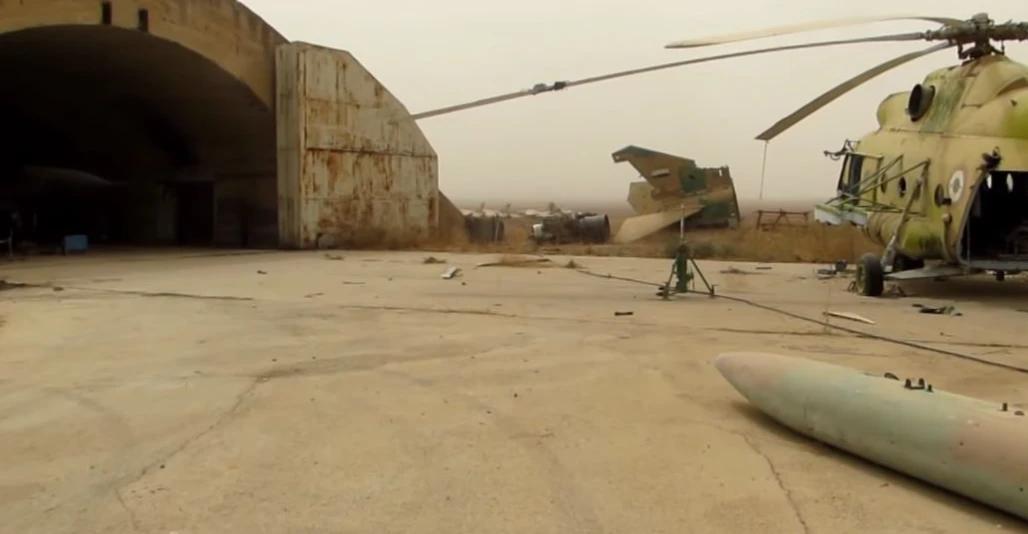
Israeli officials have argued that intelligence indicated Turkey was preparing to deploy personnel, drones, radar and air-defence systems at Abu al-Duhur.
Israeli sources subsequently told the Jerusalem Post that the concern specifically involved a possible Turkish radar and air-defence presence.
From Israel’s perspective, waiting until such systems were operational could have made them considerably more difficult to remove.
This explains the logic behind a preventive strike.
Israel’s post-October 7 security doctrine has increasingly emphasised preventing hostile military capabilities from becoming established near its borders.
That approach has been visible in Gaza, Lebanon and Syria.
The question is whether Turkey should be treated in the same way as Iran-backed armed groups or hostile military formations.
That is where the strategic debate becomes much more complicated.
Washington Challenges Israel’s Version
The US response is particularly significant.
Tom Barrack said Washington was “deeply concerned” about the Israeli strike and described it as an unnecessary escalation that did not advance regional stability.
More significantly, Barrack later said US intelligence agencies had examined Israel’s claim that Turkey was moving military assets to Abu al-Duhur and concluded that the claim was not supported by their intelligence.
He also suggested there may have been a communication failure between Israeli military intelligence, Mossad and the prime minister’s office.
That does not prove the Israeli intelligence assessment was wrong.
Intelligence agencies can reach different conclusions from the same information.
But it does create an unusual situation:
Israel says it acted because of an imminent Turkish military threat, while a senior US official says Washington’s intelligence did not confirm that threat.
That discrepancy is now central to the controversy.
Syria Says There Was No Turkish Base Plan
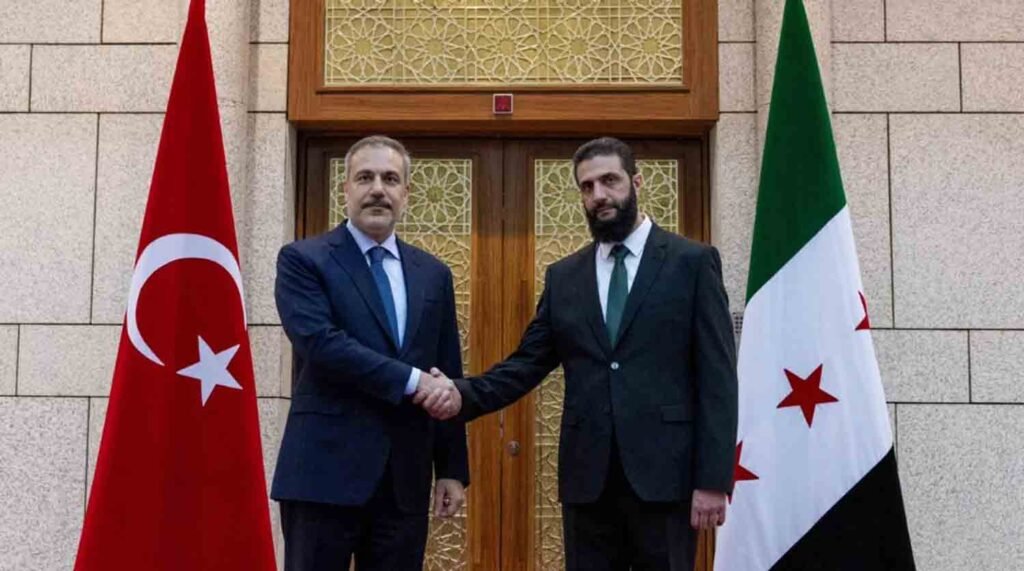
The Syrian government has also rejected the Israeli justification.
Foreign Minister Asaad al-Shaibani told Axios that Syria had informed Israel there were no plans to establish a permanent Turkish military presence or base at Abu al-Duhur.
Syria’s position is particularly important because the Israeli strike occurred on Syrian sovereign territory.
Damascus wants to rebuild its military and political institutions after the fall of Bashar al-Assad.
It also wants to avoid becoming a battlefield for competing regional powers.
That puts Syria in an extraordinarily difficult position.
It needs Turkey.
It wants dialogue with Israel.
And it needs to prevent its territory from becoming the arena for an Israeli-Turkish confrontation.
Turkey’s Growing Role in Post-Assad Syria
The confrontation cannot be understood without examining Turkey’s relationship with Syria’s new leadership.
Following Assad’s fall in December 2024, Ankara rapidly expanded its relationship with the new authorities in Damascus.
Turkey has provided political, military and logistical support and has discussed military training and defence cooperation with the Syrian government.
A US Congressional Research Service assessment notes that Turkey and Syria signed a military training and consultancy memorandum in 2025, reflecting the development of closer military ties.
For Ankara, this is not simply about Syria.
It is about regional influence.
Turkey wants a stable, friendly Syrian government that does not threaten Turkish territory and is less dependent on other regional powers.
Israel Sees a Different Syria Emerging
Israel’s strategic calculations are very different.
The collapse of Assad removed a government closely tied to Iran and Hezbollah.
That was potentially advantageous to Israel.
But it also created a vacuum.
Turkey moved rapidly into that vacuum.
Israel therefore faces a paradox.
The fall of Assad weakened Iran’s position but opened space for Turkish influence.
For Israel, replacing one powerful regional actor with another does not necessarily solve the security problem.
Turkey Is Not Iran—And That Makes the Calculation Harder
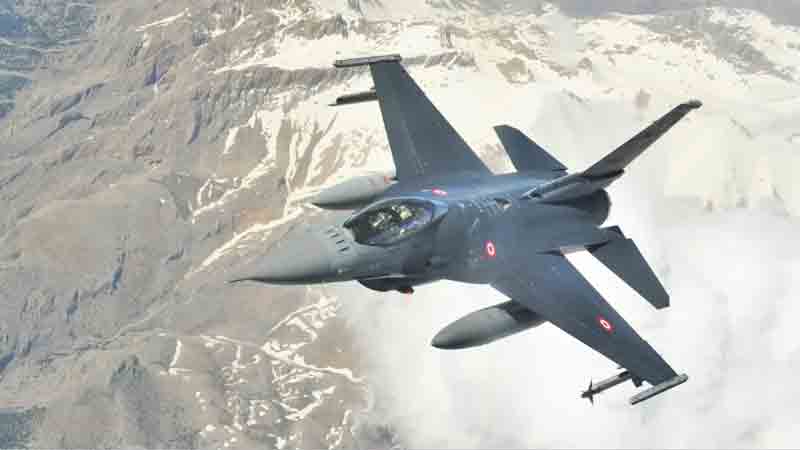
This is one of the most important points in the dispute.
Israel has developed a long-standing strategy of striking Iranian military infrastructure and Iran-linked weapons transfers in Syria.
Turkey is different.
It is a NATO member.
It has a major military.
It maintains relations with Washington.
It has its own interests in Syria.
And it has no formal war with Israel.
A direct Israeli-Turkish military confrontation would therefore carry far greater geopolitical consequences than another strike on an Iranian-linked facility.
It could potentially drag the United States into managing a confrontation between two of its strategic partners.
That is precisely what Washington appears determined to prevent.
The Risk of a Turkey-Israel Military Clash Is Growing
The two countries already have sharply different visions for the region.
Turkey under President Recep Tayyip Erdoğan has become one of Israel’s strongest critics over Gaza.
Israel, meanwhile, increasingly sees Turkey’s regional military activism as a strategic challenge.
The rivalry extends beyond rhetoric.
It now involves:
- Syria;
- Gaza;
- defence exports;
- airpower;
- regional alliances;
- and competing visions of Middle Eastern order.
The possibility of a direct military clash remains low compared with the risk of indirect confrontation.
But Syria is creating exactly the kind of environment in which miscalculation becomes possible.
The F-35 Dispute Is Part of the Same Rivalry
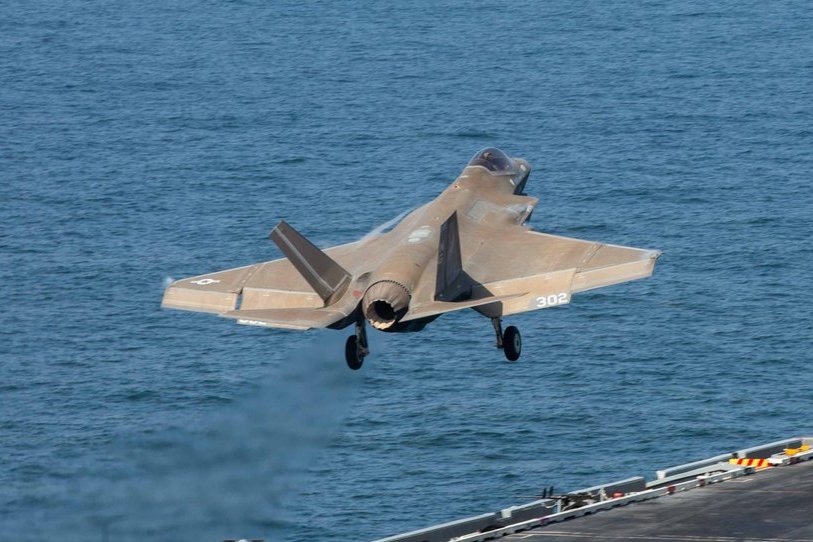
The Israel-Turkey confrontation is not limited to Syria.
Netanyahu has also openly opposed a potential US sale of F-35 stealth fighters to Turkey.
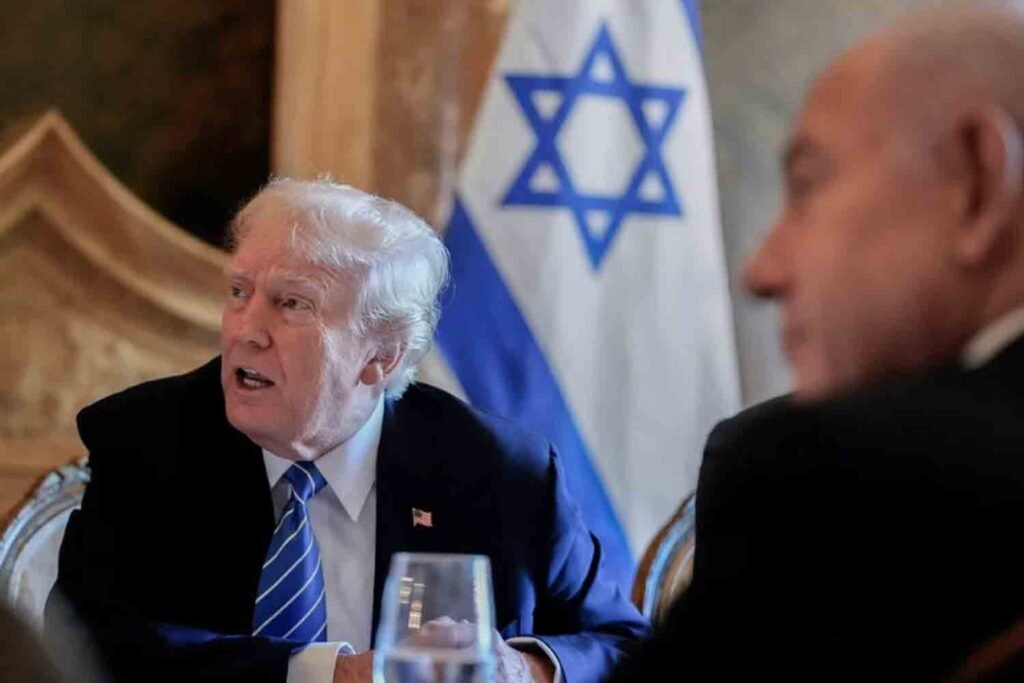
When President Donald Trump said he would consider such a sale, Netanyahu warned that giving Turkey the F-35 would alter the regional balance of power.
This is a revealing argument.
Israel’s military advantage in the region depends heavily on maintaining qualitative superiority.
A technologically advanced Turkish air force equipped with F-35s could change the strategic calculation.
For Turkey, acquiring F-35s would restore access to an aircraft programme from which Ankara was excluded after its purchase of Russia’s S-400 air-defence system.
For Israel, the issue is not simply Turkey’s aircraft.
It is who controls the regional balance of advanced airpower.
The S-400 Complication Remains
Turkey’s acquisition of the Russian S-400 system resulted in its removal from the F-35 programme and US sanctions.
That dispute has not disappeared.
But Washington’s relationship with Ankara has evolved.
The Trump administration now appears more willing to reconsider the military relationship.
That creates another problem for Israel.
If Washington restores Turkey’s access to advanced US weapons, Israel will want safeguards to preserve its qualitative military edge.
A US Congressional Research Service report notes that a Turkish F-35 acquisition could reduce the relative advantage enjoyed by countries such as Israel and Greece.
Netanyahu Has Already Asked Trump to Restrain Erdoğan
The Abu al-Duhur strike therefore did not emerge in isolation.
In July, Netanyahu reportedly raised concerns directly with Trump about Erdoğan’s policies and asked Washington not to provide Turkey with advanced weapons systems that could alter the regional balance.
That makes the current Syria confrontation part of a broader strategic campaign.
Israel is attempting to persuade Washington that Turkey, not only Iran, should be treated as a potential challenge to Israeli regional military dominance.
Whether Washington agrees is another matter.
Then Comes Netanyahu’s Election Problem
This is where domestic politics enters the story.
Israel’s next general election is scheduled for October 27, 2026.
Netanyahu is facing a difficult contest.
Recent polling has shown his Likud party and his wider coalition struggling to secure the 61 seats required for a parliamentary majority. One August poll even put opposition leader Gadi Eisenkot ahead of Netanyahu in a hypothetical party comparison.
The security environment could therefore be politically consequential.
Netanyahu has built much of his political identity around national security.
A major new external threat reinforces his strongest political argument:
Israel needs an experienced security leader in a dangerous region.
That does not prove the Syria strike was undertaken for electoral reasons.
But it explains why critics are scrutinising the timing.
The “Security First” Political Brand
Netanyahu has spent decades cultivating the image of a leader who understands Israel’s security threats better than his opponents.
The political logic is straightforward.
When the campaign focuses on:
- cost of living;
- government performance;
- the Gaza war;
- accountability for October 7;
- political divisions;
Netanyahu faces difficult questions.
When the campaign focuses on:
- Iran;
- Turkey;
- terrorism;
- missile threats;
- military strength;
the political terrain becomes more favourable to him.
That is why the Syria confrontation has become politically sensitive.
But Security and Politics Can Exist at the Same Time
The strongest analysis should avoid a false choice.
It is entirely possible that:
Turkey genuinely represents an emerging strategic concern for Israel
and
Netanyahu also understands that confronting Turkey strengthens his political security credentials.
These explanations are not mutually exclusive.
Indeed, political leaders frequently make decisions in which strategic and electoral calculations overlap.
The question is not whether politics existed.
The question is how much politics influenced the timing and intensity of the response.
That remains difficult to establish.
Barrack’s “Bait Turkey” Remark Raises the Stakes
Barrack’s suggestion that Israel may have been trying to “bait” Turkey is unusually serious.
It implies the strike may have been intended not simply to destroy a military facility but to test or provoke Ankara’s reaction.
According to Barrack, Turkey came close to considering a military response after the attack.
If accurate, that means the strike created a situation in which two US partners could potentially have come into direct confrontation.
For Washington, that is precisely the nightmare scenario.
Why the United States Wants Deconfliction
Washington is now trying to establish a formal Turkey-Israel-Syria deconfliction mechanism.
The objective is straightforward:
Prevent an incident from escalating into a war.
The US wants communication channels that can clarify:
- military deployments;
- air operations;
- radar activity;
- exercises;
- troop movements;
- and airspace restrictions.
This is particularly important because Turkey and Israel both operate advanced aircraft and air-defence systems in or around Syria.
A misunderstanding could escalate much faster than diplomats can respond.
Syria Is Becoming a New Strategic Chessboard
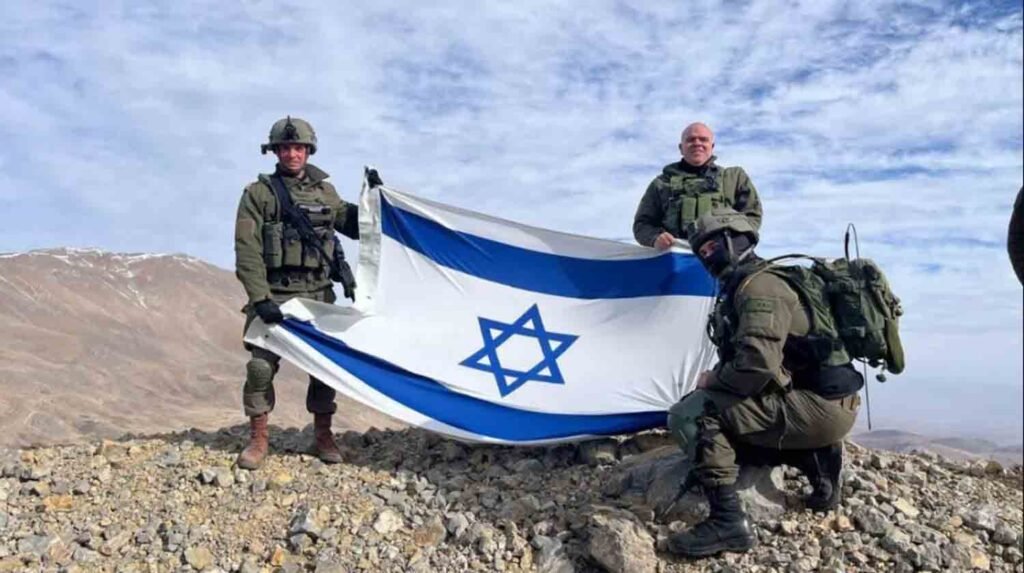
The wider problem is that Syria is no longer simply the aftermath of a civil war.
It is becoming a contest among several regional and international actors.
Turkey wants influence.
Israel wants strategic depth and freedom of action.
Iran wants to preserve whatever influence remains.
The Gulf states want stability and economic opportunities.
The United States wants to prevent another regional war.
Russia wants to preserve its remaining strategic relevance.
And the Syrian government wants to rebuild a functioning state.
Those objectives frequently collide.
Israel’s Buffer Zone in Southern Syria Adds Another Layer
Israel has also maintained military positions in a buffer zone inside southern Syria since the collapse of Assad’s government.
Israel argues that the new environment requires defensive measures.
Syria views Israeli military presence on its territory as a sovereignty issue.
Turkey, meanwhile, increasingly views Israeli military expansion in Syria as part of a broader regional policy that threatens the balance.
Thus the two sides are looking at the same Syrian map through entirely different lenses.
Turkey’s View: Israel Is the Destabilising Actor
Ankara argues that Israeli military actions undermine Syrian sovereignty and regional stability.
Turkey also sees itself as supporting Syria’s territorial integrity and rebuilding state institutions.
From the Turkish perspective, Israeli strikes against Syrian facilities interfere with the reconstruction of a neighbouring country.
That narrative resonates strongly with Ankara’s wider opposition to Israeli military operations in Gaza, Lebanon and Syria.
Israel’s View: Turkey Is Changing the Balance
Israel sees the situation differently.
If Turkey establishes:
- radar;
- air defence;
- drones;
- military advisers;
- or aircraft;
inside Syria, Israel’s ability to operate freely could be constrained.
For Israel, the geographical problem is particularly serious because Turkish military infrastructure could eventually become part of a broader Syrian-Turkish defence architecture.
That could fundamentally change the operating environment.
The Intelligence Dispute Is the Most Important Unresolved Question
At the heart of the controversy is a simple question:
Was Turkey actually preparing to establish a military presence at Abu al-Duhur?
Israel says yes.
Turkey says no.
Syria says no permanent base was planned.
Washington says its own intelligence did not validate the Israeli claim.
Until more evidence emerges, outside observers cannot confidently determine which assessment is correct.
That means sweeping claims that the strike was either completely justified or entirely politically manufactured are premature.
What We Do Know
Several facts are much clearer.
First:
Turkey’s military relationship with Syria is expanding.
Second:
Israel is increasingly concerned about Turkish influence in Syria.
Third:
The Abu al-Duhur airbase was struck after a Turkish delegation visited it.
Fourth:
Israel says it acted because of an anticipated Turkish deployment.
Fifth:
Turkey denies establishing such a presence.
Sixth:
Washington publicly criticised the strike.
Seventh:
The US is now trying to establish a deconfliction mechanism. (Reuters)
Eighth:
The incident occurred roughly two months before Israel’s general election.
Those facts alone explain why the incident has become so politically and strategically explosive.
The Netanyahu-Erdogan Rivalry Makes Everything Worse
The personal relationship between Netanyahu and Erdoğan is extraordinarily hostile.
Erdoğan has repeatedly attacked Netanyahu over Gaza.
Netanyahu has responded with equally severe rhetoric against Erdoğan.
The dispute has moved beyond policy disagreement into personal political confrontation.
That creates an additional danger.
When leaders have publicly demonised each other, backing down after a military incident becomes politically harder.
Turkey Is Also Building a Wider Regional Network
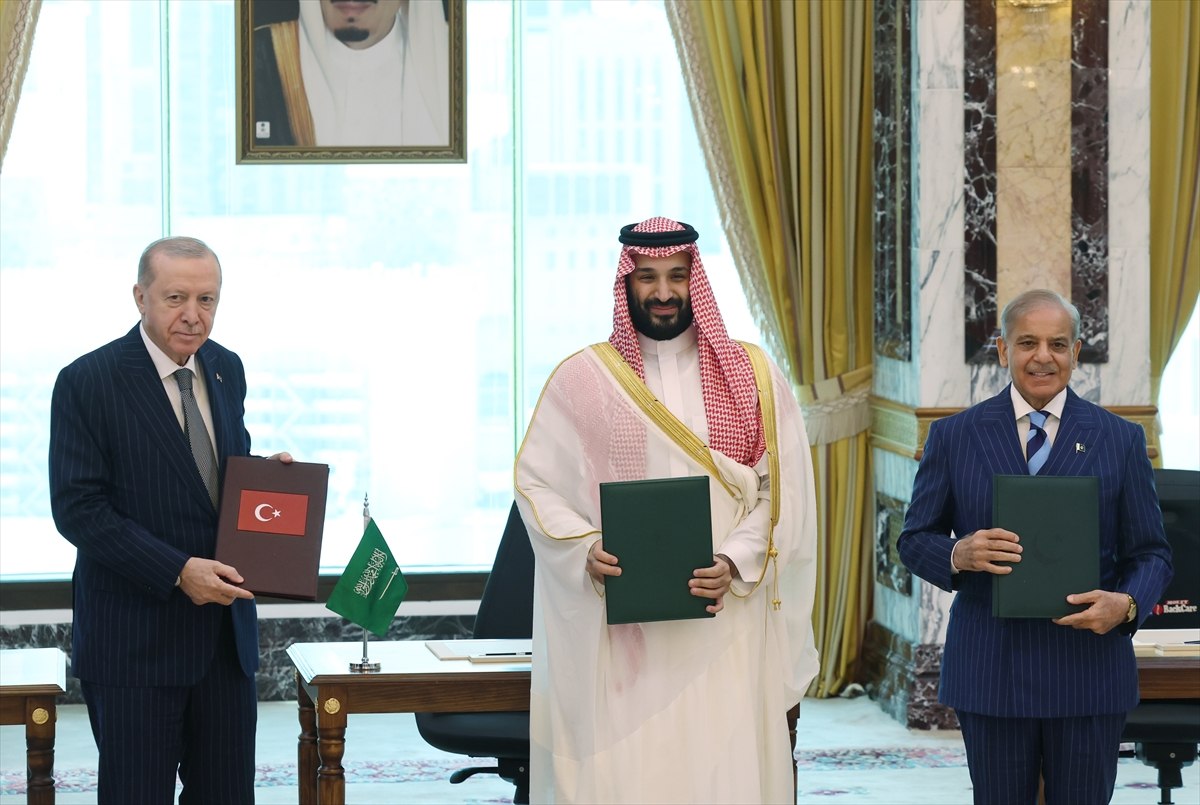
Ankara’s strategic position has expanded beyond Syria.
Turkey has strengthened defence relations with several regional countries.
Its military partnerships with Qatar, Somalia and other states, combined with its growing relationship with Syria, have expanded its regional footprint.
The recently signed Mecca Joint Defence Pact between Turkey, Saudi Arabia and Pakistan adds another important dimension to the regional balance.
For Israel, Turkey’s growing network of relationships is increasingly difficult to ignore.
It is no longer simply an Israeli-Turkish dispute.
It is part of a wider contest over the post-Iran-war regional order.
Pakistan and Saudi Arabia Add Another Dimension
The Turkey-Saudi-Pakistan defence pact is particularly relevant to the broader regional picture.
Israel has spent years attempting to build a regional architecture involving Arab states and potentially Saudi Arabia.
A strengthening Turkish relationship with Saudi Arabia and Pakistan creates a different strategic network.
It does not automatically constitute an anti-Israel bloc.
But it does provide Ankara with greater diplomatic and military depth.
That matters because Israel’s strategic advantage has traditionally depended partly on preventing hostile regional powers from coordinating too closely.
Israel’s Regional Superiority Is Becoming More Contested
Israel remains the region’s strongest air power by many measures.
But the regional environment is changing.
Turkey has a large and increasingly sophisticated defence industry.
It has developed advanced drones and missile systems.
It is seeking to modernise its fighter fleet.
It has extensive combat experience.
And it possesses one of NATO’s largest militaries.
A Turkey with F-35s would be a significantly different strategic actor.
This explains why Netanyahu is so concerned about Ankara’s military trajectory.
But Turkey Is Still Not Iran
This distinction should not be lost.
Turkey is a NATO member and has major interests in maintaining relations with Washington.
It also has extensive economic ties with Europe.
A direct Israel-Turkey war would be extremely costly for both sides.
That creates powerful incentives for restraint.
The most likely future is therefore not an immediate full-scale war.
It is competitive deterrence, diplomatic pressure and limited confrontation inside Syria.
The Biggest Danger Is Miscalculation
The most dangerous scenario may not be a deliberate decision by either government to start a war.
It could be an accident.
For example:
Israeli aircraft enter an area where Turkish aircraft are operating → Turkish radar locks onto them → Israel interprets the action as hostile → an aircraft is targeted → retaliation follows.
Once advanced military systems begin interacting, escalation can occur quickly.
This is why the US deconfliction initiative matters.
The US Faces a Difficult Balancing Act

Washington has strong relationships with both countries.
It does not want to choose between them.
But the strategic differences are becoming harder to manage.
Turkey is a NATO member.
Israel is America’s closest regional military partner.
Both have major influence in Syria.
The United States therefore has to prevent its two partners from becoming adversaries.
That is one reason Barrack’s unusually public criticism of Israel is important.
Washington is signalling that it does not want Israeli military actions to undermine its wider Syria strategy.
Netanyahu May Also Be Testing Trump’s Limits
There is another dimension.
Trump wants to reduce major regional wars and shift toward diplomatic arrangements.
Netanyahu has repeatedly demonstrated that he is willing to use military force when he believes Israel’s security is at stake.
That creates a structural tension.
The Abu al-Duhur strike is therefore also a test of how much operational freedom Israel has under the Trump administration.
If Washington publicly objects but takes no substantive action, Israel may interpret that as evidence that its freedom of action remains substantial.
If Washington imposes stronger restrictions, Netanyahu’s government may face a new strategic constraint.
Syria’s Future Could Determine the Relationship
The long-term question is not simply whether Turkey and Israel avoid another confrontation.
It is:
What kind of Syria emerges?
A Syria closely aligned with Turkey would significantly expand Ankara’s strategic influence.
A Syria able to develop independent security institutions could reduce dependence on both Turkey and Israel.
A fragmented Syria would create opportunities for competing powers and armed groups.
The outcome will shape the balance of power across the eastern Mediterranean and Middle East.
What Happens Next?
Several developments deserve close monitoring.
1. US-mediated deconfliction
If Washington successfully creates direct communication channels between Israel, Turkey and Syria, the immediate risk of escalation could fall.
2. Turkish military deployments
The most important evidence will be whether Turkey actually deploys radar, air-defence systems or other major assets to Syrian bases.
3. Israeli strikes
If Israel conducts further attacks against Turkish-linked infrastructure, the confrontation could escalate rapidly.
4. F-35 negotiations
Any US decision to restore Turkey’s access to F-35s would significantly affect Israeli calculations.
5. Syrian-Israeli negotiations
The recent meeting between Syrian Foreign Minister Asaad al-Shaibani and Mossad chief Roman Gofman indicates that both sides still want to prevent the situation from spiralling.
6. Israeli election politics
If Turkey becomes a major campaign issue, Netanyahu’s rhetoric may intensify even if the military situation stabilises.
Is Netanyahu Using Turkey to Strengthen His Election Campaign?
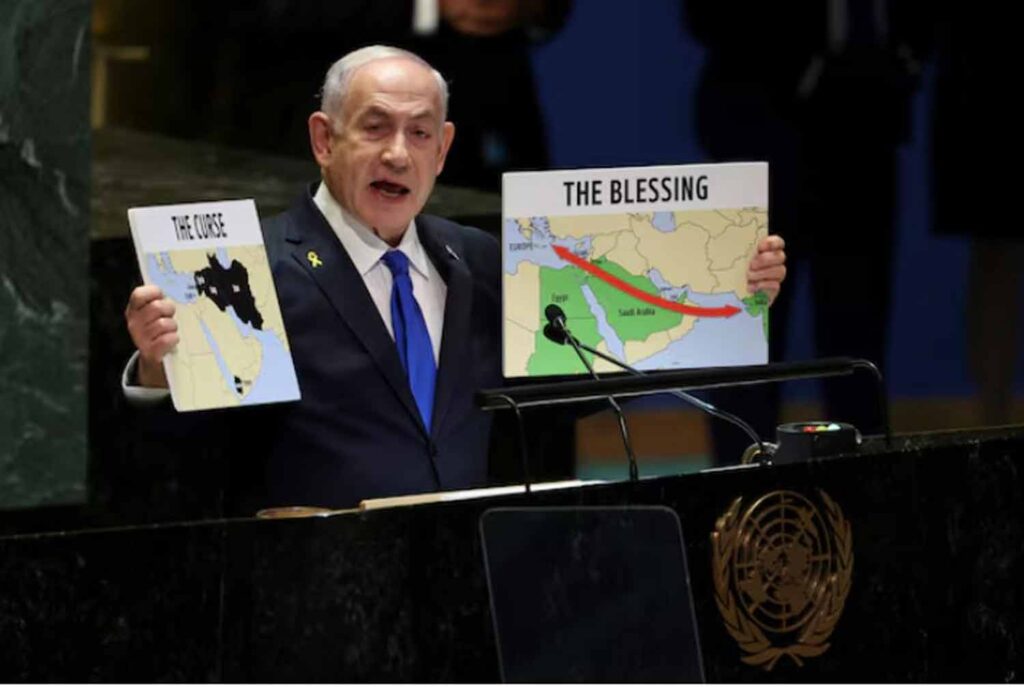
There is enough evidence to justify the question—but not enough to establish the accusation as fact.
The timing is undeniably politically significant.
Netanyahu is facing an election in October.
His coalition is struggling in several polls.
His political identity is built around security.
Turkey has become a highly visible adversary.
And the strike was followed by unusually strong political messaging about Erdoğan and Turkish ambitions.
That creates an obvious electoral incentive.
But there is also evidence that Israel has been monitoring Turkish military activity in Syria for much longer.
Israeli sources say the concern about Turkish deployments predates the strike by months.
Therefore, the most credible interpretation is probably not “Netanyahu invented the Turkish threat.”
It is:
a real strategic concern may have been intensified and politically exploited at a particularly advantageous moment.
That distinction is crucial.
The Bigger Strategic Shift
The most important development may ultimately be the transformation of Turkey from an indirect Israeli concern into a direct strategic competitor in Syria.
For years, Israel’s principal concerns in Syria were:
- Iran;
- Hezbollah;
- Syrian military capabilities;
- and jihadist groups.
The emergence of Turkey as a major power broker changes that equation.
Turkey has the military capacity, economic weight and regional diplomatic network to shape Syria’s future.
Israel cannot simply ignore that.
Bottom Line
The Israeli strike on Abu al-Duhur should not be reduced to a simple question of whether Netanyahu is trying to win an election.
There is a genuine strategic dispute underneath the politics.
Turkey is expanding its influence in post-Assad Syria.
Israel wants to preserve freedom of military action and prevent hostile or potentially threatening military infrastructure from developing near its operating environment.
The two objectives increasingly collide.
At the same time, Netanyahu is entering an election in which security remains his strongest political asset, while polls show his coalition facing a difficult battle for a governing majority.
That makes the timing politically significant.
But the strongest evidence against a purely electoral explanation is that Israel’s concerns about Turkish military influence in Syria appear to have developed over a much longer period.
The immediate controversy is therefore about intelligence.
The deeper conflict is about strategy.
And the biggest question is no longer simply whether Israel and Turkey dislike each other.
It is whether they can compete for influence in Syria without eventually coming into direct military confrontation.
For Washington, that is becoming an urgent problem.
For Damascus, it is a threat to Syria’s sovereignty and reconstruction.
For Ankara, the Israeli strikes demonstrate the risks of expanding its military role in Syria.
And for Jerusalem, the emergence of a powerful Turkish military presence on its northern flank represents a new strategic calculation that Israel is unlikely to ignore.
The Abu al-Duhur strike may therefore prove to be less important for what it destroyed than for what it revealed: the post-Assad Middle East is producing a new Israel-Turkey rivalry, and Syria is becoming its most dangerous arena.