


Russian President Vladimir Putin has warned that Moscow could use all weapons in its arsenal, including nuclear weapons, if Russia’s Kaliningrad exclave or other Russian territory comes under direct attack, escalating an already tense confrontation with NATO over the Baltic region.

Speaking at the Valdai Discussion Club in Moscow on October 1, Putin said Russia had no plans to attack European countries but would respond to what he described as Western aggression.
The warning specifically highlighted Kaliningrad, Russia’s heavily militarized Baltic exclave located between NATO members Poland and Lithuania.
Putin’s remarks came days after Moscow warned NATO that any attempt to isolate or blockade Kaliningrad could trigger a response involving Russia’s full military arsenal.
NATO, however, says it is a defensive alliance and has rejected the suggestion that it is preparing to attack or blockade the Russian territory.
The latest confrontation comes as the war in Ukraine enters another winter, Russia increases military spending and both sides continue long-range strikes against military and strategic infrastructure.
Putin’s nuclear warning over Kaliningrad
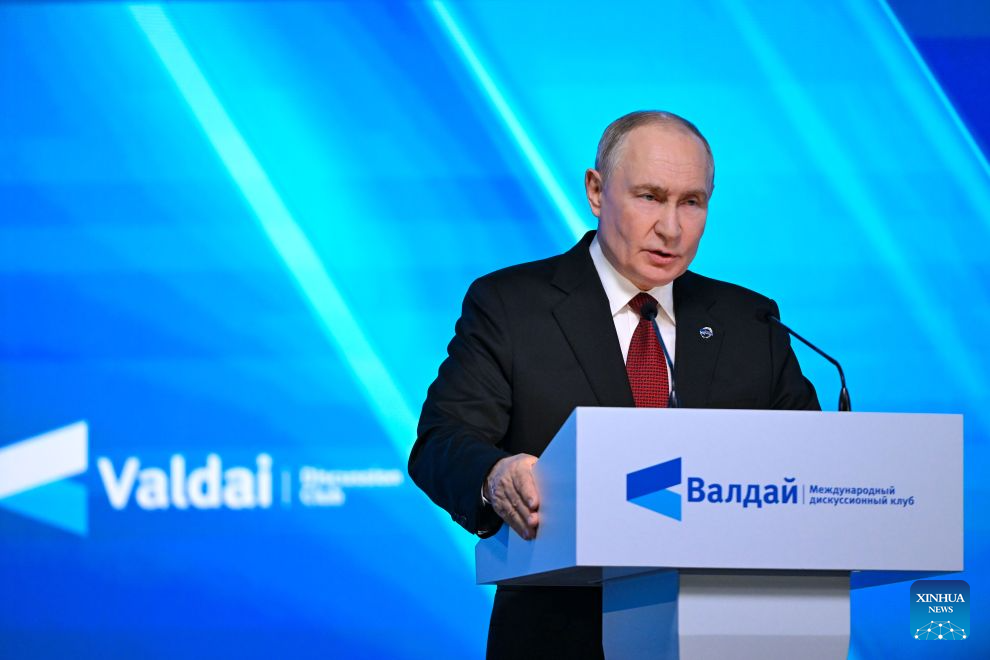
Putin used some of his strongest language yet over the security of Kaliningrad during his Valdai appearance.
He said Russia did not intend to attack any European country but warned that a direct attack on Russian territory would fundamentally change the situation.
“If it comes to a direct attack on the Russian Federation — in this case, we are referring to Kaliningrad, and perhaps other territories as well — the question of the Russian Federation deploying all the weapons at our country’s disposal will inevitably and immediately be on the agenda,” Putin said.
He described the use of Russia’s full arsenal as unavoidable in such a scenario.
The Russian president also said Moscow was aware that NATO was much larger in conventional terms but argued that Russia possessed military capabilities that gave it strategic advantages.
Why Kaliningrad matters
Kaliningrad is strategically important because it is geographically separated from mainland Russia and surrounded by NATO territory and the Baltic Sea.
The exclave lies between Poland and Lithuania, while its maritime position gives Russia access to the Baltic Sea.
It is also home to significant Russian military infrastructure.
For Moscow, maintaining secure access to Kaliningrad is therefore a major strategic concern.
For NATO, the Baltic region has become increasingly important since Finland and Sweden joined the alliance, expanding NATO’s military presence around the Baltic Sea and changing the regional balance.
The geography also creates a potential vulnerability for Russia because any major disruption of land, sea or air connections could complicate Moscow’s ability to reinforce the exclave.
NATO Secretary General Mark Rutte said on September 30 that there was no imminent threat to NATO territory from Russia, while rejecting Moscow’s nuclear warning and emphasizing the alliance’s defensive posture.
Russia warned NATO before Putin’s speech

Putin’s comments followed a Russian diplomatic warning that Moscow would consider using its full arsenal, including nuclear weapons, if NATO countries attempted to isolate Kaliningrad.
Rutte confirmed that NATO had received a Russian communication concerning the issue, although he declined to disclose the full contents.
He said NATO’s response was essentially that the alliance is defensive and that nuclear threats were neither helpful nor justified.
The exchange has created a new layer of nuclear rhetoric around the Baltic region even though NATO maintains that there is no immediate Russian attack on alliance territory.
NATO continues strengthening its Baltic defenses
At the same time, NATO has continued to strengthen its eastern flank.
The alliance has increased air and missile-defense capabilities, expanded its military presence in the Baltic states and stepped up exercises and surveillance activities.
On September 29, Rutte met Lithuanian Prime Minister Mindaugas Sinkevičius and highlighted NATO’s forward land forces in Lithuania, integrated air and missile defense and measures designed to counter drones.
NATO said Italy-based fighter aircraft had intercepted and destroyed a drone that violated Lithuanian airspace on September 15.
Lithuania is also increasing defence spending significantly. NATO said the country is expected to spend 5.38% of GDP on core defence spending in 2026, according to the alliance’s latest statement.
The developments illustrate how the Baltic states are preparing for a security environment they regard as more dangerous than before Russia’s full-scale invasion of Ukraine.
Baltic military exercises add to the tension
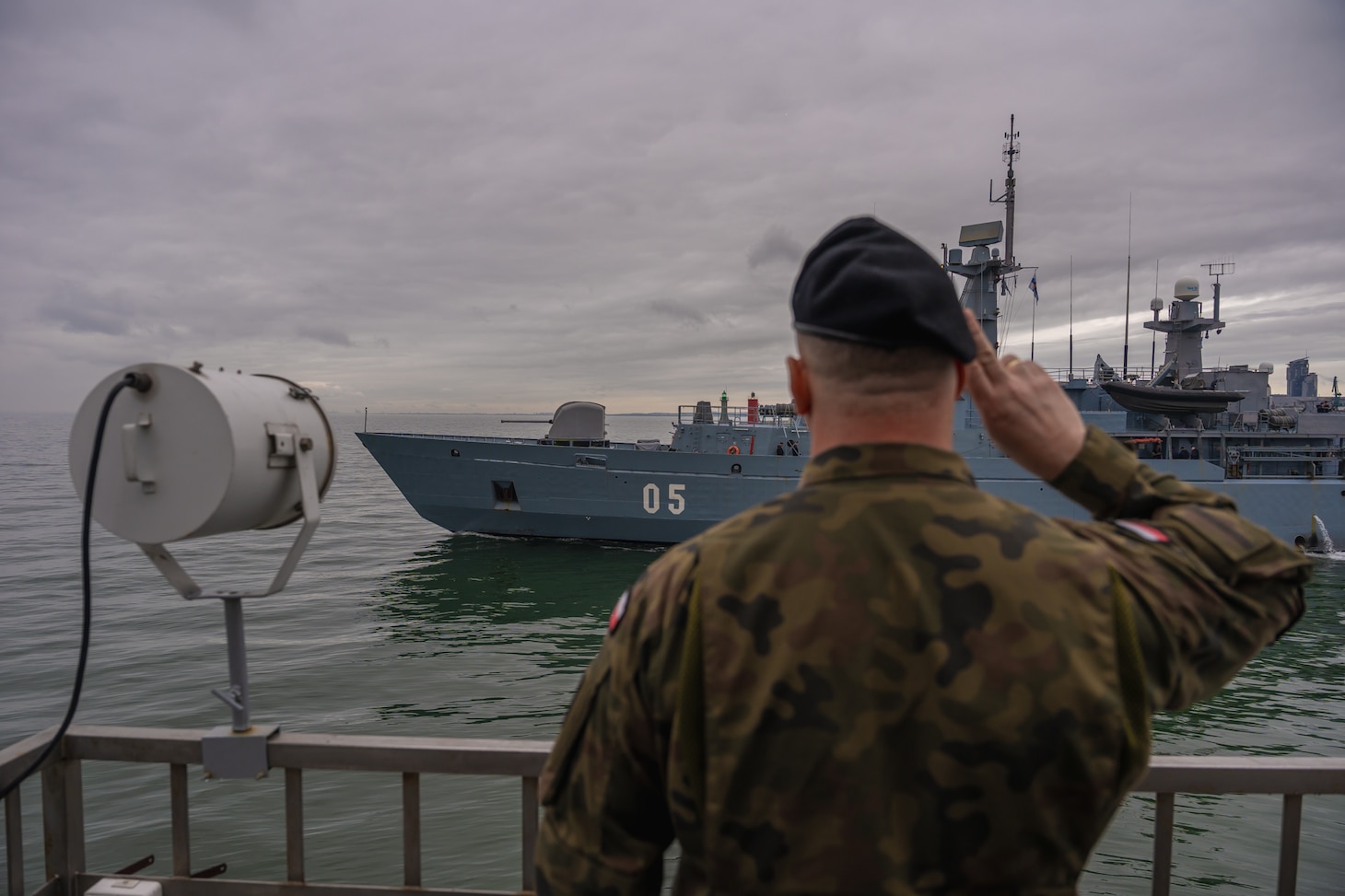
The Baltic Sea has also become a focus of NATO military activity.
The United States and NATO allies conducted the BALTOPS 2026 naval exercise in June, involving around 20 ships and 6,000 personnel from 15 countries.
The exercise was smaller than previous editions because NATO naval resources were also committed elsewhere, but officials described it as part of the alliance’s deterrence and regional security posture.
The exercise focused in part on protecting maritime routes and strengthening operations around the Baltic Sea.
Moscow has portrayed NATO’s expanding military activity around the Baltic as part of a wider pressure campaign against Russia.
Putin specifically referred to successive Baltic military exercises and what Moscow describes as attempts to interfere with Russian vessels.
The Kremlin’s interpretation is disputed by NATO, which describes its military posture as defensive.
Russia’s hybrid-war dispute with Europe
The Kaliningrad dispute is taking place alongside a much wider confrontation between Russia and European governments.
NATO and several European states have accused Moscow of conducting hybrid operations involving cyberattacks, sabotage, espionage and other forms of interference.
Russia has rejected many of these allegations and has accused European governments of escalating the confrontation by supporting Ukraine.
Rutte has described the Russian threat to Europe as long-term and said Moscow’s military-industrial base is increasingly geared toward the war effort.
In a September 10 speech, Rutte said Russia was spending more than 10% of national income on defence and that its industrial base was increasingly focused on military production.
That assessment is particularly relevant as Russia prepares another substantial increase in military spending.
Russia plans record defence spending in 2027
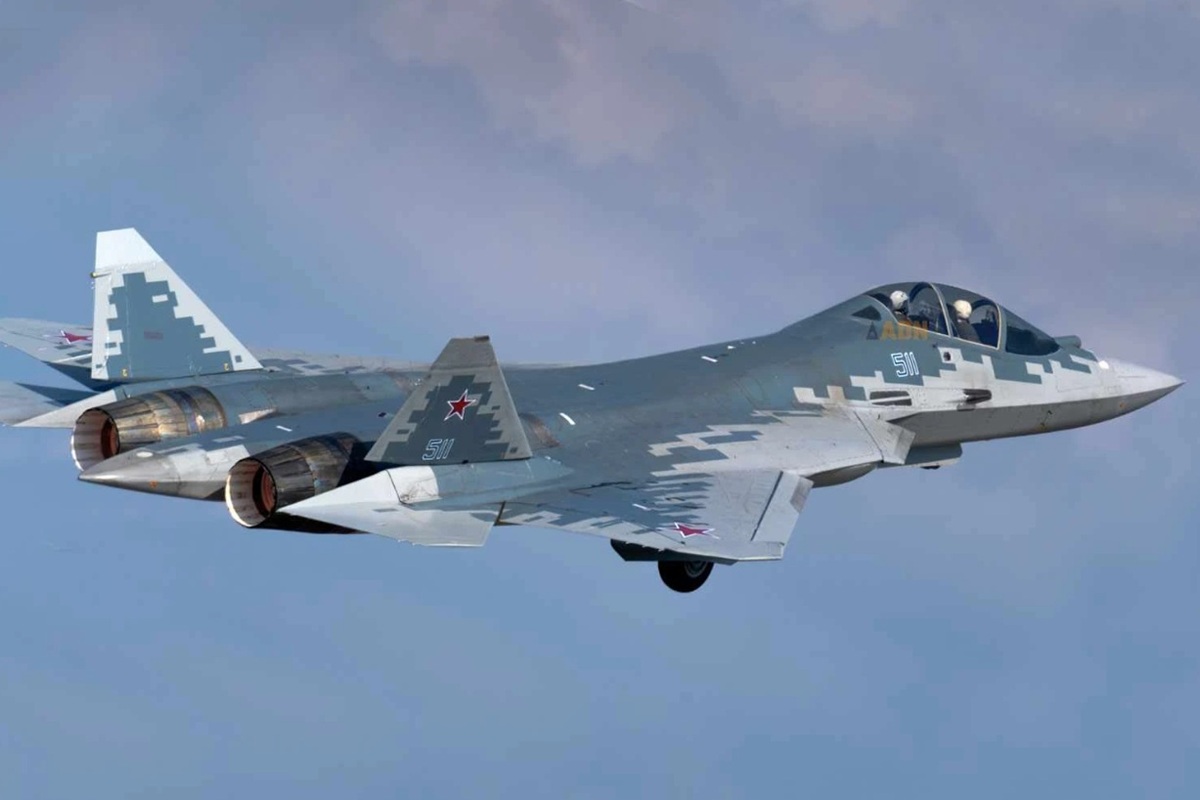
Russian budget documents reviewed by Reuters show that Moscow plans to spend 17.1 trillion roubles, or about $202.6 billion, on defence in 2027.
That represents an increase of around 27% over the 13.5 trillion roubles originally budgeted.
It would also be the highest annual defence spending level since Russia launched its full-scale invasion of Ukraine in February 2022.
Over the next three years, Russia plans to spend around 50 trillion roubles on defence.
The increase comes despite mounting pressure on Russia’s finances.
Reuters reported that Moscow has raised its projected 2026 budget deficit to 3.2% of GDP from an earlier estimate of 1.6%.
Russia is also planning additional tax increases while reducing some spending on welfare, education and healthcare to help finance rising military expenditure.
The figures indicate that Moscow is preparing for a prolonged confrontation rather than budgeting on the assumption that the Ukraine war will quickly end.
Putin acknowledges impact of Ukrainian strikes
Putin also acknowledged at Valdai that Ukrainian attacks on Russian energy infrastructure have had an economic impact.
He said Ukrainian strikes on Russian oil refineries had reduced Russia’s GDP by approximately 1%, while arguing that Moscow had responded with attacks of its own.
Reuters separately reported that Russia has extended restrictions on diesel exports, while Putin said Moscow would not resume diesel supplies to international markets until sanctions are lifted.
The comments represent an unusual acknowledgment from the Russian president that Ukraine’s long-range campaign against Russian energy infrastructure has imposed measurable economic costs.
Ukraine has increasingly used drones and other long-range weapons to target facilities deep inside Russia, particularly oil refineries and other infrastructure connected to Russia’s energy sector.
Kyiv describes these operations as an attempt to reduce Russia’s ability to finance and sustain its military campaign.
Ukraine’s attacks are reaching deeper into Russia
Ukraine’s long-range strike campaign has become an increasingly important component of the war.
Ukrainian forces have targeted Russian oil facilities, military infrastructure and logistics networks far from the front lines.
Putin said Ukrainian attacks on Russian oil infrastructure had caused economic damage, while maintaining that Moscow’s retaliatory campaign was continuing.
The Kremlin has repeatedly said its attacks are directed against military and strategic targets.
Ukraine and its Western partners, however, accuse Russia of systematically attacking critical civilian infrastructure.
The two sides therefore continue to present sharply different accounts of the purpose and impact of their long-range campaigns.
Russia intensifies strikes on Ukraine as winter approaches
While Ukraine continues attacking Russian targets, Russia has intensified its own long-range campaign against Ukrainian infrastructure.
On September 30, Russia launched a large-scale attack involving 285 drones and missiles, according to Ukrainian officials cited by Reuters.
The strikes hit energy infrastructure in several regions and caused power disruptions around Kyiv. Seven people were reported killed.
The attack came as Ukraine prepares for another difficult winter and amid concerns that Russia will again target electricity, heating and water systems.
Russian forces subsequently struck infrastructure in Kyiv, including bridges over the Dnipro River.
Reuters reported on October 2 that Russian airstrikes damaged the Southern and Paton bridges, while drones also hit a school and residential infrastructure.
The attacks demonstrate that the battle over infrastructure remains central to the war.
Kyiv’s air defenses remain under pressure
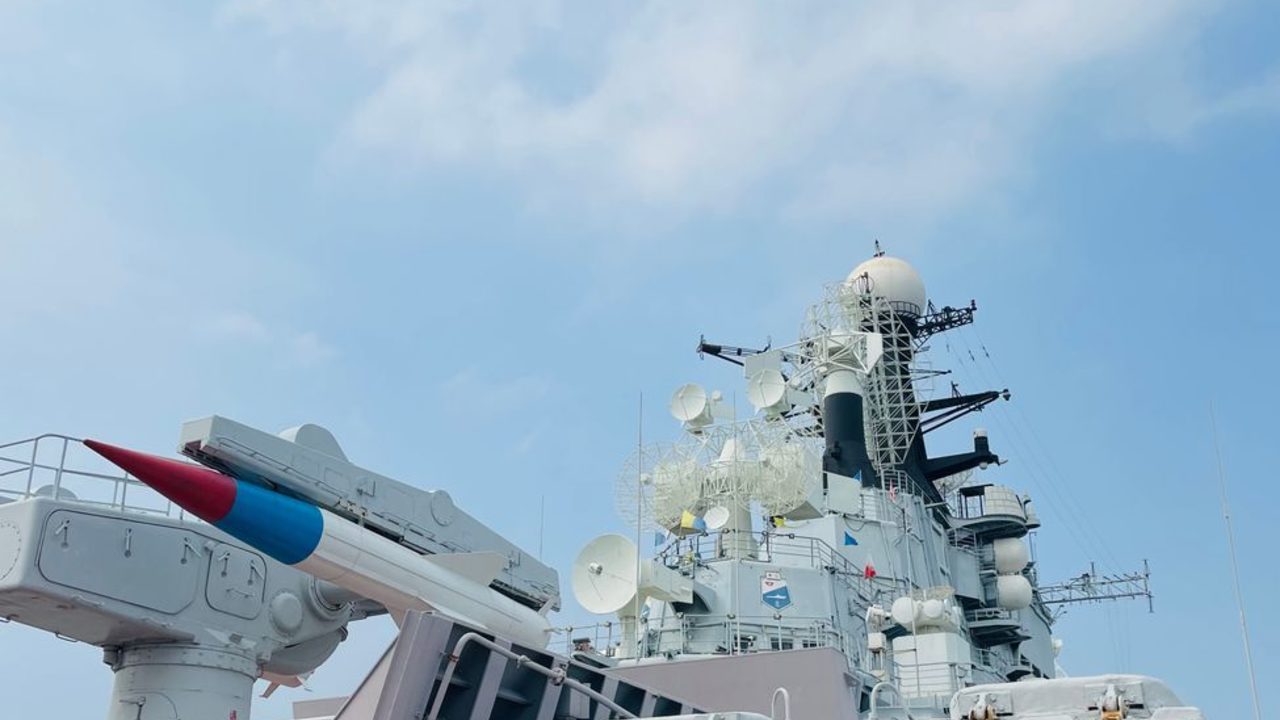
Ukraine is simultaneously trying to expand its ability to intercept Russian missiles and drones.
The country has sought additional Western air-defense systems as Russia increases the volume and variety of its long-range attacks.
Ukraine is also developing indigenous missile capabilities.
On October 1, President Volodymyr Zelensky said Ukraine had used its FP-7 tactical ballistic missile in combat for the first time.
Reuters reported that the FP-7 has a range of about 200 kilometers and is part of Ukraine’s effort to develop lower-cost alternatives for battlefield strike and interception capabilities.
The development points to another trend in the war: Ukraine is increasingly trying to build a domestic long-range strike and missile industry rather than relying exclusively on imported systems.
Putin says he still wants talks
Despite his warnings over Kaliningrad and continued military operations in Ukraine, Putin has also said he would prefer the conflict to end through negotiations.
At Valdai, he described the international environment as dangerous and warned against allowing the confrontation to develop into a wider conflict.
He also argued that the world is undergoing a fundamental transformation and that existing geopolitical structures are being challenged.
Putin’s position remains that any settlement must address Russia’s security demands and the political conditions Moscow has outlined.
Ukraine and its European supporters, meanwhile, continue to demand an end to Russian aggression and security guarantees for Ukraine.
The gap between those positions remains one of the central obstacles to a negotiated settlement.
Russia’s military spending points to a prolonged war
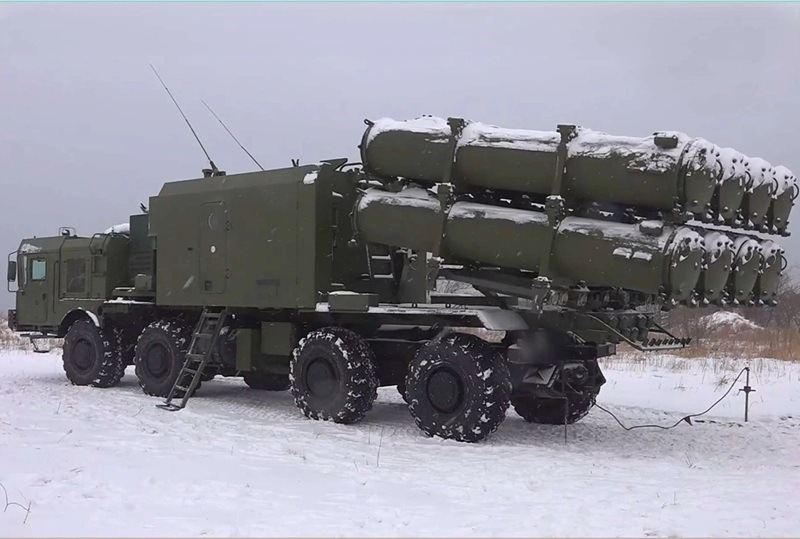
The planned 2027 defence budget is particularly significant in this context.
A country preparing for an imminent peace settlement would normally be expected to reduce extraordinary wartime spending.
Russia is doing the opposite.
The planned 17.1 trillion rouble defence allocation suggests that Moscow expects the military confrontation to remain a major priority well into 2027.
The spending also provides resources for weapons production, personnel, military infrastructure and replenishment of battlefield stocks.
Rutte has made a similar assessment from the NATO side, arguing that Russia’s military-industrial mobilization represents a long-term challenge for Europe.
What Putin’s Kaliningrad warning means
Putin’s latest warning should not automatically be interpreted as evidence that Russia is preparing to use nuclear weapons.
His statement was conditional: he tied the possibility of using Russia’s full arsenal to what he described as a direct attack on Russian territory.
NATO, meanwhile, says it is not preparing an attack on Kaliningrad and that there is no imminent threat to NATO territory.
The significance of the statement is therefore primarily strategic.
By explicitly including nuclear weapons in his warning, Putin is signaling that Moscow regards the defense of Kaliningrad as potentially connected to Russia’s highest level of deterrence.
It also raises the stakes for any future confrontation in the Baltic region.
A dangerous triangle: Ukraine, Baltic and nuclear deterrence
Three developments are now unfolding simultaneously.
First, the war in Ukraine continues to intensify, with Russia attacking Ukrainian energy and transport infrastructure while Ukraine expands its long-range strikes against Russian targets.
Second, NATO is strengthening its eastern flank, particularly around the Baltic states.
Third, Moscow is using increasingly explicit nuclear rhetoric to warn against what it regards as attempts to threaten Russian territory.
NATO insists that its military posture is defensive.
Russia insists that its actions are responses to Western pressure.
The danger lies in the possibility that military activity, miscalculation or an incident involving aircraft, drones, ships or infrastructure could produce an escalation neither side initially intended.
The wider European security picture
The Kaliningrad confrontation also comes as European governments are rapidly increasing defence spending.
NATO has adopted higher defence-spending targets, while countries on the alliance’s eastern flank are investing heavily in air defense, drones, ammunition, military infrastructure and troop readiness.
Lithuania, Poland, Latvia and Estonia are particularly focused on the security of the Baltic region.
Finland and Sweden’s NATO membership has further changed the military geography of northern Europe.
For Moscow, this represents a major expansion of the alliance around Russia’s western and northern approaches.
For NATO members, the changes are presented as a response to Russia’s war in Ukraine and the perceived need to strengthen deterrence.
No immediate NATO-Russia war, but rhetoric is becoming more dangerous

Despite the increasingly severe rhetoric, NATO’s current assessment does not indicate an imminent Russian attack on alliance territory.
Rutte said on September 30 that NATO would be able to detect significant Russian military preparations and respond accordingly.
He also emphasized that NATO has trained and prepared for a range of scenarios.
That assessment is important because the latest nuclear rhetoric could otherwise create the impression that a NATO-Russia war is immediately approaching.
The current evidence does not establish that.
What is clear is that the military environment around the Baltic has become more heavily armed and politically sensitive, while the Ukraine war continues to drive a broader European security transformation.
What happens next?
Putin’s Kaliningrad warning comes at a moment when Russia is simultaneously increasing defence spending, maintaining large-scale operations in Ukraine and confronting NATO over military activity in the Baltic.
Ukraine is continuing its long-range campaign against Russian military and energy infrastructure, while Russia is intensifying attacks against Ukrainian energy and transport systems ahead of winter.
For NATO, the immediate priority remains strengthening the alliance’s eastern flank while continuing military assistance to Ukraine.
For Moscow, the latest statements signal that Russia intends to preserve its deterrence posture and maintain pressure on Western governments.
The most important question is whether the increasingly direct warnings remain part of deterrence messaging or whether an incident in the Baltic, Ukraine or around critical infrastructure creates a new escalation cycle.
For now, there is no confirmed indication of an imminent NATO-Russia war.
But the combination of nuclear rhetoric, expanding military deployments, record Russian defence spending and increasingly deep strikes on both sides means that the margin for miscalculation is becoming increasingly important.


