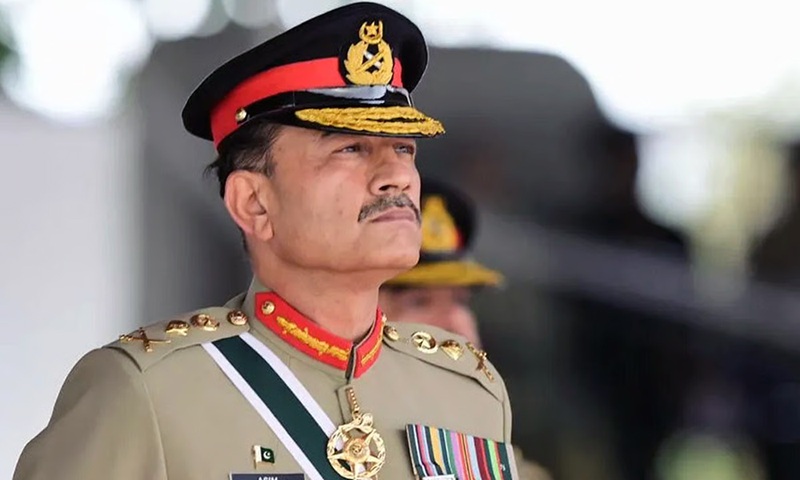
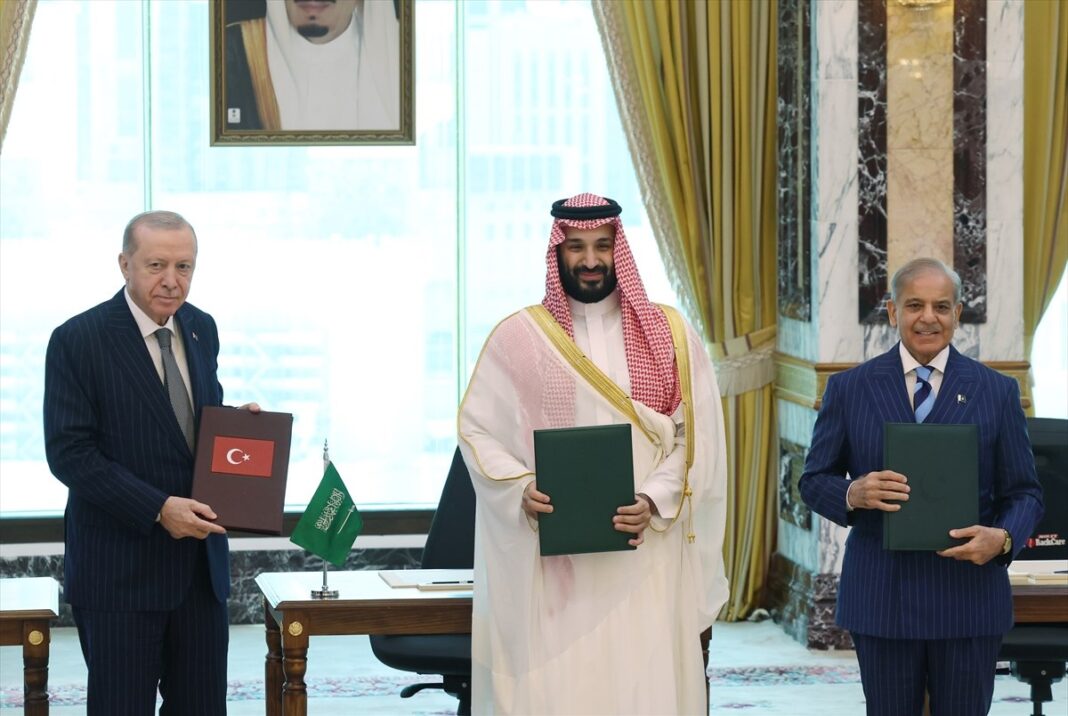
The full text of the Mecca Defence Pact signed by Pakistan, Saudi Arabia and Turkey has been published by Middle East Eye, offering a detailed picture of the proposed framework for collective defence, intelligence cooperation, military training, defence production and regional security coordination.
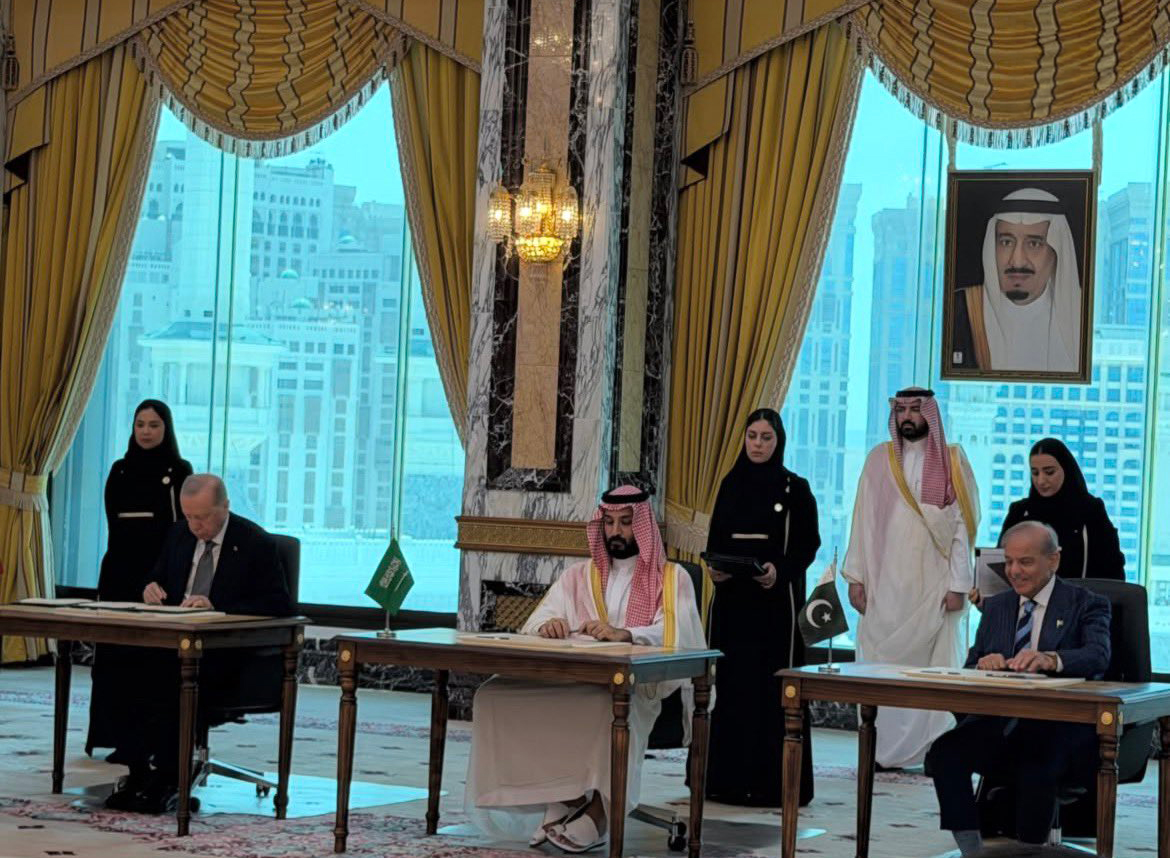
The agreement, signed in Mecca on August 7, 2026, establishes a framework under which an armed attack against one of the three countries is to be regarded as an attack against all. It also outlines mechanisms for mutual assistance, joint military activities, defence technology cooperation and the exchange of classified information.
The publication of the agreement’s full text comes as the three countries seek to institutionalise their defence partnership. On October 20, Reuters reported that Turkey had submitted the agreement to its parliament for ratification, a significant step in the pact’s domestic approval process.
The text provides greater clarity about the proposed arrangement, including its decision-making structure, the role of a joint defence committee and the establishment of a secretariat in Saudi Arabia.
What Is the Mecca Defence Pact?
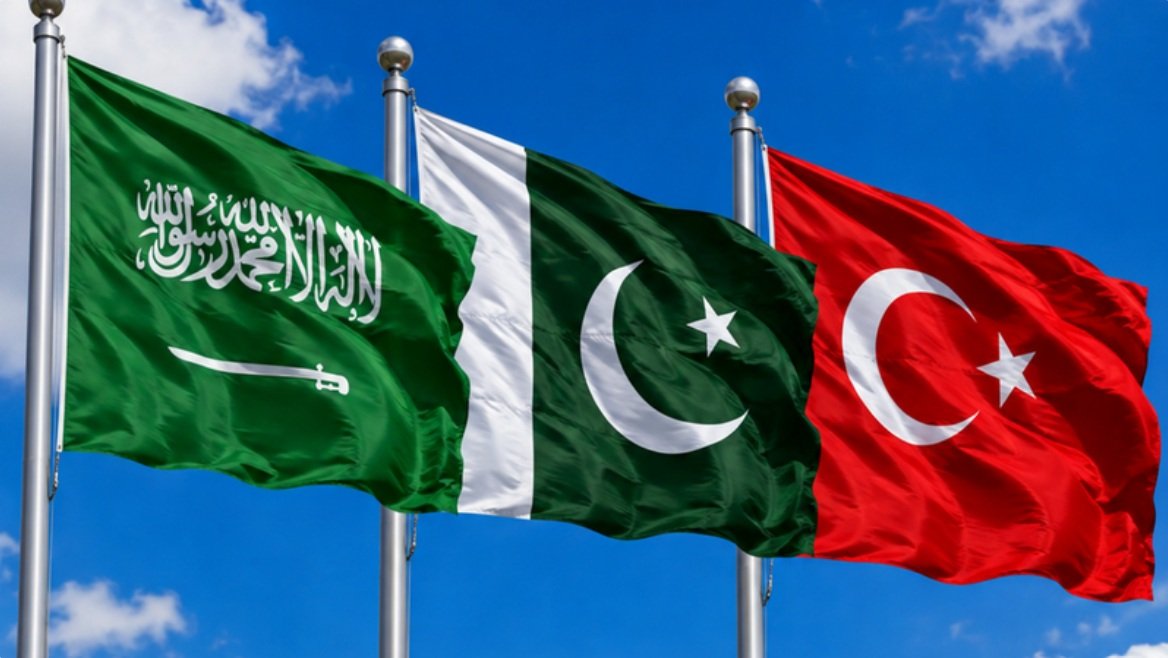
The Mecca Defence Pact, officially referred to as the Makkah Joint Defence Agreement in Pakistani government communications, is a trilateral defence arrangement involving Pakistan, Saudi Arabia and Turkey.
The agreement brings together three countries with established military capabilities and longstanding defence relationships. Pakistan contributes an experienced military establishment and a developing defence manufacturing sector, Turkey has an expanding defence industry, and Saudi Arabia occupies a strategically important position in the Gulf.
According to Pakistan’s official statement following the signing, the agreement is defensive in nature and is intended to strengthen collective deterrence rather than target any particular country.
The pact also refers to the principles of sovereignty, territorial integrity, non-interference in internal affairs, international law and the United Nations Charter.
The agreement’s importance lies not only in its collective-defence provision but also in the institutional arrangements it proposes to coordinate military planning and security cooperation among the three countries.
Article 1: Protection of Sovereignty and Territorial Integrity
Article 1 states that the parties will cooperate to safeguard one another’s independence, sovereignty, territorial integrity and internationally recognised borders.
If the sovereignty or territorial integrity of a member is threatened or endangered, the other parties are required to use necessary means to address the threat.
This provision establishes the agreement’s fundamental security principle: an attack or threat against one member’s territorial integrity is a matter of concern for the other signatories.
The precise response, however, would depend on the agreement’s other provisions, applicable domestic laws and the circumstances of the particular incident.
Article 2: Collective Defence and Mutual Military Assistance
Article 2 is among the most consequential provisions of the agreement.
It states that an externally originating armed attack against any party will be considered an attack against all parties.
If a member is subjected to an armed attack or military aggression by another country or a group of countries, the other members are to provide immediate assistance using the available means of mutual support.
The agreement specifically refers to Article 51 of the United Nations Charter, which recognises the inherent right of individual and collective self-defence in the event of an armed attack.
The text also states that the scope and nature of assistance will be determined following an objective assessment of the support required. Cooperation is to take place within the limits of the parties’ available resources, including military means and capabilities.
This means the pact establishes a collective-defence commitment, but its text does not prescribe an identical military response for every possible scenario.
The provision does not, by itself, specify troop numbers, automatic deployment schedules or a fixed list of military assets that must be supplied in every contingency.
Articles 3 and 4: Defence Cooperation and Strategic Consultations
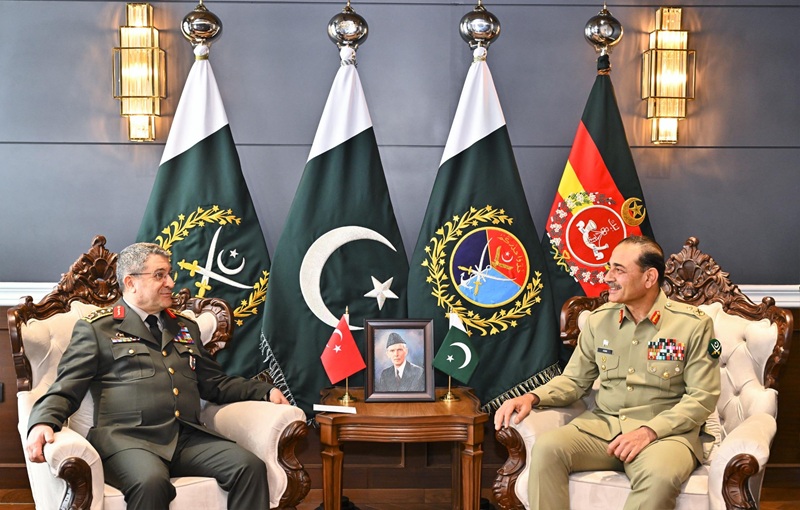
Articles 3 and 4 provide the broader framework for military coordination.
Under Article 3, the parties will cooperate in defence, the defence industry and security. They will also develop relations among their armed forces and undertake agreed activities designed to strengthen defence cooperation.
Article 4 provides for regular consultations on international security matters.
The countries are expected to cooperate in developing individual and joint measures based on common assessments, with the aim of protecting vital interests, safeguarding national security and addressing threats.
Together, these provisions create a basis for consultations and coordinated security planning beyond the immediate circumstances of an armed attack.
Article 5: Cooperation Against Terrorism
Article 5 calls for stronger cooperation against terrorism in all its forms and manifestations.
The parties commit to strengthening existing cooperation and joint efforts, including at the operational level, to address terrorism that adversely affects regional and international stability.
For Pakistan, this provision is particularly relevant to its longstanding counterterrorism concerns and its interest in cooperation with regional partners on security threats.
However, the article does not identify specific militant organisations, prescribe particular counterterrorism operations or establish a detailed operational mechanism. Those matters would require additional agreements or implementation arrangements.
Article 6: Joint Military Exercises and Personnel Exchanges
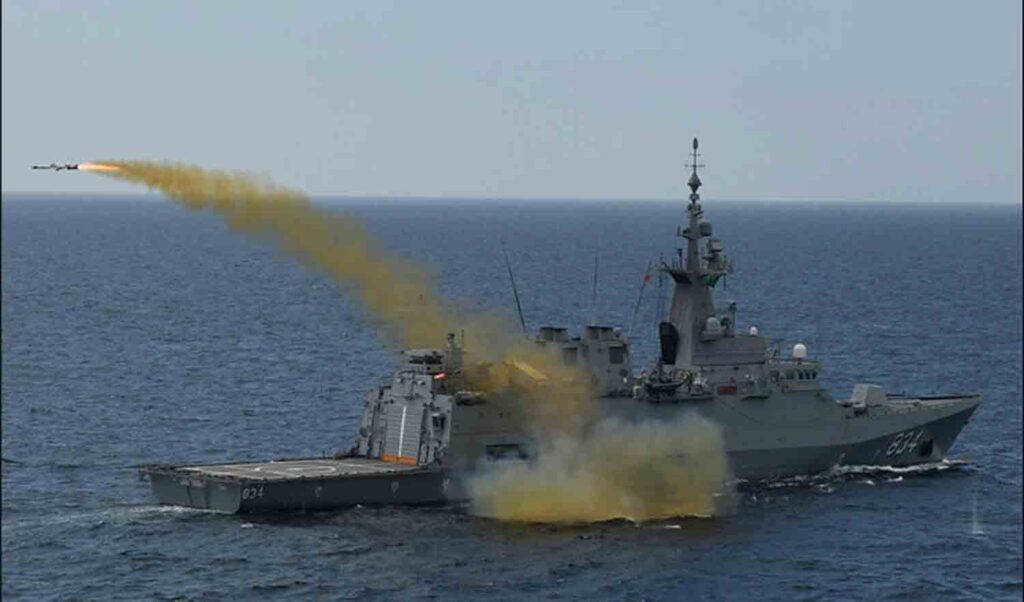
Article 6 provides for reciprocal personnel exchanges among defence institutions, joint training programmes, military exercises and other activities intended to improve interoperability among the three countries’ armed forces.
The provision applies to both peacetime and wartime cooperation.
Interoperability refers to the ability of military forces to coordinate their activities, communicate effectively and operate together when required.
For Pakistan, Saudi Arabia and Turkey, practical implementation could involve training exchanges, coordinated exercises and greater familiarity with one another’s military procedures.
The article establishes the framework for such activities without specifying a fixed annual exercise schedule or particular participating units.
Article 7: Joint Defence Production and Technology Transfer
Article 7 outlines cooperation in defence technology and military industrial development.
The agreement identifies several possible areas of collaboration:
- Joint production in the defence sector.
- Joint research and development in technologies requiring specialised expertise.
- Training personnel and supporting military industries through experts from participating countries.
- Sharing expertise and lessons learned in defence research, development and innovation.
- Other areas of defence cooperation approved by the parties.
This provision could be significant for Pakistan’s defence industrial ambitions and its existing cooperation with Turkey in areas such as naval platforms, military electronics and other defence technologies.
It could also provide a framework for discussions on manufacturing, research and technology development involving Saudi investment and industrial capacity.
Nevertheless, Article 7 does not announce a specific new weapons programme, identify a particular aircraft or missile for joint production, or guarantee technology transfers. Any such project would depend on subsequent agreements, financing, technical requirements and national approvals.
Article 8: Strategic Political and Defence Committee
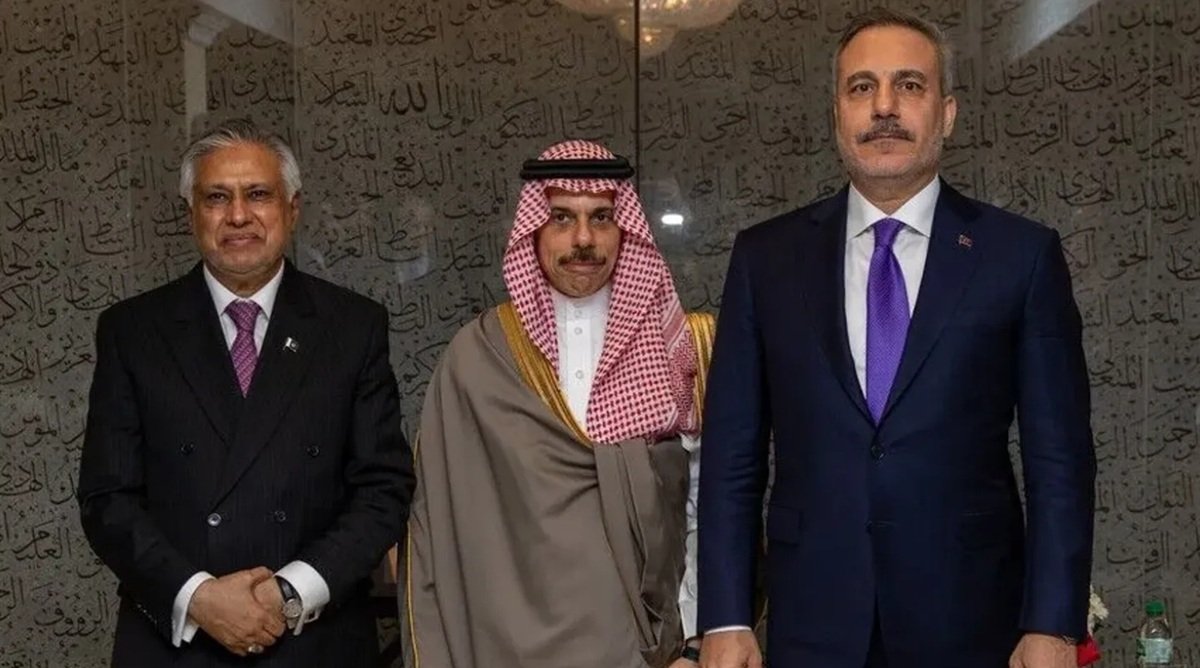
Article 8 establishes a Strategic Political and Defence Committee comprising the foreign ministers, defence ministers and chiefs of general staff of the three core parties.
The committee is assigned responsibility for providing strategic direction for joint defence, developing defence and security cooperation, and addressing obstacles arising during the agreement’s implementation.
The text provides for two meetings annually, with hosting responsibilities rotating among the parties. Leaders of the three countries may also meet once a year if considered necessary.
The committee may establish subcommittees where required.
It is also authorised, by consensus of the core parties, to determine the procedures and principles governing the accession of additional countries to the agreement.
This means the framework is not necessarily limited permanently to the three founding members, although the admission of any additional country would depend on the prescribed process and the agreement of the core parties.
Saudi Arabia to Host the Secretariat
Article 8 also provides for a secretariat headquartered in Saudi Arabia to support the committee.
The secretariat’s organisational structure, procedures and establishment arrangements are to be determined by consensus among the core parties.
It is to be headed by a secretary-general appointed for a three-year term on a rotational basis.
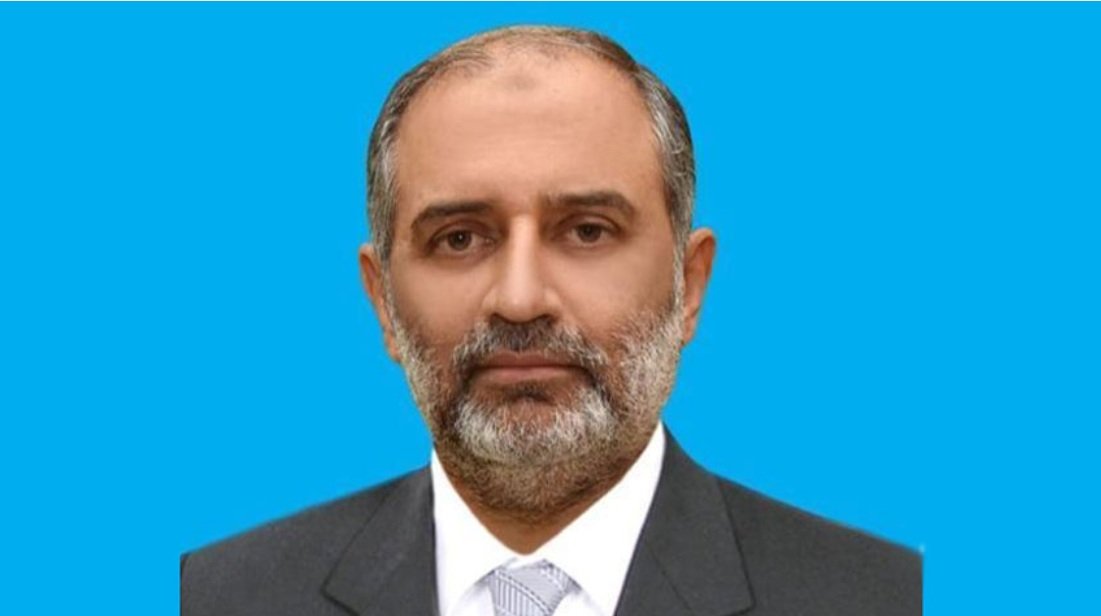
The text identifies a Pakistani citizen as the first secretary-general.
This provision gives Pakistan an important initial institutional role in the agreement’s administrative structure. The text itself, however, does not name the individual appointed to the position.
The article further states that the new arrangements will not prejudice the work of existing military cooperation committees among the three countries.
Pakistan’s Foreign Ministry subsequently confirmed the planned Saudi-based secretariat and the initial three-year term for a secretary-general from Pakistan in its joint statement following the first committee meeting.
Article 9: Intelligence Sharing and Information Security
Article 9 commits the parties to sharing intelligence through mutually agreed secure channels.
The stated objective is to deepen intelligence cooperation and improve coordination among the three countries.
The provision also requires compliance with information security, data protection and confidentiality requirements.
This could provide a framework for greater intelligence coordination, although the agreement does not publicly detail the types of intelligence to be exchanged, the systems involved or the operational procedures governing such exchanges.
Article 10: Military Logistics and Emergency Support
Article 10 provides for logistical support among the parties during peacetime, wartime and other emergencies, subject to the availability and compatibility of logistical support services.
The listed categories include:
- Weapons and ammunition.
- Fuel.
- Spare parts.
- Other equipment.
This provision could help facilitate practical military cooperation when a member requires supplies or other logistical assistance.
Its implementation would depend on the availability of the required equipment, the compatibility of support arrangements and the relevant national procedures.

Article 11: Domestic Law and Implementation
Article 11 states that the parties will accept the agreement as the legal basis for implementing its provisions, without prejudice to international law and the relevant domestic laws of the signatories.
The parties may propose additional legal measures where necessary.
This provision recognises that implementing an international defence agreement may require domestic legal and administrative arrangements.
Article 12: Existing International Agreements Remain Intact
Article 12 states that the agreement will not prejudice the rights and obligations of the parties under international agreements they have previously concluded.
This is an important clarification because Pakistan, Saudi Arabia and Turkey maintain other bilateral and multilateral relationships.
The clause indicates that the new agreement is not intended, by its terms, to extinguish obligations arising from their existing international agreements.
Article 13: Protection of Classified Information
Article 13 establishes confidentiality obligations for classified information and documents obtained under the agreement.
The text prohibits sharing such information with any state, company or person outside the parties.
Access is to be provided on a need-to-know basis and restricted to individuals holding the appropriate level of security clearance.
The article also requires compliance with national legislation.
These provisions are intended to protect sensitive military and security information exchanged under the agreement.
Articles 14 and 15: Dispute Resolution and Amendments
Article 14 provides that disputes concerning the interpretation or implementation of the agreement will be settled amicably through consultations and discussions among the parties.
Article 15 states that amendments may be made through consultations and unanimous agreement among the core parties.
These provisions establish consultation and consensus as the principal mechanisms for resolving disagreements and changing the agreement’s terms.
Article 16: Ratification, Duration and Withdrawal
Article 16 sets out the agreement’s final legal arrangements.
The text provides that each party will ratify the agreement according to its applicable procedures.
It will enter into force on the date when the final instrument of ratification is deposited with the secretariat of the Strategic Political and Defence Committee.
The agreement is to remain in force indefinitely.
A party may withdraw after ten years have elapsed from the agreement’s entry into force, provided it gives the other parties written notification through diplomatic channels at least three months in advance.
Termination or withdrawal will not affect ongoing activities or projects agreed upon before the relevant date. Obligations concerning the protection of classified information will continue after termination or withdrawal.
The document states that it was signed in Mecca on August 7, 2026, in Turkish, Arabic and English, with the English text prevailing in the event of differences in interpretation.
Ratification Status: Why the Latest Development Matters
On October 20, Reuters reported that Turkey had submitted the agreement to its parliament for ratification.
This development is important because Article 16 links the agreement’s entry into force to the deposit of the final instrument of ratification.
Submission to parliament is not the same as completion of ratification, and it does not by itself establish that the agreement has entered into force.
The legal status must therefore be assessed against the ratification procedures of all three countries and the final deposit requirement set out in the text.
What Does the Mecca Defence Pact Mean for Pakistan?
The agreement could strengthen Pakistan’s strategic position by creating a formal mechanism for deeper defence coordination with Saudi Arabia and Turkey.
Its potential significance extends across several areas.
First, collective deterrence. The commitment to treat an armed attack against one member as an attack against all could increase the strategic costs that a potential aggressor would have to consider.
Second, institutional coordination. The Strategic Political and Defence Committee provides a proposed structure for regular engagement among senior civilian and military officials.
Third, defence industrial cooperation. Article 7 offers a framework for joint research, production and technology development. This could create opportunities for Pakistan’s defence industry if concrete projects are subsequently agreed.
Fourth, intelligence and logistical support. Articles 9 and 10 establish areas for cooperation that could complement existing bilateral arrangements.
Fifth, Pakistan’s institutional role. The provision naming a Pakistani citizen as the first secretary-general gives Islamabad an initial role in the agreement’s administrative framework.
The actual benefits will depend on how the parties translate these provisions into operational arrangements, funded projects and agreed procedures.
Is the Mecca Defence Pact Similar to NATO?
The agreement has features commonly associated with collective-defence arrangements, particularly its provision that an armed attack against one party will be treated as an attack against all.
This invites comparisons with Article 5 of the North Atlantic Treaty.
However, the presence of a collective-defence clause does not make the two arrangements legally or institutionally identical.
NATO has a longstanding multilateral command structure, integrated military planning, established force arrangements and extensive institutional procedures. The Mecca agreement sets out a trilateral framework for collective defence and cooperation, with further implementation arrangements still important to its practical operation.
The text also provides for assessments of the assistance required and recognises the limits of the parties’ available resources.
It is therefore more accurate to describe the Mecca Defence Pact as a collective-defence agreement with NATO-like elements than to label it an equivalent of NATO.
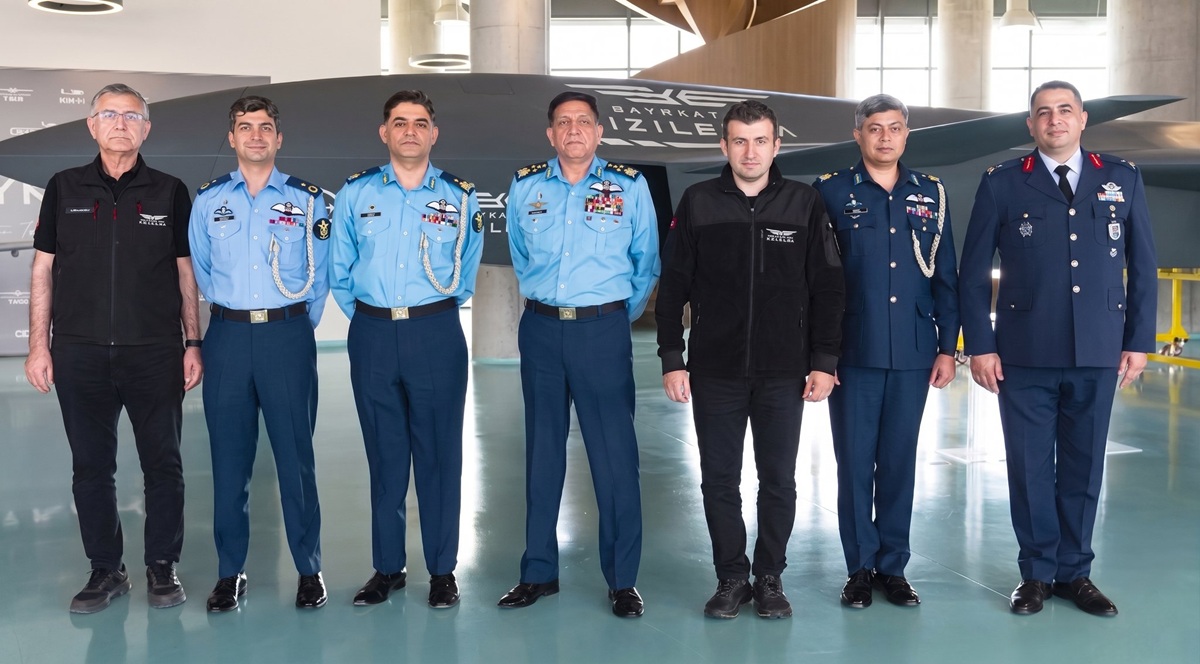
Regional Implications of the Agreement
The pact comes amid changing security calculations across the Middle East and the wider region.
For Saudi Arabia, closer defence coordination with Pakistan and Turkey could broaden its options for military cooperation and deterrence.
For Turkey, the agreement provides another framework for strengthening its strategic relationships in the Gulf and South Asia.
For Pakistan, it creates an opportunity to consolidate defence relationships with two important regional partners while expanding cooperation in training, intelligence, logistics and defence technology.
At the same time, the agreement’s future significance will depend on its implementation. Its text alone does not establish how the three countries would respond to every potential crisis, whether particular forces would be deployed, or how their national decision-making processes would operate during a conflict.
The agreement’s provisions on accession also leave room for possible expansion, subject to the approval procedures established by the core parties.
What Happens Next?
The next important steps concern ratification, institutional development and the implementation of specific cooperation measures.
The parties will need to complete their respective legal procedures, establish the secretariat and develop the practical arrangements required to implement the agreement.
The Strategic Political and Defence Committee is expected to provide a framework for continuing consultations and addressing implementation issues.
Further agreements or protocols may be necessary to clarify particular areas of cooperation, including defence production, intelligence exchange, logistics and joint military activities.
Until those arrangements are publicly detailed, it is important to distinguish between commitments contained in the agreement and specific operational decisions that may follow.
Conclusion
The full text of the Mecca Defence Pact sets out an ambitious framework for collective defence and closer strategic cooperation among Pakistan, Saudi Arabia and Turkey.
Its central provisions cover mutual assistance in the event of an armed attack, military training, intelligence sharing, logistical support, defence industrial cooperation and a joint political and military committee.
For Pakistan, the agreement offers a potential platform for deeper defence coordination and industrial collaboration with two important partners. For Saudi Arabia and Turkey, it provides an additional mechanism for strengthening their strategic relationship.
The decisive test will be implementation. Ratification, institutional development and the conclusion of practical arrangements will determine how far the agreement’s commitments translate into a functioning collective-defence framework.
Frequently Asked Questions (FAQs)
What is the Mecca Defence Pact?
The Mecca Defence Pact, also known as the Makkah Joint Defence Agreement, is a defence agreement signed by Pakistan, Saudi Arabia and Turkey on August 7, 2026. It provides a framework for collective defence and wider military cooperation.
What does Article 2 of the Mecca Defence Pact say?
Article 2 states that an externally originating armed attack against one party will be considered an attack against all. It provides for mutual assistance while allowing the scope and nature of support to be determined following an objective assessment.
Does the agreement require automatic military deployment?
The text establishes a commitment to mutual assistance but does not specify automatic troop deployments, fixed force numbers or a uniform military response for every contingency.
Will Pakistan lead the pact’s secretariat?
The text states that the first secretary-general will be a citizen of Pakistan for a three-year term. The agreement does not name the individual in the text reproduced in the published copy.
Does the Mecca Defence Pact replace existing agreements?
No. Article 12 states that the agreement does not prejudice the rights and obligations of the parties under international agreements they have previously concluded.
Has the Mecca Defence Pact entered into force?
Article 16 states that it will enter into force when the final instrument of ratification is deposited with the committee’s secretariat. Reuters reported on October 20, 2026, that Turkey had submitted the agreement to its parliament for ratification. That submission alone does not establish that the entry-into-force requirements have been completed.
Where can readers find the full text?
The full text was published by Middle East Eye. Readers can also consult official statements from Pakistan’s Foreign Ministry and Turkey’s government for information about the agreement and its institutional development.