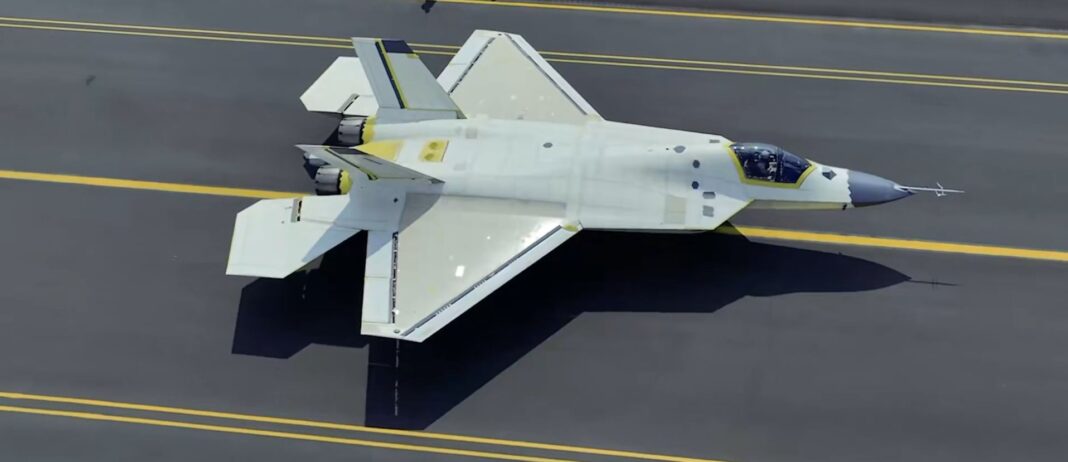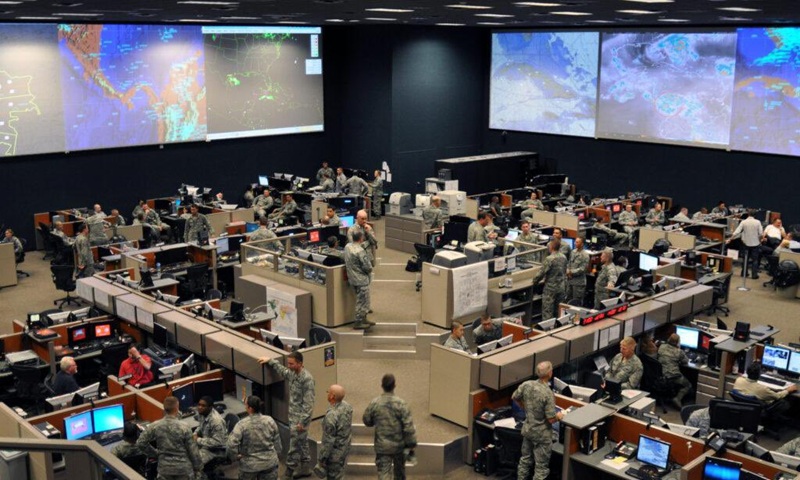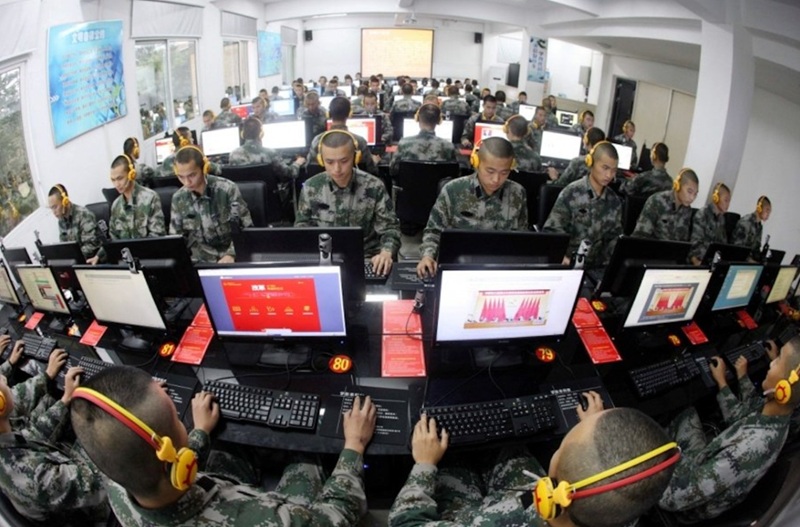
China has publicly unveiled an artificial intelligence-powered strike planning system designed to coordinate large-scale air operations involving more than 100 tactical combat units, highlighting the People’s Liberation Army’s (PLA) continued push toward intelligent warfare.
The system was featured in Zhisheng (Victory), a documentary series broadcast by Chinese state television around Army Day, where official footage showed the technology successfully completing a live-fire evaluation before supporting a major PLA Air Force exercise. According to Chinese state media, the system has since been employed in multiple operational Air Force missions.
First-ever reveal:🇨🇳Chinese PLA’s AI-enabled intelligent strike-planning system.
Rapid planning, seamless multi-unit coordination of more than 100 tactical units, and precision firepower deployment.
It’s China’s determination for national reunification and deterrence against… pic.twitter.com/vpNVEHebeB
— Shen Shiwei 沈诗伟 (@shen_shiwei) August 3, 2026
Chinese military analysts describe the technology as an important step in shifting from traditional platform-centric operations toward AI-enabled, system-of-systems warfare, where aircraft, missiles, sensors, and command networks operate as a single integrated combat system.
Designed for Modern High-Intensity Warfare
According to CCTV, the intelligent strike-planning system was developed by a team led by Deng Jianping at a PLA Air Force base to solve one of modern air warfare’s greatest challenges: managing increasingly complex battlefield operations.
As military exercises become larger and more networked, commanders must simultaneously:
- Evaluate hundreds of potential targets
- Coordinate dozens of aircraft formations
- Allocate precision weapons
- Schedule multiple attack waves
- Synchronize strikes across different combat units
Chinese state media argues that these calculations have become too complex to perform rapidly using traditional manual planning methods.
The AI system is intended to automate much of this planning process while reducing decision time during fast-moving combat operations.
Successful Live-Fire Test Preceded Operational Deployment
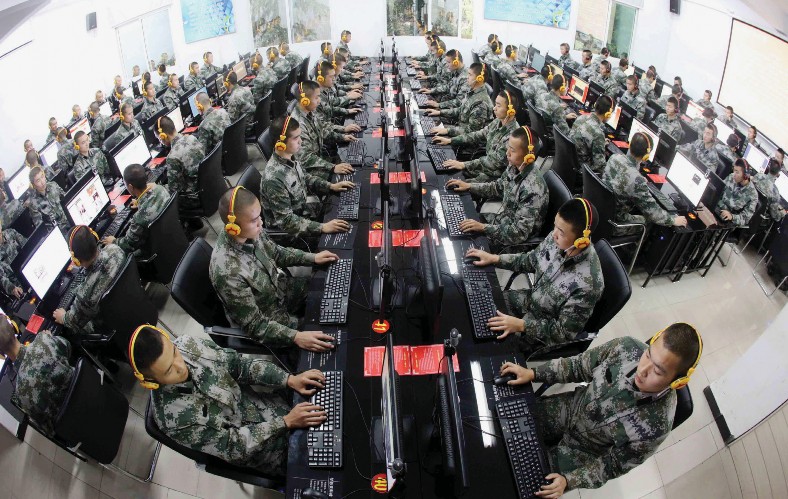
Before entering operational service, the system reportedly completed a final live-fire evaluation.
According to CCTV, missiles and precision-guided bombs successfully struck their assigned targets during testing.
The technology was later employed during a large-scale PLA Air Force exercise, enabling more than 100 tactical units to conduct highly synchronized strikes with split-second timing.
Chinese officials state the system has now transitioned beyond experimental testing and is being used during multiple Air Force missions.
AI Shortens the Sensor-to-Shooter Cycle
Chinese military experts say one of the system’s primary advantages lies in compressing the military decision-making process.
Rather than simply assisting with navigation or logistics, the AI continuously analyzes battlefield conditions to:
- Process incoming battlefield information
- Prioritize targets
- Assign appropriate weapons
- Determine attack sequencing
- Allocate available combat assets
- Recommend optimal strike timing
According to analysts interviewed by Chinese media, this enables commanders to shorten the period between target detection, decision-making, and weapons employment.
In modern warfare, reducing this sensor-to-shooter cycle can provide a significant operational advantage by allowing forces to react faster than an opponent.
Moving Beyond Platform-Centric Warfare
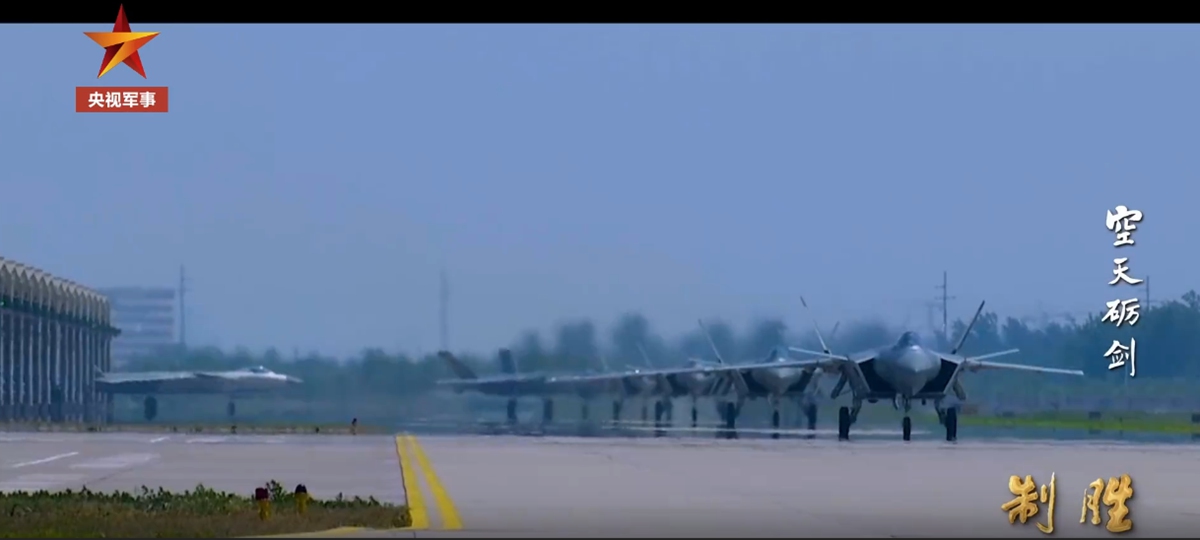
Chinese military commentators argue that future conflicts will depend less on the capabilities of individual aircraft and more on how effectively multiple systems operate together.
The AI planning system reportedly integrates battlefield logic with real-time situational awareness, allowing various combat platforms to function as a coordinated network instead of isolated assets.
According to the report, the objective is to transform advanced individual weapons into unified combat power through AI-assisted planning and command support.
This reflects a broader modernization trend within the PLA emphasizing:
- Intelligent warfare
- Network-centric operations
- Multi-domain integration
- Unmanned systems
- AI-assisted command and control
rather than relying solely on increasingly sophisticated individual weapon platforms.
J-20, J-16 and H-6K Featured in the Demonstration
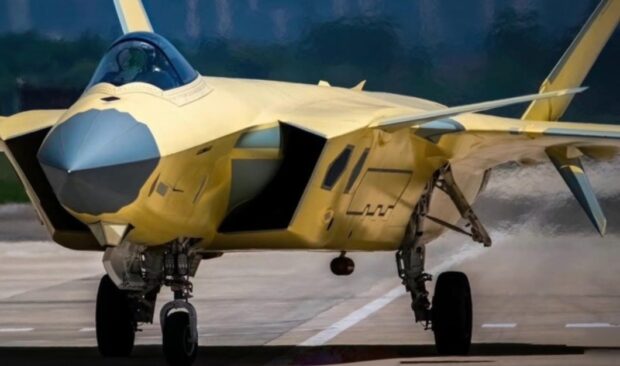
Footage released during the documentary included several frontline PLA Air Force platforms operating within the AI-enabled command network.
Aircraft shown included:
- J-20 fifth-generation stealth fighter
- J-16 multirole fighter
- J-10C fighter aircraft
- H-6K strategic bomber
- Multiple precision missile systems
Chinese analysts emphasized that these aircraft achieve their greatest combat effectiveness when employed as components of an integrated operational system rather than conducting independent missions.
The demonstration reflects the PLA’s growing emphasis on coordinated combat rather than platform-specific performance.
Airborne Early Warning Aircraft Plays Central Command Role
Another notable aspect of the demonstration involved an airborne early warning and control (AEW&C) aircraft directing the broader engagement.
According to Chinese state media, the aircraft operated in a highly contested environment featuring:
- Low-altitude threats
- Decoy targets
- Heavy electromagnetic interference
- Complex battlefield conditions
The AEW&C platform reportedly identified hostile intentions, coordinated friendly aircraft, and directed strikes against an opposing command node.
Chinese military experts describe airborne early warning aircraft as the central information hub within future intelligent combat operations because they collect, process, and distribute battlefield data across the entire force.
AI Becoming Central to China’s Military Modernization
The system aligns with China’s broader military modernization strategy leading toward the PLA’s 2027 centenary goals.
Chinese analysts argue that future combat effectiveness will depend on integrating three major elements:
- Mechanization
- Informatization
- Intelligentization
Within this framework, artificial intelligence is expected to assist commanders by processing large volumes of battlefield information faster than traditional planning methods, improving decision speed during high-intensity conflicts.
While the documentary presents the technology as a major advancement, independent assessments of its operational performance remain limited because the system’s software architecture, algorithms, and battlefield testing data have not been publicly disclosed.
Strategic Implications
The unveiling of China’s AI-enabled strike planning system underscores the PLA’s continuing investment in command-and-control technologies designed to support future network-centric warfare.
Rather than introducing a new fighter aircraft or missile, the system focuses on integrating existing combat platforms into a unified operational network capable of accelerating decision-making and coordinating complex strike packages.
If the capabilities demonstrated in official footage translate effectively into operational service, AI-assisted planning could improve battlefield coordination, reduce planning time, and enhance the efficiency of large-scale air campaigns.
However, the full military significance of the system remains difficult to assess independently, as most available information originates from Chinese state media and official commentary. Nevertheless, the announcement reflects Beijing’s broader ambition to incorporate artificial intelligence into every stage of military planning and execution as it advances toward its long-term force modernization objectives.