As the conflict between the United States and Iran enters a prolonged phase, the Trump administration is reportedly reassessing its military strategy after weeks of airstrikes failed to produce the desired political outcome.
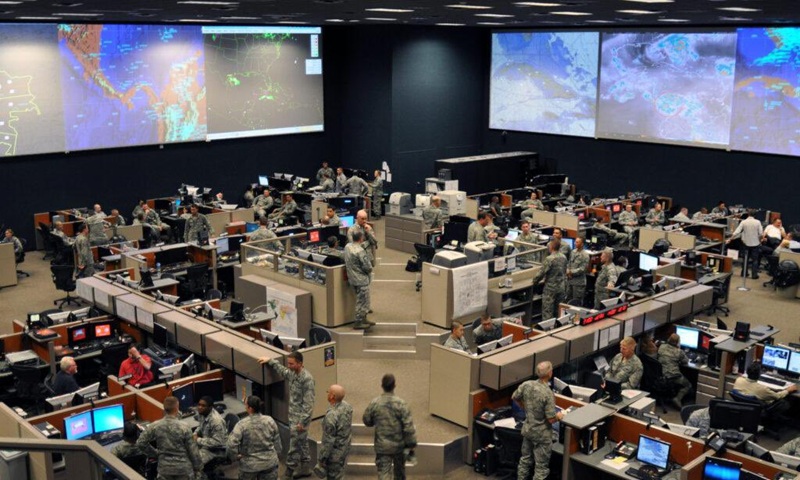
According to a CNN report citing multiple sources familiar with internal discussions, a senior officer within U.S. Central Command (CENTCOM) recently circulated an email requesting “new creative and unconventional ways to pressure and punish Iran.”
The unusual request reportedly went to a broad group of military analysts, signaling that American planners are exploring alternatives as conventional military options become increasingly constrained.
The reported brainstorming effort underscores the growing strategic challenge facing Washington: maintaining military pressure on Iran while avoiding a wider regional war and forcing Tehran back to the negotiating table.
CENTCOM Looking Beyond Conventional Military Options
According to sources cited by CNN, the email reflected a recognition inside CENTCOM that existing military operations may not be achieving their intended strategic objectives.
One source described the request as an effort to gather fresh ideas from across the command rather than relying solely on traditional planning channels.
Another source said military planners are reviewing virtually every available option as part of a broader reassessment of the campaign.
CENTCOM spokesperson Capt. Timothy Hawkins defended the approach, saying the command has a long tradition of encouraging innovative thinking and that senior leadership regularly seeks ideas from personnel regardless of rank to improve operational performance.
The request reportedly came before President Donald Trump considered—but ultimately postponed—a new round of military strikes following regional diplomatic efforts aimed at reducing tensions.
Air Campaign Has Yet to Produce a Political Breakthrough
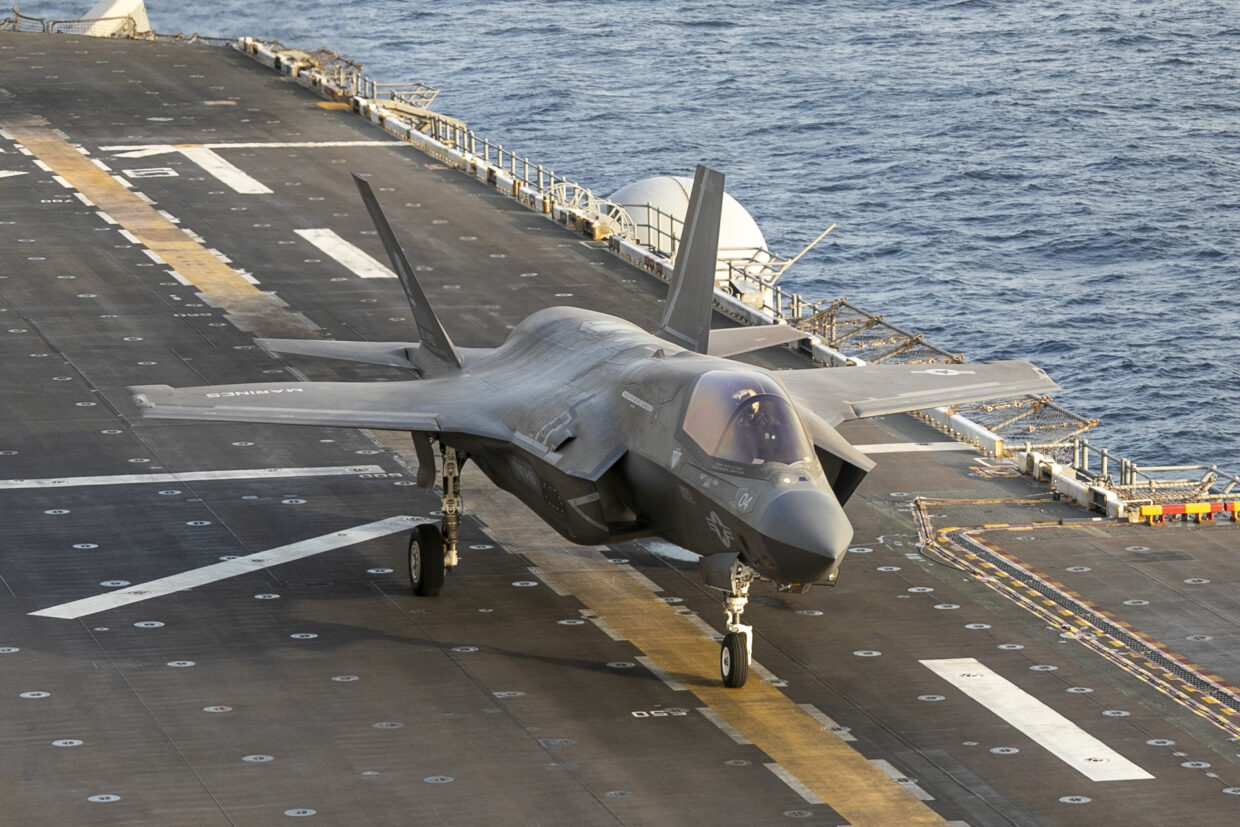
For several weeks, U.S. forces have carried out sustained air operations targeting Iranian military infrastructure.
According to the CNN report, the objectives have included:
- Reducing Iran’s ability to threaten shipping through the Strait of Hormuz
- Weakening military capabilities
- Increasing pressure on Tehran to negotiate
Despite the sustained bombing campaign, sources told CNN that no significant diplomatic breakthrough has emerged, and Iran has shown little indication of accepting Washington’s terms.
That lack of progress has reportedly fueled debate inside the administration over whether the current strategy requires adjustment.
Trump Reportedly Weighing New Strikes on Iranian Nuclear Sites

CNN reports that military planners have continued preparing contingency plans for additional strikes against Iranian facilities believed to house nuclear material or related equipment.
Among the locations reportedly under consideration is Pickaxe Mountain, along with other heavily fortified underground sites.
However, officials cited in the report acknowledge that even America’s most powerful conventional weapons may struggle to destroy deeply buried facilities.
According to the sources, completely eliminating such installations could require ground operations—a far riskier option that President Trump has so far been unwilling to authorize.
The report also notes that the conflict has already resulted in the deaths of 18 U.S. service members, increasing political sensitivity surrounding any escalation.
Symbolic Strikes vs Strategic Objectives
One source familiar with planning discussions told CNN that President Trump has considered limited strikes designed to deliver a visible military success without expanding into a larger conflict.
The report describes these as operations resembling a “fireworks display,” targeting either previously struck facilities or similar sites.
Such operations could potentially provide political messaging while avoiding deeper military involvement.
However, analysts quoted in the report suggest that limited strikes alone would be unlikely to resolve the central strategic issues surrounding Iran’s nuclear program or ongoing tensions over the Strait of Hormuz.
US Intelligence Agencies Question Effectiveness of Bombing Alone
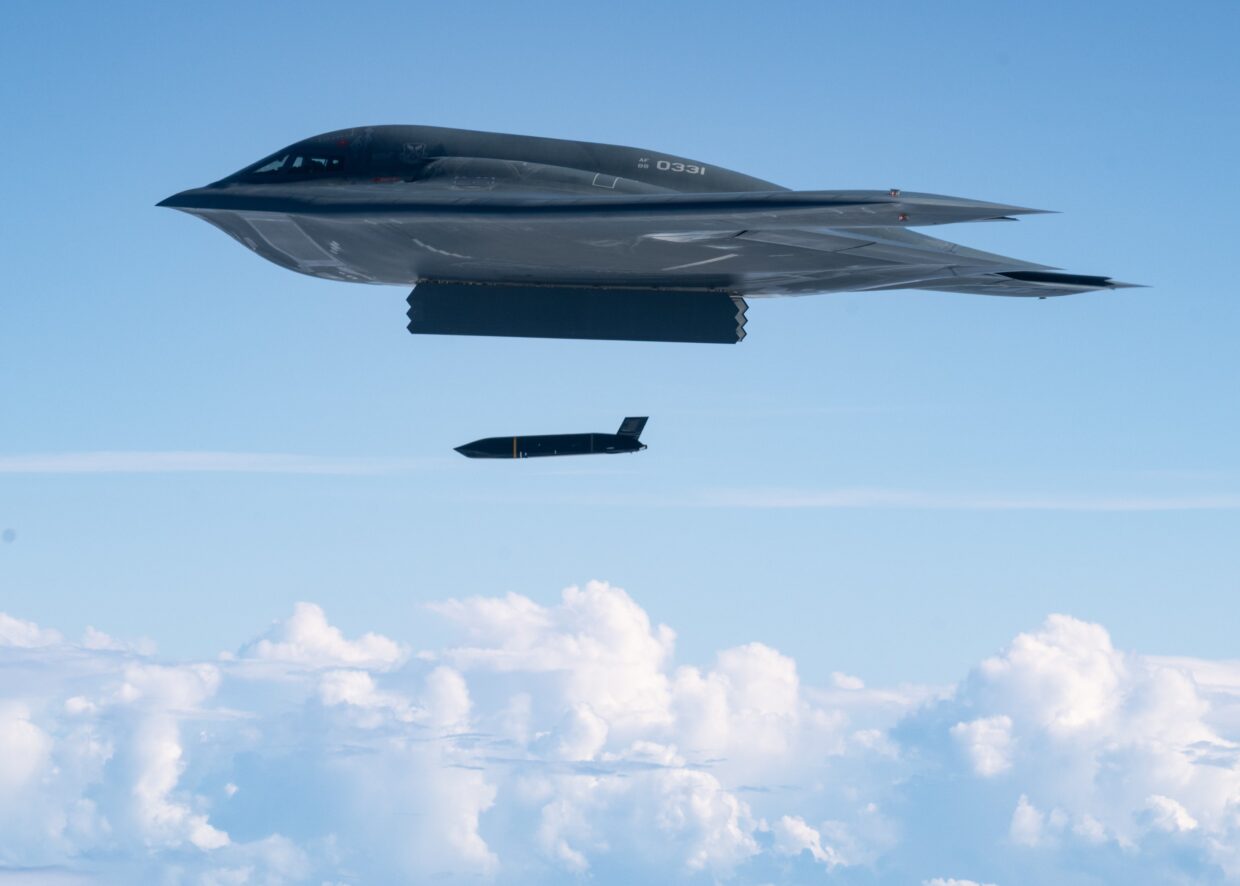
According to CNN, both the Central Intelligence Agency (CIA) and the Defense Intelligence Agency (DIA) have recently assessed that the current bombing campaign is unlikely, by itself, to change Iran’s negotiating position.
The report also notes that Chairman of the Joint Chiefs of Staff Gen. Dan Caine has publicly acknowledged the limitations of airpower.
Speaking before lawmakers, Caine stated:
“Air power has its limits.”
His remarks reportedly reflect broader concerns within the military that bombing campaigns alone cannot accomplish every strategic objective established by political leadership.
Escalation Options Carry Significant Risks
CNN reports that several military options have been examined over recent months.
One proposal reportedly developed by CENTCOM would involve an intensive bombing campaign lasting one to two weeks focused on degrading Iran’s missile capabilities.
However, according to the report, President Trump has delayed approving such operations after receiving warnings regarding:
- Declining stocks of air-defense interceptors
- Potential civilian casualties
- Risks of striking civilian infrastructure
- Broader regional escalation
The report says officials also expressed concerns about possible attacks on bridges, desalination facilities, and other critical infrastructure.
Ground Troops Remain the Most Difficult Decision
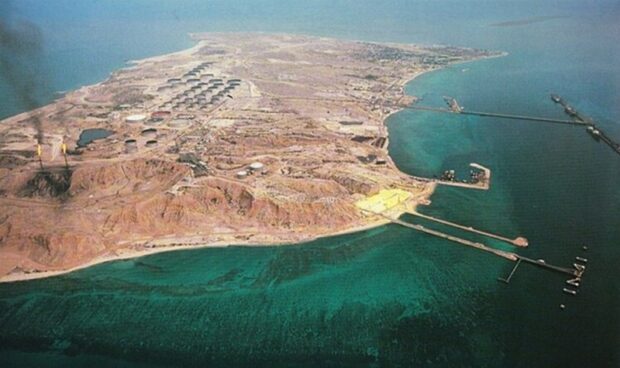
According to CNN, one theoretical option would involve deploying U.S. ground forces to secure strategic objectives such as Kharg Island or facilities associated with Iran’s highly enriched uranium program.
However, such an operation would represent a major escalation.
It would also conflict with President Trump’s long-standing political commitment to avoid prolonged overseas military interventions.
During the 2024 election campaign, Trump repeatedly pledged not to involve American troops in what he described as “endless foreign wars.”
That political commitment continues to shape military decision-making, according to the report.
A Prolonged Conflict Remains a Real Possibility
Without either a negotiated settlement or decisive military breakthrough, the United States could face a prolonged cycle of strikes and retaliatory attacks.
CNN notes that continued instability around the Strait of Hormuz could create lasting security and economic challenges while increasing risks for U.S. personnel deployed across the region.
One source summarized the administration’s dilemma by saying the President ultimately wants both to apply maximum pressure on Iran and eventually find a path toward ending the conflict.
As quoted by CNN, President Trump recently said:
“We just want to win.”
He added that continued military pressure could eventually convince Iran to alter its position.
Strategic Assessment
The reported CENTCOM email illustrates the growing complexity of U.S. military planning as the conflict with Iran continues.
While Washington retains overwhelming conventional military superiority, officials cited by CNN suggest that translating battlefield success into political outcomes remains significantly more difficult.
Airpower has degraded portions of Iran’s military infrastructure, but intelligence assessments reportedly indicate that bombing alone may be insufficient to compel strategic concessions. At the same time, options involving expanded strikes or ground operations carry substantial military, political, and humanitarian risks.
The reported search for “creative and unconventional” ideas therefore reflects a broader reality: as conventional military options narrow, policymakers face increasingly difficult trade-offs between escalation, deterrence, diplomacy, and the long-term costs of a prolonged regional conflict.