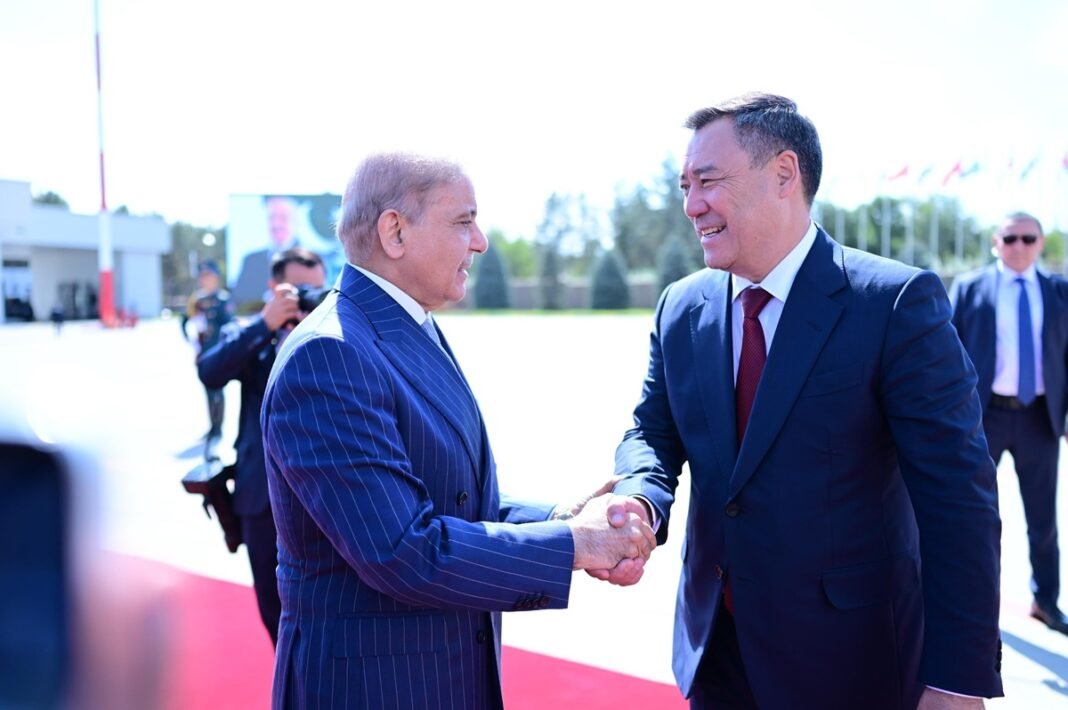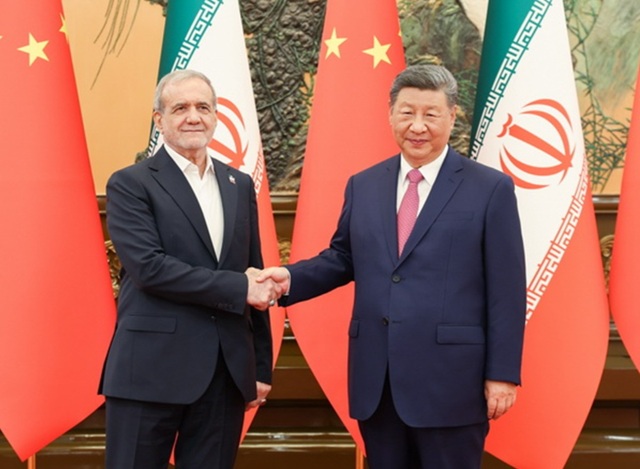

Türkiye’s push for closer ties with the Shanghai Cooperation Organisation is not a break with the West, President Recep Tayyip Erdogan says. But his remarks reveal how Ankara is increasingly trying to operate across competing geopolitical blocs without fully committing to any single one.
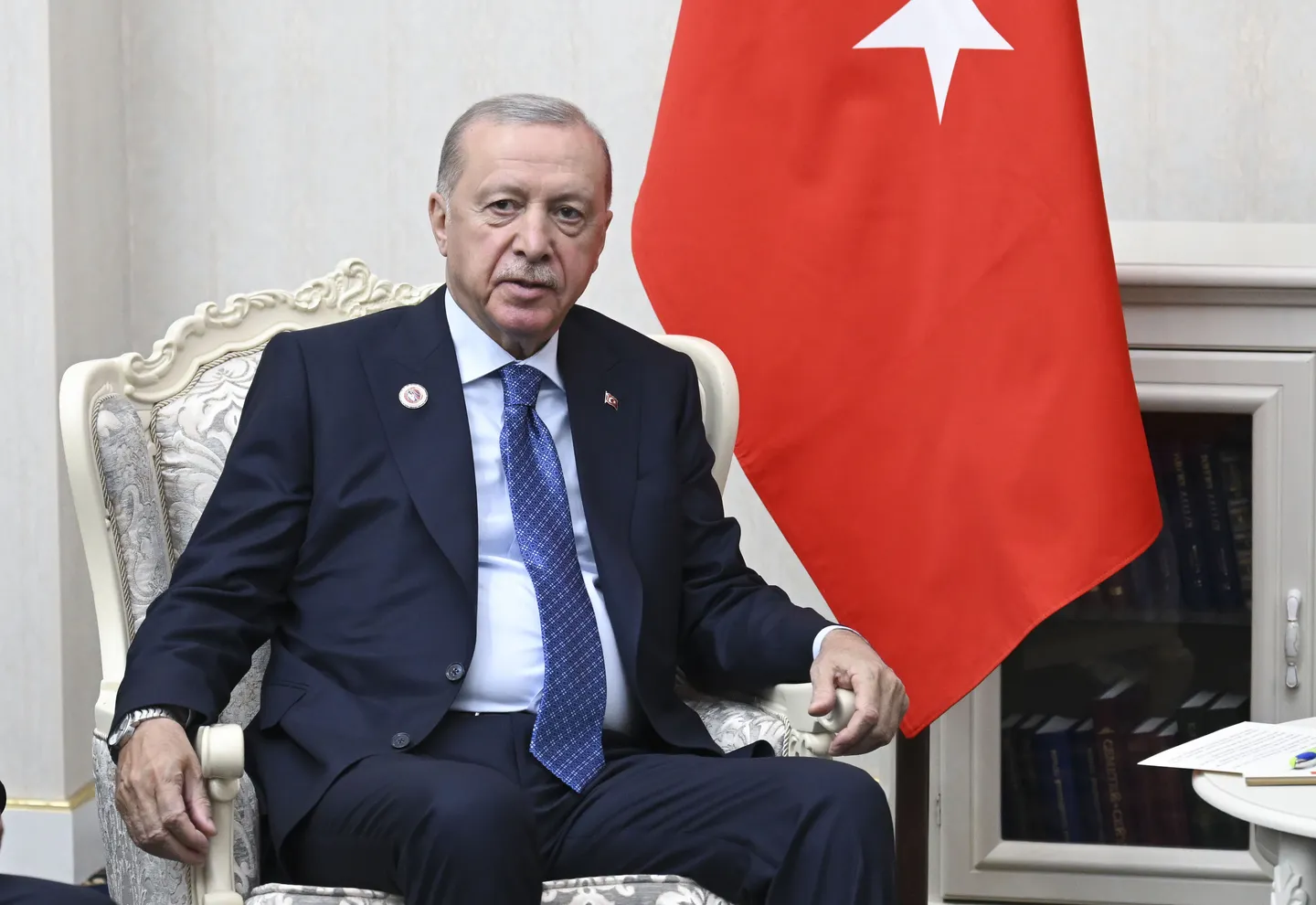
Türkiye’s efforts to become a full member of the Shanghai Cooperation Organisation do not mean Ankara is turning its back on the West, President Recep Tayyip Erdogan said after attending the SCO summit in Bishkek.
Speaking to journalists aboard his presidential plane on Wednesday, Erdogan described Türkiye’s foreign policy as a broad-based strategy designed to expand the country’s influence in every direction.
“Our goal is to increase our own weight with a 360-degree vision,” he said.
The comment captures the central idea behind Erdogan’s current foreign policy: Türkiye does not want to choose between East and West.
Instead, Ankara is attempting to strengthen its position in multiple geopolitical arenas at the same time—maintaining its NATO membership and pursuing the return to the US-led F-35 programme while seeking deeper engagement with China and Russia through the SCO.
Türkiye has been an SCO dialogue partner since 2012, and Erdogan’s latest remarks indicate that Ankara is now seriously considering a higher level of engagement, potentially including full membership.
SCO membership is part of Erdogan’s balancing strategy
The SCO, led politically by China and Russia, has increasingly become an important platform for countries seeking a greater role in an emerging multipolar world.
Its members include China, Russia, India, Pakistan, Iran and the Central Asian states, giving the organisation a significant presence across Eurasia.
Türkiye’s interest in joining has therefore attracted attention because Ankara remains a member of NATO and has historically maintained close security and economic ties with the West.
Erdogan insists there is no contradiction.
For Ankara, closer SCO ties are not intended to replace NATO or sever relations with Europe and the United States. They are part of an effort to avoid dependence on any single geopolitical bloc.
That approach has become increasingly important as relations between Western powers and the China-Russia bloc have grown more confrontational.
Türkiye is attempting to create room for manoeuvre between them.
This is not a new strategy, but Erdogan’s comments in Bishkek suggest that Ankara is becoming more explicit about it.
The objective is not neutrality in the traditional sense. Türkiye remains deeply embedded in NATO and Western institutions.
The objective is strategic flexibility.
Türkiye wants influence in both Western and Eurasian institutions
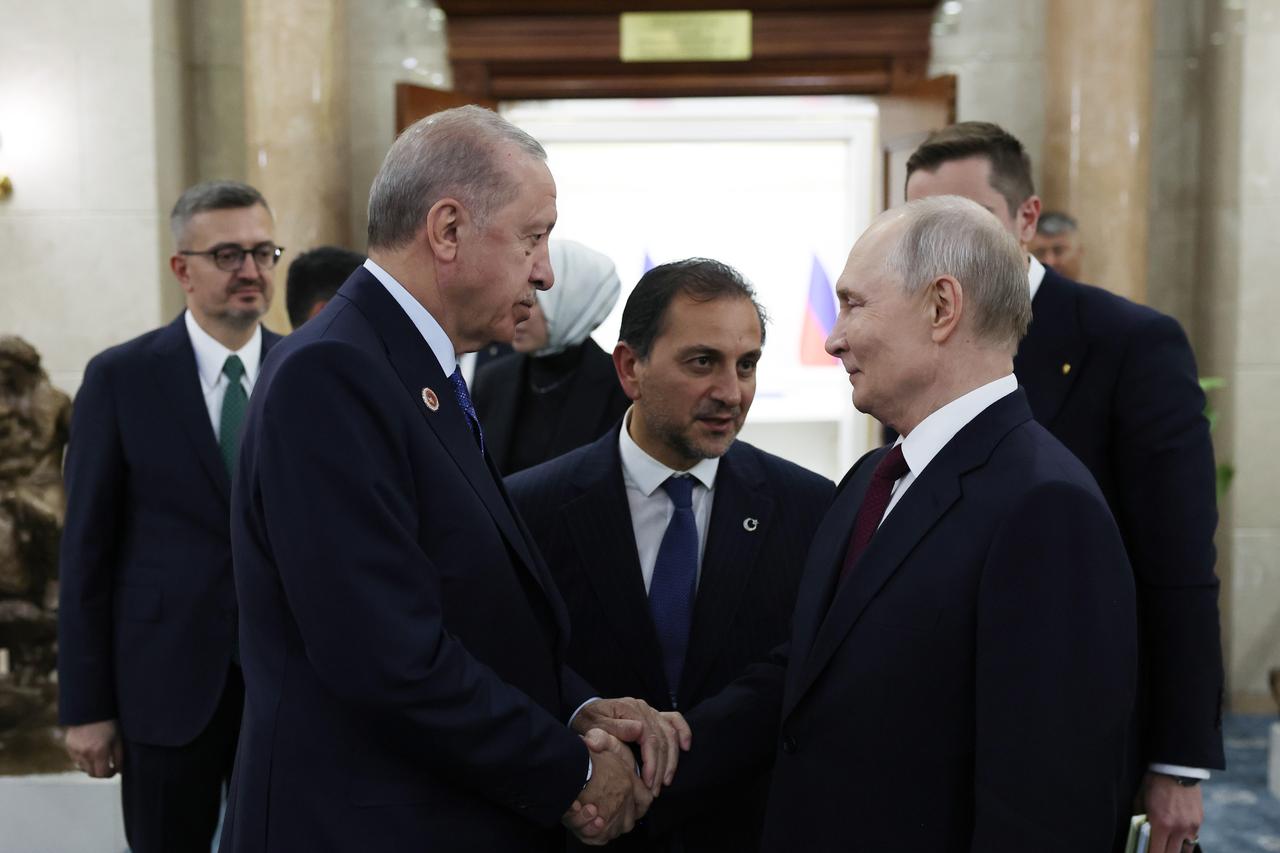
The timing of Erdogan’s SCO remarks is particularly important.
At the same time that Türkiye is exploring a possible path toward full SCO membership, Ankara is continuing negotiations with Washington over its return to the F-35 fighter jet programme.
Erdogan said Türkiye was still discussing its re-inclusion in the programme and expressed confidence that the issue could be resolved once the necessary processes in the United States were completed.
Türkiye was removed from the F-35 programme in 2019 after acquiring Russia’s S-400 air-defence system, a decision that created one of the most serious disputes between Ankara and Washington in recent years.
There have been signs of renewed engagement since then, including discussions during the NATO summit in Ankara in July. However, Türkiye’s return to the programme remains politically and legally complicated, particularly because of continued concerns in Washington over the S-400 issue.
This creates an unusual geopolitical picture.
Türkiye is seeking closer ties with an organisation dominated by China and Russia while simultaneously negotiating with the United States over access to one of the world’s most advanced Western fighter programmes.
For Erdogan, however, these are not contradictory policies.
They are different tools serving the same objective: expanding Türkiye’s strategic options.
The F-35 talks and KAAN show Ankara’s broader defence strategy
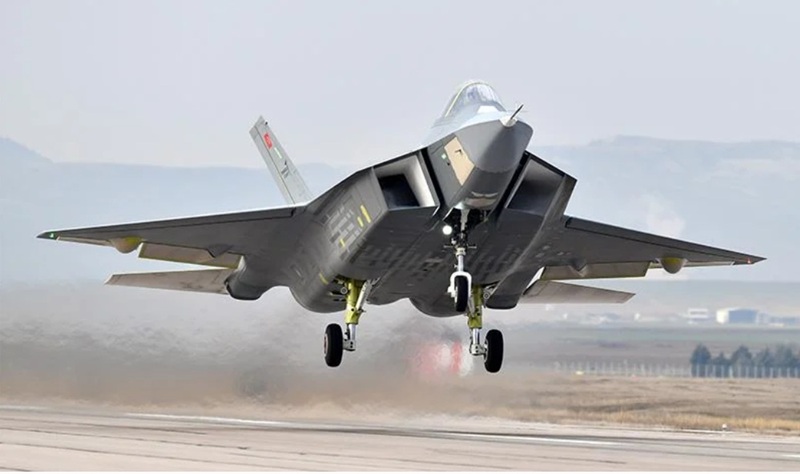
Erdogan made clear that negotiations with Washington would not change Türkiye’s commitment to developing its own defence industry.
“We are not giving up on KAAN or on developing our own air defence systems,” Erdogan said.
That statement is crucial to understanding Ankara’s approach.
Türkiye wants access to Western military technology, particularly the F-35, but it does not want its national security to depend entirely on foreign suppliers.
The development of the KAAN fighter programme and domestic air-defence systems reflects a broader push for defence independence.
In other words, Ankara is pursuing two strategies simultaneously.
It wants to restore defence cooperation with the United States, while also ensuring that future political disagreements cannot leave Türkiye without access to critical military capabilities.
The F-35 dispute itself strengthened this argument within Türkiye.
Being removed from the programme demonstrated the risks of dependence on foreign defence systems. Ankara’s response has been to invest more heavily in domestic military technology.
Erdogan’s position is therefore not simply about acquiring more weapons.
It is about increasing Türkiye’s room for strategic manoeuvre.
SCO ambitions could test Türkiye’s relationship with the West
Türkiye’s NATO membership and its interest in the SCO will inevitably raise questions in Western capitals.
The SCO is not simply another economic forum.
China and Russia increasingly portray it as part of a wider effort to create alternatives to Western-led institutions and promote a multipolar international order.
Türkiye’s participation as a dialogue partner has therefore been manageable for NATO allies.
Full membership could raise more difficult political questions.
Ankara, however, is likely to argue that participation in the SCO does not mean abandoning existing alliances.
Türkiye has already demonstrated a willingness to maintain relationships with geopolitical rivals.
It cooperates with Russia on energy and regional diplomacy while supporting Ukraine’s territorial integrity and remaining a NATO member.
It works with Western governments while maintaining strong commercial and political ties with China.
The SCO debate is therefore part of a larger question about how far Türkiye can continue balancing competing powers without eventually being forced to make harder choices.
For now, Erdogan appears determined to resist that choice.
Russia-Ukraine diplomacy remains central to Erdogan’s balancing act
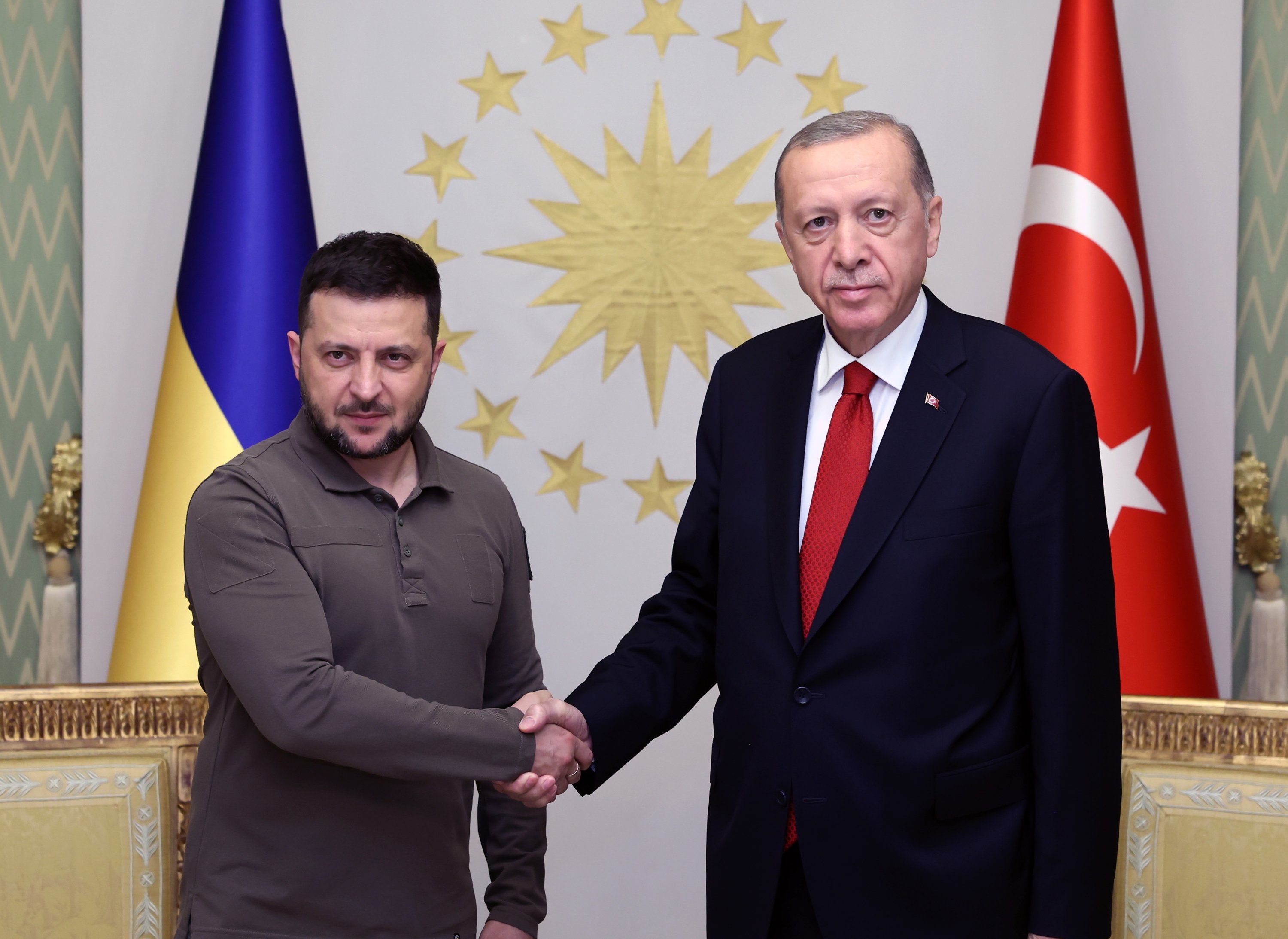
Erdogan also addressed the Russia-Ukraine war, saying both he and Russian President Vladimir Putin wanted the conflict to end in peace as soon as possible.
Türkiye has consistently attempted to position itself as a potential mediator between Moscow and Kyiv.
That role reflects the advantages of Ankara’s geopolitical position.
Unlike many NATO countries, Türkiye has maintained direct channels with Russia. At the same time, it has supported Ukraine’s sovereignty and remained deeply integrated into the Western security system.
This balancing act has given Türkiye a diplomatic role that few other NATO members possess.
But Erdogan’s comments also highlighted another concern: the security of the Black Sea.
He warned against allowing the conflict to threaten civilian maritime transportation and commercial activity.
The issue is particularly important for Türkiye because the Black Sea is directly connected to its security and economic interests.
A major disruption to shipping could affect food supplies, energy markets and regional trade.
Erdogan also warned that a new grain crisis was emerging, particularly in Africa, and called for action before the situation deteriorates.
The remarks signal Ankara’s continued interest in reviving a diplomatic mechanism to protect grain exports and civilian shipping.
Türkiye is building new regional security partnerships
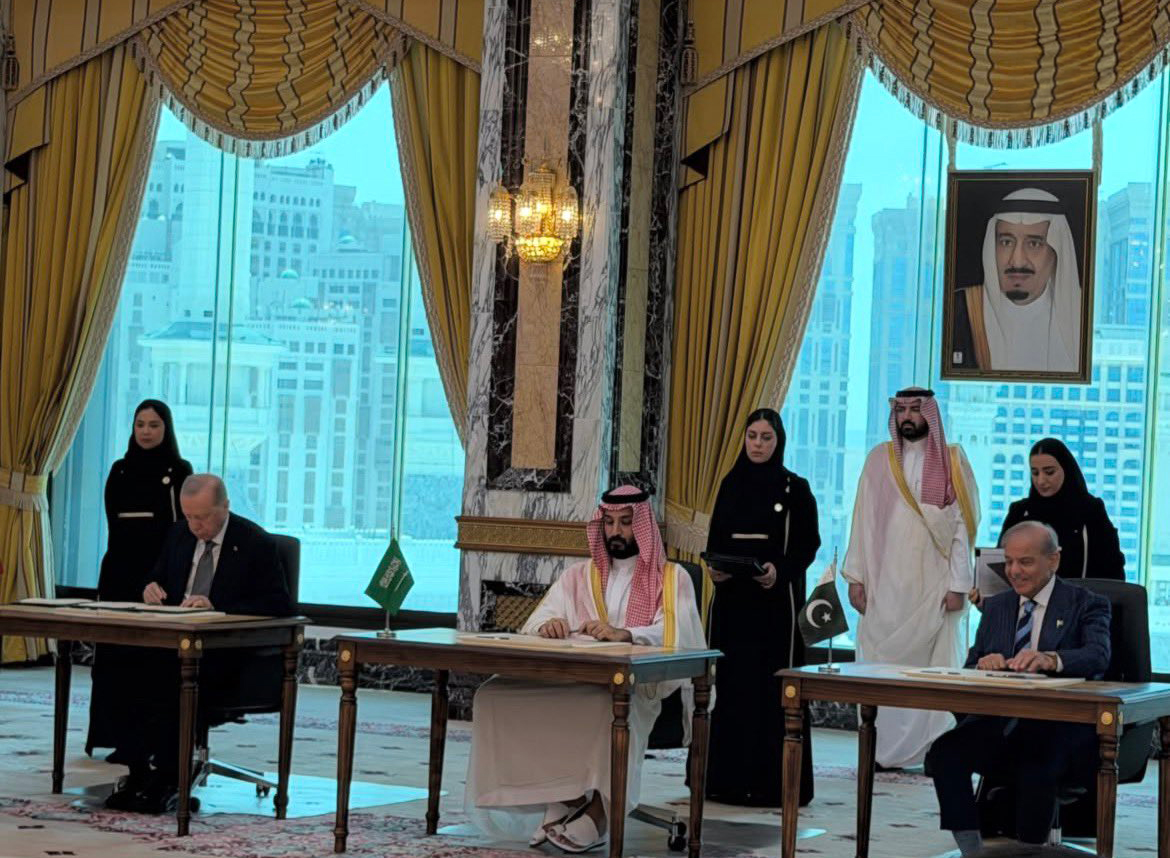
Erdogan’s comments on the recently established Mecca Defence Alliance add another dimension to Türkiye’s expanding foreign-policy strategy.
According to Erdogan, the agreement was created to promote regional stability and security.
The emerging defence arrangement involving Türkiye, Saudi Arabia and Pakistan is significant because it reflects changing security calculations in the wider Middle East and South Asia.
For Türkiye, the alliance offers another way to expand its strategic influence without relying exclusively on existing Western security structures.
This does not mean Ankara is abandoning NATO.
Instead, Türkiye is adding new layers to its security relationships.
That approach is increasingly visible across Erdogan’s foreign policy.
Ankara remains inside NATO, seeks closer ties with the SCO, pursues bilateral defence cooperation with the United States and builds new regional security partnerships.
The common theme is diversification.
Greece dispute remains a reminder of unresolved NATO tensions
Erdogan also used his remarks to renew criticism of Greece over the militarisation of islands that Türkiye considers demilitarised.
He called on Athens to reverse what he described as a “wrong path” and warned that Türkiye would not allow its rights to be violated.
The dispute demonstrates another complication in Ankara’s relationship with the West.
Türkiye and Greece are both NATO members, yet they remain divided over maritime boundaries, airspace, territorial waters and the status of islands in the Aegean.
These disagreements have repeatedly exposed the limits of NATO unity.
Türkiye’s geopolitical calculations are therefore shaped not only by relations with Russia and China but also by tensions within the Western alliance itself.
For Ankara, NATO membership has never meant that all Western security interests automatically align with Türkiye’s own priorities.
Syria could become the next major test
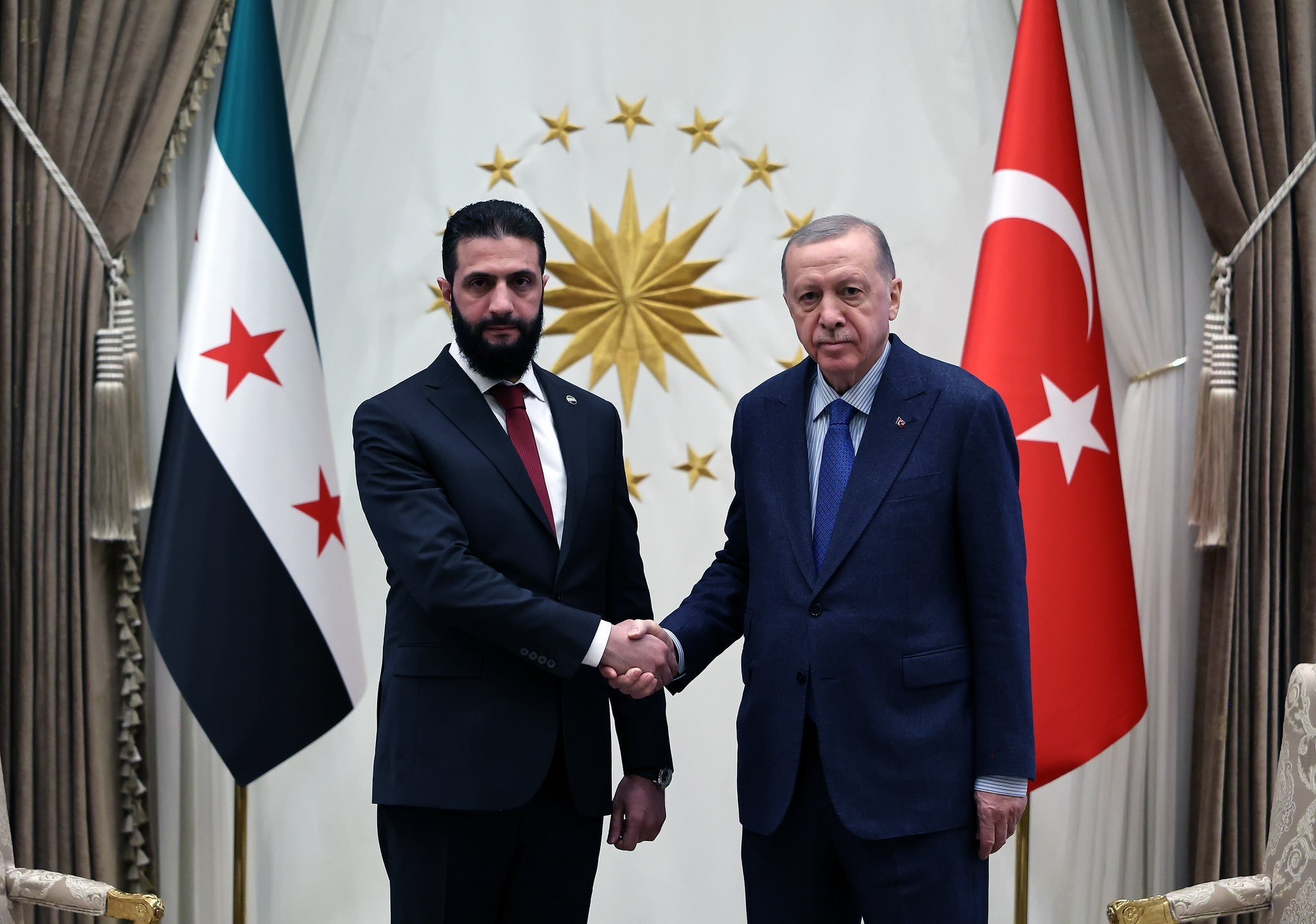
Erdogan’s comments on Syria also point to Ankara’s attempt to reshape its regional security environment.
He said Türkiye wanted Syria to remain united and argued that the dissolution of the YPG-led Syrian Democratic Forces would open the door to a new era for the region.
“The chapter of terrorism must now close,” Erdogan said.
Türkiye’s position on Syria remains closely connected to its domestic security agenda.
Ankara views the YPG as linked to the PKK, which Türkiye, the United States and the European Union designate as a terrorist organisation.
However, the YPG-led SDF has also been a major US partner in the fight against Islamic State in Syria.
That has created one of the most persistent sources of tension between Ankara and Washington.
The future of the SDF will therefore remain important not only for Syria but also for the broader US-Türkiye relationship.
If Türkiye’s expectations regarding the group’s dissolution or integration into a new Syrian security structure are not met, tensions with Washington could again intensify.
‘Terror-Free Türkiye’ is linked to Erdogan’s wider regional vision
Erdogan also addressed the government’s “Terror-Free Türkiye” initiative, stressing that Ankara was focused on achieving its objectives rather than simply following a fixed timetable.
He said progress depended on the PKK laying down its arms and dissolving.
The process is significant because it could have consequences beyond Türkiye’s domestic security environment.
A reduction in the decades-long conflict could reshape Türkiye’s political debate, security priorities and approach toward developments in Syria and Iraq.
Erdogan’s emphasis on a “Great Türkiye Consensus” suggests that the government is presenting the initiative as part of a broader effort to strengthen domestic unity.
That domestic agenda is closely linked to Türkiye’s foreign policy.
Erdogan’s argument is that a country seeking greater geopolitical influence must also reduce internal security vulnerabilities.
The effort to build a stronger “home front,” as Erdogan described it, therefore complements Ankara’s wider ambitions abroad.
Erdogan’s 360-degree strategy has one central goal: strategic autonomy
Taken together, Erdogan’s comments after the Bishkek summit offer a clear picture of where Türkiye’s foreign policy is heading.
Ankara wants:
- Greater engagement with the SCO
- Continued membership and influence within NATO
- Improved defence ties with the United States
- A return to the F-35 programme
- Continued investment in the KAAN fighter and domestic defence systems
- A diplomatic role in the Russia-Ukraine war
- Greater influence in the Black Sea
- New security partnerships in the Middle East and South Asia
- A stronger role in shaping Syria’s future
These objectives may appear contradictory.
But they are connected by one central principle: Türkiye wants to reduce dependence on any single power or alliance.
That is the meaning of Erdogan’s “360-degree vision.”
The challenge is whether Türkiye can keep balancing everyone
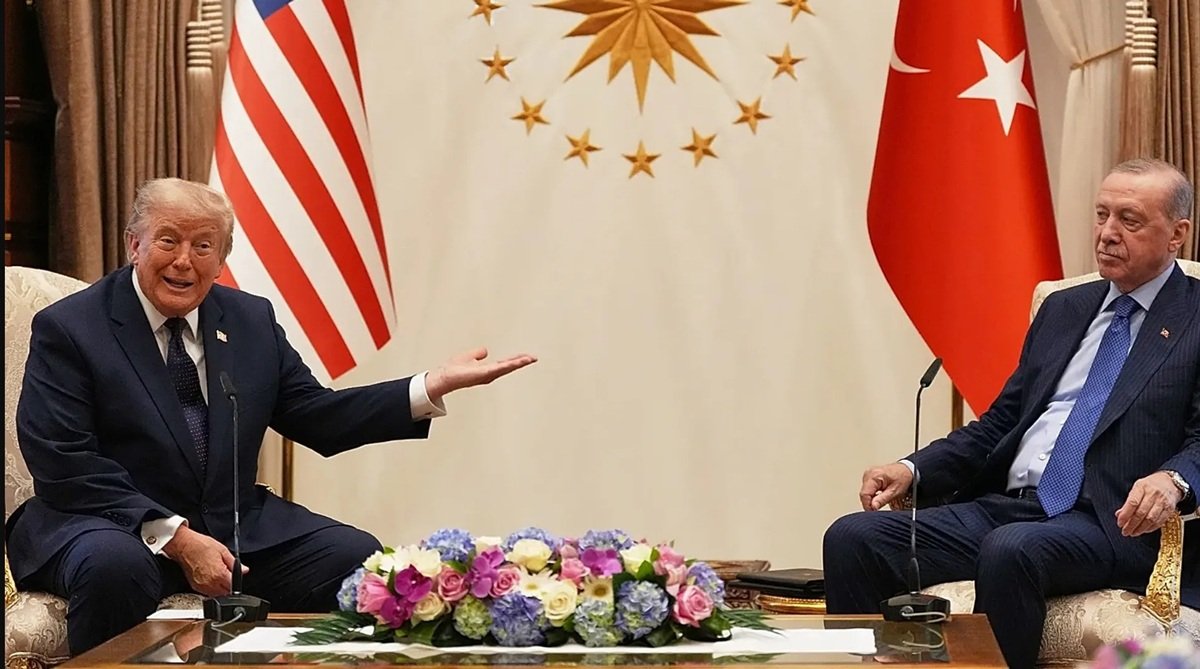
The strategy has obvious advantages.
Türkiye’s geographic position gives it access to Europe, the Middle East, the Black Sea, the Caucasus and Central Asia.
Its NATO membership provides security influence in the West, while its relations with Russia, China and the Islamic world expand its diplomatic reach elsewhere.
But balancing competing powers also carries risks.
The United States may eventually demand greater clarity over Türkiye’s relationship with Russia.
Full SCO membership could create political pressure inside NATO.
Relations with Greece could complicate Türkiye’s position within the alliance.
And Ankara’s policies in Syria could continue to generate friction with Washington.
The question is not whether Türkiye can engage with both East and West.
It has already done that for decades.
The real question is whether growing geopolitical competition will make balancing more difficult.
As the rivalry between major powers intensifies, countries positioned between competing blocs may face increasing pressure to take sides.
Erdogan’s answer, at least for now, is clear.
Türkiye does not intend to choose.
Türkiye is not leaving the West—but it is no longer relying on the West alone
Erdogan’s message after the SCO summit was designed to reassure Western allies that Türkiye’s interest in the organisation does not represent a geopolitical break.
But it also delivered another message.
Türkiye intends to pursue relationships wherever it believes they serve its national interests.
The SCO membership debate, F-35 negotiations, KAAN programme, Mecca Defence Alliance and Türkiye’s diplomacy on Ukraine all point toward the same strategic direction.
Ankara is building multiple options.
That does not mean Türkiye is leaving NATO or abandoning the West.
It means the country increasingly sees its future as belonging to more than one geopolitical space.
Erdogan’s “360-degree vision” is therefore not simply a diplomatic slogan.
It is becoming the organising principle of Türkiye’s foreign policy.
The success of that strategy will depend on whether Ankara can maintain its freedom of manoeuvre as the divide between Western and non-Western powers continues to deepen.
For now, Erdogan appears convinced that Türkiye’s strength lies not in choosing one side—but in ensuring that it has influence on all sides.