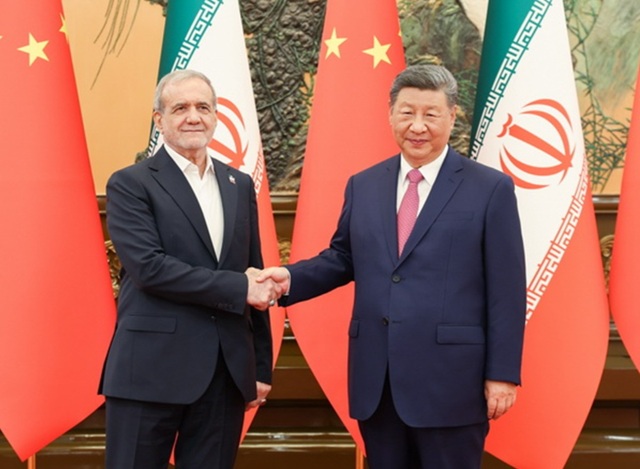
An Iranian political figure says China told Tehran to reopen the Strait of Hormuz, abandon transit tolls and resolve its disputes with Saudi Arabia and the United States before Mohammad Baqer Qalibaf could visit Beijing. Iranian officials have denied the claim. But the controversy has exposed a larger question: how far will China go to support Iran when its own economic interests are at risk?
A remarkable claim by Iranian politician Hossein Marashi has sparked fresh debate over the state of relations between Tehran and Beijing.
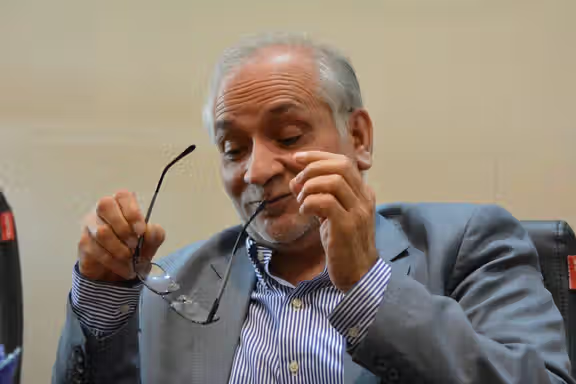
Marashi, secretary-general of Iran’s Executives of Construction Party, said China had effectively set four conditions for deeper engagement with Iran and a planned visit to Beijing by Iranian Parliament Speaker Mohammad Baqer Qalibaf.
According to Marashi, the message from Beijing was clear:
Reopen the Strait of Hormuz. Do not charge transit fees. Resolve your differences with Saudi Arabia. Resolve your problems with the United States. Then Qalibaf can come to China.
The claim, however, has been officially rejected by the office of Iran’s special representative for China affairs, which denied that Beijing had made the relationship or Qalibaf’s visit conditional on the four demands. China has not publicly confirmed Marashi’s account.
The dispute over what China actually said may therefore remain unresolved.
But the political significance of the controversy is harder to dismiss.
Even if Marashi’s account of formal Chinese “conditions” cannot be independently verified, the four issues he identified closely reflect China’s real strategic interests: keeping the Strait of Hormuz open, protecting energy supplies, maintaining stability with Saudi Arabia and preventing a wider confrontation between Iran and the United States.
That raises a more important question than whether Beijing delivered a formal list of demands.
Has Iran’s regional crisis exposed the limits of China’s partnership with Tehran?
The claim—and Iran’s immediate denial
Marashi’s remarks were widely circulated after he discussed Iran-China relations in an interview with EcoIran.
Wow. Hossein Marashi, Iran’s former vice president, says China has told Iran to:
1- Open the Strait of Hormuz.
2- Don’t charge tolls.
3- Resolve your issues with Saudi Arabia.
4- Resolve your issues with America.And then Qalibaf can come to China! pic.twitter.com/ghfdtWaSH7
— Mehdi Yahyanejad (@mehdiy_fa) September 2, 2026
He said China had communicated four requirements to Tehran before Qalibaf could travel to Beijing and pursue deeper cooperation.
The alleged demands were:
- Reopen the Strait of Hormuz.
- Do not impose fees on ships using the waterway.
- Resolve Iran’s disputes with Saudi Arabia.
- Resolve Iran’s dispute with the United States.
The office of Iran’s special representative for China affairs subsequently rejected the claim, saying the attribution of such conditions to China and the suggestion that Qalibaf’s visit or the development of bilateral relations depended on them were false.
That denial is crucial.
The story should therefore not be presented as an established fact that China officially imposed four conditions on Iran.
Instead, it should be understood as a disputed political claim that has opened an important debate inside Iran about the country’s relationship with Beijing.
Why the Strait of Hormuz matters more to China than almost any other issue
Of the four alleged Chinese demands, the Strait of Hormuz is the most significant.
The waterway is one of the world’s most important energy chokepoints, historically carrying roughly one-fifth of global oil and liquefied natural gas supplies.
For China, the stakes are particularly high.
China is the world’s largest energy importer and relies heavily on crude oil from the Middle East.
A prolonged disruption of Hormuz threatens not only global oil prices but also China’s own energy security.
China’s official position has consistently emphasized the need to restore safe navigation through the Strait.
In April, China’s Foreign Ministry said Beijing wanted the safety of shipping lanes and energy infrastructure protected. China’s UN ambassador later stated that Beijing did not support attacks on Gulf states or the blockade of the Strait and wanted navigation to resume as soon as possible.
That does not prove that China formally gave Iran the conditions described by Marashi.
But it does demonstrate that reopening Hormuz is clearly aligned with Beijing’s interests.
China’s relationship with Iran is strategic.
Its energy security, however, is even more strategic.
The toll issue could expose a direct conflict of interests
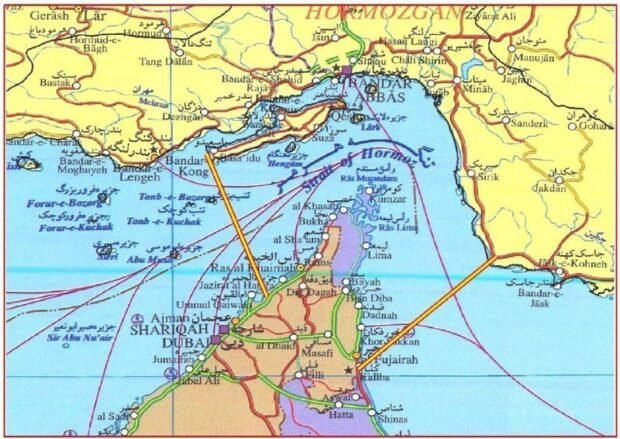
The second alleged condition—that Iran should not charge fees for ships passing through the Strait—is also politically important.
Iran has previously suggested that vessels transiting the waterway could face new charges, although Tehran indicated that “friendly” countries might receive special consideration.
Iran’s ambassador to China said in July that friendly countries, including China, could receive preferential treatment under any new system.
But from Beijing’s perspective, even a system of exemptions would create a dangerous precedent.
China benefits from predictable international shipping routes.
A system under which Iran can regulate access, impose fees or selectively determine which countries receive preferential treatment could increase political and commercial uncertainty across one of the world’s most important waterways.
For Beijing, the issue is therefore not simply whether Chinese ships pay.
The broader concern is whether Hormuz remains a stable and predictable route for global energy trade.
This is where the interests of Iran and China can diverge.
Tehran may view control over Hormuz as strategic leverage.
China views uninterrupted energy flows as a national economic necessity.
China has helped Iran diplomatically—but support has limits
Iran and China often describe their relationship as a comprehensive strategic partnership.
The two countries signed a 25-year cooperation agreement, while China has remained one of the most important buyers of Iranian oil despite Western sanctions.
China has also provided Tehran with valuable diplomatic support.
Beijing has criticized unilateral US sanctions and repeatedly opposed efforts to isolate Iran internationally.
But the relationship has always had limits.
China has avoided entering into a formal military alliance with Iran and has shown little appetite for being drawn directly into Tehran’s conflicts with the United States or Israel.
The relationship is driven primarily by interests.
China wants access to Iranian energy, geopolitical influence in the Middle East and partnerships that reduce Western influence.
Iran wants economic investment, diplomatic backing and a powerful strategic partner capable of reducing its international isolation.
Those interests overlap.
They are not identical.
A US-China Economic and Security Review Commission assessment published this year noted that while China and Iran have developed a close partnership, Beijing has avoided formal defence commitments and is unlikely to provide major direct support beyond diplomatic backing and certain forms of economic and dual-use cooperation.
The Hormuz crisis may be making that difference increasingly visible.
Saudi Arabia is another test of China’s balancing strategy

Marashi’s claim that China wants Iran to resolve its problems with Saudi Arabia also makes geopolitical sense.
China does not want to choose between Tehran and Riyadh.
Saudi Arabia is one of China’s most important economic and energy partners in the Middle East.
Iran is strategically useful, particularly as a source of energy and a partner in China’s efforts to challenge Western dominance.
But Saudi Arabia has far greater financial and commercial importance to China’s economy.
Beijing’s most successful diplomatic intervention in the Middle East came in 2023 when it helped facilitate the restoration of diplomatic relations between Iran and Saudi Arabia.
That agreement gave China a reputation as an emerging diplomatic power in the region.
A new Iran-Saudi confrontation would threaten one of Beijing’s most visible foreign-policy achievements.
China therefore has a strong interest in preventing Iran’s disputes from escalating into a broader Gulf conflict.
The current crisis has already demonstrated why.
Disruptions to shipping, attacks on regional infrastructure and threats to energy exports affect not only Iran and the United States but also Saudi Arabia, the Gulf states and China’s economy.
For Beijing, stability between Tehran and Riyadh is not simply a diplomatic objective.
It is an economic necessity.
The United States is the hardest issue of all
The most controversial part of Marashi’s claim is the suggestion that China told Iran to resolve its problems with the United States.
China and the United States are themselves strategic competitors.
Beijing has repeatedly criticized American sanctions against Iran and opposed US military pressure.
But that does not mean China benefits from an unlimited Iran-US confrontation.
In fact, a prolonged war creates serious problems for Beijing.
It disrupts energy supplies.
It increases oil prices.
It threatens Chinese shipping.
And it can destabilize a region central to China’s economic interests.
China’s ideal outcome is not necessarily an Iranian victory over the United States.
Nor is it the collapse of Iran under American pressure.
Beijing’s preferred outcome is stability.
China benefits from a Middle East where Iran remains independent enough to resist Western dominance but stable enough not to threaten Chinese energy interests.
That is a difficult balance.
The current crisis is testing whether Beijing can maintain it.
China has already been asked to use its influence over Iran
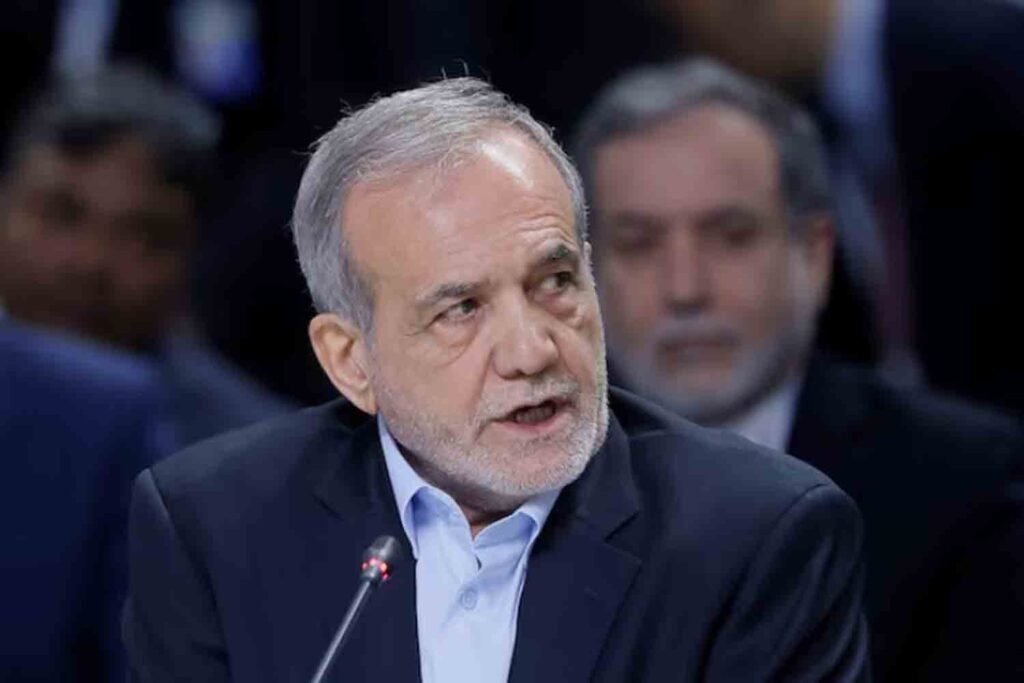
The question of China’s influence over Tehran has become increasingly important across the Gulf.
Reuters reported in July that Gulf Arab states had sought greater Chinese involvement in efforts to pressure Iran to ease threats to the Strait of Hormuz and the Red Sea.
The appeal to Beijing reflected an important geopolitical calculation.
China has economic leverage over Iran because of its position as Tehran’s most important oil customer.
But the crisis has also exposed the limits of that leverage.
China can encourage restraint.
It can apply diplomatic pressure.
But there is little evidence that Beijing can simply dictate Iranian policy.
That distinction is important when assessing Marashi’s claims.
Even if China privately wants Iran to reopen Hormuz, improve relations with Saudi Arabia and reduce tensions with Washington, wanting something is not the same as being able to force Tehran to deliver it.
Iran’s dependence on China has become more visible
The timing of the controversy is particularly significant.
Iran’s economic position has deteriorated sharply as disruptions in the Strait of Hormuz and pressure from the United States have affected oil exports.
Reuters reported this week that Iran’s crude exports have fallen dramatically, with China remaining Tehran’s most important major customer.
That dependence gives Beijing influence.
But it also creates a strategic dilemma for Iran.
The closer Tehran becomes economically dependent on China, the more difficult it becomes to ignore Chinese concerns.
Iran has spent decades trying to protect its strategic independence from Western pressure.
It is unlikely to welcome a situation in which economic dependence creates a new form of pressure from Beijing.
This is one reason the Marashi controversy has attracted attention inside Iran.
It touches on a politically sensitive question:
Can Iran rely on China without becoming increasingly dependent on China?
The Qalibaf question adds another political dimension
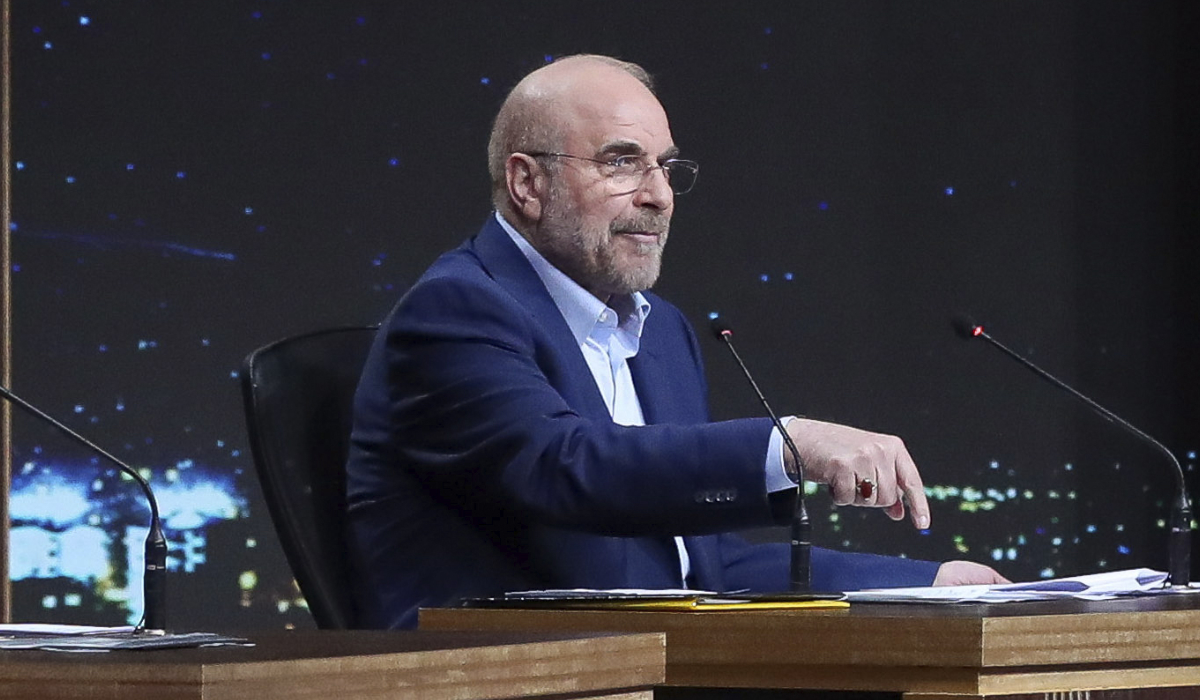
The controversy is also connected to Mohammad Baqer Qalibaf’s role in Iran-China relations.
Qalibaf has been given responsibility for following up aspects of the long-term cooperation framework between Tehran and Beijing.
His potential visit to China therefore carries political significance beyond an ordinary parliamentary trip.
It would signal whether Iran and China are moving toward a more active phase in implementing their strategic partnership.
Marashi’s comments suggested that Beijing was reluctant to proceed without changes in Iranian policy.
Iranian officials have firmly denied that account.
But the episode has nevertheless highlighted concerns about whether the relationship is meeting Tehran’s expectations.
Iran has frequently looked to China as an alternative to Western markets and investment.
The reality has been more complicated.
Chinese companies have often been cautious about exposure to US sanctions.
Major Chinese investment has not always matched Iranian expectations.
And Beijing’s broader Middle East strategy requires it to maintain good relations with Saudi Arabia, the UAE and other Gulf states—not simply Iran.
China is therefore a partner of Iran.
It is not Iran’s ally against everyone else.
What the controversy really reveals about China-Iran relations
The most important aspect of Marashi’s claim may not be whether the four conditions were formally presented.
Iran has denied that they were.
The deeper significance lies in the fact that the alleged demands accurately identify the areas where Iranian actions and Chinese interests could collide.
China wants:
- Stable energy supplies.
- Open shipping routes.
- Peace between Iran and Saudi Arabia.
- An end to regional escalation.
- A manageable relationship between Iran and the United States.
Iran wants:
- Strategic leverage.
- Relief from sanctions.
- Security guarantees.
- Recognition of its regional interests.
- The ability to resist American pressure.
The overlap is substantial.
But so are the differences.
That is why the relationship between Beijing and Tehran should not be viewed as an unconditional alliance.
It is a strategic partnership shaped by shared interests—and increasingly by competing priorities.
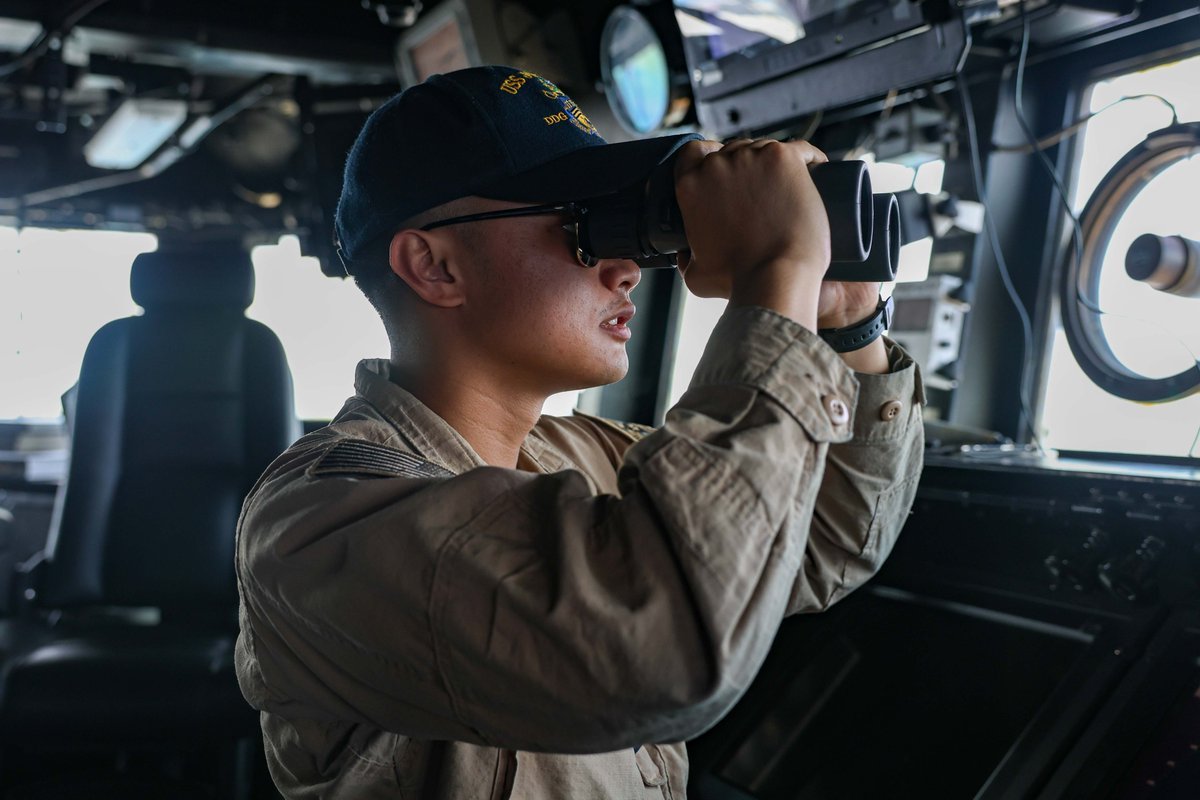
Beijing’s message may be clearer than the disputed claim
Whether China actually delivered the four conditions described by Marashi remains unproven.
Iranian officials have denied it, and Beijing has not publicly confirmed the claim.
But China’s broader position on the Strait of Hormuz is not disputed.
Beijing wants shipping to resume.
It wants energy infrastructure protected.
It wants regional tensions reduced.
And it has consistently supported political negotiations over a prolonged military confrontation.
Those positions suggest that the alleged message is broadly consistent with China’s interests, even if there is no evidence that it was formally delivered in the language described by Marashi.
This distinction matters.
A credible analysis should not transform an unverified political claim into an established diplomatic fact.
But neither should the official denial obscure the larger geopolitical reality.
China’s partnership with Iran has limits.
And those limits become more visible when Iranian policies threaten China’s energy security and economic interests.
Is China becoming a pressure point for Tehran?
The next phase of the crisis could reveal whether China is willing to use more of its economic influence.
Beijing has historically preferred diplomacy over public pressure.
It does not want to be seen as dictating policy to Tehran.
At the same time, China has too much at stake in the Middle East to remain indifferent to a prolonged disruption of Hormuz.
If Iranian oil exports remain under pressure, Tehran’s dependence on its relationship with China could grow further.
That would give Beijing more influence—but also more responsibility.
China will face its own difficult question.
Does it remain a diplomatic supporter of Iran while avoiding direct involvement?
Or does it use its economic leverage more aggressively to push Tehran toward concessions that protect Chinese interests?
For now, Beijing appears to prefer quiet diplomacy.
But the longer the Hormuz crisis continues, the harder it may become for China to remain on the sidelines.
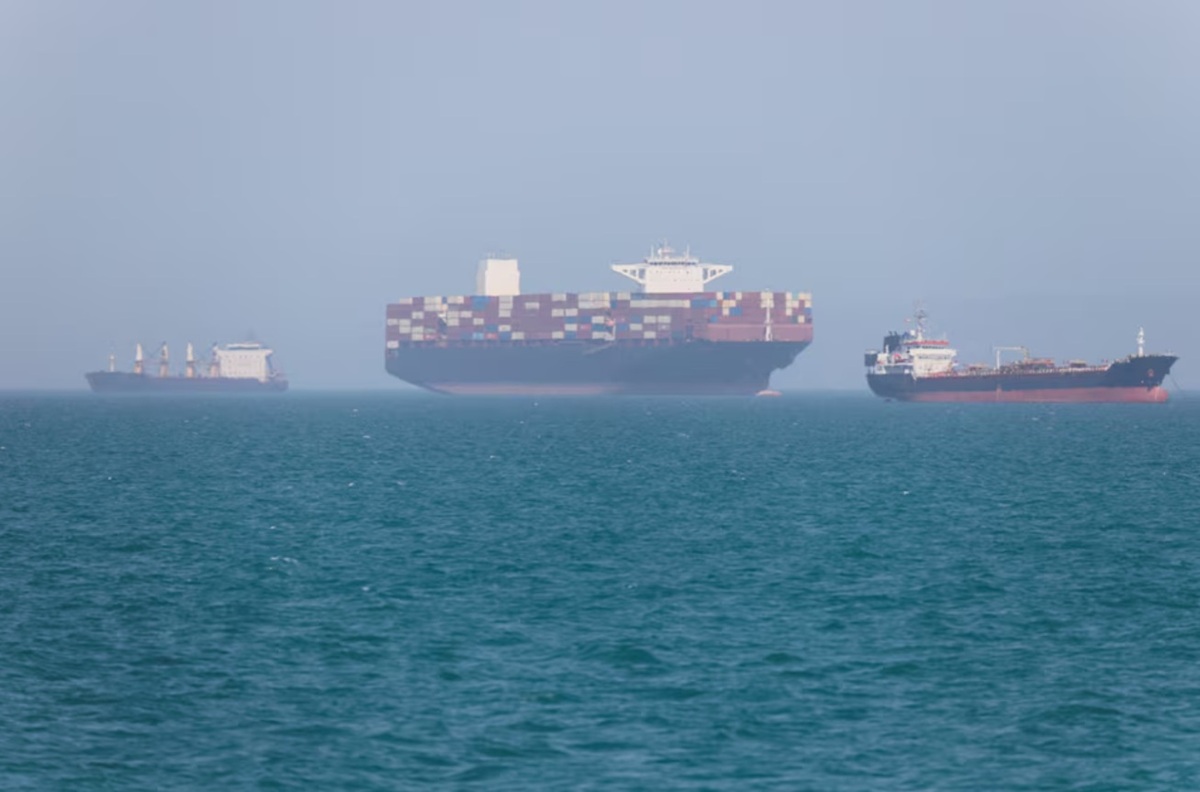
The bottom line: China supports Iran, but not at any cost
Hossein Marashi’s claim about four Chinese conditions has been denied by Iranian officials and remains unconfirmed by Beijing.
That is the essential factual starting point.
But the controversy has exposed a larger truth about China-Iran relations.
China supports Iran against unilateral sanctions and values Tehran as an important strategic partner.
It does not, however, share every Iranian interest.
China’s priority is stability.
It needs the Strait of Hormuz to function.
It needs energy supplies to flow.
It wants Saudi Arabia and Iran to avoid another confrontation.
And it has little interest in allowing an Iran-US conflict to destroy the economic stability of the Middle East.
The question facing Tehran is therefore becoming increasingly difficult.
Iran has turned eastward partly to reduce pressure from the West.
But its dependence on China means that Beijing’s interests increasingly matter.
That does not mean China controls Iranian policy.
Nor does the disputed claim prove that Beijing has issued Tehran an ultimatum.
What it does show is that the Iran-China relationship is entering a more demanding phase.
As the regional crisis deepens, the difference between being a strategic partner and being an unconditional ally is becoming impossible to ignore.