Friday, June 5, 2026
Home Blog Page 142

China to conduct military exercises this week in proximity to Taiwan

0

China is expected to conduct military exercises this week in proximity to Taiwan, with Taiwanese officials suggesting that the upcoming National Day address by President Lai Ching-te may serve as a justification for these actions aimed at compelling the island to acknowledge Beijing’s sovereignty claims.

In May, China initiated “punishment” drills around Taiwan shortly after Lai’s inauguration, which Beijing characterized as a reaction to “separatist activities.” These exercises involved the deployment of heavily armed warplanes and simulated attacks, while state media criticized the newly sworn-in Lai.

The May exercises, named “Joint Sword – 2024A,” raised alarms in various capitals, including Washington.

Lai is scheduled to deliver a significant speech on October 10 during a major celebration in front of the presidential office in Taipei, commemorating the 113th anniversary of the Republic of China, Taiwan’s official designation.

A senior security official in Taiwan indicated, “Our assessment suggests that regardless of what Lai articulates on October 10, there is a possibility they will label ongoing exercises as Joint Sword – 2024B.” This conclusion is based on intelligence collected by Taiwan and evaluations of China’s anticipated actions.

The official remarked, “It is likely to serve as a pretext.”

An internal security memo, reviewed by Reuters, indicates that Taiwanese authorities suspect Beijing may attribute the potential drills to Lai’s “provocation” during his speech.

The memo noted that China has “consistently sought to test the boundaries of various nations, maximizing its grey-zone operations,” referring to military maneuvers that fall short of actual conflict but are intended to test and exert pressure on other military forces.

Neither Taiwan’s nor China’s defense ministries provided immediate comments, and the Taiwan Affairs Office also did not respond promptly to inquiries.

South Korea and Philippines upgraded their relationship to a strategic partnership

0

South Korean President Yoon Suk Yeol and Philippine President Ferdinand Marcos Jr. reached an agreement on Monday to enhance defense collaboration as their nations upgraded their relationship to a strategic partnership in response to increasing security challenges in the region.

During discussions at the Philippine presidential palace, the leaders addressed various issues, including the ongoing tensions in the South China Sea and the Korean peninsula. They also formalized agreements related to coastguard cooperation and nuclear energy.

“President Marcos and I have initiated a new chapter in our partnership by elevating our ties to a strategic partnership,” stated Yoon, who is on a state visit to Manila, marking the first visit by a South Korean leader in over ten years. In a joint press conference with Marcos, Yoon emphasized that South Korea would actively participate in the Philippines’ multi-billion-dollar military modernization efforts amid escalating tensions with China in the South China Sea.

South Korea is actively seeking to increase its global defense exports, particularly following Russia’s invasion of Ukraine, which has created opportunities for substantial contracts in Europe, the Middle East, and Asia. The nation has successfully sold FA-50 fighter jets, corvettes, and frigates to the Philippines and aims to rank as the world’s fourth-largest arms exporter by 2027.

As part of its modernization efforts, the Philippine military is in the process of acquiring advanced military assets, including fighter jets, submarines, and missile systems, to enhance its territorial defense and maritime security capabilities.

During discussions, the two leaders reaffirmed their commitment to maintaining an international rules-based order, particularly regarding navigation safety in the South China Sea. Yoon emphasized that the international community would not tolerate North Korea’s nuclear program or its “reckless provocations.” Elected in 2022 with a promise to expand South Korea’s nuclear power sector, Yoon announced the signing of a memorandum of agreement (MOU) to conduct a feasibility study on the long-idle Philippine Bataan Nuclear Power Plant (BNPP), with a goal of exporting ten additional nuclear power plants by 2030.

The BNPP, which was sanctioned by the late dictator and namesake of Marcos, has remained inactive since its completion in 1984, despite the $2.3 billion investment and its initial promise of providing energy security during the oil crisis of the 1970s.

The Philippines is looking to harness nuclear power as a feasible baseload energy source while aiming to phase out coal plants to achieve climate objectives and enhance energy security. Following his time in Manila, Yoon will travel to Singapore on Tuesday and Wednesday, before proceeding to Laos the next day to participate in the regional summit with leaders from the Association of Southeast Asian Nations and other Asian nations.

Hezbollah rockets struck Haifa on first anniversary of the Gaza conflict

0
An Israeli police officer inspects the damage to a residential building caused by a rocket fired towards Israel from Lebanon, amid cross-border hostilities between Hezbollah and Israel, in Haifa, Israel.

Hezbollah rockets struck Haifa, Israel‘s third-largest city, early Monday, resulting in reports of 10 injuries in the northern region, coinciding with the first anniversary of the Gaza conflict that has escalated across the Middle East. The Iran-backed group, allied with Hamas, which is currently engaged in combat with Israel in Gaza, announced that it aimed at a military installation south of Haifa using a barrage of “Fadi 1” missiles.

Reports indicate that two rockets impacted Haifa, located on Israel’s Mediterranean coast, while five others struck Tiberias, approximately 65 kilometers (40 miles) away. Authorities noted damage to several buildings and properties, with some individuals sustaining minor injuries and requiring transport to a local hospital. In response, Israel’s military conducted airstrikes targeting Hezbollah’s Intelligence Headquarters in Beirut, focusing on intelligence-gathering assets, command centers, and other critical infrastructure.

In recent hours, airstrikes targeted Hezbollah’s weapons storage facilities in the Beirut region, according to military sources, who reported secondary explosions following the strikes, suggesting the presence of munitions.

Additionally, airstrikes were conducted against Hezbollah positions in southern Lebanon and the Beqaa Valley, which included weapons storage sites, infrastructure, a command center, and a launcher, as stated by the military.

The military accused Hezbollah of intentionally situating its command centers and weaponry beneath residential buildings in central Beirut, thereby jeopardizing civilian safety.

On Monday, Israelis commemorated the first anniversary of the catastrophic Hamas attack that initiated a conflict, which has led to global protests and poses a threat of escalating tensions throughout the Middle East.

Ceremonies and demonstrations in Jerusalem and southern Israel were scheduled to commence at 06:29 a.m., coinciding with the moment when Hamas militants launched rockets into Israel at the onset of the October 7 attack last year.

Hamas instigated an Israeli military operation in Gaza that devastated the densely populated coastal region, resulting in nearly 42,000 fatalities, according to Palestinian health officials. On Monday, security forces throughout Israel were on heightened alert, as military and police sources indicated concerns over potential Palestinian assaults coinciding with the anniversary of October 7, 2023, marking the onset of the most severe violence in the long-standing Israeli-Palestinian conflict.

The unexpected attack by the Palestinian Islamist group, which has ties to Iran, represented a significant security lapse for Israel, a nation known for its robust and advanced military capabilities. The assault on Israeli settlements near Gaza, coupled with Israel’s ongoing military response, has further destabilized the Middle East, drawing international condemnation due to the extensive loss of life and destruction.

Israel has inflicted substantial damage on Hamas and Hezbollah through targeted assassinations of their leaders and commanders, part of Iran’s “Axis of Resistance,” which also encompasses the Houthis in Yemen and various armed factions in Iraq opposing Israeli and U.S. interests in the region.

Esmail Qaani, commander of Iran’s Quds Force, reportedly traveled to Lebanon following the recent killing of Hezbollah leader Sayyed Hassan Nasrallah in an Israeli airstrike. However, two senior Iranian security officials informed Reuters that Qaani has not been heard from since the strikes on Beirut late last week. One official noted that Qaani was present in the Dahiyeh area of Beirut during an attack aimed at senior Hezbollah figure Hashem Safieddine, although he was not in a meeting with Safieddine at that time.

The Quds Force, which is the international branch of Iran’s Revolutionary Guards, oversees relationships with militias allied with Tehran throughout the Middle East, including Hezbollah. Additionally, Brigadier General Abbas Nilforoushan of the Iranian Revolutionary Guards was killed alongside Nasrallah in a bunker that was struck by Israeli bombs on September 27.

The conflict has increasingly shifted its focus northward to Lebanon, where Israeli forces have been engaged in exchanges of fire with Hezbollah since the Iranian-backed group initiated a missile barrage in support of Hamas on October 8. What started as limited daily skirmishes has escalated into significant bombardments targeting Hezbollah’s stronghold in Beirut, along with a ground offensive aimed at eliminating its fighters in border villages. This military action is intended to facilitate the return of tens of thousands of Israelis who have been evacuated from their homes in the northern part of the country.

Israel’s military campaign, which has resulted in the deaths of over 1,000 individuals in the last two weeks, has led to a mass exodus from southern Lebanon, displacing more than 1 million people. The intensification of hostilities has raised concerns that both the United States and Iran could become embroiled in a broader conflict in the oil-rich Middle East.

In retaliation for Israel’s operations in Lebanon and Gaza, where Hezbollah and Hamas militants are aligned with Tehran, Iran launched a missile attack on Israel last week. Israel has stated that its goal is to ensure the safe return of its citizens to their homes in the north, while also pledging to retaliate amid fears that the situation could escalate into a full-scale regional war involving the United States.

Malaysia is establishing a new naval base in Sarawak, how this will impact ties with China?

0
Royal Malaysian Navy littoral mission ship KD Rencong, from the HQ Eastern Fleet at Teluk Sepanggar naval base that oversees the waters off Sabah and Sarawak, taking part in a maritime exercise on security in the South China Sea.

In recent weeks, there has been a resurgence of interest in establishing a new naval base in a quiet town in Sarawak after a decade of inactivity. This development aligns with Malaysia‘s potential shift towards a more assertive posture in response to Chinese influence in resource-rich regions near Borneo.

However, experts suggest that while Malaysia plans to construct its latest naval facility in Bintulu, which is closer to the contested waters of the South China Sea, the government is likely to avoid provoking tensions.

Analysts indicated that Malaysia is expected to refrain from adopting more confrontational measures against incursions by Chinese vessels, as the nation aims to uphold its low-profile strategy regarding maritime territorial disputes and maintain its valuable economic relationship with Beijing.

China, which is currently facing its own challenges with the Philippines in the northern strategic waterways, is also inclined to preserve amicable relations with Malaysia. This approach may serve to distance Manila from other Southeast Asian nations with similar claims, according to the analysts.

Dr. Collin Koh, a senior fellow at Singapore’s S Rajaratnam School of International Studies, noted that the establishment of the Sarawak naval base is unlikely to significantly impact China-Malaysia relations, provided that the Malaysian government continues its “non-megaphone” stance on the issue.

He remarked that while the naval base and a potentially heightened Malaysian maritime presence might be perceived as an annoyance by Beijing, the crucial factor remains the political attitude in Kuala Lumpur rather than the developments related to Malaysia’s naval expansion in Borneo.

CHINESE VESSELS OPERATING WITH REGULARITY

The Region 4 Naval Headquarters in Bintulu is set to become Malaysia’s sixth primary naval base, complementing the three existing bases in West Malaysia and two in Sabah.

The Malaysian government has indicated that this new base will enhance surveillance capabilities within the country’s Exclusive Economic Zone (EEZ) in the South China Sea, enabling the navy to deploy ships more swiftly to the area.

Located on a 200-acre site in Samalaju, northern Bintulu, the base will accommodate Malaysia’s three new littoral mission ships. Construction is planned to occur in two phases, with the base anticipated to be officially opened in 2030.

Under the United Nations Convention on the Law of the Sea, a nation holds exclusive rights to explore and exploit natural resources within its EEZ, which extends up to 200 nautical miles (370 km) from its coastline.

Malaysia’s EEZ is rich in oil and gas resources, contributing nearly 25 percent to the nation’s gross domestic product. This includes the Luconia Shoals, known in Malaysia as Beting Patinggi Ali and Beting Raja Jarum, a series of mostly submerged reefs situated 155 km off the coast of Sarawak, among various Malaysian oil and gas sites.

China, which asserts claims over the majority of the South China Sea within its so-called nine-dash line, has consistently objected to Malaysia’s operations in the Luconia Shoals and has maintained a persistent presence in the region. Reports indicate that Chinese coast guard vessels have harassed Malaysian drilling rigs and survey ships.

A report from the Washington-based Asia Maritime Transparency Initiative (AMTI) released on October 1 highlighted tracking data showing that Chinese coast guard vessels operated in Malaysia’s EEZ with remarkable regularity in 2024.

From January 1 to September 27, AMTI observed that at least one Chinese coast guard vessel was present in the area nearly every day, often remaining for up to six weeks before being replaced by another ship.

On August 29, a news outlet in the Philippines released a diplomatic note that was sent to the Malaysian embassy in Beijing back in February, in which China urged Malaysia to halt all activities in the resource-abundant region.

In response to the article, Malaysia affirmed its commitment to safeguarding its sovereign rights in its waters, although it expressed concern regarding the “leak” of the note.

Given the significant implications, Malaysia is likely to exercise caution, as any further escalation could provoke a more severe reaction from China’s significantly stronger naval forces, similar to the predicament currently faced by the Philippines, experts noted.

Dr. Koh noted, “If Malaysia adopts a stance similar to that of the Philippines, we may anticipate China intensifying its actions against Malaysia’s interests in the South China Sea.”

In addition to Malaysia and the Philippines, Brunei, Vietnam, and Taiwan also have competing claims in the South China Sea.

Malaysia has generally downplayed Chinese incursions into its Exclusive Economic Zone (EEZ) and has adhered to its traditional non-confrontational strategy in the South China Sea, opting for diplomatic solutions and striving to prevent tensions from affecting its bilateral relations with China.

In recent months, prominent politicians in Sarawak have publicly called on the federal government to enhance naval presence in the region, citing concerns over China’s activities and the severe implications of losing such a vital economic area to a foreign entity.

On the same day that news of the Chinese diplomatic note emerged, Sarawak’s Minister of Tourism, Creative Industries, and Performing Arts, Abdul Karim Rahman Hamzah, urged for the swift advancement of the naval base construction.

“China has recently gained significant power and boasts a formidable naval fleet, leading to a more assertive stance in expanding its maritime boundaries by displaying its naval capabilities in these waters,” he stated, as reported by Berita Harian.

“Malaysia’s valuable oil and gas resources are located there. What consequences will arise if the sovereignty of that region is compromised by the territorial expansion of a superpower?”

In August, Malaysian Defence Minister Khaled Nordin informed local media that the federal government was nearing the conclusion of negotiations with Sarawak regarding the land price for the naval base, with construction anticipated to commence once an agreement is finalized. However, no completion timeline has been provided.

WILL THE SARAWAK NAVAL BASE COUNTER CHINA?

The establishment of the Bintulu naval base, Sarawak’s inaugural facility, was initially confirmed in 2013 but gained momentum in 2023 after a suitable location was identified within the Samalaju Industrial Park. Previously, it was believed that the waters of Sarawak were too shallow to support a naval base.

Currently, Malaysia has depended on naval vessels stationed at a more remote base in Sabah to monitor its Exclusive Economic Zone (EEZ). Sabah is home to two primary bases: one located in Teluk Sepanggar near Kota Kinabalu and the other in Sandakan.

In September 2023, then-defence minister Mohamad Hasan informed parliament that vessels from the nearest Teluk Sepanggar base would require 19 hours to reach Beting Patinggi Ali, whereas the journey from Bintulu would take only nine hours, assuming both travel at a speed of 12 knots (22 km/h).

The extensive coastlines of Sabah and Sarawak pose significant challenges due to the absence of naval bases, which could hinder accessibility and response times in times of crisis, thereby increasing Malaysia’s vulnerability to external threats, according to an expert.

Dr. Tharishini Krishnan, a senior lecturer at University Pertahanan Nasional Malaysia, noted in a 2021 commentary for the New Straits Times that establishing a base in Sarawak would alleviate the logistical burdens currently placed on Sabah in managing these regions.

Furthermore, she emphasized that the establishment of MAWILLA 4 would counteract China’s ongoing attempts to alter the regional status quo, referring to the Bintulu naval base by its abbreviated name.

Dr. Koh further pointed out that both the Malaysian navy and coast guard are inadequately equipped for effective patrols within the Exclusive Economic Zone (EEZ), as they require vessels capable of extended operations at sea.

He highlighted that the navy’s fleet is aging and in need of modernization, while the coast guard primarily utilizes vessels designed for coastal operations rather than the broader EEZ waters.

Although the new Sarawak naval base will host Malaysia’s upcoming littoral mission ships, which are being constructed to better serve EEZ operations, Dr. Koh indicated that it will take an additional three to four years for these vessels to become fully operational.

He stressed that beyond the new Bintulu base, the critical factor is the availability of physical assets that Malaysia can utilize to protect its interests in the South China Sea, which necessitates more offshore-capable ships along with enhanced maritime domain awareness tools.

Depending on the availability of these assets, Malaysia could potentially deploy at least one ship to the EEZ at any given time to assert its stance against “Beijing’s illegitimate claims,” Dr. Koh added.

Dr. Ian Storey, a maritime security expert at the ISEAS – Yusof Ishak Institute, remarked to CNA that the new base would bolster Malaysia’s “dual-track policy” regarding the South China Sea dispute.

The establishment of the new base will enable the navy to ensure a consistent presence in the oil and gas sectors off Sarawak, while Malaysia seeks to minimize tensions with China to safeguard its economic relationships, according to his statements.

He expressed confidence that the new facility would not adversely affect bilateral relations, as both the navy and coast guard are committed to a non-confrontational stance towards Chinese vessels operating within Malaysia’s Exclusive Economic Zone (EEZ).

On October 2, Royal Malaysian Navy chief Admiral Zulhelmy Ithnain informed reporters that the navy is active in disputed regions but intends to “steer clear of aggressive maneuvers.”

“Our main approach is to resolve conflicts through diplomatic means. Military resources will only be deployed if diplomatic efforts fail, which we do not anticipate will occur,” he was quoted by the Daily Express during a submarine conference.

DIVERSE APPROACHES TO DIPLOMACY

Prime Minister Anwar Ibrahim of Malaysia has expressed his readiness to engage in discussions regarding the territorial dispute with China, a stance that has drawn criticism for appearing overly accommodating. However, Dr. Storey interprets this as a strategic move to de-escalate tensions rather than a sincere offer of compromise.

It is important to highlight that Mr. Anwar has reaffirmed Malaysia’s commitment to continue its exploration and drilling operations in the Exclusive Economic Zone (EEZ), despite China’s objections, a fact corroborated by the AMTI report.

The report states, “In spite of the Chinese coast guard’s interventions, Malaysia has not only maintained its current oil and gas production but has also increased its exploratory efforts,” noting that 15 new exploratory wells were drilled off the coast of Sarawak in 2024.

Dr. Azmi Hassan, a foreign policy expert and member of the National Council of Professors, asserted that Malaysia’s decision to persist with its oil and gas initiatives in the region is “appropriate.”

He remarked, “China’s actions have primarily involved monitoring these projects, and thus far, there have been no significant developments, as diplomacy remains our preferred approach.”

Dr. Azmi emphasized the importance of dialogue with China regarding Malaysia’s EEZ, which is grounded in maritime law. He believes that under such legal frameworks, China lacks a valid claim over Malaysia’s EEZ.

Conversely, Dr. Azmi expressed disagreement with calls from Sarawak for a more assertive response to the dispute, cautioning that Malaysia could find itself at a disadvantage in any physical confrontation with China.

“We should avoid escalating tensions by deploying our navy against China. We do not want to replicate the situation faced by Manila. Even with U.S. support, physical conflict will not resolve the underlying issues,” he stated.

Do EU leaders want war?

0

Anxiety and frustration regarding the future of the European Union have been escalating for some time. The union is currently experiencing a profound crisis, characterized by multiple interrelated issues: a cost-of-living crisis, a housing crisis, a migration crisis, sluggish economic growth, and, most critically, a political crisis. The rise of far-right movements poses a significant threat, as they gain traction in polls across numerous EU nations, jeopardizing the delicate cohesion of the EU and its foundational liberal values.

Recently, the far-right Freedom Party secured victory in the Austrian elections, garnering 30 percent of the vote. While the far right may still be excluded from participating in the government formation in Austria, similar parties are either in power or supporting governments in 9 out of the 27 EU member states.

The European Union is currently grappling with significant challenges on the international stage, most notably the ongoing conflict in neighboring Ukraine, which shows no signs of resolution despite a steady influx of military support from Europe and the United States. Additionally, the persistent threat of climate change looms large, contributing to increasingly severe natural disasters.

In light of these escalating crises, the EU’s political leadership has largely opted not to confront the underlying issues, which stem from the harmful neoliberal policies they have adopted. Instead, their approach has leaned towards militarization, possibly in an attempt to distract the European populace from their discontent.

Over the last two years, there has been a consistent narrative that Russia poses the greatest threat to European security, with the prevailing belief that the solution lies in achieving a decisive victory over Russia in Ukraine. The message has been clear: the route to peace is through further escalation.

European arms have been increasingly supplied to Ukraine, with EU nations progressively broadening their arsenal to encompass more lethal and destructive weaponry. Recently, European leaders, including the outgoing EU foreign affairs chief Josep Borrell, have advocated for Ukraine to be permitted to deploy long-range missiles against targets within Russian territory.

On September 19, the European Parliament adopted a non-binding resolution urging nations that provide missiles to Ukraine to permit their use against Russian targets.

Russia has consistently issued warnings regarding this development, recently revising its nuclear doctrine to lower the threshold for nuclear weapon deployment.

As the flow of arms to Ukraine continues to escalate, European nations are also being advised to increase their military expenditures in preparation for the possibility that this escalation could spiral out of control, potentially leading the EU into conflict with Russia. Andrius Kubilius, the nominee for the newly established position of EU defense commissioner aimed at addressing the “Russia threat,” has suggested that the union should function as a “war-weapons storehouse” to deter Moscow.

The narrative of a war economy is also being promoted, encouraging Europeans to believe that military expansion could revitalize the struggling European economy.

In September, Mario Draghi, the former president of the European Central Bank and former Italian Prime Minister, released a highly anticipated report titled “The Future of European Competitiveness.” This report has been widely praised as a significant move towards fostering greater economic integration within the European Union.

In the introduction, Draghi emphasized that “Peace is the first and foremost objective of Europe.” However, he noted the increasing physical security threats and urged the EU to invest substantially in its defense industry.

European leaders seem to be adopting the Latin phrase, “Si vis pacem para bellum,” meaning “If you want peace, prepare for war.” The challenge with this approach today is that the presence of nuclear weapons, capable of devastating human civilization, has fundamentally altered the dynamics of war and peace, particularly when a nuclear power is involved.

It can be argued that while European leaders are vocal about their intentions, they often fall short in action—illustrated by their hesitance to permit Ukraine to utilize long-range missiles, despite a resolution from the EU parliament and abundant rhetoric. Nevertheless, the ambiguity and implied threats remain perilous, as they create opportunities for military incidents that could lead to severe repercussions.

Ultimately, the focus on war, preparations for conflict, and military buildup diverts attention from the numerous crises facing the EU and their underlying causes.

Despite its strong rhetoric surrounding human rights, freedom, democracy, and equity, the European Union fundamentally operates as a neoliberal entity that primarily safeguards the interests of the affluent, enabling them to accumulate even greater wealth. Economic policies are driven not by a commitment to the health and welfare of the average EU citizen, but rather by the imperative to ensure corporate profitability.

This focus on neoliberalism is evident in the diminishing welfare state across Europe, the rise of precarious employment largely characterized by the gig economy, and the soaring costs of essentials such as food, utilities, and housing, which have become unaffordable for many. Furthermore, the EU’s exploitative neoliberal practices, exemplified by various trade agreements with developing nations, are undermining economies in the Global South and contributing to increased migration towards Europe.

The EU’s neoliberal foundation also explains the leadership’s inability to implement a fair green transition without imposing its financial burdens on ordinary citizens.

Engaging in militarization and fostering a unified military-industrial complex will not address these pressing issues. Instead, the EU must reform its political, social, environmental, and economic frameworks to prioritize social values, participatory democracy, pluralism, welfare, sustainable development, peace, and collaboration. This may necessitate the emergence of a new form of socialism to replace the current neoliberal paradigm and elevate the entire continent.

The views expressed in this article are the author’s own and do not necessarily reflect Defence Talks’s editorial stance.

US foreign policy indicates that the US-Russian tensions are likely to persist

0
Kamala Harris and Donald Trump

The 2024 American presidential campaign has been characterized by a series of extraordinary occurrences. These events include legal actions against one candidate and family members of the current president, assassination attempts on Donald Trump, and the unprecedented scenario of Joe Biden being compelled to withdraw from the race by his own party. Collectively, these developments have transformed the election process into a remarkable spectacle.

At the same time, the dynamics of US domestic politics are reverberating globally, contributing to the rising discontent among nations that represent the majority of the world in response to Washington’s vigorous efforts to uphold its dominance. However, it is essential not to overinterpret the electoral outcomes, as the overarching strategy of both candidates remains focused on preserving American supremacy.

The neoconservative faction continues to hold significant influence within the ruling Democratic Party, where its members view power as the primary means of sustaining US leadership. This perspective is not shaped by individual beliefs but is a reflection of their roles within the political framework. For instance, then-Senator Biden previously introduced numerous constructive proposals in Congress, including opposition to NATO membership for the Baltic states, leading some of his party colleagues to label him as overly pacifistic in his foreign policy approach.

Upon assuming office, Biden adhered closely to the established American approach to global leadership. His administration’s defense budget set unprecedented records in recent history. The continuity of U.S. foreign policy, particularly regarding its deterrence strategy against geopolitical adversaries, suggests that the structural rivalry with Russia and China will persist, irrespective of electoral outcomes. The trajectory of this rivalry—especially in Ukraine and around Taiwan—will be influenced by the military budget, which has already been drafted and is expected to receive approval prior to the inauguration of his successor.

In the context of the election campaign, it is noteworthy how much more aggressive the rhetoric has become, accompanied by appealing and actionable proposals. Former Secretary of State Michael Pompeo’s initiative for a “forced peace” in Ukraine, which includes rapidly integrating Kiev into NATO to shift the defense burden onto European allies, has garnered significant attention. However, such a scenario could lead to direct military confrontation between NATO and Russia, making it unlikely.

These statements, lacking a comprehensive understanding of the situation, are not intended to be long-term strategies. Instead, they aim to rally support among hawkish elements within the establishment and the electorate, suggesting that a forced escalation of the conflict is a conceivable option. It is important to recognize that during his tenure, Pompeo was known for making bold statements that rarely translated into substantial actions. Nonetheless, his remarks should be viewed in light of the absence of any political faction in the U.S. that perceives the resolution of the Ukraine crisis as a chance for reconciliation with Russia.

The conflicting interests between Washington and Kiev are significant in this context. The Ukrainian government, fully aware of its dwindling resources, is desperately striving to maintain its position as a priority within the Western coalition, often resorting to opportunistic actions, as seen in Kursk. By presenting the West with a tangible military achievement, Kiev aimed to compel direct Western involvement in the conflict. While the United States recognizes this initiative from Ukraine, it is not inclined to pursue such a course of action.

Washington views Ukraine as a valuable proxy to be utilized for as long as feasible. The strategic role of Ukraine in US foreign policy indicates that the US-Russian tensions are likely to persist. Furthermore, the increasing trend of the American defense budget is expected to continue, irrespective of the electoral outcomes. Consequently, Russian foreign policy and military strategies are predicated on sustaining the current military landscape and perpetuating the strategic competition with the United States, regardless of who assumes the presidency in America.

Russia’s ambassador to US conclude his term during a period of unprecedented bilateral tension

0
A pedestrian walks with an umbrella outside the Embassy of the Russian Federation, near the Glover Park neighborhood of Washington, U.S.

Russia‘s ambassador to the United States, a staunch Kremlin supporter, is set to return to Moscow, as reported by state media, marking the conclusion of his term during a period of unprecedented tension between the two countries.

According to the TASS news agency, the Russian Foreign Ministry announced, “Russian Ambassador to the U.S. Anatoly Ivanovich Antonov is wrapping up his assignment in Washington and is en route to Moscow.”

Antonov, 69, who hails from Siberia and has had a long career in diplomacy, is regarded as a hardliner yet has demonstrated an ability to negotiate. He has led the Russian diplomatic mission in Washington since 2017 and indicated in July that his tenure was nearing its end.

There has been no announcement regarding his successor, who is viewed as a negotiator with a military approach. Antonov’s position on Russia’s military actions in Ukraine has consistently reflected unwavering support for President Vladimir Putin. In a recent post on the Telegram messaging app, he stated, “It is clear to us that the enemy will be defeated and victory will belong to Russia,” while commenting on Russian forces’ capture of the Ukrainian town of Vuhledar.

Russia characterizes its actions in Ukraine as a special military operation, alleging that Washington and its NATO allies are conducting a hybrid war in the region. In contrast, Kyiv and its Western partners assert that Moscow’s aggression represents an unprovoked imperialistic effort to seize territory.

The invasion of Ukraine by Russia in 2022 marked the most significant confrontation between Moscow and the West since the 1962 Cuban missile crisis, a period when the Soviet Union and the United States were on the brink of nuclear conflict.

Antonov, who held the position of deputy defense minister during the time of Russia’s annexation of Crimea in 2014, was subjected to European sanctions when he was appointed by Putin as Russia’s ambassador to the United States. He graduated in 1978 from the Moscow State Institute of International Relations, the primary diplomatic training institution of the Soviet Union. According to his biography on the embassy’s website, Antonov spent the subsequent thirty years advancing through the ranks of the foreign ministry.

Prior to relocating to Washington, he gained a reputation as a savvy negotiator in arms control, having led Russian delegations in various international discussions on strategic weapons. In an interview with TASS in August, Antonov expressed Russia’s willingness to explore a treaty with Washington regarding arms control. “My approach to negotiations is quite straightforward: we should each take a piece of paper and outline our respective desires,” he stated. “Then, we can compare the two lists to identify any common ground, no matter how small, and use that as a foundation for addressing the issues at hand.”

Russia targets Kyiv and Odesa in latest drone attack

0
A view shows a semi-truck destroyed during a Russian drone strike near Ukraine-Romania border, amid Russia's attack on Ukraine, in Odesa region, Ukraine.

Russia conducted a drone assault overnight across Ukraine, focusing on the capital city of Kyiv and impacting infrastructure in the Black Sea port of Odesa, according to Ukrainian officials on Sunday.

The State Emergency Service reported that one individual sustained injuries, and several warehouses and cargo trucks were damaged in Odesa during the extensive attack, which kept much of the nation under air-raid alerts for several hours.

The Ukrainian military successfully intercepted 56 out of at least 87 drones launched by Russia across various regions, as stated by the air force. Additionally, it noted that another 25 drones were “lost” due to electronic jamming, though further details were not provided.

Serhiy Popko, the military administrator for Kyiv, confirmed that air defenses neutralized all drones targeting the capital, with no injuries reported. Air raid alerts for Kyiv and its surrounding areas were issued three times throughout the night, accumulating to over five hours, according to Popko.

Reuters has not been able to independently verify these claims. Russia has consistently denied targeting civilians during its full-scale invasion of Ukraine, which began in February 2022, yet it frequently launches missiles, drones, and bombs at civilian areas well beyond the front lines.

A year after the war, Gaza in ruins, it would take 14 years to remove the rubble

0

In the remnants of his two-story house, 11-year-old Mohammed collects pieces of the collapsed roof into a damaged bucket and crushes them into gravel, which his father will use to create gravestones for those lost in the Gaza conflict. “We gather the debris not to construct homes, but for tombstones and graves—transitioning from one tragedy to another,” explains his father, Jihad Shamali, 42, a former construction worker, as he cuts through metal salvaged from their residence in Khan Younis, which was destroyed during an Israeli operation in April.

The task is laborious and often somber. In March, the family constructed a grave for one of Shamali’s sons, Ismail, who was killed while running errands. However, this effort represents a small part of the initiatives beginning to emerge to address the debris left by Israel’s military actions aimed at dismantling the Palestinian militant group Hamas.

The United Nations has reported that there are more than 42 million tonnes of debris, which includes both partially standing structures and completely collapsed buildings. This amount is 14 times greater than the rubble accumulated in Gaza from 2008 until the onset of the recent conflict a year ago, and it exceeds the debris left by the 2016-17 Battle of Mosul in Iraq by more than five times, according to the U.N. If stacked, this debris would fill the Great Pyramid of Giza, Egypt’s largest pyramid, eleven times over, and the volume continues to increase daily.

In response, the U.N. is working to assist Gazan authorities in managing the debris, as indicated by three U.N. officials. A U.N.-led Debris Management Working Group is set to initiate a pilot project in collaboration with Palestinian authorities in Khan Younis and Deir El-Balah to begin clearing debris from the roads this month. “The challenges are immense,” stated Alessandro Mrakic, head of the Gaza Office for the United Nations Development Programme (UNDP), which co-chairs the working group. “This will be a significant undertaking, but it is crucial that we commence immediately.”

Israel’s military has stated that Hamas fighters conceal themselves among civilian populations and that they will target them wherever they appear, while making efforts to minimize civilian casualties. In response to inquiries about debris management, Israel’s military unit COGAT indicated its intention to enhance waste disposal practices and collaborate with the U.N. to broaden these initiatives. Mrakic noted that coordination with Israel has been effective, although detailed discussions regarding future plans are still pending.

TENTS AMID THE RUINS

The offensive by Israel commenced following the incursion of Hamas militants into Israel on October 7 of the previous year, resulting in the deaths of approximately 1,200 Israelis and the abduction of over 250 individuals. According to Palestinian health authorities, nearly 42,000 Palestinians have lost their lives during the year-long conflict. On the ground, debris is stacked high, obstructing pedestrians and donkey carts on what were once bustling streets. “Who is going to come here and clear the rubble for us? No one. Therefore, we did that ourselves,” remarked taxi driver Yusri Abu Shabab, who managed to clear enough debris from his home in Khan Younis to set up a tent.

Approximately two-thirds of the structures in Gaza prior to the conflict—over 163,000 buildings—have sustained damage or been completely destroyed, as indicated by U.N. satellite imagery. About one-third of these were high-rise buildings. Following a seven-week conflict in Gaza in 2014, the UNDP and its collaborators managed to remove 3 million tonnes of debris, which represents only 7% of the current total. Mrakic referenced an unpublished preliminary estimate suggesting that clearing 10 million tonnes would require around $280 million, indicating a potential cost of approximately $1.2 billion if hostilities were to cease at this moment. A U.N. estimate from April projected that it would take 14 years to remove the rubble.

HIDDEN REMAINS

The debris also conceals unrecovered bodies, with estimates from the Palestinian health ministry suggesting there could be as many as 10,000, along with unexploded ordnance, according to Mrakic.

The International Committee of the Red Cross has described the threat as “widespread,” while U.N. officials warn that some debris presents a significant risk of injury. Nizar Zurub, residing in Khan Younis with his son, occupies a home where only the roof remains, precariously tilted.

According to the United Nations Environment Programme, approximately 2.3 million tonnes of debris may be contaminated, based on an evaluation of Gaza’s eight refugee camps, several of which have sustained damage.

Inhalation of asbestos fibers is linked to laryngeal, ovarian, and lung cancers. The World Health Organization has reported nearly one million cases of acute respiratory infections in Gaza over the past year, although it has not specified how many are associated with dust exposure. WHO spokesperson Bisma Akbar emphasized that dust is a “major concern,” as it can contaminate both water and soil, potentially leading to respiratory diseases.

Medical professionals are apprehensive about an increase in cancer cases and birth defects due to the leaching of metals in the coming years. Additionally, a UNEP spokesperson highlighted concerns regarding snake and scorpion bites, as well as skin infections caused by sandflies.

SHORTAGES OF LAND AND EQUIPMENT

Previously, rubble from Gaza has been utilized to construct seaports. The U.N. now aims to recycle some of this material for road construction and to reinforce the coastline. The UNDP notes that Gaza, which had a pre-war population of 2.3 million within a 45 km (28 miles) long and 10 km wide area, faces significant challenges in finding adequate space for debris disposal.

Landfills are currently situated within an Israeli military zone. According to Israel’s COGAT, these sites are located in a restricted area, although access will be permitted. Mrakic noted that increased recycling could lead to additional funding for equipment like industrial crushers, which would need to be transported through crossing points overseen by Israel.

Government representatives have reported shortages of fuel and machinery due to Israeli restrictions that hinder cleanup operations. A spokesperson for UNEP indicated that lengthy approval processes represent a significant obstacle. Israel has not directly addressed claims regarding its limitations on machinery.

The UNEP has stated that it requires the consent of property owners to clear debris; however, the extensive destruction has complicated property lines, and some records have been lost amid the conflict. Following a meeting hosted by the Palestinian government in the West Bank on August 12, several donors have shown interest in providing assistance, as mentioned by Mrakic, though he did not disclose their identities. A U.N. official, who requested to remain anonymous to protect ongoing initiatives, expressed concern about the willingness to invest in Gaza’s reconstruction without a political resolution in place.


Is World War III imminent?

0

The rapidly evolving situation in the Middle East defies accurate prediction. However, it appears that the martyrdom of Hassan Nasrallah and the severe assaults on Hezbollah in Lebanon have allowed Israel to gain an advantage in the Gaza conflict. This development may lead to a direct confrontation with the militant group’s backers in Iran. Nevertheless, Israel’s persistent aggression seems to reflect its military setbacks, which must be carefully evaluated.

Western analysts suggest that the recent Israeli actions in Lebanon have initiated significant shifts in the regional power landscape, indicating a perception that Hezbollah no longer poses a threat to Israel. Despite requests from U.S. officials for Israel to de-escalate tensions with Hezbollah in Iran and Lebanon, the limited capacity of the U.S. to influence Netanyahu’s military approach has resulted in Israel responding to Iranian missile strikes with direct attacks on Iran, potentially igniting a larger conflict.

altering the geopolitical landscape

Israeli Prime Minister Benjamin Netanyahu stated on Saturday that the assassination of Hezbollah leader Hassan Nasrallah would mark a pivotal shift in the regional power dynamics, a strategic move aimed at altering the geopolitical landscape of the Middle East. However, viewing this as a pathway to total victory for Israel is unrealistic, and those who aspire for complete domination will ultimately face disappointment.

Since September 17, Israel has consistently targeted the Iranian-backed militant group in Lebanon, beginning with disruptions to communication systems and escalating to severe airstrikes in southern Beirut, which resulted in the death of senior commander Ibrahim Aqil. Over the course of three days of bombardment, approximately two thousand individuals lost their lives, including the death of Aqil. By Friday evening, when Hassan Nasrallah was killed in a bombing, the entire leadership of Hezbollah had been decimated. Nevertheless, despite these significant losses, resistance continues within Gaza and Israel.

Recent history serves as a series of harsh lessons for Israeli leaders, while those in Lebanon and the broader Middle East with grand aspirations for significant change should reflect on past events. In June 1982, Israel launched an invasion of Lebanon aimed at dismantling the Palestine Liberation Organization, with hopes of establishing a Christian-majority government in Beirut and expelling Syrian forces. Ultimately, these objectives were not realized. Although the U.S.-backed agreement did succeed in persuading Palestinian armed groups to exit Lebanon, leading to their exile in places like Tunisia and Yemen, it did not achieve the goal of suppressing Palestinian national aspirations.

determination of Palestinians remains strong

Just five years later, the first Palestinian intifada broke out in Gaza and spread to the West Bank. Despite enduring a prolonged period of violence, the determination of Palestinians in Gaza to oppose Israeli occupation remains as strong as it was on the initial day of the uprising. At the time of the 1982 invasion, Israel’s primary ally in Lebanon was Bashir Al-Gemayel, , the Maronite Christian militia leader elected by parliament, who was assassinated in a bombing in East Beirut before he could assume office, followed by his brother Amin. In May 1983, with U.S. support and involvement, Lebanon and Israel sought to establish normal diplomatic relations under Amin’s leadership. However, significant opposition led to the collapse of Amin’s government in February, necessitating the cancellation of the agreement.

The United States deployed troops to Beirut following the Sabra and Shatila massacres in September 1982 but was compelled to withdraw in October 1983 after two bombings targeted its embassy, which was linked to US Marines and French military barracks. This withdrawal reignited the civil war in Lebanon, which persisted for over six years. Syrian forces, initially entering Lebanon in 1976 under an Arab League mandate as a “deterrence force,” remained until 2005, following the assassination of former Prime Minister Rafiq al-Hariri. However, the most notable outcome of the 1982 Israeli invasion was the emergence of Hezbollah, which engaged in a fierce guerrilla campaign that ultimately led to Israel’s unilateral withdrawal from southern Lebanon.

This marked the first instance of an Arab military force successfully compelling the Israeli army to retreat. Unlike the Palestine Liberation Organization (PLO) militants, Hezbollah, with support from Iran, has demonstrated a significantly higher level of lethality and effectiveness. During the 2006 conflict, Hezbollah continued to resist Israeli forces and gradually strengthened its position with Iranian assistance. Although Hezbollah currently faces challenges and disorganization, largely due to US intelligence infiltration, its future remains uncertain, making any predictions premature.

stark reality

The situation in the Middle East has been shaped by various conflicts, including the 2003 US invasion of Iraq, alongside the ongoing tensions between Lebanon and Israel. The anticipated overthrow of authoritarian regimes in Damascus was expected to lead to a wave of liberal democracies across the region. However, the reality was starkly different; the US occupation of Iraq resulted in rampant sectarian violence, costing the US dearly in both lives and resources, while the Iraqi populace suffered even greater losses. The removal of Saddam Hussein allowed Iran to deepen its influence within Iraq’s political framework,  as al-Qaeda, weakened by the US invasion of Afghanistan, sought refuge in Iraq’s Sunni regions. This environment ultimately facilitated the rise of ISIS in both Syria and Iraq.

During the 2006 conflict between Israel and Hezbollah, then US Secretary of State Condoleezza Rice remarked that the violence and devastation were merely the labor pains of a new Middle East. However, the outcomes of these conflicts have contradicted her assertions. Today, caution is warranted regarding those who proclaim the arrival of a new era and a redefined balance of power in the region. Analysts describe Lebanon as a “black hole” within the Middle Eastern landscape, capable of defying expectations and yielding unforeseen consequences.

global war

Lebanon has endured relentless Israeli bombardment for much of the past year, as reported by the United Nations. This military action, supported by the United States, has resulted in the deaths of hundreds of innocent civilians and the displacement of over a million individuals. Recently, the situation escalated when the Israeli army conducted ground force exercises in southern Lebanon.

Since September 23, Israel has shifted its focus back to airstrikes in the Beqaa Valley, targeting various regions, including urban areas and suburbs. The Middle East Coordinator has once again alerted the Security Council, stating that the world is on the verge of catastrophe, highlighting the ongoing crisis in the Israel-Palestine conflict. Immediate action from the international community is essential to bring an end to this prolonged conflict, ensure the unconditional release of all prisoners and hostages, and facilitate safe and unrestricted humanitarian access to Gaza.

During a briefing at the Security Council, delegates discussed the situation in the Middle East following the attack on October 7. The 15-member body condemned Israel’s assault on al-Ahli Arab Hospital in Gaza on October 17, urging an end to Hamas’s resistance and warning of a potential escalation in regional conflict. A meeting was convened before October 16 to negotiate the terms of a humanitarian ceasefire, but the organization was unable to pass a resolution on either occasion. Tor Wennesland, the Special Coordinator for the Middle East Peace Process, expressed concerns via video link from Doha, indicating that the world stands on the edge of a perilous abyss. He warned that without timely and decisive action to address these conflicts, the entire globe could be drawn into war.

Massive consecutive airstrikes targeted Beirut, explosions reverberated throughout the city

0

Massive consecutive airstrikes targeted the southern suburbs of Beirut from late Saturday into Sunday, according to eyewitnesses. The explosions reverberated throughout the city, producing bright flashes of red and white that were visible from several kilometers away for nearly half an hour.

These strikes followed several days of bombardment by Israel on areas of Beirut known to be strongholds of the Iran-backed militant group Hezbollah, resulting in the death of its leader, Sayyed Hassan Nasrallah, along with a potential successor.

A Lebanese security official reported on Saturday that Hashem Safieddine, who was seen as a possible successor, had been unreachable since Friday, following an Israeli airstrike near the international airport that was believed to have targeted him. The Israeli military announced that Nasrallah was killed in a strike on Hezbollah’s central command headquarters in Beirut on September 27, a claim that Hezbollah has confirmed.

Lebanese security officials reported that Israeli airstrikes since Friday on Dahiyeh, a residential neighborhood and Hezbollah stronghold located south of central Beirut, have hindered rescue teams from searching the site of the attack that occurred on Thursday night. Hezbollah has yet to comment on the situation regarding Safieddine. His potential loss would represent another significant setback for the organization and its ally, Iran. Over the past year, Israeli strikes in the region have intensified, particularly in recent weeks, severely impacting Hezbollah’s leadership.

Israel has been broadening its military operations in Lebanon. On Saturday, it conducted its first strike in the northern city of Tripoli, according to a Lebanese security source, while Israeli forces also carried out raids in the southern region. Reports from Reuters indicated that at least eight strikes shook Beirut’s southern suburbs late Saturday, including areas near the airport, following warnings from the Israeli military for some residents to evacuate.

Prior to this recent escalation, confrontations between Israel and Hezbollah had primarily been confined to the Israel-Lebanon border, coinciding with Israel’s ongoing conflict in Gaza against the Palestinian group Hamas. Israeli military spokesperson Rear Admiral Daniel Hagari stated on Saturday that Israel had eliminated 440 Hezbollah fighters during its ground operations in southern Lebanon and had destroyed 2,000 Hezbollah targets. Hezbollah has not disclosed any casualty figures.

Israel claims it has intensified its offensive against Hezbollah to facilitate the safe return of tens of thousands of citizens to their homes in northern Israel, which have been under bombardment from the group since October 8. Israeli officials reported on Saturday that nine Israeli soldiers have been killed in southern Lebanon to date.

CIVILIAN CASUALTIES AND DISPLACEMENT

According to Lebanese officials, the Israeli offensive has resulted in the deaths of hundreds of civilians in Lebanon and has displaced approximately 1.2 million individuals, nearly a quarter of the country’s population. A Lebanese security official informed Reuters that a recent attack on a Palestinian refugee camp in Tripoli resulted in the deaths of a Hamas member, his spouse, and their two children.

Media sources linked to Hamas reported that the strike targeted a leader of its military wing, identified as Saeed Atallah. The Israeli military confirmed the elimination of two Hamas operatives in Lebanon but did not specify if they were located in Tripoli, a predominantly Sunni Muslim port city that was also a target during the 2006 conflict with Hezbollah.

Hamas has not yet issued a response. In northern Israel, air raid sirens prompted residents to seek shelter as rockets were fired from Lebanon. Hezbollah announced that it had launched missiles at what it described as “ATA company for military industries near Sakhnin base,” situated near Haifa, although the specifics of this claim remain unclear. The Israeli Defense Forces reported that two projectiles were fired from Lebanon, with one being intercepted and the other landing without causing any damage.

ANNIVERSARY OF OCT. 7

As the anniversary of Hamas’ attack on southern Israel on October 7 approaches, which resulted in the deaths of 1,200 individuals and approximately 250 hostages, violence has escalated. In response, Israel’s military operations in Gaza have reportedly led to the deaths of nearly 42,000 Palestinians, according to the health ministry in Gaza, and have displaced almost the entire population of 2.3 million in the region.
The humanitarian crisis has sparked significant global protests, with thousands of people demonstrating in major cities worldwide as the date nears.
Iran, a supporter of both Hezbollah and Hamas, has also been involved, launching ballistic missiles at Israel on Tuesday, although the strikes caused minimal damage.
Israel is currently evaluating its potential responses to these developments.
Concerns over an Israeli attack on Iranian oil facilities have driven up oil prices. On Friday, U.S. President Joe Biden urged Israel to explore alternatives to targeting Iranian oil infrastructure.
Additionally, Army General Michael “Eric” Kurilla, the top U.S. general for the region, is reported to be traveling in the Middle East, although a U.S. defense official did not confirm his specific location or the Israeli media reports suggesting he is in Israel for discussions with military leaders.

Israeli airstrikes on Lebanon are most intense aerial operations outside of Gaza in the past two decades

0

Israel has launched an extensive airstrike campaign against Lebanon in a span of less than three weeks, resulting in over 1,400 fatalities, nearly 7,500 injuries, and the displacement of more than one million individuals, as reported by the Lebanese health ministry.

The strikes, which Israel claims are aimed at Hezbollah positions, represent the most intense aerial operations outside of Gaza in the past two decades, according to the conflict monitoring organization Airwars.

Emily Tripp, director of the UK-based group, stated to CNN that the level and intensity of Israel’s actions are unprecedented, even among its allies, who would not have conducted such operations in the last 20 years. She referenced the U.S.-led military campaign against ISIS in 2017, during which approximately 500 munitions were deployed in a single day at the peak of the battle for Raqqa, the group’s main stronghold.

On September 24 and 25, the Israeli military reported utilizing 2,000 munitions and executing 3,000 strikes within just two days.

In contrast, throughout most of the 20-year U.S. military engagement in Afghanistan, the U.S. conducted fewer than 3,000 strikes annually, except for the initial year of the invasion, which saw around 6,500 strikes, according to data from Airwars.

Tripp remarked that the scale and magnitude of Israel’s strikes on Lebanon are far from normal. She noted that while Israel’s air campaign is highly unusual, the extensive assaults on Gaza over the past year—where it is estimated that nearly 60% of buildings have suffered damage from Israeli strikes—have contributed to a normalization of such large-scale military actions.

Israel asserts that it takes measures to reduce civilian casualties, such as notifying residents in targeted buildings through phone calls and text messages. However, human rights organizations, including Amnesty International, argue that these warnings do not exempt Israel from its obligations under international humanitarian law to minimize harm to civilians.

The media has previously highlighted Israel’s extensive use of 2,000-pound bombs, which experts attribute to the significant death toll in Gaza and which were reportedly used in airstrikes that resulted in the death of Hezbollah leader Hassan Nasrallah in Lebanon. These large munitions have severely affected civilian infrastructure in both Gaza and Lebanon.

This week, journalists in Beirut observed that numerous Israeli airstrikes occurred without any prior warning. Additionally, Israel has been sending evacuation orders via text messages during the night, when many residents are asleep.

Consequently, the death toll in Lebanon continues to climb, with approximately 20% of its population now displaced.

Hezbollah and Israel have been engaged in ongoing hostilities since October 8, following the Hamas-led assault on Israel that resulted in over 1,200 fatalities and 250 hostages. Hezbollah, a militant organization supported by Iran, has declared that it will continue its attacks on Israel until a ceasefire is established in Gaza, where Israeli airstrikes have reportedly claimed more than 41,000 lives over the past year, according to the local health ministry.

The majority of the exchanges of fire between Israel and Hezbollah since the onset of the conflict have been attributed to Israeli military actions, including strikes, drone operations, shelling, and missile launches targeting Lebanese territory, as reported by ACLED (Armed Conflict Location and Event Data), which monitors violent conflicts.

Since October 8, Israel has conducted nearly 9,000 strikes in Lebanon, while Hezbollah has responded with approximately 1,500 attacks during the same period, according to ACLED statistics.

On September 25, Israel intensified its air operations with a significant series of strikes across various regions of Lebanon, marking the deadliest day for the country since the 2006 Israel-Hezbollah conflict and representing a critical juncture in the ongoing hostilities.

most deadly airstrikes in decades

Over 1,300 individuals have lost their lives, and approximately one million have been displaced within a span of less than three weeks. Israel has stated that its military operations are aimed at Hezbollah targets.

While Israel’s airstrikes have predominantly focused on southern Lebanon throughout the past year, there has been a notable increase in attacks on the capital, Beirut, in recent weeks. Multiple airstrikes in southern Beirut have resulted in the destruction of residential buildings and heavily populated civilian areas.

A series of rapid strikes has led to the deaths of at least seven senior Hezbollah commanders and officials in recent weeks, marking a significant setback for the organization since its inception in the early 1980s.

These attacks have primarily targeted the southern Dahiyeh neighborhood, a densely populated residential area and a known Hezbollah stronghold. It was in this area that Israel conducted an airstrike on September 27, resulting in the assassination of the militant group’s leader in his underground bunker.

As Israel’s efforts to disarm Hezbollah persist, civilians are bearing the brunt of the conflict, with the health ministry reporting that 127 children have been killed in less than three weeks.

On September 23 alone, at least 558 individuals, including 50 children and 94 women, lost their lives.

Women and girls are particularly vulnerable to the displacement resulting from the airstrikes, as noted by Lebanon’s country director at the humanitarian organization CARE International. Nearly half of those in emergency shelters for displaced individuals are children, and these facilities are operating beyond their intended capacity, according to Michael Adams.

airstrikes stretching from suburbs to city center Beirut

Airstrikes have struck a medical facility and residential structures in the capital of Lebanon. The Israeli military claims its operations are aimed at Hezbollah.

For the first time in almost two decades, Israel is conducting airstrikes in central Beirut rather than its outskirts.

At the same time, a significant portion of Lebanese territory is currently under evacuation orders from the Israeli military, as Israel escalates its ground offensive in the southern region, forcing residents to relocate over 30 miles north of their residences.

Israel orders southern Lebanon to evacuate

Numerous villages covering a significant portion of Lebanese territory have been instructed by Israel to evacuate north of the Al-Awali River.

Over 100 villages in southern Lebanon have received evacuation orders, raising concerns about a potential escalation of ground operations.

Residents are uncertain about when they will be allowed to return or what condition their homes will be in upon their return.

New Zealand Navy ship run aground off the southern coast of Upolu in Samoa

1
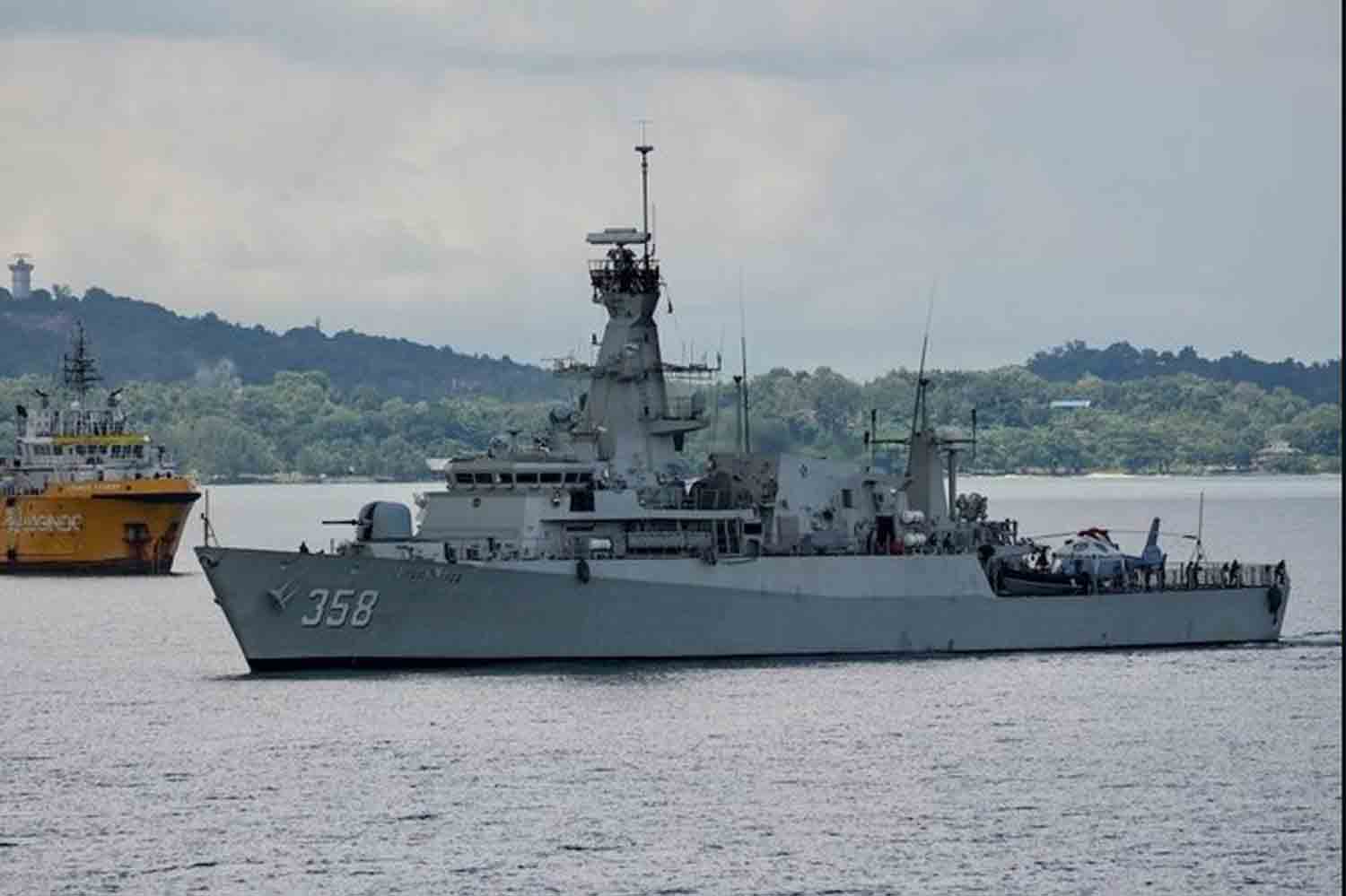
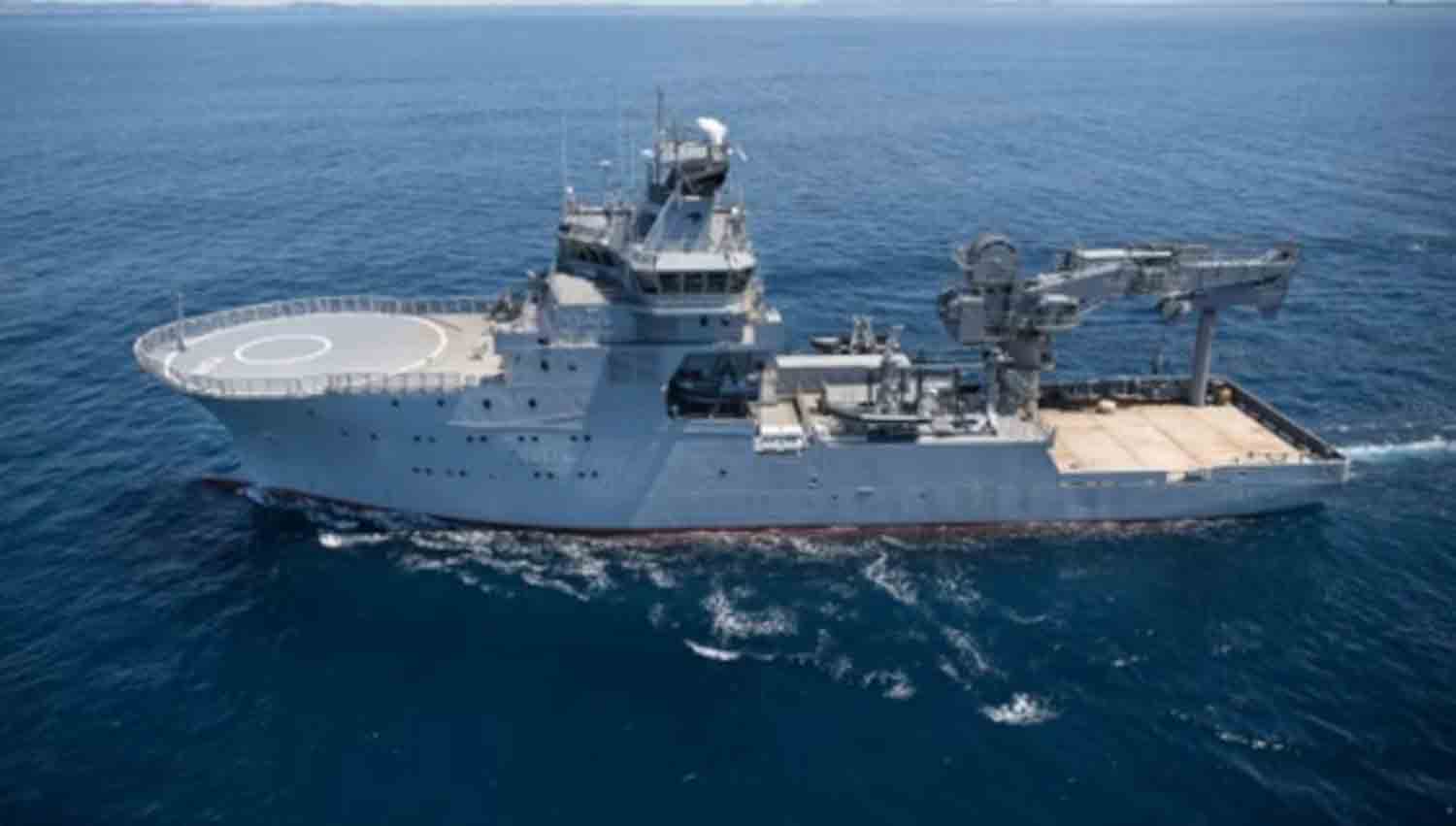
The Royal New Zealand Navy ship HMNZS Manawanui

A Royal New Zealand Navy ship has run aground off the southern coast of Upolu in Samoa, as reported by the New Zealand Herald on Saturday, referencing Maritime Component Commander Commodore Shane Arndell.

All 78 individuals aboard the dive and survey vessel HMNZS Manawanui are safe and accounted for in life rafts, according to the report.

An Air Force P-8 Poseidon surveillance aircraft has been dispatched to aid in the rescue efforts, as stated by the New Zealand news outlet Stuff.

The incident took place while the vessel was performing a reef survey, according to the website. The New Zealand Defence Force has been contacted for further comments.

The anniversary of the Gaza conflict attracts thousands of pro-Palestinian demonstrators globally

0
Protesters react holding Lebanese and Palestinian flags during a demonstration in solidarity with Palestinians in Gaza, ahead of the October 7 attack anniversary, amid the Israel-Hamas conflict, in Berlin, Germany.

Thousands of demonstrators filled the streets of numerous major cities worldwide on Saturday, calling for an end to the violence in Gaza as the conflict in the Palestinian territory nears its first anniversary and extends into the broader region.

Approximately 40,000 pro-Palestinian activists marched through central London, while significant gatherings also took place in Paris, Rome, Manila, and Cape Town.

The conflict began when the militant group Hamas launched an attack on southern Israel on October 7, 2023, resulting in the deaths of 1,200 individuals and the abduction of around 250 hostages, according to Israeli reports.

In response, Israel’s military operations in Gaza have reportedly resulted in nearly 42,000 Palestinian deaths, as stated by Gaza’s health ministry, and have displaced almost the entire population of the enclave, which numbers 2.3 million.

“Regrettably, despite our sincere efforts, the Israeli government remains unresponsive, continuing its actions in Gaza, and now extending to Lebanon, Yemen, and potentially Iran,” expressed protestor Agnes Kory in London.

The British government, unfortunately, is merely offering superficial support while continuing to supply arms to Israel, she remarked.

In Berlin, supporters of Israel demonstrated against the rise of antisemitism, leading to confrontations between law enforcement and pro-Palestinian counter-protesters.

Over the past year, the extensive violence and devastation in Gaza have sparked some of the largest global protests in recent history, with many expressing anger that defenders of Israel claim has fostered an antisemitic environment, where the legitimacy of Israel as a nation is questioned.

The conflict in Gaza has extended regionally, involving Iran-aligned groups in Lebanon, Yemen, and Iraq. Recently, Israel has intensified its operations against the Iran-backed Lebanese group Hezbollah, while Iran has launched a series of missile strikes against Israel this week.

In Paris, Lebanese-French protester Houssam Houssein expressed concern: “We fear a regional war due to current tensions with Iran, and possibly with Iraq and Yemen. We urgently need to halt the conflict as it has become intolerable,” he stated.

In Rome, approximately 6,000 demonstrators waved Palestinian and Lebanese flags, defying a prohibition on marching in the city center ahead of the anniversary of October 7.

While allies like the United States affirm Israel’s right to self-defense, Israel has faced significant international backlash for its actions in Gaza and its bombardment of Lebanon. Prime Minister Benjamin Netanyahu has dismissed the criticism, asserting that his government is taking necessary measures to protect the nation from a recurrence of the October 7 attack by Hamas.

Efforts at international diplomacy, led by the United States, have yet to secure a ceasefire agreement in Gaza. Hamas seeks a resolution that would end the conflict, while Israel maintains that hostilities can only cease with the complete dismantling of Hamas.

In Manila, activists clashed with anti-riot police after being prevented from staging a protest outside the U.S. embassy, voicing their opposition to the United States’ provision of weapons to Israel.

Demonstrations commemorating the first anniversary are scheduled to occur later on Saturday in various cities worldwide, including locations in the United States and Chile. Additionally, several demonstrations in support of Israel are anticipated over the weekend.

Why violence spreading in Haiti?

0
Kenyan police forces patrol a neighbourhood in Port-au-Prince, Haiti

A brutal gang assault in Haiti a few days ago resulted in numerous fatalities, with homes and vehicles set ablaze, forcing thousands to flee for their safety. This incident marks yet another tragic chapter in a nation plagued by severe violence for many years.

The attack occurred early Thursday morning in the central town of Pont-Sonde, perpetrated by members of the Gran Grif gang. They killed at least 70 individuals, including infants, as the Caribbean nation grapples with persistent lawlessness exacerbated by the assassination of President Jovenel Moise in 2021.

WHO IS THE GRAN GRIF GANG?
Gran Grif, one of Haiti’s lesser-known criminal organizations, is led by Luckson Elan, who claimed responsibility for the massacre. In an audio message circulated on social media, Elan stated that his gang was retaliating against residents who allegedly assisted a vigilante group that was thwarting their extortion efforts on a nearby major highway. Recently, Elan, aged 36, was sanctioned by the U.S. government, alongside former Haitian lawmaker Prophane Victor, who is accused of establishing and arming local gangs.

WHY DO GANGS HAVE POWERS IN HAITI?

Victor and Elan have leveraged their control over gangs in Haiti to sustain the ongoing violence and instability, as stated by the U.S. Department of Treasury’s Office of Foreign Assets Control last week. Gran Grif, identified by security analysts as the largest gang in Haiti’s Artibonite department, operates in a region that encompasses a significant portion of the country’s rice production. This gang emerged when Victor began supplying firearms to young men in Petite Riviere and is notorious for various abuses, including gender-based violence and the assault of women and children.

The disproportionate power of gangs in Haiti can be attributed to the weakening of the government in this former French colony, which has allowed these groups to fill the void and extend their influence over critical roadways and infrastructure. Their criminal activities encompass extortion and the trafficking of weapons and narcotics. A prominent figure among these gangsters is 46-year-old Jimmy “Barbeque” Cherizier, a former police officer. The United Nations has implicated him in several massacres, including a notorious incident in 2018 that resulted in the deaths of numerous individuals and the destruction of hundreds of homes in the La Saline neighborhood of the capital.

In 2020, Cherizier announced the formation of a gang coalition known as G9 Family and Allies, which united nine gangs from the capital region. Under his command, this alliance seized control of Haiti’s primary fuel port earlier this year, disrupting transportation and leaving significant portions of the population, including hospitals, without the fuel necessary to operate generators.

WHY HAS THE GOVERNMENT STRUGGLED TO CONTAIN THE GANGS?

For decades, Haiti’s government has faced challenges in delivering essential services, particularly in the realm of security. The national police force is significantly outmatched and severely understaffed, having lost thousands of officers in recent years due to dismissals and emigration.

The dire economic conditions, characterized by soaring inflation and poor agricultural yields, have exacerbated the situation, pushing nearly half of the population into severe hunger, with some regions nearing famine, as reported by international organizations.

This worsening security climate has coincided with a prolonged inability to conduct local elections. Earlier this month, the interim presidential council established a provisional electoral authority, marking a step towards reinstating elections and fostering hopes for a more stable government. The preliminary plan aims to hold elections by 2026, a full decade after the last ones took place.

WHAT IS CURRENT STATUS OF THE U.N.-BACKED SECURITY MISSION?

Recently, the U.N. Security Council reached a unanimous decision to extend the authorization for an international security force for another year. This force is designed to assist local law enforcement in combating gang violence and restoring law and order.

However, the deployment of this long-awaited security force has been sluggish and is dependent on voluntary contributions. To date, the mission has seen limited success in aiding Haiti in reestablishing order, with only approximately 400 police officers, primarily from Kenya, currently on the ground.

In addition to U.S. financial support and Kenya’s initial troop deployment, countries such as Benin, Jamaica, the Bahamas, and Belize have committed to providing at least 2,900 troops, but these contributions have yet to significantly materialize.

The previous Haitian government initially requested this force two years ago. Since that time, gangs have gained control over much of the capital and have spread their influence to surrounding regions, exacerbating a humanitarian crisis that has led to widespread displacement among the country’s population of around 11 million.


Rwanda says Congo declined to endorse a deal intended to address the M23 rebel conflict

0
Congolese people carry their belongings as they flee from their villages around Sake in Masisi territory, following clashes between M23 rebels and the Armed Forces of the Democratic Republic of the Congo (FARDC); towards Goma, North Kivu province of the Democratic Republic of Congo.

Rwandan Foreign Minister Olivier Nduhungirehe announced on Saturday that his Congolese counterpart declined to endorse a previously agreed-upon deal intended to address the M23 rebel conflict in the eastern Democratic Republic of Congo, a situation that has led to the displacement of over 1.7 million individuals.

The Tutsi-led M23 has been conducting an insurgency in the violence-stricken eastern region of the central African nation since 2022. The Democratic Republic of Congo, along with the United Nations and other entities, has accused neighboring Rwanda of providing support to the group through the deployment of its own troops and weaponry.

Rwanda, while denying any involvement with M23, asserts that it has implemented what it describes as defensive actions and accuses Congo of collaborating with the Hutu rebel faction, the Democratic Forces for the Liberation of Rwanda (FDLR), which has targeted Tutsis in both nations.

Both nations engaged in negotiations in late August aimed at alleviating the conflict, which has exacerbated the ongoing humanitarian crisis in the region and has occasionally sparked concerns about a broader war.

Nduhungirehe informed Reuters that participants in the discussions, including the head of military intelligence from Congo, had reached an agreement and signed a plan aimed at “neutralising the FDLR and lifting Rwanda’s defence measures.” He mentioned that this agreement was scheduled to be formally signed by ministers on September 14, during a summit of leaders from French-speaking nations in France.

“We were prepared to sign … but the Congolese minister declined. Initially, she provided feedback on the report, and after further consultation, she returned to express her opposition to adopting the report,” he stated.

According to Nduhungirehe, the plan outlined that actions against the FDLR would be executed first, followed by Rwanda relaxing its “defence measures” a few days later. He noted that the Congolese minister objected to this sequence, insisting that both actions should occur simultaneously. A spokesperson for the Congolese government did not respond immediately to a request for comment.

Both leaders of Congo and Rwanda, Felix Tshisekedi and Paul Kagame, were present at the summit in France. French President Emmanuel Macron had suggested a trilateral meeting; however, the two leaders ultimately had separate private discussions with Macron.


Potential successor to the late Sayyed Hassan Nasrallah reported unreachable since Friday

0

The potential successor to the late Hezbollah leader Sayyed Hassan Nasrallah has reportedly been unreachable since Friday, according to a Lebanese security source. This follows an Israeli airstrike that allegedly aimed at him.

In its efforts against the Iran-supported Lebanese organization, Israel executed a significant strike on the southern suburbs of Beirut late Thursday, with three Israeli officials indicating that Hashem Safieddine was the target, located in an underground bunker.

The Lebanese security source, along with two others, noted that the ongoing Israeli bombardments in the Dahiyeh area of Beirut since Friday have hindered rescue teams from accessing the site of the attack. Hezbollah has yet to issue any statements regarding Safieddine following the incident.

Israeli Lieutenant Colonel Nadav Shoshani mentioned on Friday that the military was still evaluating the airstrikes conducted on Thursday night, which he stated were aimed at Hezbollah’s intelligence headquarters.

POTENTIAL LOSS OF SUCCESSOR SIGNIFICANT SETBACK FOR HEZBOLLAH

The potential loss of Nasrallah’s rumored successor would represent another significant setback for Hezbollah and its ally Iran. Over the past year, Israeli airstrikes throughout the region, which have intensified in recent weeks, have severely impacted Hezbollah’s leadership structure.

On Saturday, Israel escalated its military operations in Lebanon with its first airstrike in the northern city of Tripoli, according to a Lebanese security official. This followed additional bombings in the suburbs of Beirut and ground raids by Israeli forces in the southern region.

In recent weeks, Israel has launched a vigorous bombing campaign in Lebanon and deployed troops across the border, following nearly a year of intermittent clashes with Hezbollah. Previously, the fighting had been largely confined to the Israel-Lebanon border, occurring alongside Israel’s ongoing conflict in Gaza against the Palestinian group Hamas. Israel asserts that its objective is to facilitate the safe return of tens of thousands of residents to their homes in northern Israel, which have been under bombardment from Hezbollah since October 8 of last year.\

The Israeli military operations have significantly diminished Hezbollah’s upper command, including the elimination of Secretary General Nasrallah in an airstrike on September 27. According to Lebanese officials, these attacks have also resulted in the deaths of hundreds of civilians, including rescue personnel, and have displaced approximately 1.2 million individuals, nearly a quarter of the Lebanese population.

A Lebanese security official reported that a recent strike on a Palestinian refugee camp in Tripoli resulted in the deaths of a Hamas member, his wife, and their two children. Media sources linked to Hamas also confirmed the death of a leader from its military faction in the same attack.

The Israeli military has not yet provided a response regarding the incident in Tripoli, a port city with a Sunni Muslim majority that was previously targeted during the 2006 conflict with Hezbollah. Concurrently, Israel has been conducting nightly airstrikes in Dahiyeh, an area of Beirut that was once vibrant and densely populated, serving as a Hezbollah stronghold.

On Saturday, smoke rose from Dahiyeh, where extensive destruction has forced residents to seek refuge in other areas of Beirut or elsewhere in Lebanon. In northern Israel, air raid sirens prompted residents to rush to their shelters due to incoming rocket fire from Lebanon.

ISRAEL CONSIDERS RESPONSES TO IRAN

As the anniversary of Hamas’ assault on southern Israel approaches, which resulted in the deaths of 1,200 individuals and the abduction of approximately 250 hostages, tensions remain high. In retaliation, Israel’s military operations in Gaza have reportedly led to the deaths of nearly 42,000 Palestinians, according to the health ministry in Gaza, and have displaced almost the entire population of 2.3 million.

Iran, a supporter of both Hezbollah and Hamas, has faced significant losses, including key commanders from its Revolutionary Guards Corps due to Israeli air strikes in Syria earlier this year. On Tuesday, Iran launched a series of ballistic missile attacks against Israel, which resulted in minimal damage.

In light of these developments, Israel is evaluating its options in response to Iran’s aggression. The prospect of an attack on Iran’s oil infrastructure has contributed to rising oil prices, as Israel aims to counter Hezbollah forces in Lebanon and dismantle their Hamas counterparts in Gaza.

U.S. President Joe Biden recently advised Israel to explore alternatives to targeting Iranian oil fields, suggesting that Israel has not yet finalized its strategy regarding Iran. Reports indicate that Army General Michael Kurilla, the top U.S. general for the Middle East, is scheduled to visit Israel in the coming days. Israeli and U.S. officials have not yet provided comments on these matters.

Israel-Lebanon conflict: Can France help stop the violence?

0

For many years, France has regarded Lebanon as a “brotherly country,” fostering robust relations since the conclusion of the French mandate in 1946.

Paris has made numerous efforts to address the various crises that Lebanon has encountered, all while navigating its colonial legacy in the region.

Following the onset of Israel’s military actions against Lebanon in September, France has taken steps to facilitate a resolution, although appeals from French officials for Israeli Prime Minister Benyamin Netanyahu to exercise “restraint” have not yielded significant results.

On Monday, Jean-Noel Barrot, the French foreign affairs minister, became the first Western official to visit Lebanon since the commencement of Israel’s bombing campaign, which has led to evacuation orders in certain areas and displaced approximately 1.2 million individuals, according to government statistics.

“I wish to convey a message of support and solidarity to the Lebanese people,” stated the French minister during his visit to Beirut, while also urging Israel to “avoid any ground incursion” into Lebanon.

He also revealed a €10 million ($10.98 million) aid package intended for humanitarian organizations in Lebanon.

Nevertheless, despite the declarations and financial support, analysts question the efficacy of France’s initiatives.

According to Ziad Majed, a French-Lebanese academic at the American University of Paris and an expert in Middle Eastern politics, there exists a “discrepancy” between France’s rhetoric and the absence of tangible actions that could be implemented.

“France has frequently mentioned the importance of safeguarding Lebanon, and the visit from the foreign affairs minister indicates a genuine intention on the part of France to engage in Lebanon,” Majed stated to US media outlet.

“However, there is a significant divide between diplomatic aspirations and the actual situation.”

Diminished influence

Earlier last week, French President Emmanuel Macron expressed his opposition to Lebanon “turning into a new Gaza,” alluding to the prolonged Israeli conflict in the Palestinian territory, which has resulted in nearly 42,000 fatalities, as reported by the Palestinian health ministry.

Macron characterized the civilian death toll in Lebanon as “truly shocking.”

Paris and Washington have put forward a proposal for a 21-day ceasefire at the United Nations, which was publicly rejected by Netanyahu.

Subsequently, Lebanese Foreign Minister Abdallah Bou Habib announced that both Hezbollah leader Hassan Nasrallah and Netanyahu had reached an agreement on the temporary truce just prior to Israel’s airstrike in Beirut that resulted in Nasrallah’s death.

Since the beginning of Israel’s conflict with Gaza and its recent operations in Lebanon, Israeli strikes have claimed the lives of over 2,000 individuals, as reported by the Lebanese health ministry, including two French nationals.

Currently, approximately 23,000 French citizens reside in Lebanon, making it the largest French community in the Middle East.

Bertrand Badie, a French author and specialist in international relations, noted that France has diminished its influence in the region since the conclusion of “France’s Arab policy” in 2003.

“From the Six-Day War in 1967, when General de Gaulle adopted a relatively supportive position towards the Palestinian cause, to the Iraq War in 2003, when Jacques Chirac opposed U.S. intervention, there was a genuinely active Arab policy,” Badie stated, highlighting Paris’ decision not to participate in the military intervention aimed at removing Saddam Hussein.

The Arab policy of France faced a severe disruption in 2003 when President Chirac shifted his stance, influenced by the looming threat of American retaliation.

Since that moment, France has largely aligned itself with American viewpoints. As a result, the absence of a coherent Arab policy has rendered France’s influence negligible, according to Badie.

This perspective is echoed by Jean-Luc Melenchon, the leader of the left-wing party France Unbowed (LFI), who remarked in a statement on X last weekend that France’s presence in Lebanon has diminished significantly, allowing Netanyahu’s actions to go unchecked.

Dalal Mawad, a Lebanese author and journalist, noted that France is undergoing a “shift of narrative” and ramping up its diplomatic efforts, recognizing that escalating tensions could lead to a full-scale war in Lebanon.

She pointed out that over the past year, particularly during the Gaza conflict, France has exhibited a clear bias towards Israel. However, with the rising threat of regional conflict, France is now intensifying its diplomatic initiatives and altering its narrative. Mawad observed that although Macron was slow to advocate for a ceasefire in Gaza and initially backed Israel, he now seems to adopt a more critical stance.

France does not hold a dominant position

Analysts indicate that while France possesses certain advantages that could help mitigate the situation, its influence pales in comparison to that of the United States.

“Mawad noted that many believe France is among the few nations capable of engaging in dialogue with Hezbollah, as it only designates the military faction of Hezbollah as a terrorist group, unlike other European nations and the US,” she explained.

Countries like Germany and the United Kingdom, which align closely with the United States, do not make a distinction between the political and military aspects of the Lebanese movement.

“The Lebanese populace received the French proposal at the UN positively. However, they are acutely aware that France lacks significant leverage regarding Israel,” Mawad stated, highlighting the United States’ role in backing Israel during the conflicts in Gaza and Lebanon.

France maintains its trade relations with Israel and is capable of leveraging its position within the European Union, she stated.

Since the onset of Israel’s military actions in Gaza, numerous organizations and individuals have urged the EU to suspend its Association Agreement with Israel and to impose sanctions on the nation.

In April, a coalition of 11 NGOs, including Amnesty International, announced they had initiated legal proceedings against France to stop its arms sales to Israel.

Despite President Macron’s assurances that France does not supply weapons to Israel, human rights organizations and investigative journalists have raised concerns regarding the opacity of the situation.

A report from the defense ministry to parliament, acquired by the French media outlet Mediapart, revealed that France provided €30 million worth of military equipment to Israel in 2023.

However, since the report lacks specific dates, Mediapart highlighted that it is unclear whether these shipments continued after the escalation of hostilities in Gaza that began on October 7, and the Ministry of the Armed Forces has not provided further clarification.

Majed also contends that France should explore additional avenues beyond diplomatic efforts.

“Following the unsuccessful diplomatic initiatives, there is no reason for the French government to refrain from recognizing the Palestinian state and implementing sanctions,” Majed said.

In June, when questioned about the potential for France to recognize the state of Palestine, following the examples set by several European nations like Spain, Norway, and Ireland, Macron stated that it was not “the right solution.”

He remarked, “It is not reasonable to do it now. I denounce the atrocities that we see with the same indignation as the French people. However, we do not recognize a state based on indignation.”

Following an attack by Iran on Israel on Tuesday, which was a response to the assassinations of Nasrallah, IRGC commander Abbas Nilforoushan, and Hamas leader Ismail Haniyeh, the French president reiterated the need for “utmost restraint” from all parties involved in the Middle East crisis.

Reaffirming his commitment to Israel’s security, he urged Hezbollah to “cease its terrorist actions against Israel and its population” and announced that France would “very soon organize a conference to support the Lebanese people and their institutions.”

On Friday, the French foreign affairs minister embarked on another trip to the Middle East.

Barrot is set to visit Saudi Arabia and Qatar on Saturday, the United Arab Emirates and Jordan on Sunday, then Israel on Monday, October 7, to mark the first anniversary of the Hamas-led attacks, and finally to Ramallah in the occupied West Bank.

Israeli airstrike targeted the northern Lebanese city of Tripoli for the first time

0
A man walks on the rubble of damaged buildings in the aftermath of Israeli air strikes on Beirut's southern suburbs, Lebanon

An Israeli airstrike targeted the northern Lebanese city of Tripoli for the first time early Saturday, according to a Lebanese security source. This attack followed increased bombardment in the suburbs of Beirut, as Israeli forces attempted to advance into southern Lebanon.

The source informed Reuters that a Hamas official, along with his wife and two children, lost their lives in the strike on a Palestinian refugee camp in Tripoli. Media outlets affiliated with Hamas reported that the strike resulted in the death of a leader from the group’s military wing.

The Israeli military has not yet provided a response regarding the Tripoli strike, which occurred in a predominantly Sunni port city. In recent weeks, Israel has significantly intensified its operations in Lebanon, following nearly a year of hostilities with Hezbollah, an Iran-backed armed group. Previously, the fighting had primarily been confined to the Israel-Lebanon border, coinciding with Israel’s ongoing conflict in Gaza against Hamas.

Israel has been conducting nightly airstrikes on the southern suburbs of Beirut, a Hezbollah stronghold. During the night, a military spokesperson issued three evacuation alerts for residents in the area, after which witnesses reported hearing at least one explosion.

On Friday, Israel announced that it had conducted strikes on Hezbollah’s intelligence headquarters located in the southern suburbs and was currently evaluating the extent of the damage following a series of attacks targeting high-ranking members of the organization.

Israel has successfully removed a significant portion of Hezbollah’s senior military leadership, including Secretary General Sayyed Hassan Nasrallah, who was targeted in an airstrike on September 27.

According to the Lebanese government, over 2,000 individuals have lost their lives in the country over the past year, with the majority of casualties occurring in the last two weeks. There has been a notable increase in attacks on medical personnel and facilities, including the Lebanese Red Cross, public hospitals, and rescue teams associated with Hezbollah.

The Lebanese government reports that more than 1.2 million people have been displaced from their homes, while the United Nations indicates that most shelters for the displaced in Lebanon are at capacity. Many have sought refuge in northern areas such as Tripoli or in neighboring Syria; however, an Israeli strike on Friday has resulted in the closure of the primary border crossing between Lebanon and Syria. U.N. spokesperson Stephane Dujarric described the impact on Lebanese civilians as “totally unacceptable.”

ISRAEL EVALUATING OPTIONS

Israel is currently evaluating its options in response to the ballistic missile attack from Iran that occurred on Tuesday. The potential for an assault on Iran’s oil infrastructure has led to an increase in oil prices, as Israel aims to counter Hezbollah militants in Lebanon and eliminate their Hamas allies in Gaza, who are also supported by Tehran.

U.S. President Joe Biden urged Israel on Friday to explore alternatives to targeting Iranian oil fields, suggesting that Israel has not yet made a definitive decision on how to address the situation with Iran.

In a rare public appearance during Friday prayers, Iran’s Supreme Leader Ayatollah Ali Khamenei addressed a large audience in Tehran, asserting that Iran and its regional partners would remain resolute.

Iranian Foreign Minister Abbas Araqchi arrived in Syria on Saturday for discussions following his visit to Lebanon, where he reaffirmed support for both Lebanon and Hezbollah.

In the southern suburbs of Beirut, a stronghold of Hezbollah, many structures lie in ruins. Nouhad Chaib, a 40-year-old man displaced from the south, expressed his uncertainty about the future, stating, “We’re alive but don’t know for how long.”

On Friday, Hezbollah reportedly launched over 200 rockets into Israel, as confirmed by the Israeli military, with air raid sirens continuing to sound in northern Israel on Saturday.

The recent escalation in the long-standing Israeli-Palestinian conflict was ignited by an attack from the Palestinian Hamas group on October 7, 2023, which resulted in 1,200 fatalities and approximately 250 hostages, according to Israeli sources. In retaliation, Israel’s military actions in Gaza have led to the deaths of over 41,000 Palestinians, as reported by Gaza’s health ministry, and have displaced nearly the entire population of Gaza.

GROUND OPERATIONS

The Lebanese government has accused Israel of deliberately targeting civilians, highlighting the deaths of numerous women and children. However, it has not provided a breakdown of the total death toll between civilians and Hezbollah fighters.
Israel asserts that its operations focus on military targets and that it takes precautions to minimize civilian casualties. It claims that Hezbollah and Hamas conceal themselves among civilian populations, a charge that both groups deny.
This week, Israel initiated ground operations in southern Lebanon, concentrating on border villages while stating that Beirut is not a target. The duration of the ground incursion remains unspecified.
The objective of these operations is to facilitate the return of tens of thousands of Israeli citizens who were forced to evacuate from the north due to Hezbollah’s bombardments, which commenced on October 8, 2023.
Iran’s missile strikes were partially a response to Israel’s elimination of Nasrallah, a key figure who had transformed Hezbollah into a significant military and political entity with influence throughout the Middle East.
Axios reported that three Israeli officials indicated Hashem Safieddine, who is rumored to be Nasrallah’s successor, was targeted in an underground bunker in Beirut on Thursday night, though his current status remains uncertain.
Israeli Foreign Minister Israel Katz shared a photo of Safieddine alongside Nasrallah on X on Saturday, calling on Khamenei to “take your proxies and leave Lebanon.”

AUKUS naval forces successfully tested remote-controlled vessels from 10,000 miles away

0

The navies of the United Kingdom, Australia, and the United States successfully managed uncrewed vessels in Australia while stationed over 10,000 miles away in Portugal, according to a statement from Britain’s Royal Navy on Friday. This achievement is part of a series of military trials linked to the AUKUS security agreement, which seeks to address China‘s expanding influence in the Indo-Pacific region. The Royal Navy noted that this pact is facilitating the rapid introduction of new military technologies to operational settings at an “unprecedented” rate.

“The accomplishments we’ve seen, particularly the ability of all three AUKUS navies to command and control ships across the globe in a tactically relevant environment, demonstrate our progress toward realizing our goal of a cohesive team of both crewed and uncrewed systems. These systems will be capable of operating effectively in diverse environments, from the ocean depths to outer space,” stated James Parkin, Director of Development at the Royal Navy.

The experiments, referred to as “Maritime Big Play,” also evaluated various uncrewed technologies in simulated operational environments. This involved deploying payloads from a drone, with the primary objective of rapidly advancing uncrewed technology to the frontline.

The AUKUS nations are set to conduct additional experiments later this year, featuring approximately 30 systems in a large-scale demonstration in the Indo-Pacific, according to the Royal Navy.

This year, the AUKUS nations have intensified their collaboration, including reforms introduced in August aimed at eliminating significant barriers to defense trade. China has characterized the AUKUS agreement as perilous and has cautioned that it may trigger a regional arms race.