Friday, June 5, 2026
Home Blog Page 156

Spain to host Foreign ministers from Muslim and European nations on Palestinian statehood

0

Foreign ministers from various Muslim and European nations are set to convene in Madrid on Friday to explore the implementation of a two-state solution for the Israeli-Palestinian conflict, as announced by the Spanish and Norwegian governments.

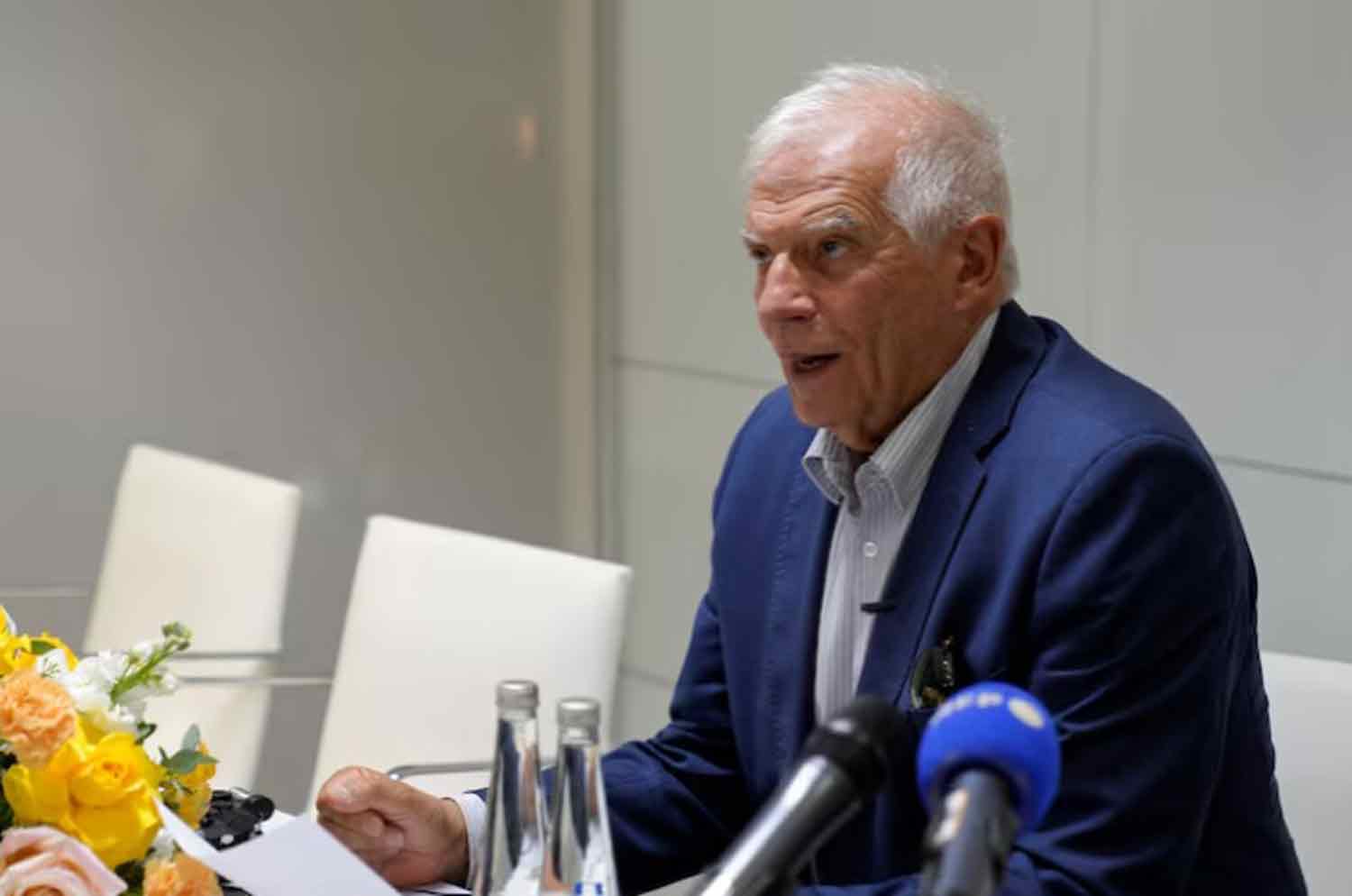
Spanish Foreign Minister Jose Manuel Albares will preside over the meeting, which will include his European counterparts, European Union foreign policy chief Josep Borrell, and representatives from the Arab-Islamic Contact Group for Gaza.

The two-state solution, originally proposed during the 1991 Madrid Conference and reaffirmed in the 1993-95 Oslo Accords, has long been regarded by the international community as the most effective means to resolve the protracted conflict, although the peace process has stagnated for years. Recent developments, including the ongoing 11-month conflict in the Gaza Strip between Israel and Hamas, which has resulted in significant casualties, as well as rising violence in the occupied West Bank, have intensified the urgency for a peaceful resolution.

On May 28, Spain, Norway, and Ireland officially recognized a unified Palestinian state governed by the Palestinian Authority, encompassing the Gaza Strip and the West Bank, with East Jerusalem designated as its capital.

This recognition brings the total to 146 out of 193 United Nations member states that acknowledge Palestinian statehood. On May 29, Albares facilitated a diplomatic meeting with the Gaza Contact Group, where participants deliberated on actionable steps toward advancing the two-state solution.

Spanish Prime Minister Pedro Sanchez has consistently emphasized that the coexistence of two sovereign states within the territory of former Mandatory Palestine represents the only feasible route to peace in the region.

The West Bank, including East Jerusalem, has been under Israeli occupation since the 1967 Middle East war, with the expansion of Jewish settlements further complicating the situation. Israel’s annexation of East Jerusalem in 1980 remains largely unrecognized internationally, and the country asserts that security guarantees are of utmost importance.

Biden to host Quad summit September 21 in Delaware

0

On September 21, U.S. President Joe Biden will convene a summit with the leaders of Australia, India, and Japan in Delaware, as announced by the White House on Thursday.

White House spokesperson Karine Jean-Pierre stated, “The Quad Leaders Summit aims to strengthen the strategic alignment among our nations, promote our collective vision for a free and open Indo-Pacific, and provide tangible benefits to partners in the region across critical sectors.”

45 Indian citizens released from the Russian military

0

Approximately 45 Indian citizens have been released from the Russian military, with ongoing efforts to secure the release of an additional 50 individuals, according to a spokesperson from the Indian Foreign Ministry on Thursday.

During Prime Minister Narendra Modi’s trip to Moscow in July, Russia committed to releasing any Indians who had been misled into joining its armed forces and subsequently compelled to engage in active combat in Ukraine.

A Russian hawk advocates for more stringent nuclear weapons policy

0

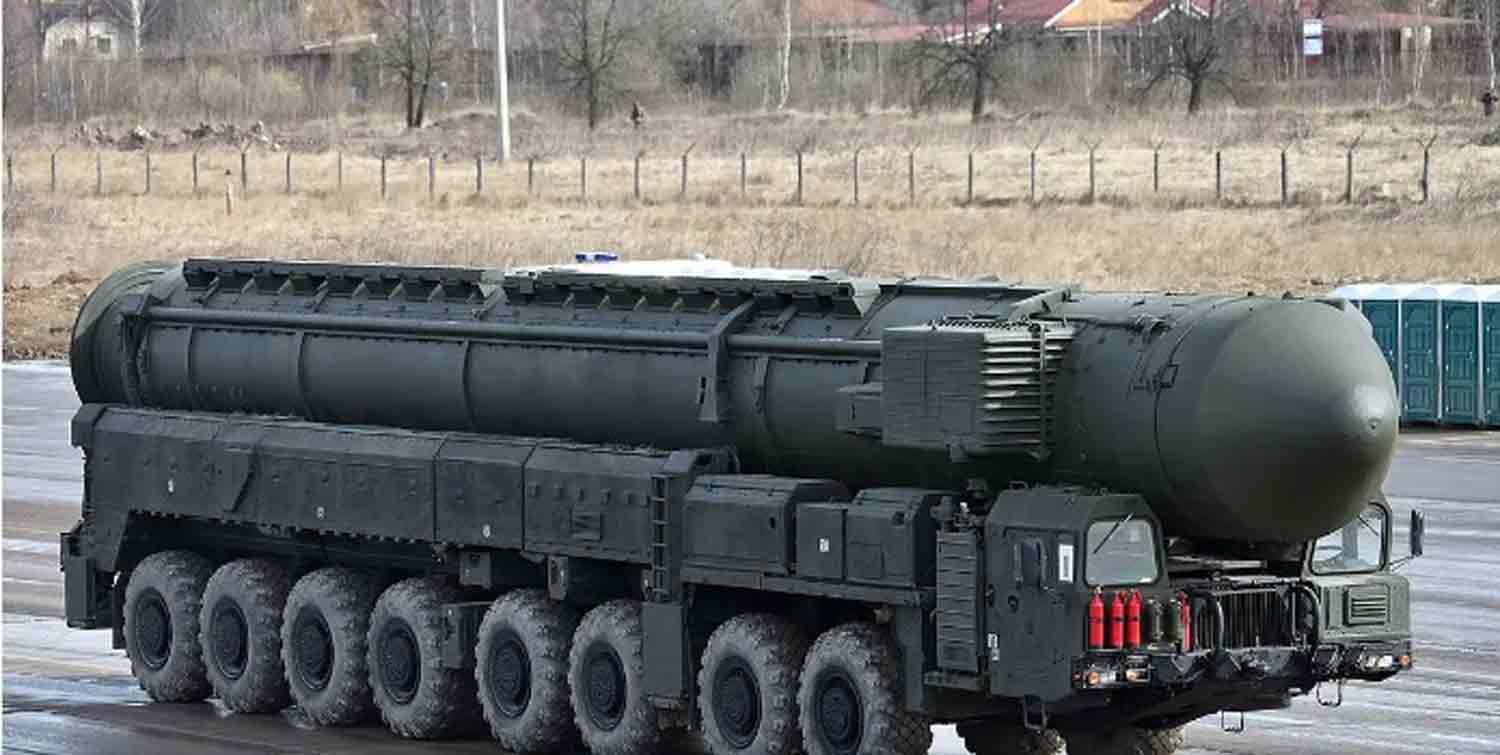
An influential foreign policy advocate has urged Russia to explicitly communicate its readiness to deploy nuclear weapons against nations that “support NATO’s aggression in Ukraine.”

Sergei Karaganov, in an interview with Kommersant newspaper, emphasized that Moscow could potentially execute a limited nuclear strike on a NATO member without escalating to a full-scale nuclear conflict.

He accused the United States of dishonesty regarding its assurances of nuclear protection for its allies. According to Karaganov, the primary objective of Russia’s nuclear strategy should be to instill confidence in both current and future adversaries that Russia is prepared to utilize nuclear arms.

Following Ukraine’s recent territorial gains in the Kursk region, he stated, “It is essential to announce our right to respond to any significant attacks on our territory with a nuclear response, which includes any occupation of our land.”

Western security analysts closely monitor Karaganov’s remarks as they reflect Russian perspectives on foreign, defense, and nuclear policies. While his views do not officially represent Kremlin policy, he has been given numerous platforms to express them, including direct discussions with President Vladimir Putin.

For over a year, he has been a leading voice advocating for revisions to Russia’s nuclear doctrine, which the Kremlin has indicated it will update.

The existing doctrine asserts that Russia would consider using nuclear weapons in response to a nuclear strike from another nation or a conventional attack that threatens the state’s survival.

Karaganov criticized this doctrine as reckless and potentially self-destructive, arguing that it fails to effectively deter adversaries and fosters the belief that there are few scenarios in which Russia would resort to nuclear weaponry.

Iran summons heads of four European embassies

0

Iran’s foreign ministry called in the ambassadors of the United Kingdom, France, Germany, and the Netherlands on Thursday, as reported by the Iranian judiciary’s Mizan news agency.

This action followed allegations regarding missile transfers to Russia and the announcement of new sanctions. U.S. Secretary of State Antony Blinken stated on Tuesday that Russia had acquired ballistic missiles from Iran, which are expected to be deployed in its ongoing conflict in Ukraine within a matter of weeks.

In response, the U.S., along with Britain, Germany, and France, introduced additional sanctions targeting Iran, including restrictions on its national airline, Iran Air.

The Kremlin dismissed Blinken’s claims as unfounded. Iran characterized the allegations concerning missile transfers to Russia as “false and misleading” and criticized the new sanctions, which also entail the termination of bilateral air service agreements with the three European nations.

Mizan reported that the summoning of the embassy heads was a reaction to the ongoing unconstructive remarks from certain European nations aligned with the U.S., which falsely assert Iranian involvement in the Ukraine conflict and impose sanctions on the Islamic Republic.

Additionally, Iran’s top diplomat in London was summoned by the British foreign ministry on Wednesday, while the Dutch foreign ministry summoned Iran’s ambassador, advocating for “new, robust EU sanctions” against Tehran.

The United States advocates for the inclusion of two permanent seats for Africa on the UN Security Council

0

The United States is advocating for the establishment of two permanent seats on the United Nations Security Council for African nations, along with one seat designated for rotation among small island developing states, as announced by U.S. Ambassador to the U.N., Linda Thomas-Greenfield, on Thursday.

This initiative is part of the U.S. effort to mend relations with Africa, where there is significant discontent regarding Washington’s backing of Israel’s actions in Gaza, and to strengthen ties with Pacific Island nations that are crucial for countering Chinese influence in the area.

Thomas-Greenfield expressed to Reuters her aspiration that this announcement will “advance this agenda in a manner that allows us to realize Security Council reform in the future,” framing it as a component of President Joe Biden’s legacy.

The proposal for two permanent seats for African nations and a rotating seat for small island developing states complements the U.S.’s longstanding endorsement of permanent seats for India, Japan, and Germany on the council.

Developing countries have persistently called for permanent representation on the Security Council, the most influential entity within the United Nations. However, years of discussions regarding reform have yielded little progress, and it remains uncertain whether U.S. backing will catalyze action.

Prior to her announcement at the Council on Foreign Relations in New York, Thomas-Greenfield clarified to Reuters that the U.S. does not support the expansion of veto power beyond the current five permanent members.

The Security Council is responsible for upholding international peace and security, possessing the authority to impose sanctions, enforce arms embargoes, and authorize military action.

When the U.N. was established in 1945, the Security Council consisted of 11 members, which increased to 15 in 1965, comprising 10 elected members serving two-year terms and five permanent members with veto power: Russia, China, France, the U.S., and the United Kingdom.

U.N. Secretary-General Antonio Guterres advocates for reform of the Security Council, stating, “You have a Security Council that corresponds exactly to the situation after the Second World War.”

China and Singapore must boost coordination, Wang Yi says

0

Chinese Foreign Minister Wang Yi emphasized the need for enhanced strategic coordination and communication between China and Singapore during a meeting with Singaporean Foreign Minister Vivian Balakrishnan in Beijing on Monday.

This meeting marked their second engagement in under two months, following discussions at a regional ministerial conference in Vientiane, Laos, on July 27.

Wang expressed China’s readiness to collaborate with Singapore to align their development strategies and implement the newly established framework of an “all-round, high-quality and forward-looking partnership,” as agreed upon by the leaders of both nations.

This upgraded bilateral relationship was first announced in April of the previous year during a meeting between then-Singaporean Prime Minister Lee Hsien Loong and Chinese President Xi Jinping in Beijing.

Following Lee’s resignation in May after over two decades in office, Lawrence Wong has taken over, with Balakrishnan noting the new government’s commitment to strengthening ties with China.

Wang described both countries as “stabilizing forces” in a tumultuous global landscape, urging for increased coordination and communication.

The ministry’s statement did not reference any other nations. Wang commended Singapore’s early involvement in China’s reform and opening-up initiatives and proposed more frequent exchanges of leadership and enhanced dialogue across various levels.

Potential areas for deeper collaboration include a “new land-sea corridor” connecting China’s western provinces with Southeast Asian countries, as well as sectors such as the digital economy, green development, and maritime energy. Additionally, Wang underscored the importance of visa-exemption policies to promote personnel exchanges, talent development, youth initiatives, local cooperation, and think tank collaborations.

Netanyahu avoiding Gaza ceasefire, US senator

0

US Senator Chris Murphy expressed that Israeli Prime Minister Benjamin Netanyahu has a significant political motive to avoid a ceasefire, suggesting that his coalition partners would likely oppose any agreement that involves the release of “Hamas prisoners.”

During a discussion at the Atlantic Council regarding the future of Democratic foreign policy, the Connecticut Democrat stated, “It is challenging because both the Israeli government, under Netanyahu, and Hamas see political benefits in not agreeing to a ceasefire.”

He further noted that Netanyahu’s political survival may hinge on his refusal to sign such an agreement. Murphy, a member of the US Senate Foreign Relations Committee, lamented that Hamas appears to be gaining increased “global support” as the conflict persists, complicating the prospects for a deal.

Earlier in September, President Joe Biden also remarked that he believed Netanyahu was not doing enough to facilitate a ceasefire.

However, this perspective contradicts the broader narrative maintained by the Biden administration, which has primarily blamed Hamas for hindering negotiations.

Recent ceasefire discussions have been influenced by Netanyahu’s insistence on Israel’s control over the Philadelphi Corridor and the Netzarim Corridor. The Philadelphi Corridor is a 14-kilometer-long, 100-meter-wide demilitarized buffer zone along the Gaza-Egypt border, established through agreements in 1979 and 2005, while the Netzarim Corridor is a 6-kilometer stretch created by the Israeli military during the ongoing conflict.

Netanyahu has consistently asserted that Israel will retain authority over these regions and uphold a military presence at the Rafah border crossing, which has been a vital route for aid and commercial goods since its closure in early May.

Murphy, who holds a prominent position in US foreign policy concerning the Middle East, continues to monitor the situation closely.

India’s Supreme Court rejects plea to stop military exports to Israel

0

India’s Supreme Court has rejected a petition aimed at suspending military exports from the country, following appeals from human rights advocates and scholars who sought to reduce India’s involvement in potential Israeli war crimes in Gaza.

In its decision on Monday, the court stated that it lacked the jurisdiction to instruct the Indian government to cease exports to any nation.

The court clarified that such authority lies with the Union Government as per Article 162 of the Indian Constitution. Additionally, the court noted that intervening in this matter would constitute a judicial injunction against breaches of contracts that Indian companies may have established with foreign entities.

The court remarked, “The consequences of such breaches cannot be adequately evaluated by this court and would expose Indian companies with binding commitments to legal actions that could jeopardize their financial stability.”

This ruling followed a plea from former bureaucrats, activists, and senior academics who contended that these sales contravened India’s international legal obligations and violated constitutional rights to life and equality, as well as the state’s responsibility to uphold international treaties.

The 417-page petition submitted to the Supreme Court detailed the involvement of both public and private sector companies in India that have received licenses to manufacture and export arms to Israel, even amid the ongoing conflict in Gaza.

The petitioners urged the Supreme Court to direct the Indian government to revoke these licenses and prevent the issuance of new ones.

It was highlighted that three Indian companies engaged in arms manufacturing and export have been authorized to supply weapons to Israel during its military operations in Gaza.

Since Narendra Modi assumed the role of Prime Minister, India’s ties with Israel have significantly strengthened.

North Korea contributing to the expansion of Russian military reserves, German general says

0
Russian President Vladimir Putin, left, and North Korea’s leader Kim Jong Un pose for a photo during a signing ceremony of the new partnership in Pyongyang, North Korea.

The supply of weapons from North Korea has bolstered Russia’s position in Ukraine, enabling it to maintain its domestic arsenals, according to Germany’s leading military official during a visit to South Korea on Monday.

Chief of Defence General Carsten Breuer stated that Russian President Vladimir Putin would not have sought assistance from North Korean leader Kim Jong Un for weaponry if it were not beneficial.

Breuer emphasized that this situation not only enhances Russia’s capacity for aggression in Ukraine but also allows them to sustain their stockpiles effectively. Reports from Ukraine, the United States, and independent analysts indicate that Kim is aiding Russia in its conflict with Ukraine by providing rockets and missiles in exchange for economic and military support from Moscow.

Since September of last year, North Korea has reportedly sent over 16,500 containers of munitions and related materials to Russia, with more than 65 of those missiles being launched at Ukrainian targets, as noted by Robert Koepcke, U.S. deputy assistant secretary of state, in a recent speech.

Both Moscow and Pyongyang have denied any direct arms transfers, which would breach United Nations sanctions.

When asked if he had urged South Korea to supply weapons to Ukraine, Breuer expressed agreement with Ukraine’s perspective that anti-aircraft systems, infantry fighting vehicles, and other armaments would be beneficial in the conflict, urging all nations to contribute as much as possible.

South Korea has provided non-lethal support but has indicated it will not send weapons unless Russia’s collaboration with North Korea crosses certain undefined thresholds.

German Ambassador to South Korea Georg Schmidt remarked that North Korea’s security partnership with Russia has direct consequences for regional security.

During his visit, Breuer also inspected two German warships that had docked in South Korea before continuing their journey through the South China Sea to Manila.

China writes off interest-free loans to African nations, Is this action merely symbolic

0

China has recently declared another round of write-offs on interest-free loans for over two dozen African nations. However, analysts indicate that this relief only addresses a minor portion of the total debt burden faced by these countries.

During the Forum on China-Africa Cooperation (FOCAC) summit held in the Chinese capital last week, Beijing announced the cancellation of intergovernmental interest-free loans owed by 33 African nations, which are due by the end of this year.

The forgiveness of interest-free loans is a common practice at FOCAC; two years ago, China forgave 23 loans that had matured in 2021 for 17 African countries. These loans are provided by the China International Development Cooperation Agency, which is responsible for Beijing’s foreign aid initiatives.

However, they represent only a small fraction—approximately 5 percent—of the total loans extended by China to African nations, as noted by observers. The majority of these loans originate from China’s policy banks, such as the China Exim Bank and China Development Bank, and primarily support projects under the Belt and Road Initiative, which aims to enhance global trade and infrastructure connections.

For these loans, Chinese banks, including policy lenders, are more inclined to extend repayment periods, introduce new grace periods, or refinance loans for borrowers in distress, rather than reducing the principal amount.

Deborah Brautigam, a professor emerita in international political economy at Johns Hopkins University’s School of Advanced International Studies, described China’s decision as a “symbolic gesture.” She noted that this action pertains solely to the unpaid balances of these 20-year loans, which many governments often regard as grants, given that China has been writing them off since 2000.

According to data from Boston University on 199 of these interest-free loans from 2000 to 2023, Brautigam highlighted that the largest write-off occurred in 2007, when China canceled approximately US$715 million in overdue principal.

Israel lobbying to press South Africa to drop ICJ genocide case

0

Israeli diplomats have been directed to engage with members of the US Congress to encourage them to exert pressure on South Africa to withdraw its case against Israel at the International Court of Justice (ICJ).

Pretoria is seeking a declaration from the court that Israel’s actions in Gaza constitute genocide against the Palestinian people.

A diplomatic cable from Israel’s foreign ministry to its embassy in Washington and its consulates across the US outlines these directives.

This cable, which was first reported by Axios, urges Israeli diplomats to persuade US lawmakers to issue statements indicating that South Africa’s ICJ case could jeopardize US-South Africa trade relations, although this outcome seems unlikely.

The cable states, “We are asking you to immediately work with lawmakers on the federal and state level, with governors and Jewish organizations to put pressure on South Africa to change its policy towards Israel and to make clear that continuing their current actions like supporting Hamas and pushing anti-Israeli moves in international courts will come with a heavy price.”

Additionally, Israeli diplomats have been instructed to communicate with South African diplomats in the US, warning them that their country will “pay a heavy price” if it does not alter its stance towards Israel.

On December 29, 2023, South Africa initiated a significant legal confrontation with Israel by filing its petition at the ICJ. This action followed nearly three months after Israel commenced its military operations in Gaza in response to Hamas-led attacks on southern Israel on October 7, which resulted in approximately 1,200 fatalities.

According to the Palestinian health ministry, Israeli actions have led to the deaths of at least 40,988 Palestinians in Gaza, while a report from the Lancet medical journal suggests the death toll could be as high as 186,000.

The ICJ petition requests an investigation into whether Israel is committing genocide against the Palestinians in light of its military offensive in Gaza.

‘Trump is threat to National Security’ ten former high-ranking US military officials express their support for Harris

0
U.S. Vice President Kamala Harris arrives to attend the 2023 graduation ceremony at the United States Military Academy (USMA), at Michie Stadium in West Point, New York, U.S.

A collective of ten retired high-ranking U.S. military officials publicly endorsed Vice President Kamala Harris in a letter released on Monday, asserting that she is the sole presidential candidate qualified to serve as the nation’s commander in chief.

They characterized her Republican opponent, Donald Trump, as “a threat to our national security and democracy.”

The letter, which included signatures from Retired General Larry Ellis and Retired Rear Admiral Michael Smith, referenced Trump’s derogatory remarks about military personnel and his “disorderly approach” to the Afghanistan situation prior to the U.S. withdrawal, particularly his negotiations with the Taliban that permitted 5,000 of their fighters to re-enter combat.

In contrast, the officials praised Harris for her proven capability to address significant national security issues both in the Situation Room and on the global stage, highlighting her responses to Russia’s invasion of Ukraine and the rising tensions with China in the Indo-Pacific region.

They emphasized that “Harris is the best — and only — presidential candidate in this race who is fit to serve as our commander in chief,” as stated in the letter shared on X by her campaign.

The Democratic vice president and Trump, who is campaigning for a third term after his presidency from 2017 to early 2021, are engaged in a closely contested race leading up to the November 5 election, a pivotal moment for the future of American democracy.

This letter was released alongside a new campaign advertisement from Harris that aired before the candidates’ debate on Tuesday night, featuring former Trump officials cautioning that a second Trump presidency would entail significant dangers.

The ad states, “In 2016, Donald Trump claimed he would select only the best individuals for his administration. Now, those individuals have a message for America: Trump is unfit to serve as president again, according to his vice president.”

The advertisement included footage from Trump’s former vice president, Mike Pence, former Defense Secretary Mike Esper, former national security adviser John Bolton, and former chairman of the Joint Chiefs of Staff General Mark Milley. The letter was also released just a day before House Speaker Mike J.

IAEA Chief Grossi expresses optimism about engaging in discussions with the Iranian president by November

0

Rafael Grossi, the head of the U.N. nuclear watchdog, expressed his intention to engage in discussions with Iran’s newly elected president, Masoud Pezeshkian, by November regarding the enhancement of Iran’s collaboration with his agency. This statement was made on Monday.

Ongoing challenges persist in the relationship between Iran and the International Atomic Energy Agency (IAEA), notably Iran’s restriction on uranium-enrichment specialists from the inspection team and its prolonged failure to clarify the presence of uranium traces at undeclared locations.

Grossi noted, “He (Pezeshkian) has agreed to meet with me at a suitable time,” referencing a conversation following Pezeshkian’s election in July during a quarterly meeting of the IAEA’s 35-nation Board of Governors.

He urged Iran to facilitate this meeting soon to foster a productive dialogue that yields tangible outcomes.

With nuclear negotiations largely stagnant due to the Iranian presidential election and the upcoming U.S. election on November 5, Grossi emphasized the need for significant progress in the near term.

When questioned at a press conference about whether “not-too-distant future” referred to before or after the U.S. election, Grossi replied, “No, hopefully before that.” Resolutions from the IAEA board demanding Iran’s urgent cooperation in the investigation of uranium traces and the reversal of its restrictions on inspectors have resulted in minimal changes.

Quarterly IAEA reports, as of August 29, indicated no advancements. In response to the latest resolution in June, Iran announced an increase in its enrichment capabilities, adding more centrifuges at its Natanz and Fordow facilities.

At the Fordow site, where enrichment levels reach up to 60% purity—close to the 90% threshold for weapons-grade material—two of the eight new cascades of advanced IR-6 centrifuges were installed shortly after notifying the IAEA of its plans. Within two weeks, an additional two cascades were added. By the end of the quarter, the latest IAEA reports confirmed that Iran had completed the installation of all eight new cascades.

Japan is set to allocate its largest defense budget to date, amounting to $59 billion for 2025, in response to a new era of crises

0

Japan has unveiled plans for its largest defense budget ever, proposing an investment of $57 billion to enhance its military capabilities.

The rationale behind this increase is clear: the document detailing the budget request states, “The international community is facing the greatest post-war trial yet, and has entered a new era of crisis.”

Approval from Japan’s Diet is required for the budget, but its passage is anticipated. The trajectory of Japan’s defense spending began under former Prime Minister Shinzo Abe 12 years ago and has gained momentum due to China’s assertive actions concerning Taiwan and the East and South China Seas.

This budget represents the second consecutive year of substantial increases, with a 7.4 percent rise compared to last year, as part of a comprehensive initiative to enhance and shift its military focus towards greater offensive capabilities.

In a significant strategy released in December 2022, Japan pledged to double its defense expenditure, reintroducing an aircraft carrier for the first time since World War II, acquiring hundreds of long-range cruise missiles, and implementing other measures that will transform its military from a purely defensive posture to one capable of deterring and countering threats effectively. To support this objective, the new budget outlines funding for seven key areas:

– “Stand-off defense capabilities,” particularly precision long-range weapons, with a request of $5.1 billion, including $2.2 billion for a small satellite constellation to enhance tracking and targeting for this emerging counterstrike capability.

– “Comprehensive air and missile defense capabilities” aimed at addressing threats from North Korean, Russian, and Chinese missiles, with a request of $1.7 billion.

– “Unmanned asset defense capabilities,” with a funding request of $850 million.

– “Cross-domain operational capabilities” encompassing space, cyber, and electronic warfare, although the budget documents do not provide a straightforward total for this section, with the largest item under electronic warfare being unspecified.

Lockheed Martin announces that Egypt will receive its first two Super Hercules aircraft

0

The Egyptian armed forces are advancing with the acquisition of their first two C-130J-30 Super Hercules tactical airlifters from Lockheed Martin, marking Egypt as the 23rd operator of this aircraft, as announced by the company today.

Rod McLean, vice president and general manager of Lockheed Martin’s Air Mobility and Maritime Missions division, stated, “It is an honor to welcome Egypt to the global fleet of C-130J Super Hercules, reflecting the enduring partnership between our nations and Lockheed Martin.

The introduction of these C-130J-30s will enhance the Egyptian Air Force’s tactical airlift capabilities, providing exceptional support for Egypt, North Africa, and beyond.”

In 2022, the US government authorized a Foreign Military Sale of 12 aircraft, valued at approximately $2.2 billion.

Tim German, capture director at Lockheed Martin’s Aeronautics division, indicated that the company anticipates delivering 10 additional aircraft following the initial two as part of a staggered order.

An exhibition publication noted that the first two are expected to be delivered by 2026, although Lockheed did not confirm this timeline. The announcement was reportedly made by the head of Egypt’s air force during a visit to Lockheed’s booth at Egypt’s inaugural air show.

The Ministry of Defense has not yet responded to inquiries from Breaking Defense for further details. The C-130J is noted for its increased cruise speed, higher operational altitude, shorter takeoff and landing distances, and greater cargo capacity compared to older transport models, according to the US Air Force.

This announcement occurs amid competition from China and Russia for defense contracts in the Middle East and North Africa, with particular attention on Egypt due to its complex and historically significant relationship with the United States.

Egypt is recognized as a major non-NATO ally and possesses the largest Arab military, with substantial equipment requirements, particularly as Cairo continues to develop its defense capabilities.

Netherlands to add more tanks, F35, naval warships to its forces

0

The Netherlands is set to enhance its military capabilities by reestablishing a tank battalion, acquiring additional F-35 fighter jets, and incorporating anti-submarine frigates, as the NATO member aims to develop a more credible defense force to deter potential aggressions.

The Dutch government has announced an increase in defense expenditure by €2.4 billion (approximately U.S.$2.65 billion) annually, which includes an additional €1.5 billion allocated specifically for enhancing “combat power.

” This initiative will elevate the nation’s defense budget to around €24 billion per year, nearly doubling the amount spent on defense in 2022. In light of Russia’s invasion of Ukraine, the defense strategy emphasizes the necessity to prepare for scenarios where Russia might target NATO allies such as Lithuania or Poland. State Secretary of Defence Gijs Tuinman highlighted the need for the Netherlands to be equipped for a war of necessity, contrasting it with the “wars of choice” experienced in recent decades.

Defense Minister Ruben Brekelmans remarked, “The blatant aggression indicates that an attack on the NATO alliance is now a plausible scenario.” He stressed the urgency for the Netherlands to enhance its security measures, deter adversaries, secure NATO’s external borders, and avert further conflict in Europe.

Brekelmans pointed out that while the Netherlands may appear peaceful, it is actually situated in a “gray zone” characterized by neither peace nor war, facing ongoing cyberattacks on its digital infrastructure, businesses, ports, and power grids, along with persistent espionage. He emphasized that the Dutch must be prepared to defend their territory rather than selectively engage in global conflicts.

“This represents a significant transformation,” stated Dutch Chief of Defence Otto Eichelsheim. “It marks a pivotal moment in the evolution of the Dutch armed forces, necessitating a fundamentally new approach. Rather than meticulously planning every mission, our military and civilian personnel must adapt to a more dynamic operational environment.”

Russia targeting American social media influencers to subtly sway voters

0
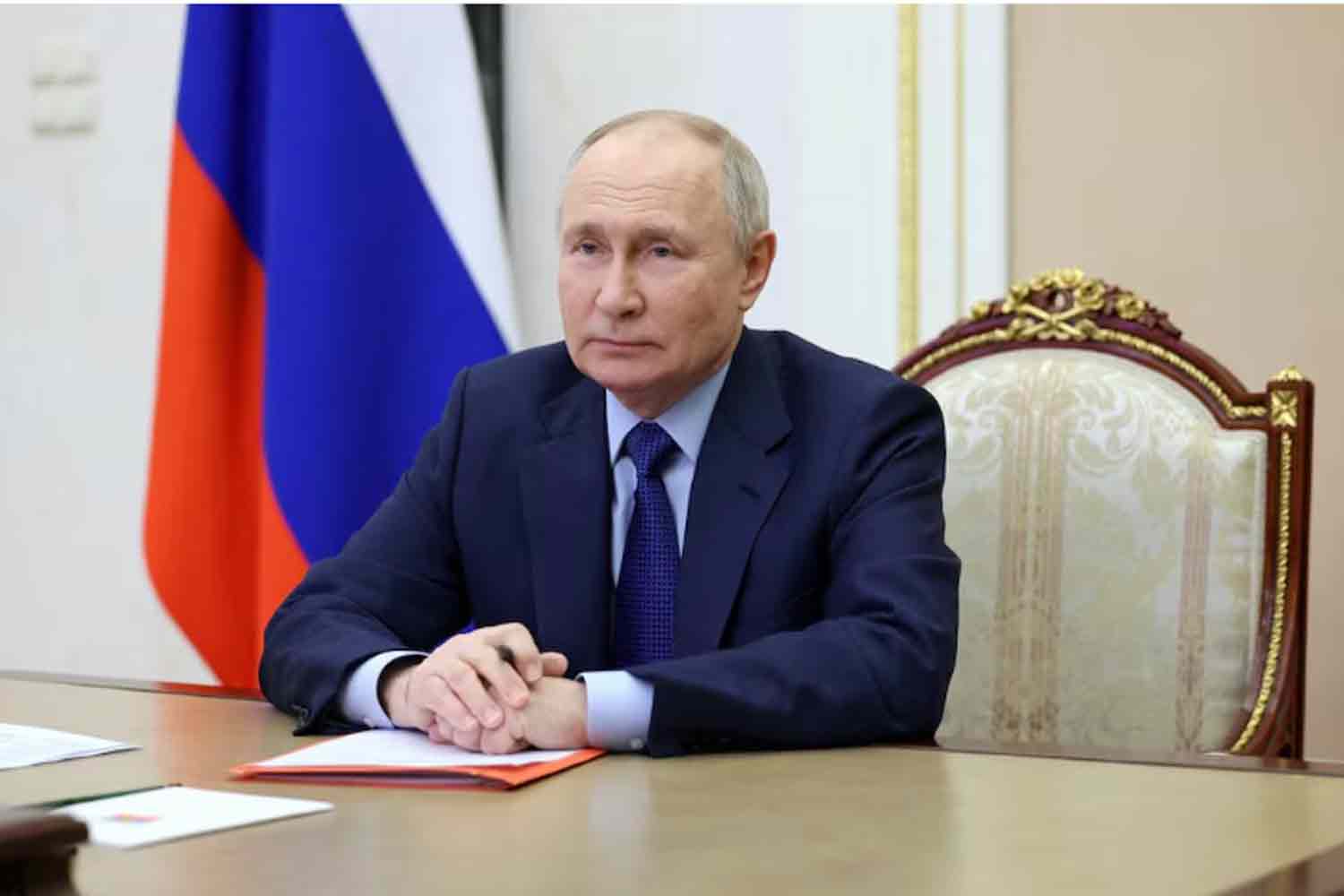
Russian President Vladimir Putin chairs a meeting

Reuters reported that Russia is increasingly enlisting American social media influencers to subtly sway voters in the lead-up to the 2024 presidential election, as indicated by U.S. officials and recently disclosed criminal indictments.

A senior intelligence official stated during a briefing on Friday, “What we observe is their reliance on both aware and unaware Americans to disseminate, endorse, and lend credibility to narratives that align with the interests of these foreign entities.

These nations often determine that Americans are more inclined to trust the perspectives of their fellow citizens.” This strategy is regarded by U.S. security agencies as one of Russia’s favored methods this election cycle, aimed at making their foreign psychological operations seem more genuine.

Experts note that these operations generally aim to incite anger among Americans, underscore societal rifts, and amplify partisan rhetoric while casting doubt on the U.S. government’s efficacy and its role in global security.

Another senior U.S. intelligence official emphasized in a July briefing on election security, “We are concentrating on these tactics because it is crucial for the American public to recognize that the content they encounter online, particularly on social media, may be foreign propaganda, even if it appears to originate from fellow Americans.

In essence, foreign influence agents are becoming more adept at concealing their involvement and utilizing Americans to achieve their goals.”

On Wednesday, the Justice Department announced criminal charges against two former employees of the Russian media organization Russia Today (RT), who are accused of secretly financing an American political media firm.

The indictment details an alleged operation in which the Russians transferred approximately $10 million to two media entrepreneurs, Lauren Chen and Liam Donovan, who subsequently compensated American conservative influencers to produce videos and social media content.

Some of these commentators had previously disseminated anti-Ukraine material, which aligned with the objectives of the initiative. Chen and Donovan did not provide a response to a request for comment.

The U.S. Army is exploring a new ground logistics robot known as MMET

0

The U.S. Army is in the process of establishing requirements for a new unmanned ground transport vehicle that will be larger than the robotic mule but smaller than a transport truck, as disclosed by a service official to Breaking Defense. Kevin Mills, the deputy executive director for the Army Combat Capabilities Development Command’s Ground Vehicle Systems Center, emphasized that the requirements are still in the preliminary stages and that significant work remains to define them. However, he noted a clear need that the Army has recognized and intends to address.

Mills explained, “We have the Palletized Load System (PLS) for larger tactical resupply trucks and the Small Multipurpose Equipment Transport (SMET), which creates a noticeable gap between the two.” The SMET is a compact, eight-wheeled robot capable of transporting approximately 1,000 pounds of equipment and supplies on the battlefield, while the PLS is a substantial logistics truck weighing over 50,000 pounds.

To address this gap, the Army is designating the new initiative as the Medium Multipurpose Equipment Transport (MMET). “That’s why we refer to it as medium,” Mills clarified. “We aim to conduct some experimentation to refine the requirements, but we are still in the early stages.”

Currently, the Combined Arms Support Command’s Sustainment Center of Excellence is drafting the MMET requirements, and various industry stakeholders are anticipating further details regarding the forthcoming plans. Should the development of the medium transport advance, it will complement a range of other ground robots being developed by the Army, including the SMET robotic mule, the Robotic Combat Vehicle (RCV), and the Ground Expeditionary Autonomy Retrofit Systems (GEARS).

L3Harris is responding to the Department of Defense’s initiative for enhanced competition, ensuring a secure future for the nation and democracy globally.

Germany has acquired the first IRIS-T anti-missile system for its forces

0

Germany’s armed forces have officially received their first IRIS-T SLM air defense system, having previously prioritized its production for Ukraine following the onset of the Russian invasion in 2022. During the inauguration ceremony held at a military base in Todendorf, northern Germany, Chancellor Olaf Scholz remarked, “A new chapter of European air defense is unfolding.” He emphasized the significance of this development for maintaining security and peace across Europe, while also defending the decision made earlier in the summer to station American intermediate-range missiles in Germany.

The system unveiled on Wednesday represents the first of six IRIS-T SLM units that will be supplied to the Bundeswehr. This initiative is part of the German government’s broader strategy to address a long-standing deficiency in the air defense capabilities of both the national military and the European continent as a whole.

Chancellor Scholz noted the effectiveness of the IRIS-T system in Ukraine, where it has acted as a formidable defense against the numerous missiles launched by Russia, successfully intercepting over 250 projectiles of various types. He asserted a remarkable hit rate of 95% and expressed optimism that this system would serve as a foundational element of European air defense beyond Germany’s borders.

Initially designed as an air-to-air missile, the IRIS-T has been adapted for air defense through the Surface Launch Standard (SLS) variant and the significantly modified Surface Launched Missile (SLM) version. To date, Ukraine has received four IRIS-T SLM systems and three IRIS-T SLS units, with an additional 17 systems expected, four of which are scheduled for delivery in 2024.

Chancellor Scholz remarked that enhancing European air defenses was “long overdue,” particularly in light of Russia’s full-scale invasion of Ukraine, which has reignited focus on military readiness under the concept of “Zeitenwende,” marking the beginning of a new era. A key initiative emerging from this new era is the German-led European Sky Shield Initiative, aimed at coordinating the procurement and operation of air defense systems.