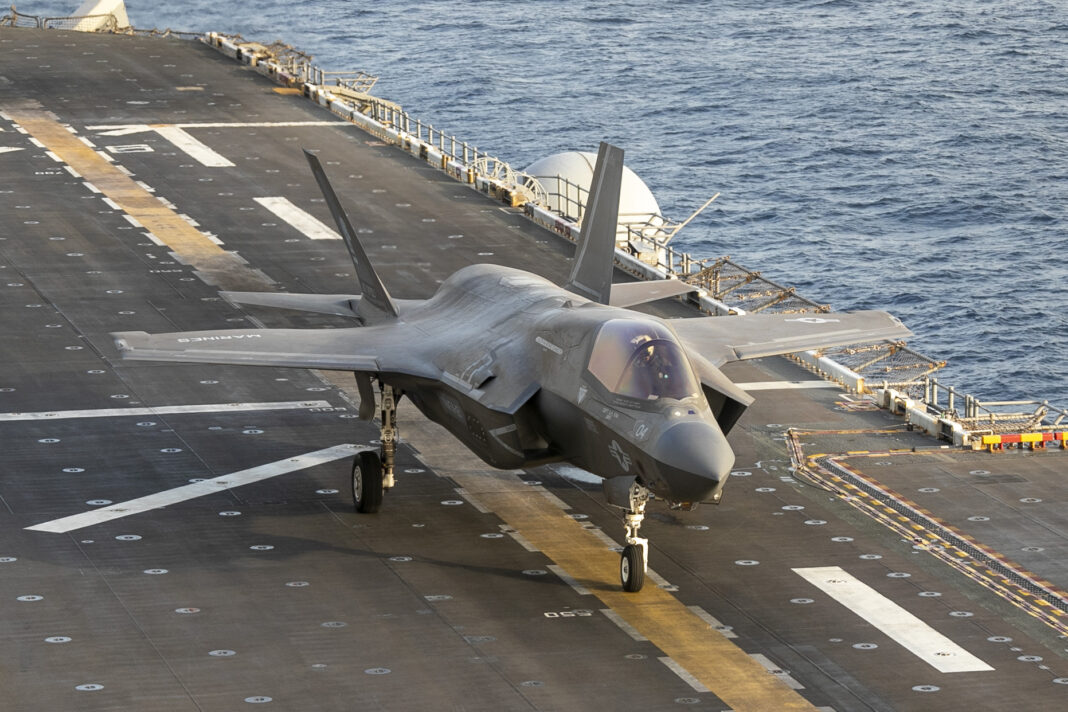
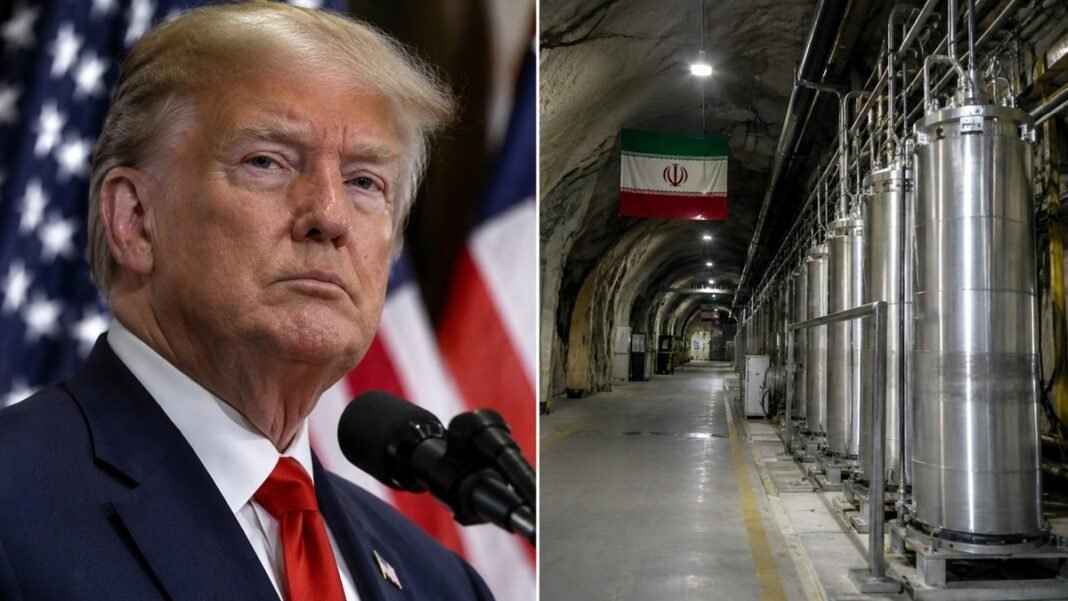
The United States may have inflicted substantial damage on Iran’s military and nuclear infrastructure, but the strategic consequences of the nine-month conflict could extend far beyond the battlefield. In Tehran, the war appears to have reinforced a potentially consequential lesson: even the world’s most powerful military may face growing political constraints when attempting to sustain a prolonged confrontation against Iran.
The central question is no longer simply whether President Donald Trump can resume military operations against the Islamic Republic. It is whether the United States, regardless of which party controls the White House in the future, will retain the political appetite for another large-scale military campaign.
Iranian decision-makers may increasingly believe that the answer is no.
That perception could become one of the most consequential outcomes of the war. If Tehran concludes that Washington’s willingness to launch another prolonged military operation has been weakened by economic disruption, domestic political opposition and the risk of regional escalation, Iran could reassess the strategic value of its nuclear programme.
The danger for Washington is that a military campaign launched to prevent Iran from acquiring nuclear weapons could ultimately strengthen the argument inside Tehran that only a nuclear deterrent can prevent another American or Israeli attack.
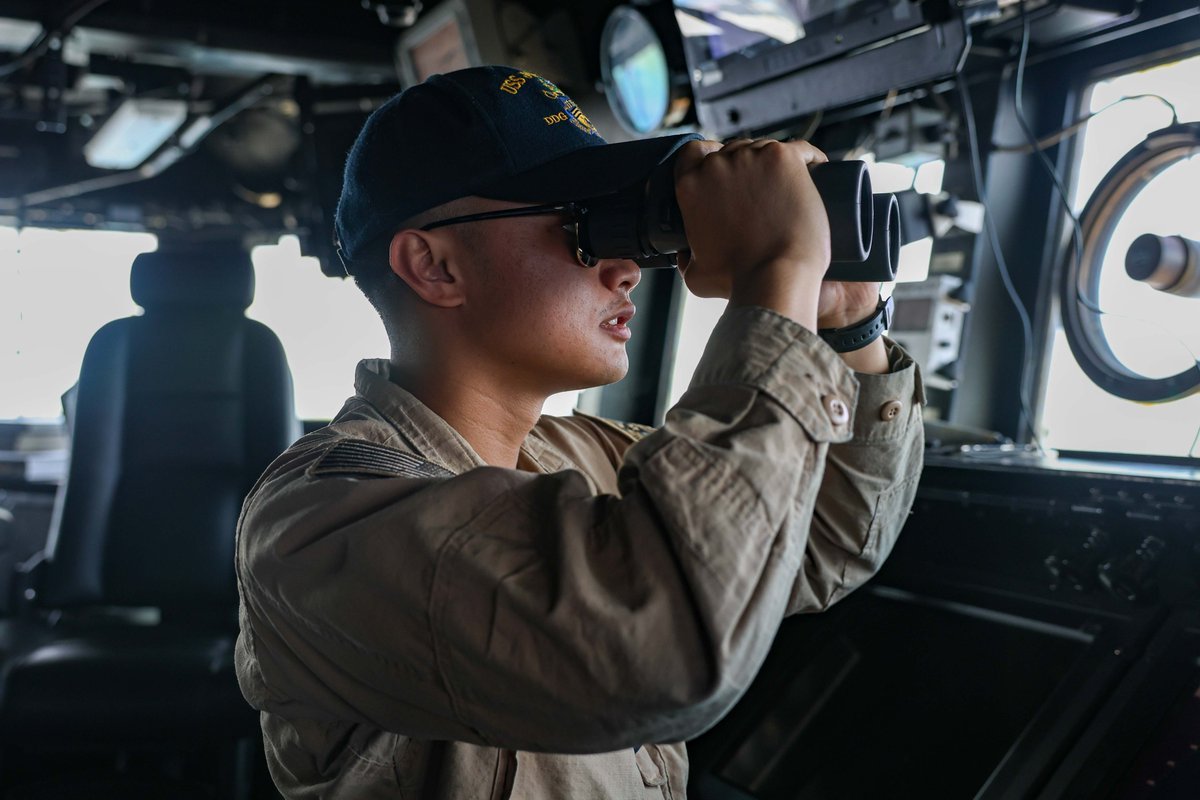
Nine Months of War: Why Tehran Believes Washington Has Lost Its Appetite for Another War
The November 3 US midterm elections have added a new political dimension to the conflict. Trump’s Republican Party suffered a difficult electoral setback, with the Iran war becoming one of the issues weighing on the administration. The political consequences are particularly important because Democrats are expected to take control of Congress in January 2027, potentially increasing scrutiny of military spending, war objectives and the administration’s strategy towards Iran.
A November 12 report by Deutsche Welle examined how the midterm results had changed the political environment surrounding the war. President Trump has described the military campaign as effectively over, while Secretary of State Marco Rubio has argued that Washington no longer needs major combat operations because economic pressure and negotiations could achieve its objectives.
For Tehran, the election results may reinforce the belief that the United States has limited political space for another prolonged confrontation.
This does not mean Iran believes the US military has lost its ability to strike. Washington retains overwhelming conventional military superiority and considerable capacity to conduct air and naval operations. The distinction is between military capability and political willingness to use that capability over an extended period.
That distinction is at the heart of the emerging deterrence problem.
Trump chooses economic pressure over another major bombing campaign
The latest developments suggest that Washington is attempting to force Tehran into concessions without immediately returning to a full-scale military campaign.
According to a November 17 Reuters report, Trump has opted for a naval blockade and economic pressure rather than another major round of bombing. The administration believes that economic pressure could force Iran to accept restrictions on its nuclear programme without exposing US forces and regional allies to the risks of renewed hostilities.
However, Tehran has drawn a different conclusion.
Iranian leaders are demanding that Washington lift the blockade, release frozen Iranian assets, restore oil exports and end hostilities before substantive nuclear negotiations begin. Tehran also wants recognition of its role in managing passage through the Strait of Hormuz.
Washington, meanwhile, wants verifiable nuclear commitments from Iran at the beginning of any agreement.
This disagreement has created a strategic deadlock. Neither side wants to make the first major concession, while both appear convinced that the other side will eventually face greater pressure.
Reuters quoted former US Middle East negotiator Dennis Ross describing the situation as one in which neither side has good options. European officials also warned that the demands being made by Washington and Tehran remain politically difficult for the other side to accept.
The problem for Trump is that economic pressure may not produce the political outcome Washington expects. If Iran believes it has already survived the most dangerous phase of the military campaign, it may calculate that enduring sanctions and economic hardship is preferable to accepting an agreement that limits its strategic options.
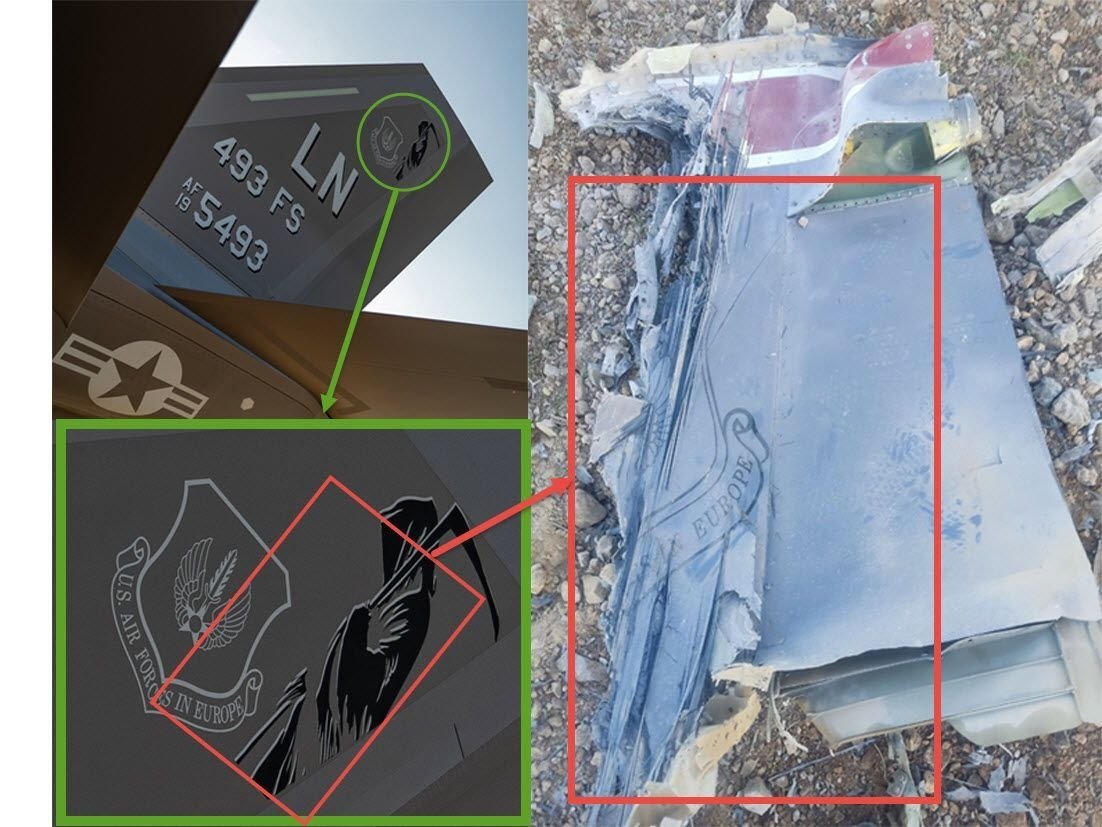
The real damage to US deterrence may be psychological and political
The most important consequence of the war may not be the destruction of military infrastructure but the lessons Iran believes it has learned about American decision-making.
Deterrence depends on more than possessing advanced aircraft, aircraft carriers, precision-guided weapons and overwhelming technological superiority. It also depends on convincing an adversary that the political leadership is willing to use those capabilities and sustain the consequences.
The nine-month conflict has exposed the difficulty of maintaining that willingness when military operations threaten energy markets, regional stability and domestic political support.
The financial burden is also significant. A September 2026 Congressional Research Service assessment cited a Congressional Budget Office estimate that US military operations had cost approximately $38 billion by August 1. The report also highlighted Pentagon concerns about strategic ammunition inventory shortfalls and bottlenecks in replenishing military supplies.
These factors matter because a future American president considering military action against Iran would have to evaluate more than the likelihood of destroying specific targets.
The calculations would include:
-
The financial cost of another extended military campaign.
-
The availability of precision-guided munitions and other critical weapons.
-
The vulnerability of US military installations across the Middle East.
-
The possibility of Iranian attacks on Gulf energy infrastructure.
-
The impact of another confrontation on international oil and gas markets.
-
Domestic political opposition and congressional scrutiny.
-
The possibility of becoming involved in another open-ended regional conflict.
This creates a potentially serious problem for American deterrence. If Iran believes that Washington can inflict enormous damage but cannot politically sustain another prolonged war, Tehran may become more willing to challenge American demands.
However, it would be premature to conclude that US deterrence has collapsed. Washington still retains military options, and the presence of three American aircraft carriers in the region demonstrates that its capacity for military escalation remains substantial. The more important question is whether the administration can translate that military presence into credible political leverage.
Iran’s nuclear debate is becoming more dangerous

Perhaps the most consequential development is the growing debate inside Iran over whether the country should abandon its longstanding opposition to nuclear weapons.
For years, Iran maintained that its nuclear programme was intended for peaceful purposes and that nuclear weapons were prohibited under the religious ruling issued by former Supreme Leader Ali Khamenei.
The war has placed that position under increasing pressure.
On November 12, Iran’s Assembly of Experts called for a review of the country’s defence doctrine and its membership in the Nuclear Non-Proliferation Treaty (NPT), describing the need to establish adequate deterrence as an unavoidable necessity.
The development is significant because the Assembly of Experts is a powerful constitutional institution responsible for appointing and overseeing Iran’s supreme leader. Although it does not directly determine nuclear policy, its intervention gives institutional weight to calls for reconsidering the country’s nuclear posture.
The debate is no longer confined to political commentators or hardline parliamentarians.
Iranian lawmakers have openly argued that nuclear weapons could prevent future American and Israeli attacks. On November 9, lawmaker Hamidreza Gudarzi argued that acquiring nuclear weapons would provide Iran with a deterrent against external threats.
There is, however, an important distinction between political pressure to acquire nuclear weapons and an official decision to build them.
Iran’s Supreme National Security Council Secretary Mohsen Rezaei said on October 31 that no formal decision had been taken to change the country’s nuclear doctrine, although the issue was being discussed. Iran’s Foreign Ministry has also maintained that the country remains committed to the NPT.
Nevertheless, the political direction of the debate is worrying for Washington.
The central argument gaining ground among Iranian hardliners is that compliance with international nuclear restrictions did not prevent military attacks against the country. From this perspective, remaining without a nuclear deterrent could leave Iran permanently vulnerable to future military intervention.
The war may therefore have strengthened the political argument for nuclear weapons even if it has damaged parts of Iran’s nuclear infrastructure.
The uranium problem: Military strikes have not resolved the nuclear question
Another major complication concerns Iran’s highly enriched uranium stockpile.
Reuters reported on November 17 that European and Western officials believe a significant portion of Iran’s highly enriched uranium may be buried deep inside the heavily fortified Pickaxe Mountain facility near the Natanz nuclear complex.
The assessment raises questions about how much of Iran’s nuclear capability was actually eliminated by military operations.
Iran has also refused to allow nuclear inspectors to return while the war continues, making independent verification more difficult.
This creates a difficult situation for Washington.
Destroying nuclear facilities does not automatically eliminate nuclear knowledge, technical expertise or the possibility of rebuilding enrichment infrastructure. Nor does it establish the precise location and condition of all nuclear material.
If Tehran decides to pursue a clandestine programme, the task of monitoring its nuclear activities could become even more complicated.
The International Atomic Energy Agency’s ability to verify Iran’s nuclear activities will therefore be central to any future diplomatic agreement.
Could the United States face a North Korea-style nuclear dilemma?
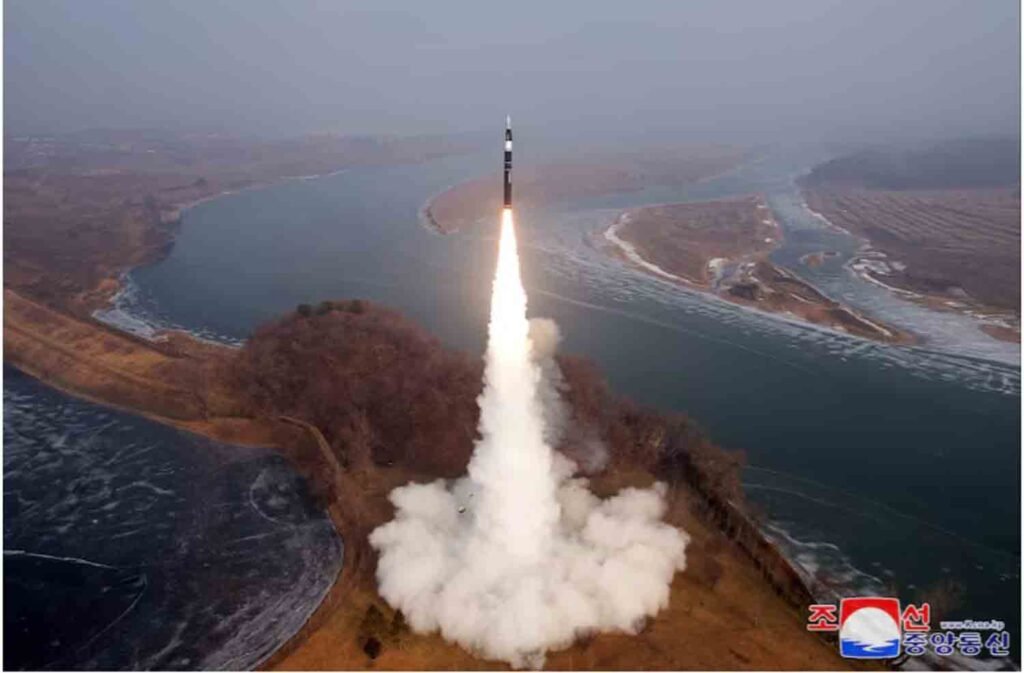
The emerging situation carries uncomfortable similarities to the strategic dilemma Washington faced with North Korea.
Pyongyang ultimately acquired nuclear weapons despite years of American diplomatic pressure, economic sanctions and military threats. Once North Korea developed a credible nuclear capability, the risks associated with attempting to eliminate it through military force became substantially greater.
Iran could seek to draw a similar lesson from the current conflict.
If Tehran believes that possessing nuclear weapons would make another American military campaign prohibitively dangerous, the incentive to pursue a nuclear deterrent could increase.
Washington could then face two increasingly difficult choices.
Option one: Military intervention. The United States could attempt to prevent Iran from acquiring nuclear weapons through another major military campaign. However, such an operation could trigger Iranian retaliation, threaten Gulf infrastructure, disrupt international energy supplies and create a wider regional conflict.
Option two: Strategic containment. Washington could accept that military action cannot reliably eliminate Iran’s nuclear ambitions and instead attempt to contain the programme through sanctions, intelligence operations, diplomacy and regional deterrence.
Neither option offers an easy solution.
The North Korea comparison is not exact. Iran has not publicly announced a decision to manufacture nuclear weapons, and there is no confirmation that it possesses a nuclear arsenal. Its nuclear capabilities, regional position and diplomatic circumstances are also different from those of North Korea.
Nevertheless, the strategic lesson is relevant: military action can delay nuclear proliferation without necessarily eliminating the political motivation behind it.
The Strait of Hormuz gives Iran another source of leverage
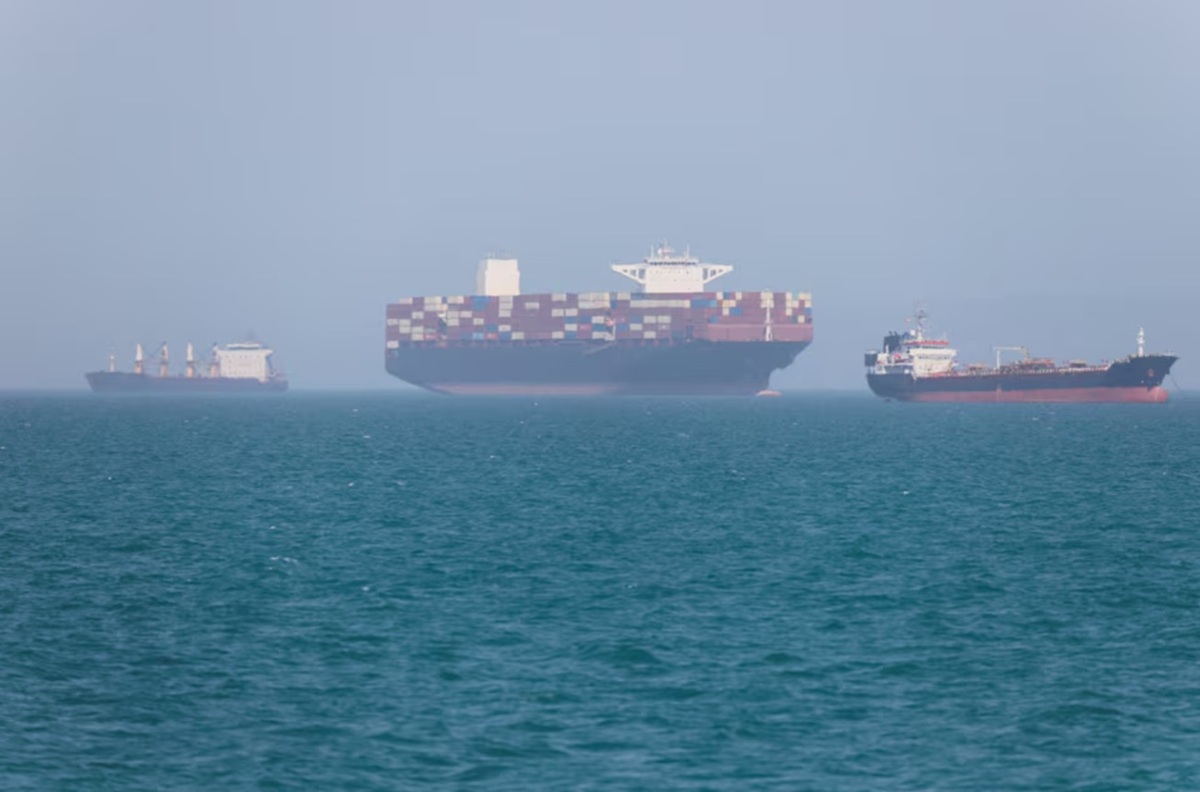
Iran’s ability to threaten maritime traffic through the Strait of Hormuz remains an important factor in Washington’s calculations.
The waterway is one of the world’s most important energy transit routes. Any sustained disruption could affect oil and liquefied natural gas supplies, increase shipping and insurance costs, and create inflationary pressure across international markets.
The Congressional Research Service documented how Iranian threats and attacks on commercial shipping disrupted traffic through the strait during the conflict, generating wider risks for global energy markets.
This is one reason renewed American military action could carry consequences beyond the battlefield.
Iran does not need to defeat the US Navy in a conventional confrontation to impose economic costs. Threats to commercial shipping, attacks on regional infrastructure and the possibility of escalation can create pressure on Washington’s Gulf partners and international energy markets.
Reuters reported that Gulf governments warned Trump that renewed bombing could provoke Iranian retaliation against their infrastructure. The same report cited the Gulf Cooperation Council secretary-general as saying that member states had been hit by more than 7,000 Iranian missiles and drones during the war.
For Iran, this provides an additional layer of strategic leverage.
It also explains why the conflict has become more complicated than a conventional assessment of American and Iranian military strength would suggest.
Why future US presidents may hesitate to attack Iran
The argument that no future Republican or Democratic administration would ever launch another prolonged military campaign against Iran is necessarily speculative. American presidents retain considerable authority to order military operations, and a major Iranian nuclear breakthrough or attack against US forces could fundamentally change the political calculations in Washington.
However, the political and economic consequences of this conflict could influence future decision-making across party lines.
Democratic administrations may be reluctant to inherit another expensive Middle Eastern war. Republican presidents may face similar resistance from voters concerned about military casualties, energy prices and the costs of overseas intervention.
The war could therefore establish a higher political threshold for another American military campaign.
This is the distinction Tehran may be trying to exploit: the United States can retain overwhelming military superiority while becoming less willing to use that superiority in a prolonged conflict.
For Iran, even the belief that future American presidents will hesitate could provide strategic encouragement.
For Washington, the challenge is to prevent that perception from becoming an established assumption in Tehran’s security calculations.
The strategic paradox: A war to stop nuclear weapons could encourage their development
The central contradiction of the nine-month conflict is becoming increasingly visible.
Washington entered the war with the objective of preventing Iran from acquiring nuclear weapons and reducing the military capabilities that could threaten the United States and its regional partners.
Yet the consequences could move the strategic debate in the opposite direction.
Military attacks have not eliminated Iran’s nuclear knowledge, and the status of its highly enriched uranium remains uncertain. Meanwhile, influential political and religious institutions in Tehran are now calling for a reassessment of the country’s nuclear doctrine and defence strategy.
The conflict may also have convinced sections of Iran’s political establishment that conventional military capabilities alone cannot guarantee national security against a technologically superior adversary.
If that assessment gains acceptance among Iran’s decision-makers, the argument for acquiring nuclear weapons could become stronger.
This does not mean Iran will inevitably build a bomb. Economic pressures, international isolation, internal political disagreements and the risk of another attack remain significant obstacles.
But the strategic environment has changed.
The United States may still possess the military power to strike Iran again. What is increasingly uncertain is whether another campaign would produce a lasting political and strategic outcome.
The most important question is therefore not whether Washington can launch another war against Iran. It is whether it can prevent Tehran from concluding that the price of acquiring nuclear weapons is lower than the price of remaining without them.
If that calculation takes hold, the United States could discover that a military campaign intended to strengthen nuclear non-proliferation has instead made the prospect of an Iranian nuclear deterrent more politically attractive.
And that would represent a major strategic setback for Washington, regardless of how much damage its military operations inflicted on the battlefield.