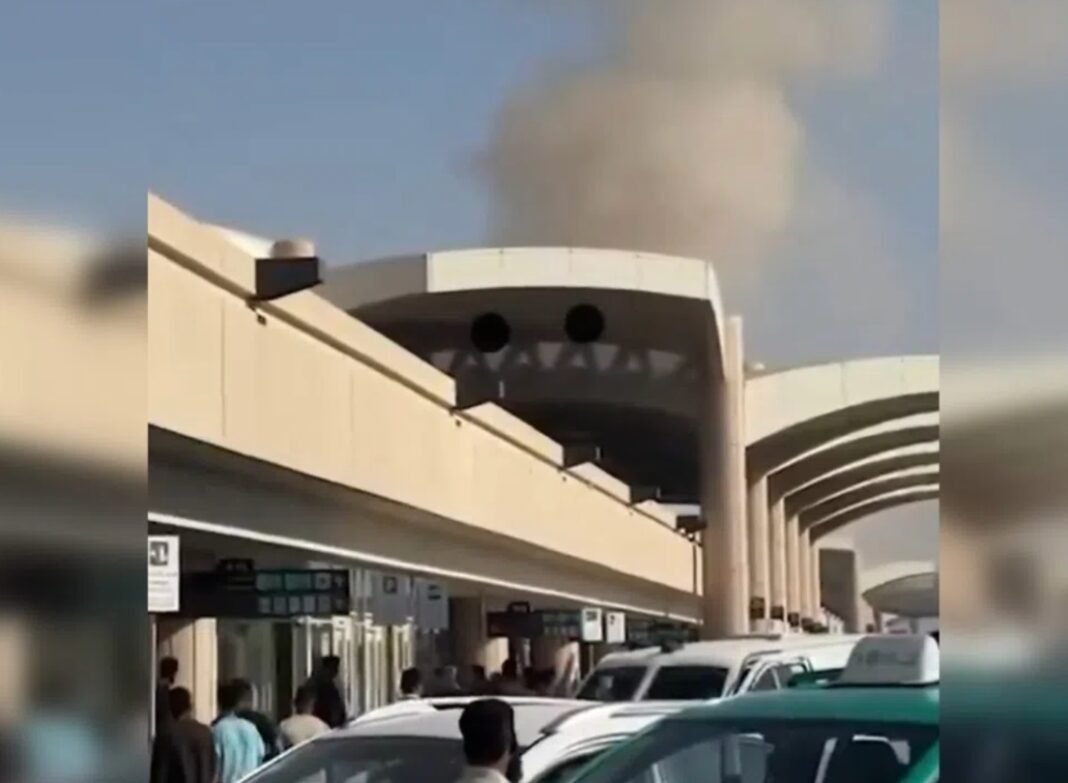
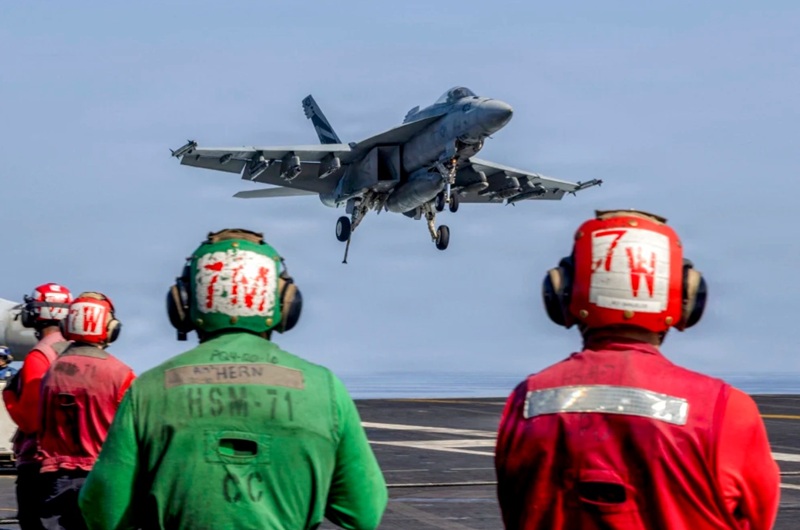
Rising attacks on shipping in the Strait of Hormuz, stalled diplomacy and the approaching US midterm elections are increasing the risk of another confrontation between Washington and Tehran. But after previous military campaigns, the central question remains: can further strikes deliver a lasting strategic victory, or will they simply prepare the ground for another war?
The possibility of renewed military action against Iran is once again becoming a major concern for the Middle East, as attacks on commercial shipping intensify, diplomatic efforts remain stalled and Washington faces growing pressure to restore security in the Persian Gulf.
The immediate danger lies in the widening confrontation around the Strait of Hormuz, one of the world’s most important energy transit routes. Iran’s attempts to pressure the United States through maritime disruption are raising the economic costs of the conflict, while Washington must decide whether to maintain its existing military posture or launch another offensive.
The political calendar adds another layer of uncertainty. The United States will hold its midterm elections on November 3, 2026, and the period between the election and the new Congress taking office on January 3, 2027, could create a different political environment for President Donald Trump.
However, the prospect of renewed military action should not be confused with a decision to launch it. The administration must weigh the military benefits of additional strikes against the risks of retaliation, rising energy prices, regional instability and an open-ended commitment.
Recent reporting suggests that the possibility of renewed US-Israeli military action has been discussed at senior levels. Reuters reported on October 14 that Iran was changing its tactics against shipping amid the wider confrontation, while Axios reported on October 13 that Trump and Israeli Prime Minister Benjamin Netanyahu had discussed the possibility of a major operation against Iran. Neither report establishes that a new campaign has been definitively approved.
The strategic problem remains unresolved: even if another campaign inflicts greater damage on Iran, what political or security outcome would it deliver that previous military operations failed to achieve?
Strait of Hormuz: Iran’s Economic Pressure Point
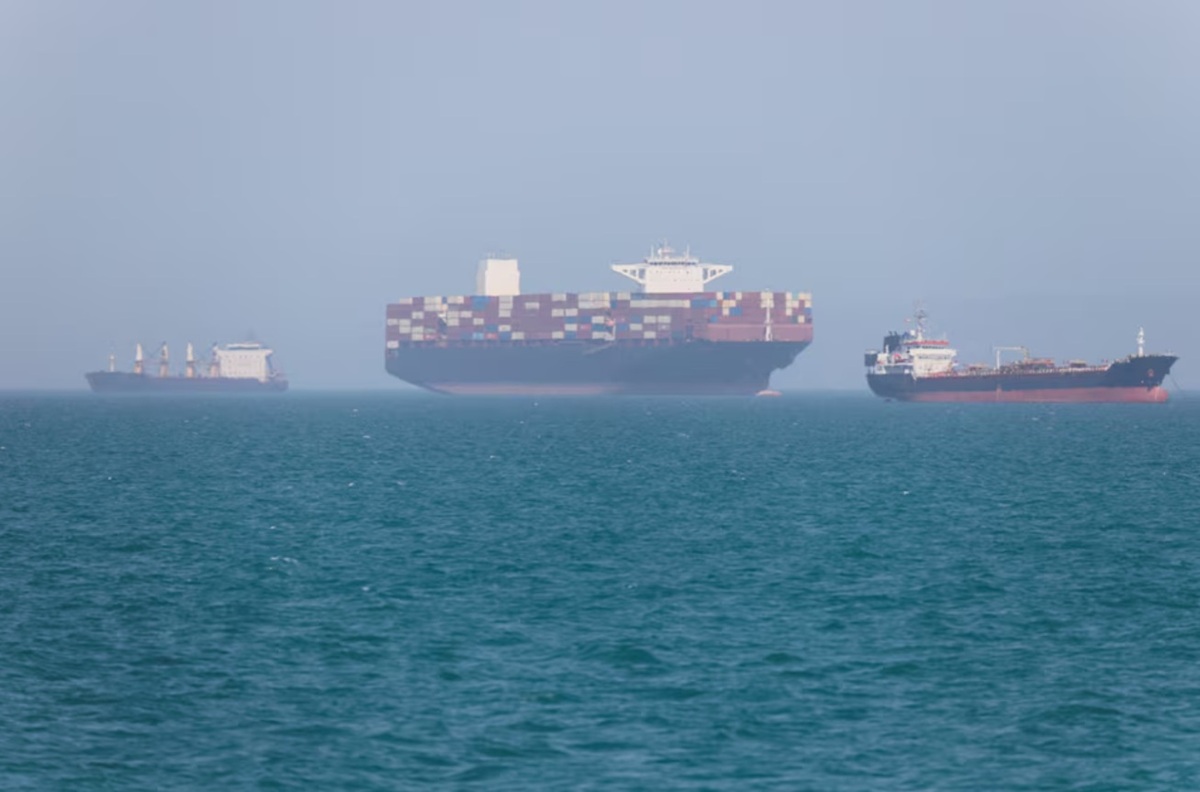
Iran’s maritime strategy reflects an understanding that the economic consequences of a conflict can extend far beyond the battlefield.
The Strait of Hormuz connects the Persian Gulf with the Gulf of Oman and the Arabian Sea. Before the current conflict, it carried approximately 20 million barrels of oil and petroleum products per day, equivalent to roughly one-fifth of global petroleum consumption, according to the US Energy Information Administration.
The waterway is also a major route for liquefied natural gas exports, particularly from Qatar. Its importance to Asian energy markets means that disruption can affect countries far removed from the immediate confrontation.
The latest developments have heightened these concerns. Reuters reported on October 14 that Iran was changing its approach to attacks on shipping, while Al Jazeera reported on October 17 that at least 12 ships had been attacked during the preceding week, according to the United Kingdom Maritime Trade Operations organisation. The precise number of incidents remains difficult to establish because some vessel operators have not reported attacks.
For Tehran, maritime pressure can serve several purposes simultaneously.
First, it increases the economic cost of the confrontation for Washington and its partners. Second, it raises uncertainty in global energy markets. Third, it forces the United States to allocate military resources to protecting commercial shipping. Finally, it creates diplomatic pressure from countries that depend on uninterrupted energy supplies.
This approach does not require Iran to defeat the US military conventionally. It requires Tehran to demonstrate that the economic and security costs of continuing the conflict may exceed the benefits Washington expects to obtain.
However, the strategy carries substantial risks for Iran itself. Sustained disruption could provoke stronger US military action, damage Iran’s remaining economic relationships and encourage additional regional cooperation against Tehran.
The same pressure that raises the cost of war for Washington could also increase the cost for Iran.
Why Oil Prices Matter to Trump’s Calculations
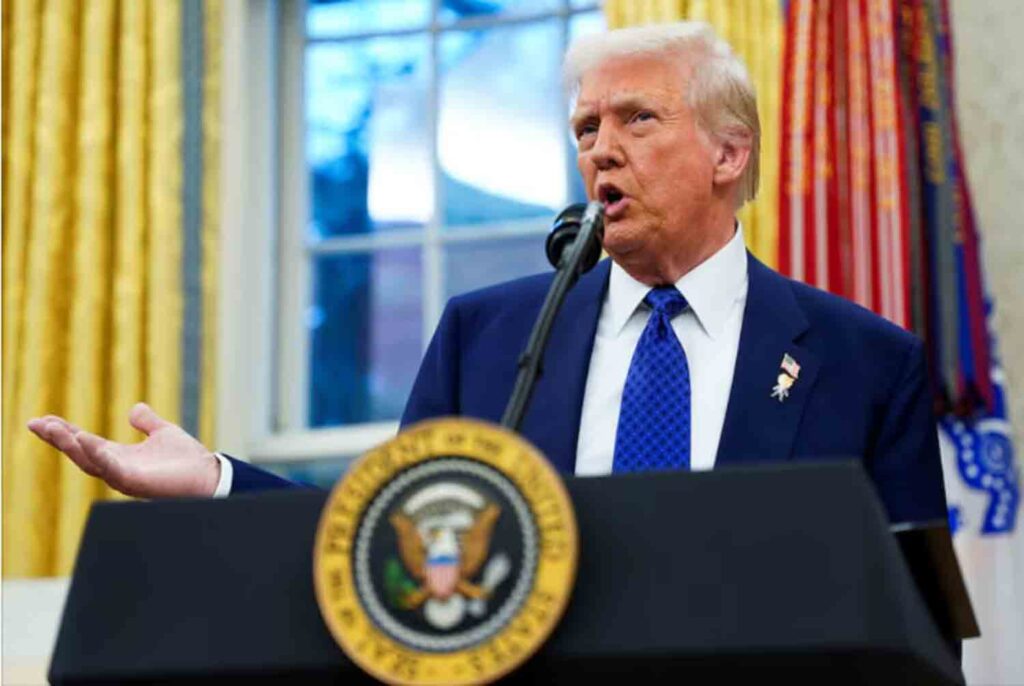
Energy markets are a central part of the strategic equation.
The United States is less directly dependent on Gulf oil shipments than many Asian economies, but it is not insulated from global price movements. Oil is traded in an interconnected market, meaning a disruption to supplies from the Persian Gulf can affect fuel prices, transport costs and inflation internationally.
The consequences are particularly important for countries such as China, India, Japan and South Korea, which receive substantial volumes of energy through the Strait of Hormuz.
Higher oil prices could complicate the US administration’s domestic economic agenda ahead of the midterm elections. Consumers face higher petrol and transport costs, while businesses confront increased expenses across supply chains.
That creates a political incentive to seek a rapid resolution.
Yet the opposite calculation is also possible. If the administration believes that Iran’s maritime pressure has become intolerable, it could conclude that stronger military action is necessary to restore deterrence and reopen shipping routes.
The political effect of escalation is therefore uncertain. A successful operation that restores maritime security might strengthen the administration’s position. A prolonged conflict accompanied by higher fuel prices and further American casualties could produce the opposite result.
Iran may be attempting to exploit this uncertainty, but there is no guarantee that the strategy will influence Trump’s decisions in the way Tehran expects.
Why the Period After the US Midterm Elections Matters
The November 3 midterm elections provide an important political marker, but the period immediately afterward should not be treated as a predetermined window for war.
The outgoing Congress will continue operating until the new Congress convenes on January 3, 2027. During that interval, the administration will still face political scrutiny, public opinion, market pressures and questions about the legal and strategic basis for military action.
Trump’s willingness to escalate could change depending on the election outcome, the condition of energy markets, the effectiveness of diplomatic efforts and the military situation in the Gulf.
A weakened domestic political position might make the administration more cautious about an expensive foreign conflict. Alternatively, the White House could judge that a limited military operation offers an opportunity to restore deterrence before the new political landscape takes shape.
Neither outcome is inevitable.
The more important consideration is whether Washington believes that military action can achieve clearly defined objectives at an acceptable cost.
An election calendar may influence the timing of a decision, but it cannot resolve the underlying strategic problem.
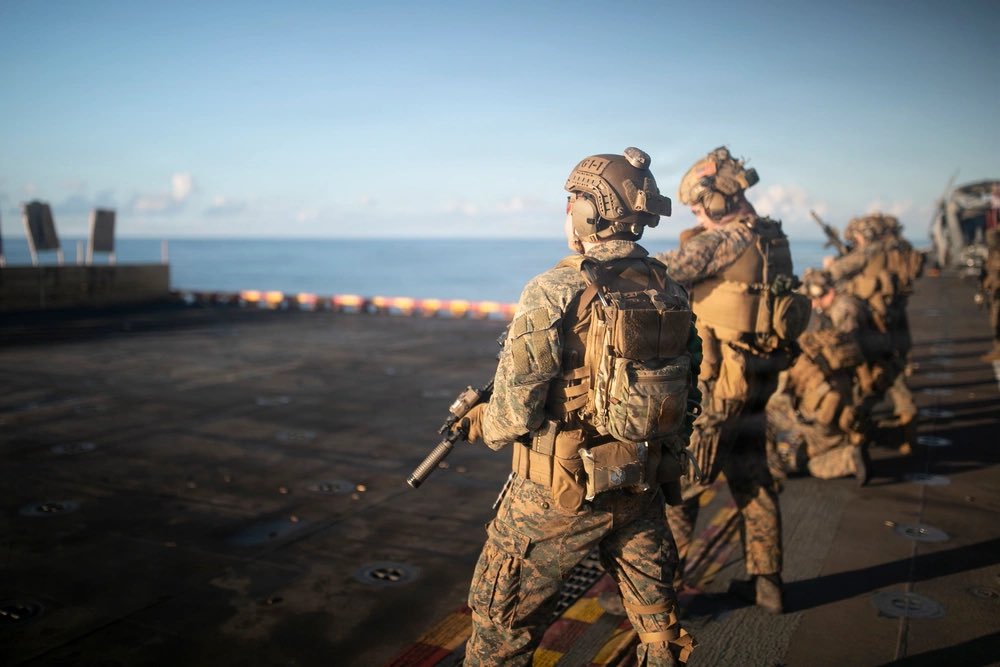
What Would Another US-Israeli Campaign Achieve?
This is the most important question facing Washington and Jerusalem.
Previous military operations may have damaged Iranian military infrastructure, disrupted specific capabilities and demonstrated the reach of US and Israeli forces. But tactical and operational achievements do not automatically translate into a durable strategic outcome.
A new campaign could pursue several objectives.
Destroying additional military capabilities: Strikes could target missile infrastructure, launch facilities, weapons production, command networks and other military assets. Such operations might reduce Iran’s ability to conduct attacks in the short term, depending on the targets struck and the extent of the damage.
Reducing the threat to shipping: Attacks against naval assets, coastal missile systems and military infrastructure could be intended to weaken Iran’s ability to threaten vessels in and around the Strait of Hormuz.
Restoring deterrence: Washington and Jerusalem might seek to convince Tehran that further attacks would carry unacceptable military costs.
Pressuring Iran’s leadership: A broader campaign could seek to influence Tehran’s political calculations by increasing the economic and military consequences of continuing the confrontation.
The difficulty is that none of these objectives guarantees a lasting political settlement.
Destroying weapons does not necessarily eliminate the capacity to rebuild them. Damaging command facilities does not guarantee that an adversary will abandon its strategy. And demonstrating military superiority does not necessarily compel the opposing leadership to accept the victor’s political demands.
A campaign can therefore succeed operationally while failing strategically.
Why Regime Change Is a Different Objective
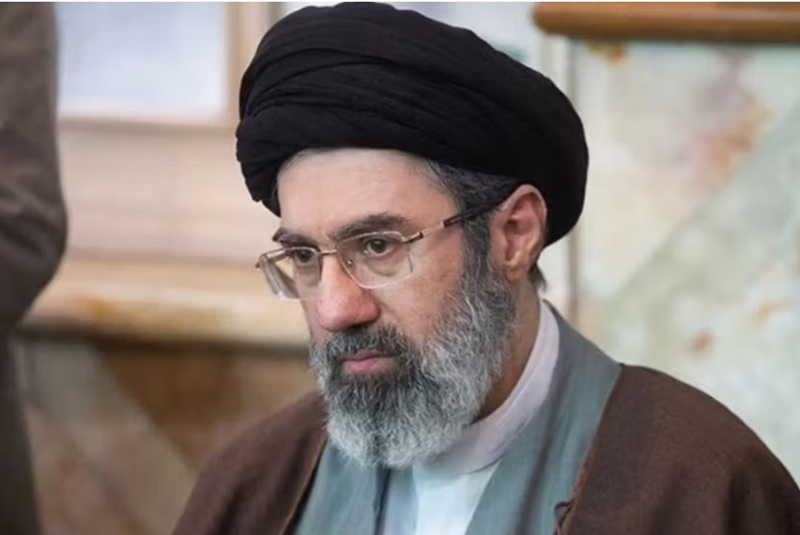
The question becomes even more complicated if the ultimate ambition is to bring about the collapse of Iran’s political system.
Military operations can weaken state institutions and destroy infrastructure, but regime change requires a different set of conditions.
Iran’s political system has established institutions, security organisations and networks of authority that cannot be assumed to collapse simply because military facilities have been damaged.
Even severe losses could produce different outcomes: internal political consolidation, leadership changes, increased repression, a negotiated settlement or a prolonged period of instability.
A military campaign cannot reliably determine which of these outcomes will follow.
There is also a danger that external attacks could strengthen hard-line arguments within Iran that compromise with Washington is impossible and that the country must prioritise military resilience.
That possibility does not mean military pressure can never influence political decisions. It means that the relationship between battlefield damage and political change is uncertain.
If regime change is the objective, the administration would need to explain how military operations are expected to produce that result, what political arrangement might follow and how the resulting instability would be managed.
Without answers to those questions, expanding the target list risks becoming an end in itself.
Iran’s Response Could Widen the Conflict
Another campaign would not take place in isolation.
Iran could respond through missile and drone attacks, maritime operations, cyber activity or actions involving regional armed groups aligned with Tehran. The scale and effectiveness of any response would depend on Iran’s remaining capabilities and the decisions of its leadership.
The Strait of Hormuz would remain particularly vulnerable to further disruption.
Even limited attacks on commercial vessels can increase insurance premiums, delay shipments and force companies to reconsider routes. If the confrontation spreads to additional Gulf facilities or energy infrastructure, the economic consequences could become considerably more severe.
A wider conflict would also place pressure on US regional partners, including Gulf Arab states that must balance their security relationships with Washington against the risks of becoming targets themselves.
The danger is a cycle in which each side interprets the other’s actions as evidence that greater force is required.
Washington could launch strikes to restore deterrence. Tehran could retaliate to demonstrate that the attacks have not eliminated its ability to impose costs. The United States could then expand its operations in response.
Such a sequence could transform a campaign intended to restore stability into a prolonged confrontation with no clear endpoint.
Diplomacy Still Has a Role
The absence of a credible diplomatic horizon is one of the most troubling aspects of the current situation.
Military pressure can influence negotiations, but it cannot replace the need to define an acceptable political outcome.
Any serious diplomatic framework would need to address the immediate threat to commercial shipping, the conditions for reducing military operations and the wider disputes driving the confrontation.
It would also need mechanisms for verifying commitments and responding to violations.
The challenge is that Washington and Tehran may have incompatible expectations. The United States may seek restrictions on Iranian military capabilities and guarantees for maritime security, while Iran may demand an end to attacks, sanctions relief or other security assurances.
A negotiated arrangement would therefore require concessions and credible enforcement mechanisms from both sides.
Diplomacy would not guarantee success. But without it, even a successful military campaign could leave the central dispute unresolved.
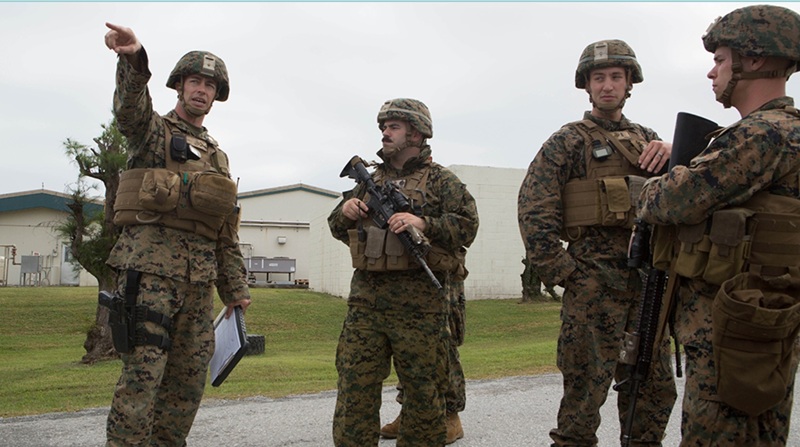
The Strategic Lesson: Military Success Is Not the Same as Victory
The current crisis illustrates a broader lesson about modern warfare.
Military power can destroy targets, disrupt supply chains and degrade an adversary’s capabilities. But strategic victory depends on whether those actions produce a more favourable and sustainable political reality.
If Iran retains the ability and motivation to threaten shipping after another campaign, Washington could find itself facing the same strategic problem despite inflicting additional damage.
If attacks decline temporarily but the underlying dispute remains unresolved, the confrontation could resume after Iran rebuilds its capabilities or changes its tactics.
And if military escalation produces a wider regional war, the costs could outweigh the immediate gains.
The relevant measure of success is therefore not simply the number of targets destroyed or the scale of infrastructure damage.
It is whether the campaign reduces the threat, establishes a credible deterrent, creates conditions for a political settlement and avoids a cycle of repeated warfare.
Conclusion: Before Another War, Washington Needs a Clear Endgame
The possibility of renewed US military action against Iran is becoming harder to dismiss as maritime attacks intensify and diplomatic efforts struggle to produce a settlement.
The approach of the US midterm elections adds a political dimension, while the economic consequences of disruption in the Strait of Hormuz increase pressure on Washington to restore stability.
Iran appears to be using the vulnerability of international shipping to raise the cost of the confrontation. The United States and Israel, meanwhile, face the challenge of deciding whether additional military operations would produce a meaningful improvement in their security.
The answer cannot be found solely in the military target list.
A further campaign could inflict greater damage on Iran, but that would not automatically eliminate its capacity to retaliate, end the confrontation or transform the political calculations that sustain it.
The central issue is whether Washington can identify a realistic objective and a credible path from military action to a durable outcome.
Before launching another campaign, the United States and Israel need to answer three questions: What exactly must change? How will military operations produce that change? And what happens if the adversary survives the strikes and the conflict resumes?
Without convincing answers, another campaign risks repeating the central failure of the previous ones: achieving operational success without securing a lasting strategic result.