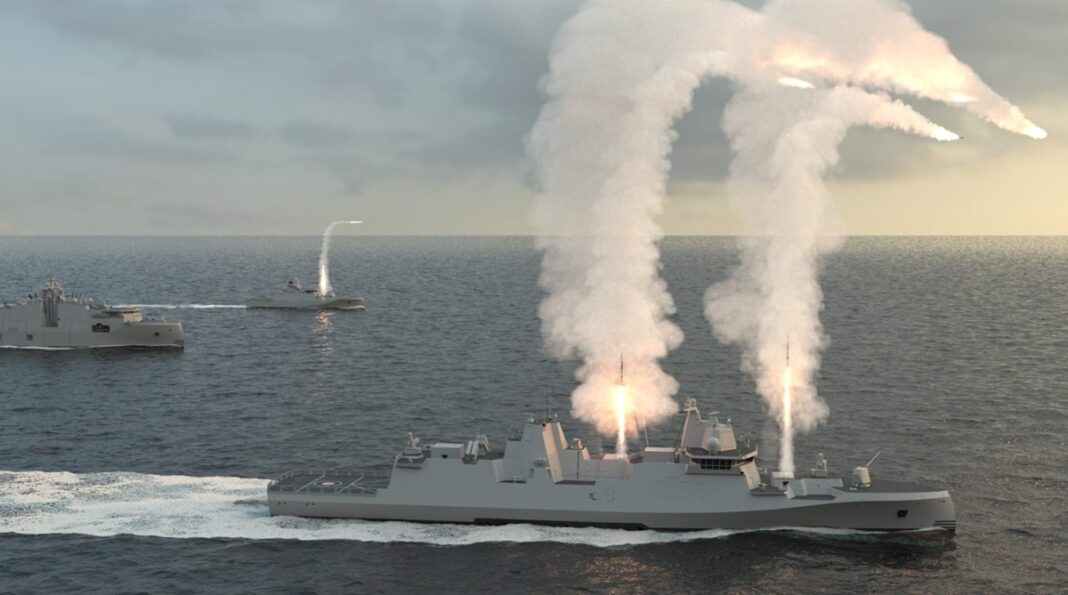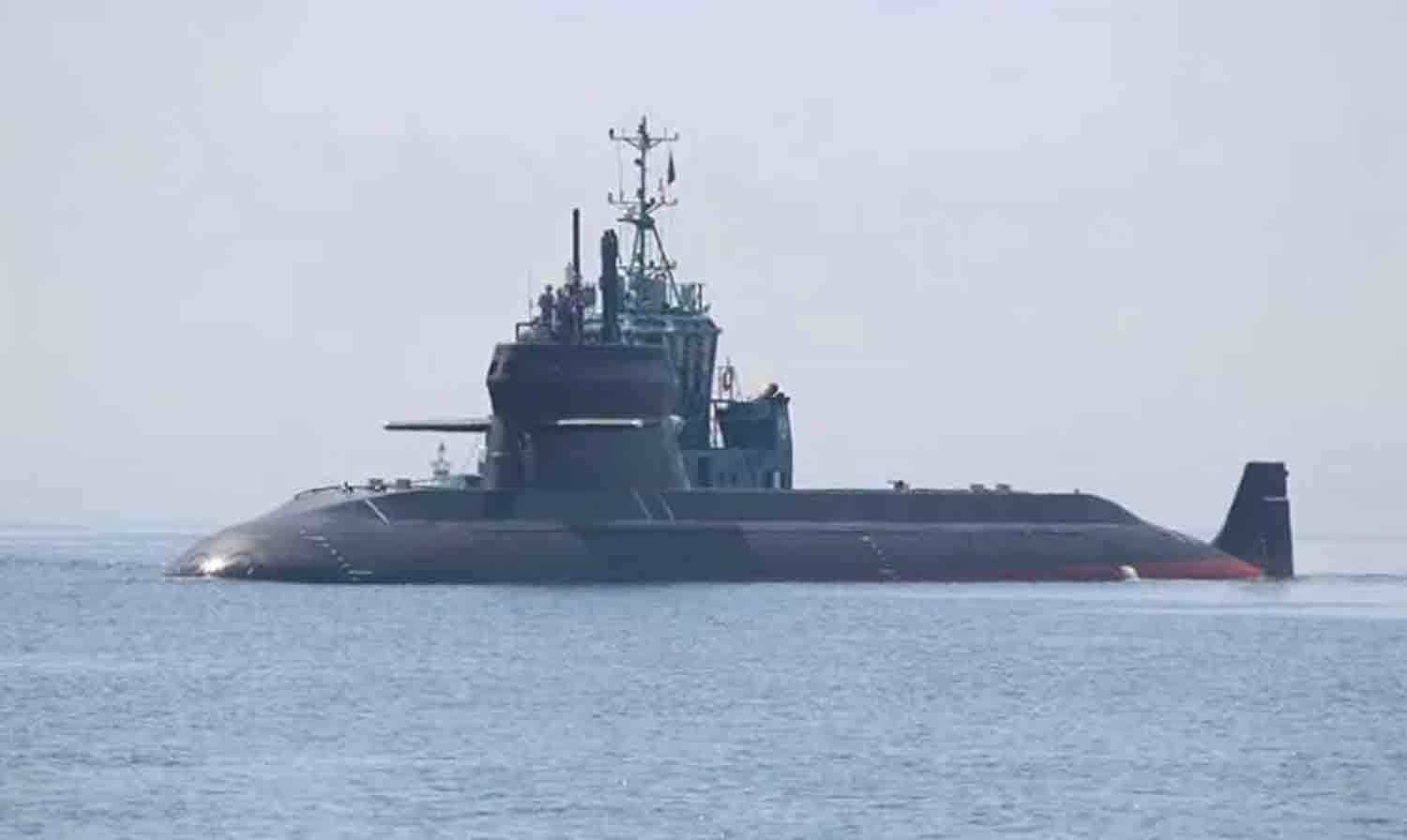
An Indian media report has claimed that Pakistan is undertaking a significant military and naval build-up near the Sir Creek region under a project reportedly named “Ababeel – The Divine Strike.”
According to CNN-News18, unnamed sources alleged that the project involves deploying naval special forces, drones, hovercraft, air defence systems, and additional maritime assets in the strategically sensitive area bordering the Arabian Sea.
Defence Talks has not independently verified these claims, and no official statement has been issued by the Government of Pakistan or the Pakistan Armed Forces confirming the existence of such a project.
Nevertheless, the report highlights the growing strategic importance of the Sir Creek region amid broader military modernization efforts on both sides of the India-Pakistan maritime boundary.
Why Sir Creek Matters
Sir Creek is a 96-kilometre tidal estuary located in the marshlands of the Rann of Kutch, separating Pakistan’s Sindh province from India’s Gujarat state.
Although the area itself is sparsely populated, it carries strategic importance because the unresolved maritime boundary affects:
- Exclusive Economic Zones (EEZs)
- Offshore energy exploration
- Fishing rights
- Naval access to the northern Arabian Sea
- Maritime surveillance
The dispute has remained unresolved for decades despite several rounds of bilateral negotiations.
Because the maritime boundary extends from Sir Creek into the Arabian Sea, control and monitoring of the area have broader implications for naval operations.
What Does the Indian Report Claim?
According to CNN-News18, the reported “Ababeel Project” includes several military initiatives near Sir Creek.
The report claims Pakistan has:
- Deployed Naval Special Service Group (SSG-N) commandos.
- Increased maritime security posts.
- Expanded naval patrols.
- Introduced unmanned aerial and maritime systems.
- Strengthened coastal defence infrastructure.
The report also alleges the deployment of:
- Turkish-made drones
- Chinese hovercraft
- High-speed patrol boats
- Rocket systems
- Air defence assets
However, none of these claims have been independently confirmed, and the report relies primarily on unnamed sources.
SSG-N Already Plays a Maritime Security Role
The report specifically highlights the Special Service Group-Navy (SSG-N).
The SSG-N is Pakistan Navy’s elite maritime special operations force responsible for missions including:
- Maritime counterterrorism
- Coastal reconnaissance
- Amphibious operations
- Offshore platform security
- Special reconnaissance
- Combat diving
- Hostage rescue
As with similar naval special forces worldwide, SSG-N units routinely train for operations across maritime and coastal environments.
The Indian report does not provide independent evidence showing that their deployment represents a new operational doctrine rather than normal force positioning.
Pakistan’s Naval Modernization Is Already Underway
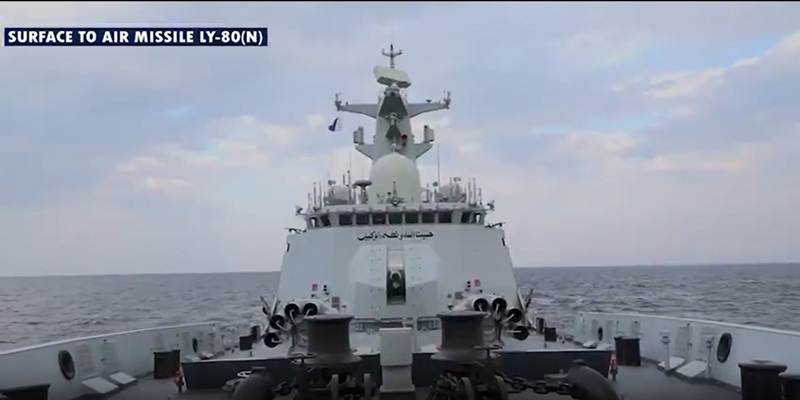
Regardless of the specific claims surrounding the reported “Ababeel Project,” Pakistan’s naval modernization is well documented through publicly announced procurement programs.
Over the past several years, Pakistan has pursued modernization across multiple areas, including:
Hangor-Class Submarines
Pakistan is acquiring Hangor-class diesel-electric submarines from China under one of the country’s largest naval procurement programs.
The new submarines are expected to enhance:
- Undersea warfare
- Maritime deterrence
- Anti-surface operations
- Anti-submarine capability
The first submarine has already been launched, while additional boats remain under construction.
Tughril-Class Frigates
The Pakistan Navy has also inducted Tughril-class (Type 054A/P) guided-missile frigates.
These ships significantly improve:
- Fleet air defence
- Anti-submarine warfare
- Surface warfare
- Maritime escort capability
They represent one of the most advanced surface combatants currently in Pakistan’s inventory.
Growing Use of Unmanned Systems
Like many modern armed forces, Pakistan has expanded its use of unmanned technologies.
Publicly available information indicates increasing emphasis on:
- Tactical UAVs
- Maritime surveillance drones
- Loitering munitions
- Networked reconnaissance
Whether these capabilities are specifically concentrated around Sir Creek, however, cannot be confirmed based on publicly available evidence.
China and Türkiye Continue Supporting Pakistan’s Defence Modernization
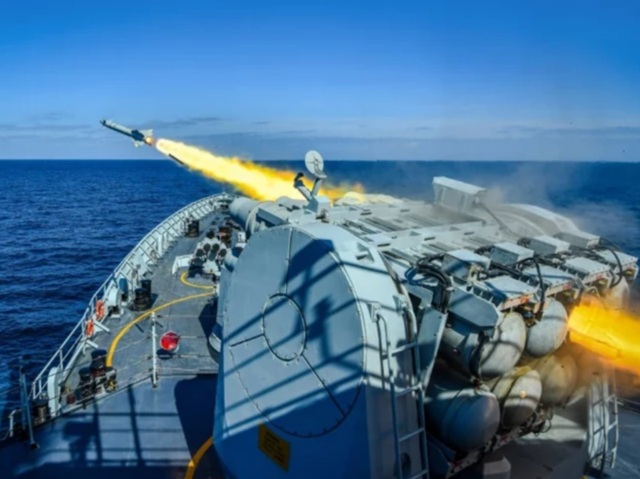
The report also points to growing defence cooperation between Pakistan, China, and Türkiye.
That broader trend is well established.
China remains Pakistan’s largest defence supplier, supporting programs including:
- JF-17 fighter aircraft
- Hangor-class submarines
- Type 054A/P frigates
- HQ-series air defence systems
- Various missile technologies
Türkiye has likewise expanded defence cooperation through:
- MILGEM corvettes
- Drone technologies
- Naval modernization
- Aerospace collaboration
These partnerships reflect Pakistan’s long-term strategy of diversifying and modernizing its military capabilities.
Rocket Force Claims Remain Unverified
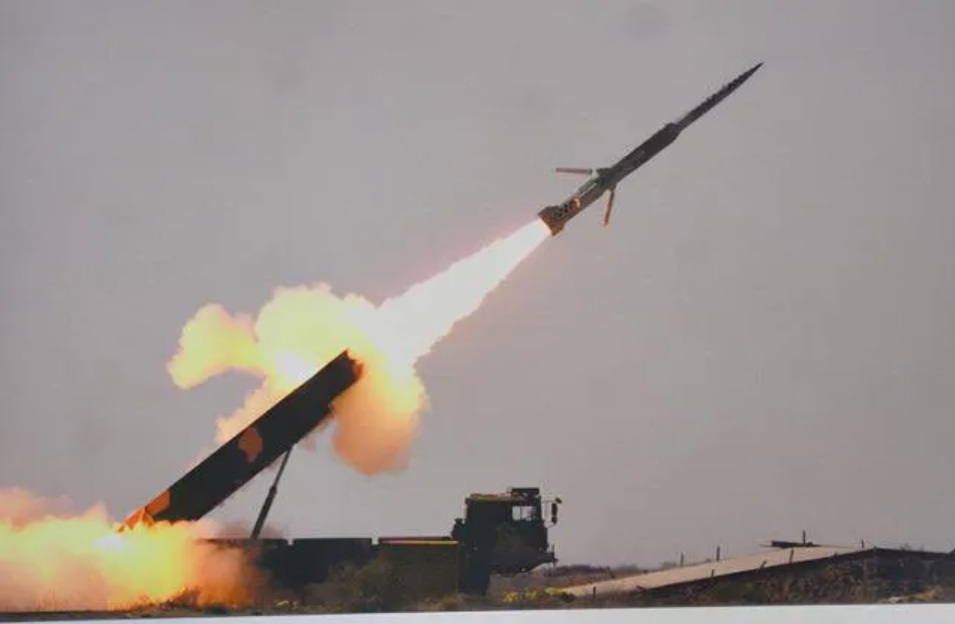
One notable aspect of the Indian report is its reference to a Pakistan Army Rocket Force operating alongside an integrated air defence system.
Pakistan has announced organizational reforms and has invested in long-range precision strike capabilities in recent years.
However, the specific structure, deployment, and operational role described in the report remain unverified, and no official Pakistani documentation confirming such deployments in the Sir Creek region has been released publicly.
Regional Military Competition Is Intensifying
The claims emerge against the backdrop of broader military modernization across South Asia.
India continues investing heavily in:
- Aircraft carriers
- Indigenous destroyers
- P-8I maritime patrol aircraft
- MQ-9B drones
- Long-range missiles
- Maritime surveillance networks
Pakistan, meanwhile, has prioritized:
- Submarine expansion
- Frigate acquisitions
- Coastal defence
- Precision strike capabilities
- Maritime domain awareness
As both countries modernize their naval forces, the northern Arabian Sea is becoming an increasingly important theatre for surveillance, deterrence, and sea control.
Strategic Assessment
If the claims reported by CNN-News18 are accurate, they would indicate Pakistan is placing greater emphasis on strengthening its coastal defence and maritime surveillance posture around the Sir Creek region through a combination of special operations forces, unmanned systems, and integrated naval assets.
However, the existence, scope, and operational details of the reported “Ababeel Project” remain unverified. The report relies on unnamed sources, and no official confirmation has been issued by Pakistani authorities.
What is clear from publicly available information is that Pakistan has been modernizing its naval capabilities over the past decade through submarine acquisitions, new frigates, unmanned systems, and expanded defence cooperation with China and Türkiye. Whether these developments are part of a single coordinated project centered on Sir Creek cannot currently be established.
As military competition in the northern Arabian Sea continues to evolve, the strategic importance of Sir Creek is likely to remain a focal point in India-Pakistan maritime security discussions.