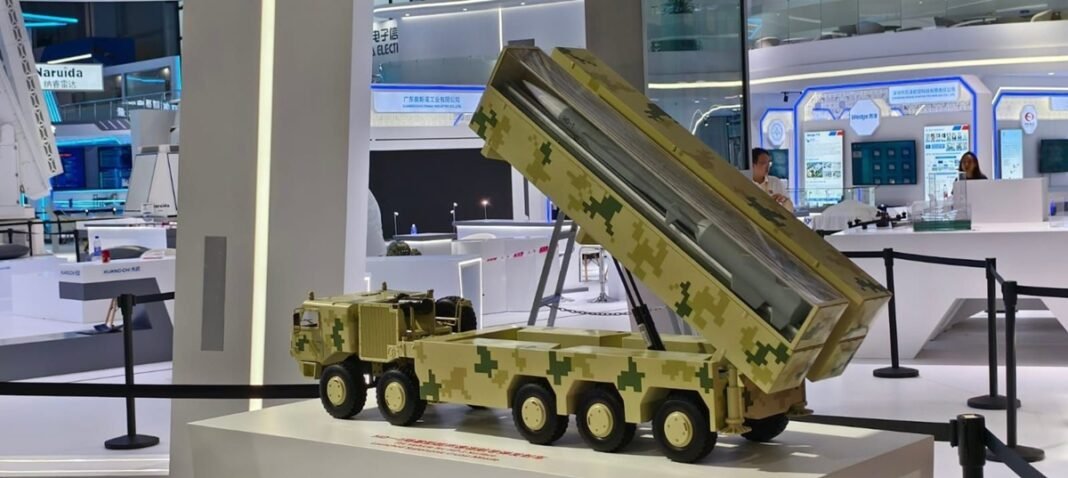
Pakistan’s military has successfully launched the Fatah-3 supersonic cruise missile, marking a significant development in the country’s conventional strike capabilities and the modernisation of the Army Rocket Force Command (ARFC). The new missile is designed to engage long-range targets at supersonic speeds, potentially adding a new dimension to Pakistan’s precision-strike capabilities.
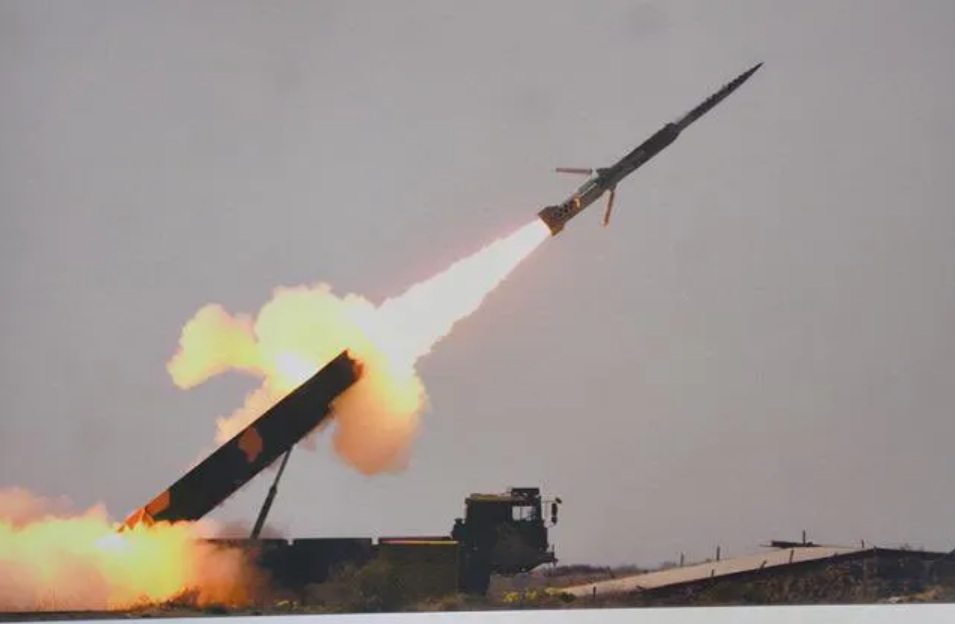
The Pakistan Army conducted the successful launch on November 18, 2026, according to the Inter-Services Public Relations (ISPR). The military’s media wing said the weapon system incorporates advanced navigation and propulsion systems and is capable of engaging targets at long ranges with high precision and lethality at supersonic speed.
ISPR said the Fatah-3 would significantly enhance the operational flexibility and strike reach of the Army Rocket Force Command, strengthening Pakistan’s conventional deterrence and overall defence posture.
The launch was witnessed by the Commander of the Army Rocket Force Command, senior officers of the Pakistan Armed Forces, and scientists and engineers associated with the programme.
The latest development comes as Pakistan continues to expand its conventional missile inventory and strengthen the capabilities of its newly established Army Rocket Force Command.
Fatah-3: A New Supersonic Capability for Pakistan’s Missile Programme
The Fatah-3 is particularly significant because it belongs to a different category of missile capability compared with earlier members of Pakistan’s Fatah family.
While the Fatah-1 and Fatah-2 are associated with guided rocket and surface-to-surface missile capabilities, the Fatah-3 is identified as a supersonic cruise missile.
Cruise missiles generally maintain powered flight through much of their journey, following an aerodynamic flight path rather than relying primarily on a ballistic trajectory.
Supersonic cruise missiles travel faster than the speed of sound, reducing the time available for an opposing air defence system to detect, track and respond to an incoming weapon.
The combination of propulsion technology, navigation and guidance systems is therefore central to their operational effectiveness.
The Fatah-3’s successful launch indicates progress in Pakistan’s efforts to develop and demonstrate this category of missile technology.
However, ISPR has not released specific figures concerning its maximum range, sustained cruise speed, payload, flight profile or terminal guidance system. These technical details should remain unconfirmed until further official information becomes available.
How Fatah-3 Fits Into Pakistan’s Fatah Missile Family
Pakistan’s Fatah programme has developed into a broader family of guided weapons intended to provide the armed forces with different conventional strike options.
The programme includes multiple variants with different operational characteristics.
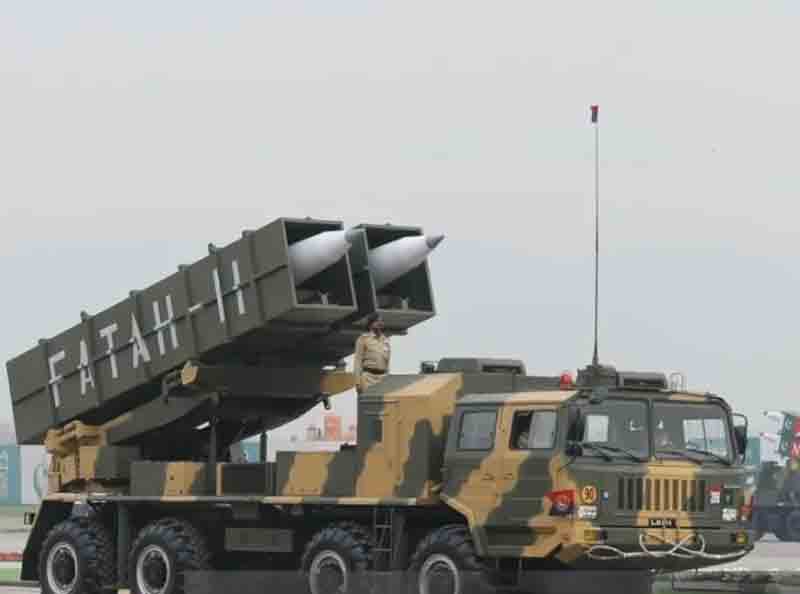
Fatah-1: The Fatah-1 is a guided multiple-launch rocket system designed for precision surface-to-surface strikes. It has an officially reported range of approximately 140 kilometres.
Fatah-2: The Fatah-2 is an extended-range surface-to-surface missile system. Pakistan has previously announced a range of approximately 400 kilometres for the system. Its extended-range version was also successfully launched in October 2026.
Fatah-3: The newly launched Fatah-3 is a supersonic cruise missile. Its exact range and speed have not been officially disclosed in the November 18 announcement.
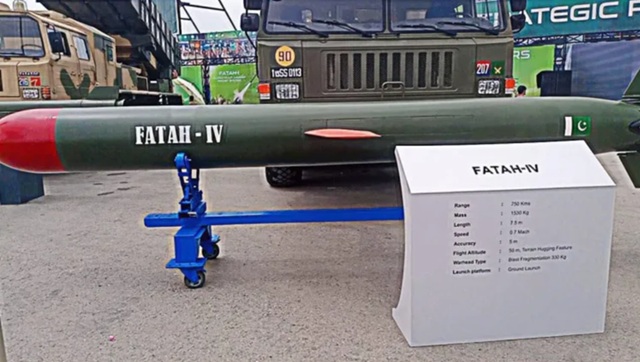
Fatah-4: The Fatah-4 is a ground-launched cruise missile designed for long-range precision strikes. Pakistan announced a successful launch of its extended-range version on October 6, 2026.
The different systems provide Pakistan with a range of conventional strike options rather than relying on a single missile category.
The Fatah-3’s supersonic cruise capability is particularly noteworthy because it adds another technological dimension to the programme.
Why Supersonic Speed Matters in Modern Warfare
Speed is an important factor in the effectiveness of modern cruise missiles.
A supersonic missile travels faster than Mach 1, meaning it exceeds the speed of sound under the relevant atmospheric conditions.
This can reduce the reaction time available to air defence operators, particularly when combined with effective guidance, manoeuvrability and suitable flight profiles.
However, speed alone does not determine whether a missile can penetrate an advanced air defence network.
Its effectiveness also depends on radar visibility, flight altitude, approach direction, electronic countermeasures, terminal guidance and the defensive systems protecting the intended target.
The Fatah-3’s navigation and propulsion systems will therefore be important components of its overall performance.
ISPR has specifically highlighted these systems in its announcement, describing the missile as capable of engaging long-range targets with high precision at supersonic speed.
Further technical information will be needed to assess its actual performance against modern air defence systems.
Army Rocket Force Command: The Strategic Importance of Fatah-3
The successful launch also highlights the expanding role of Pakistan’s Army Rocket Force Command.
Pakistan announced the establishment of a dedicated Army Rocket Force in August 2025, following the military confrontation with India in May that year.
Prime Minister Shehbaz Sharif announced the initiative during a ceremony in Islamabad, describing it as part of efforts to strengthen the country’s conventional military capabilities.
The new command was intended to provide a dedicated organisational structure for managing the Pakistan Army’s missile capabilities in a conventional conflict.
Reuters reported at the time that the force would oversee missile capabilities and operate under a dedicated military command.
The subsequent development and testing of different Fatah missile variants have become important elements of this broader modernisation effort.
The Fatah-3 is particularly relevant because it adds a supersonic cruise missile capability to the command’s developing strike portfolio.
This could provide military planners with additional options alongside guided rockets and other surface-to-surface missile systems.
The development also reflects a broader emphasis on integrating missile technology, command structures and conventional deterrence.
Fatah-3 Launch Follows Recent Fatah-2 and Fatah-4 Developments
The latest launch comes after a series of important developments in Pakistan’s missile programme during 2026.
On April 28, the Army Rocket Force Command conducted a successful training launch of the Fatah-2 missile system. According to ISPR, the exercise was intended to train troops, validate technical parameters and evaluate subsystems incorporated to improve accuracy and survivability.
In May, the Army Rocket Force Command also conducted a training launch of the Fatah-4 ground-launched cruise missile.
On October 6, Pakistan successfully launched an extended-range version of the Fatah-4. ISPR said the exercise validated additional technical parameters and subsystems intended to improve accuracy and survivability.
On October 13, the Pakistan Army also successfully test-launched the extended-range Fatah-2 missile system.
The Fatah-2 ER was described by ISPR as having advanced navigation and avionics, with improved manoeuvrability and an extended strike reach.
The November 18 Fatah-3 launch adds another development to this sequence.
Taken together, these announcements indicate sustained activity across different categories of Pakistan’s conventional missile programme.
Regional Military Implications: A Changing Conventional Deterrence Environment
Pakistan’s development of the Fatah-3 takes place against the background of continuing military modernisation across South Asia.
India has continued investing in advanced missile systems, air defence capabilities, combat aircraft and long-range precision weapons.
Its BrahMos supersonic cruise missile programme, developed jointly with Russia, is an established component of its conventional strike capabilities.
The BrahMos has been developed for multiple launch platforms and has been integrated into India’s land, naval and air-based military capabilities.
Pakistan’s Fatah-3 introduces another supersonic cruise missile capability into the regional military environment.
However, the two systems should not automatically be considered equivalent. Their actual capabilities cannot be compared reliably without verified information about range, speed, propulsion, payload, guidance and operational deployment.
The wider significance is that both countries continue to invest in technologies intended to improve the speed, precision and flexibility of conventional military operations.
For Pakistan, the development of the Fatah-3 could strengthen the range of conventional strike options available to the Army Rocket Force Command.

What We Know and What Remains Undisclosed About Fatah-3
Although ISPR has confirmed the successful launch, several important technical details remain unavailable.
The military has not publicly specified:
- The missile’s maximum operational range.
- Its exact sustained cruise speed.
- Its warhead weight and configuration.
- Its propulsion architecture.
- Its terminal guidance technology.
- Whether it has land-attack or anti-ship roles.
- Its production status and timeline for operational induction.
These details are important for evaluating the missile’s actual military capabilities.
A successful launch demonstrates an important development milestone, but it does not automatically establish that the system has completed all qualification trials or entered full operational service.
Further official announcements or technical disclosures will be required to establish its precise capabilities and deployment status.
A New Milestone in Pakistan’s Conventional Missile Modernisation
The successful Fatah-3 launch represents an important development in Pakistan’s efforts to expand its conventional missile capabilities.
Its supersonic cruise classification distinguishes it from other members of the Fatah family and introduces another category of strike capability within the Army Rocket Force Command’s developing inventory.
The importance of the programme extends beyond an individual missile launch. It reflects Pakistan’s continuing efforts to develop a more diversified conventional strike architecture, supported by dedicated command structures and modern navigation and propulsion technologies.
For regional military planners, the development adds another factor to the evolving conventional military balance in South Asia.
The next important milestones will be the disclosure of verified technical specifications, further testing and clarification of the missile’s operational status.
For now, the November 18 launch marks a significant step in Pakistan’s effort to expand its indigenous missile capabilities and strengthen its conventional deterrence framework.