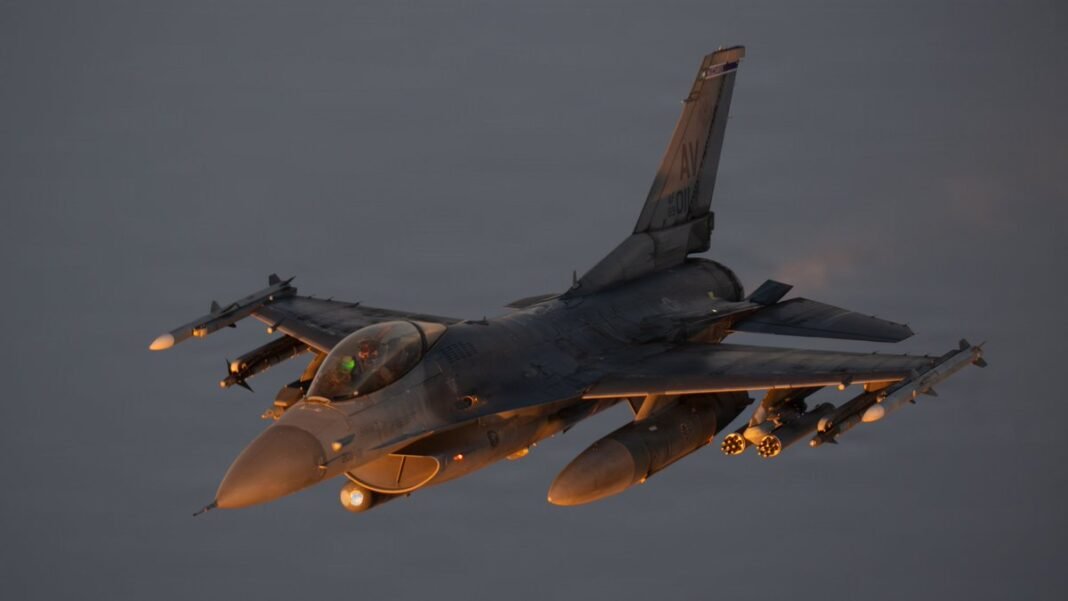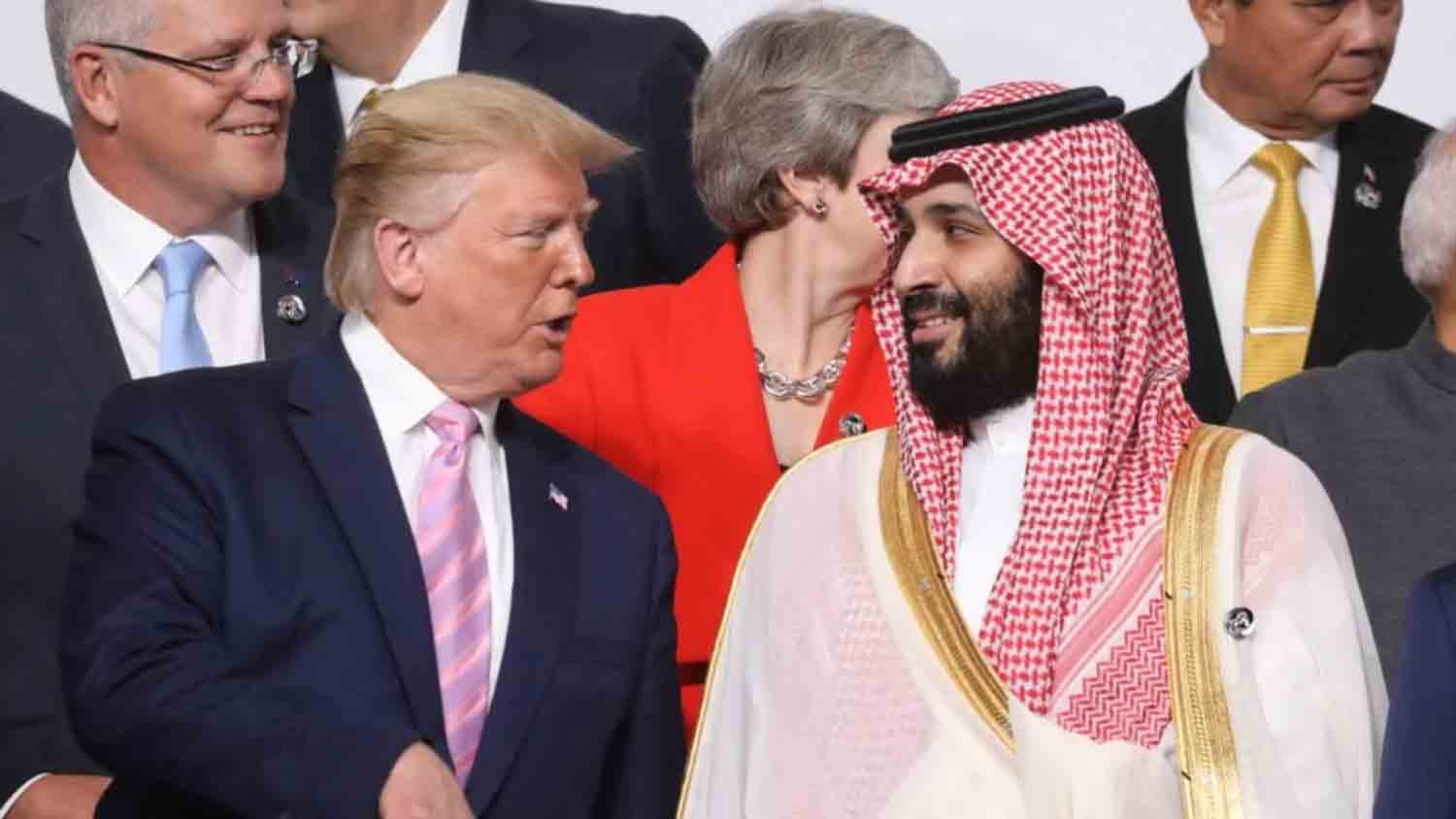
The United States appears to be drawing a clear line around its possible involvement in a renewed Saudi-Houthi confrontation: Washington will provide support, but Riyadh is expected to take the lead.
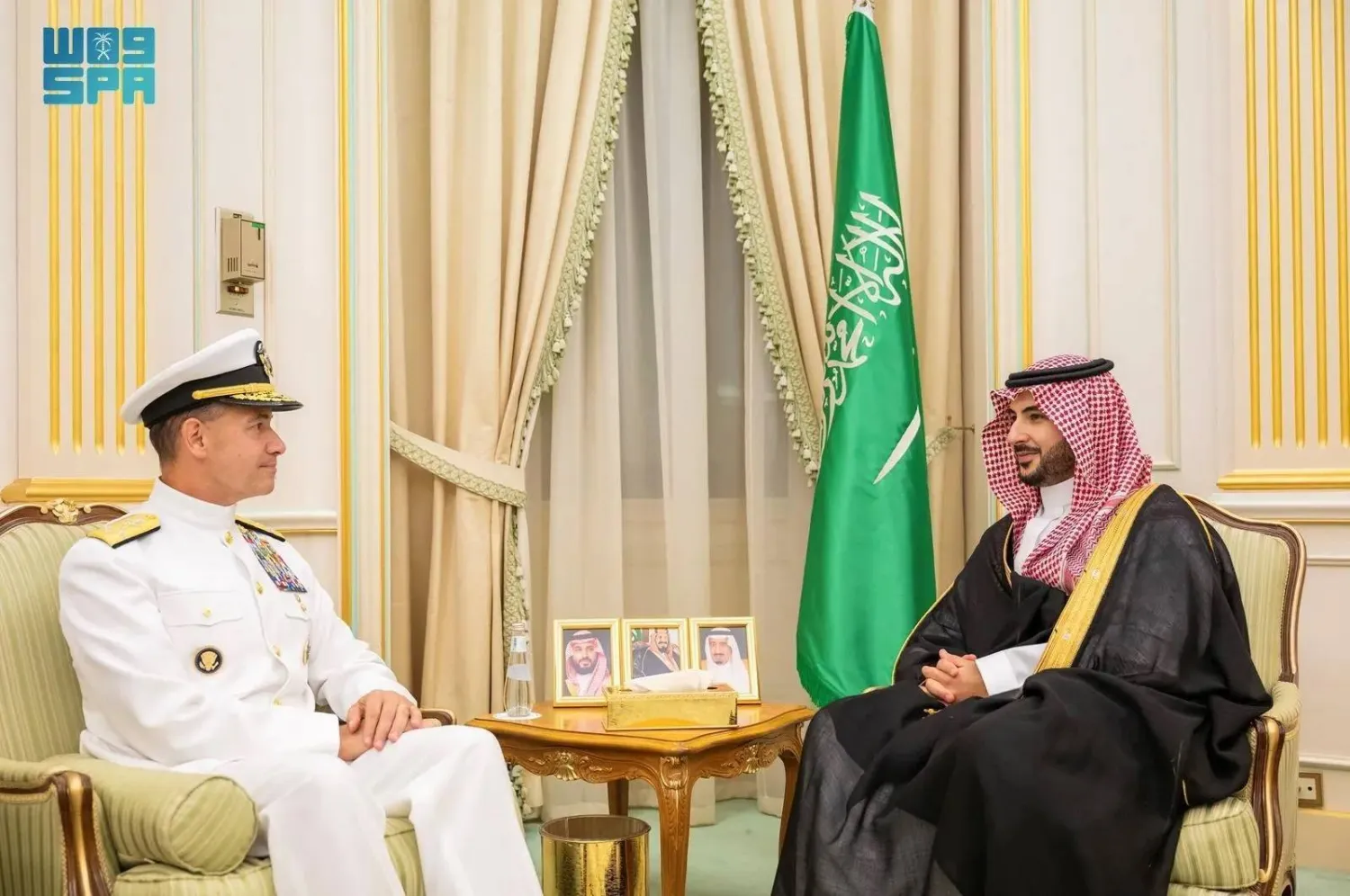
According to a report circulating on Sunday, Saudi Crown Prince Mohammed bin Salman asked US Central Command chief Admiral Brad Cooper for American leadership in a potential military campaign against the Iran-aligned Houthis. Washington instead indicated that it would support a Saudi-led operation rather than assume direct command.
The report has not been accompanied by a public US announcement confirming the details of the conversation. However, the broader context is clear: Saudi Arabia is once again facing a serious Houthi threat along its maritime approaches, while the Trump administration appears reluctant to turn another regional conflict into a direct American war.
The timing is particularly important because the Houthis are currently concentrating their maritime pressure on Saudi-linked shipping rather than US vessels.
That changes Washington’s calculation considerably.
Why Saudi Arabia Is Considering Military Action Again
The immediate trigger is the deterioration of maritime security around the Red Sea.
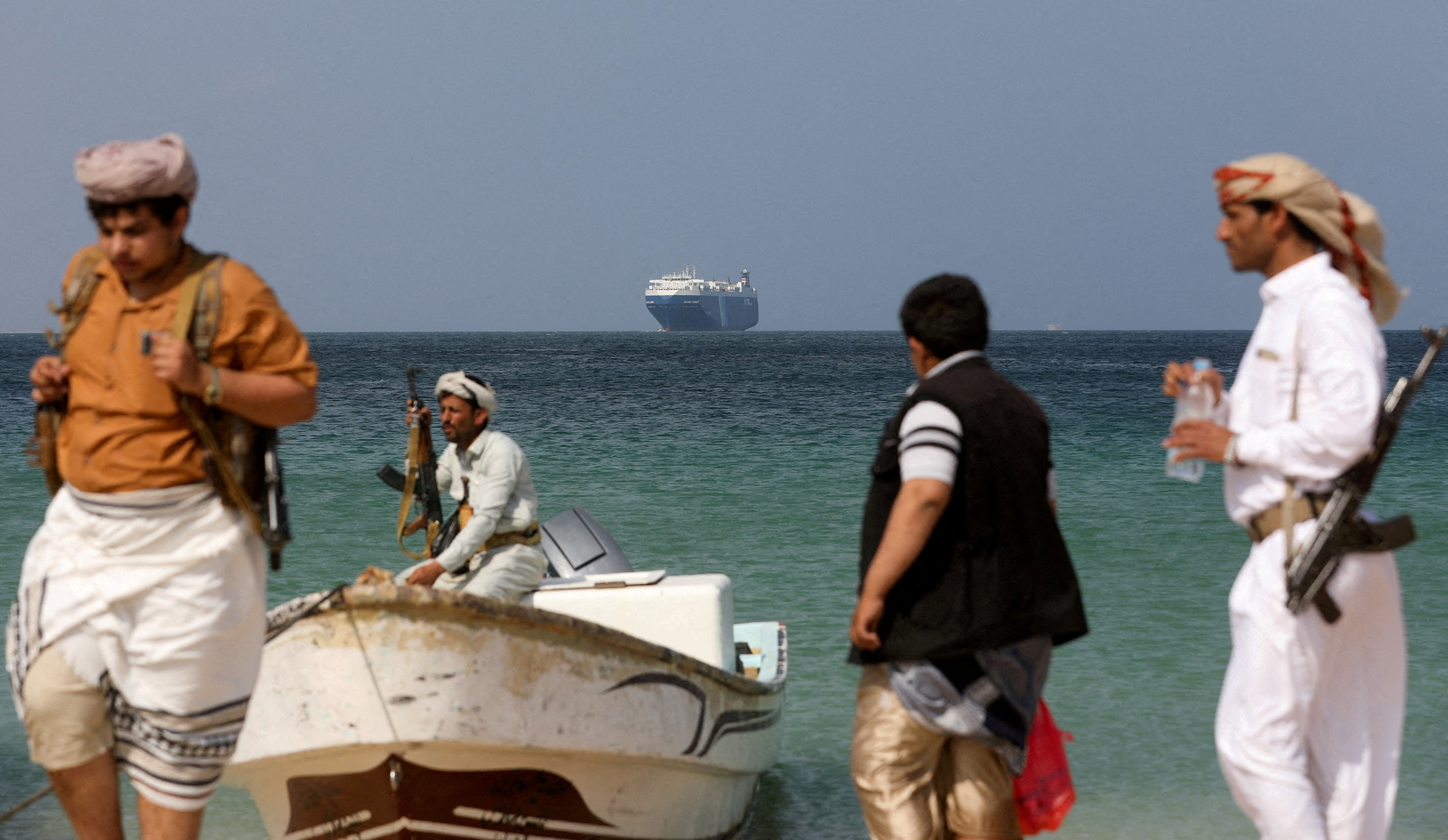
In July, the Houthis announced a maritime embargo targeting Saudi-linked vessels, threatening ships associated with Saudi Arabia as part of what the group described as retaliation for Saudi actions in Yemen.
The threat quickly moved beyond rhetoric.
Houthi forces claimed attacks against Saudi oil tankers, including the Encelia and Layla, while another Saudi-linked vessel, the NCC Masa, was reported damaged in a Red Sea attack.
The attacks have created a difficult situation for Riyadh.
Saudi Arabia has spent years trying to move away from the Yemen war and concentrate on economic transformation under Vision 2030.
A renewed military campaign would risk reversing that strategy.
But allowing the Houthis to establish an effective maritime blockade against Saudi-linked shipping carries its own risks.
The Red Sea Has Become Saudi Arabia’s Problem Again
For several years, Saudi Arabia’s main objective in Yemen was to reduce the security threat while avoiding a return to large-scale military intervention.
The kingdom entered negotiations with the Houthis and gradually reduced the intensity of direct fighting.
The new maritime confrontation changes that equation.
The Houthis are now threatening an economic lifeline rather than simply launching occasional attacks across the Saudi-Yemeni border.
The Red Sea is particularly important because Saudi Arabia has major ports and energy infrastructure on the western side of the kingdom.
A sustained Houthi campaign could increase shipping costs, insurance premiums and pressure on Saudi exports.
Financial markets are already reflecting the wider risk.
The Financial Times reported that Saudi Arabia is exploring a state-backed war-risk insurance mechanism as insurance costs rise amid the Iran war and renewed Houthi attacks.

Why Washington Does Not Want to Lead
The US position makes more sense when viewed against the experience of the previous Yemen war.
American involvement in Yemen expanded substantially during the years when Saudi Arabia and its coalition were fighting the Houthis.
The United States provided intelligence, logistical support and other assistance while Saudi Arabia and its partners conducted the main air campaign.
But the war became increasingly controversial in Washington because of civilian casualties, humanitarian consequences and the difficulty of achieving a decisive military outcome.
The Trump administration therefore has strong reasons to avoid becoming the commander of another Saudi campaign.
There is also a much bigger strategic problem.
The United States is already fighting Iran.
Opening a major new campaign in Yemen would create another military commitment in the Middle East at precisely the moment Washington is already dealing with pressure on its forces, shipping and energy markets.
The Iran Connection Changes Everything
The Houthis remain closely aligned with Iran, and their renewed confrontation with Saudi Arabia cannot be separated from the wider regional conflict.
The group stayed relatively restrained for much of the first months of the current Iran war, but that has changed.
The Washington Post reported that the Houthis have opened a new front by targeting Saudi Arabia, including Saudi shipping, while Iran remains at the centre of the wider regional confrontation.
For Riyadh, this creates a strategic dilemma.
Saudi Arabia does not necessarily want a direct war with the Houthis.
But the kingdom also cannot ignore attacks that threaten its maritime trade and energy interests.
For Washington, meanwhile, the question is whether helping Saudi Arabia deter the Houthis can be done without creating another direct US-Iran confrontation.

Saudi Arabia Wants American Power Without Another American War
This may explain the reported request for US leadership.
Saudi Arabia has invested heavily in its military, including advanced American aircraft, air-defence systems, precision weapons and surveillance capabilities.
But Yemen has repeatedly demonstrated that advanced weapons do not automatically translate into an easy military victory.
The Houthis operate from difficult terrain and have developed extensive experience with:
- ballistic missiles;
- cruise missiles;
- drones;
- coastal surveillance;
- maritime targeting;
- underground facilities;
- and asymmetric warfare.
Saudi Arabia therefore has an obvious reason to seek American intelligence, surveillance, targeting and command-and-control support.
But Washington has an equally obvious reason to avoid taking responsibility for the entire campaign.
The US May Still Provide a Lot of Help
“Not leading” does not mean “not involved.”
If Saudi Arabia launches a campaign, Washington could potentially provide support in areas such as:
intelligence and surveillance, air-defence assistance, logistics, targeting information, missile warning and protection of US and allied forces.
The United States has extensive experience tracking Houthi missile and drone activity.
CENTCOM has previously conducted strikes against Houthi missile sites, drones, radars and weapons storage facilities.
That gives Washington considerable capability to support Riyadh without formally taking command of a Saudi operation.
This could be the preferred model:
Saudi Arabia fights; the United States enables.
Why the Houthis Are Targeting Saudi Ships
The Houthis have presented their maritime campaign as retaliation for Saudi actions against Yemen.
Riyadh rejects that characterization.
Saudi Arabia says it has continued humanitarian and economic support for Yemen and points to hundreds of ships entering northern Yemeni ports during the first half of 2026.
The disagreement over the justification for the maritime campaign is important because it shows that the new confrontation is not simply an extension of the Iran war.
There is also a Saudi-Houthi/Yemen-specific dispute involving territory, blockades, access and the political future of Yemen.
That makes a military solution considerably more complicated.
Saudi Arabia Has Something It Did Not Have Before
Riyadh’s strategic position today is different from the period when the Saudi-led coalition entered Yemen in 2015.
The kingdom is now much more focused on economic stability and investment.
Vision 2030 depends on:
- foreign investment;
- tourism;
- logistics;
- energy exports;
- infrastructure;
- and international confidence.
A prolonged war with the Houthis would conflict with virtually all of those objectives.
This is why Riyadh may prefer a short, highly focused military campaign designed to restore deterrence rather than another open-ended ground war.
The Biggest Risk Is Escalation
The danger is that a limited Saudi operation could become something much larger.
The escalation ladder is relatively easy to imagine:
Houthi attack → Saudi retaliation → Houthi missile escalation → Iranian support → US assistance → attacks on US forces → direct US-Iran confrontation.
That is precisely the scenario Washington appears to want to avoid.
The Houthis have already demonstrated an ability to turn relatively inexpensive drones and missiles into a disproportionately expensive problem for technologically superior militaries.
A renewed Saudi campaign could therefore become a war of attrition rather than a quick victory.
The Maritime Dimension Is Especially Difficult
The Red Sea is not simply a battlefield.
It is an international shipping corridor.
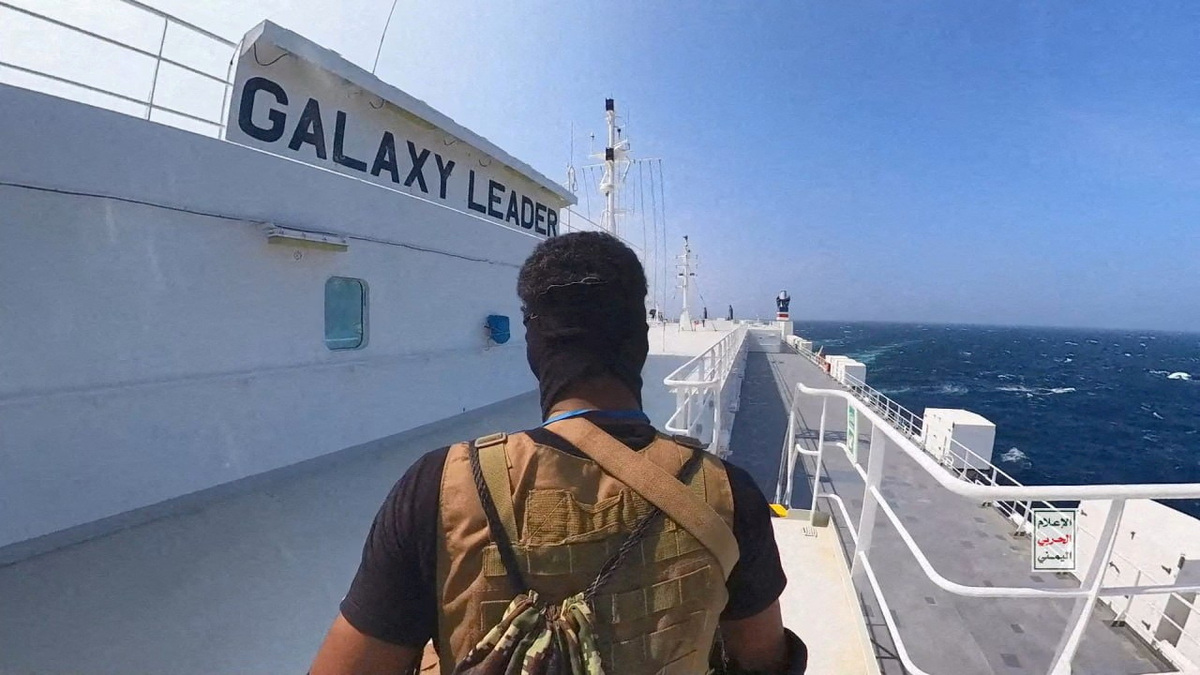
The Houthi threat has already caused vessels to alter routes, while shipping companies face higher insurance and security costs.
A prolonged confrontation could push more shipping away from the Red Sea and around the Cape of Good Hope, increasing transit times and fuel costs.
That has implications far beyond Saudi Arabia.
It affects:
- European trade;
- Asian exports;
- energy markets;
- global shipping rates;
- insurance;
- and food supply chains.
The Red Sea crisis therefore has the potential to become another economic shock layered on top of the Iran war.
Why the Saudi Request Is Significant
The reported request to Admiral Brad Cooper is revealing even if Washington ultimately refuses to lead.
Saudi Arabia is effectively asking whether the United States is prepared to put its military weight behind Riyadh if the Houthi threat becomes intolerable.
Washington’s reported answer appears to be:
Yes to support, no to command.
That distinction reflects the changing nature of the US-Saudi relationship.
Saudi Arabia remains an important American partner, but Riyadh increasingly expects to handle regional security problems itself.
At the same time, Washington wants Saudi Arabia to shoulder more of the military burden.
The Earlier Trump Decision Is Also Important
There is already evidence that Trump has been willing to support Saudi action against the Houthis.
Axios reported in July that Trump backed a Saudi plan for strikes against the group, while warning that the operation would be risky.
That makes the latest reported position less surprising.
Washington appears comfortable with Saudi Arabia taking military action.
What it does not appear comfortable with is turning the operation into another US-led Yemen war.
What Could Happen Next?
Three scenarios appear most plausible.
1. Saudi Arabia launches limited strikes
Riyadh could target missile launch sites, drone infrastructure, coastal facilities and command centres in an effort to restore deterrence.
Washington could provide intelligence and defensive assistance without publicly taking command.
2. Saudi Arabia seeks a diplomatic exit
If the military costs appear too high, Riyadh could use the threat of military action to pressure the Houthis back toward negotiations.
That may ultimately fit better with Saudi Arabia’s broader economic strategy.
3. The confrontation expands
If Houthi attacks intensify and Iranian involvement increases, Saudi Arabia could request more direct American assistance.
That would test Trump’s willingness to keep the US out of another major Middle Eastern war.
The Most Dangerous Scenario for Washington
The biggest problem for the United States is not necessarily a Saudi-Houthi war.
It is the possibility that Saudi-Houthi fighting becomes another pathway into the Iran war.
The Houthis have demonstrated that they can attack shipping and regional infrastructure at relatively low cost.
Iran can provide political, technological and potentially military support without necessarily becoming a conventional combatant.
That creates an asymmetric challenge for Washington.
The US could find itself defending Saudi Arabia, protecting shipping and countering Iranian influence simultaneously.

A Different Saudi Strategy May Be Emerging
There is also evidence that Saudi Arabia is preparing for a more uncertain security environment rather than simply preparing for another Yemen war.
The kingdom’s effort to develop state-backed war-risk insurance is one example.
Instead of assuming that military power can eliminate the threat, Riyadh appears to be preparing its economy and commercial sector to function despite elevated security risks.
That is consistent with the kingdom’s broader strategy:
protect the economy first, avoid an open-ended war wherever possible.
Bottom Line
The reported Saudi request for US military leadership against the Houthis is important because it exposes the central dilemma facing both Washington and Riyadh.
Saudi Arabia wants enough American support to deter or defeat the Houthis.
The United States appears willing to provide that support—but not necessarily to lead another Yemen war.
That distinction is likely to shape what happens next.
The Houthis are no longer simply threatening international shipping in the abstract. Their current campaign is increasingly focused on Saudi-linked vessels, and attacks have already pushed shipping and insurance costs higher.
For Saudi Arabia, allowing the Houthis to establish a sustained maritime threat is unacceptable.
For Washington, directly commanding a Saudi offensive would risk creating another expensive conflict while the United States is already confronting Iran.
The likely result is therefore a middle course:
Saudi-led military pressure, backed by American intelligence, air defence and logistical support, but without a formal US combat leadership role.
Whether that is enough to deter the Houthis—or instead becomes the first step toward another wider Yemen war—will depend largely on how Riyadh calibrates its response and whether Tehran chooses to deepen its support for the group.