


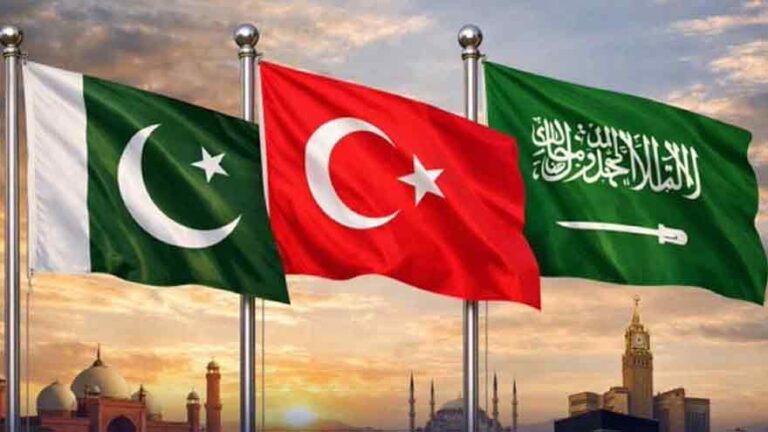
Pakistan, Saudi Arabia and Türkiye are preparing for an emergency meeting of their Strategic Political and Defence Committee in Riyadh as the three countries move to operationalize the Makkah Joint Defence Agreement amid escalating Houthi attacks on Saudi Arabia and continuing tensions around the Strait of Hormuz.
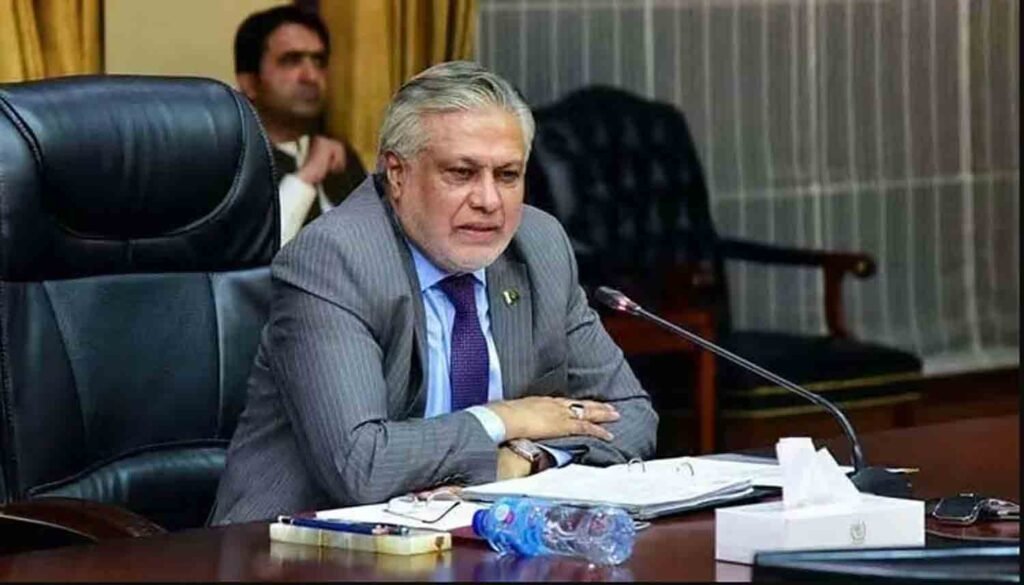
Deputy Prime Minister and Foreign Minister Ishaq Dar said Friday that the full meeting of the Strategic Political and Defence Committee, or SPDC, would take place in Riyadh “very soon”.
Dar made the announcement during a briefing on Pakistan’s engagements on the sidelines of the 81st session of the United Nations General Assembly in New York.
The meeting will bring together the foreign ministers, defence ministers and military chiefs of Pakistan, Saudi Arabia and Türkiye under the framework of the Makkah Joint Defence Agreement.
The development comes at a sensitive moment for the region, with Houthi attacks targeting Saudi territory, renewed concerns over maritime security and the continuing dispute over navigation through the Strait of Hormuz.
Emergency Makkah defence meeting planned in Riyadh
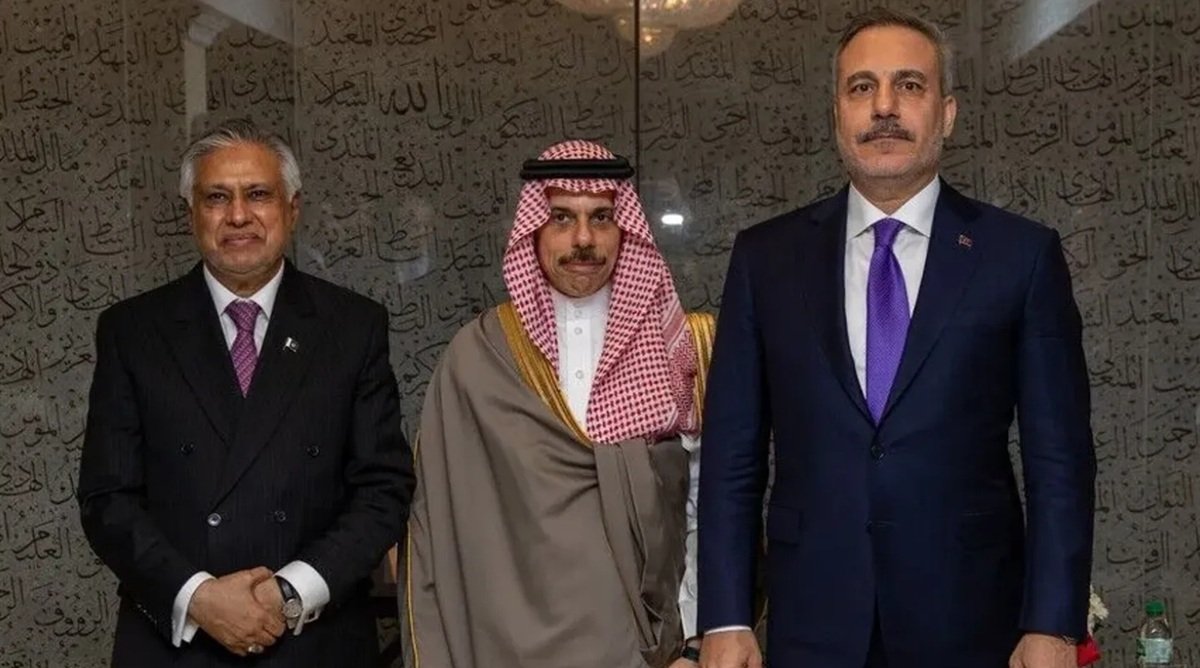
Dar said the three foreign ministers — Pakistan’s Ishaq Dar, Türkiye’s Hakan Fidan and Saudi Foreign Minister Prince Faisal bin Farhan Al Saud — agreed during their September 24 meeting in New York that the full SPDC should convene in Riyadh.
The ministers’ meeting took place on the sidelines of the UN General Assembly and reviewed progress on establishing the institutional mechanisms required under the Makkah Joint Defence Agreement.
Türkiye’s Foreign Ministry confirmed that the ministers discussed the establishment of the agreement’s General Secretariat, committees and working groups, as well as preparations for their work to begin.
Dar said the emergency Riyadh meeting would examine the “current situation” and the “ground reality”, particularly developments affecting Saudi Arabia.
He said the committee would subsequently meet again according to its planned schedule, around the end of October or beginning of November.
The sequence is important because it suggests that the three-country agreement is moving beyond its initial political stage toward a more structured military and security mechanism.
Pakistan, Saudi Arabia and Türkiye are building a new defence structure
The Makkah Joint Defence Agreement was signed by Pakistan, Saudi Arabia and Türkiye in August.
Its central principle is that an attack against one of the three parties is to be considered an attack against all three.
The first meeting of the SPDC took place in Istanbul on August 31, bringing together the foreign ministers, defence ministers and chiefs of defence forces/general staffs of the three countries.
The committee agreed to institutionalize cooperation and establish a permanent secretariat in Saudi Arabia.
Under the agreement, the secretariat is initially to be headed by a Pakistani secretary-general for three years. The three countries also agreed to deepen cooperation in defence industries, joint technology development and production.
This makes the forthcoming Riyadh meeting more significant than a routine diplomatic consultation.
The three governments are now attempting to translate the collective-defence commitment into working procedures, military coordination and institutional arrangements.
Military chiefs already met in Riyadh
The emergency political meeting follows a separate meeting of the three countries’ military chiefs in Riyadh on September 25.
The chiefs reviewed the security situation and discussed ways to strengthen military cooperation, including intelligence sharing, military coordination and integration of capabilities.
They also reaffirmed their commitment to collective defence under the Makkah agreement.
Reuters reported that the September 25 meeting focused on closer defence cooperation and regional security concerns, including attacks attributed to the Houthis against Saudi Arabia.
The military-level talks therefore provide an important backdrop to Dar’s announcement of the next political and defence committee meeting.
Houthi attacks are driving the urgency
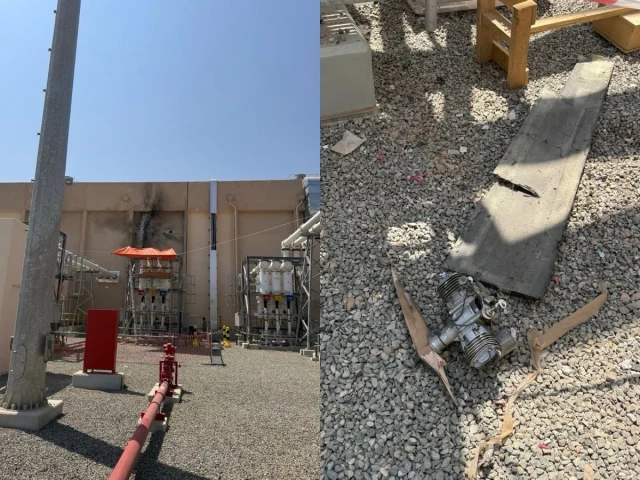
The immediate security concern behind the emergency consultations is the escalation involving Yemen’s Houthis and Saudi Arabia.
The latest incident involved a drone attack on the Taibah electricity distribution station in Madinah on September 29.
Saudi authorities said an investigation, including examination of drone wreckage, concluded that the Houthis were responsible for planning and carrying out the attack.
One transformer was taken out of service, although Saudi authorities said the wider electricity network was not affected.
The station supplies electricity to the Prophet’s Mosque.
Dar said Pakistan had already condemned the attack and described it as “not acceptable”.
The incident has added another layer to the security concerns confronting Riyadh because it involved infrastructure serving one of Islam’s holiest sites.
Saudi authorities have previously reported attempts by the Houthis to target areas around the Kingdom, including an intercepted drone heading toward Makkah.
Saudi Arabia has faced wider Houthi attacks
The Madinah incident follows a much broader escalation.
Earlier in September, Houthi forces launched drones and missiles toward several locations in southern Saudi Arabia, with attacks reported around Khamis Mushait, Abha, Najran and Jazan.
The attacks affected or targeted energy-related infrastructure, while Saudi authorities reported dozens of people injured.
The September escalation demonstrated that the Houthi campaign could threaten not only military installations but also energy infrastructure and critical economic facilities.
The development is particularly sensitive for Saudi Arabia because Jazan and other southern areas contain important energy and industrial infrastructure.
Pakistan has pledged support for Saudi Arabia
The Makkah Joint Defence Agreement has taken on greater significance following the attacks.
Pakistan’s Defence Minister Khawaja Muhammad Asif recently said Pakistan would defend Saudi Arabia against threats from the Houthis “by whatever means” available, although he did not confirm that Pakistani forces had participated in Saudi airstrikes or that Riyadh had formally requested such assistance.
The statement came amid continuing efforts to determine how the new collective-defence framework should operate in practice.
Pakistan has simultaneously maintained diplomatic channels with Iran.
That dual approach is important because the regional conflict involves multiple actors and because Islamabad has repeatedly advocated dialogue and de-escalation.
Pakistan’s position has been that regional security should not be allowed to develop into a wider confrontation.
Makkah pact also includes defence-industrial cooperation
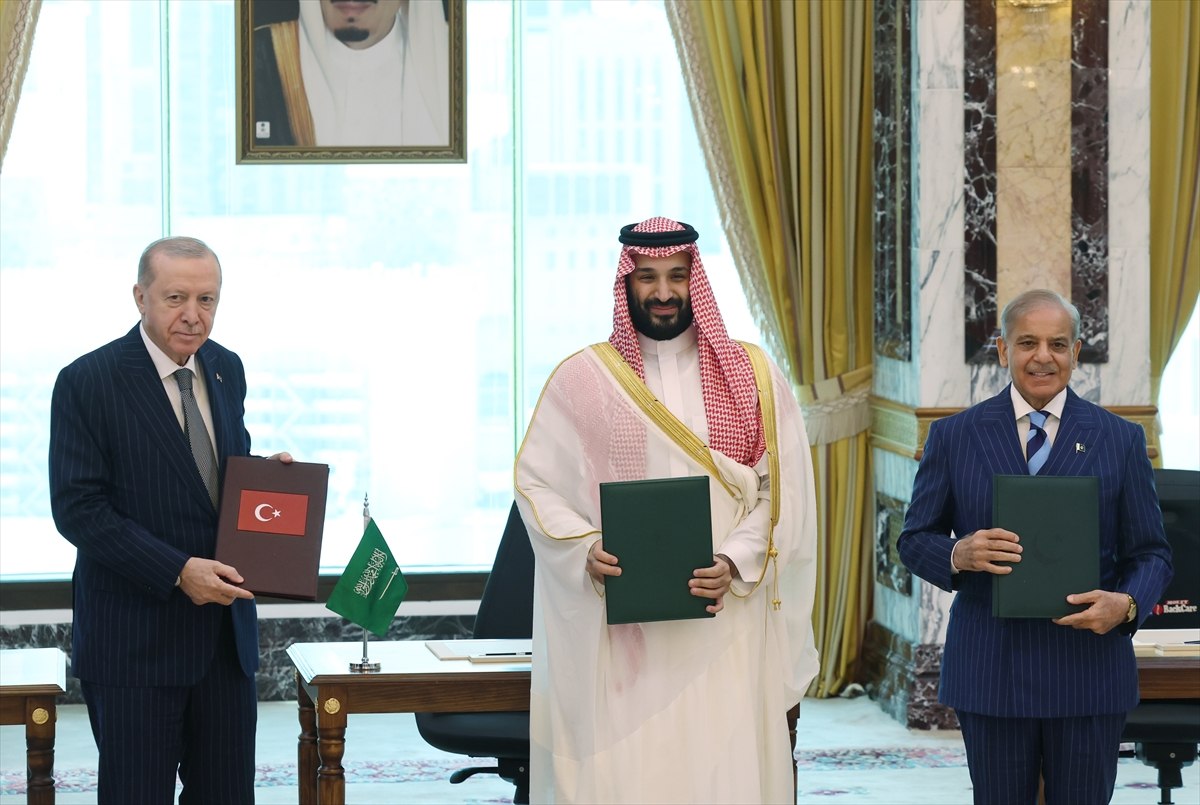
The agreement is broader than an emergency military response mechanism.
The August 31 SPDC statement said Pakistan, Saudi Arabia and Türkiye would strengthen their defence capabilities and the cohesion of their armed forces through joint activities.
It specifically called for cooperation in defence industries, joint technology development and production.
That provision could eventually become one of the most consequential elements of the agreement.
Pakistan and Türkiye already have extensive defence-industrial cooperation, while Saudi Arabia is seeking to expand its domestic defence-production capabilities.
The three-way framework could therefore create opportunities for cooperation involving military technology, production, training and capability development.
The precise projects, however, have yet to be publicly detailed.
Dar also rejects Strait of Hormuz tolls
The emergency defence meeting comes alongside another major regional issue: the future of the Strait of Hormuz.
Dar reiterated Pakistan’s opposition to charging vessels for passage through the strategic waterway.
Pakistan’s position is that Hormuz should return to normal international navigation without transit tolls or service charges imposed merely for passage.
Dar had previously said Pakistan supported restoration of navigation through the Strait to its pre-conflict status. Pakistan’s Foreign Ministry has also repeatedly emphasized the importance of safeguarding maritime security and freedom of navigation.
The issue has major economic implications because Hormuz is one of the world’s most important energy chokepoints.
Recent shipping data indicates that oil and LNG traffic through the Strait has recovered substantially from the sharp disruption earlier in the year, although security risks and higher transportation costs remain.
Why Pakistan is pushing for free navigation
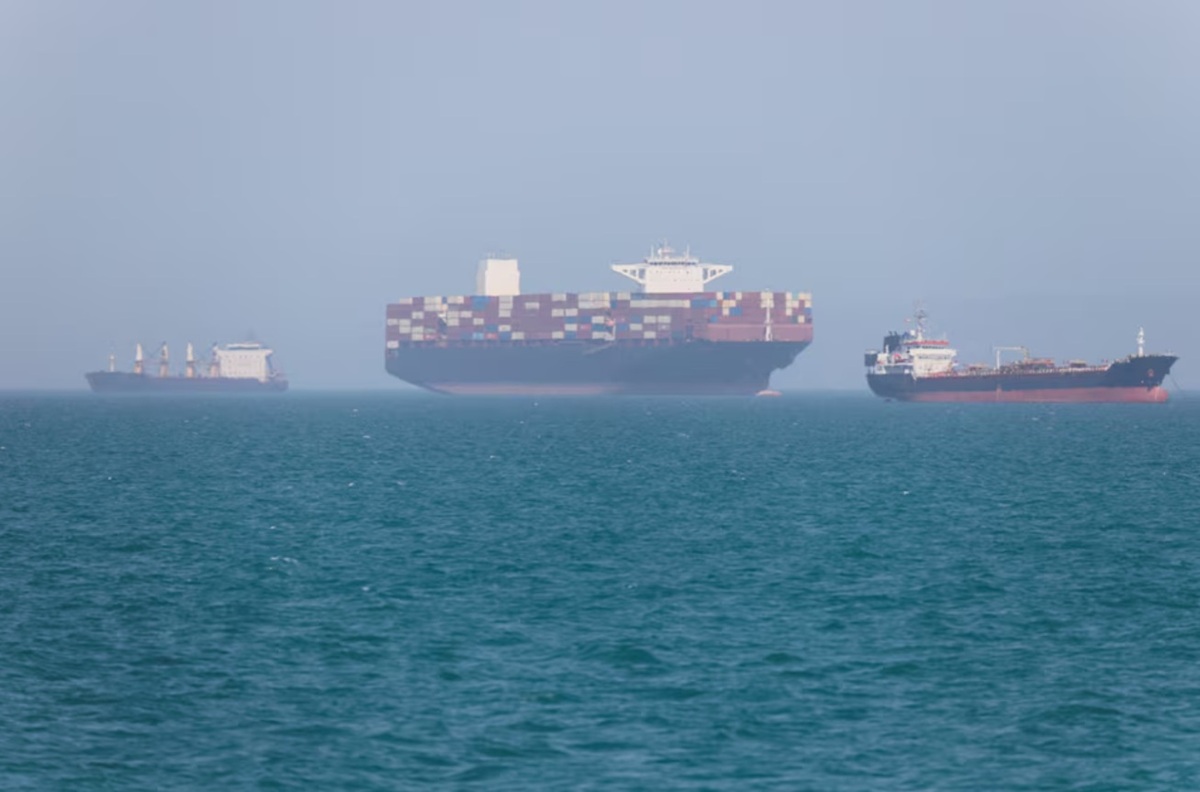
For Pakistan, uninterrupted navigation through Hormuz is not simply a diplomatic principle.
The Strait is critical to the energy supplies of Asian economies, including Pakistan.
Disruption can affect crude oil, LNG, shipping insurance, freight costs and ultimately domestic fuel and electricity prices.
Islamabad has therefore repeatedly called for safe and unrestricted maritime commerce.
In March, Pakistan and China jointly called for the security of shipping lanes and the early restoration of safe passage for civilian and commercial vessels through the Strait. Their five-point initiative also emphasized diplomacy and de-escalation.
Pakistan’s current position is consequently consistent with its broader diplomatic effort to prevent the Gulf conflict from producing a prolonged maritime and energy crisis.
The legal dispute over Hormuz fees
The debate over Iranian fees is also a question of international maritime law.
The United Nations Convention on the Law of the Sea (UNCLOS) establishes a right of transit passage through international straits.
Article 38 provides for the right of transit passage through straits used for international navigation, while Article 44 says states bordering such straits must not hamper transit passage.
The International Chamber of Shipping notes that international law does not provide a legal basis for charging a vessel simply for exercising its right of transit through an international strait, although charges for specific services can be treated differently.
There is nevertheless an additional legal complication: Iran and the United States have not ratified UNCLOS, and Tehran has disputed the application of some of its provisions.
The issue therefore remains both a legal and geopolitical dispute.
For Pakistan, the preferred outcome is straightforward: commercial shipping should be able to transit the waterway without new tolls or political restrictions.
Makkah pact and Hormuz are becoming connected security issues
Although the Makkah Joint Defence Agreement and the Strait of Hormuz dispute are separate issues, developments in one can affect the other.
Saudi Arabia is exposed to threats from multiple directions.
Its western and southern security environment includes the Red Sea and Yemen, while its eastern flank faces the Persian Gulf and the broader Iran-related confrontation.
Pakistan and Türkiye therefore have an interest in helping maintain Saudi security while simultaneously preventing the wider regional conflict from expanding.
The Makkah agreement gives the three countries a mechanism for discussing precisely these kinds of regional security challenges.
Türkiye’s role is becoming more important
Türkiye brings another strategic dimension to the arrangement.
Ankara has strong defence ties with both Pakistan and Saudi Arabia and has developed a significant indigenous defence industry.
Türkiye is also a NATO member with its own regional diplomatic relationships.
Its participation gives the Makkah framework a broader military and geopolitical dimension beyond the Gulf.
The trilateral relationship is therefore not simply a bilateral Pakistan-Saudi defence arrangement expanded to include Türkiye.
It is gradually becoming a three-country security framework linking South Asia, the Gulf and Türkiye.
Saudi Arabia is seeking greater strategic autonomy
The emergence of the Makkah defence framework also comes during a wider debate about Gulf security.
Saudi Arabia has traditionally relied heavily on its relationship with the United States for external security.
But recent regional conflicts have encouraged Gulf states to explore additional diplomatic and security relationships.
Pakistan has long-standing military ties with Saudi Arabia, including training and defence cooperation.
Türkiye has also expanded defence cooperation with Gulf states.
The Makkah agreement provides Riyadh with another layer of strategic relationships without necessarily replacing its existing partnerships.
Reuters recently reported that Gulf states are increasingly exploring alternative security arrangements as the traditional U.S.-centred regional security architecture faces pressure.
Pakistan’s balancing act with Iran
Islamabad faces a particularly delicate diplomatic task.
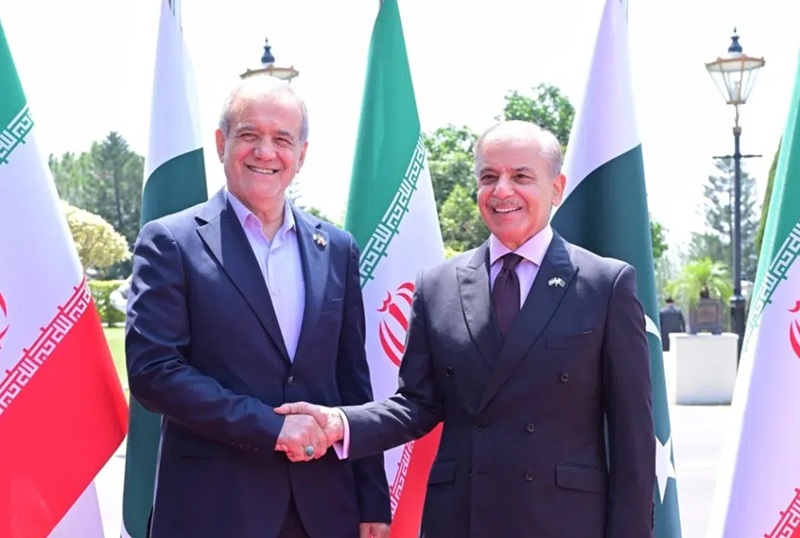
Pakistan has committed itself to Saudi Arabia’s security through the Makkah agreement while maintaining diplomatic relations with Iran, its immediate western neighbour.
Pakistan has repeatedly said it supports dialogue and diplomacy between Iran and the United States.
In August, Pakistan’s Foreign Ministry said Army Chief and Chief of Defence Forces Field Marshal Syed Asim Munir visited Tehran as part of Islamabad’s continuing diplomatic efforts to facilitate an end to the U.S.-Iran conflict and reopen the Strait of Hormuz.
That means Pakistan’s role is developing on two parallel tracks: collective defence with Saudi Arabia and Türkiye, and diplomatic engagement with Iran.
How Islamabad manages those two tracks could become increasingly important if the regional conflict widens.
Guterres to visit Pakistan before leaving office
During Friday’s briefing, Dar also announced another significant diplomatic development.
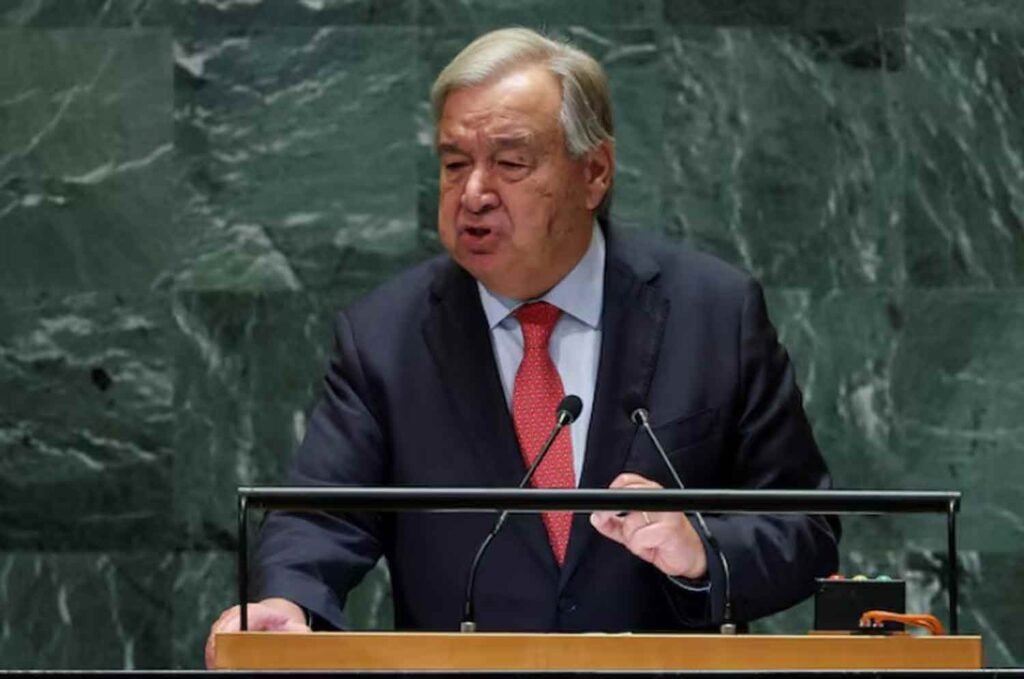
UN Secretary-General António Guterres has accepted an invitation to visit Pakistan, with the trip expected to take place before the end of his tenure.
Dar said Prime Minister Shehbaz Sharif had invited Guterres and that the UN chief had accepted the invitation.
The visit would take place before Guterres’ second term ends on December 31, 2026. The United Nations confirms that his current term expires at the end of this year.
Dar described Guterres as a strong supporter of Pakistan and recalled his role in responding to natural disasters and other crises affecting the country.
The visit would provide Islamabad an opportunity to highlight Pakistan’s position on regional peace, humanitarian issues, climate-related vulnerabilities and its wider diplomatic role.
Why Guterres’ Pakistan visit matters
Guterres has maintained regular engagement with Pakistan during major regional and humanitarian crises.
Pakistan has also sought a more prominent diplomatic role in international discussions involving the Middle East, Afghanistan and wider regional security.
A visit by the UN secretary-general in the final months of his tenure would therefore have symbolic and diplomatic significance.
It could also allow Islamabad to present its position on the evolving Gulf crisis directly to the UN’s highest-ranking official.
The timing is particularly notable because the UN is itself going through a leadership transition.
The selection process for Guterres’ successor is already underway, with the new secretary-general expected to take office on January 1, 2027.
Makkah agreement enters a decisive phase
The coming weeks could determine whether the Makkah Joint Defence Agreement develops into a functioning security mechanism or remains primarily a political declaration.
The institutional foundations are already being established.
A secretariat is planned in Saudi Arabia.
Joint committees and working groups are being developed.
The foreign ministers have met.
The military chiefs have met in Riyadh.
And now the full Strategic Political and Defence Committee is expected to meet again in Riyadh.
The immediate agenda is being driven by the security situation in Saudi Arabia, particularly the Houthi attacks.
But the longer-term agenda is much broader and includes military coordination, intelligence cooperation, defence industries, joint technology development and regional security.
What the Riyadh meeting could address

Dar has indicated that the emergency meeting will focus primarily on the current situation in Saudi Arabia and the Houthi attacks.
Beyond that immediate issue, the committee could provide a forum for discussing how the collective-defence provision of the Makkah agreement should operate in practice.
Questions about intelligence sharing, military coordination, air and missile defence, maritime security and joint contingency planning are likely to become increasingly important as the agreement develops.
However, the three governments have not publicly announced a detailed operational plan for the emergency meeting.
It would therefore be premature to assume that the Riyadh meeting will result in the deployment of Pakistani or Turkish combat forces.
A new security equation across three regions
The emerging Pakistan-Saudi-Türkiye framework is significant because it links three strategically important regions.
Pakistan provides South Asian military depth and longstanding defence links with Saudi Arabia.
Saudi Arabia provides the Gulf’s economic and strategic centre of gravity.
Türkiye brings a major regional military power with a developed defence industry and NATO membership.
Together, the three countries are attempting to build a mechanism for collective security while the Middle East faces one of its most volatile periods in years.
The immediate trigger is the threat to Saudi Arabia.
But the wider agenda includes maritime security, defence production, regional diplomacy and the protection of strategic trade routes.
For Pakistan, the challenge will be maintaining its commitment to Saudi security while preserving its diplomatic role with Iran and continuing to advocate freedom of navigation through the Strait of Hormuz.
The forthcoming Riyadh meeting will offer the first major test of how the Makkah Joint Defence Agreement works when faced with an active regional security crisis.


