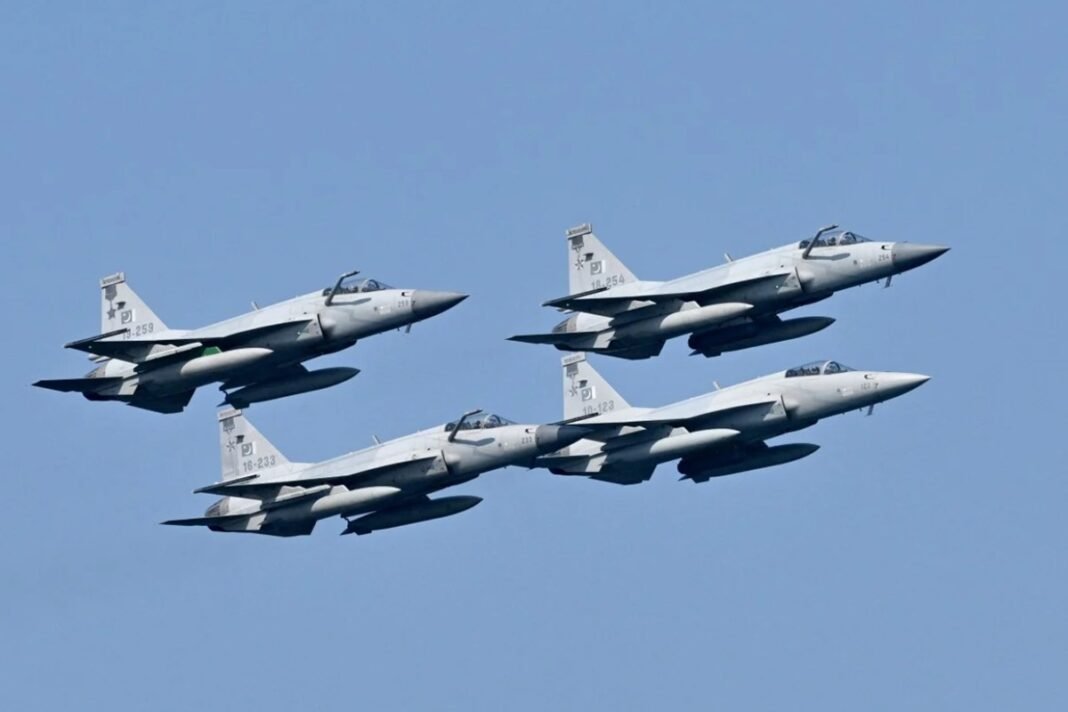
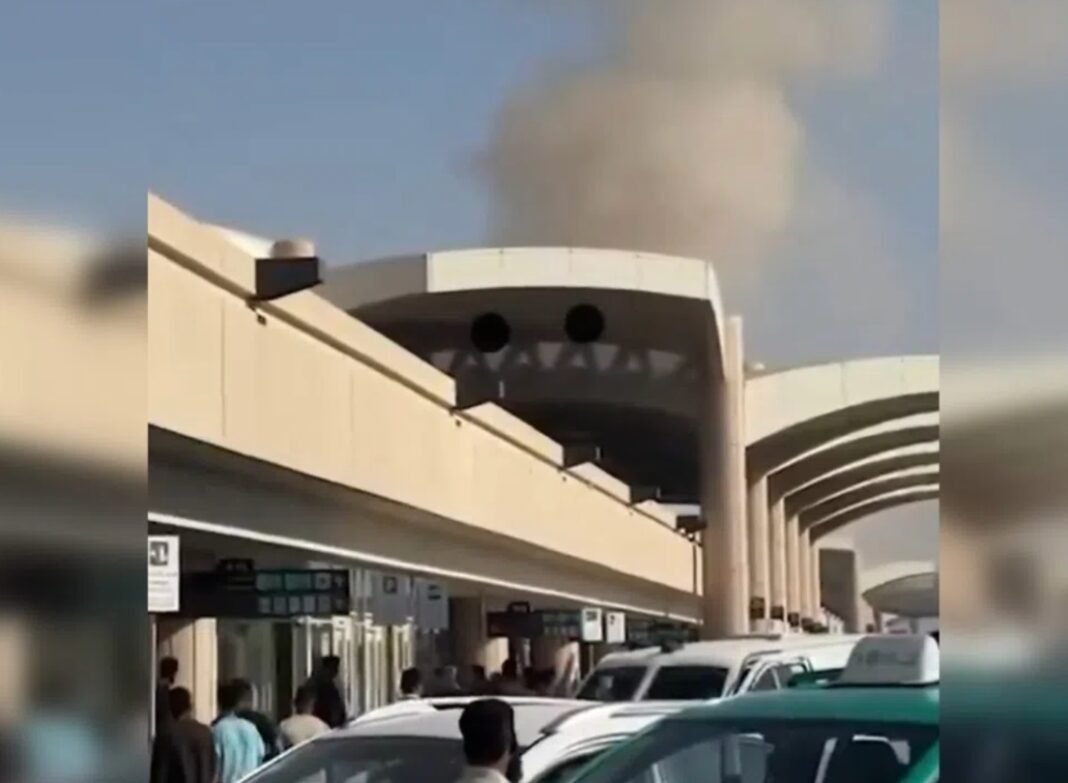
Saudi Arabia faces a dangerous escalation with Yemen’s Houthis after repeated attacks on Riyadh’s King Khalid International Airport killed at least 14 people across two incidents. With missile threats expanding, the Makkah Alliance for Defence moving towards operational implementation and Washington weighing deeper involvement, Crown Prince Mohammed bin Salman faces difficult decisions over how far to escalate the conflict.
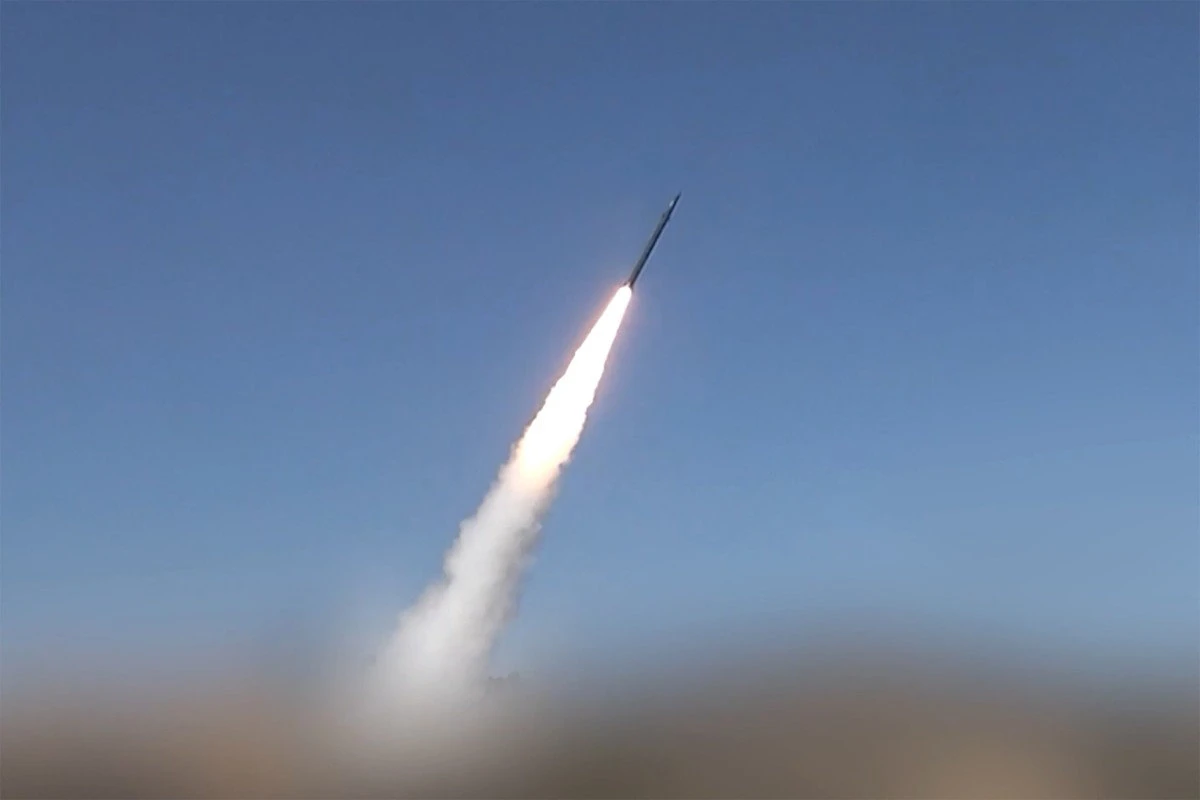
Saudi Arabia is confronting one of its most serious security challenges in more than a decade after Yemen’s Iran-aligned Houthi movement intensified missile and drone attacks against the kingdom, including strikes on its main international airport in Riyadh.
The October 10 attack on King Khalid International Airport killed 13 people and injured more than 300, according to Saudi authorities and subsequent reporting. A further projectile struck the airport on October 11, killing one person and injuring 11 others. Saudi authorities identified the latest fatality as a Pakistani national resident in the kingdom.
The repeated attacks have exposed the difficulty of protecting major civilian infrastructure against sustained missile and drone threats while simultaneously supporting a military campaign in Yemen.
The crisis also comes at a sensitive time for Crown Prince Mohammed bin Salman, whose economic transformation programme depends on attracting foreign investment, expanding tourism and maintaining Saudi Arabia’s reputation as a stable regional business hub.
The immediate question is how Riyadh will respond.
Saudi-backed Yemeni government forces have launched a new offensive against the Houthis, supported by Saudi air power. However, the rebels continue to demonstrate their ability to threaten targets far beyond their strongholds in northern Yemen.
The situation is becoming more complicated as the Makkah Alliance for Defence, involving Saudi Arabia, Pakistan and Türkiye, moves towards implementing its collective-defence commitments.
For Riyadh, the challenge is to restore deterrence without becoming trapped in another prolonged ground war in Yemen.

Riyadh Airport Attacks Raise the Stakes
The attacks on King Khalid International Airport represent a major escalation because they have brought the conflict directly to one of Saudi Arabia’s most important civilian transport hubs.
The October 10 strike killed 13 people and injured more than 300. The following day, another projectile hit the airport’s passenger-terminal area, killing one person and injuring 11.
The Houthis claimed responsibility for the October 10 attack. The precise attribution of the subsequent projectile strike was less clear in initial reporting, although it occurred amid the movement’s escalating campaign against Saudi targets.
The attacks followed a series of missile and drone incidents involving Saudi airports and other infrastructure.
The Houthis have also issued warnings to travellers and airlines about using Saudi airports, raising concerns about aviation safety and the potential for further disruption.
The consequences extend beyond the immediate casualties.
King Khalid International Airport is a major gateway for international travellers, business visitors and religious pilgrims. Repeated attacks could disrupt commercial aviation, damage investor confidence and complicate Saudi Arabia’s efforts to expand its international tourism sector.
The incidents have also prompted security precautions in Riyadh. Some businesses have instructed employees to work remotely, while schools have shifted to online learning.
Saudi Arabia has vowed a decisive response. The Saudi-led coalition described the October 10 attack as a war crime, while regional partners condemned the strikes and backed the kingdom’s right to defend itself.
The central concern is that another round of attacks and retaliation could transform an already dangerous conflict into a much wider regional confrontation.
Why the Houthis Have Become a Strategic Threat
The Houthi movement, formally known as Ansar Allah, emerged from Yemen’s Zaidi Shia religious and political environment before developing into a powerful armed and governing movement.
The group seized Yemen’s capital, Sanaa, in 2014 and subsequently fought Yemeni government forces and a Saudi-led military coalition that intervened in 2015.
Over the following decade, the Houthis developed increasingly sophisticated missile and drone capabilities.
Iran has provided the movement with varying forms of support, including technology, expertise and components that have contributed to its military capabilities. Tehran’s relationship with the Houthis is important, although the movement also has its own domestic political interests and decision-making structures.
The Houthis have used missiles and drones against Saudi territory, Israeli targets and commercial shipping.
Their ability to threaten targets at considerable distances has changed the strategic calculation for Saudi Arabia. The kingdom must now defend a broad territory containing airports, military installations, energy infrastructure, industrial facilities and major population centres.
The challenge is not simply to intercept individual missiles.
Saudi Arabia must also identify launch preparations, track drones, protect vulnerable infrastructure and maintain sufficient defensive capacity to respond to repeated attacks.
A relatively inexpensive drone or missile can force the defending country to use costly interceptors and maintain expensive air-defence systems on continuous alert.
Repeated attacks can therefore create an economic and operational burden even when most incoming weapons are intercepted.
Saudi Arabia’s Military Options Are Limited

After years of fighting in Yemen, Saudi Arabia has little reason to assume that a larger military campaign will automatically produce a decisive victory.
The kingdom has substantial air power, modern combat aircraft and sophisticated air-defence systems. However, the Houthis have demonstrated resilience, adapted their tactics and maintained control over significant parts of northern Yemen.
Saudi Arabia’s immediate strategy has focused on supporting forces aligned with Yemen’s internationally recognised government rather than launching a large-scale deployment of Saudi ground troops.
That approach could allow Riyadh to apply military pressure while limiting the risks associated with a direct occupation or ground offensive.
However, its effectiveness depends on the capabilities, coordination and battlefield performance of the Yemeni forces receiving Saudi support.
The Houthis have consolidated control over major population centres and retained the ability to operate in difficult terrain. Any effort to remove them from their strongholds would require sustained military pressure and a credible political plan for governing territory after its recapture.
A large Saudi ground operation would carry considerable risks.
It could result in prolonged fighting, additional casualties, greater financial costs and renewed displacement among Yemen’s civilian population.
It could also undermine the stability that Saudi Arabia is attempting to project to international investors.
Riyadh therefore faces a difficult choice: intensify its support for Yemeni government forces, expand direct military operations or seek a diplomatic arrangement that limits the immediate threat without resolving the underlying conflict.
None of these options guarantees a quick result.
Makkah Alliance for Defence Moves Towards Implementation
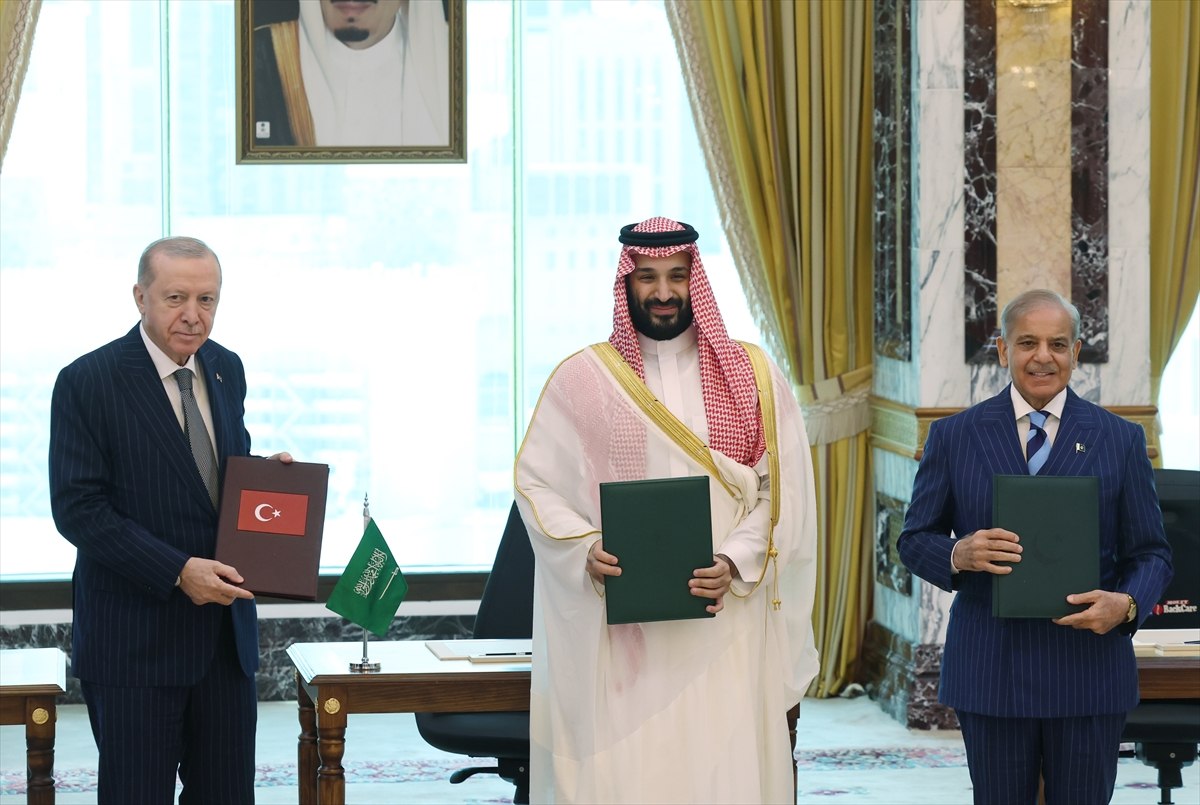
One of the most important developments for Pakistan is the growing operational significance of the Makkah Alliance for Defence.
Saudi Arabia, Pakistan and Türkiye signed a joint-defence agreement in August 2026. Following the escalation in Yemen, the alliance’s Strategic-Political and Defence Committee convened an emergency meeting in Riyadh on October 5.
According to the joint statement issued by Pakistan’s Foreign Office, the three countries agreed to begin practical implementation of their collective-defence commitments and take the necessary measures to provide agreed military forces and capabilities for rapid deployment in Saudi Arabia.
The statement also reaffirmed that the security of each member was integral to the collective security of the three countries.
This marks an important development in regional security cooperation.
The agreement provides a framework for closer military coordination, but the precise operational arrangements, force composition and deployment details have not all been made public.
It is therefore important to distinguish between an agreement to implement collective defence and confirmation that particular combat units have entered active operations against the Houthis.
Pakistan’s Foreign Office has emphasised the importance of regional peace and diplomacy. Pakistani officials have also indicated that the country’s commitments under the Makkah framework are intended to strengthen Saudi Arabia’s defensive capabilities.
Türkiye, meanwhile, has discussed assistance focused on defensive and technical capabilities. Turkish Foreign Minister Hakan Fidan has ruled out deploying Turkish troops to participate in offensive operations, while Ankara’s parliamentary procedures for the agreement remain relevant to its implementation.
The arrangement could enable the three countries to coordinate defensive support, intelligence, training and other military capabilities.
Its actual contribution will depend on the agreed terms and the decisions taken by each government.
What Pakistan’s Role Could Mean
Pakistan occupies a particularly sensitive position because of its longstanding security relationship with Saudi Arabia and its own security challenges.
The kingdom has historically relied on Pakistani military cooperation, training and defence expertise. Pakistan also has strong economic, diplomatic and societal ties with Saudi Arabia.
These relationships provide a foundation for cooperation, but they do not eliminate the political and strategic considerations surrounding direct involvement in Yemen.
Pakistan must weigh its commitments to Saudi Arabia against the risk of becoming entangled in a prolonged regional conflict.
The country also has to consider its own border security, economic constraints and relations with other regional powers.
There is a distinction between helping defend Saudi territory against missile and drone attacks and participating directly in offensive operations inside Yemen.
Defensive assistance could include strengthening air-defence coordination, improving surveillance, providing technical expertise and supporting the protection of critical infrastructure, depending on the arrangements agreed by the governments.
Direct combat operations would carry different legal, military and diplomatic implications.
For Islamabad, the challenge is to honour its commitments while retaining sufficient strategic flexibility to prevent the Yemen conflict from becoming another long-term burden.
The Makkah Alliance’s development will therefore be closely watched in Pakistan, Saudi Arabia and other regional capitals.
Why Washington’s Position Matters
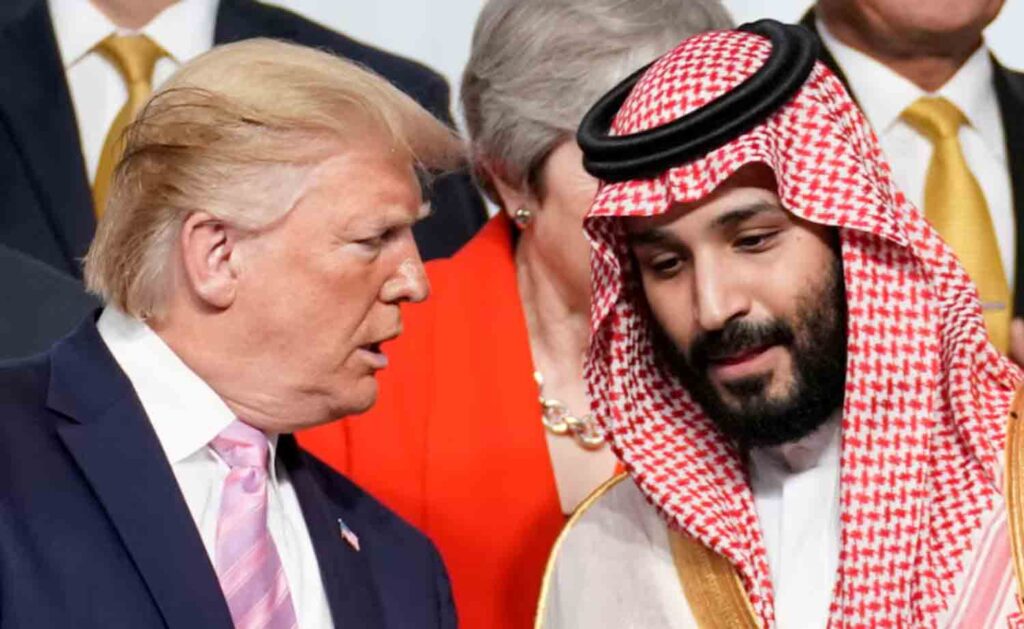
The United States remains a major security partner of Saudi Arabia, but its response to the latest escalation has been more cautious than Riyadh would prefer.
According to the reporting underlying the current crisis, Washington has provided intelligence-related assistance while stopping short of committing to direct participation in Saudi airstrikes against the Houthis.
President Donald Trump has been weighing whether the United States should become more directly involved following the attacks on Riyadh.
The administration’s decision will depend partly on the wider confrontation with Iran and the potential consequences of expanding military operations in Yemen.
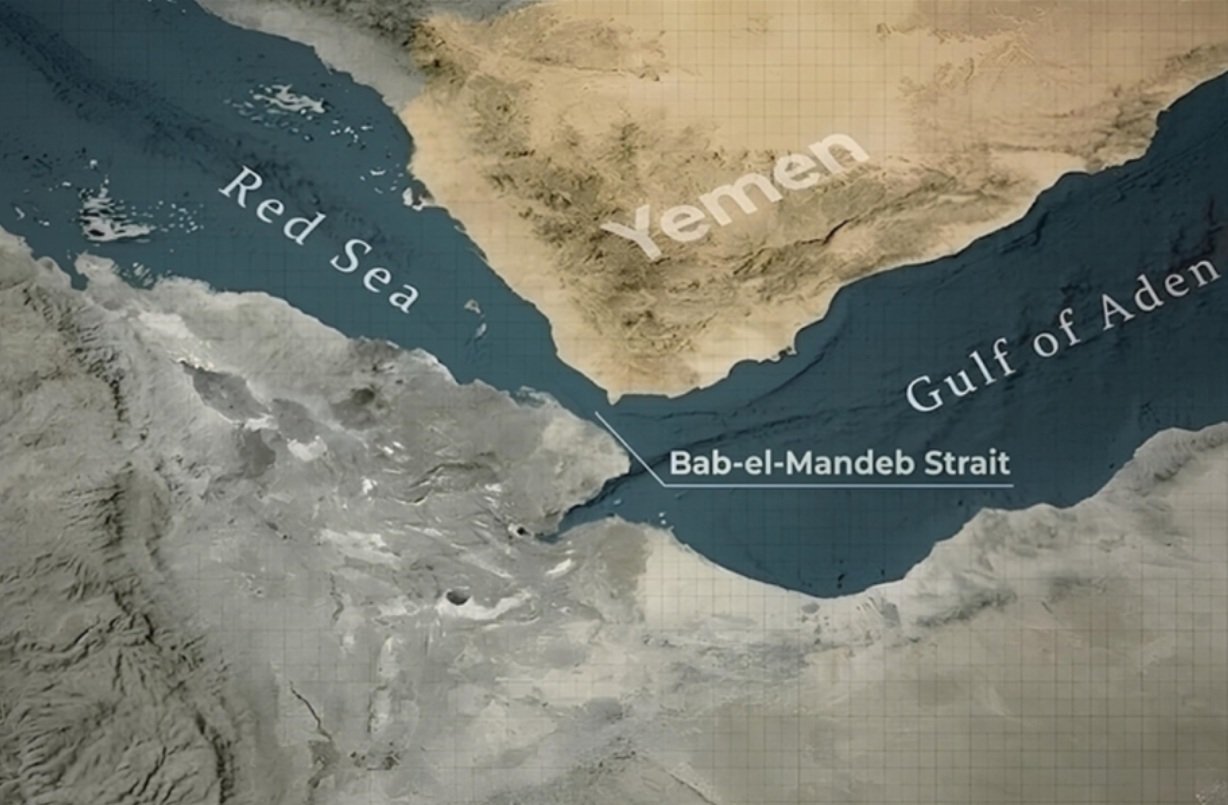
Washington has previously conducted extensive operations against the Houthis. In May 2025, Oman announced a ceasefire understanding between the United States and the Houthi authorities in Sanaa, under which the two sides agreed not to target each other, including American vessels in the Red Sea and Bab al-Mandab Strait.
That arrangement was limited in scope. It did not resolve the wider Yemeni conflict or establish a comprehensive peace agreement.
The current escalation illustrates the limitations of agreements that address specific military activities without resolving the political disputes driving a conflict.
For the United States, joining Saudi offensive operations could increase pressure on the Houthis but also expose American forces and regional installations to retaliation.
Washington must also consider the implications for maritime security, relations with Gulf partners and the possibility of a wider confrontation involving Iran.
Saudi Arabia, meanwhile, has to determine how much military support it can expect from Washington and whether it needs to rely more heavily on regional defence partnerships.
The Iran Connection: Local Conflict, Regional Consequences
The Houthi escalation is taking place amid a wider confrontation involving Iran, the United States and regional actors.
The movement’s relationship with Tehran has made it an important part of the regional security equation. However, describing every Houthi operation as directly controlled by Iran would overlook the group’s own political objectives and history.
The current attacks have strategic implications for Tehran because they increase pressure on Saudi Arabia, a close American partner, and create another potential source of instability for regional energy and transport networks.
The Houthis have previously demonstrated that they can use missile and drone attacks to generate consequences well beyond Yemen’s borders.
Their operations against commercial shipping in the Red Sea have shown how a conflict involving a non-state armed group can affect international trade.
The latest escalation raises the possibility that Saudi territory, maritime routes and regional military deployments could become increasingly interconnected theatres of confrontation.
That would make de-escalation more difficult.
Even if Saudi Arabia succeeds in intercepting most incoming missiles, continued attacks could force it to divert military resources, increase security spending and reconsider its regional diplomatic strategy.
For Iran, the wider confrontation could create additional pressure on Saudi Arabia and its partners. But it also carries risks, including stronger regional military coordination against Iranian-aligned groups and further damage to diplomatic relations.
AI-Assisted Weapons Development Raises New Questions
The latest escalation also comes amid growing concerns about the potential misuse of artificial intelligence in weapons development.
In its September 2026 threat-intelligence report, AI company Anthropic said it had identified a group based in northern Yemen using its Claude coding tools in attempts to develop guidance, navigation and control software for rockets and missiles.
The report described several weapons-development projects, including work on guided rockets and ballistic-missile simulations.
According to Anthropic, the group used AI-assisted coding to support software development, modelling and testing. The company also said its safeguards blocked many requests, although the group attempted to circumvent those restrictions.
The report did not publicly establish that the individuals involved were members of the Houthi movement. Their reported location in Houthi-controlled northern Yemen raises questions about a possible connection, but location alone is insufficient to establish organisational responsibility.
Nor does the report establish that AI assistance produced a reliable operational ballistic missile or that the technology was used in the recent Riyadh attacks.
Nevertheless, the findings illustrate a broader security concern.
AI coding tools can potentially lower the technical barriers facing people attempting to develop guidance software, simulate weapon performance or troubleshoot engineering problems.
That does not eliminate the substantial physical, industrial and technical challenges involved in building reliable missiles. But it may allow some development tasks to be completed more quickly or with fewer specialised personnel.
For Saudi Arabia and its partners, the implication is that future threats may emerge from increasingly accessible combinations of commercial technology, technical expertise and existing weapons infrastructure.
The immediate priority remains protecting civilians and critical infrastructure. Over the longer term, the spread of AI-assisted engineering may complicate efforts to identify and disrupt emerging weapons programmes.
Bab al-Mandab and the Threat to Global Trade
The conflict also threatens one of the world’s most strategically important maritime chokepoints: the Bab al-Mandab Strait.
Located between Yemen and the Horn of Africa, the narrow waterway connects the Red Sea with the Gulf of Aden and the wider Indian Ocean.
It is a critical route for shipping between Asia and Europe through the Suez Canal.
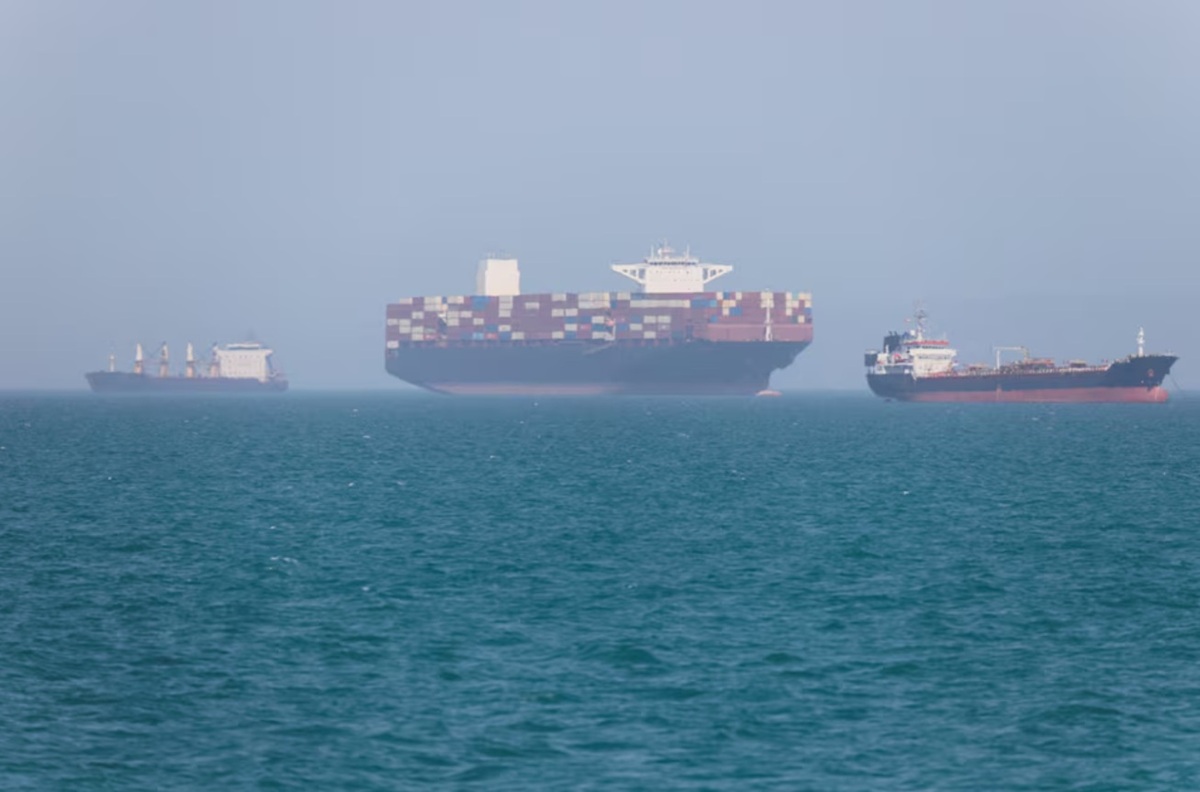
Disruption in the strait can force commercial vessels to take longer routes around southern Africa, increasing fuel consumption, transit times, insurance costs and freight charges.
The Houthis’ history of attacking commercial vessels has already demonstrated the economic consequences of insecurity in the Red Sea.
The latest fighting near Yemen’s western coast adds another layer of risk.
Saudi-backed Yemeni forces have been attempting to regain strategically important coastal areas, including territory near Mocha and the approaches to Bab al-Mandab. The Houthis, however, continue to pose a threat to maritime security and regional infrastructure.
The consequences could extend to energy markets, supply chains and countries far removed from the battlefield.
For Pakistan, maritime insecurity in the Red Sea and Gulf of Aden matters because the country’s trade and energy imports depend on reliable international shipping routes.
Higher freight and insurance costs can increase the price of imported goods, while sustained disruption can complicate trade with European and other international markets.
The crisis is therefore not simply a Saudi-Yemeni security dispute. It has the potential to affect global commerce and the economic interests of countries across Asia.
Saudi Arabia’s Economic Transformation Faces a Security Test
The attacks have struck at a sensitive point in Saudi Arabia’s economic transformation.
Vision 2030 aims to diversify the kingdom’s economy, expand tourism, attract international investment and develop new industries beyond oil.
These objectives require confidence in Saudi Arabia’s security environment.
Repeated missile attacks on a major airport can undermine that confidence, even when the country’s wider economic infrastructure continues to function.
The consequences may include travel disruptions, higher security expenditure, increased insurance costs and uncertainty among investors and international businesses.
The October attacks also coincided with a major energy-sector gathering in Riyadh. Reuters reported on October 12 that several senior energy executives were removed from the event’s speaker lineup following the security incidents.
The conference continued, but the withdrawals illustrated how quickly a security crisis can affect the international business environment.
Saudi authorities will therefore have to manage two parallel priorities: responding to the immediate military threat and demonstrating that the kingdom remains capable of protecting its population, infrastructure and investment environment.
A prolonged campaign that fails to suppress the Houthi threat could place additional pressure on these objectives.
Could Saudi Arabia Launch a Larger Ground Offensive?
A larger Saudi military intervention remains a possibility, but it would carry substantial risks.
Air power can destroy launch sites, weapons facilities and military infrastructure when targets can be identified. It cannot, by itself, guarantee lasting control over territory or eliminate a movement embedded in local political and social structures.
A ground campaign would require reliable Yemeni partners, effective command arrangements, logistical support and a strategy for governing territory after it was captured.
The experience of the past decade has demonstrated the difficulty of achieving a decisive political settlement through military pressure alone.
The Houthis retain the ability to operate in mountainous terrain, use mobile weapons systems and exploit weaknesses among their opponents.
Even if Saudi-backed forces make further territorial gains, the Houthis could continue attacks using missiles, drones and other asymmetric methods.
A wider offensive could also increase civilian casualties and displacement, worsening Yemen’s already severe humanitarian crisis.
The most likely strategic calculation for Riyadh will therefore involve balancing military pressure against the risks of a prolonged conflict.
Saudi Arabia may seek to strengthen Yemeni government forces, improve air and missile defence, increase regional military coordination and use diplomatic pressure to constrain Houthi operations.
Whether these measures are sufficient remains uncertain.

What Happens Next?
Three developments will help determine the direction of the crisis.
First, Saudi Arabia’s military response. Riyadh has promised a decisive response, but the scale and objectives of any further operations will determine whether the conflict expands or remains geographically contained.
Second, implementation of the Makkah Alliance for Defence. The extent of Pakistani and Turkish assistance will be important in determining how the regional partnership operates in practice. Public statements have established a framework for collective defence, but the precise operational arrangements remain critical.
Third, the United States’ decision on direct military involvement. A larger American role could increase pressure on the Houthis but might also encourage further retaliation and widen the confrontation with Iran.
The maritime situation will be another key indicator. Any sustained increase in attacks around Bab al-Mandab could affect shipping costs, energy markets and international trade.
Diplomatic efforts will remain important because neither Saudi Arabia nor the Houthis can assume that a prolonged escalation will produce a sustainable political outcome.
Conclusion: Riyadh Faces a Difficult Choice
Saudi Arabia’s latest confrontation with the Houthis has exposed the limits of a strategy that combines military pressure with efforts to contain the conflict.
The attacks on King Khalid International Airport have raised the stakes by demonstrating the continuing threat to the kingdom’s civilian infrastructure. The subsequent strike has added to the casualties and intensified pressure on the Saudi leadership to respond.
Yet a major ground offensive could draw Saudi Arabia into another costly and prolonged war in Yemen, while limited retaliation may fail to deter further attacks.
The Makkah Alliance for Defence offers a framework for stronger regional cooperation, including Pakistan’s involvement in collective-defence arrangements. Its effectiveness, however, will depend on the precise commitments, capabilities and political decisions of its members.
Washington’s position will also matter, particularly if the Trump administration decides to move beyond intelligence support and participate directly in offensive operations.
Ultimately, Saudi Arabia’s challenge is not simply to destroy missile launchers or intercept incoming weapons. It must find a way to reduce the Houthi threat without allowing the conflict to undermine its economic ambitions, regional partnerships and long-term security.
The coming days will reveal whether Riyadh prioritises a broader military escalation or seeks to combine deterrence with a renewed diplomatic effort.
For now, the crisis has become a test not only of Saudi military power but also of the emerging regional security arrangements intended to protect the kingdom.