Mediation proposal reportedly offers Iran interest on $6 billion in frozen funds in exchange for renewed nuclear inspections, raising hopes of reviving stalled negotiations and preventing another escalation.
Pakistan and Qatar have reportedly presented a compromise proposal to the United States and Iran aimed at preventing a renewed military confrontation and bringing both sides back to the negotiating table.
The proposal, reported by Al-Araby Al-Jadeed on October 20, seeks to address two central obstacles to a diplomatic settlement: Iran’s demand for access to frozen financial assets and Washington’s insistence on greater oversight of Iran’s nuclear programme.
According to sources familiar with the mediation, the proposal would allow Iran to receive the interest earned on $6 billion in Iranian funds held in Qatari banks. In return, Tehran has reportedly agreed to an unannounced visit by the International Atomic Energy Agency (IAEA) to Iranian nuclear sites.
The sources told Al-Araby Al-Jadeed that the proposal had received US approval and a positive response from Iran. However, neither government had publicly confirmed the reported terms as a final agreement at the time of publication.
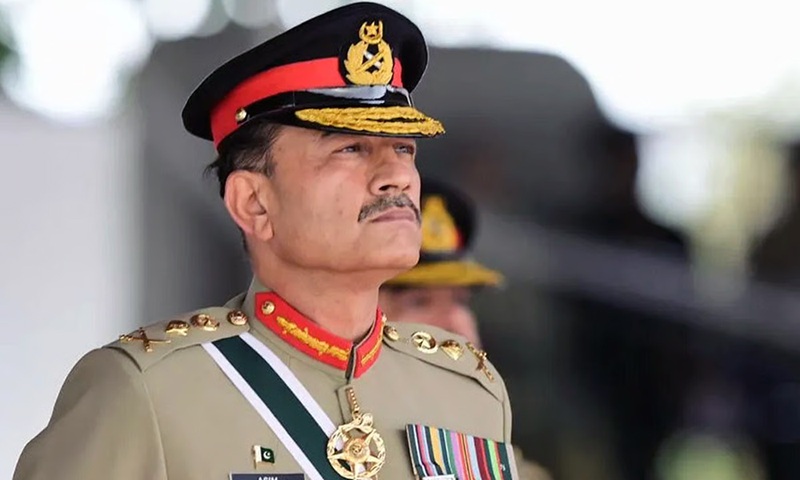
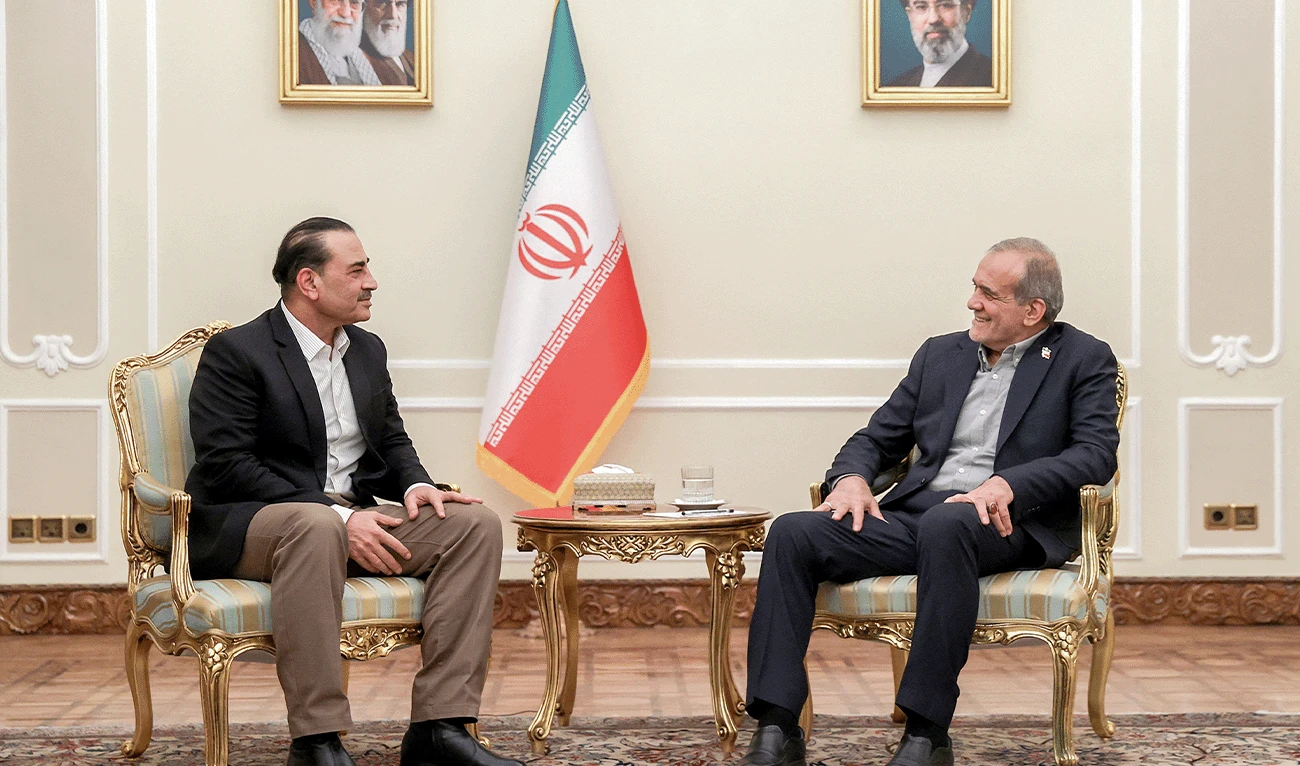
The diplomatic initiative coincides with the arrival of Pakistan’s Chief of Defence Forces and Army Chief, Field Marshal Asim Munir, in Tehran on Tuesday, leading a delegation of Pakistani officials for discussions with Iranian leadership.
The reported proposal could provide a new opening for diplomacy, but major questions remain over its implementation, the scope of nuclear inspections, sanctions relief and the steps required to prevent the conflict from reigniting.
What Is in the Pakistan-Qatar Compromise Proposal?
According to Al-Araby Al-Jadeed’s sources, the proposal contains two principal elements designed to give both sides a reason to resume negotiations.
1. Interest on $6 billion in frozen Iranian funds
The proposal reportedly addresses Iran’s demand for the return of money frozen under US sanctions by offering the interest earned on approximately $6 billion held in Qatari banks.
The distinction between the principal and the interest is important. The reported proposal does not establish that Iran would immediately regain unrestricted access to the entire $6 billion.
Instead, the arrangement would provide a partial financial concession while leaving the wider question of frozen Iranian assets unresolved.
Iran has repeatedly sought access to funds held abroad, arguing that restrictions on its financial resources have imposed substantial economic costs. Washington, meanwhile, has sought to link financial concessions to broader negotiations over Iran’s nuclear programme and regional security.
If confirmed, the proposed interest payment could serve as an initial confidence-building measure rather than a comprehensive settlement of the sanctions dispute.
2. An unannounced IAEA visit to Iranian nuclear sites
The second reported element concerns international monitoring of Iran’s nuclear programme.
According to the sources cited by Al-Araby Al-Jadeed, Tehran has agreed under the proposal to an unannounced visit by the International Atomic Energy Agency to Iranian nuclear facilities.
Such access could help address US concerns about nuclear transparency and provide a mechanism for gathering information about Iran’s activities.
However, the reported arrangement raises several unanswered questions. The locations to be inspected, the timing of visits, the inspection procedures and the information available to the IAEA have not been publicly specified.
An unannounced visit should also not automatically be described as a comprehensive inspection agreement. Its significance would depend on the access granted, the safeguards applied and the agency’s ability to verify relevant nuclear activities.
No public confirmation from the IAEA establishing that the reported inspection arrangement has been agreed or implemented was available at the time of writing.
For Washington, the reported concession could represent a step towards greater transparency. For Tehran, it could provide a way to reopen diplomacy without first accepting every US demand.
Asim Munir Arrives in Tehran as Pakistan Steps Up Mediation
Field Marshal Asim Munir’s visit to Tehran is a key development in Pakistan’s continuing diplomatic engagement with both Washington and Tehran.
Munir arrived in the Iranian capital on October 20 at the head of a Pakistani delegation. Reuters reported that the visit followed earlier contacts involving Iranian leaders and efforts to reduce tensions, reopen the Strait of Hormuz and revive negotiations.
Iranian Foreign Ministry spokesman Esmaeil Baghaei said the discussions were connected to the negotiations but focused primarily on bilateral relations between Iran and Pakistan and strengthening cooperation.
That public description is important: although the visit coincides with the reported compromise proposal, Tehran has not publicly confirmed that Munir delivered an agreed final settlement or secured Iranian acceptance of every reported term.
Pakistan has sought to maintain communication with both sides, positioning itself as an intermediary at a time when direct negotiations have struggled to overcome fundamental disagreements.
Islamabad’s geographical proximity to Iran, its relationships across the Gulf and its diplomatic engagement with Washington give it an important interest in preventing the conflict from widening.
For Pakistan, renewed fighting could bring serious economic and security consequences, including higher energy costs, disrupted trade and instability along its western border.
The visit therefore carries both diplomatic and national-security significance.
Why Qatar Is Central to the Negotiations

Qatar has emerged as an important intermediary because of its established diplomatic channels with regional actors and its ability to communicate with both Western governments and Iran.
Its role in the latest initiative complements Pakistan’s efforts to facilitate dialogue and identify possible concessions that could prevent another escalation.
The proposed financial arrangement also places Qatar in a sensitive position. The $6 billion in question consists of Iranian funds held in Qatari banks under restrictions associated with earlier US-Iran arrangements.
The funds have previously been linked to humanitarian purchases under tightly controlled conditions. Their existence in Qatar does not mean Iran can access them without restrictions, nor does it establish that Qatar can independently release them without the necessary approvals.
The reported proposal would therefore require clear financial and legal arrangements, including confirmation of what interest is available, how any payment would be authorised and what restrictions would apply.
Qatar’s diplomatic role is also important because the crisis extends beyond the nuclear file. Maritime security, energy supplies, regional military operations and the risk of renewed confrontation are all connected to the wider negotiations.
In June 2026, Qatar announced a high-level mediation process involving the United States, Iran, Pakistan and Qatar, with technical working groups intended to negotiate a final agreement. That initiative established a framework for continued engagement, although the subsequent escalation demonstrated the difficulty of translating diplomatic understandings into a durable settlement.
The Islamabad Memorandum and the Challenge of Reviving Talks
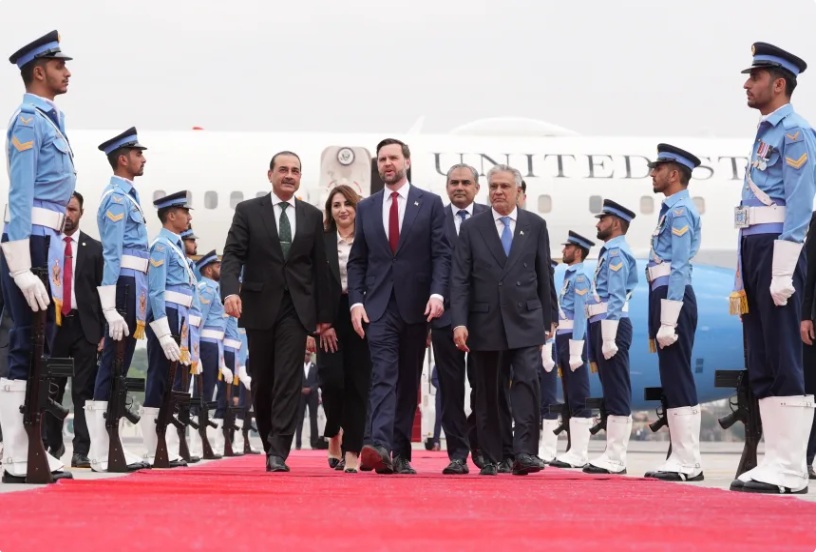
The latest proposal follows earlier efforts by Pakistan and Qatar to broker an understanding between Washington and Tehran.
The Islamabad Memorandum of Understanding, reached in June, was intended to establish a basis for de-escalation and further negotiations. However, it failed to prevent the conflict from intensifying again.
The experience illustrates a central problem in the US-Iran negotiations: the two sides have not agreed on the sequence in which the principal disputes should be resolved.
Washington has sought action on Iran’s nuclear programme, while Tehran has pressed for sanctions relief, access to frozen assets and arrangements addressing the immediate security and maritime crisis.
The dispute is not limited to the nuclear question. The Strait of Hormuz, the security of commercial shipping, the status of military operations and the future of sanctions have all become part of the wider bargaining process.
A compromise that addresses only one issue may not be sufficient to sustain a settlement. Equally, insisting that every dispute be resolved before any concession is made can make negotiations difficult to restart.
The reported Qatar-Pakistan proposal appears designed to bridge that gap through limited, potentially reversible steps: a partial financial concession and a nuclear-monitoring measure that could provide a basis for further discussions.
Whether this approach succeeds will depend on the detailed terms and whether both governments are prepared to implement their commitments.
Strait of Hormuz Remains a Major Obstacle
The Strait of Hormuz remains one of the most important pressure points in the crisis.
The narrow waterway connects the Persian Gulf with the Gulf of Oman and the wider Arabian Sea. It is a critical route for international oil and liquefied natural gas shipments, making its security a matter of global economic importance.
Iran has linked its demands to the reopening of the strait and changes to the US maritime restrictions. Washington, meanwhile, has sought to protect maritime traffic and address concerns about Iran’s nuclear activities.
On October 12, Reuters reported that Iran was reviewing a US response to its proposal concerning the reopening of the Strait of Hormuz and intended to reply through intermediaries.
The continued disruption of shipping has raised transportation costs and increased uncertainty in energy markets. Any further escalation could affect fuel prices, commercial shipping schedules and countries heavily dependent on Gulf energy supplies.
For Pakistan, the consequences could be particularly significant because higher imported energy costs would place additional pressure on the economy.
A durable agreement would therefore need to address not only nuclear monitoring and financial restrictions but also practical arrangements for maritime security and the restoration of reliable commercial navigation.
Lavrov’s Tehran Visit Adds Another Diplomatic Dimension
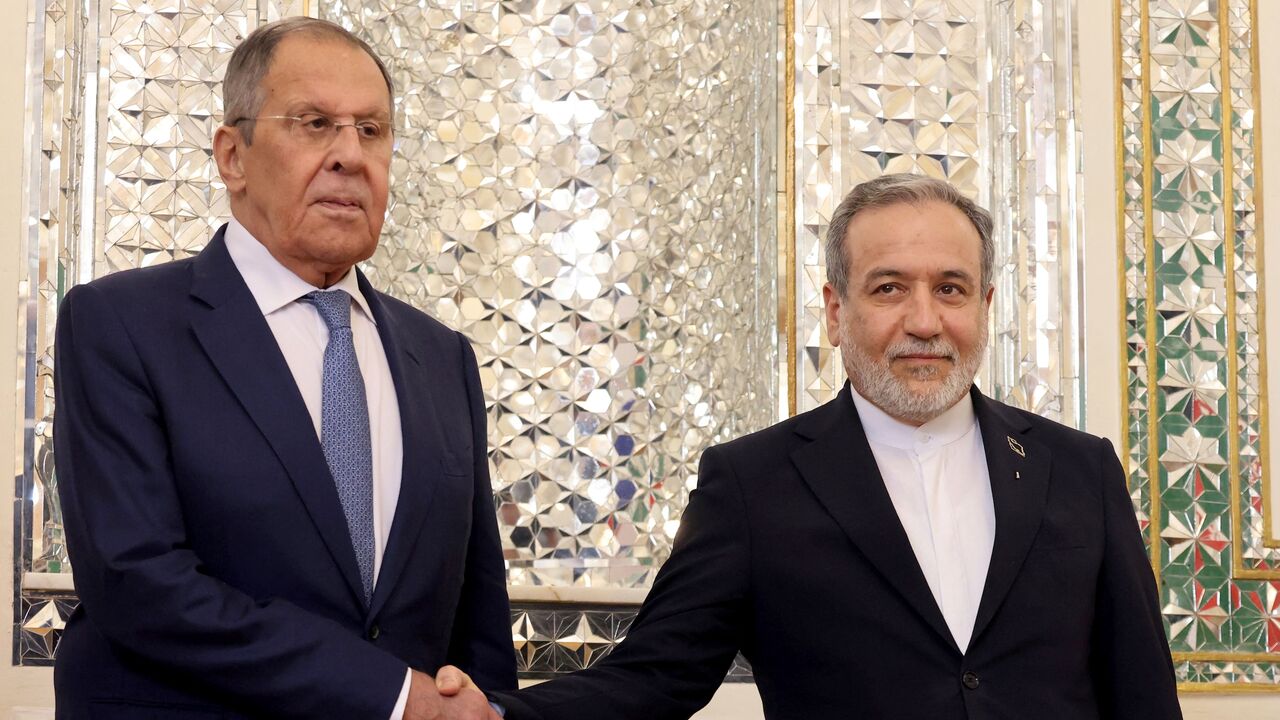
The reported mediation proposal also comes amid renewed diplomatic activity involving Russia.
Russian Foreign Minister Sergey Lavrov visited Tehran on October 19 and met Iranian officials, including Foreign Minister Abbas Araghchi. The discussions included regional developments and the nuclear dispute.
Reuters reported that Araghchi blamed Washington for tensions around the Strait of Hormuz and called for a regional security arrangement led by countries in the region.
Russia has also expressed willingness to remain involved in discussions concerning Iran’s nuclear programme. Moscow’s role matters because of its relationship with Tehran and its longstanding position that the nuclear dispute should be addressed through diplomacy.
However, Russia’s engagement does not establish that it has endorsed the specific Qatar-Pakistan proposal or that a wider international agreement has been reached.
The parallel diplomatic initiatives illustrate the growing urgency of preventing renewed military action, while also highlighting the number of actors whose interests must be considered in any eventual settlement.
Is a US-Iran Breakthrough Imminent?
Al-Araby Al-Jadeed’s sources said a breakthrough could be announced during the week, adding that mediators were working to narrow differences and encourage reciprocal concessions.
That assessment offers a reason for cautious optimism, but it is not an official announcement of a ceasefire or a final agreement.
Several questions remain unresolved:
- Will Washington formally confirm the reported financial arrangement?
- Will Tehran publicly accept the proposed IAEA access, and what would the inspection mandate cover?
- Can the parties agree on the timing of sanctions relief, nuclear commitments and maritime measures?
- Will the understandings be accompanied by verifiable steps to prevent renewed military action?
- What mechanism would be used to resolve disagreements over compliance?
These details will determine whether the reported proposal becomes a functioning diplomatic arrangement or remains an initial framework for further negotiations.
A positive response to a proposal does not necessarily mean that every term has been accepted, legally finalised or implemented. In sensitive negotiations, governments may agree to continue discussions while retaining reservations over specific provisions.
The distinction is particularly important in the present crisis, where previous diplomatic initiatives have failed to produce a lasting end to hostilities.
What the Proposal Means for Pakistan
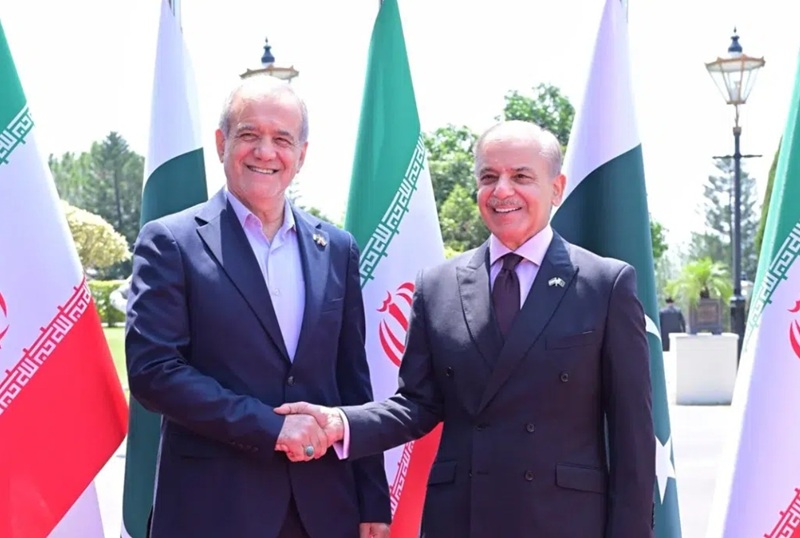
Pakistan has a direct interest in preventing a renewed US-Iran confrontation.
A prolonged conflict could increase energy import costs, disrupt regional trade, place pressure on the Pakistani currency and complicate security along the Iran-Pakistan border. Instability around the Strait of Hormuz would also threaten shipping routes that are important to Pakistan’s energy and commercial supplies.
Successful mediation could strengthen Islamabad’s role as a diplomatic intermediary and demonstrate the value of maintaining communication with competing regional powers.
However, Pakistan’s influence will ultimately be measured by results rather than the number of diplomatic visits. A lasting outcome would require verifiable commitments, sustained communication and a mechanism to prevent misunderstandings from triggering another escalation.
The current proposal could provide an opening, particularly if both sides view the financial and nuclear-monitoring measures as limited steps that do not require immediate resolution of every dispute.
Conclusion: A Reported Compromise, but No Final Deal Yet
The Qatar-Pakistan proposal represents a potentially important attempt to restart US-Iran negotiations by linking limited financial relief with renewed nuclear oversight.
The reported offer of interest on $6 billion in frozen Iranian funds, combined with a proposed unannounced IAEA visit, could give Washington and Tehran a basis for further talks without requiring either side to resolve every dispute immediately.
Field Marshal Asim Munir’s arrival in Tehran adds diplomatic momentum, while Qatar’s continued engagement and Russia’s parallel contacts provide additional channels for communication.
Nevertheless, the reported terms remain unconfirmed by the governments involved. The proposal should not be described as a completed agreement, a confirmed ceasefire or proof that the risk of renewed conflict has disappeared.
The decisive test will be whether the reported understandings are formally confirmed, translated into verifiable measures and followed by progress on the nuclear dispute, sanctions, maritime security and the wider conflict.
For now, the initiative offers a possible route back to negotiations—but the path to a durable settlement remains uncertain.