Friday, June 5, 2026
Home Blog Page 140

Russia says treaty with North Korea establishes “strategic cooperation”

0
Kremlin spokesman Dmitry Peskov

Russia announced on Tuesday that a treaty signed with North Korea earlier this year establishes “strategic cooperation” across various sectors. However, officials refrained from elaborating on the implementation of a mutual defense clause included in the agreement.

Russian President Vladimir Putin and North Korean leader Kim Jong Un formalized the treaty during Putin’s visit to Pyongyang in June, which encompasses a mutual assistance provision obligating both nations to support each other against external threats.

When questioned about the implications of this agreement, particularly whether it could involve Russia supporting North Korea in a potential conflict on the Korean peninsula or vice versa in a confrontation with Western nations, Kremlin spokesman Dmitry Peskov stated that the treaty’s language was “quite unambiguous” and did not require further explanation. Peskov emphasized that the pact signifies “truly strategic deep cooperation in all areas, including security.”

Rising tensions on the Korean peninsula have been evident, particularly after North Korea destroyed sections of inter-Korean roads and railways on its side of the heavily fortified border, which led South Korea’s military to issue warning shots.

Ukrainian President Volodymyr Zelenskiy recently accused North Korea of sending personnel to support Russia’s military efforts, stating that his intelligence agencies informed him about “the actual involvement of North Korea in the war” in Ukraine. The United States has claimed that North Korea has provided Russia with ballistic missiles and ammunition. Both Moscow and Pyongyang have denied these allegations of arms transfers but have expressed intentions to strengthen their military cooperation, which may involve joint exercises. Last week, Peskov dismissed the claims regarding North Korean troops in Ukraine as misinformation.

When questioned about whether a forthcoming partnership treaty between Russia and Iran might incorporate a mutual defense clause, Peskov responded on Tuesday, “No. We will discuss its content once it is finalized.”

India’s Foreign Minister Subrahmanyam Jaishankar in Pakistan for SCO meeting

0
India's External Affairs Minister Subrahmanyam Jaishankar speaks during a press conference.

Indian Foreign Minister Subrahmanyam Jaishankar arrived in Pakistan on Tuesday, marking the first visit of its kind in nearly ten years for a meeting of the Shanghai Cooperation Organisation (SCO) governments, with the capital city under strict security measures.

Jaishankar joined nearly a dozen leaders at the gathering in Islamabad, which is set to culminate in a main event on Wednesday. This visit is significant as it has been almost a decade since a foreign minister from India, Pakistan’s long-standing rival, has traveled to the country, reflecting the ongoing tensions between the two nuclear nations.

Both countries have indicated that no bilateral discussions are scheduled. The SCO meeting, a political and security alliance established in 2001 by Russia and China, represents the most prominent event hosted by Pakistan in recent years. Chinese Premier Li Qiang is already in attendance, along with seven other prime ministers from member and observer states, including Russia’s Mikhail Mishustin, who are also expected to participate in person.

The Shanghai Cooperation Organization (SCO) also comprises Iran, Kazakhstan, Kyrgyzstan, Tajikistan, and Uzbekistan. On Tuesday, the prime ministers of Kyrgyzstan, Tajikistan, and Kazakhstan—Akylbek Zhaparov, Qohir Rasulzoda, and Olzhas Bektenov—arrived for the event. Additionally, the prime ministers of Belarus and Mongolia were anticipated to attend.

The primary SCO meeting is scheduled for Wednesday, while Pakistani Prime Minister Shehbaz Sharif is set to host a welcome dinner on Tuesday. According to Pakistan’s Foreign Office, Sharif will also engage in bilateral discussions during the event.

The agenda for the SCO meeting will focus on enhancing cooperation in economic and trade sectors. Analysts suggest that the organization aims to diminish Western influence in the region.

In preparation for the summit, the Pakistani government declared a three-day public holiday in Islamabad, leading to the closure of schools and businesses, alongside the deployment of significant police and paramilitary forces. The army has been tasked with ensuring security in the capital’s Red Zone, which houses the parliament and a diplomatic enclave, and where the majority of SCO meetings will occur, as stated by the interior ministry.

Security concerns have been heightened leading up to the summit, particularly following the murder of two Chinese engineers on October 6, attributed to the separatist Baloch Liberation Army, and the deaths of 21 miners in an attack on October 11, for which no group has taken responsibility.

Russia-China military discussion on strengthening partnership

0

Russia and China engaged in significant defense and military discussions aimed at strengthening their partnership, as stated by Russia‘s defense minister on Tuesday. This meeting reflects the deepening of their “no limits” alliance and an increased critique of U.S. attempts to expand its influence in Asia.

According to a post on the Russian defense ministry’s Telegram channel, Defense Minister Andrei Belousov noted that the military sectors of both nations share similar views on global developments and have a mutual understanding of the necessary actions in the current context.

Belousov reported that he had “very substantive” discussions with Zhang Youxia, the vice chairman of China’s Central Military Commission. Following the meeting, China’s Defense Ministry expressed a desire to enhance and broaden military relations while ensuring ongoing high-level communications. Belousov’s trip to Beijing coincided with China’s military’s announcement of potential further actions regarding Taiwan, following a series of military exercises intended as a warning against “separatist acts,” which were met with disapproval from both Taiwanese and U.S. officials.

In February 2022, China and Russia established a “no limits” partnership during President Vladimir Putin’s visit to Beijing, just weeks prior to the onset of a full-scale invasion of Ukraine, which marked the most lethal land conflict in Europe since World War II.

In May of this year, Putin and Xi Jinping announced a “new era” of collaboration between the two nations, positioning themselves as formidable challengers to U.S. dominance, which they accuse of creating global disorder reminiscent of a Cold War mentality.

Belousov noted that Putin and Xi have committed to enhancing their “strategic partnership,” although he did not elaborate on specifics. He expressed confidence that significant and impactful decisions are forthcoming.

Recently, Russia reaffirmed its support for China on various Asian matters, including criticism of the U.S. efforts to expand its influence and what they describe as “deliberate attempts” to escalate tensions regarding Taiwan.

The U.S. has accused China of aiding Russia’s military campaign in Ukraine by supplying dual-use goods, such as microelectronics, that could be utilized in weapon production. In response, China has maintained that it has not supplied arms to any party and insists that normal trade with Russia should continue without interruption.

What did China achieve from military exercises around Taiwan?

0
Members of the Chinese People's Liberation Army (PLA) take part in the "Joint Sword-2024B" military drills around Taiwan, from an undisclosed location in this screenshot from a handout video released by the PLA Eastern Theatre Command.

China characterized its recent military exercises near Taiwan as a cautionary measure against “separatist actions,” indicating that further drills may be forthcoming. This announcement has elicited strong reactions from both the Taiwanese government and the United States.

While these exercises appeared to be shorter in duration compared to earlier ones, they were marked by rapid simulated assaults and the mobilization of naval and aerial forces. The last significant military maneuvers took place in May, coinciding with the inauguration of Lai Ching-te as Taiwan’s new president.

Here is an overview of China’s strategic objectives behind this week’s exercises and the new elements involved.

Blockade

The Chinese military announced that a segment of its recent exercises focused on what it termed a “key port blockade,” effectively cutting off Taiwan’s maritime supply routes for trade, food, and energy. This maneuver was intended to demonstrate China’s capability to halt energy imports, particularly at its terminals receiving liquefied natural gas (LNG), according to military expert Zhang Chi from China’s National Defence University, as reported by the state-affiliated Global Times.

Zhang emphasized that the People’s Liberation Army aims to showcase its ability to obstruct Taiwan’s energy resource imports, which could significantly affect the island’s economy and society. Foreign military attaches and analysts are closely monitoring this aspect of the drills, as such a strategy could exert pressure on Taiwan and isolate it in the lead-up to a potential full-scale invasion.

On Monday, Taiwan’s state-owned energy firm CPC announced that its LNG imports remained stable, refuting online claims suggesting otherwise as misinformation. Su Tzu-yun, director of defense strategy and resources at Taiwan’s leading military think tank, the Institute for National Defence and Security Research, commented, “This situation involved a unique element, referred to as quarantine or blockade, during which they honed their blockading skills.”

China is moving nearer to Taiwan.

A map released by China’s military indicates that the designated drill zones are now situated closer to Taiwan compared to earlier exercises, with all zones, for the first time, encompassing areas within Taiwan’s 24-mile (39-km) contiguous zone. “The announced drill zones are increasingly encroaching upon Taiwan island, and they all fall within the 24-mile zone,” stated Ma Chen-kun, a military expert from Taiwan’s National Defence University, during a forum in Taipei on Monday.

A more engaged coast guard

China’s coast guard, now the largest in the world, played a more active role in Monday’s exercises, surrounding the Taiwan-controlled Matsu islands adjacent to the Chinese coast and operating on both sides of Taiwan’s mainland.

Taiwanese officials assert that the deployment of the coast guard is part of a “grey zone” strategy that avoids outright conflict while seeking to assert China’s claim to manage and control the Taiwan Strait.

Analysts indicate that China’s coast guard maintains a nearly continuous presence near Taiwan and extends into the contested South China Sea. Taiwan remains particularly cautious of Chinese coast guard attempts to board its civilian vessels under the guise of law enforcement, as such actions could provoke a serious response, according to Deputy Chief Hsieh Ching-chin.

Collin Koh from Singapore’s S. Rajaratnam School of International Studies noted that it was “unprecedented” for so many coast guard vessels to be patrolling around the island simultaneously. He suggested that this development could signal a new standard for Beijing’s grey zone tactics against Taiwan.

Propaganda

Chinese military exercises have previously been accompanied by the dissemination of videos depicting animated missile strikes on Taiwan. In a notable departure this time, a caricature of Taiwan’s President Lai Ching-te was presented, featuring exaggerated devil-like ears, which a security source in Taiwan described as an unusually personal affront to a leader already labeled a “separatist” by Beijing.

Additionally, China released two less polished videos featuring navy personnel discussing weather conditions and their positions near Taiwan’s key ports of Keelung and Kaohsiung.

Taiwanese television networks include these videos in their routine coverage of military drills, while the Taiwanese government characterizes them as elements of “cognitive warfare” aimed at undermining public confidence in its military capabilities.

Infiltration

Following the commencement of military exercises, Taiwan’s coast guard reported the apprehension of an individual from China who was attempting to reach one of the heavily fortified Taiwan-controlled islets near Xiamen, China, using a rubber boat.

The coast guard indicated that this incident may be linked to China’s “grey zone” operations, which pose a threat to Taiwan’s offshore islands amid the ongoing drills.

Israeli forces intensified their operations around Jabalia, 40 Palestinians killed

0

Israeli military operations resulted in the deaths of at least 40 Palestinians throughout the Gaza Strip as Israeli forces intensified their operations around Jabalia in the northern region on Tuesday, engaging in intense confrontations with Hamas fighters.

According to Palestinian health officials, Israeli fire claimed the lives of at least 11 individuals near Al-Falouja in Jabalia, which is the largest of Gaza’s eight historic refugee camps. Additionally, 10 people were killed in Bani Suhaila, located in eastern Khan Younis, when an Israeli missile struck a residential building.

Earlier that day, an Israeli airstrike leveled three homes in the Sabra neighborhood of Gaza City, with local civil emergency services reporting the recovery of two bodies from the debris. Efforts were ongoing to locate 12 other individuals believed to have been inside the homes during the attack. Furthermore, five additional casualties were reported when a house was hit in the Nuseirat camp in central Gaza.

Jabalia has been the target of an Israeli offensive for over 10 days, with military forces returning to areas in the north that had previously experienced significant bombardment during the ongoing year-long conflict.

Concerns have been raised among Palestinians and U.N. agencies regarding Israel’s intentions to evacuate residents from the northern part of the densely populated enclave, a claim that Israel has refuted. The United Nations human rights office reported on Tuesday that the Israeli military seems to be “completely isolating North Gaza from the remainder of the Gaza Strip.”

“During this period of intense conflict and evacuation orders in northern Gaza, families are enduring unimaginable fear, loss of loved ones, confusion, and exhaustion. It is essential that individuals are able to escape safely, without encountering additional threats,” stated Adrian Zimmerman, head of the ICRC sub-delegation in Gaza.

“Many individuals, including the sick and disabled, are unable to evacuate and are entitled to protection under international humanitarian law. All necessary measures must be taken to ensure their safety. Every displaced person has the right to return home securely,” he emphasized.

The Israeli military has now surrounded the Jabalia camp and deployed tanks in the adjacent towns of Beit Lahiya and Beit Hanoun, with the stated objective of eliminating Hamas fighters who are attempting to regroup in those areas.

The Israeli military has instructed residents to evacuate their homes and seek safety in southern Gaza. However, Palestinian and U.N. officials have stated that there are no safe areas within Gaza. Israeli authorities clarified that the evacuation orders were intended to distinguish between Hamas fighters and civilians, denying any systematic effort to remove civilians from Jabalia or other northern regions.

The armed wing of Hamas reported that its fighters were engaged in intense confrontations with Israeli forces in and around Jabalia. Zimmerman emphasized the need to protect health facilities in the northern region, noting that hospitals are struggling to deliver medical care.

According to Gaza’s health ministry, the military has ordered the evacuation of the three operational hospitals, but medical personnel have expressed their commitment to continue providing services despite being overwhelmed by the increasing number of casualties.

On Monday, UN Secretary-General Antonio Guterres expressed strong condemnation regarding the high number of civilian casualties in northern Gaza. This region is inhabited by more than half of Gaza’s 2.3 million residents, and many have been compelled to evacuate their homes due to intense bombardment during the initial phase of Israel’s military operation.

Current estimates from the United Nations indicate that approximately 400,000 individuals remain in the area. The offensive was initiated by Israel in response to a Hamas attack on October 7, which resulted in the deaths of 1,200 people and the abduction of around 250 individuals to Gaza, according to Israeli reports. As per health authorities in Gaza, over 42,000 Palestinians have lost their lives in the ongoing military campaign.

Kremlin retracted its previous statements about Saudi membership of the BRICS

0
Kremlin spokesman Dmitry Peskov

On Tuesday, the Kremlin retracted its previous statements that referred to Saudi Arabia as a member of the BRICS group, leaving uncertainty regarding the country’s participation in the upcoming BRICS summit in Russia next week.

While Saudi Arabia has received an invitation to join BRICS, it has not yet completed the formal accession process. Last week, however, Kremlin aide Yuri Ushakov had identified Saudi Arabia as a member and indicated that its foreign minister would be present at the summit in Kazan.

When asked to clarify Saudi Arabia’s position within BRICS, Kremlin spokesman Dmitry Peskov stated, “The summit is set to occur, and we will provide further details regarding Saudi Arabia’s representation, including whether it will participate in this summit, and we will draw conclusions from that.”

An Israeli strike on Iran’s nuclear installations may have unintended consequences

0
The Osirak research reactor site in Iraq after it was bombed by Israel in 1981.

Since Iran‘s missile strike on Israel on October 1, which was a reaction to the assassinations of Hezbollah leader Hassan Nasrallah in Beirut and Hamas leader Ismail Haniyeh in Tehran, there has been considerable speculation regarding Israel’s potential retaliation. Some analysts propose that Israel might target Iranian oil facilities, while others suggest strikes on its nuclear sites.

The Biden administration appears to be against both of these options; however, it has authorized the deployment of a Terminal High Altitude Area Defense (THAAD) missile defense system and U.S. troops to Israel, likely in preparation for a possible Iranian counteraction following an Israeli attack.

In contrast, former President Donald Trump, a Republican presidential candidate, has encouraged Israel to take preemptive action against Iran’s nuclear capabilities. His son-in-law, Jared Kushner, has echoed this sentiment.

While Trump, Kushner, and other strong supporters of Israel advocate for military action against Iran’s nuclear infrastructure, they may not fully grasp the repercussions of such an attack, reminiscent of Israel’s 1981 strike on Iraq’s Osiraq nuclear reactor.

The bombing of the French-built Osiraq facility not only forced Iraq’s previously peaceful nuclear program underground but also spurred Saddam Hussein to intensify efforts toward developing nuclear weapons. A similar aggressive approach against Iran’s nuclear ambitions could yield comparable outcomes.

A ‘pre-emptive’ strike

Iraq’s nuclear program began in the 1960s when the USSR constructed a small nuclear research reactor and provided technical expertise. In the 1970s, Iraq acquired a larger reactor from France, known as Osiraq, and significantly advanced its civilian nuclear initiatives with substantial support from French and Italian sources.

The French government implemented technical safeguards to prevent any potential dual-use of the reactor and communicated these measures to the United States, Israel’s closest ally. As a signatory to the Nuclear Non-Proliferation Treaty, Iraq underwent regular inspections by the International Atomic Energy Agency (IAEA) and was not, contrary to Israel’s claims, on the verge of developing a nuclear weapon.

Despite this, the Israeli government, facing increasing domestic unrest and the threat of electoral defeat in the upcoming legislative elections, opted to carry out a “pre-emptive” strike.

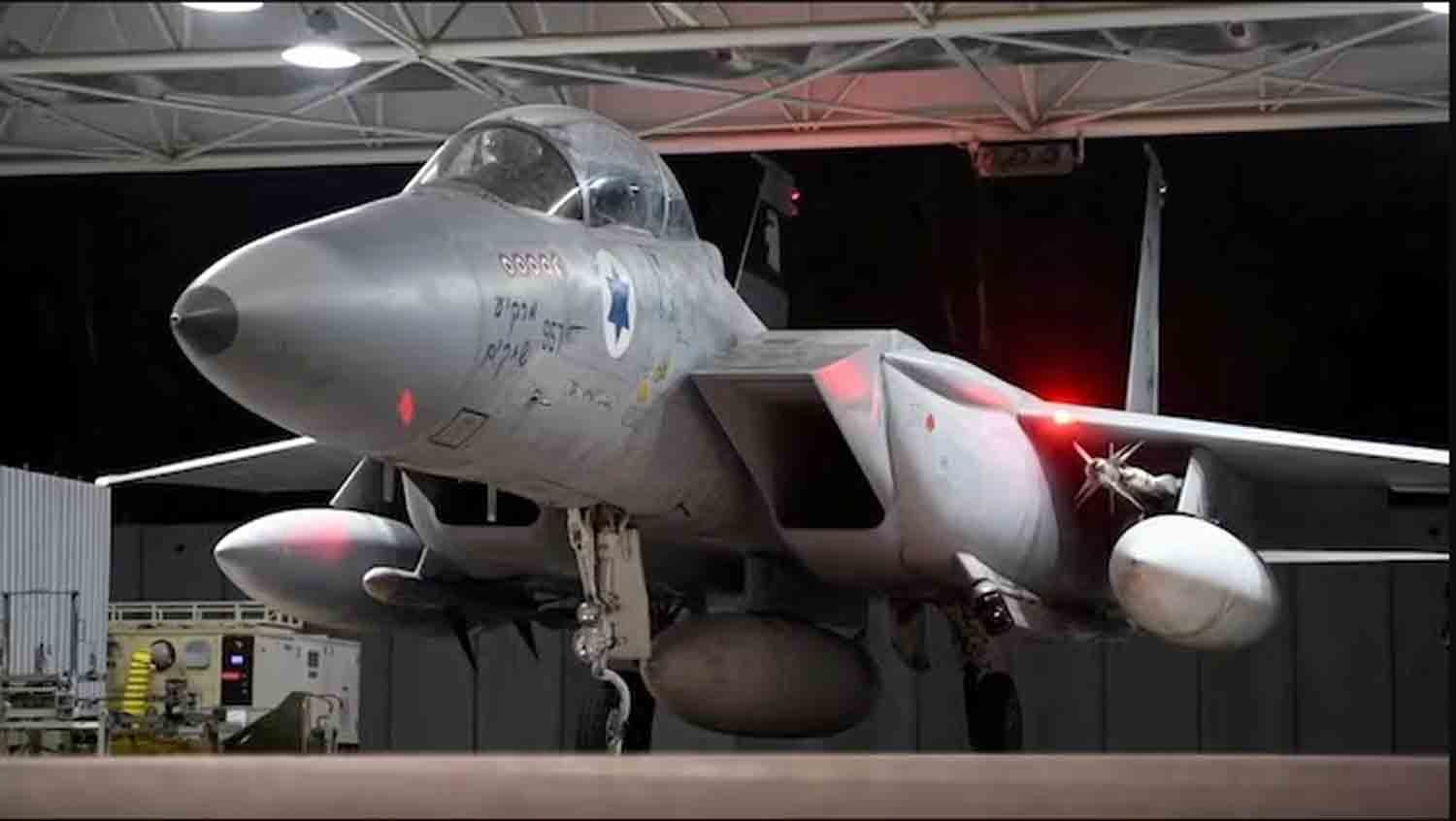
On June 7, 1981, Israeli F-15 and F-16 fighter jets, equipped with US technology, conducted an airstrike on the Osiraq reactor after refueling mid-flight. The attack resulted in the complete destruction of the reactor and the deaths of three Iraqi civilians and one French engineer.

This military action stirred nationalist sentiments among Israelis, contributing to Prime Minister Menachem Begin’s narrow electoral victory just three weeks later.

A collection of declassified US documents made public in 2021 reveals that Israel’s military action did not dismantle Iraq’s nuclear program; instead, it intensified Saddam Hussein’s resolve to obtain a nuclear weapon.

The attack also inspired a greater number of Iraqi scientists to join the national nuclear initiative. As noted by Iraqi nuclear scientist Jafar Dhia Jafar in his memoir, “the Israeli bombing of Tammuz I [i.e. Osiraq] had infuriated many, and they were practically forming a line to participate in ending the Jewish state’s monopoly of nuclear weapons in the Middle East.” The expertise of these scientists became more crucial to Saddam than the reactor he lost in the strike.

In the subsequent years, Saddam’s regime shifted its nuclear activities underground and sought assistance from nuclear-armed nations like Pakistan to develop capabilities for producing a nuclear weapon. Efforts were also made to reconstruct the destroyed reactor.

These initiatives faced significant setbacks only in the early 1990s due to the first Gulf War, which severely damaged Iraqi infrastructure, followed by sanctions that depleted the country’s financial resources.

The implications of a military strike on Iran

In recent years, several Iranian nuclear scientists have been targeted and killed. The most notable incident occurred in November 2020, when Mohsen Fakhrizadeh, a prominent nuclear physicist and senior figure in Iran’s nuclear program, was assassinated in an ambush near Tehran. Iran has attributed this and other similar attacks to Israel.

While these targeted killings may have eliminated key individuals, they have simultaneously motivated a new wave of Iranians to engage in nuclear science, fostering a sense of “nuclear nationalism” in response to the ongoing threats to Iran’s nuclear ambitions.

The developments following October 7, 2023, have intensified this sentiment. A survey conducted between February and May of this year revealed that public support for a peaceful nuclear program in Iran remains exceptionally high, with an increasing number of citizens now advocating for the country to pursue nuclear weapons. Approximately 69 percent of those surveyed expressed their support for this direction.

It is evident that Israel’s actions are only reinforcing Iran’s resolve to advance its nuclear program. A military strike on any of Iran’s nuclear facilities would likely strengthen this resolve even further. Drawing parallels with Iraq, such an action could push Iran’s nuclear efforts underground and expedite its pursuit of nuclear weaponry.

Currently, Israeli Prime Minister Benjamin Netanyahu finds himself in a position reminiscent of his predecessor, Menachem Begin. He is at the helm of a government facing significant criticism for various shortcomings, including the events of October 7, 2023, and is eager to demonstrate a “victory” to the Israeli populace.

However, Netanyahu’s current military operations in Gaza and Lebanon, as well as potential actions against Iran, are unlikely to yield a true victory for Israel. His approach is likely to breed resentment in these regions and throughout the Middle East, ultimately aiding Iran and its allies in quickly restoring any capabilities lost due to aggressive Israeli actions.


India and Canada expelled diplomats: What to know and what comes next?

0
The Indian High Commission building in Ottawa, Ontario, Canada.

A longstanding diplomatic conflict between India and Canada has resurfaced, as both nations have announced the expulsion of diplomats following allegations that Indian government agents engaged in actions jeopardizing the safety of Canadians.

The latest escalation began on Monday when India’s Ministry of External Affairs revealed it had received a “diplomatic communication” from Canada, suggesting that Indian diplomats were being regarded as “persons of interest” in an ongoing investigation in Canada.

Relations between New Delhi and Ottawa deteriorated significantly last year after the Canadian government disclosed it was probing a potential connection between Indian government agents and the assassination of Sikh separatist leader Hardeep Singh Nijjar on Canada’s west coast.

New Delhi has categorically denied any involvement in Nijjar’s death, asserting on Monday that it “strongly” dismissed Canada’s “preposterous imputations” and announced the withdrawal of its diplomats and officials from Canada.

Shortly thereafter, the Canadian government stated that federal police had found evidence indicating that Indian agents were involved in activities posing a threat to public safety in Canada, leading to the expulsion of six Indian diplomats.

The ongoing diplomatic dispute has escalated, with significant statements from both Canada and India regarding the situation. Here’s a summary of the developments and potential implications:

What has Canada stated?

  • On Monday, Prime Minister Justin Trudeau announced that the Royal Canadian Mounted Police (RCMP) had discovered “clear and compelling evidence” indicating that agents of the Indian government have been involved in activities that pose a threat to public safety.
  • Trudeau highlighted that these activities include covert information-gathering methods, coercive actions aimed at South Asian Canadians, and participation in numerous violent incidents, including murder. During a press conference, he emphasized the seriousness of these allegations.
  • Earlier that day, the RCMP reported evidence linking Indian government agents to “serious criminal activity in Canada,” which encompasses connections to homicides, violent acts, and interference in democratic processes.
  • The RCMP stated that this evidence was presented to officials from the Government of India, urging their collaboration to mitigate the violence and requesting joint efforts from law enforcement agencies to tackle these issues.
  • In response, Canada’s Global Affairs department announced the expulsion of six Indian diplomats and consular officials, citing their involvement in a targeted campaign against Canadian citizens linked to the Indian government. Among those expelled was India’s high commissioner to Canada.
  • Foreign Affairs Minister Melanie Joly explicitly connected the expelled officials to the case of Nijjar, stating, “The decision to expel these individuals was made with great consideration and only after the RCMP gathered ample, clear and concrete evidence which identified six individuals as persons of interest in the Nijjar case.”

What has India said?

  • India’s Ministry of External Affairs has strongly dismissed the allegations made by Canada, asserting in a statement on Monday that there is a “deliberate strategy of smearing India for political gains” under the guise of an investigation. The ministry emphasized that the Canadian government has failed to provide any evidence to support its claims, despite numerous requests from India.
  • Furthermore, the ministry indicated that it had summoned the Canadian charge d’affaires in India to express that the “unfounded targeting of the Indian High Commissioner and other diplomats and officials in Canada is entirely unacceptable.” It stated, “We lack confidence in the current Canadian Government’s ability to ensure the safety of our personnel. Consequently, the Government of India has opted to withdraw the High Commissioner and other affected diplomats and officials,” while also noting that New Delhi “reserves the right to take additional measures” in response.
  • In a reciprocal action, the ministry declared the expulsion of six Canadian diplomats from India, including the acting high commissioner, and has given them until the end of the day on October 19 to exit the country.

How did the relationship between India and Canada deteriorate to this level?

Tensions between the two nations escalated dramatically in September 2023 when Prime Minister Trudeau revealed that Canadian authorities were probing “credible allegations of a potential link” between agents of the Indian government and the assassination of Nijjar, a Canadian citizen. Nijjar was shot dead on June 18, 2023, outside a Sikh temple in Surrey, British Columbia, where he held the position of president. He was a prominent figure in the Khalistan movement, which advocates for a separate Sikh state in India’s Punjab region.

Although Sikh separatism has largely subsided within India, the Indian government perceives it as a significant threat and has urged Western countries to take action against Khalistan movement leaders in their communities abroad. India categorically rejected the allegations of its involvement in Nijjar’s murder, labeling them as “absurd.” Additionally, it accused Nijjar of engaging in “terrorism,” a claim that his supporters vehemently denied.

Following the initial accusations from Canada, both countries recalled their diplomats, and India suspended diplomatic services for Canadians. Tensions flared again in May 2024 when Canadian police announced the arrest of three Indian nationals linked to Nijjar’s murder. The Royal Canadian Mounted Police indicated they were also “investigating if there are any ties to the government of India.” Later that month, a fourth Indian national was arrested and charged in connection with the case.

In response to these developments, New Delhi dismissed the situation in Canada, with External Affairs Minister Subrahmanyam Jaishankar asserting that Canada had a “political compulsion” to blame India.

What comes next?

The future actions of India, as indicated by its foreign ministry on Monday, remain uncertain in light of Canada’s allegations. Should India decide to respond, the nature of those actions is yet to be determined.

Stephanie Carvin, a political analyst and professor at Carleton University in Ottawa, emphasized the gravity of Canada’s recent claims, suggesting they could further strain diplomatic relations with India. She remarked that this situation places Canada in a challenging position.

“We are witnessing a global trend where nations such as the European Union, the United States, and Australia are seeking to strengthen their ties with India. This situation may alienate us from our other allies,” she stated in an interview.

Carvin also highlighted the practical implications, noting that Canada hosts a significant South Asian community, with many Indian students residing in the country. “These Indian nationals require consular services and diplomatic support here,” she pointed out.

Over the past year, Sikh Canadians have expressed concerns regarding perceived interference from the Indian state. The World Sikh Organization of Canada, a nonprofit advocating for the Sikh community, expressed support for the Canadian government’s recent announcement and called for the complete prosecution of all individuals implicated in the killing of Nijjar, including Indian diplomats.

The organization stated, “The ongoing foreign interference by the Government of India in Canada, along with its history of targeting Sikhs here, is only now gaining public attention, although it has been a reality for Sikhs for the past forty years.”

What is THAAD? The powerful US anti-missile defense system is being sent to Israel

0

The THAAD defense system represents one of the most formidable anti-missile capabilities within the US military arsenal, designed to intercept ballistic missiles at distances ranging from 150 to 200 kilometers (93 to 124 miles) and boasting an impressive success rate in testing scenarios.

Known as Terminal High-Altitude Area Defense, THAAD employs a sophisticated array of radar technology and interceptors. It is unique among US missile defense systems in its ability to target and neutralize short-, medium-, and intermediate-range ballistic missiles, whether they are within or outside the atmosphere during their terminal flight phase.

THAAD interceptors operate on a kinetic principle, meaning they eliminate incoming threats through direct collision rather than detonation near the target.

As reported by the Congressional Research Service, the US military maintains seven THAAD batteries, each equipped with six mobile launchers, each capable of carrying eight interceptors, along with a robust radar system and essential fire control and communication components.

A highly valued missile defense battery is being sent to Israel to enhance its capabilities in intercepting incoming missiles, particularly in light of Iran’s significant attacks on April 13 and October 1, as reported by the Pentagon. However, the effective operation of this system requires the presence of US personnel on the ground.

The Pentagon has announced that approximately 100 US Army troops will be deployed to Israel to manage the battery. A source in Tehran informed CNN that Iran has warned the US of potential retaliation against any further Israeli strikes.

The THAAD (Terminal High Altitude Area Defense) system is integrated into a comprehensive command and control and battle management framework, allowing it to coordinate with various US missile defense systems, including Aegis, which is typically deployed on US Navy vessels, and Patriot systems designed for shorter-range threats.

The deployment of THAAD underscores the Biden administration’s commitment to strengthening Israel’s defense, especially given that other missile defense systems are more widely available than THAAD.

While THAAD can be rapidly transported by US Air Force cargo planes such as the C-17 and C-5, the Pentagon has not specified when the system will become operational in Israel.

Why THAAD is so accurate?

The accuracy of THAAD is primarily attributed to its radar system, known as the Army Navy/Transportable Radar Surveillance radar, or AN/TPY-2. This radar can be deployed alongside the missile battery or can be stationed on US Navy vessels and other military installations. It has the capability to detect missiles through two operational modes. In its forward-based mode, it is designed to identify and track targets at distances of up to 3,000 kilometers (1,865 miles). In terminal mode, it is oriented upward to detect targets as they descend, as noted by the Missile Defense Project. Notably, Iran is situated approximately 1,700 kilometers (1,100 miles) from Israel.

According to CNN military analyst Cedric Leighton, a former US Air Force colonel, THAAD would not operate in isolation when defending Israel and could serve as an additional deterrent against potential attacks.

Leighton stated that once implemented, it will enhance the current Israeli air and missile defense systems. According to the Missile Threat Project at the Center for Strategic and International Studies, production models of the THAAD system have consistently succeeded in intercepting incoming threats during testing.

Israel’s anti-missile systems

Israel has established several anti-missile systems aimed at intercepting incoming threats.

David’s Sling, a collaborative effort between Israel’s RAFAEL Advanced Defense Systems and the American defense firm Raytheon, employs Stunner and SkyCeptor kinetic interceptors capable of targeting objects up to 300 kilometers (186 miles) away, as reported by the Missile Threat Project.

Above David’s Sling are the Arrow 2 and Arrow 3 systems, which have been developed in partnership with the United States.

The Arrow 2 system utilizes fragmentation warheads to neutralize incoming ballistic missiles during their terminal phase, targeting them as they descend toward their objectives in the upper atmosphere, according to the Center for Strategic and International Studies (CSIS).

In contrast, the Arrow 3 system employs hit-to-kill technology to intercept ballistic missiles in space, similar to the capabilities of THAAD.

At the lower end of the threat spectrum, the Iron Dome defense system addresses projectiles aimed at Israel, consisting of 10 batteries, each equipped with three to four maneuverable missile launchers.

This is not the first instance of the United States deploying a THAAD battery to Israel; one was sent in 2019 for a training exercise.

THAAD deployments have also drawn significant attention from U.S. adversaries, particularly China.

The installation of a THAAD battery in South Korea in 2017, in response to escalating ballistic missile threats from North Korea, faced strong resistance from Beijing. Analysts indicated that China was concerned the advanced radar system could be utilized for surveillance of activities deep within its territory.

Additionally, the United States has positioned THAAD in Guam to safeguard essential military installations on the Pacific island against potential ballistic missile threats from either North Korea or China.

Chinese Premier Li Qiang arrived in Pakistan for a four-day bilateral visit

0
PM Shehbaz Sharif greets Chinese Premier Li Qiang as he arrives in Rawalpindi on Oct 14, 2024 on a four-day bilateral visit.

Chinese Premier Li Qiang arrived in Pakistan on Monday for a four-day bilateral visit, during which he will participate in the highly anticipated Shanghai Cooperation Organisation (SCO) summit.

This visit coincides with Pakistan’s preparations to host the 23rd SCO meeting of the Council of the Heads of Government (CHG) on October 15 and 16, under strict security protocols.

In light of the summit, the government has declared a three-day public holiday in Islamabad, leading to the closure of schools and businesses, while significant numbers of police and paramilitary forces have been deployed.

Li’s trip marks the first visit by a Chinese premier to Pakistan in 11 years, the last being by Li Keqiang in May 2013.

Upon his arrival at Rawalpindi’s Noor Khan Airbase, the distinguished Chinese leader was greeted by Prime Minister Shehbaz Sharif and honored with a 21-gun salute. Deputy Prime Minister Ishaq Dar, Interior Minister Mohsin Naqvi, Planning Minister Ahsan Iqbal, Information Minister Attaullah Tarar, and other senior government officials were also in attendance.

Shortly after Li’s arrival, Prime Minister Shehbaz expressed his pleasure in welcoming his Chinese counterpart and anticipated a “historic and productive visit.”

“We will assess the progress of ongoing initiatives, particularly the China-Pakistan Economic Corridor (CPEC), while also seeking new opportunities for mutually beneficial collaboration. The Pakistan-China All-Weather Strategic Cooperative Partnership is fundamental to regional stability and prosperity,” he stated on X.

A statement from the Foreign Office indicated that Premier Li is scheduled to meet with President Asif Ali Zardari, as well as engage with parliamentary leaders and senior military officials in the country.

The Foreign Office described the visit of the Chinese official as a reflection of the significance both Pakistan and China place on their “All-Weather Strategic Cooperative Partnership.”

“This visit will provide an opportunity for both parties to reaffirm their mutual support on key issues, promote the high-quality development of CPEC, and enhance regular dialogue on significant regional and global matters,” the statement noted.

Premier Li will be joined by various ministers and senior officials, including representatives from the foreign affairs and commerce ministries, the National Development and Reform Commission, and the China International Development Cooperation Agency, as stated by the Foreign Office.

On Sunday, Tarar informed the media that the Chinese premier might officially launch operations at the $200 million Gwadar International Airport.

Li’s visit follows closely after the suicide bombing on October 6 near Karachi’s Jinnah International Airport, which resulted in the deaths of two Chinese nationals and injuries to 11 others, including another Chinese citizen.

In response to China’s call for a comprehensive investigation into the attack, Prime Minister Shehbaz pledged to personally oversee the inquiry.

On Thursday, China announced its commitment to collaborate with Pakistan to ensure the safety and security of Chinese personnel, projects, and institutions within the country.

As reported by Dawn, a four-member delegation from India, 76 delegates from Russia, 15 representatives from China, a two-member team from Iran, and a four-member delegation from Kyrgyzstan arrived in Islamabad on Sunday.

Additionally, seven delegates from the Shanghai Cooperation Organization (SCO) also reached the capital.

India’s Foreign Minister S. Jaishankar, who is set to participate in the summit, has indicated that he will refrain from discussing bilateral relations during his visit, marking the first such engagement in nearly a decade.

China, Russia, Belarus, Kazakhstan, Kyrgyzstan, Tajikistan, and Uzbekistan will be represented by their prime ministers, while Iran’s First Vice President, Mohammad Reza Aref, is also set to attend the event.

Additionally, PM Luvsannamsrain Oyun-Erdene from observer state Mongolia and Foreign Minister Rashid Meredov from special guest Turkmenistan will participate in the meeting, as stated by the Foreign Office.

Stage Prepared for SCO

As the current Chair of the CHG, Prime Minister Shehbaz will lead the forthcoming SCO meeting.

Security measures have been implemented, with the Army assigned to safeguard the event, key government facilities, and the Red Zone. Rangers have already been stationed throughout the capital.

Earlier today, the government expressed its pride in hosting the SCO summit, emphasizing its dedication to regional collaboration.

The summit is set to concentrate on strengthening regional cooperation, trade, and financial integrity among member nations, which will significantly enhance Pakistan’s reputation and future opportunities.

By establishing Pakistan as a trade hub for Central Asia, the summit seeks to encourage economic integration, promote a digital economy, and facilitate cultural exchanges, thereby contributing to regional prosperity and stability.

Tarar mentioned that he has assessed the preparations for a facilitation center dedicated to foreign media attending the global summit.

“I am pleased to confirm that all arrangements are finalized to provide comprehensive support and ensure a seamless experience for all participants during the SCO,” he stated in a post on X.

Punjab Chief Minister Maryam Nawaz remarked that the objectives of poverty alleviation and economic advancement would be achieved through collaborative efforts, as reported by PTV News.

CM Maryam emphasized that the summit would serve as a transformative event for Pakistan.

Sindh Governor Kamran Tessori expressed optimism that the gathering would create new opportunities for strengthening ties with allied nations.

In an interview with Geo News, PPP Senator Sherry Rehman pointed out that the SCO summit presents Pakistan with a chance to establish itself as a vital connectivity hub amid the evolving landscape of global trade and Middle Eastern relations.

“I believe we are beginning to gain momentum,” she stated.

When questioned about the potential US perspective on the summit, particularly with the presence of competing superpowers China and Russia, Rehman suggested that the US likely does not perceive any significant threat.

“I don’t believe that the SCO or our hosting of it poses a challenge to the US. We maintain a relationship with them as a non-NATO ally, and it’s not a situation where friendship with one nation necessitates hostility towards another,” she explained.

Rehman also pointed out that the US has its own regional alliances, such as the Quad and NATO, and acknowledged the rising influence of Eurasia and Asia as emerging powers, especially regarding economic development.

Philippines doubts China’s commitment to negotiating a code of conduct in South China Sea

0

The Philippines remains skeptical about China‘s commitment to negotiating a regional code of conduct in the South China Sea, despite Manila’s eagerness to continue discussions, according to Defence Minister Gilberto Teodoro on Monday. Teodoro noted that while President Ferdinand Marcos Jr. has endorsed “good-faith discussions” with China regarding the long-awaited code, he harbors doubts about Beijing’s genuine intentions. “At this moment, to be frank, I do not perceive that,” Teodoro stated to reporters.

The Chinese embassy in Manila has not yet provided a response to a request for comment. On Sunday, Southeast Asian leaders urged for a prompt agreement on a code of conduct for the South China Sea, emphasizing the need for adherence to international law amid rising tensions in the vital waterway, which facilitates $3 trillion in trade annually. China asserts its claim over nearly the entirety of the South China Sea, which overlaps with claims from Brunei, Indonesia, Malaysia, the Philippines, and Vietnam.

The Philippines has raised concerns regarding the tactics employed by Chinese vessels, including the use of water cannons, collisions, and ramming, aimed at obstructing resupply and patrol operations in contested waters. A maritime code, proposed as a means to mitigate such confrontations and avert conflict, has been discussed for several years; however, negotiations spearheaded by the Association of Southeast Asian Nations have progressed at a sluggish pace.

Italian naval vessel ITS Alpino arrived at Karachi port

0
Italian naval vessel ITS Alpino

The Italian naval vessel ITS Alpino has arrived at Karachi port. The Italian Carrier Strike Group’s ship, equipped with advanced frigate technology, will be docked in Karachi from October 14 to 16.

Today, the ‘Defense Industry Forum’ is scheduled to take place aboard the ITS Alpino. This event is organized by the General Secretariat of Defense and the National Armaments Directorate, with assistance from the Federation of Italian Companies for Aerospace, Defense, and Security (AIAD).

Additionally, it is anticipated that at 4:40 PM today, the Italian Ambassador to Islamabad, Marilena Ermelin, will provide a briefing during a press conference on the ship ITS Cavour.

Zelenskiy says North Korea moved personnel to Russia for war in Ukraine

0
Ukraine's President Volodymyr Zelenskiy appears at a joint press conference

Ukrainian President Volodymyr Zelenskiy stated on Sunday that the defense partnerships with his country’s allies must adapt in response to North Korea‘s transfer of personnel and weaponry to Russian forces in Ukraine.

The Kremlin, however, rejected South Korean claims made on Thursday that North Korea might have dispatched military personnel to assist Russia in its conflict with Ukraine and could be considering a larger deployment.

Zelenskiy emphasized in his evening video address, “We are witnessing a strengthening alliance between Russia and regimes like North Korea. This situation extends beyond mere weapon transfers; it involves the movement of personnel from North Korea to the occupying forces.” He further noted, “Given these circumstances, it is clear that our relationships with partners must evolve. The front line requires increased support. We are advocating for enhanced long-range capabilities for Ukraine and more consistent supplies for our forces, rather than just a basic inventory of military equipment.”

South Korea’s Defence Minister Kim Yong-hyun stated on Tuesday that there is a significant likelihood that North Korea may send troops to assist Russia in its conflict with Ukraine. During a parliamentary session, he also indicated that reports regarding the deaths of North Korean military personnel in a Ukrainian attack on areas held by Russian forces are probably accurate.

In response to inquiries on Thursday about North Korea potentially deploying troops to Ukraine, Kremlin spokesman Dmitry Peskov dismissed the claims, labeling them as “another instance of fake news.”

Taiwan’s senior security official admits pressure by China is significant

0

A senior security official from Taiwan stated on Monday that the pressure exerted by China on Taiwan is significant, following China’s initiation of a new series of military exercises around the island. Speaking at an international forum on Chinese politics in Taipei, National Security Council Secretary-General Joseph Wu emphasized the importance of remaining vigilant. He remarked, “We will adopt a moderate and responsible approach, ensuring the status quo across the Taiwan Strait is maintained.”

China, which considers the democratically governed Taiwan as part of its territory, labels Taiwan’s President Lai Ching-te as a “separatist.” In response, Lai and his administration firmly reject Beijing’s claims of sovereignty, asserting that only the people of Taiwan have the authority to determine their future. Wu noted, “Global leaders are increasingly discussing the necessity for peace and stability in the Taiwan Strait.” He added that Taiwan will persist in exploring avenues for dialogue with China.

During his keynote address on national day last week, Lai asserted that the People’s Republic of China does not have the authority to represent Taiwan. However, he expressed Taiwan’s openness to collaborate with Beijing on pressing issues such as climate change, balancing a strong stance with a conciliatory approach, which provoked anger from China.

Following Lai’s inauguration, China conducted military exercises around Taiwan in May, labeling them as “punishment” for the separatist themes in his speech. Additionally, Chinese military aircraft and naval vessels frequently operate in close proximity to the island.

China’s military starts new series of exercises near Taiwan

0

China’s military commenced a new series of exercises near Taiwan on Monday, characterizing them as a warning against the “separatist actions of Taiwan independence forces.” The military did not specify an end date for these drills, which have drawn criticism from the government in Taipei.

Taiwan, a democratically governed entity that China claims as its own, has been on high alert for additional military exercises following President Lai Ching-te’s national day speech last week. In his address, which Beijing condemned, Lai asserted that China has no authority to represent Taiwan, despite expressing a willingness to engage in cooperation with Beijing.

The Eastern Theatre Command of the Chinese military announced that the “Joint Sword-2024B” exercises are being conducted in the Taiwan Strait and surrounding areas to the north, south, and east of Taiwan. The statement emphasized that the drills serve as a serious warning to the separatist actions of Taiwan independence forces, describing them as a legitimate and necessary measure to protect state sovereignty and national unity.

The command released a map indicating nine designated areas around Taiwan where military drills are being conducted—two located on the eastern coast, three on the western coast, one to the north, and three near Taiwan-controlled islands adjacent to the Chinese coastline.

According to the command, Chinese naval vessels and aircraft are approaching Taiwan from various directions, emphasizing readiness for sea-air combat operations, blockading critical ports and regions, targeting maritime and land objectives, and aiming for a “joint seizure of comprehensive superiority.”

Despite these activities, there was no announcement regarding live-fire exercises or designated no-fly zones. In 2022, following the visit of then-U.S. House Speaker Nancy Pelosi to Taiwan, China launched missiles over the island.

Chinese state media reported that, in unusual operations, the Chinese coast guard has circled Taiwan and conducted “law enforcement” patrols near Taiwan’s offshore islands. The Mainland Affairs Council, responsible for Taiwan’s policy towards China, stated that China’s recent military exercises and its refusal to rule out the use of force represent “blatant provocations” that significantly threaten regional peace and stability.

In light of the escalating political, military, and economic threats from China towards Taiwan in recent days, Taiwan remains resolute, according to a statement from the Mainland Affairs Council, which oversees Taiwan’s China policy.

“President Lai has conveyed his commitment to maintaining peace in the Taiwan Strait alongside the Chinese communists in his national day address,” the statement noted.

Taiwan’s Ministry of National Defense confirmed that it has mobilized its own military forces.

Lai’s address on national day underscored the current dynamics of cross-strait relations, emphasizing a strong commitment to preserving peace and stability while promoting future collaboration to address challenges such as climate change, the ministry stated.

“The assertion by the Chinese communists of ‘picking quarrels and provoking trouble’ is entirely unfounded,” it continued.

A senior security official from Taiwan, who requested anonymity due to the sensitive nature of the situation, indicated to Reuters that they suspect China is conducting blockades of Taiwanese ports to the north and south of the island, as well as in international shipping lanes, while also working to deter foreign military presence.

On Sunday, Taiwan reported that a Chinese aircraft carrier group was navigating southward through the Bashi Channel, a crucial waterway that separates Taiwan from the Philippines and links the South China Sea to the Pacific Ocean. Since Thursday, Chinese state media has published a series of articles and commentaries criticizing Lai’s speech, and on Sunday, the Eastern Theatre Command released a video asserting its readiness for combat.

The PLA’s Liberation Army Daily stated on Monday, “Those who play with fire get burned!” It further emphasized that as long as provocations for “Taiwan independence” persist, the PLA’s efforts to safeguard national sovereignty and territorial integrity will continue unabated.

The White House has not yet responded to inquiries regarding the military exercises. Last week, the U.S. indicated that China lacked justification for leveraging Lai’s national day address as a rationale for military intimidation. In May, shortly after Lai assumed office, China conducted the “Joint Sword-2024A” drills for two days around Taiwan, labeling them as “punishment” for the separatist themes in his inauguration speech.

Lai has consistently expressed a willingness to engage in dialogue with China, but his overtures have been met with rejection. He maintains that only the people of Taiwan have the authority to determine their future and firmly opposes Beijing’s claims of sovereignty.

Pentagon to send troops and anti-missile system to Israel

0

The United States announced on Sunday its decision to deploy troops to Israel, accompanied by an advanced anti-missile system, in a rare move aimed at enhancing the nation’s air defense capabilities in response to missile strikes from Iran.

President Joe Biden stated that this action is intended “to defend Israel,” which is contemplating a potential retaliation against Iran following the launch of over 180 missiles at Israel on October 1.

According to officials, the U.S. has been discreetly advising Israel to carefully consider its response to prevent escalating tensions into a wider conflict in the Middle East. Biden has publicly expressed his disapproval of an Israeli strike on Iran’s nuclear facilities and has raised concerns regarding attacks on Iran’s energy infrastructure.

Pentagon spokesperson Major General Patrick Ryder characterized the deployment as part of “the broader adjustments the U.S. military has implemented in recent months” to support Israel and protect U.S. personnel from threats posed by Iran and its allied groups.

A U.S. military deployment to Israel is uncommon outside of training exercises, primarily due to Israel’s robust military capabilities. In recent months, U.S. forces have supported Israel’s defense from naval vessels and aircraft in the Middle East amid Iranian aggression, although they were stationed outside of Israel.

The Terminal High Altitude Area Defense (THAAD) system plays a vital role in the U.S. military’s multi-layered air defense strategy, enhancing Israel’s already strong anti-missile systems.

Typically, a THAAD battery requires approximately 100 personnel for its operation, consisting of six truck-mounted launchers, each equipped with eight interceptors, along with advanced radar technology.

Iran’s Foreign Minister, Abbas Araqchi, cautioned on Sunday that the U.S. is endangering its troops by deploying them to manage missile systems in Israel. He stated, “While we have made tremendous efforts in recent days to contain an all-out war in our region, I say it clearly that we have no red lines in defending our people and interests,” via a post on X.

Experts indicate that Iran has been cautious in avoiding direct conflict with the United States, which adds complexity to its strategy regarding the deployment of U.S. forces to Israel. In April, Iran launched missiles and drones targeting Israel, and on October 1, it escalated its actions by firing over 180 ballistic missiles at Israel during heightened tensions with Hezbollah, an Iran-aligned group in Lebanon. While many of these missiles were intercepted, some managed to breach Israel’s missile defense systems.

U.S. officials have not disclosed the timeline for the deployment of defense systems to Israel. The Pentagon noted that a THAAD system was previously deployed to southern Israel for training exercises in 2019, marking its only known presence in the region. Lockheed Martin, the largest U.S. defense contractor, manufactures and integrates the THAAD system, which is engineered to intercept short-, medium-, and intermediate-range ballistic missiles, while Raytheon, part of RTX, develops its sophisticated radar technology.

North Korea says border units instructed to shoot amid drones dispute

0
Kim Yo Jong, sister of North Korea's leader Kim Jong Un

North Korea has instructed its artillery units stationed near the South Korean border to be on high alert for potential firing, following tensions related to drone activities that Pyongyang claims are occurring across the border, as reported by state media on Sunday.

In South Korea, some defectors and activists have been sending aid packages and dropping leaflets that criticize Kim Jong Un. North Korea has attributed this practice to the South Korean military and has retaliated by releasing balloons containing waste into South Korea.

According to a spokesperson from North Korea’s defense ministry, as reported by the state news agency KCNA, there is a significant concern regarding the possibility of additional drones entering the capital, prompting the military to prepare for various scenarios, including potential conflict. On Friday, North Korea accused South Korea of deploying drones over Pyongyang during the previous week, asserting that such incursions warranted a response. Kim Yo Jong, the influential sister of Kim Jong Un, issued a warning to Seoul on Saturday, indicating that a “horrible disaster” could ensue.

The responsibility rests with the South Korean military if it did not detect drones dispatched by a non-governmental organization that crossed the border, she stated. Meanwhile, South Korea’s Joint Chiefs of Staff indicated that they could not verify the claims made by North Korea.

UN says Israeli tanks had breached the gates of peacekeeping mission in Lebanon

0

The United Nations reported on Sunday that Israeli tanks had breached the gates of a base belonging to its peacekeeping force in southern Lebanon, marking the latest in a series of allegations regarding violations and assaults that have been condemned even by Israel‘s allies.

Israeli Prime Minister Benjamin Netanyahu urged the United Nations to withdraw the UNIFIL peacekeeping troops from combat zones in Lebanon. Shortly thereafter, the peacekeeping force indicated that it had observed further Israeli violations, including tanks entering a base without permission.

“The time has come for you to remove UNIFIL from Hezbollah strongholds and combat areas,” Netanyahu stated in a message directed to U.N. Secretary General Antonio Guterres. “The IDF has made this request multiple times, only to face repeated refusals, which effectively allows Hezbollah terrorists to use peacekeepers as human shields.”

Hezbollah, the Iran-backed militant group, has rejected Israel’s claims that it exploits the presence of peacekeepers for its own protection.

Five peacekeepers have been injured in a series of recent strikes targeting peacekeeping positions and personnel, with UNIFIL attributing most of the attacks to Israeli forces. Italian Prime Minister Giorgia Meloni, who is usually a strong advocate for Israel among Western European leaders, spoke with Netanyahu on Sunday and condemned the Israeli assaults.

Italy contributes over a thousand troops to the 10,000-strong UNIFIL contingent, making it one of the largest contributors. France and Spain, each providing nearly 700 soldiers, have also expressed their disapproval of the Israeli actions.

The Italian government stated, “Prime Minister Meloni emphasized that attacks on UNIFIL by Israeli armed forces are unacceptable.” Additionally, Israeli Foreign Minister Israel Katz confirmed on Sunday that the country has prohibited U.N. Secretary-General Guterres from entering Israel, citing his perceived failure to sufficiently condemn Iran for a missile attack earlier this month, as well as what Katz characterized as antisemitic and anti-Israel behavior.

UNIFIL was established in 1978 to oversee the situation in southern Lebanon. Since its inception, the region has experienced ongoing conflict, including Israel’s invasion in 1982, which led to an occupation lasting until 2000, and a significant five-week war with Hezbollah in 2006.

The recent Israeli offensive against Hezbollah has resulted in the highest casualties in Lebanon in decades, displacing 1.2 million people and delivering a severe blow to the organization by eliminating a majority of its senior leaders.

Israeli officials contend that UNIFIL has not succeeded in fulfilling its mandate under U.N. Resolution 1701, enacted after the 2006 conflict, which stipulates that the southern Lebanon border area should be devoid of any armed forces or weapons except for those of the Lebanese state.

During a conversation with Israeli Defense Minister Gallant on Saturday, U.S. Defense Secretary Lloyd Austin expressed significant concern regarding reports of Israeli forces targeting peacekeeper positions and urged Israel to prioritize the safety of both peacekeepers and the Lebanese military, which is not involved in the conflict with Hezbollah.

SECURITY AT RISK

The Israeli military requested that U.N. peacekeepers prepare to move more than 5 kilometers (3 miles) from the border nearly two weeks ago, citing the need to “maintain your safety,” as indicated in a message reviewed by Reuters. U.N. peacekeeping chief Jean-Pierre Lacroix informed the Security Council on Thursday that “the safety and security of peacekeepers is increasingly at risk.” While peacekeepers have remained in their positions, operational activities have largely ceased since September 23, confining them to their bases. Three hundred personnel have been temporarily reassigned to larger bases.

According to a UNIFIL spokesperson, attacks on a watchtower, surveillance cameras, communication systems, and lighting have hindered the monitoring capabilities of the peacekeeping force. U.N. sources expressed concerns that Israeli strikes could obstruct the ability to oversee violations of international law.

The Lebanese government reports that over 2,100 individuals have lost their lives and 10,000 have been injured amid more than a year of conflict, particularly during the recent escalation. This figure does not differentiate between civilians and combatants but includes many women and children.

HIGH ALERT

The Middle East is currently on high alert due to the potential for further escalation following the war ignited by the Iran-backed Hamas attack on Israel on October 7, 2023. The region is particularly concerned about Israel’s possible retaliation against Iran in response to a missile strike from Iran on October 1, which was a reaction to Israeli operations in Lebanon.

Iran’s Foreign Minister, Abbas Araqchi, stated on Sunday that the country has “no red lines” when it comes to self-defense. His remarks seemed aimed at dispelling any notions that Iran would refrain from responding to an Israeli attack, as it did earlier this year after a previous Israeli strike.

According to U.S. officials, Israel has identified specific targets for its potential retaliation against the Iranian missile attack, focusing on military and energy infrastructure, as reported by NBC on Saturday. There are no indications that Israel plans to target nuclear facilities or conduct assassinations within Iran.

The NBC report indicated that an Israeli strike could be imminent, with U.S. and Israeli officials suggesting it might occur during the Jewish Yom Kippur holiday. However, the holiday concluded on Saturday evening without any Israeli action.

Iraqi Foreign Minister Fuad Hussein, speaking at a press conference in Baghdad alongside Araqchi, warned that a full-scale war could disrupt shipping routes in the region, jeopardize energy exports, and lead to a significant energy crisis.

“We urge all influential and concerned nations to take action to halt the conflict and initiate a ceasefire in Gaza and Lebanon,” Hussein stated.


Iran has “no red lines” in defending itself, Foreign Minister says

0

Iran stated on Sunday that it has “no red lines” when it comes to self-defense, as the Middle East remains on high alert for Israel’s potential retaliation following missile attacks from its long-standing adversary two weeks prior.

Foreign Minister Abbas Araqchi’s remarks seemed aimed at countering any notion that Iran would passively accept an Israeli attack without responding, a stance it took earlier this year after Israel targeted Iran following a series of Iranian missile launches.

“Despite our significant efforts in recent days to prevent a full-scale war in our region, I want to make it clear that we have no red lines in protecting our people and interests,” Araqchi stated in a message on X.

On October 1, Iran launched over 180 ballistic missiles at Israel amid heightened tensions with its ally in Lebanon, Hezbollah. While many of the missiles were intercepted, some managed to breach missile defenses, resulting in the death of a Palestinian due to debris that fell in the West Bank.

Israeli Defence Minister Yoav Gallant has stated that Israel intends to respond to Iran in a manner that will be “lethal, precise, and surprising.” The situation in the Middle East remains tense as Israel confronts Iran-aligned groups such as Hezbollah in Lebanon and Hamas in Gaza amid ongoing conflict.

According to NBC, U.S. officials believe that Israel has identified specific targets for its potential retaliation against the recent Iranian missile attacks, focusing on military and energy infrastructure. The report indicated that there are no plans to target nuclear facilities or conduct assassinations within Iran.

The NBC article referenced unnamed U.S. officials and noted that Israel has yet to finalize its strategy regarding the timing and method of its response. Additionally, both U.S. and Israeli officials suggested that a counteraction might occur during the Jewish Yom Kippur holiday, which concluded on Saturday evening without any Israeli military action.

Israeli Prime Minister Benjamin Netanyahu urged the United Nations on Sunday to withdraw its peacekeeping troops from combat zones in Lebanon.

Netanyahu stated that the military has repeatedly requested the U.N. to remove the soldiers, asserting that their presence effectively makes them hostages of Hezbollah. Recent days have seen a series of attacks on peacekeeping positions and personnel, with UNIFIL attributing most of these incidents to Israeli forces, which has led to condemnation from the United Nations and various foreign governments. Five peacekeepers have sustained injuries as a result.

Hezbollah has refuted Israel’s claims that it holds the peacekeepers as hostages, arguing that Israel seeks their departure to eliminate oversight of its cross-border operations. U.S. Defense Secretary Lloyd Austin conveyed “deep concern” during a conversation with Israeli Defense Minister Gallant on Saturday regarding reports of Israeli fire directed at peacekeeper positions, urging Israel to prioritize the safety of both the peacekeepers and the Lebanese military, which is not involved in the conflict with Hezbollah. Tensions escalated last year when Hezbollah began launching rockets into northern Israel at the onset of the Gaza war, with hostilities intensifying in recent weeks as Israel announced a ground incursion.

Israel’s military has confirmed that it is actively engaged in operations in southern Lebanon aimed at dismantling Hezbollah’s infrastructure.

In the last 24 hours, the Israeli Air Force (IAF) has targeted around 200 Hezbollah positions throughout Lebanon, particularly in the southern region. These strikes have focused on terrorist cells, missile launchers, anti-tank missile sites, and other facilities associated with terrorist activities.

Additionally, the Israeli military reported that five projectiles launched from Lebanon were successfully intercepted by its air force.

In a statement released on Sunday, the military noted that one reservist and an officer sustained serious injuries in two separate combat incidents in southern Lebanon, while other soldiers experienced light to moderate injuries.

Furthermore, the Israeli forces captured a Hezbollah militant in southern Lebanon after uncovering an underground tunnel that led to a cache of weapons and supplies intended for prolonged use.

Hezbollah has claimed responsibility for a rocket attack on the Tirat HaCarmel transport base located in southern Haifa, as stated on Sunday.

According to the Lebanese government, Israel’s intensified military operations have resulted in the displacement of over 1.2 million individuals, with more than 2,100 fatalities and 10,000 injuries reported over the past year of conflict. This casualty figure does not differentiate between civilians and combatants, but it includes a significant number of women and children.

The ongoing conflict in the region has prompted retaliatory actions from various Iran-aligned militant factions, including Yemen’s Houthis and armed groups in Iraq, heightening concerns that the United States and Iran may become embroiled in a broader war.

On Sunday, the Islamic Resistance in Iraq announced it had launched drone strikes against a military installation in the Israeli-occupied Golan Heights, asserting its support for the Palestinians and Lebanon. The group vowed to intensify its attacks on Israeli positions.

The hostilities in Gaza erupted following a Hamas-led offensive on October 7, 2023, which resulted in the deaths of 1,200 individuals and the abduction of approximately 250 others, as reported by Israeli sources.

In response, Israel has initiated a military operation in Gaza aimed at dismantling Hamas, which, according to the health ministry in Gaza, has resulted in over 42,000 Palestinian fatalities and extensive destruction across the territory. Israel has been focusing its large-scale military efforts on the northern region of Gaza for more than a week.

Fierce border clashes suggest Israel can’t win the war in Lebanon

0

Last week, the Israel Defense Forces (IDF) initiated a ground operation against Hezbollah, a militant group supported by Iran, in southern Lebanon. IDF commanders emphasized that any military engagement would be “limited” in terms of both geographic reach and duration. However, current developments suggest that preparations may be underway for a significantly larger conflict.

On Tuesday, the IDF reported that units from four divisions are actively engaged in combat in southern Lebanon. While the IDF has not disclosed specific troop numbers, it is estimated that each division comprises between 10,000 and 20,000 soldiers. Additionally, Israel has expanded evacuation orders to cover approximately a quarter of Lebanese territory, resulting in over 1.2 million people being displaced, as reported by the United Nations.

Daniel Sobelman, an international security expert at the Hebrew University of Jerusalem, noted that the IDF has deliberately kept the details of the operation ambiguous.

“At first, Israel indicated that the objective was solely to eliminate Hezbollah’s infrastructure directly across the border,” he explained.

“However, it is widely understood that this infrastructure extends far beyond just a few hundred meters or kilometers; it reaches all the way to Beirut, northern Lebanon, and the Beqaa Valley. If Israel intends to thoroughly address the situation in that region, we could be facing a prolonged operation,” he added.

The prospect of a significant ground invasion raises alarms on both sides of the border, where the memories of the previous conflict remain vivid. The 2006 war is referred to in Israel as the “Second Lebanon War,” despite being the third occasion on which Israel officially entered Lebanese territory, following invasions in 1978 and 1982. This conflict concluded in a stalemate after 34 days, resulting in the deaths of approximately 1,100 Lebanese and around 170 Israelis, including 120 soldiers.

For the Lebanese, the ongoing conflict has already resulted in more casualties than the previous war. Since September 16, when Israel intensified its operations against Hezbollah, over 1,500 individuals have lost their lives in Lebanon.

Numerous international organizations have expressed their concerns regarding Israel’s recent escalation of military actions. The United Nations stated last month that “while Hezbollah has launched more missiles indiscriminately, displacing thousands of Israelis from their homes, Israel has intensified its indiscriminate and extensive airstrikes throughout Lebanon,” cautioning that the rising violence “contributes to the instability.”

Although the number of casualties on the Israeli side remains relatively low and primarily involves military personnel, they are still significant: at least 14 IDF soldiers have lost their lives. Additionally, there has been a continuous influx of injured soldiers arriving at the hospital since the commencement of the ground operation, with over 100 treated in just the initial days, according to reports.

Both the IDF and Hezbollah have indicated that there have been intense confrontations and multiple cross-border incidents over the past week.

The level of resistance exhibited by Hezbollah has taken many analysts by surprise, especially considering that Israel has recently eliminated nearly the entire leadership of the Iran-backed organization, including its long-standing leader, Hassan Nasrallah.

Concurrently, Hezbollah persists in launching rockets into Israel on a consistent basis. Although the majority of these projectiles are intercepted by Israeli air defense systems, some do manage to get through. On Wednesday, two Israeli civilians lost their lives when a rocket hit Kiryat Shmona, a town located just a few miles from the border.

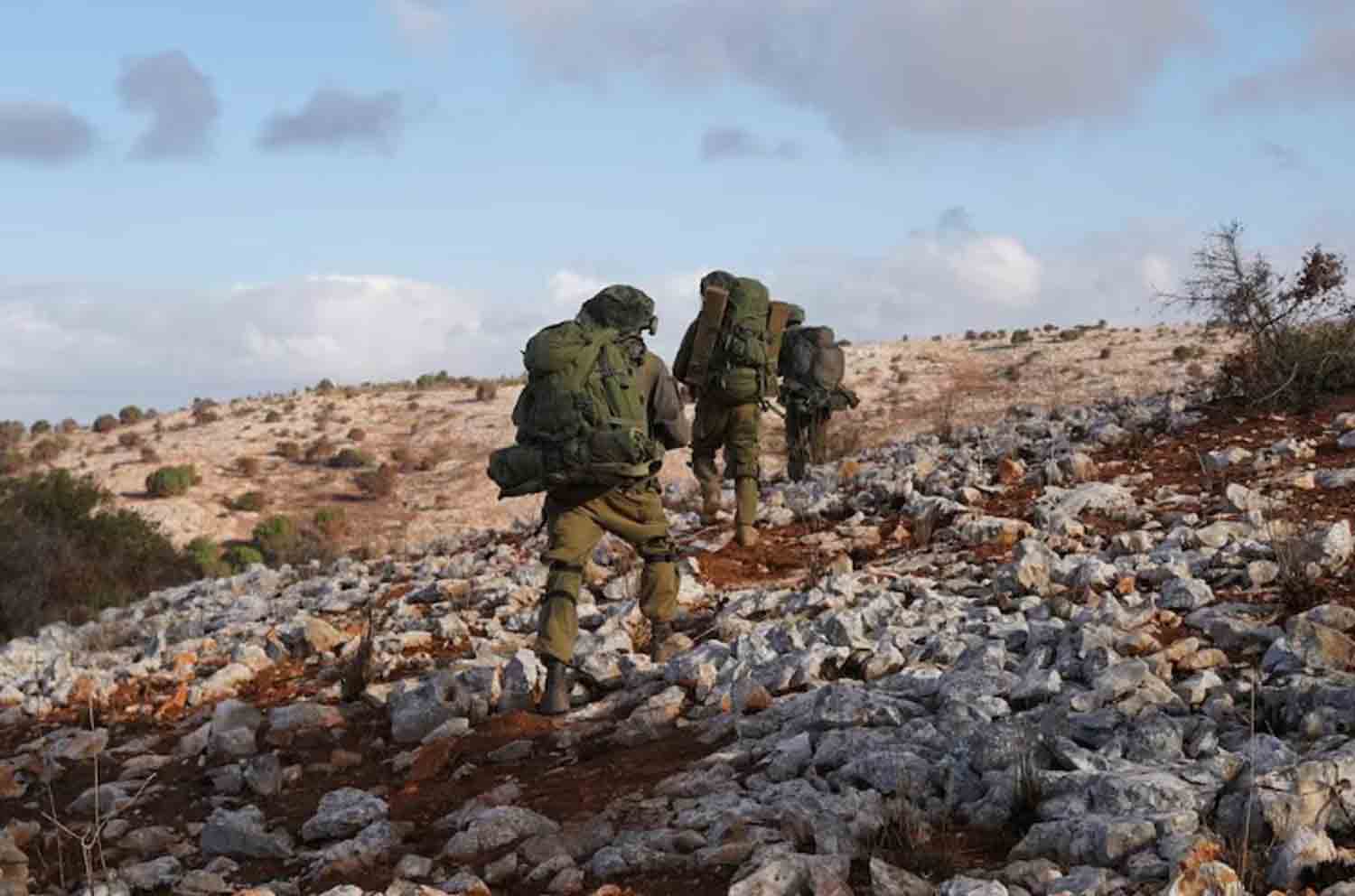
Several Israeli soldiers currently engaged in combat in Lebanon have informed U.S. media that the open, mountainous terrain where their adversary operates complicates military operations.

One soldier, who served in Gaza from October to March and again in July and August, and is now deploayed in southern Lebanon, remarked that the conflict along the northern border presents a stark contrast to his experiences in Gaza.

The issue at hand is not that Hezbollah receives superior equipment or training from Iran. Rather, the real challenge lies in the mental adjustment required after months of combat in urban environments compared to operations in open terrain. He emphasized that even fundamental movements, such as the formation of soldiers in a column, differ significantly in these two contexts.

Guerilla Warfare

On paper, the Israeli military possesses a significant advantage over Hezbollah’s militia, boasting more advanced weaponry, a larger troop count, superior intelligence capabilities, and stronger international alliances.

However, a soldier who spoke to the media indicated that these advantages are diminished in the context of the current combat occurring in the hills of southern Lebanon, where the effectiveness of advanced weaponry is less pronounced.

Security expert Sobelman noted that Israel faced a similar situation during the 2006 conflict with Hezbollah.

“Hezbollah confronted the most powerful military in the Middle East, enduring hundreds of Israeli airstrikes daily, along with extensive artillery support and all the resources of a modern military. Yet, they were not defeated. They managed to survive and continued to launch hundreds of rockets into Israel each day throughout the Israeli offensive,” he explained.

Sobelman added that following the setbacks of 2006, Israel has dedicated nearly two decades to preparing for its next engagement with Hezbollah.

The prevailing belief has been that the next conflict would involve Hezbollah rather than Hamas. Few could have anticipated the events of October 7. For nearly twenty years, Israel has focused its efforts on preparing for the developments witnessed in recent weeks, particularly in terms of its intelligence capabilities regarding Hezbollah, which are remarkable.

Despite Israel’s success in eliminating several high-ranking Hezbollah leaders and causing significant damage to the group’s personnel through the use of advanced technology and airstrikes—some of which have resulted in civilian casualties—the Israel Defense Forces (IDF) continue to encounter strong resistance in southern Lebanon.

Hezbollah has also been gearing up for this confrontation.

“The assumption is that Israel will emerge victorious without incurring excessive losses. However, this is rarely the reality in guerrilla warfare,” Sobelman noted, emphasizing that Israel is operating in a region where Hezbollah has a significant advantage and is intent on inflicting maximum casualties on the IDF.

“Hezbollah fighters are well-entrenched in underground positions and are adopting a defensive strategy,” he explained. “Regardless of how many fighters are eliminated, in guerrilla warfare, the less powerful side often prevails by creating a sustained burden of costs.”

He stated that this mirrors the events of 2006, when Israel failed to secure a conclusive victory despite its advanced capabilities.

Although the IDF has not disclosed specifics regarding the deaths of its soldiers in Lebanon, Hezbollah has asserted that it successfully ambushed Israeli forces multiple times, claiming to have killed and wounded several troops.

The IDF appears resolute in its commitment to continue operations despite facing numerous challenges. On Wednesday, IDF Chief of Staff Herzi Halevi stated that Israel intends to “strike Hezbollah with intensity, ensuring they receive no respite or opportunity for recovery.” Israeli Prime Minister Benjamin Netanyahu further cautioned the Lebanese populace about the potential consequences of Hezbollah’s actions, suggesting they risk descending “into the abyss of a long war.”

However, there is a segment of Israeli society that questions the wisdom of entering Lebanon. Several residents from northern Israel expressed their concerns to CNN last week, indicating that a ground conflict could result in significant casualties.

Among those expressing dissent is Itamar Greenberg, an 18-year-old conscientious objector, who is williang to face imprisonment in opposition to the war. In Israel, military service is compulsory for most citizens, regardless of gender, and only a small number of young individuals choose to refuse service on ethical grounds, with a few facing incarceration each year.

Greenberg has currently served 60 days in prison—30 days following his first draft rejection and another 30 days after he was summoned again and declined once more. CNN interviewed him in Tel Aviv on Wednesday, just four days before he was set to return to prison for a third refusal to enlist.

Prior to the IDF’s attempts to draft him, Greenberg was an activist opposing the Israeli occupation of the West Bank and the escalating violence perpetrated by Jewish settlers against Palestinian communities. Some protests escalated into violence after intervention from Israeli security forces, which has evidently affected Greenberg. He visibly flinched and glanced around anxiously when a police vehicle passed by with its sirens blaring.

In his conversation with CNN, Greenberg explained that his refusal to join the military is a protest against Israel’s occupation of the West Bank, its actions in Gaza, and most recently, its military operations in Lebanon. “The war in Lebanon began while I was incarcerated. I joked that I didn’t even have the opportunity to refuse all their f**king wars,” he remarked.