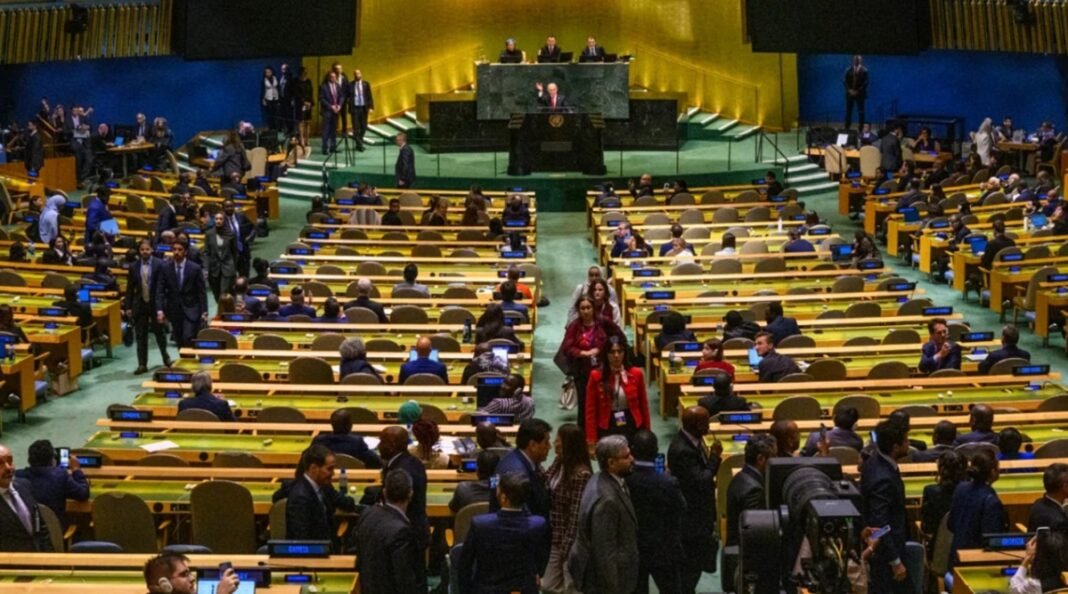
Israeli Prime Minister Benjamin Netanyahu arrived at the United Nations General Assembly on Thursday to defend Israel’s military campaigns and confront its critics. But before he had delivered his first major argument, the political optics of the speech had already been established.
Dozens of delegations walked out of the UN General Assembly hall as Netanyahu began speaking. Reuters reported that the walkout involved representatives from numerous countries, while other reports put the number of delegations leaving the chamber at 77. The departures included representatives from countries that maintain diplomatic relations with Israel.
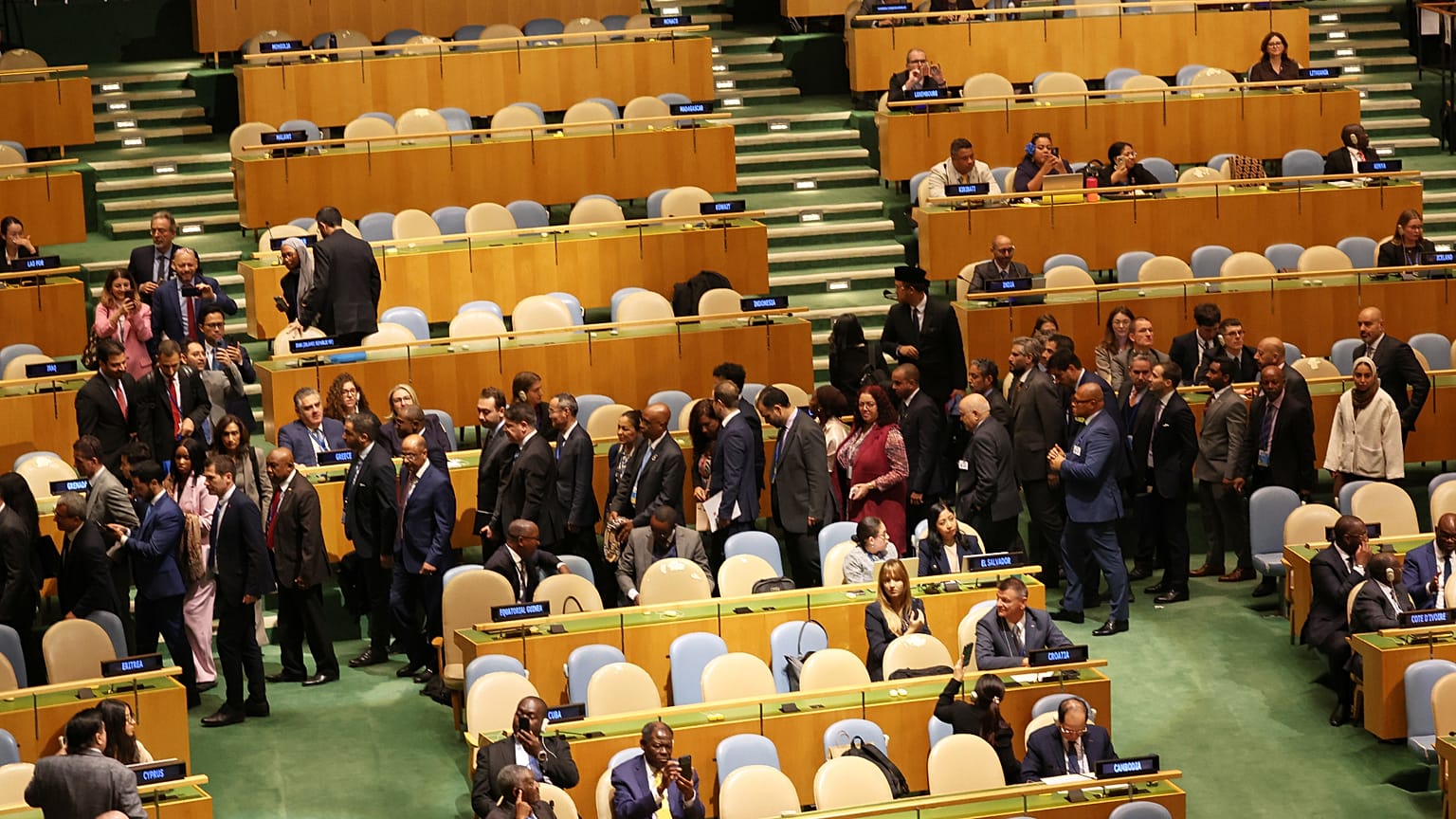
Netanyahu responded by denouncing those who left and defended Israel’s actions, including its military confrontation with Iran and its conduct in Gaza. He described the decision to attack Iran as one of the easiest decisions he had made and rejected accusations directed at Israel over the Gaza war.
For Israel, however, the significance of the walkout goes beyond the optics of one UN speech.
It points to a wider diplomatic problem: Israel’s military power has not prevented a growing gap between its government and a significant portion of the international community.
The UN Walkout Was the More Important Moment

The walkout does not by itself establish a change in international policy toward Israel. Nor does it mean that countries leaving the chamber have abandoned diplomatic, economic or security relations with Israel.
But it is politically significant.
The fact that delegations left before Netanyahu could make his case meant that the Israeli prime minister was speaking to a substantially different audience from the one normally associated with a UN General Assembly address.
That matters because Israel’s challenge is no longer exclusively military.
The country continues to possess substantial military capabilities and retains strong strategic relationships, particularly with the United States. But the diplomatic environment surrounding Israel’s wars has become increasingly difficult.
The walkout therefore provided a highly visible illustration of a broader problem: military operations can produce tactical gains while simultaneously creating diplomatic costs.
Any Israeli government that eventually seeks to rebuild wider international support will have to deal with that accumulated political damage.
Israel’s Iran Campaign: Tactical Gains Versus Strategic Objectives
The central question surrounding Israel’s confrontation with Iran is not whether Israeli strikes have damaged Iranian military and nuclear infrastructure.
There is considerable evidence that the attacks have inflicted serious damage.
The harder question is whether those operations have achieved the broader political objectives associated with the campaign.
Iran’s political system remains in place.
Its missile capabilities have not disappeared.
Its regional relationships have not simply vanished.
And the nuclear issue has not been permanently resolved.
That distinction between destroying capabilities and changing strategic behaviour is critical.
Military strikes can destroy launchers, command centres, nuclear facilities and other infrastructure. They cannot automatically remove the political incentives that produced those capabilities in the first place.
The continued activity of Iran-aligned forces in the region illustrates the difficulty. Developments involving the Houthis in Yemen show that the regional security network surrounding Iran remains an important factor even after direct attacks on Iranian territory. Recent reporting has also described renewed Houthi military activity and pressure around major Red Sea routes.
This does not mean that Iran has emerged from the confrontation without losses.
It means the strategic outcome remains different from a simple military scorecard.
Iran’s Nuclear Programme Has Been Damaged — But the Problem Has Not Disappeared
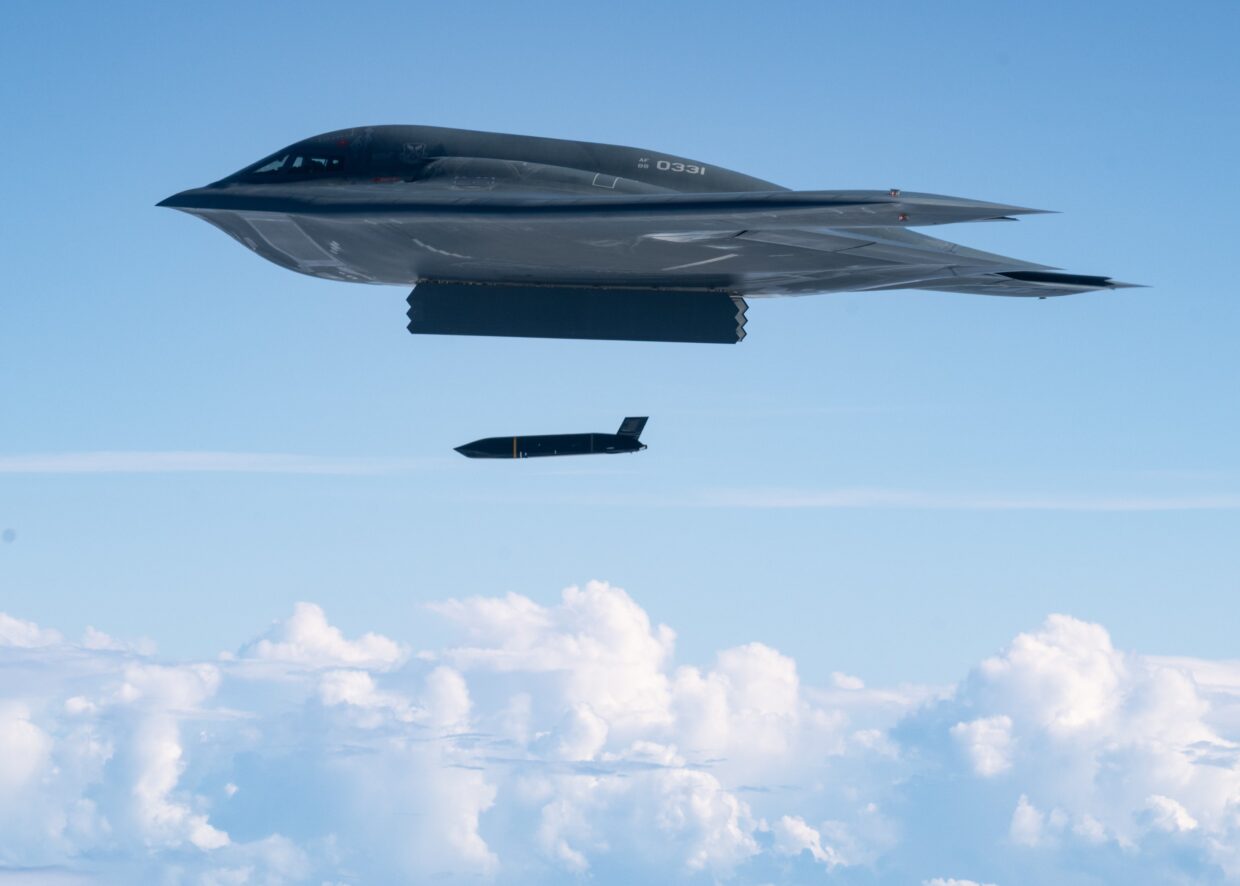
The nuclear issue is even more complicated.
Iran’s enrichment infrastructure has suffered major disruption, but there is a significant difference between damaging nuclear facilities and permanently resolving the nuclear question.
The International Atomic Energy Agency has faced serious difficulties verifying Iran’s nuclear material and facilities following the attacks. The lack of complete access has created uncertainty over the location and condition of Iran’s remaining nuclear material and infrastructure.
That makes claims that Iran’s nuclear programme has simply been eliminated difficult to sustain.
Iranian President Masoud Pezeshkian has also continued to defend Iran’s right to civilian uranium enrichment, indicating that Tehran has not abandoned the underlying political position that has driven much of the dispute.
The more important long-term issue is therefore not only how much physical infrastructure was destroyed.
It is what Tehran concludes from the conflict.
If Iranian policymakers determine that maintaining nuclear-related capabilities is essential to preventing future attacks, military action could strengthen the political argument for retaining or rebuilding those capabilities.
That is why capability and motivation have to be treated separately.
Infrastructure can be destroyed.
Motivation is considerably harder to eliminate.
Israel, Washington and the Gulf States Do Not Have Identical Priorities
The emerging diplomatic track also exposes differences between Israel, the United States and the Gulf states.
For Israel, an agreement that allows Iran to regain economic strength while retaining its existing political system could be viewed as a strategic problem.
For Gulf states, the calculation is broader.
Their immediate priorities include regional stability, protection of energy infrastructure, freedom of navigation and preventing another prolonged confrontation from damaging their economies.
The Strait of Hormuz is particularly important in this calculation.
For Israel, Hormuz is primarily part of the wider strategic contest with Iran.
For Gulf exporters and global energy markets, it is an economic lifeline.
That difference matters as Washington weighs the possibility of a diplomatic settlement.
Iran’s Hormuz Proposal Has Changed the Diplomatic Equation
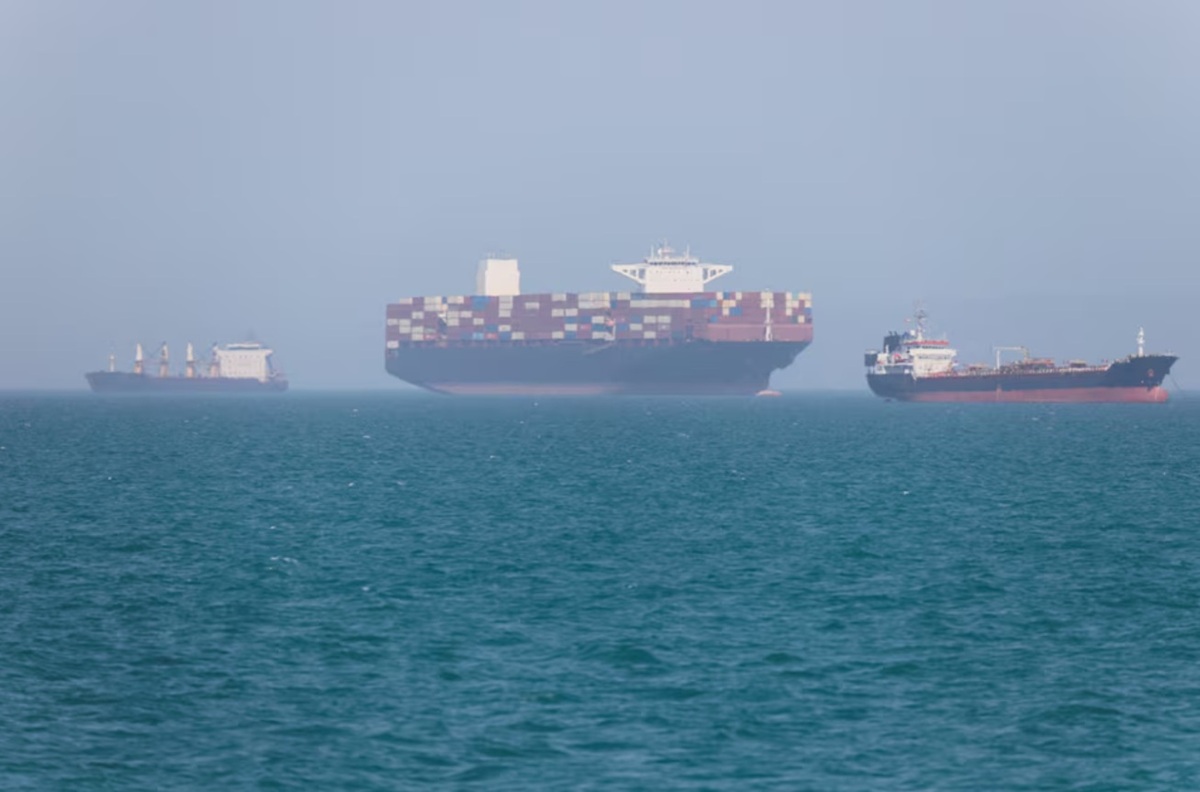
Iran has offered Washington a possible route toward de-escalation involving the Strait of Hormuz.
According to Reuters, Iranian officials have said Tehran could reopen the strategically important waterway within about a week if Washington reduces military pressure and lifts its blockade of Iranian ports. Tehran had also submitted a proposal through intermediaries on September 16.
Further reporting indicates that U.S. and Iranian negotiators have been exploring a phased arrangement under which Hormuz could be reopened while broader negotiations resume.
Iran’s proposal reportedly involves a return to negotiations rather than an unconditional abandonment of Tehran’s existing positions.
Tehran appears to be offering Washington something that President Donald Trump has a strong interest in achieving: reduced pressure on global energy markets and a pathway toward ending an increasingly costly confrontation.
At the same time, Iran is seeking relief from the measures that have put pressure on its economy.
The two sides therefore have overlapping interests without necessarily having identical objectives.
The Strait of Hormuz Is Bigger Than an Iran-Israel Dispute
Hormuz has become one of the central economic dimensions of the conflict.
Any prolonged disruption threatens oil and gas shipments, raises transportation costs and increases pressure on import-dependent economies.
That is why Gulf governments have an immediate interest in restoring predictable maritime traffic.
The Trump administration also has an interest in reducing energy-market pressure, particularly as domestic political considerations become more important ahead of the U.S. midterm elections.
Washington is therefore confronting a complicated equation.
A settlement could stabilize energy markets and reduce the risk of another regional escalation.
But an agreement could also provide Tehran with economic breathing space.
This is one reason the diplomatic negotiations cannot be understood simply as a contest between Israel and Iran.
There are now multiple actors with overlapping but sometimes competing interests.
Iran’s Latest Proposal Does Not Mean Tehran Has Abandoned Its Red Lines
The latest Iranian diplomatic initiative should not automatically be interpreted as a fundamental change in Tehran’s strategic position.
Iran appears prepared to discuss de-escalation, the reopening of Hormuz and a renewed negotiating process.
But Tehran continues to defend its position on nuclear enrichment and has attached conditions to any broader settlement.
Iran’s diplomacy therefore appears designed to exchange something Washington urgently wants—greater regional stability and the reopening of a crucial energy route—for concessions that Tehran itself considers necessary.
That is negotiation, not capitulation.
What Happens If Washington and Tehran Fail to Reach a Deal?

This may be the most consequential question facing the Trump administration.
A failed negotiation does not necessarily mean that the current situation simply continues.
The conflict has already altered the regional security environment.
Energy infrastructure has been damaged.
Maritime traffic has been disrupted.
Iran’s nuclear infrastructure has suffered major attacks.
Regional armed groups remain active.
And Gulf states are increasingly interested in mechanisms that can protect their economies from another major confrontation.
Washington therefore faces two simultaneous policy questions:
What are the costs of accepting an agreement with Iran?
And:
What is the strategy if Iran rejects an agreement—or if negotiations collapse?
The second question is often more difficult.
Economic pressure can weaken an adversary without necessarily forcing political capitulation. Military strikes can destroy infrastructure without necessarily changing strategic calculations.
If Tehran concludes that sanctions, blockade and military pressure will continue regardless of its diplomatic behaviour, Iranian leaders could eventually decide that escalation offers greater leverage than continued negotiation.
That possibility is one reason the diplomatic window now matters.
Israel’s Strategic Challenge Goes Beyond Iran
Netanyahu’s UN speech focused heavily on Iran, Israel’s military campaign and criticism of Israel’s opponents.
But the larger strategic problem for Israel is broader.
Israel must manage a security environment in which military threats remain substantial while its diplomatic relationships are under increasing pressure.
The UN walkout does not determine Israel’s future foreign policy.
Nor does it erase the country’s existing alliances.
But it is a visible reminder that military strength does not automatically translate into international legitimacy or diplomatic support.
Israel’s next strategic challenge may therefore be as much political as military.
How does it preserve its security advantages while rebuilding international relationships?
How does it prevent Iran from recovering strategic capabilities?
How does it address the nuclear verification gap?
And how does it respond if Washington prioritizes a negotiated settlement that Israel believes could strengthen Tehran?
Those questions cannot be answered through military power alone.
The Bigger Issue After Netanyahu’s UN Speech
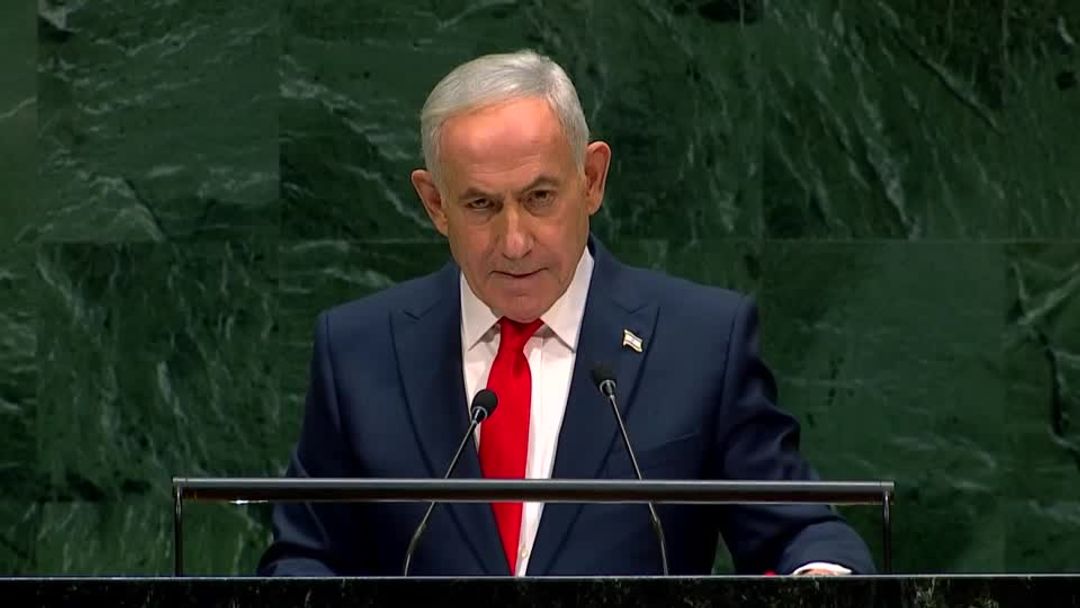
The most consequential development surrounding Netanyahu’s speech may ultimately have occurred before he reached the podium.
The walkout exposed the diplomatic environment in which Israel is now operating.
Meanwhile, the Iran conflict has demonstrated the limits of military action as a substitute for political strategy.
Israel has inflicted serious damage on Iranian capabilities, but Iran remains a functioning state with missile forces, regional relationships and a nuclear programme whose full status cannot currently be independently verified.
At the same time, Washington, Gulf governments and Tehran have begun exploring a diplomatic route involving the Strait of Hormuz and a possible broader settlement.
That creates a strategic tension.
Israel may want to ensure that Iran cannot recover its military and nuclear capabilities.
The United States may want an agreement that reduces the risk of another war.
The Gulf states have an immediate interest in reopening trade routes and stabilizing energy markets.
Iran wants relief from military and economic pressure while preserving core elements of its strategic position.
Those interests overlap in some areas and collide in others.
The outcome of the current diplomacy will therefore depend not simply on what was destroyed during the war, but on what each side believes it must preserve for the next one.
And that is the harder strategic problem facing the region after Netanyahu’s UN speech.