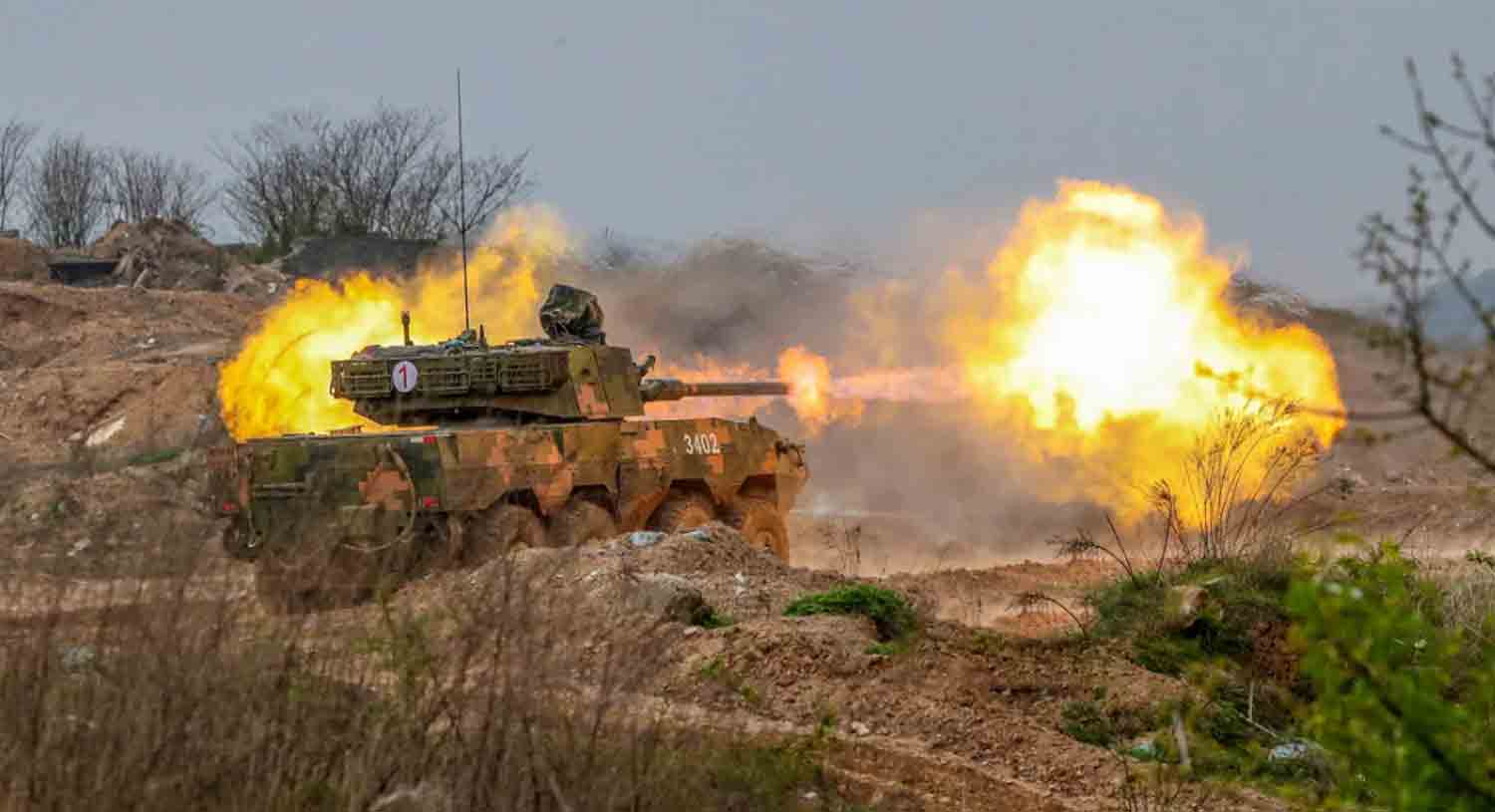

The United States has reportedly consumed a significant portion of its most advanced long-range precision missiles during months of military operations against Iran, raising fresh concerns about America’s ability to sustain future high-intensity conflicts.
According to a Reuters report citing multiple sources familiar with internal U.S. military assessments, the Army has used “virtually all” of its available Army Tactical Missile Systems (ATACMS) and Precision Strike Missiles (PrSM) allocated for current operations.
The report suggests that the extensive use of these precision-guided weapons has triggered discussions inside the Trump administration over the pace of munitions consumption and the need to rebuild critical stockpiles.
Although U.S. officials insist the military remains fully capable of responding to global crises, analysts say prolonged conflicts can rapidly consume even the world’s largest missile inventories.
ATACMS and PrSM Play a Critical Role in Modern Warfare
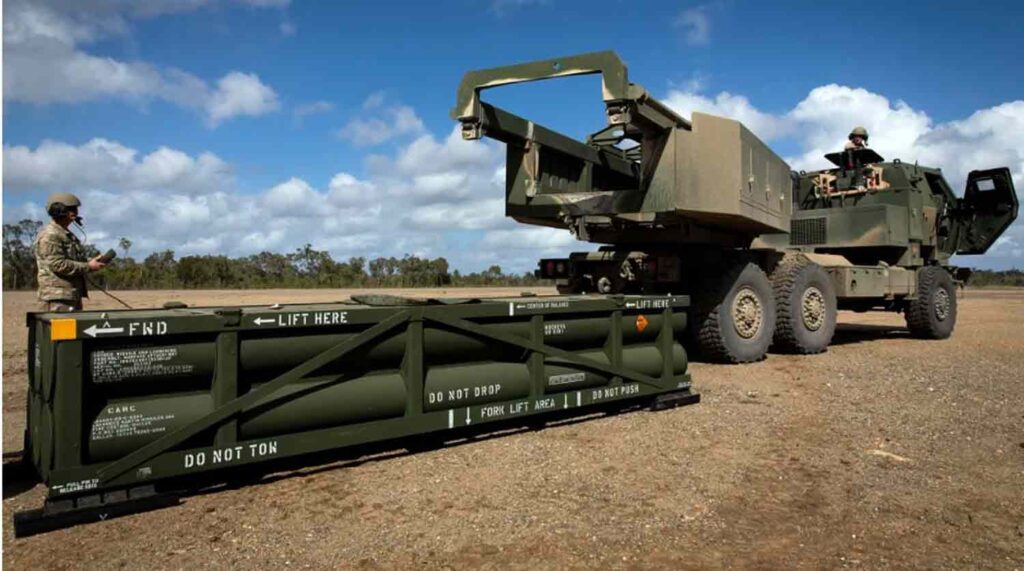
The missiles reportedly affected are among the U.S. Army’s most important long-range strike weapons.
ATACMS
The Army Tactical Missile System (ATACMS) is a precision-guided, surface-to-surface missile capable of striking targets hundreds of kilometers away.
It allows ground forces to attack:
- Command centers
- Air defense sites
- Ammunition depots
- Logistics hubs
- Missile launchers
without exposing aircraft or pilots to enemy air defenses.
ATACMS has also been widely supplied to Ukraine, where it has been used to strike Russian military targets.
Precision Strike Missile (PrSM)
The Precision Strike Missile (PrSM) is the Army’s next-generation replacement for ATACMS.
Compared with its predecessor, PrSM offers:
- Longer operational range
- Improved accuracy
- Greater survivability
- Modern guidance systems
- Compatibility with future battlefield networks
The missile is expected to become one of the U.S. Army’s primary long-range strike weapons during the coming decade.
Stockpiles Have Been Significantly Reduced
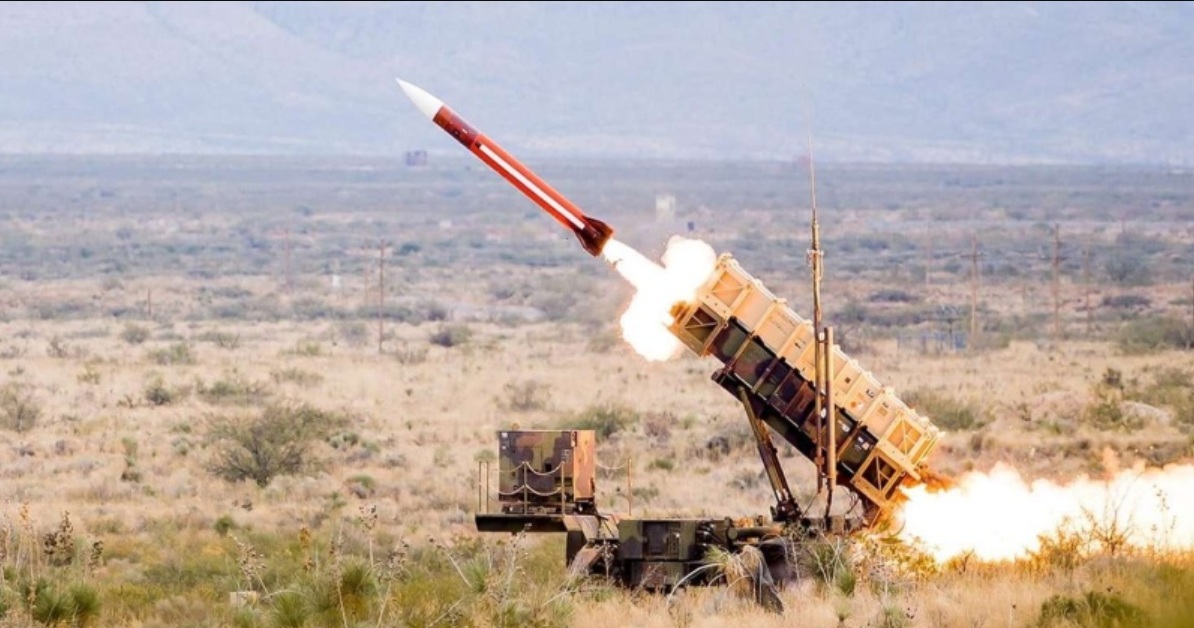
According to Reuters, three sources familiar with internal military data expressed concern that sustained operations have substantially reduced available inventories.
While the report does not disclose precise stockpile numbers, sources reportedly indicated that:
- ATACMS inventories have been heavily depleted.
- PrSM stocks were already limited because the weapon is still entering service.
- Existing inventories have been consumed more rapidly than initially anticipated.
Reuters says the exact remaining quantities remain classified.
Conflict Lasted Longer Than Expected
President Donald Trump initially predicted the conflict with Iran would be relatively brief.
Instead, months of sustained military operations have required repeated precision strikes against Iranian military infrastructure.
According to Reuters, one consequence has been the heavy reliance on long-range stand-off weapons that allow attacks without placing manned aircraft inside heavily defended airspace.
One source told Reuters that the extensive use of ATACMS and PrSM reflected a deliberate effort to reduce risks to American pilots by relying more heavily on precision-guided missile strikes.
Why Long-Range Missiles Matter
Military analysts consider long-range precision missiles essential for conflicts involving advanced air defense systems.
Weapons such as ATACMS and PrSM allow commanders to strike:
- Missile batteries
- Air defense systems
- Command headquarters
- Radar installations
- High-value military infrastructure
before committing aircraft or ground forces.
In any future conflict involving technologically advanced adversaries, these capabilities could prove particularly valuable.
Analysts frequently cite potential Indo-Pacific contingencies as scenarios where large inventories of long-range precision missiles would be critical.
Broader Concerns Over US Munitions Stockpiles
The Reuters report indicates that concerns extend beyond Army missiles.
According to the sources cited:
- Patriot interceptor inventories have declined significantly.
- THAAD missile stocks have also been reduced.
- Tomahawk cruise missile inventories have reportedly fallen as well.
The report references a recent Center for Strategic and International Studies (CSIS) assessment estimating:
- Approximately 65% of Patriot interceptors had been expended during the conflict.
- THAAD interceptor inventories were roughly 38% lower than before operations began.
Reuters reports that two sources said those estimates broadly aligned with internal government data.
The report also states that nearly half of available Tomahawk cruise missiles may have been used during the campaign, although Reuters notes it could not independently verify that figure.
White House Rejects Concerns

The White House dismissed suggestions that U.S. military readiness has been compromised.
In a statement quoted by Reuters, President Donald Trump said:
“We have far more munitions than anyone in the world.”
Trump also stated that American defence companies are producing more munitions than ever before while simultaneously expanding manufacturing capacity.
Similarly, Pentagon spokesperson Sean Parnell said the U.S. military possesses the capabilities necessary to execute operations whenever directed by the President.
According to the Pentagon, ongoing military operations have been conducted while preserving sufficient capabilities to protect American interests worldwide.
Defence Industry Racing to Increase Production
Although officials expressed confidence in overall military readiness, defence manufacturers are already expanding production.
The report notes that:
- Lockheed Martin continues transitioning production from ATACMS to the newer PrSM.
- The U.S. Army has placed additional PrSM orders for future deliveries.
- RTX (Raytheon) has reached a tentative multi-year agreement with the Pentagon to increase Tomahawk missile production.
The expanded industrial effort reflects growing recognition that modern high-intensity warfare consumes precision-guided weapons at a much faster rate than many pre-war planning assumptions anticipated.
Military Planning Extends Beyond the Middle East
According to Reuters, internal discussions have also focused on America’s ability to respond simultaneously to crises elsewhere.
Officials reportedly worry that prolonged operations against Iran could reduce available inventories needed for deterrence in other strategic regions.
The issue is particularly relevant because long-range precision missiles play an important role in U.S. military planning for potential conflicts involving heavily defended adversaries.
Maintaining adequate stockpiles therefore remains central to both operational readiness and broader deterrence strategy.
Strategic Assessment
The Reuters report highlights a growing challenge confronting modern militaries: sustaining large-scale precision strike operations during prolonged conflicts.
Weapons such as ATACMS, PrSM, Tomahawk, Patriot, and THAAD provide critical capabilities but are expensive, technologically complex, and require significant time to manufacture.
Although U.S. officials continue to emphasize that America’s armed forces retain overwhelming military strength, the reported drawdown illustrates how quickly advanced missile inventories can be consumed during sustained combat operations.
If confirmed, the figures reinforce a broader lesson emerging from recent conflicts in Ukraine and the Middle East: future wars may depend not only on technological superiority but also on the ability of defence industries to replenish sophisticated munitions at wartime speed.