U.S. President Donald Trump reportedly decided against expanding military operations against Iran after senior military advisers warned that a prolonged conflict could rapidly deplete America’s critical missile stockpiles, potentially weakening U.S. deterrence against strategic rivals China and Russia.
According to The New York Times, citing current and former U.S. officials familiar with internal discussions, Trump had recently shown growing interest in authorising another round of large-scale military strikes against Iran. However, Pentagon leaders convinced him that the costs of an extended campaign could outweigh its military gains.
The decision highlights an increasingly important challenge facing the U.S. military: balancing regional conflicts while preserving enough advanced weapons to deter major powers in Europe and the Indo-Pacific.
Pentagon Warned of Critical Missile Shortages
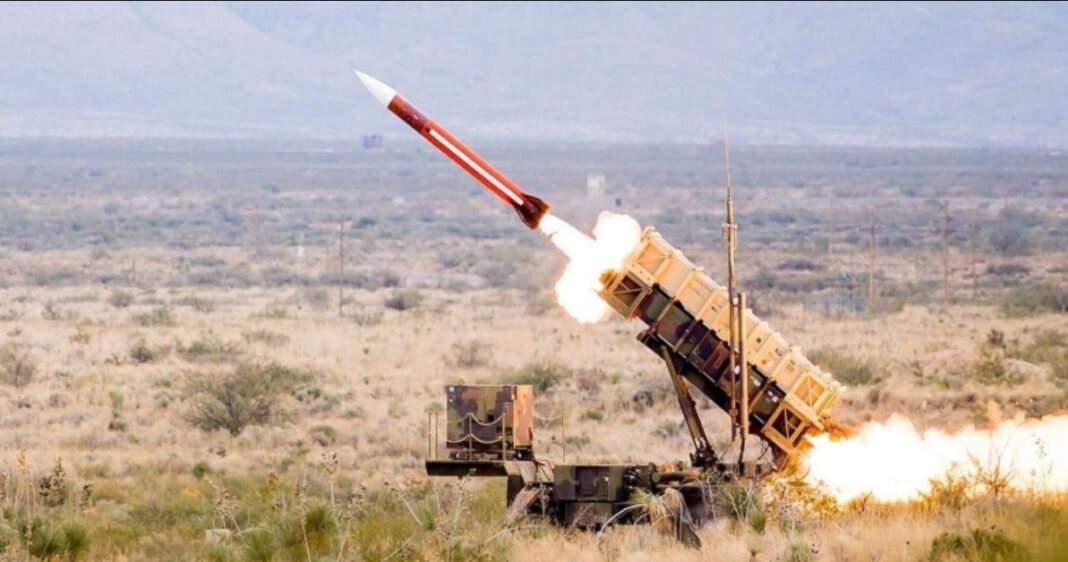
During White House discussions, Chairman of the Joint Chiefs of Staff General Dan Caine reportedly warned Trump that sustaining a high-intensity air campaign against Iran would consume large numbers of Patriot air defence interceptors, precision-guided munitions, and other advanced missiles.
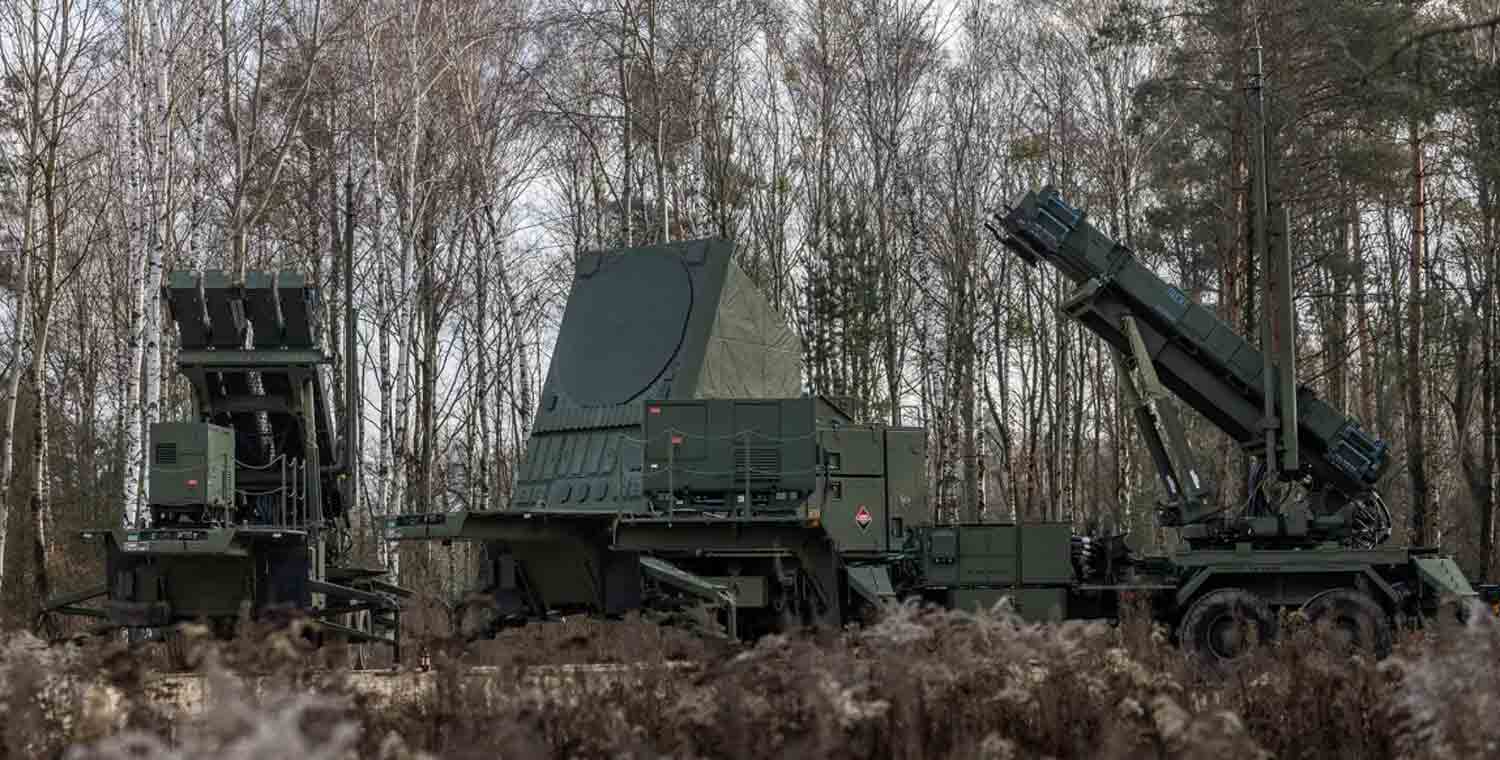
Patriot interceptors remain one of America’s most valuable air defence assets, protecting U.S. troops, military bases, and allied infrastructure across the Middle East, Europe, and the Indo-Pacific.
Military planners reportedly cautioned that replacing these interceptors would take months because production capacity remains limited despite recent efforts to increase manufacturing.
China and Russia Watching U.S. Military Stockpiles
According to U.S. officials quoted by the newspaper, Washington believes both China and Russia are closely monitoring the rate at which the United States is consuming precision-guided weapons and missile defence systems.
American intelligence assessments suggest Beijing and Moscow could incorporate this information into their own military planning.
Officials fear that visible reductions in U.S. missile inventories could influence Chinese calculations regarding Taiwan or encourage Russia to test NATO’s readiness while American resources remain stretched across multiple theatres.
The concern reflects a broader Pentagon strategy of maintaining sufficient stockpiles for potential high-end conflicts rather than exhausting them in prolonged regional wars.
CENTCOM Says Main Military Objectives Already Achieved
According to the report, CENTCOM Commander Admiral Brad Cooper informed the president that the initial military campaign had already achieved most of its operational objectives.
After roughly two weeks of intensive strikes, U.S. forces had reportedly destroyed or degraded many of the planned military targets.
Military commanders warned that any further escalation would require entering a significantly larger phase of combat operations involving expanded targeting, increased troop protection requirements, and a far greater consumption of missiles and precision-guided weapons.
This assessment reportedly reduced the military justification for immediately widening the campaign.
Political Pressure Also Influenced Trump’s Decision
Beyond military concerns, Trump’s advisers reportedly highlighted the growing political costs of a prolonged war.
According to officials familiar with the discussions, Trump had expected military pressure to force Iran back to negotiations relatively quickly. Instead, the confrontation has continued for months without producing a decisive political outcome.
Administration officials warned that an extended conflict could:
- Increase pressure on defence budgets
- Raise energy market uncertainty
- Risk wider regional escalation involving Iranian-backed groups
- Create additional political challenges ahead of key domestic priorities
Following these consultations, Trump reportedly chose to pause further offensive operations while allowing diplomatic efforts to continue.
White House: Military Option Still Remains
Despite the reported pause, the White House has not ruled out future military action.
Officials stressed that all military options remain available should negotiations fail or Iran take actions viewed as threatening U.S. forces or regional allies.
The administration’s position appears designed to preserve military deterrence while avoiding the immediate costs of another major escalation.
U.S. Conserving Air Defence Missiles
The report comes as previous military assessments indicated that U.S. air defence units deployed across the Middle East have already begun selectively intercepting incoming ballistic missiles and drones to conserve expensive interceptor missiles.
Rather than engaging every incoming threat, commanders are reportedly prioritising interceptions against missiles that pose the greatest danger to military bases, personnel, or critical infrastructure.
The strategy reflects growing concerns over the pace at which advanced missile defence systems can be replenished during sustained conflicts.
Analysis: A Shift Toward Strategic Resource Management
Trump’s reported decision illustrates a broader transformation in U.S. military planning. Rather than focusing solely on defeating regional adversaries, Pentagon leaders are increasingly managing military resources with potential future conflicts against China and Russia in mind.
The wars in Ukraine and the Middle East have demonstrated how rapidly modern precision-guided weapons can be consumed, exposing limitations in Western defence industrial production.
For Washington, preserving missile inventories has become a strategic objective in itself. The decision to pause operations against Iran suggests the United States is increasingly weighing every regional military campaign against the possibility of a larger confrontation elsewhere.
Whether diplomacy succeeds or military operations resume, the debate over America’s missile stockpiles is likely to remain central to U.S. defence planning in the years ahead.