
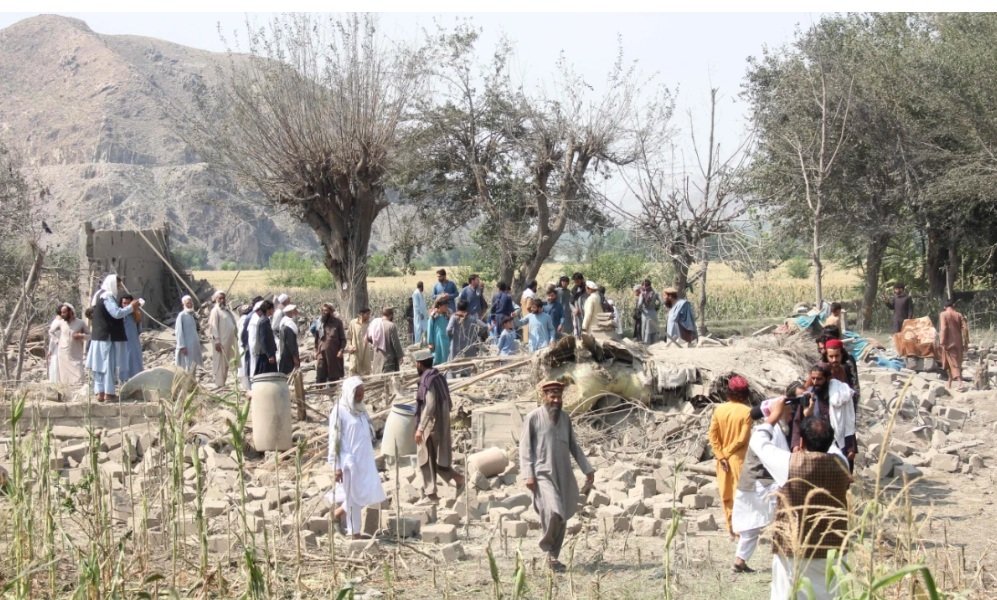
An airstrike was reported in the southern Afghan city of Kandahar early Thursday, September 24, as tensions between Pakistan and Afghanistan intensified following a series of cross-border attacks and Pakistani military operations against militant targets.
A Kandahar resident told AFP that a jet was heard flying over the city before a large explosion was heard and a fire was seen in the city centre. Afghanistan’s military and Taliban authorities had not immediately issued an official statement confirming the identity of the aircraft or the target.
The reported strike is particularly significant because Kandahar is the traditional power base of the Taliban movement and the residence of Taliban supreme leader Hibatullah Akhundzada.
At present, however, there is no independently verified evidence that Akhundzada was killed or injured in the overnight incident.

What happened in Kandahar?
AFP reported that the incident occurred overnight between Wednesday and Thursday. A resident described hearing a jet followed by a major explosion and seeing a fire in central Kandahar.
The report did not identify the aircraft as Pakistani and did not establish what facility was struck.
That distinction matters because several claims circulating through open-source and social-media channels have gone considerably further, alleging that the Pakistan Air Force carried out multiple strikes against specific Taliban-linked facilities.
Those claims have not yet been independently corroborated by AFP, Reuters or official Pakistani or Afghan statements.
The incident nonetheless comes against a backdrop of rapidly worsening Pakistan-Afghanistan security tensions.
OSINT claims point to multiple targets
Initial open-source reporting circulating after the Kandahar incident claims that Pakistani aircraft conducted three strikes at approximately 3:30am local time.
The alleged targets identified in those reports include Camp Gecko, reportedly in the area between Kandahar’s 13th District and Arghandab, and a location described as a militant camp in the Mian Koh area.
The same reporting alleges that the Mian Koh site housed members of the Balochistan Liberation Army (BLA) and Al-Qaeda-linked militants and included weapons storage facilities.
Pakistani media have recently reported allegations based on an intelligence assessment concerning alleged links between Taliban intelligence officials, the TTP, BLA and Al-Qaeda-linked networks operating from Afghanistan. Those allegations have not been independently verified, while India and the Taliban administration have rejected similar accusations.

Why Camp Gecko matters
Camp Gecko is not an ordinary location in Kandahar’s security history.
The facility was associated with the former compound of Taliban founder Mullah Mohammad Omar and was used during the US-led war in Afghanistan by US special operations and intelligence-linked elements. Historical reporting and research have documented its importance as a security facility in Kandahar.
In March 2026, Afghan and international reporting said Pakistani aircraft had targeted a Taliban special forces facility in Kandahar that was allegedly linked to Akhundzada. Amu TV reported that the facility was in District 9 and that other strikes targeted an ammunition depot and a border command centre elsewhere in Kandahar province.
Pakistan subsequently said its forces had struck military facilities and what it described as terrorist infrastructure in southern Afghanistan.
The March episode demonstrated that Kandahar itself could become a target in the widening confrontation, rather than the conflict remaining confined to remote border districts.
No confirmation of Akhundzada’s fate
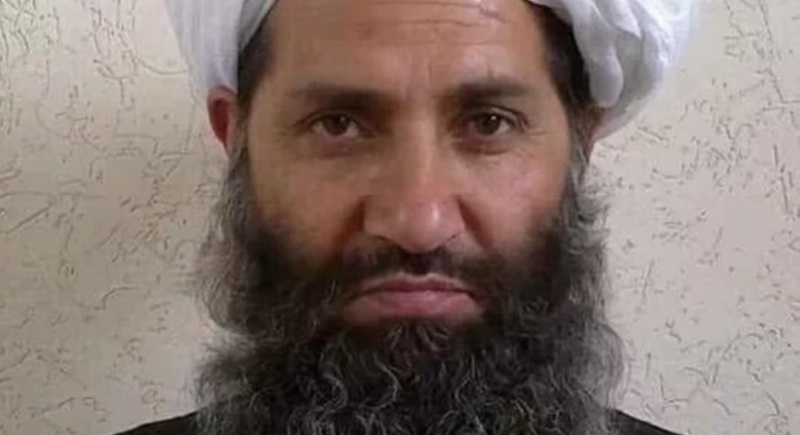
Rumours that Hibatullah Akhundzada may have been killed or wounded are circulating following the latest strike.
Those reports should be treated cautiously.
AFP’s latest account confirms only that an airstrike was reported in Kandahar and that a resident heard a jet and a major explosion.
There has also been no independently verified casualty information from the strike.
The timing is significant
The Kandahar incident comes only days after Pakistan carried out airstrikes in Afghanistan’s eastern provinces.
On September 21, Pakistan said its forces had struck three targets and killed 28 militants. Reuters reported that Pakistan did not initially provide detailed locations or identities of those targeted. Afghan authorities and the United Nations, meanwhile, reported three civilian deaths from the strikes.
The Taliban administration condemned those attacks and summoned Pakistan’s chargé d’affaires, according to Afghan reporting.
The latest Kandahar incident therefore comes at a particularly sensitive point in bilateral relations.
Pakistan’s security argument
Islamabad has repeatedly linked its military actions in Afghanistan to attacks originating from Afghan territory.
Pakistan’s position is that militant groups, particularly the Tehreek-e-Taliban Pakistan (TTP) and associated networks, have been able to operate from safe havens in Afghanistan and conduct attacks against Pakistani targets.
That dispute remains the central security issue between Islamabad and Kabul.
The latest escalation followed a deadly attack on a police facility in northern Pakistan. AFP reported that the attack was claimed by a group linked to the TTP, while Pakistani officials have continued to accuse Afghanistan-based militant networks of facilitating attacks inside Pakistan.

Pakistan also faced drone attacks from Afghanistan
The confrontation has not been limited to Pakistani air operations.
On September 23, Pakistani security sources said the country’s air-defence system intercepted eight drones that entered Pakistani airspace from Afghanistan.
Four were reportedly brought down near the Torkham border while another four were intercepted near Kohat. Pakistani security sources described the incident as an attempt to target public areas.
Pakistan also reported a militant infiltration attempt from Afghanistan into the Kurram sector.
These developments illustrate how quickly the confrontation is developing into a broader contest involving air operations, drones, border clashes and militant attacks.
Kandahar has become strategically important again
Kandahar’s importance goes beyond geography.
It is the birthplace of the Taliban movement and the centre of authority for Hibatullah Akhundzada. While Kabul remains Afghanistan’s political capital, Kandahar has emerged as the ideological and leadership centre of the Taliban’s ruling structure.
Any confirmed Pakistani strike inside Kandahar city would therefore carry a different strategic message from an operation against a remote militant hideout near the frontier.
It would demonstrate that Pakistan’s operational reach extends deep into southern Afghanistan and that distance from the border does not necessarily provide protection to facilities Islamabad believes are connected to threats against Pakistan.
The wider pattern of Pakistani strikes
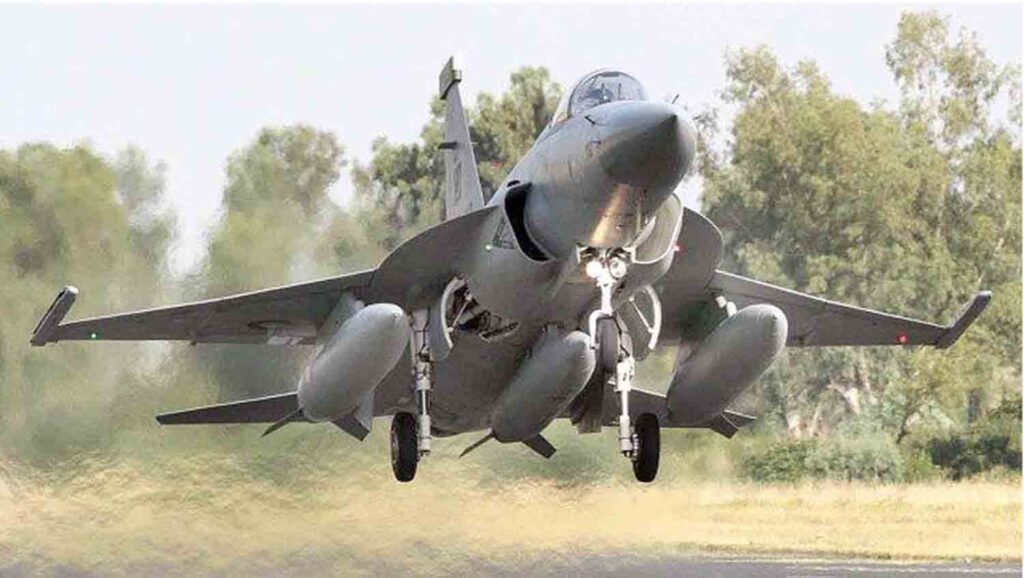
The latest incident follows a year in which Pakistani air operations inside Afghanistan have become increasingly significant.
Amu TV’s review of reported Pakistani air and drone attacks between October 2025 and September 2026 identified at least 15 incidents involving Kabul and several Afghan provinces, including Kandahar, Kunar, Khost, Nangarhar, Paktia and Paktika.
Earlier this year, Kandahar was also struck during the major Pakistan-Afghanistan fighting that began in February.
AFP reported at the time that residents had seen military aircraft over Kandahar and heard explosions, while Pakistan said it had targeted military and militant infrastructure.
The recurrence of Kandahar in reports of Pakistani military activity is therefore significant even before the latest claims about specific facilities are independently established.
What remains unconfirmed
Several important questions remain unanswered after Thursday’s reported strike:
- The exact target or targets.
- Whether Camp Gecko was hit.
- Whether the Mian Koh location was targeted.
- Whether BLA or Al-Qaeda-linked personnel were present at either location.
- The number of casualties.
- Whether any weapons or ammunition depots were destroyed.
- Whether Hibatullah Akhundzada was present or affected.
- Whether Taliban forces suffered military casualties.
The absence of confirmation does not disprove the OSINT claims. It means they should remain clearly labelled as unverified until additional evidence emerges.

What could happen next
The immediate significance of the Kandahar strike will depend largely on what Kabul and Islamabad say in the coming hours.
If Pakistan officially acknowledges an operation inside Kandahar, attention will shift to the nature of the target and Islamabad’s justification for striking it.
If Kabul confirms damage to a Taliban security facility, the incident could generate a new diplomatic response and potentially trigger further military activity along the border.
The status of Hibatullah Akhundzada will also be closely watched. Any verified information concerning the Taliban supreme leader would substantially alter the significance of the incident.
The incident nevertheless underscores how far Pakistan-Afghanistan relations have deteriorated since the relative calm that followed the March ceasefire. The mediation efforts have so far failed to produce a lasting settlement, with the dispute over militant activity from Afghan territory remaining at the centre of the confrontation.