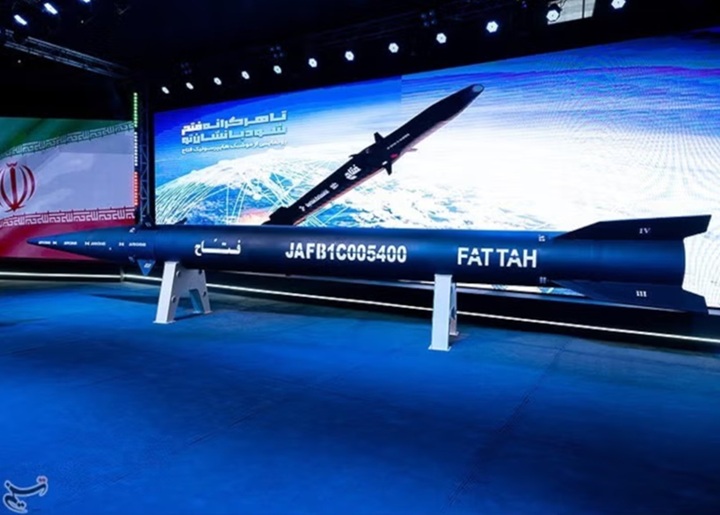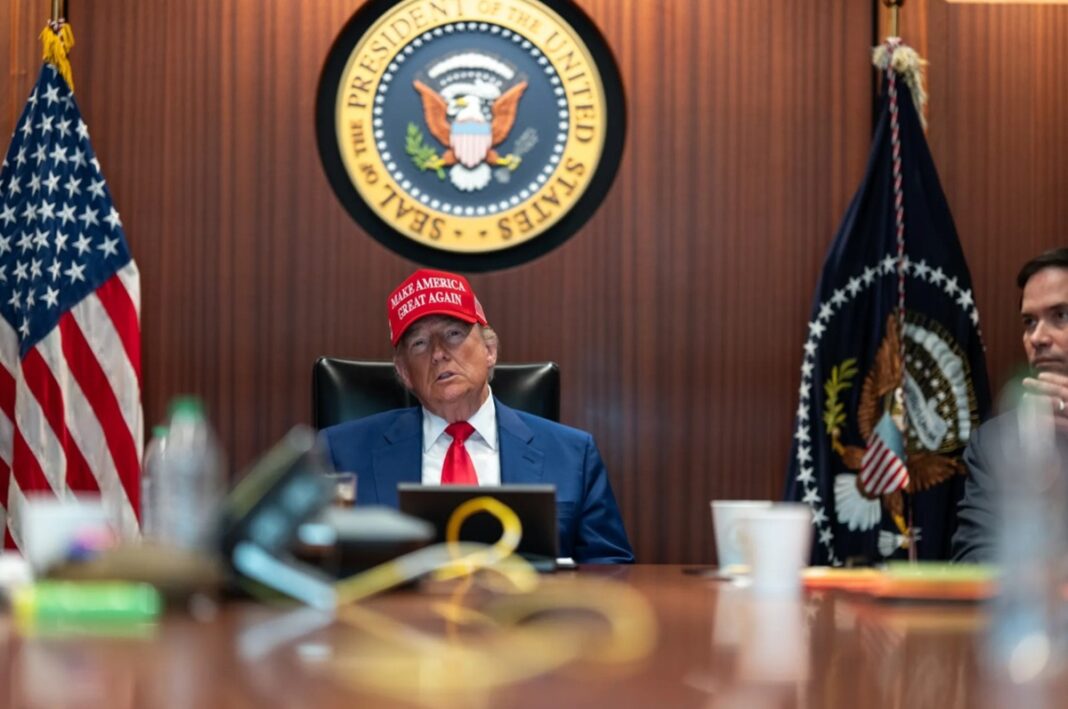
President Donald Trump faces an increasingly difficult problem in the Iran war: how to convert overwhelming U.S. military power and pressure on Tehran into a political outcome that can be presented as an American success — without allowing the conflict to become an open-ended war that keeps pushing up energy costs.
The dilemma has become sharper as the war enters its later stages with neither side appearing ready to accept the other’s definition of victory.
Washington says it has achieved major military objectives, including exerting control over the Strait of Hormuz and severely restricting Iran’s ability to export oil. Tehran, meanwhile, continues to insist that it can sustain the confrontation and is refusing to accept terms that would look like capitulation.
Now there is a potentially important opening.
Iran has indicated that it could reopen the Strait of Hormuz within seven days if the United States reduces military pressure and lifts its blockade of Iranian ports. Tehran has also conveyed conditions for renewed diplomacy through intermediaries, while Iranian officials are in New York for the United Nations General Assembly.
For Trump, that creates the outline of an off-ramp — but not necessarily an easy one.
Trump has military leverage, but leverage is not the same as an end state
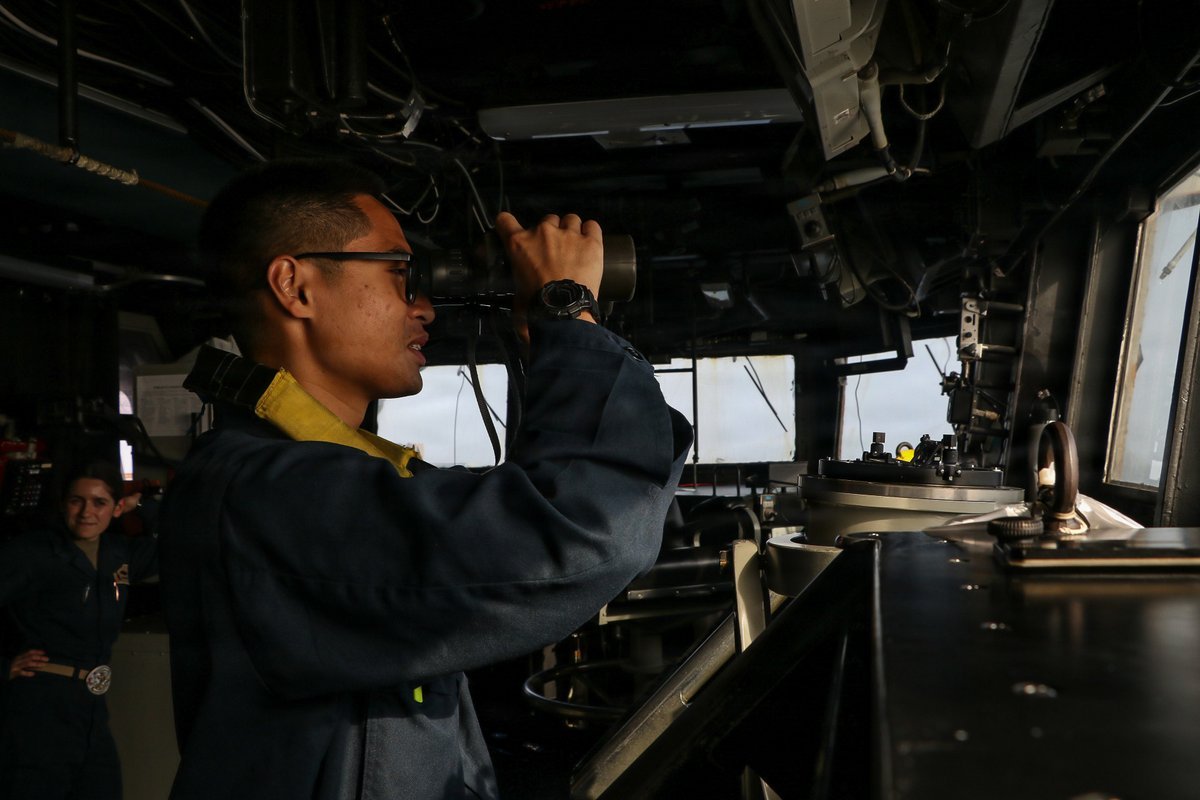
The White House has repeatedly presented the Strait of Hormuz as evidence of American military dominance.
In August, the White House said U.S. forces had cleared Iranian mines from international shipping lanes, escorted nearly 1,500 commercial vessels and enabled the movement of about 750 million barrels of crude. It also said Iran had exported no oil from its shores since the blockade resumed in July.
Trump himself has repeatedly described the United States as controlling the waterway.
That claim reflects Washington’s military position, but the situation on the ground remains more complicated.
On September 21, preliminary Kpler data showed only two vessels passing through the Strait of Hormuz, compared with roughly 125 large commercial vessels a day before the conflict began. The figures do not include ships whose tracking systems may have been switched off, but they underline how far commercial traffic remains from normal levels.
That distinction matters.
Military control of a chokepoint and normal commercial operation of that chokepoint are not the same thing.
For Trump, the ultimate objective is unlikely to be simply demonstrating that U.S. forces can dominate the waterway. The more difficult task is establishing a system under which commercial shipping can resume at sustainable levels without giving Iran the impression that Washington has abandoned its military leverage.
Iran has now put Hormuz at the centre of the bargaining process
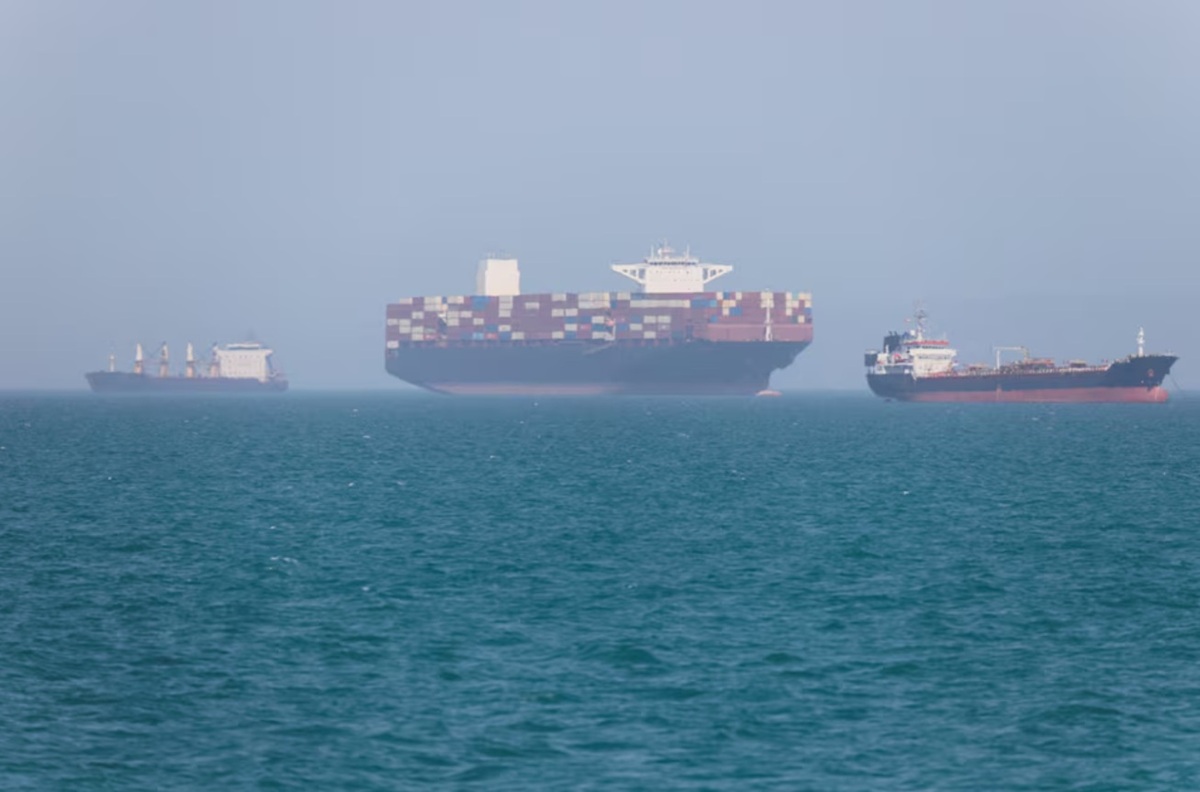
Tehran’s latest message could provide a possible bridge between military pressure and diplomacy.
A senior Iranian official told Reuters that Iran is prepared to reopen the Strait within a week if Washington reduces its military presence and lifts the blockade on Iranian ports. Tehran also wants an official signal from Washington that the United States is prepared to resolve the crisis diplomatically.
Iranian officials have simultaneously laid out broader conditions for returning to negotiations.
Those demands include an end to the war, an end to the U.S. naval blockade, release of frozen Iranian funds and an end to what Tehran describes as American interference in its internal affairs. Iran has also linked the reopening of Hormuz to implementation of earlier commitments.
Washington and Tehran therefore have something each side wants.
The United States wants reliable freedom of navigation and limits on Iran’s nuclear program. Iran wants the blockade lifted, economic relief and an end to attacks on its territory.
The problem is the price each side is prepared to pay.
The June framework already showed the shape of a possible deal
This is not the first time Washington and Tehran have attempted to connect the nuclear issue with Hormuz.
A preliminary U.S.-Iran memorandum reached in June included provisions aimed at reopening the Strait, lifting the U.S. naval blockade and allowing Iranian oil exports to resume. The framework also involved restrictions and negotiations concerning Iran’s nuclear program, economic relief and measures intended to reduce regional tensions.
But the arrangement did not resolve the fundamental disagreements.
Trump said in June that Iran had agreed to indefinite nuclear inspections. Tehran disputed that interpretation and said it had not agreed to such inspections.
That disagreement illustrates the central problem confronting any new agreement.
It is relatively easy for Washington and Tehran to announce a framework.
It is much harder to agree on what Iran must actually do, what the United States must actually remove, who verifies compliance and what happens if either side says the other has violated the deal.
Nuclear restrictions remain Trump’s central strategic demand
The Strait of Hormuz may be the most immediate economic issue, but Iran’s nuclear program remains at the heart of the U.S. strategy.
Trump has repeatedly said that Iran cannot be allowed to acquire a nuclear weapon, while Tehran has resisted demands that would amount to dismantling its nuclear infrastructure.
This leaves several unresolved questions for any future agreement.
How much enriched uranium can Iran retain?
What level of enrichment would be permitted?
Which centrifuges could remain operational?
What inspections would international monitors receive?
Would restrictions be temporary or permanent?
And what sanctions would Washington remove in return?
These questions are more difficult than simply agreeing to reopen a shipping lane.
They also create a verification problem. The International Atomic Energy Agency’s safeguards framework remains central to the international monitoring of Iran’s nuclear activities, while access and verification have been heavily affected by the conflict.
For Trump, a nuclear agreement that cannot be independently verified would provide an obvious vulnerability at home.
For Tehran, accepting intrusive verification without meaningful economic and security guarantees could be politically difficult.
Pickaxe Mountain remains part of the military pressure option
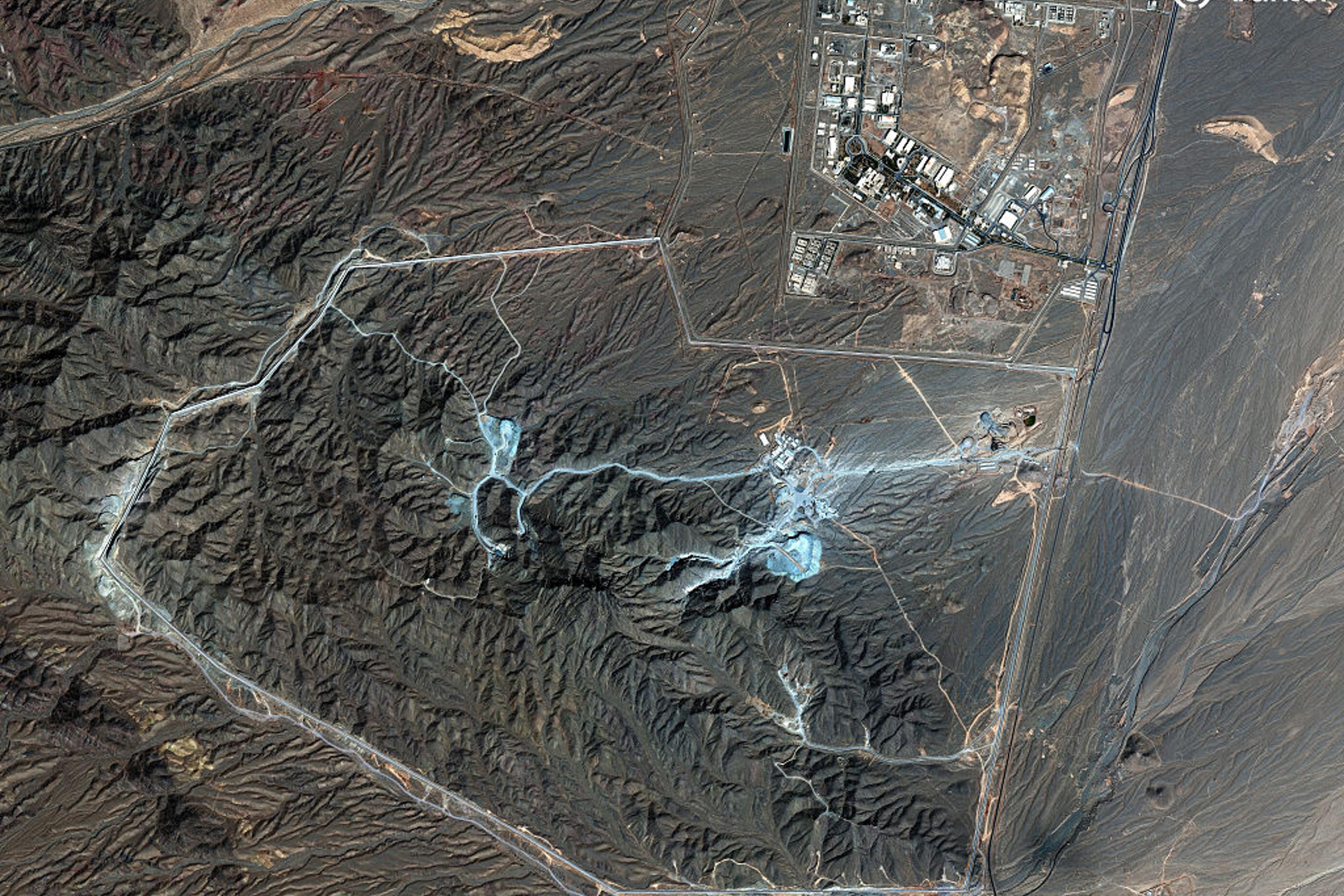
Trump also retains the option of escalating militarily.
The president has previously threatened action against Iran’s heavily fortified Pickaxe Mountain facility and has described attacks on bridges and power infrastructure as potential consequences if Tehran refuses to reach a deal. The White House has said Trump wants to avoid such attacks if diplomacy can produce the desired outcome.
A major new strike could therefore be used as an attempt to increase pressure before negotiations.
But such an operation would carry a difficult strategic calculation.
A military strike could demonstrate U.S. power and potentially damage additional Iranian capabilities. At the same time, it could provoke retaliation against U.S. forces, Gulf infrastructure or shipping and make the diplomatic exit more difficult.
That is the basic contradiction of coercive diplomacy:
The military option can strengthen bargaining leverage, but using it can also destroy the conditions needed for a negotiated settlement.
Iran’s position is also more complicated than simple resistance
Tehran is not simply choosing between surrender and continued war.
Iran has significant incentives to keep negotiating if it can secure economic relief, preserve elements of its nuclear infrastructure and obtain guarantees against renewed attacks.
At the same time, Iranian leaders have strong reasons to avoid an agreement that can be portrayed domestically as the result of American coercion.
That explains why Tehran has combined diplomatic signals with military warnings.
Iranian officials have said the country remains prepared for a prolonged confrontation and has threatened to expand the geography and nature of the conflict if the United States launches another attack.
At the same time, Iranian officials have transmitted proposals through intermediaries and are using the UN General Assembly as another diplomatic channel.
The two approaches are not necessarily contradictory.
They are elements of bargaining.
The economics of Hormuz are becoming impossible to ignore
The economic pressure surrounding the war is increasingly important for Washington.
The Strait of Hormuz carries a huge share of global energy trade, and disruption has pushed oil prices above $100 per barrel at points during the crisis.
On September 22, reports that Iran was prepared to reopen the waterway within seven days helped push oil prices lower. Brent crude fell below $100 per barrel following the reports, demonstrating how closely energy markets are now responding to diplomatic signals from Tehran and Washington.
But reopening the Strait would not automatically restore global energy markets to normal.
Commercial operators need confidence that shipping lanes will remain safe, insurance costs need to fall and oil and gas infrastructure across the region must remain secure.
The longer the disruption lasts, the greater the incentive for Gulf producers and Washington to develop alternative export routes.
The Trump administration has already proposed a $5 billion investment fund to help Gulf states rebuild damaged energy infrastructure and reduce dependence on Hormuz, according to Reuters, citing a Wall Street Journal report that Reuters said it could not independently verify.
That indicates Washington may be thinking beyond the immediate conflict.
The midterm elections add political pressure — but not a simple explanation
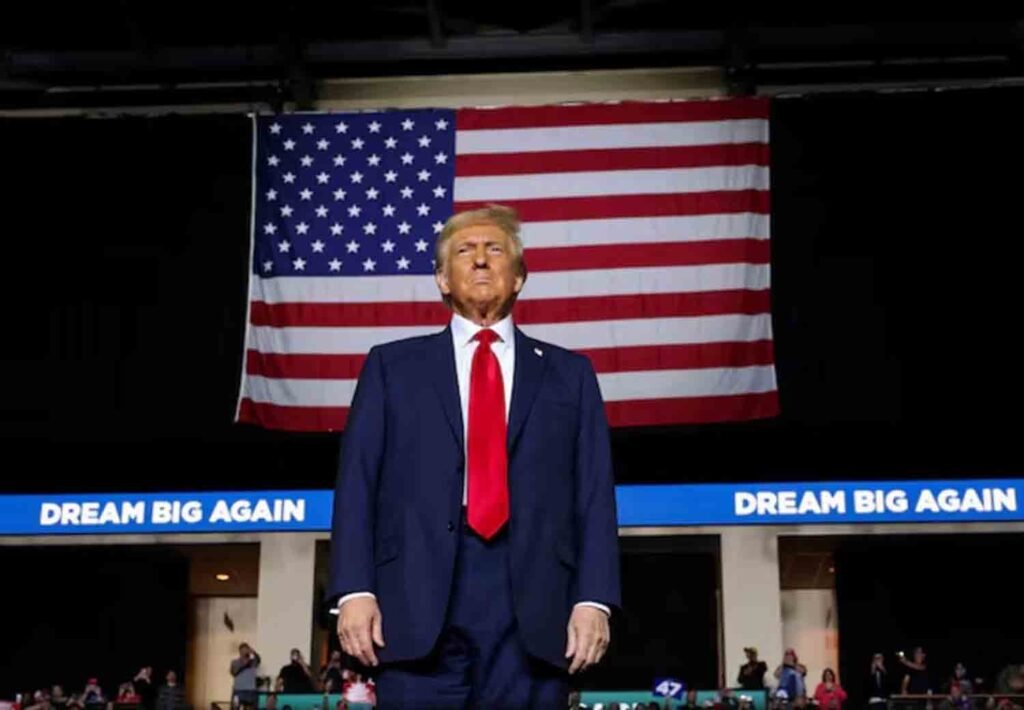
The November 3 U.S. midterm elections are another important political backdrop.
It would be too simplistic to conclude that electoral considerations are determining Trump’s Iran policy. Foreign-policy decisions involve military, strategic, diplomatic and economic calculations that cannot be reduced to election timing.
But the domestic environment is clearly relevant.
A Reuters/Ipsos poll conducted in September found Trump’s overall approval rating at 32%, while only 34% of respondents supported the U.S. strikes on Iran. The poll also found that 82% believed the conflict would be prolonged. Rising living costs and fuel prices were major concerns among voters.
That creates an incentive for the administration to demonstrate that military action has produced a concrete result.
A prolonged war with uncertain objectives would be harder to explain politically than a settlement that could be presented as having achieved measurable goals.
But the administration would still have to convince Americans that the agreement is not simply a concession to Tehran.
What would a Trump “victory” actually require?
This is where the Iran dilemma becomes most difficult.
For Washington, a politically sustainable end state would likely need several elements:
- meaningful and verifiable restrictions on Iran’s nuclear capabilities;
- a reliable reopening of the Strait of Hormuz;
- protection for international commercial shipping;
- limits on Iran’s ability to threaten U.S. forces and regional partners;
- a reduction in the direct military confrontation;
- lower pressure on global energy markets;
- and an agreement that Trump can describe as the result of American pressure rather than American retreat.
No single military operation can guarantee all of those outcomes.
Nor can reopening Hormuz alone resolve the nuclear dispute.
That is why a purely military definition of victory is insufficient.
Iran also needs an outcome it can sell at home
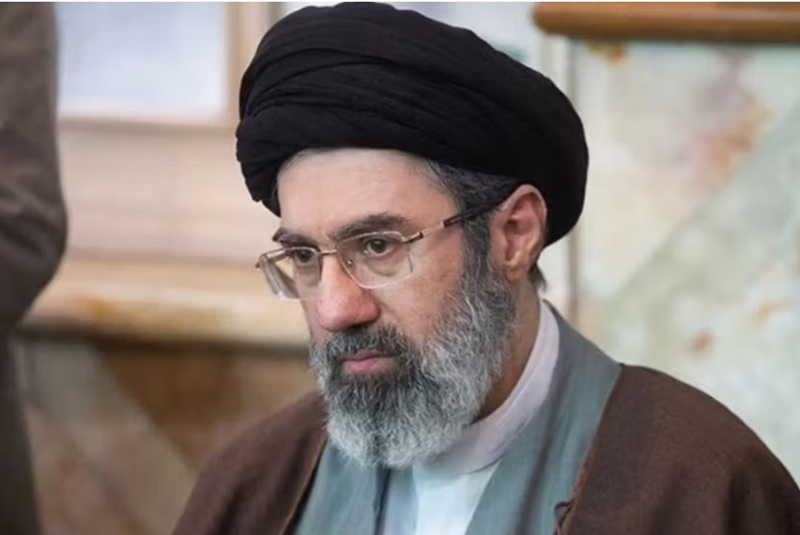
Tehran faces the same political problem from the opposite direction.
Iran cannot easily accept a settlement that appears to confirm that U.S. military pressure forced it to abandon its strategic positions.
The Iranian leadership therefore needs an agreement that can be presented as recognition of Iranian sovereignty, restoration of economic access and preservation of its right to peaceful nuclear technology under safeguards.
That gives both sides a reason to seek carefully constructed language.
Washington could say that its military campaign forced Iran to accept nuclear restrictions and reopen Hormuz.
Tehran could say that it resisted military pressure and secured an end to the blockade, economic relief and continued sovereignty over its nuclear program.
Diplomacy often succeeds when both governments can describe the same compromise as a victory to their own audiences.
That may be the most realistic route out of the current impasse.
The biggest obstacle is trust
The June experience also shows why a new agreement could be fragile.
Washington and Tehran have already disputed what was agreed on nuclear inspections, sanctions, Hormuz and implementation.
Any new arrangement would therefore require more than a political announcement.
It would need a detailed implementation mechanism.
That could include phased reopening of Hormuz, simultaneous steps on the U.S. blockade, a timetable for nuclear inspections, clearly defined sanctions relief and a mechanism for resolving allegations of violations.
Without such mechanisms, one incident at sea or one disputed nuclear inspection could again push both sides toward escalation.
Trump now has an opening — but the terms remain difficult
The latest Iranian offer to reopen Hormuz within seven days if Washington reduces military pressure gives the Trump administration something it has not had consistently during the conflict: a concrete Iranian proposal directly tied to a major U.S. objective.
That does not mean a deal is close.
Iran’s conditions remain far apart from Washington’s demands, and neither side appears willing to surrender its core bargaining position.
But the existence of a possible sequence — U.S. de-escalation, lifting of the blockade, reopening of Hormuz and renewed negotiations — provides a framework around which diplomacy could develop.
The nuclear question would then become the harder second stage.
For Trump, the challenge is no longer simply whether the United States can impose additional military costs on Iran.
It is whether additional pressure improves the terms of a settlement or makes settlement harder.
The off-ramp is visible, but neither side controls it alone
Trump has demonstrated that the United States can deploy overwhelming military power against Iran and impose enormous economic and military pressure.
Iran has demonstrated that military superiority does not automatically produce political capitulation.
The Strait of Hormuz has become the clearest expression of that problem.
Washington says it controls the waterway. Tehran says it can prevent normal shipping unless its conditions are addressed. Commercial traffic remains far below pre-war levels, while both sides continue to threaten escalation.
That leaves Trump facing a choice between continuing pressure and testing diplomacy.
A new major strike could create another moment of military dominance. A negotiated agreement could potentially deliver the more durable objectives: nuclear constraints, restored shipping and reduced pressure on energy markets.
But neither route guarantees success.
The most workable settlement would probably have to allow both Washington and Tehran to claim that they achieved something important without requiring either side to publicly admit defeat.
For Trump, that is the essence of the Iran dilemma.
The question is not simply how to end the war.
It is how to end it in a way that secures the strategic objectives Washington says it fought for, restores energy stability and gives the president a defensible political narrative — while giving Iran enough room to accept the same settlement without calling it surrender.
That is a much harder problem than winning another battle.
And with diplomacy now moving alongside military pressure at the United Nations, the next phase of the Iran war may be decided as much by the terms of an eventual deal as by the weapons on the battlefield.