Russian Foreign Minister Sergey Lavrov’s visit to Tehran comes as Moscow seeks to revive a proposal to transfer Iran’s enriched uranium to Russia, while Gulf states demand an end to attacks and renewed diplomatic efforts. The initiative could offer a starting point for nuclear negotiations, but linking it to sanctions relief, the reopening of the Strait of Hormuz and wider regional de-escalation remains a formidable challenge.
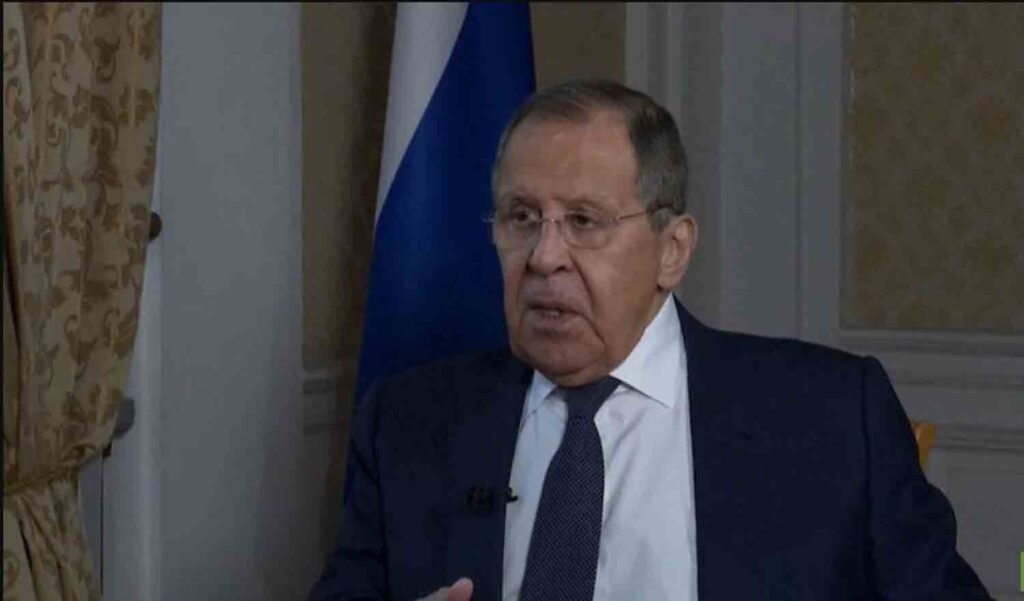
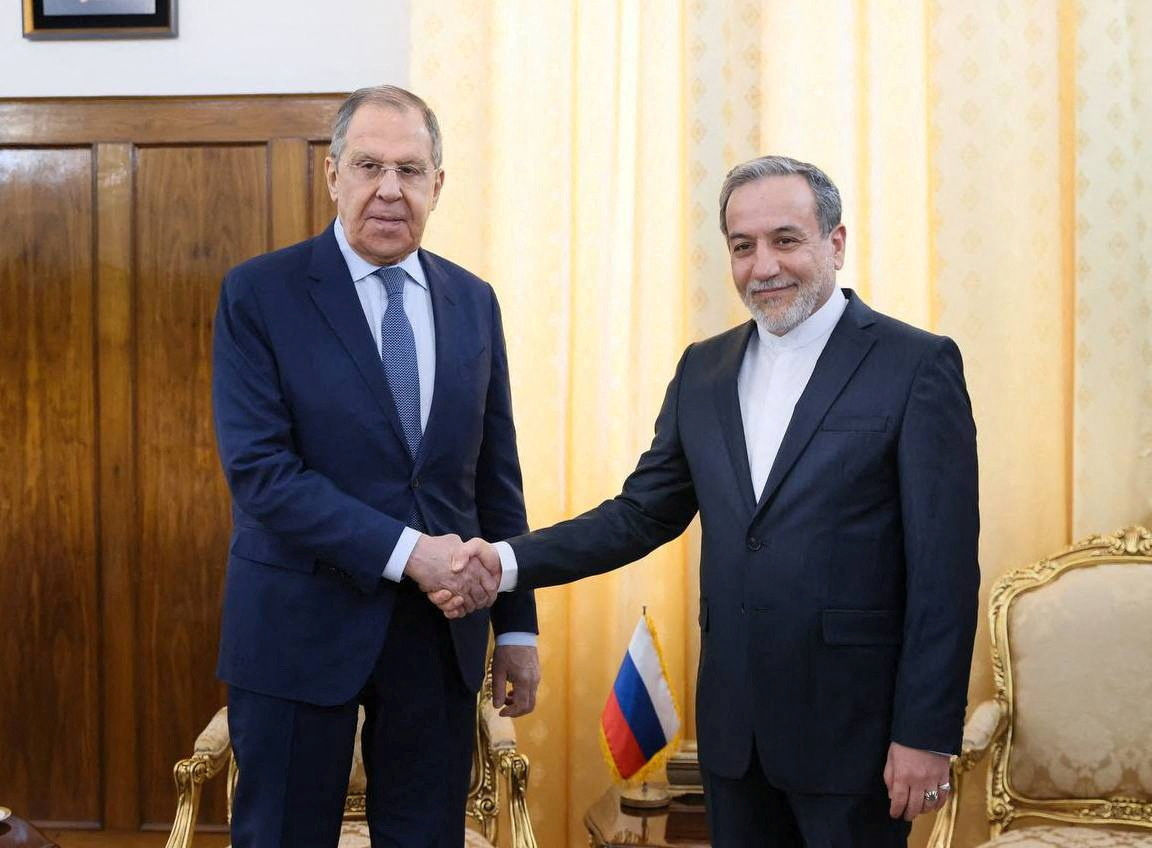
Russia is attempting to strengthen its diplomatic position in the escalating confrontation involving Iran, the United States and Gulf states, with Foreign Minister Sergey Lavrov’s October 19 visit to Tehran placing Moscow’s nuclear mediation proposal back in focus.
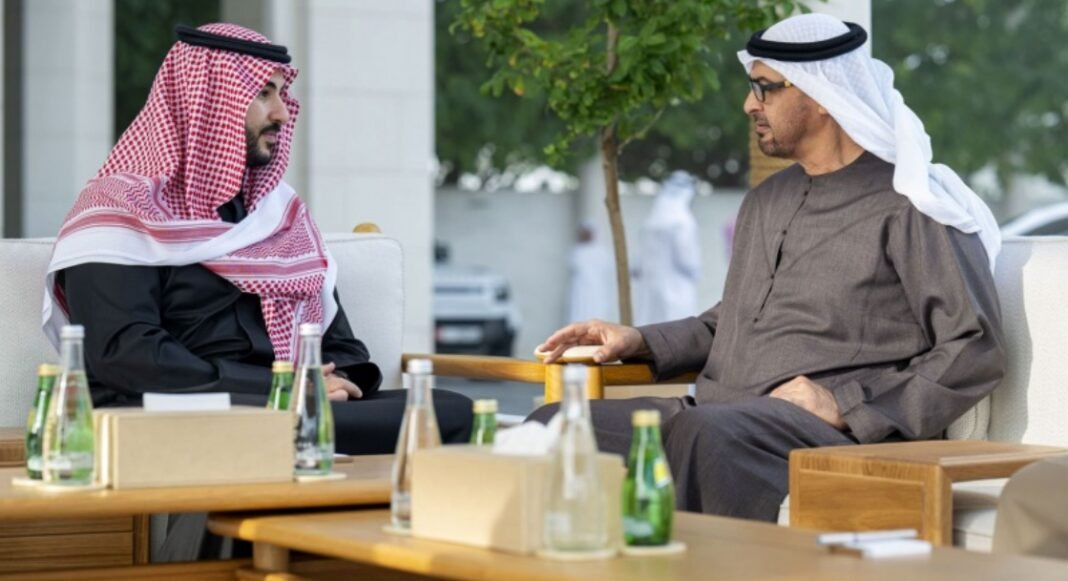
The visit follows Lavrov’s participation in a meeting of foreign ministers from Russia and the Gulf Cooperation Council (GCC) in Manama on October 18. During the meeting, Gulf states urged Moscow to use its influence with Tehran to help halt attacks and address their security concerns, while Russia called for dialogue and a broader regional security framework.
The diplomatic sequence gives Moscow an opportunity to pursue two objectives simultaneously: preserve its strategic partnership with Iran and demonstrate to Gulf governments that it can contribute to containing the regional crisis.
At the centre of this effort is Russia’s longstanding proposal to receive Iranian enriched uranium on its territory as part of a possible nuclear arrangement.
Russian President Vladimir Putin reiterated on October 1 that the proposal remained available. He said that the idea had previously attracted initial acceptance from Iran, the United States and Israel, but that Washington subsequently hardened its position over where the material should be transferred.
Iran has not publicly committed to the latest proposal. Its Foreign Ministry has said that Tehran is examining the idea and will make decisions according to its national interests.
The key question is whether Russia can turn a technical proposal concerning Iran’s uranium stockpile into part of a broader agreement addressing sanctions, maritime security and the military confrontation across the Middle East.
For now, no publicly confirmed agreement links the transfer of Iranian uranium to a comprehensive regional ceasefire or the lifting of all US sanctions.
Why Lavrov’s Tehran Visit Matters

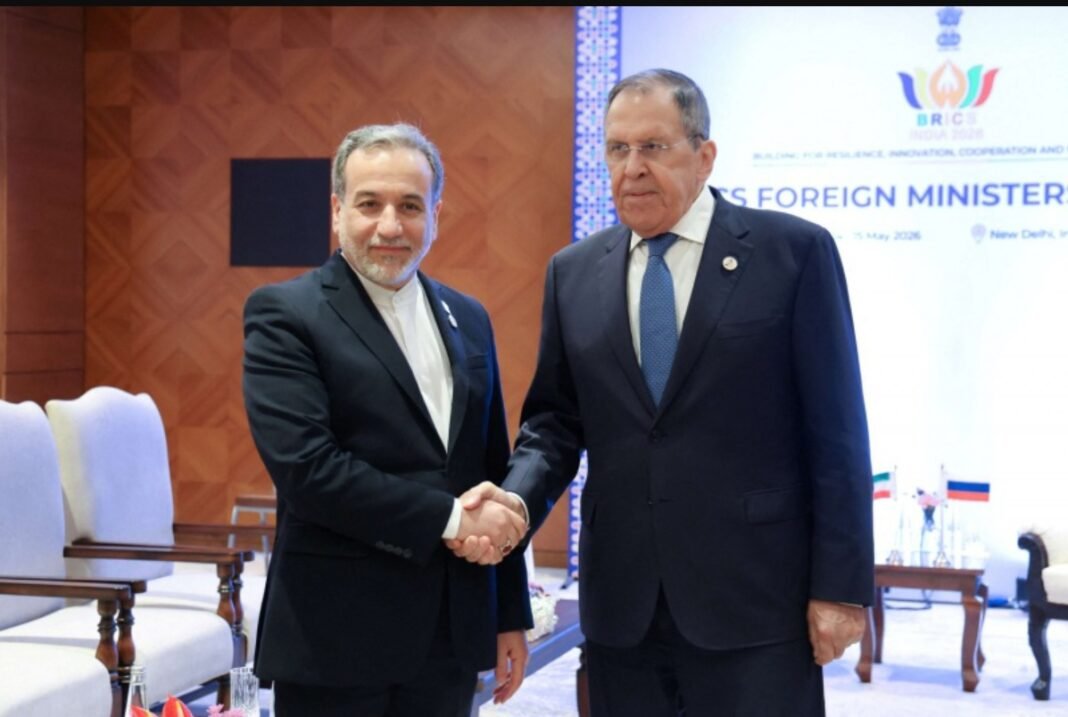
According to Russia’s Foreign Ministry, Lavrov’s October 19 visit includes meetings with Iranian President Masoud Pezeshkian and Foreign Minister Abbas Araghchi.
The agenda covers bilateral cooperation, trade, investment, transport and energy projects, as well as the regional crisis and coordination between Moscow and Tehran in international organisations.
The timing is significant because Lavrov travelled to Tehran immediately after the GCC-Russia strategic dialogue in Bahrain.
The GCC’s October 18 communiqué called for a return to diplomacy while insisting that any understanding with Iran address outstanding concerns involving its nuclear programme, missiles, drones and support for regional armed groups. It also stressed that Gulf states should participate in negotiations affecting their security.
The sequence puts Russia in a delicate diplomatic position.
Moscow maintains close political and strategic relations with Tehran, but it also has interests in Gulf trade, investment, energy cooperation and regional stability.
An expanded confrontation could threaten shipping routes, disrupt energy markets and complicate Russia’s relationships with Gulf governments.
Lavrov’s visit therefore offers an opportunity to explore whether Russian diplomacy can help bridge some of the differences between Iran and its neighbours.
However, the visit itself does not establish that Moscow has received a formal mandate to negotiate on behalf of the GCC or that Tehran has agreed to make concessions.
The outcome will depend on what the parties are prepared to accept beyond statements supporting dialogue.
Putin’s Proposal: Transfer Iran’s Enriched Uranium to Russia
The proposal to transfer Iranian enriched uranium to Russia is not new.
Moscow played a role in implementing the 2015 Joint Comprehensive Plan of Action (JCPOA), the nuclear agreement between Iran and the P5+1 countries.
Under that agreement, Russia received approximately 11 tonnes of Iran’s low-enriched uranium in 2015 as part of the arrangements designed to reduce Iran’s stockpile and bring its nuclear activities within agreed limits.
That precedent gives Russia experience in handling nuclear material under an international agreement.
The current proposal, however, concerns a substantially different political and security environment.
Putin said on October 1 that Russia was still prepared to receive Iran’s enriched uranium if the material were removed from Iranian territory. He also suggested that earlier discussions had broken down after Washington sought a different destination for the stockpile.
His account is Russia’s description of the earlier diplomatic exchanges. The precise positions of all the parties and the terms of any previous understanding would need to be independently established before treating it as a completed agreement.
The underlying concept is straightforward: transferring some or all of Iran’s highly enriched uranium outside the country could reduce concerns about the material’s immediate availability for further enrichment.
But the technical step would need to be part of a wider agreement specifying the material involved, its enrichment level, transport arrangements, storage conditions and verification procedures.
It would also need to establish what Iran would receive in return.
Without reciprocal commitments, Tehran could regard the transfer as surrendering a significant negotiating asset without securing a corresponding political or economic benefit.
Why Iran’s Uranium Stockpile Matters
Iran’s nuclear programme remains one of the central sources of tension between Tehran and Washington.
The dispute concerns the level of uranium enrichment, the size of Iran’s stockpile, the future of its enrichment infrastructure and the extent of international monitoring.
Uranium enriched to higher levels is closer to the material required for weapons use than uranium enriched for ordinary civilian power generation. However, possessing highly enriched uranium does not by itself establish that a country has assembled a nuclear weapon.
The International Atomic Energy Agency has historically monitored Iran’s nuclear activities under safeguards and the JCPOA framework, but the current conflict has complicated the diplomatic and verification environment.
A transfer of enriched uranium to Russia could potentially reduce the quantity of material remaining inside Iran, depending on the scope of the agreement.
It would not, however, automatically settle disputes about Iran’s ability to enrich uranium in the future.
Washington would still need to address the operation of Iranian enrichment facilities, future production limits, monitoring access and mechanisms for detecting violations.
Tehran, in turn, would want to know whether compliance would lead to sanctions relief and a durable reduction in military pressure.
The central problem is therefore not merely where the uranium is stored. It is whether the parties can agree on a verifiable arrangement that reduces nuclear risks without leaving the wider confrontation unresolved.
Can Russia Provide a Credible Technical Solution?
Russia has considerable nuclear expertise and experience in the international nuclear fuel cycle.
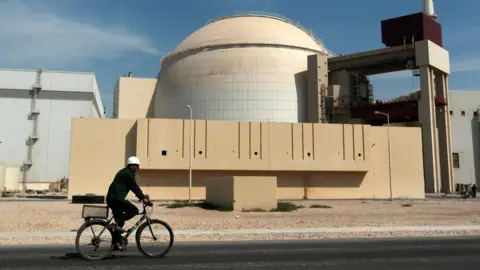
Its cooperation with Iran has included the construction and operation of the Bushehr nuclear power plant, while Moscow has also participated in earlier diplomatic arrangements intended to limit Iran’s nuclear activities.
These relationships could make Russia a technically capable destination for Iranian nuclear material under an agreed framework.
But technical capability is only one part of the problem.
Any transfer would require agreement on the material’s quantity and enrichment level, the legal conditions governing its custody, the role of international inspectors and the procedures for verifying that the material remained under the agreed safeguards.
The parties would also need to determine whether the uranium would be stored, blended down, converted into another form or used under a specific civilian nuclear arrangement.
Each option would carry different implications for Iran’s future nuclear capabilities and the ability to reverse the arrangement.
The political question is even more difficult: would the United States accept Russia as the principal custodian of the material, and would Iran agree to relinquish control over it?
Russia could offer a mechanism for reducing one aspect of the nuclear dispute. It cannot independently guarantee that Washington will lift sanctions or that Tehran will accept restrictions on future enrichment.
The proposal therefore needs to be judged as a potential component of an agreement, not a complete solution.
The Hormuz Dispute Complicates Nuclear Diplomacy
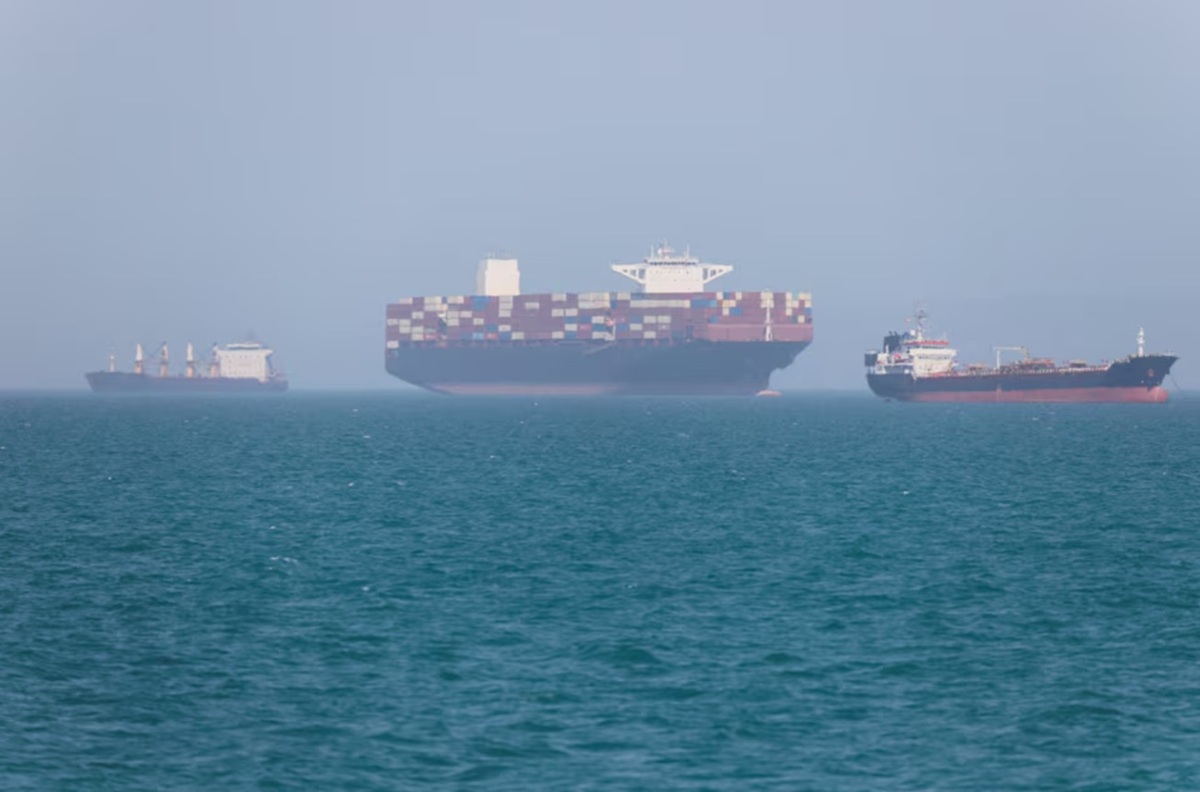
The nuclear negotiations are taking place amid a wider confrontation over the Strait of Hormuz.
The waterway connects the Persian Gulf to the Gulf of Oman and the Arabian Sea, making it essential for international oil and liquefied natural gas shipments.
On October 18, Iranian Foreign Minister Abbas Araghchi said Tehran’s proposal to reopen the strait within seven days remained on the table, subject to Washington accepting Iran’s conditions.
According to Reuters, Iran’s demands include lifting the US blockade on Iranian ports, ending sanctions on Iranian oil exports and halting hostilities across regional fronts. Washington, meanwhile, has insisted that Iran’s nuclear programme must be addressed as part of any wider settlement.
This difference in priorities is central to the current deadlock.
Iran wants immediate relief from military and economic pressure, while the United States wants a settlement that addresses the nuclear programme and other security concerns.
Tehran’s proposal to reopen the strait could provide a practical starting point for reducing immediate economic risks.
However, Washington may be reluctant to accept a maritime arrangement without obtaining commitments on the nuclear issue.
Conversely, Iran may resist transferring its enriched uranium before receiving credible assurances that the United States will ease sanctions and reduce military pressure.
Russia’s challenge is to determine whether these disputes can be addressed in stages rather than requiring a comprehensive agreement at the outset.
A phased arrangement could, in principle, link verified maritime de-escalation to nuclear measures and reciprocal economic steps. But no such package has been publicly confirmed.
Gulf States Want More Than a Nuclear Agreement

Lavrov’s discussions with Gulf officials in Manama highlighted the fact that regional governments are concerned about a wider range of Iranian capabilities.
The GCC’s October 18 communiqué called for negotiations that address Iran’s nuclear programme, missiles, drones and support for regional armed groups.
This is important because an agreement focused exclusively on uranium could leave many of the Gulf states’ immediate security concerns unresolved.
Missile and drone attacks can threaten energy infrastructure, military installations, civilian facilities and commercial transport routes even if the nuclear issue is contained.
The Houthis’ activities in Yemen and the threat to maritime traffic in the Red Sea also remain important elements of the regional security picture.
However, there is no public evidence that Lavrov’s Tehran visit produced a specific Russian-Iranian agreement to halt Houthi attacks or a formal arrangement linking the uranium proposal to developments in Yemen.
Russia has previously promoted the concept of collective security in the Gulf, involving regional states and their neighbours in a broader dialogue.
Such a framework could offer a platform for discussing maritime security, military communication and crisis management.
Its success would depend on whether Iran and the Gulf states are prepared to participate in negotiations that address their competing security concerns.
Could Nuclear Concessions Lead to Sanctions Relief?
Sanctions relief is likely to be one of Tehran’s most important considerations.
Iran has long argued that restrictions on its oil exports, banking relationships and access to international markets impose substantial economic costs.
The Iranian leadership would therefore be reluctant to transfer enriched uranium without knowing which sanctions would be suspended or removed, when the relief would take effect and whether it could be reversed.
Washington faces its own concerns.
US officials would want to establish that any sanctions relief was linked to verifiable Iranian commitments and that the arrangements could be suspended or reversed if Iran failed to comply.
The legal basis of sanctions also matters. Some restrictions relate to nuclear activities, while others concern missiles, regional security and other issues.
Consequently, resolving the uranium stockpile question would not automatically require the United States to lift every sanction imposed on Iran.
A comprehensive settlement would need to specify which measures were eligible for relief and what Iran would have to do to qualify.
It would also need to address the possibility that the parties could disagree over compliance.
Without clear verification and enforcement provisions, an agreement might provide temporary relief without resolving the underlying mistrust.
The US Midterm Elections Add a Political Dimension
The November 3 US midterm elections are approaching at a time when the Trump administration is facing pressure over the conflict and its economic consequences.
Iran may calculate that disruptions to oil shipments and higher energy costs could create political pressure on Washington.
Recent reporting has suggested that Iranian officials see the election period as an opportunity to increase the economic costs of the confrontation. That remains an assessment of Iranian strategy rather than proof that Tehran has decided to postpone nuclear concessions until after the vote.
The election calendar could affect the political calculations of both governments.
Washington may prefer a diplomatic arrangement that reduces the economic consequences of the conflict. Alternatively, the administration could resist making concessions if it believes that doing so would weaken its negotiating position.
Iran faces a similar dilemma.
Agreeing to transfer enriched uranium before the election could reduce its leverage if Washington does not provide corresponding guarantees. Waiting could preserve that leverage but risk further military and economic pressure.
Russia could benefit diplomatically if it succeeds in presenting a proposal acceptable to both sides.
However, there is no evidence that Moscow has secured a secret understanding with Washington or Tehran concerning the election timetable.
The political calendar is a relevant factor, but the decisive issue remains whether the parties believe that an agreement would improve their security and economic positions.
What Would a Realistic Agreement Look Like?
For the Russian proposal to move beyond diplomacy, the parties would need to negotiate a sequence of practical steps.
First, the nuclear material would need to be identified and verified. The quantity, enrichment level, physical condition and location of the stockpile would have to be established through agreed monitoring arrangements.
Second, the transfer would require legal and technical guarantees. The parties would need to agree on transport, custody, safeguards and the conditions under which the material could be processed or used.
Third, Iran would need a clear explanation of the benefits. These could include specified sanctions relief, guarantees against renewed attacks or a commitment to further negotiations.
Fourth, Washington would require enforceable nuclear restrictions. These might include agreed limits on enrichment, monitoring provisions and procedures for resolving disputes over compliance.
Finally, the parties would need to address regional security. A nuclear agreement alone would not necessarily resolve the dispute over maritime access, missile attacks or the activities of regional armed groups.
These elements would not guarantee success, but they would provide a basis for judging whether the proposal had become a substantive diplomatic initiative.
At present, no publicly confirmed agreement contains all these elements.
What Lavrov’s Visit Could Mean for Russia’s Regional Role
Moscow’s diplomatic strategy is shaped by its interest in maintaining relationships across a region increasingly divided by conflict.
Russia wants to preserve its strategic partnership with Iran while continuing to engage Gulf governments that are concerned about Iranian military activity.
Its ability to communicate with multiple sides provides a potential diplomatic advantage.
But mediation requires more than access.
Russia would need to persuade Tehran that a uranium transfer serves Iranian interests, convince Washington that the arrangement offers meaningful verification and reassure Gulf states that their security concerns will not be excluded from the negotiations.
These objectives could prove difficult to reconcile.
Iran may resist a framework that limits its nuclear options without delivering sanctions relief. Washington may oppose a settlement that leaves enrichment capabilities or regional military activities insufficiently constrained. Gulf governments may reject an agreement that addresses uranium but ignores missiles and attacks on regional infrastructure.
Russia’s proposal could therefore help reopen diplomatic channels without producing an immediate settlement.
The significance of Lavrov’s visit will depend on whether the discussions generate concrete follow-up negotiations, rather than simply repeating familiar positions.
Conclusion: Uranium Transfer Could Open a Door, but It Cannot Deliver Peace Alone
Lavrov’s visit to Tehran comes at a moment when the nuclear dispute, maritime insecurity and regional military confrontation are increasingly interconnected.
Russia’s proposal to receive Iran’s enriched uranium offers a possible technical mechanism for reducing one source of tension.
Moscow also hopes to strengthen its role as a diplomatic intermediary between Tehran, Washington and Gulf governments.
But the initiative faces major obstacles. Iran has not given final approval, the United States has not publicly accepted a comprehensive arrangement and the Gulf states want any settlement to address a wider range of security concerns.
The dispute over the Strait of Hormuz further complicates the negotiations because Tehran wants immediate maritime and economic relief, while Washington insists that the nuclear issue cannot be postponed indefinitely.
The most realistic outcome may be a phased diplomatic process that addresses maritime security, nuclear monitoring and sanctions through linked but separately verifiable steps.
Whether such an approach is possible remains uncertain.
The real test of Lavrov’s Tehran visit is not whether Russia can take possession of Iran’s enriched uranium. It is whether Moscow can help turn that technical proposal into an agreement that reduces nuclear risks, restores maritime security and creates a credible path towards a wider political settlement.