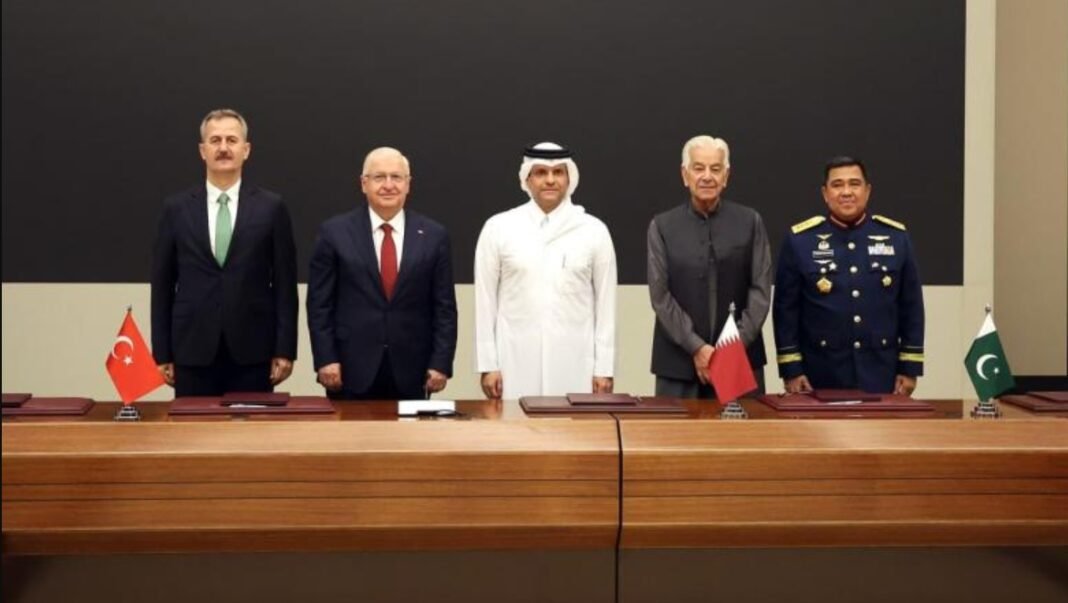
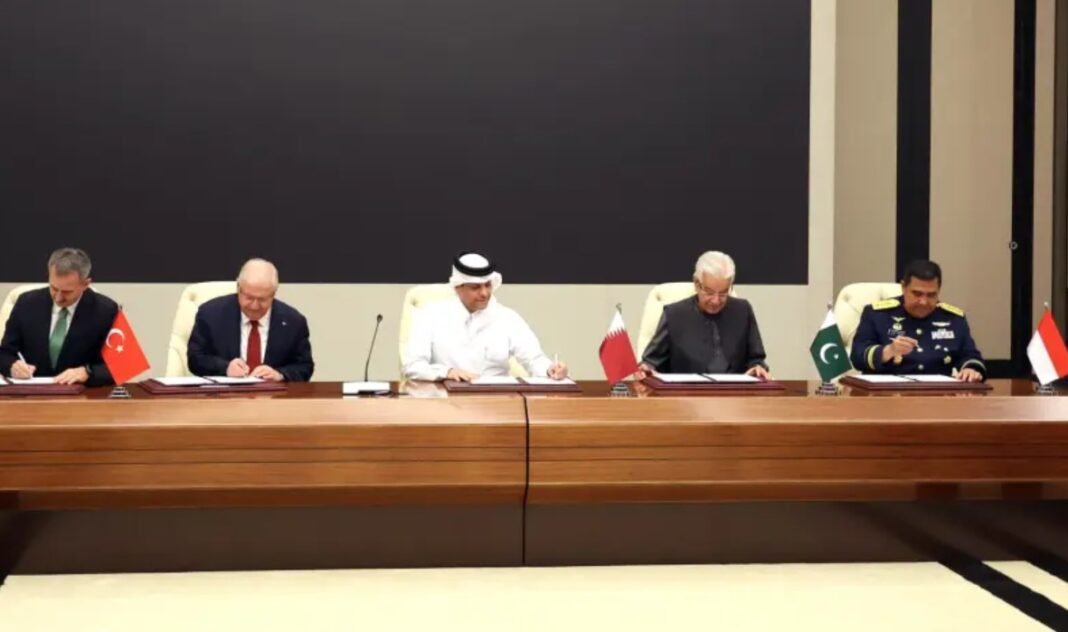
The Badr MoU has attracted attention in Indian defence coverage, with analysts examining its implications for Pakistan’s defence industry, Turkey’s regional partnerships and India’s military exports to Indonesia.
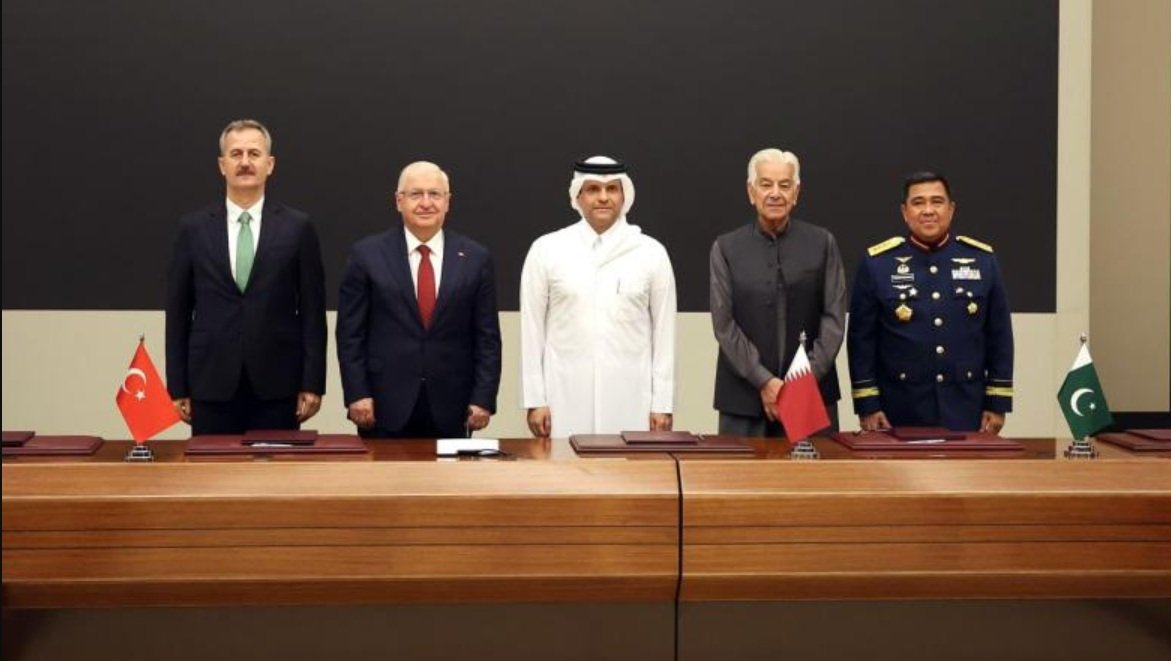
Pakistan, Turkey, Qatar and Indonesia have signed the Badr Memorandum of Understanding (MoU) in Doha, opening a new framework for cooperation in defence production, technology transfer, military training, research and development. Signed on October 21, 2026, the agreement has attracted attention in Indian media, where questions are being raised about its implications for Pakistan’s military capabilities and the changing defence landscape across the Gulf, South Asia and Southeast Asia.
The agreement follows the Makkah Joint Defence Agreement signed by Pakistan, Saudi Arabia and Turkey in August. However, the two arrangements serve different purposes: the Makkah agreement establishes a collective-defence commitment, while Badr focuses on defence-industrial cooperation.
Indian publications, including India Today, The Week and The Times of India, have examined the new memorandum from different perspectives. Their coverage highlights potential gains for Pakistan, questions about the future of India’s defence relationship with Indonesia, and the distinction between a military alliance and an industrial cooperation agreement.
Official announcements from Qatar and Turkey describe Badr as a framework for combining the four countries’ defence-manufacturing capabilities and developing cooperation beyond conventional arms purchases. Whether it produces new weapons programmes, technology-sharing arrangements or joint production facilities will depend on subsequent agreements.
Indian Media Examines the Strategic Implications of the Badr Pact
Indian media coverage has focused on whether the agreement could help Pakistan broaden its defence-industrial partnerships and gain access to additional technology and manufacturing expertise.
In a report published on October 21, The Week posed the question directly in its headline: “Pakistan joins new four-nation defence pact. What is the ‘Badr’ agreement? Should India be concerned?”
The publication highlighted the agreement’s emphasis on joint defence manufacturing, technology sharing, military training and research and development. It also noted that cooperation with Turkey, Qatar and Indonesia could give Pakistan opportunities to diversify its defence-technology partnerships beyond its substantial reliance on China.
The report nevertheless drew an important distinction: the Badr MoU does not establish a collective military alliance or require the participating countries to support Pakistan in a conflict with India.
India Today also covered the agreement under the headline “After Mecca Pact, its Badr MoU: Pak, Turkey, Qatar, Indonesia sign defence deal.” Its reporting placed the new initiative in the context of the earlier Pakistan-Saudi Arabia-Turkey agreement and highlighted the potential for expanded defence manufacturing, training and research cooperation.
The publication reported that the participating countries intended to combine their industrial capabilities to improve defence production and develop solutions for their own requirements and those of friendly countries.
Taken together, the coverage shows that Indian reporting is examining Badr as a development in defence-industrial cooperation, rather than treating it as a confirmed four-country military alliance.
What Indian Defence Analysts Are Saying
One of the most substantive assessments appeared in The Times of India on October 22, which examined whether Indonesia’s participation in Badr could affect its existing defence agreements with India.
The newspaper quoted Sudhir Kumar Mishra, former director general and chief executive of BrahMos Aerospace, who argued that safeguards in India’s defence agreements with Indonesia protect sensitive technology.
The report also quoted retired Group Captain Ajay Ahlawat, a senior fellow at the Centre for Aerospace Power and Strategic Studies. Ahlawat argued that an MoU should not automatically be equated with a military alliance and said India should monitor the agreement without assuming that its existing defence-export arrangements would be disrupted.
These assessments offer an important counterpoint to more alarmist interpretations of the agreement. They suggest that, from the Indian defence industry’s perspective, the central question is not simply whether Indonesia has signed another defence memorandum, but whether the new framework changes the terms of its existing procurement and technology relationships.
The distinction matters because defence cooperation agreements can cover very different activities. A country can participate in joint research or manufacturing arrangements with one partner while continuing to buy military equipment from another.
Indonesia’s membership in the Badr framework therefore does not, by itself, demonstrate that Jakarta intends to abandon defence cooperation with New Delhi.
Why Indonesia’s Role Matters for India
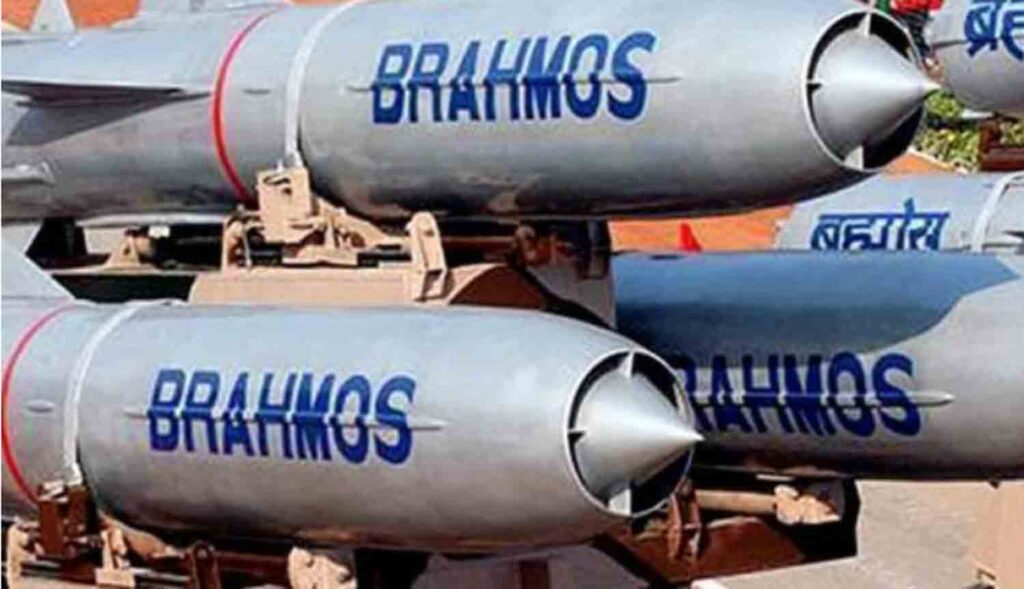
Indonesia is an important element of the Badr arrangement because it has defence-industrial ambitions and existing military procurement relationships with several countries.
India has pursued defence-export opportunities with Indonesia, including reported agreements concerning BrahMos cruise missiles and Astra air-to-air missiles. The Times of India reported that agreements worth approximately $630 million had been signed in July 2026 and cited experts who said these arrangements contained safeguards concerning technology and intellectual property.
The development creates a legitimate question for defence analysts: could Indonesia’s participation in a four-country framework open new opportunities for joint manufacturing or technical collaboration that influence its future procurement choices?
At present, however, there is no publicly confirmed evidence that Badr cancels, replaces or undermines India’s existing arrangements with Indonesia.
The more immediate implication is that Indonesia may have another framework through which to explore industrial partnerships, particularly with Turkey and Pakistan. The commercial consequences will depend on what equipment is developed, where production takes place and how the four governments structure future contracts.
For India, the relevant indicators will be actual procurement decisions, technology-transfer agreements and industrial contracts, rather than the memorandum’s signature alone.
Pakistan Could Gain From a Broader Defence-Industrial Network

For Pakistan, Badr offers a framework to build on existing defence cooperation and explore new industrial projects with three partners that bring different capabilities to the table.
Turkey: Technology and manufacturing experience
Turkey has developed an established defence industry encompassing naval platforms, unmanned aircraft, armoured vehicles, military electronics and other systems.
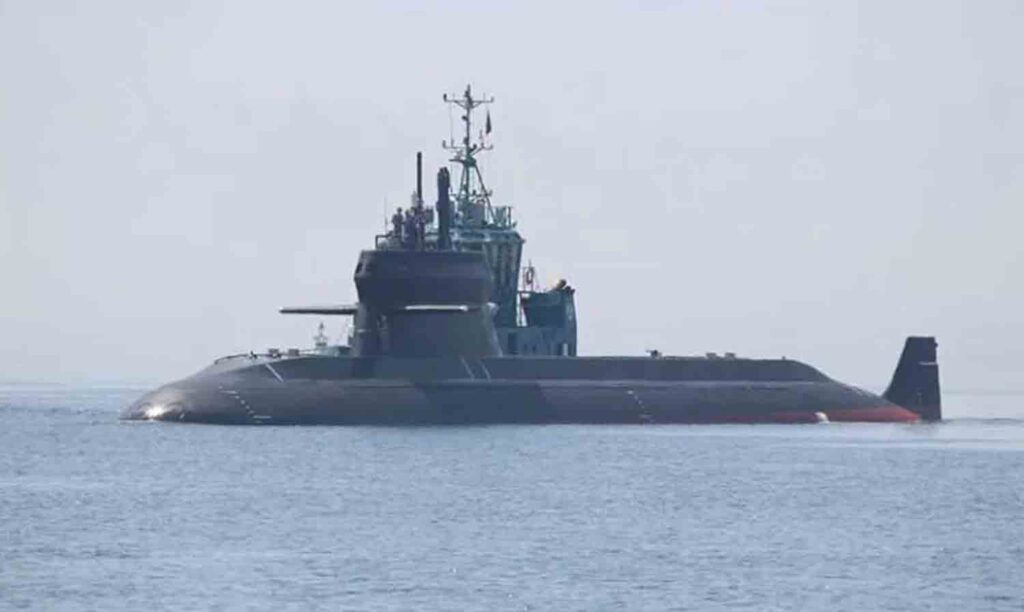
Pakistan and Turkey already have experience in joint defence production through the PN MILGEM Babur-class corvette programme. Under the four-ship programme, two vessels were built in Istanbul and two in Karachi, providing experience in local construction and industrial cooperation.
This existing relationship gives the two countries a practical basis for considering further collaboration, although the Badr memorandum does not identify any new naval, aviation or weapons-production contract.
Qatar: Investment and industrial partnerships
Qatar has developed defence-industry partnerships with Turkish companies and could provide opportunities for investment and industrial cooperation.
The Badr framework could help the participating countries coordinate their manufacturing capabilities and explore projects that require investment, technical expertise and long-term procurement commitments.
However, Qatar’s precise financial contribution to any future Badr project has not been publicly specified.
Indonesia: Joint development and manufacturing
Indonesia has experience in defence-industrial collaboration with Turkey, including the jointly developed KAPLAN MT medium tank, known in Indonesia as the Harimau.
The programme illustrates how joint design and technology-transfer arrangements can support domestic production. Indonesia’s participation in Badr could provide another setting for exploring similar cooperation, but no new tank or other specific weapons project has been confirmed under the memorandum.
For Pakistan, the potential benefit lies in converting these existing relationships into additional local production, engineering expertise, research cooperation and export opportunities.
Badr and the Makkah Defence Agreement: What Is the Difference?
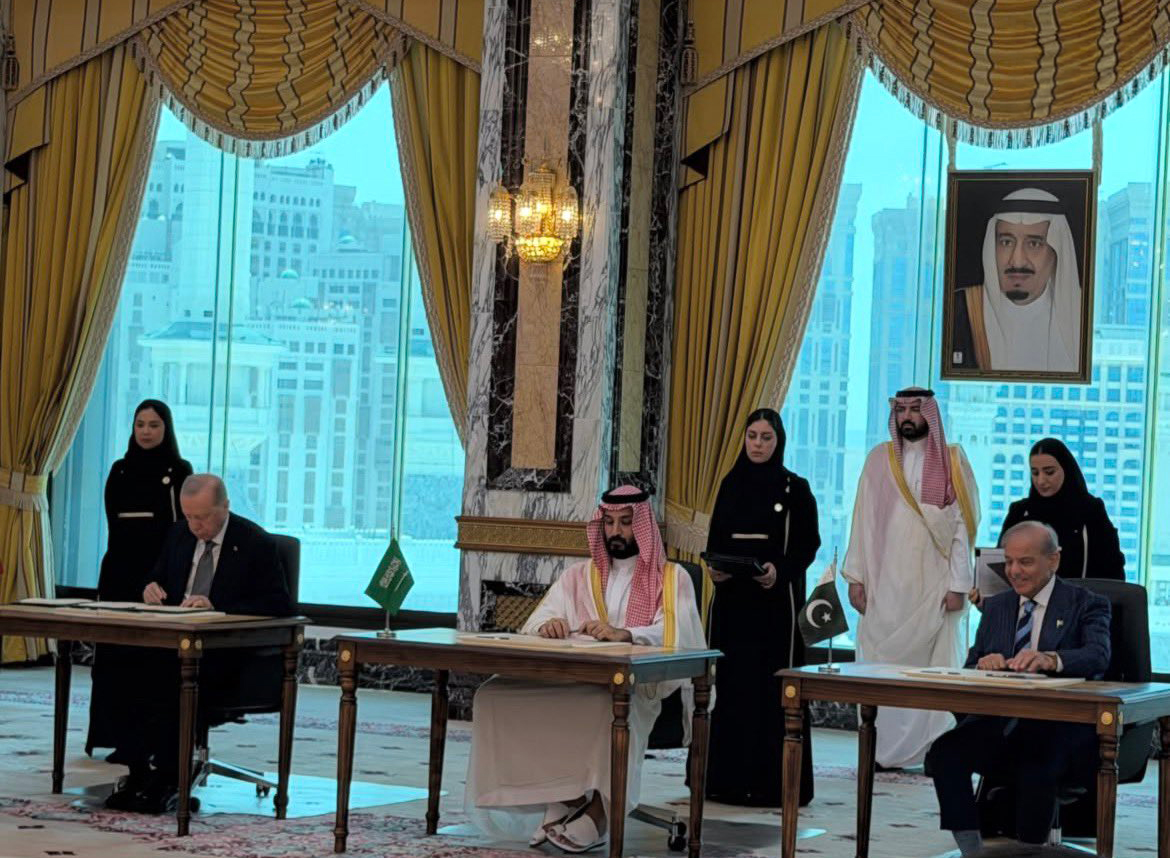
The two agreements are related in the broader context of expanding defence cooperation, but their stated purposes are different.
The Makkah Joint Defence Agreement, signed by Pakistan, Saudi Arabia and Turkey in August 2026, includes a collective-defence commitment under which an armed attack against one participating country would be treated as an attack against all three.
Badr, by contrast, brings Pakistan, Turkey, Qatar and Indonesia together for cooperation in defence manufacturing, technical training, research and development, and industrial capability-building.
This distinction is central to understanding the significance of the new memorandum.
Badr could strengthen the industrial foundations of defence cooperation by encouraging joint production and technology development. But it does not, on the available public evidence, extend the Makkah agreement’s collective-defence commitment to Qatar and Indonesia.
Nor does the signing demonstrate that the four countries have agreed to act together against a named adversary.
The two agreements should therefore be assessed on their own terms: one establishes a collective-defence arrangement among three countries, while the other seeks to deepen industrial cooperation among four.
Could Badr Change the Regional Defence Balance?
The agreement’s longer-term significance will depend on whether it develops into a functioning industrial network.
Arda Mevlutoglu, a defence-industry analyst quoted by Al Jazeera, described the broader pattern as a possible emergence of interconnected defence and security arrangements linking the Gulf with South and Southeast Asia, rather than a single formal alliance.
Al Jazeera also reported that Turkey could contribute technical expertise and systems integration, Pakistan and Indonesia could provide manufacturing capacity and domestic markets, and Qatar could contribute investment potential and demand.
Such a structure could allow the partners to share production costs, coordinate supply chains and develop equipment suited to their requirements. For Pakistan, successful implementation could support domestic manufacturing and help build technical capacity.
But a memorandum does not automatically deliver these outcomes. The public announcement did not specify funding allocations, production targets, delivery schedules or a list of technologies that would be transferred.
The key test will be whether the four countries announce concrete projects and define how the work, investment, intellectual property and production responsibilities will be distributed.
What Should Pakistan Watch Next?
The Badr MoU creates opportunities, but its practical value will be determined by the next phase of implementation.
Several developments will indicate whether the initiative is moving beyond a general cooperation framework:
- Joint production contracts: Announcements identifying equipment or components to be manufactured collaboratively.
- Technology-transfer arrangements: Agreements specifying what technical knowledge and manufacturing capabilities will be shared.
- Investment commitments: Confirmed funding for production facilities, research programmes or industrial partnerships.
- Local manufacturing: Evidence that projects will create additional production work and technical employment in Pakistan.
- Export opportunities: Contracts or joint marketing arrangements that allow participating countries to supply equipment to other markets.
- Implementation mechanisms: Working groups, timelines and agreed procedures for turning the memorandum into projects.
These indicators will also help assess whether the framework changes Pakistan’s defence-industrial capabilities in measurable ways.
Conclusion: Indian Media Is Watching, but Implementation Will Determine Badr’s Impact
The Badr defence-industry pact has drawn attention in Indian media because it brings Pakistan together with Turkey, Qatar and Indonesia in a framework that could expand joint manufacturing, research and technology cooperation.
Indian coverage has raised questions about Pakistan’s potential industrial gains and Indonesia’s parallel defence relationships with India. At the same time, Indian defence experts quoted by The Times of India have argued that existing safeguards and procurement arrangements mean Badr should not automatically be interpreted as a threat to India’s defence exports.
For Pakistan, the opportunity is to use the memorandum to deepen industrial cooperation, strengthen local production and explore new export markets. For the wider region, it represents another example of countries broadening their defence partnerships and seeking closer integration of their industrial capabilities.
The agreement’s importance should ultimately be measured by what follows the signing: confirmed projects, technology sharing, investment and production. Until those details emerge, Badr is a significant framework for cooperation, but not proof of a new four-country military alliance or a guaranteed shift in the regional balance of power.