Wednesday, May 13, 2026
Home Blog Page 3

How Hypersonic Missiles Work: Technology, Speed & Global Military Impact Explained

0
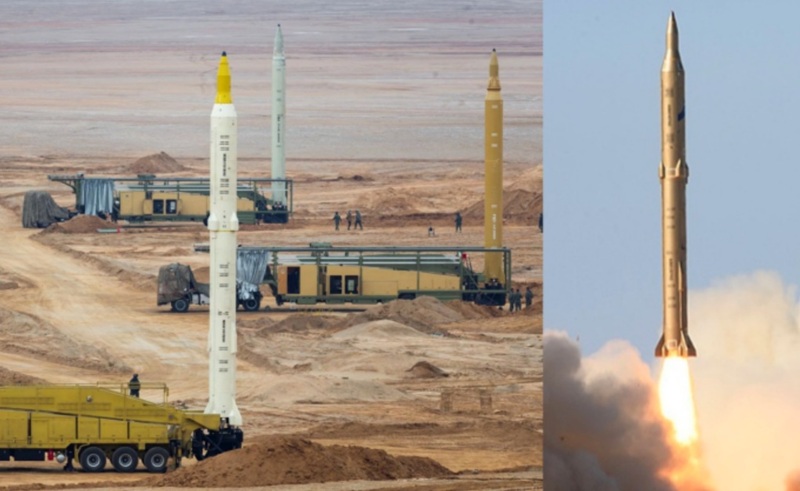
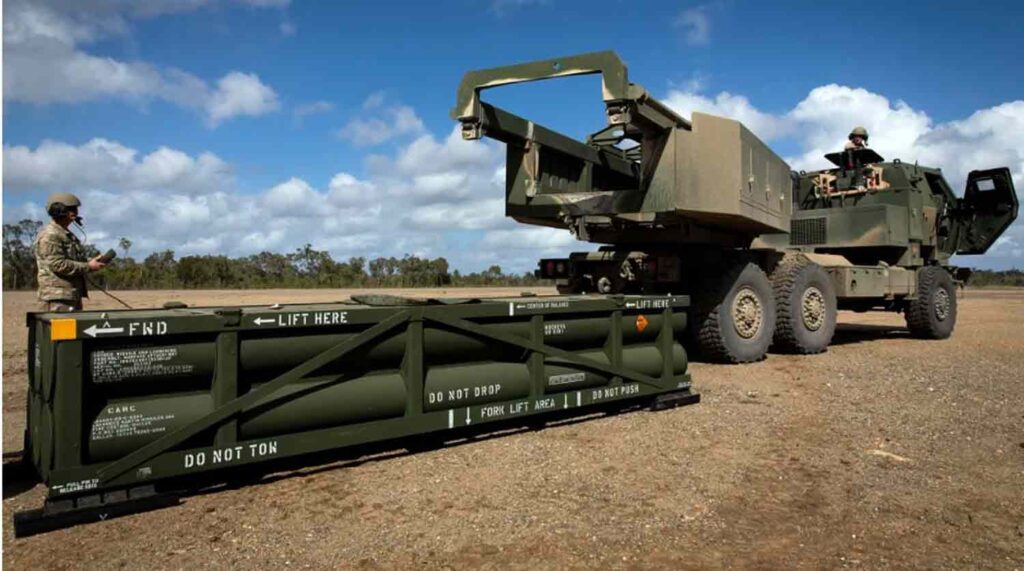
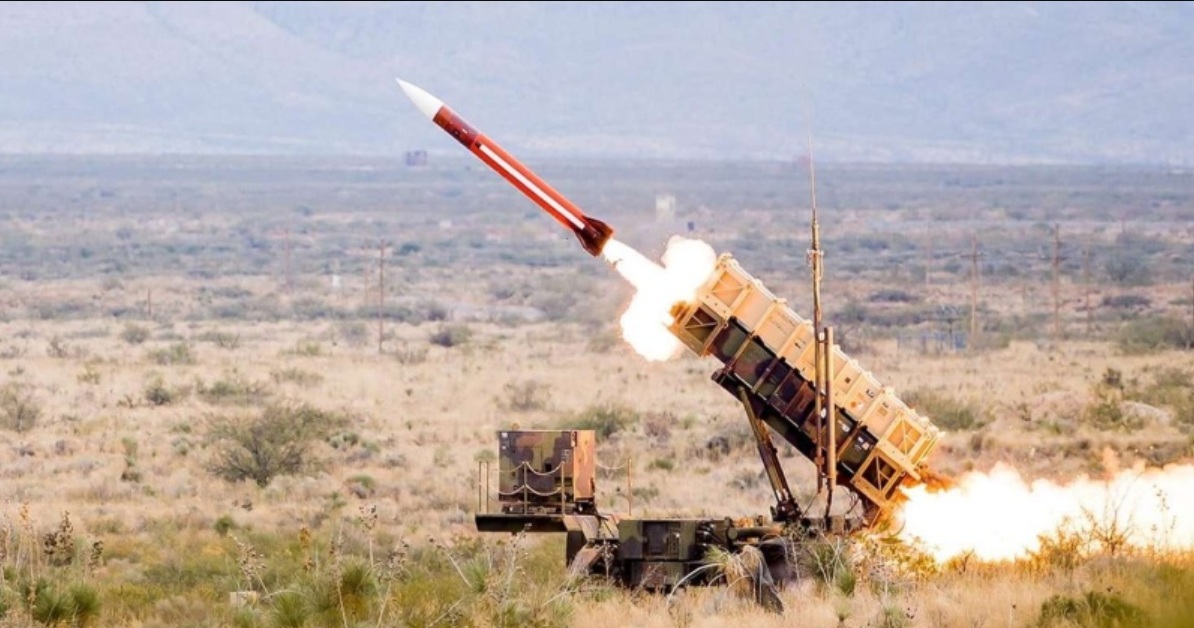
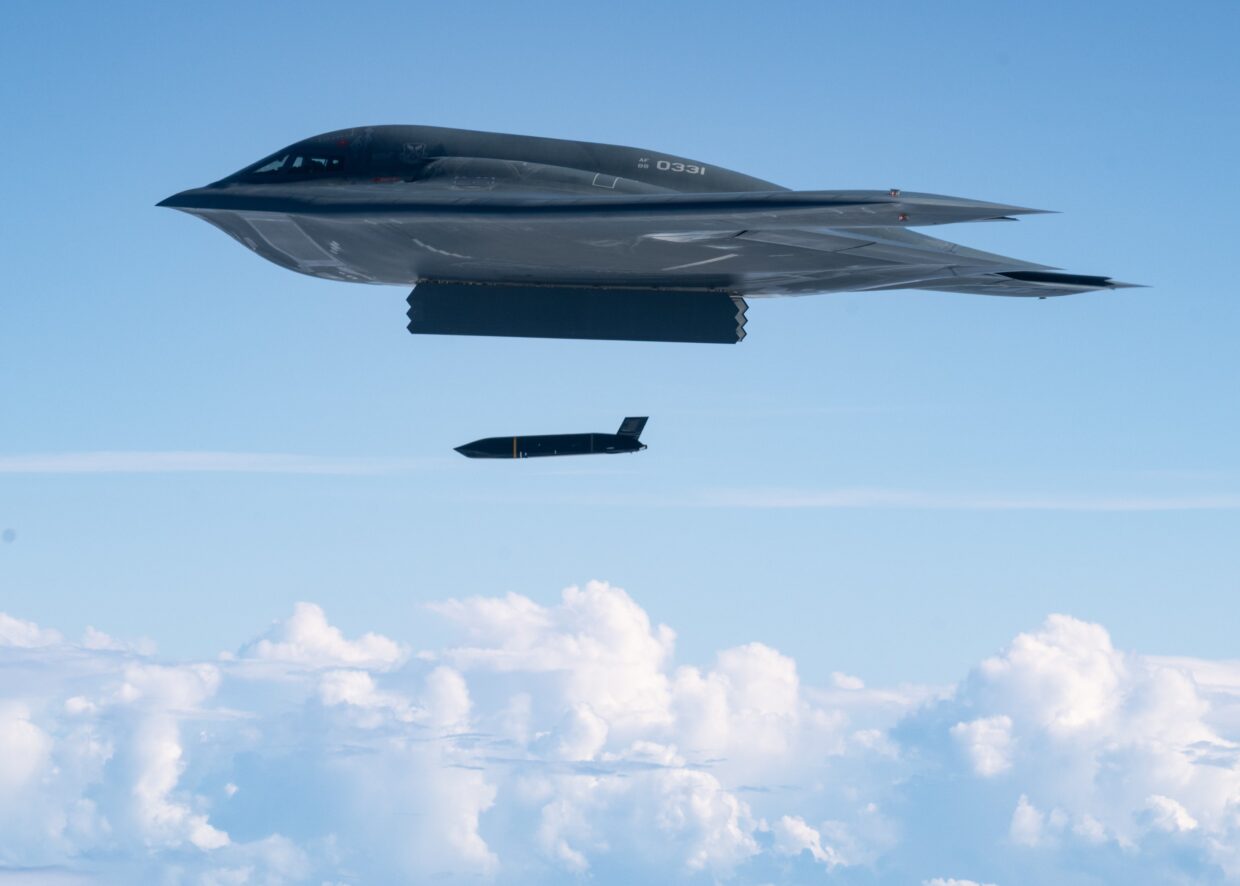
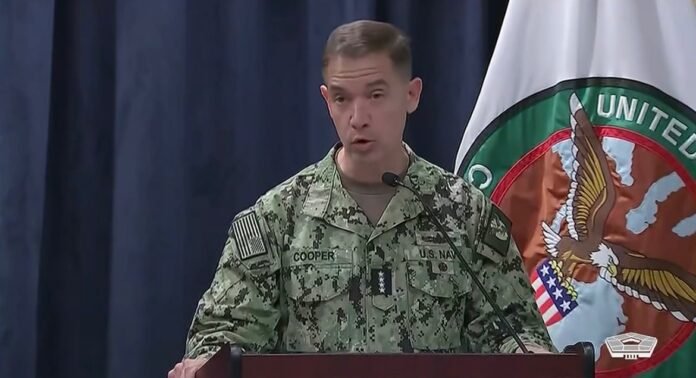
US Central Command has requested the deployment of Dark Eagle hypersonic missiles to the Middle East for possible use against Iran.

Hypersonic missiles are rapidly transforming modern warfare, introducing a new class of weapons capable of traveling faster than Mach 5—more than five times the speed of sound. But speed alone does not define their threat. What makes hypersonic weapons revolutionary is their ability to maneuver unpredictably during flight, making them extremely difficult to detect and intercept.

As global powers like the United States, China, and Russia invest billions into hypersonic programs, understanding how these missiles work has become essential to grasping the future of military strategy.

What Are Hypersonic Missiles?

Hypersonic missiles are advanced weapons that travel at speeds exceeding Mach 5 while maintaining the ability to maneuver throughout their trajectory. Unlike traditional ballistic missiles, which follow predictable paths, hypersonic weapons operate in a unique atmospheric zone that current missile defense systems struggle to monitor effectively.

Key Facts at a Glance

  • Travel at speeds above Mach 5 (≈3,800 mph)
  • Can maneuver mid-flight, unlike ballistic missiles
  • Two main types: Hypersonic Glide Vehicles (HGVs) and Hypersonic Cruise Missiles (HCMs)
  • U.S. allocated $3.9 billion for hypersonic development in 2026
  • Russia’s Avangard can reach Mach 20–27
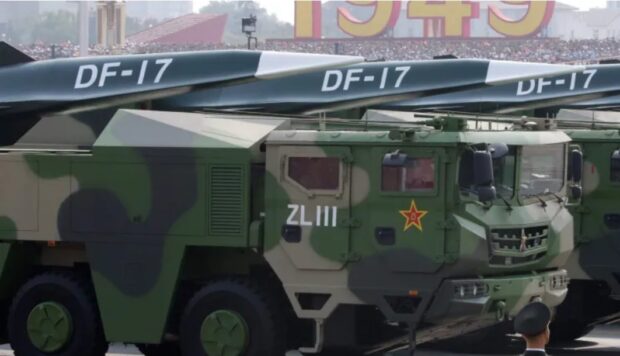
  • China’s DF-17 can strike targets within minutes

How Hypersonic Missiles Work

Hypersonic missiles function by combining extreme speed with advanced aerodynamics and propulsion systems. They operate in a “sweet spot” of the atmosphere—higher than cruise missiles but lower than ballistic missiles—where traditional defense systems are least effective.

This combination of speed and maneuverability allows them to evade radar detection and interception until the final moments of flight.

Two Main Types of Hypersonic Weapons

Hypersonic Glide Vehicles (HGVs)

HGVs are launched using a rocket booster that propels them into the upper atmosphere. After separation, the vehicle glides toward its target using aerodynamic lift.

Key Characteristics:

  • Non-ballistic trajectory
  • Ability to perform sharp maneuvers
  • Uses “skip reentry” to extend range

Russia’s Avangard and China’s DF-17 are prominent examples of HGV systems.

Hypersonic Cruise Missiles (HCMs)

HCMs use scramjet engines to sustain hypersonic speeds within the atmosphere.

How scramjets work:

  • Air enters at supersonic speed
  • Fuel mixes and ignites instantly
  • Continuous thrust is generated

Unlike HGVs, HCMs remain powered throughout flight, enabling longer sustained speeds.

The Biggest Challenge: Heat and Physics

At hypersonic speeds, air friction generates extreme heat—often exceeding 2,000°C. This creates serious engineering challenges:

Key Solutions:

  • Ultra-high-temperature ceramics
  • Carbon composites
  • Heat-resistant coatings

Additionally, hypersonic vehicles create a plasma layer that disrupts communications, making guidance and control even more complex.

Global Hypersonic Arms Race

United States

  • Investing billions in hypersonic programs
  • Dark Eagle missile deployed under strategic command
  • Focus on precision strike capabilities

China

  • DF-17 operational deployment
  • CJ-1000 scramjet missile development
  • Advanced testing infrastructure (Mach 30 wind tunnel)

Russia

  • Avangard glide vehicle operational
  • Zircon hypersonic cruise missile deployed

These developments indicate that hypersonic weapons are no longer experimental—they are becoming operational realities.

Why Missile Defense Struggles

Current missile defense systems were designed for:

  • Slow cruise missiles
  • Predictable ballistic missiles

Hypersonic weapons disrupt both models:

  • Fly too high for air defense
  • Too low for space-based interceptors
  • Maneuver unpredictably

Result: extremely limited interception window

Strategic Impact on Warfare

Hypersonic missiles are changing the rules of war:

Key Implications:

  • Reduced reaction time (minutes instead of hours)
  • Increased pressure on decision-makers
  • Blurring of conventional and nuclear deterrence

The U.S. placing hypersonic systems under strategic command highlights their growing importance in national security.

Future of Hypersonic Technology

Emerging innovations include:

  • Combined-cycle engines (jet + scramjet hybrid)
  • Solid-fuel ramjets for easier deployment
  • Modular hypersonic systems

These advancements could make hypersonic weapons more flexible and widely deployable in the future.

Final Verdict

Hypersonic missiles are not just faster weapons—they represent a fundamental shift in military strategy.

They:

  • Challenge existing defense systems
  • Reduce decision-making time
  • Increase global strategic instability

In simple terms:
Hypersonic weapons are redefining how wars will be fought in the 21st century.

Quick Summary

  • Hypersonic missiles travel at Mach 5+
  • Two types: HGVs and scramjet-powered cruise missiles
  • Hard to detect and intercept
  • Major powers racing to deploy them
  • Transforming global military balance


FAQs — Hypersonic Missiles Explained

Q1: What is a hypersonic missile?

A hypersonic missile is a weapon that travels at speeds above Mach 5 (five times the speed of sound) and can maneuver during flight, making it difficult to detect and intercept compared to traditional missiles.


Q2: How fast is a hypersonic missile?

Hypersonic missiles travel at speeds exceeding Mach 5 (around 3,800 mph). Some advanced systems, like Russia’s Avangard, are reported to reach speeds of Mach 20 or higher.


Q3: What are the two main types of hypersonic missiles?

There are two main types:

  • Hypersonic Glide Vehicles (HGVs)
  • Hypersonic Cruise Missiles (HCMs)

HGVs glide after launch, while HCMs use scramjet engines to maintain powered flight.


Q4: How do hypersonic missiles work?

Hypersonic missiles combine high speed with advanced aerodynamics and propulsion systems. They fly in the upper atmosphere and can change direction mid-flight, making them unpredictable and hard to intercept.


Q5: Why are hypersonic missiles difficult to intercept?

They are difficult to intercept because they:

  • Travel at extremely high speeds
  • Fly at altitudes not covered by current defenses
  • Maneuver unpredictably

This reduces the reaction time for missile defense systems.


Q6: Which countries have hypersonic missiles?

Countries leading in hypersonic weapons include:

  • United States
  • China
  • Russia

These nations are actively developing and deploying hypersonic systems.


Q7: Are hypersonic missiles nuclear weapons?

Not necessarily. Hypersonic missiles can carry both conventional and nuclear warheads, depending on their design and mission.


Q8: What is a scramjet engine?

A scramjet (Supersonic Combustion Ramjet) is an air-breathing engine that allows hypersonic cruise missiles to sustain speeds above Mach 5 by compressing incoming air without moving parts.


Q9: What is the difference between hypersonic and ballistic missiles?

  • Ballistic missiles follow a predictable arc through space
  • Hypersonic missiles fly within the atmosphere and can maneuver

This makes hypersonic missiles harder to track and intercept.


Q10: Why are hypersonic weapons important?

Hypersonic weapons are important because they:

  • Reduce response time in conflicts
  • Challenge existing missile defense systems
  • Shift global military balance

China’s J-35AE Stealth Fighter Explained: Features, Pakistan Deal & Global Impact

0
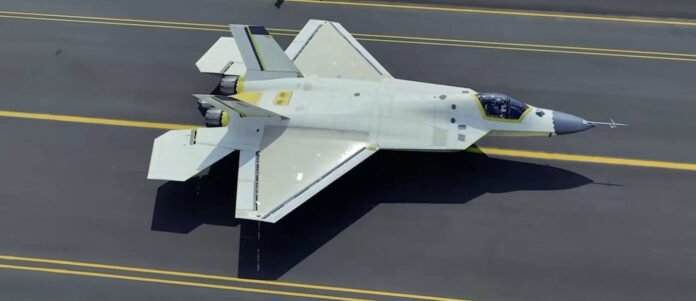
J-35AE fighter jet

China has officially entered a new phase of global military competition with the unveiling of the J-35AE, an export-focused fifth-generation stealth fighter designed to challenge Western dominance in advanced combat aviation. This aircraft is not just another addition to China’s arsenal—it represents a strategic shift in how stealth technology is distributed globally.

Unlike Western platforms that are restricted by alliances and export controls, the J-35AE is aimed at countries seeking cutting-edge airpower without political limitations. As a result, its emergence could significantly reshape military balances, particularly in the Indo-Pacific and Middle East.

What is the J-35AE?

The J-35AE is an export variant of China’s advanced stealth fighter developed by the Aviation Industry Corporation of China (AVIC). It is closely linked to the operational Shenyang J-35A, signaling that the aircraft is not a prototype but part of a mature, production-ready ecosystem.

The platform evolved from the earlier FC-31 Gyrfalcon project, initially developed to compete in China’s domestic fifth-generation program. After losing to the J-20, the design was repurposed into a dual-track system—one for domestic use and another for export markets.

Why It Matters: A Shift in Global Airpower

The J-35AE is significant because it breaks the monopoly of Western stealth fighters like the F-35. By offering a lower-cost alternative, China is opening access to fifth-generation capabilities for countries previously excluded.

Key Strategic Impacts:

  • Expands access to stealth technology globally
  • Challenges Western defence dominance
  • Strengthens China’s geopolitical influence
  • Alters regional deterrence dynamics

In simple terms: stealth airpower is no longer exclusive.

Pakistan’s Role: First Export Customer?

  • Reports indicate Pakistan Air Force may acquire up to 40 J-35AE fighters
  • Pilot training and procurement discussions are already underway
  • The aircraft would integrate into Pakistan’s broader air defence modernization

This aligns with Pakistan’s long-standing defence partnership with China, including the JF-17 program.

If confirmed, Pakistan could become the first country to operate Chinese fifth-generation stealth fighters.

Design and Stealth Features

The J-35AE is built with a focus on survivability, flexibility, and stealth efficiency.

Key Design Highlights:

  • Twin-engine, single-seat configuration
  • Blended wing-body structure
  • Diverterless supersonic inlets
  • Radar-absorbent materials

These features reduce radar visibility across multiple frequency bands while maintaining aerodynamic efficiency.

Weapons and Combat Capabilities

The aircraft is designed as a multi-role platform capable of handling various mission profiles.

Internal Payload:

  • Up to 6 air-to-air missiles (PL-15, PL-10)
  • Maintains full stealth configuration

External Payload:

  • Up to 6,000–8,000 kg
  • Anti-ship and strike capabilities

This dual configuration allows operators to choose between stealth and firepower depending on mission requirements.

Advanced Sensor Technology

One of the most notable features is its electro-optical targeting system (EOTS).

What makes it unique:

  • Teal-colored coating for infrared filtering
  • Laser designation and precision targeting
  • Reduced glare and detection risk

This system integrates with radar and distributed sensors to create a fully fused battlefield awareness system.

Comparable in concept to the F-35’s sensor suite, though with different materials and coatings.

Performance Specifications

  • Max speed: ~Mach 1.8
  • Combat radius: 1,200–1,350 km
  • Service ceiling: ~16,000 meters
  • Engine: WS-19 twin turbofan

The aircraft also features aerial refuelling capability, significantly extending its operational range.

J-35AE vs F-35: The Real Competition

The J-35AE directly challenges the dominance of the Lockheed Martin F-35 Lightning II.

Key Differences:

Feature J-35AE F-35
Cost Lower Higher
Export Restrictions Flexible Strict
Ecosystem Growing Mature
Technology Competitive Advanced

The real advantage of J-35AE is accessibility + affordability

Global Strategic Implications

The introduction of J-35AE signals a broader transformation:

  • More countries gaining stealth capability
  • Increased complexity in regional conflicts
  • Reduced Western technological monopoly
  • Expansion of China’s defence exports

However, questions remain about:

  • long-term reliability
  • engine maturity
  • sensor fusion performance

These factors will determine how effectively the aircraft competes with Western systems in real combat scenarios.

Final Verdict

The J-35AE is not just a fighter jet—it is a geopolitical tool.

It represents:

  • China’s ambition to lead in defence exports
  • A shift toward multipolar airpower
  • A direct challenge to Western dominance

If widely adopted, it could redefine global military balance in the next decade.

Quick Summary

  • China launched J-35AE as export stealth fighter
  • Pakistan likely first buyer
  • Challenges F-35 dominance
  • Expands global access to stealth tech
  • Signals shift in global power balance

——————————————————————————————————

FAQ Section

Q1: Is the J-35AE a fifth-generation fighter?
Yes, the J-35AE is classified as a fifth-generation stealth fighter with features such as low observability, internal weapons bays, and advanced sensor fusion.


Q2: Which country will operate the J-35AE first?
Pakistan is widely expected to become the first export customer, with reports suggesting potential acquisition for the Pakistan Air Force.


Q3: How does the J-35AE compare to the F-35?
The J-35AE is cheaper and more accessible for export markets, while the F-35 offers a more mature ecosystem and advanced integration with allied forces.

Q4: What is the range of the J-35AE?
The aircraft has a combat radius of approximately 1,200 to 1,350 kilometers, extendable through aerial refueling.


Q5: Can the J-35AE carry both air-to-air and strike weapons?
Yes, it supports air-to-air missiles, anti-ship weapons, and precision strike munitions, making it a multi-role platform.


Q6: Why is the J-35AE important for global security?
It expands access to stealth technology, potentially altering regional power balances and increasing competition in defence markets.

Last Updated: May 2026

US Navy Deploys AI Drones to Hunt Iranian Mines in Strait of Hormuz

3
sea mines, Strait of Hormuz

The U.S. Navy is accelerating its use of artificial intelligence to detect and neutralize Iranian naval mines in the strategically vital Strait of Hormuz, as tensions in the Gulf continue to threaten global shipping.

The move comes amid growing concerns that underwater explosives could disrupt one of the world’s most important energy corridors, through which nearly 20% of global oil supplies transit.

$100 Million AI Contract to Boost Mine-Hunting Capability

At the center of this effort is a contract worth up to $99.7 million awarded to Domino Data Lab, aimed at transforming how the Navy detects naval mines.

The company will serve as the AI backbone for Project AMMO (Accelerated Machine Learning for Maritime Operations), a program designed to:

  • Speed up mine detection
  • Improve accuracy in contested waters
  • Reduce reliance on human operators

From Ships to Algorithms: A Shift in Naval Warfare

Traditionally, mine-hunting required specialized ships and highly trained crews — a slow and risky process.

Now, the U.S. Navy is shifting toward:

  • Unmanned Underwater Vehicles (UUVs)
  • AI-powered detection systems
  • Real-time data integration

Thomas Robinson, COO of Domino Data Lab, summarized the shift:

“Mine-hunting used to be a job for ships… it’s becoming a job for AI.”

Speed is the Game-Changer

The biggest advantage of AI integration is speed.

Previously:

  • Updating AI models to detect new mines took up to six months

Now:

  • Updates can be deployed in just a few days

This means the Navy can rapidly adapt to new threats — a critical capability in dynamic conflict zones like the Gulf.

How the Technology Works

The system combines multiple data sources:

  • Side-scan sonar
  • Visual imaging systems
  • Sensor fusion analytics

It allows the Navy to:

  • Track performance of AI detection models
  • Identify errors in real time
  • Deploy updates across operational systems quickly

This creates a continuous learning loop, improving effectiveness with every mission.

Why Hormuz Matters

The Strait of Hormuz remains one of the most critical maritime chokepoints in the world.

Any disruption can:

  • Trigger oil price spikes
  • Disrupt global supply chains
  • Escalate regional conflict

Even with a fragile ceasefire between the U.S. and Iran, mine-clearing operations could take months — making faster detection tools essential.

From Baltic to Gulf: Global Flexibility

One of the most significant advantages of the new AI system is adaptability.

For example:

  • AI trained to detect Russian mines in Europe
  • Can be quickly retrained to identify Iranian mines

This reduces deployment timelines dramatically — from nearly a year to just one week, according to company estimates.

Conclusion: AI Becomes a Core Naval Weapon

The U.S. Navy’s investment in AI-driven mine detection reflects a broader shift in modern warfare:

➡️ From manpower to machine learning
➡️ From slow clearance to rapid response
➡️ From static systems to adaptive intelligence

In contested waters like Hormuz, speed and adaptability may now be as important as firepower.

US War Plans on Iran: Strike, Seize or Escalate? Pentagon Lays Out High-Risk Options

0
The Chairman of the Joint Chiefs of Staff, Gen. Dan “Razin” Caine, along with the Commander of U.S. Central Command, Adm. Brad Cooper briefed President Trump today for 45 minutes on new plans for possible military action against Iran.

The United States is edging closer to a critical decision point on Iran, as General Dan Caine and Admiral Brad Cooper delivered a 45-minute briefing to President Donald Trump on potential military action.

According to sources, proposed targets include:

  • Iranian military infrastructure
  • Remaining weapons systems
  • Senior **Islamic Revolutionary Guard Corps leadership
  • Strategic economic and energy assets

The briefing outlines a stark reality: any military campaign against Iran carries significant uncertainty and escalation risks.

Option 1: Short, Sharp Strike to Force Negotiations

The first option under consideration is a limited but intense military strike campaign.

Key Features:

  • Targeted strikes on infrastructure and military sites
  • Potential attacks around the Strait of Hormuz
  • Possible targeting of senior Iranian officials

One reported figure of interest is Ahmad Vahidi, recently elevated within Iran’s military structure.

Strategic Logic:

  • Deliver maximum shock in minimal time
  • Force Iran back to negotiations
  • Avoid prolonged military engagement

The Risk:

While politically attractive due to its limited scope, such a campaign may fail to change Iran’s strategic posture, raising questions about its long-term effectiveness.

Option 2: Broader Military Campaign and Territorial Control

The second option is far more ambitious — and risky.

Key Elements:

  • Deployment of ground forces and Marines
  • Potential seizure of Kharg Island
  • Control of key maritime chokepoints

Strategic Goal:

  • Severely weaken Iran’s economic and military capabilities
  • Force Tehran into concessions from a position of weakness

The Cost:

  • High اrisk of U.S. casualties
  • Risk of long-term military entanglement
  • Potential transition into a prolonged regional war

Iran’s Likely Response: More Prepared, More Dangerous

Unlike earlier phases of conflict, Iran is no longer operating from a position of surprise.

Tehran has reportedly:

  • Relocated missile launch systems
  • Adapted to previous US-Israeli strike patterns
  • Prepared for sustained conflict

This means any new campaign will face a more resilient and adaptive adversary.

Energy War Scenario: Global Fallout Risk

A major escalation could quickly transform into an energy war.

Iran is expected to retaliate through:

  • Disruptions in the Bab al-Mandab
  • Proxy operations via the Houthis
  • Potential strikes on Saudi oil infrastructure such as Abqaiq

The result:

➡️ Disruption of global oil supply
➡️ Surge in energy prices
➡️ Worldwide economic shock

Reality Check: No Quick Regime Change

Despite aggressive planning, analysts assess that:

  • No short campaign can topple the Iranian regime
  • True regime change would require years of preparation and sustained operations

Instead, the realistic objective appears more limited:

  • Weaken Iran’s negotiating position
  • Allow Washington to claim strategic success

This highlights the gap between military capability and political outcomes.

The Strategic Dilemma: Targets vs Strategy

The core challenge facing U.S. planners is not just operational — it is strategic.

Key questions remain:

  • Can strikes achieve political goals?
  • Will targeting energy infrastructure trigger wider war?
  • Can economic pressure succeed without global coordination?
  • Is internal instability in Iran a viable lever — or an uncontrollable risk?

Conclusion: A Decision That Could Reshape the Region

The next phase of the Iran crisis will not be defined solely by military action — but by strategic choices and their unintended consequences.

A limited strike may:

✔️ Deliver short-term impact
❌ Fail to change long-term dynamics

A broader campaign may:

✔️ Increase pressure on Iran
❌ Trigger a regional war

The real question is no longer whether the U.S. can strike —
but whether it can control what comes next.

US Eyes Strike on Iran as Hypersonic Missile Plan and Hormuz Coalition Take Shape

0
US Central Command has requested the deployment of Dark Eagle hypersonic missiles to the Middle East for possible use against Iran.

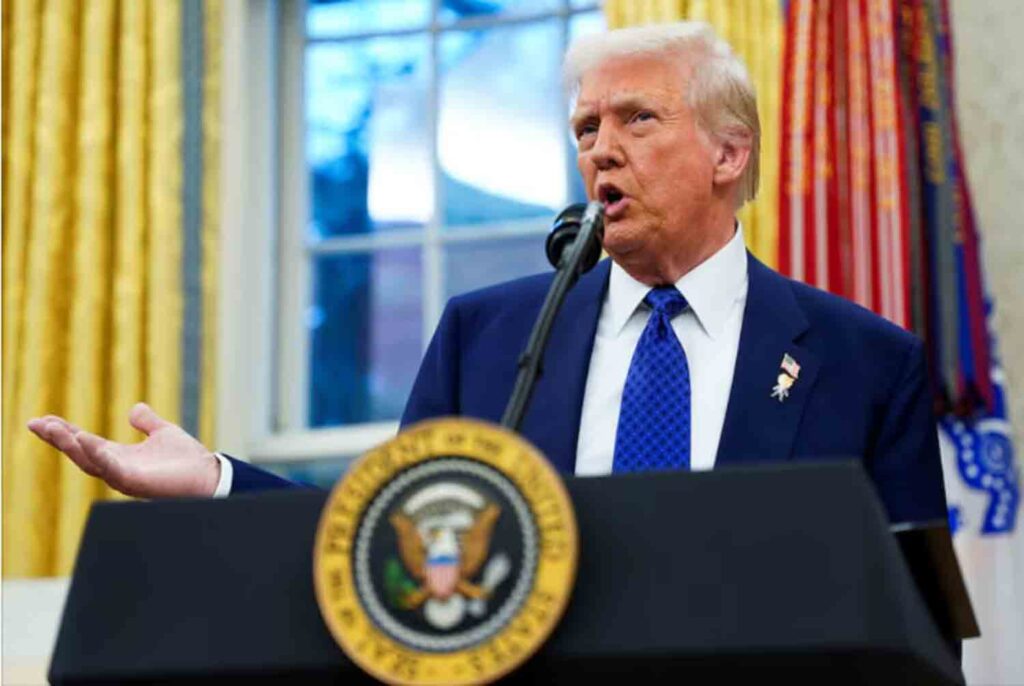
The United States is moving closer to potential military action against Iran, as President Donald Trump prepares to receive a high-level briefing from Admiral Brad Cooper on new operational plans.

At the same time, Washington is awaiting a revised Iranian peace proposal that could arrive on  friday — setting the stage for a critical turning point in the crisis.

CENTCOM Strike Plan: “Short and Powerful” Option on the Table

According to sources, U.S. Central Command (CENTCOM) has developed a plan for a “short and powerful” wave of strikes targeting Iranian infrastructure.

The objective is clear:

  • Break the diplomatic deadlock
  • Pressure Tehran into concessions
  • Avoid prolonged conflict

The proposed strikes would likely focus on strategic infrastructure and military assets, signaling escalation without full-scale war.

Hypersonic Option: ‘Dark Eagle’ Deployment Under Consideration

In a significant technological escalation, CENTCOM has requested approval to deploy the Dark Eagle hypersonic missile to the Middle East.

Key features:

  • Range of approximately 1,725 miles (2,775 km)
  • Ability to strike high-value targets beyond current system reach
  • Designed to evade traditional missile defenses

If approved, this would mark the first operational deployment of a U.S. hypersonic weapon — a major shift in modern warfare dynamics.


Hormuz Strategy: US Builds New Maritime Coalition

Parallel to military planning, Washington is launching a diplomatic initiative to secure global shipping routes.
The proposed coalition — dubbed the “Maritime Freedom Construct” — aims to:

  • Protect vessels in the Strait of Hormuz
  • Share intelligence among partners
  • Coordinate diplomatic pressure
  • Enforce sanctions

U.S. diplomats have been instructed to recruit allied nations urgently, highlighting the strategic importance of keeping the vital waterway open.

More Aggressive Options: Hormuz Seizure and Special Operations

Beyond airstrikes, U.S. planners are reportedly considering more direct interventions:

  • Partial control of the Strait of Hormuz to ensure commercial shipping
  • Deployment of ground forces if necessary
  • Special forces operation targeting Iran’s highly enriched uranium stockpiles

These options reflect a widening escalation ladder — from economic pressure to direct military intervention.

Iran Responds: “Blockade Will Fail”

Iran has issued strong warnings against U.S. actions.
President Masoud Pezeshkian declared that any attempt to block Iranian ports is:

“Contrary to international law… and doomed to failure.”

The statement came amid National Persian Gulf Day, where Iran framed the Strait of Hormuz as a symbol of resistance.
Meanwhile, senior military adviser Mohsen Rezaei warned:

“If the blockade continues, Iran will respond.”

He dismissed the effectiveness of the U.S. blockade, claiming Iran can bypass restrictions via the Indian Ocean.

Economic Pressure vs Military Escalation

The U.S. strategy currently centers on economic strangulation through blockade, which has:

  • Severely limited Iran’s oil exports
  • Triggered currency decline
  • Increased domestic economic pressure

However, Washington is preparing military options in case Tehran refuses to compromise.

Global Stakes: Energy, Security and War Risk

The crisis has major global implications:

  • Nearly 20% of global oil flows through Hormuz
  • Disruptions are driving volatility in energy markets
  • Insurance costs and shipping risks are rising

Any escalation could quickly transform into a regional or global economic shock.

Conclusion: Diplomacy on the Edge of War

The coming days could prove निर्णायक.

With:

  • A potential Iranian proposal imminent
  • U.S. military plans ready
  • Hypersonic weapons entering the equation

The crisis is approaching a tipping point.

Whether diplomacy prevails — or escalation begins — will define the next phase of Middle East security.

New Hangor Submarine Strengthens Pakistan’s Undersea Power

0
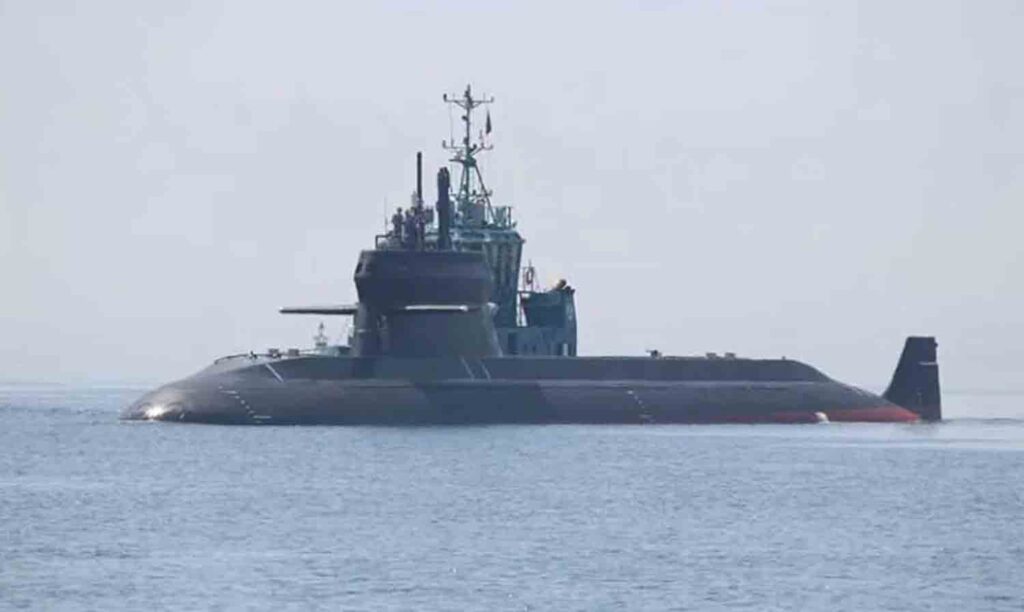
Pakistan Navy Commissioned 1st HANGOR Class Submarine PNS/M HANGOR at Sanya China. President Asif Ali Zardari graced the occasion as Chief Guest, CNS Adm Naveed Ashraf was also present at the ceremony.

Pakistan Navy has commissioned PNS/M Hangor, the first submarine of the new Hangor-class under its ongoing modernization program, at Sanya, China.

The ceremony was attended by President Asif Ali Zardari and Chief of Naval Staff Admiral Naveed Ashraf, along with senior officials from Pakistan Navy and the PLA Navy.

President Zardari termed the induction a “historic milestone”, reaffirming Pakistan’s resolve to maintain a credible maritime defence posture and secure its economic lifelines.

What Makes the New Hangor-Class Submarines Critical

The new Hangor-class submarines — based on the Chinese Type 039B / Yuan-class (S26 export variant) — represent Pakistan’s most advanced conventional submarines to date.

Key Capabilities:

  • Air Independent Propulsion (AIP):
    Allows extended submerged operations, significantly improving stealth and survivability.
  • Advanced Combat Systems:
    Integrated sonar suites and modern fire-control systems for enhanced situational awareness.
  • Multi-Role Weapons Suite:
    Equipped with torpedoes and anti-ship missiles; potential for land-attack capability.
  • Reduced Acoustic Signature:
    Designed for silent operations in contested maritime environments.

Pakistan is expected to induct eight submarines under this program, with some units to be constructed at Karachi Shipyard — boosting indigenous capability.

Strategic Context: Why This Matters Now

Naval Chief Admiral Naveed Ashraf highlighted growing threats to global maritime security, particularly at critical chokepoints.

The Hangor-class will enable Pakistan to:

  • Secure Sea Lines of Communication (SLOCs)
  • Protect maritime trade and energy routes
  • Enhance deterrence in the Arabian Sea
  • Operate effectively in the wider Indian Ocean region

In an environment of increasing naval competition, these submarines significantly strengthen Pakistan’s sea denial capability.

Clarifying the Legacy: Hangor Then vs Hangor Now

While PNS/M Hangor is the first of the new Hangor-class, the name itself is not new.

The original PNS Hangor (Daphne-class submarine) achieved historic success in 1971 by sinking an Indian warship — the first such kill since World War II.

The new submarine carries forward that legacy, but represents a completely new generation of undersea warfare capability.

Pakistan-China Naval Partnership Deepens

The Hangor program is a flagship project under defence cooperation between Pakistan and China.

It reflects:

  • Deepening military ties
  • Technology transfer and local production
  • Long-term maritime security collaboration

The presence of PLA Navy officials at the ceremony underscores the strategic importance of this partnership.

Bigger Picture: Undersea Deterrence in the Indian Ocean

The induction comes amid rising geopolitical tensions and growing importance of maritime dominance.

Pakistan’s strategy is increasingly focused on:

➡️ Sea denial rather than sea control
➡️ Protecting Gwadar and CPEC routes
➡️ Countering regional naval expansion

Submarines like Hangor provide a cost-effective but potent deterrent, especially against larger surface fleets.

Conclusion: A New Chapter, Not the First

The commissioning of PNS/M Hangor marks:

✔️ The first of Pakistan’s new Hangor-class submarines
✔️ A major leap in naval modernization
✔️ A reinforcement of Pakistan’s undersea deterrence

But it is not the beginning of the Hangor legacy — it is its evolution into the next generation of naval warfare.

Pakistan Tops Global Terror Index 2026 as TTP Surge Reshapes South Asia Security

0
Injured men receive treatment at a hospital in Quetta, Pakistan following attack by BLA gunmen in Balochistan province

For the first time in history, Pakistan has been ranked as the most terrorism-affected country in the world, according to the Global Terrorism Index 2026.

The numbers are stark:

  • 1,139 deaths from terrorism in 2025
  • 1,045 terrorist incidents recorded

This marks Pakistan’s worst security situation in over a decade and signals a major shift in global terrorism geography.

The Drivers: TTP Resurgence and Border Instability

The primary driver behind Pakistan’s surge is the resurgence of Tehrik-e-Taliban Pakistan (TTP), now among the world’s deadliest groups.

Key factors include:

  • Taliban takeover of Afghanistan in 2021
  • Safe havens across the Afghanistan–Pakistan border
  • Weak border control and porous terrain

The conflict has escalated into direct confrontation, with Pakistan launching cross-border strikes and declaring a state of war in early 2026.

This has transformed terrorism from an internal security issue into a regional war dynamic.

Balochistan and Hybrid Insurgency

Beyond TTP, Pakistan faces a growing hybrid threat:

  • Balochistan Liberation Army (BLA) attacks
  • Sectarian violence
  • Urban terrorism

Nearly 74% of attacks are concentrated in Khyber Pakhtunkhwa and Balochistan, making these regions the epicenter of instability.

The convergence of insurgency, separatism, and jihadist militancy is creating a multi-front security crisis.

The Iran War Spillover Risk

Pakistan’s situation is further complicated by the ongoing Iran war.

Islamabad is:

  • Acting as a mediator between Iran and the US
  • Managing protests and sectarian tensions
  • Securing its western border

The country risks becoming a spillover zone for proxy warfare and terrorism.

Strategic Outlook: A Dangerous Convergence

Pakistan today sits at the intersection of:

  • Afghanistan instability
  • Iran conflict
  • Internal insurgency

This convergence creates a high-risk environment where terrorism is:

➡️ More frequent
➡️ More complex
➡️ More interconnected

The key takeaway:
Pakistan is no longer just a victim of terrorism — it is now central to global terrorism dynamics.

US Prepares Limited Strike to Break Iran Deadlock

0
An F/A-18E Super Hornet landing on the flight deck of the USS Abraham Lincoln aircraft carrier in support of Operation Epic Fury

The United States is preparing a “short and powerful” military strike option against Iran, as Washington struggles to break a growing diplomatic deadlock, according to multiple sources familiar with planning discussions.

The plan, developed under U.S. Central Command (CENTCOM), would target key infrastructure in Iran in an effort to force Tehran back to negotiations under pressure.

The move signals a potential escalation in an already volatile standoff — one that is increasingly shifting from economic coercion toward kinetic options.

Blockade First, Strikes Later? Trump’s Pressure Strategy

At the center of U.S. strategy is a naval blockade aimed at crippling Iran’s oil exports, a move President Donald Trump believes is more effective than immediate military action.

“The blockade is somewhat more effective than the bombing… They are choking,” Trump said, underscoring his belief that economic pressure can force concessions.

The blockade has:

  • Severely restricted Iran’s oil exports
  • Increased internal economic strain
  • Raised pressure on Tehran’s leadership

However, despite these measures, Iran has not shown the level of flexibility Washington seeks — prompting contingency planning for military strikes.

CENTCOM’s Strike Concept: Limited but Impactful

The proposed strike is designed to be:

  • Short in duration
  • High-impact in effect
  • Focused on infrastructure targets

The goal is not regime change, but coercive signaling — delivering enough damage to alter Iran’s strategic calculus without triggering full-scale war.

This reflects a familiar U.S. doctrine: limited force to restore deterrence.

Iran Pushes Back: “Unprecedented Response” Warning

Iran, however, is signaling it will not back down quietly.

A senior Iranian security official warned that the U.S. blockade would soon face “practical and unprecedented action.”

Tehran’s position reflects a familiar pattern:

  • Strategic patience initially
  • Followed by calibrated escalation if pressure persists

Iran has emphasized that its restraint so far is meant to leave room for diplomacy — but that “patience has limits.”

The Hormuz Factor: Global Stakes Rise

Any escalation carries significant risks for global energy markets, particularly through the Strait of Hormuz, where nearly 20% of global oil flows.

A military confrontation could:

  • Disrupt global oil supply chains
  • Trigger sharp price spikes
  • Expand conflict across the Gulf region

Even the current blockade has already increased uncertainty in maritime trade and insurance costs.

Is Iran Really Under Pressure? Analysts Divided

Trump has claimed that Iran’s oil infrastructure is nearing a breaking point due to the blockade, suggesting pipelines and storage systems are under extreme strain.

However, some analysts dispute this assessment, arguing:

  • Iran has adapted to sanctions over time
  • Alternative trade networks remain active
  • Economic pressure alone may not force immediate concessions

This divergence highlights a key uncertainty: whether coercion will succeed — or backfire.

Escalation Ladder: What Comes Next

The situation now sits at a critical juncture:

  1. Continued blockade pressure
  2. Potential limited strike
  3. ** الإيراني retaliation (likely asymmetric)**
  4. Risk of broader regional escalation

The U.S. appears to be keeping all options open — leveraging economic pressure while preparing for rapid military action if diplomacy fails.

Conclusion: A Controlled Strike — or a Wider War?

The emerging U.S. strategy suggests a calibrated approach: squeeze first, strike if necessary.

But history shows that even limited strikes in the Middle East can spiral quickly.

The key question now is whether a “short and powerful” strike can remain contained — or whether it risks igniting a much broader confrontation.

In a region already on edge, the margin for miscalculation is narrowing fast.

US Navy Pushes Autonomous Ops Forward

0
Global Autonomous Reconnaissance Crafts (GARC) participate in a live robotic and autonomous systems (RAS) demonstration with Commander, Task Force (CTF) 66 during Exercise Obangame Express 2026 in Douala, Cameroon. Obangame Express is one of three regional maritime exercises led by US Navy as part of a comprehensive strategy to provide collaborative opportunities to African forces and international partners to address maritime security concerns.
Global Autonomous Reconnaissance Crafts (GARC) deploy in formation with the Brazilian Amazonas-class offshore patrol vessel Araguari (P122) during a live robotic and autonomous systems (RAS) demonstration with Commander, Task Force (CTF) 66 during Exercise Obangame Express 2026 in Douala, Cameroon, April 25, 2026. Obangame Express is one of three regional maritime exercises led by U.S. Sixth Fleet as part of a comprehensive strategy to provide collaborative opportunities to African forces and international partners to address maritime security concerns.

The US Navy is quietly reshaping maritime operations in Africa, with Seabees constructing expeditionary infrastructure to support unmanned systems during Exercise Obangame Express 2026 in the Gulf of Guinea.

Personnel from Naval Mobile Construction Battalion 1 and 22nd Naval Construction Regiment are leading the effort, focusing on a critical capability: a floating pier designed for unmanned surface vessels (USVs).

This development signals a broader shift toward distributed, technology-driven maritime operations.

Floating Pier: A Game-Changer for Unmanned Naval Operations

At the core of the project is a deployable floating pier that enables:

  • Launch and recovery of USVs
  • Operations in infrastructure-poor environments
  • Rapid deployment in contested or remote zones

Unlike traditional ports, this modular system allows naval forces to operate closer to mission areas, significantly improving response time and operational reach.

Chief Builder David Madmon emphasized the strategic importance:

“We’re building infrastructure that supports autonomous systems and expands what’s possible in maritime environments.”

Why the Gulf of Guinea Matters

The Gulf of Guinea remains one of the world’s most strategically sensitive maritime regions, plagued by:

  • Piracy and illegal fishing
  • Smuggling networks
  • Weak maritime surveillance

Through U.S. Africa Command and U.S. Sixth Fleet, the U.S. is working with regional partners to strengthen maritime domain awareness.

Unmanned systems are emerging as a force multiplier in this environment.

USVs: Expanding Reach Without Expanding Risk

Lieutenant Alex Varon of Task Force 66 highlighted the operational shift:

“Unmanned systems allow us to extend our presence and improve awareness without increasing demand on traditional platforms.”

USVs offer several advantages:

  • Persistent surveillance
  • Lower operational costs
  • Reduced risk to personnel
  • Scalable deployment

The addition of expeditionary infrastructure ensures these systems can be deployed anywhere, not just from fixed bases.

A New Model: Expeditionary + Autonomous Warfare

What makes this development significant is not just the technology — but the integration of engineering and autonomy.

The floating pier represents a new operational model:

  • Engineering units (Seabees) build forward infrastructure
  • Autonomous systems (USVs) extend operational reach
  • Allied forces integrate into shared frameworks

This combination enables distributed maritime operations, a core concept in future naval warfare.

Multinational Cooperation at the Core

Obangame Express is one of three major regional exercises designed to enhance interoperability between:

  • U.S. forces
  • African partner nations
  • International maritime stakeholders

The floating pier project also serves as a collaborative platform, allowing partners to develop shared tactics and procedures for unmanned operations.

Beyond the Exercise: Long-Term Strategic Impact

The infrastructure built during the exercise will not be dismantled after drills conclude.

Instead, it will support:

  • Continued training
  • Experimentation with autonomous systems
  • Expansion of regional maritime capabilities

In countries like Cameroon, this represents a long-term investment in maritime security architecture.

Conclusion: Building the Future of Naval Warfare

From floating piers to autonomous vessels, the U.S. Navy is laying the groundwork for a new era of maritime operations.

The message is clear:

Future naval dominance will depend not just on ships — but on flexible infrastructure and unmanned systems that can operate anywhere, anytime.

And in the Gulf of Guinea, that future is already taking shape.

Gwadar’s Cargo Surge Isn’t a Boom — It’s a Crisis Spillover from the Strait of Hormuz

0
Gwadar Port

Gwadar Port is experiencing a rare surge in activity — one that appears impressive on the surface but is driven less by economic success and more by regional instability.

On April 16 alone, two cargo vessels docked at Gwadar carrying 368.7 tons of machinery and general cargo, alongside 5,000 metric tons of fertilizer. Earlier in the month, another vessel delivered over 14,000 metric tons of transshipment goods.

In total, Gwadar handled approximately 11,000 containers in April — a staggering figure for a port that processed just 8,300 containers in all of 2025.

For a port that historically saw fewer than 20 ships annually, this spike is unprecedented.

The Hormuz Effect: Crisis Driving Commerce

The surge is not organic growth — it is a direct consequence of disruptions in the Strait of Hormuz, one of the world’s most critical energy chokepoints.

Nearly 20% of global oil and LNG flows through Hormuz, making it a lifeline for global energy markets.

However, escalating tensions linked to the Israel–U.S. confrontation with Iran have turned the strait into a high-risk maritime zone. Repeated closures, blockades, and military escalation have:

  • Driven up insurance costs
  • Delayed shipments
  • Forced shipping companies to avoid the route

As a result, vessels are diverting or pausing operations — and Gwadar has emerged as a temporary fallback.

Gwadar’s Strategic Geography — Finally Relevant

Gwadar’s proximity to Hormuz — combined with its relative distance from direct conflict zones — makes it an attractive option for:

  • Temporary anchorage
  • Cargo storage
  • Transshipment operations

Its deep-water port and eastern bay allow it to handle large vessels, a key factor that originally attracted Chinese investment under CPEC.

But this advantage had long remained unrealized — until now.

A Temporary Logistics Buffer — Not a Trade Hub

Despite the surge, Gwadar is not yet functioning as a true commercial hub.

Instead, it is acting as a logistical buffer zone:

  • Cargo is offloaded temporarily
  • Stored (often free for up to a month)
  • Reloaded and redirected once conditions improve

This pattern shows that Gwadar is absorbing overflow caused by crisis, not generating independent trade demand.

Why Rerouting Isn’t a Real Option

Alternative routes to bypass Hormuz are limited:

  • Saudi Arabia’s East-West pipeline
  • UAE’s Fujairah pipeline

Both provide only partial relief and cannot handle the bulk of global exports.

For shipments — especially from China to West Asia — maritime transit through Hormuz remains unavoidable.

This leaves ships with few options other than waiting — and Gwadar offers a convenient holding point.

Pakistan’s Strategic Positioning Adds to Gwadar’s Appeal

Pakistan’s evolving diplomatic role has also contributed to Gwadar’s rising relevance.

Islamabad has emerged as an unexpected mediator between Iran and the United States, enhancing its image as a relatively stable and neutral actor.

At the same time:

  • Pakistan depends heavily on energy imports through Hormuz
  • It shares a 900 km border with Iran
  • Instability directly impacts its economy and border regions

This combination of vulnerability and diplomatic engagement has indirectly boosted confidence in Gwadar as a safer maritime node.

Short-Term Gains vs Long-Term Reality

While the current spike is economically beneficial in the short term, it does not yet signal sustainable growth.

Gwadar currently has:

  • Capacity for ~16,000 containers
  • Over 90,000 square meters of storage

But the demand being observed is temporary and crisis-driven, not tied to long-term trade routes or industrial activity.

The Bigger Question: Opportunity or Illusion?

The key question remains:

Is Gwadar finally taking off — or simply benefiting from instability next door?

History suggests caution.

Ports thrive on predictability, connectivity, and stable trade flows — not geopolitical disruption.

If the Strait of Hormuz stabilizes, much of this traffic could disappear as quickly as it arrived.

Conclusion: A Port Still Waiting for Its Moment

Gwadar’s recent surge is significant — but it is not transformation.

It reflects the shifting realities of a volatile region rather than the emergence of a new economic hub.

Until Gwadar generates consistent, destination-based trade and integrates into global supply chains, its long-awaited promise will remain just that — a promise.

From Iran War to Oil Strategy: Inside UAE’s Break With OPEC

0
Sheikh Mohamed bin Zayed Al Nahyan, UAE president

The decision by the United Arab Emirates to leave OPEC effective May 1 is not just an energy story—it is a geopolitical turning point.

At its core, the move reflects a convergence of three forces:

  • security pressures from the Iran conflict
  • strategic alignment with the United States
  • and long-term economic ambition

Together, they are reshaping how Abu Dhabi defines its national interest.

The Iran War Changed the UAE’s Calculus

The recent war with Iran proved to be a decisive moment.

According to regional assessments:

  • the UAE absorbed significant drone and missile pressure
  • much of the targeting focused on Gulf infrastructure
  • regional response coordination remained uneven

This exposed a key vulnerability:

security guarantees within the Gulf are not evenly shared.

Western Security Support—and a Strategic Shift

During the conflict, the UAE’s most consistent support came from:

  • United States
  • Israel
  • United Kingdom
  • Italy
  • South Korea

This reinforced a broader shift:

Abu Dhabi’s security partnerships are increasingly Western-centric.

In this context, remaining inside an organization like OPEC—historically rooted in shared regional alignment—became strategically complicated.

Gulf Divisions Come Into Focus

The war also highlighted diverging Gulf strategies:

  • Oman and Qatar pursued diplomatic off-ramps
  • Saudi Arabia balanced de-escalation with strategic caution
  • the UAE favored a more forceful response

These differences are not new—but they are now more visible and consequential.

Strains in the UAE–Saudi Relationship

The relationship between Abu Dhabi and Riyadh has become increasingly complex.

Points of divergence include:

  • Yemen policy
  • Sudan dynamics
  • approaches toward Iran

This matters because Saudi Arabia is the de facto leader of OPEC.

As strategic priorities diverge, energy coordination becomes harder to sustain.

The US Factor and Timing of the Exit

Donald Trump has repeatedly linked U.S. military protection of Gulf states to oil pricing policy.

His argument:

  • the U.S. provides security
  • OPEC maintains high prices

In this environment, the UAE appears to have concluded:

remaining in OPEC while relying on U.S. security creates strategic tension.

Leaving resolves that contradiction—and sends a political signal.

Economic Ambition: Breaking Free From Quotas

Beyond geopolitics, economics played a central role.

The UAE aims to:

  • increase output from 3.4 million to 5 million barrels per day by 2027
  • capitalize on global demand growth
  • leverage low spare capacity in global markets

OPEC quotas made this difficult.

Outside the organization, Abu Dhabi gains:

  • production flexibility
  • pricing leverage
  • faster response to market dynamics

What This Means for OPEC

The departure of a major producer has significant implications:

  • reduced cohesion within OPEC
  • increased risk of further exits
  • weaker ability to control supply

If other countries follow, the organization could shift from:

  • a coordinated cartel
    to
  • a looser, less influential grouping

Future Scenarios: What Comes Next

1. Controlled Fragmentation

OPEC survives—but with weaker coordination and more internal divergence.

2. Chain Reaction

Other producers reconsider membership, accelerating fragmentation.

3. Market-Driven Oil Order

Energy markets become more flexible, with producers acting independently rather than collectively.

Conclusion: A Strategic Bet on a New Order

The UAE’s exit from OPEC is ultimately a bet:

  • on strategic alignment with Western partners
  • on economic opportunity in volatile markets
  • on autonomy over coordination

It is too early to declare the end of OPEC.

But one thing is clear:

the balance between geopolitics and energy is shifting—and the UAE has chosen its side.

After Silent Summit, Is the GCC Entering Its Final Phase?

0
Saudi Arabia's Crown Prince Mohammed bin Salman welcome Qatar’s Emir Sheikh Tamim bin Hamad Al Thani who is among GCC leaders attending an extraordinary session in Jeddah.

The latest Gulf consultative summit in Saudi Arabia ended in an unusual and telling way—without a final communiqué.

In regional diplomacy, silence often speaks louder than statements.

The absence of a closing declaration, combined with the lack of a notable delegation from Oman, highlights a deeper reality:

the Gulf Cooperation Council (GCC) is struggling to maintain unity at a moment of unprecedented strategic pressure.

Saudi Arabia and Qatar Push for Unity

Saudi Arabia and Qatar appear to be leading efforts to preserve a unified Gulf position, particularly in response to:

  • the growing threat perception from Iran
  • instability in the Strait of Hormuz
  • concerns over external attempts to divide regional blocs

The Saudi Crown Prince’s remarks focused on:

  • coordination
  • communication
  • regional stability

But notably avoided specifics—reflecting the lack of consensus behind closed doors.

The UAE Charts Its Own Course

While some Gulf states push for unity, the United Arab Emirates is increasingly pursuing an independent path.

Its decision to exit OPEC—announced alongside the summit—is more than an economic move.

It signals:

  • a shift away from traditional Gulf coordination
  • frustration with regional security arrangements
  • a broader geopolitical recalibration

Abu Dhabi is now prioritizing:

  • strategic autonomy
  • diversified partnerships
  • economic flexibility amid crisis

A GCC Already Under Strain

the map of Gulf Cooperation Council ( GCC) countries

The current divisions did not emerge overnight.

The GCC has been weakening for years:

  • the Qatar blockade fractured trust
  • the Yemen war exposed strategic divergence
  • differing approaches to Iran widened gaps

The war with Iran may have been the breaking point.

The Iran War Changed Everything

The recent conflict reshaped the regional balance:

  • U.S. military infrastructure in the region suffered damage
  • Iran demonstrated resilience and maintained leverage
  • Gulf states avoided direct confrontation despite attacks

This exposed a critical vulnerability:

the Gulf’s security architecture is no longer reliable in its current form.

No Consensus on Iran or the US Role

The central strategic question now facing Gulf monarchies is simple—but unresolved:

What to do about Iran—and what role should the United States play?

At present, there is no unified answer.

Diverging Strategic Paths

Different Gulf states are moving in different directions:

Saudi Arabia

  • seeks a stable, predictable relationship with Iran
  • maintains strong ties with the United States

United Arab Emirates

  • deepens ties with the U.S. and Israel
  • pursues strategic independence

Qatar and Oman

  • open to engagement and cooperation with Iran

Bahrain and Kuwait

  • remain closely aligned with U.S. security structures

This fragmentation makes a unified GCC strategy increasingly difficult.

Hormuz and Energy Security at the Core

map shows the Strait of Hormuz on a laptop computer screen

At the center of the crisis lies the Strait of Hormuz:

  • a critical global energy chokepoint
  • a source of geopolitical leverage for Iran
  • a vulnerability for Gulf exporters

The UAE’s exit from OPEC must be viewed in this context:

  • greater flexibility in production decisions
  • adaptation to disrupted supply routes
  • response to long-term energy demand trends

The Future of the GCC: Fragmentation or Reinvention?

The Gulf summit’s lack of a final statement suggests that the GCC is entering a new phase:

Scenario 1: Managed Fragmentation

  • states pursue independent strategies
  • coordination becomes ad hoc

Scenario 2: Partial Realignment

  • smaller coalitions emerge within the GCC
  • issue-based cooperation replaces full unity

Scenario 3: Reinvention

  • GCC evolves into a looser framework
  • focus shifts from security to economic coordination

Conclusion: A Region at a Strategic Crossroads

The summit may have ended quietly—but its implications are profound.

  • unity is no longer guaranteed
  • strategic priorities are diverging
  • regional order is being reshaped

The GCC, once formed as a collective response to Iran, now faces its most fundamental question:

can it adapt to a new reality—or will it continue to drift apart?

From Hormuz to OPEC: A New Global Oil Order May Be Emerging

0
People walk past an installation depicting a barrel of oil with the logo of the Organization of the Petroleum Exporting Countries (OPEC).

The decision by the United Arab Emirates to leave OPEC and OPEC+ is more than a headline shock—it could mark the beginning of a fundamental shift in the global energy order.

Coming amid the ongoing Iran war and disruptions in the Strait of Hormuz, the move raises a critical question:

Is this the start of OPEC’s fragmentation?

A Crisis Moment for OPEC Unity

Image

For decades, OPEC has functioned on one principle: unity.

But that unity is now under strain:

  • war-related shipping disruptions
  • disagreements over production quotas
  • diverging national interests

The UAE’s departure removes one of the group’s most ambitious producers at a time when coordination is most needed.

Why the UAE Walked Away

The decision reflects both economic and strategic frustration.

Key drivers include:

  • production caps limiting UAE output (~3.2 million bpd)
  • ambitions to significantly expand capacity
  • dissatisfaction with Gulf security cooperation during the Iran conflict

Statements by UAE officials suggest a deeper issue:

a loss of confidence in regional security guarantees.

The Hormuz Factor: Oil Meets Geopolitics

Image

The timing of the exit is critical.

The Strait of Hormuz—through which nearly 20% of global oil flows—remains unstable due to:

  • Iranian threats to shipping
  • naval tensions
  • insurance and transit risks

For producers like the UAE, this creates a dilemma:

  • constrained production under OPEC
  • uncertain ability to export

Leaving OPEC provides greater flexibility to respond to market shocks.

What Happens Next? Three Possible Scenarios

1. OPEC Fragmentation Accelerates

The UAE exit could trigger a domino effect.

Countries like Kazakhstan—already frustrated with quotas—may follow.

This would weaken OPEC’s ability to:

  • control supply
  • stabilize prices
  • act as a unified bloc

2. Oil Production Surges

Freed from quotas, the UAE could:

  • significantly increase output
  • push global supply higher
  • put downward pressure on prices

This aligns with pressure from Donald Trump, who has repeatedly criticized OPEC for high oil prices.

3. A New “Flexible Alliance” Model Emerges

Instead of a rigid cartel, the future may look like:

  • looser coordination
  • bilateral energy partnerships
  • market-driven production decisions

In this model, OPEC becomes less dominant—and more symbolic.

Implications for Saudi Arabia and OPEC Leadership

The biggest strategic impact may fall on Saudi Arabia.

As OPEC’s de facto leader, Riyadh now faces:

  • reduced influence over production decisions
  • increased competition within the Gulf
  • pressure to rethink its own strategy

If more members exit, Saudi Arabia could be left managing a weakened and divided organization.

Global Energy Markets Enter Uncertain Phase

The broader impact on global markets could be significant:

  • increased price volatility
  • supply uncertainty amid geopolitical tensions
  • shifting power dynamics between producers

At the same time:

  • war risks in the Gulf remain elevated
  • shipping disruptions continue
  • demand remains strong

This combination creates a highly unstable energy environment.

A Strategic Win for Washington?

The UAE’s move may also align with U.S. interests.

Washington has long argued that:

  • OPEC artificially inflates prices
  • production should increase
  • energy markets should be more flexible

In that sense, the exit could be seen as:

a geopolitical and economic shift favoring U.S. strategy.

Conclusion: The Beginning of a New Oil Order?

The UAE’s exit from OPEC is not just about quotas or politics.

It reflects a deeper transformation:

  • energy markets are becoming more fragmented
  • geopolitics is reshaping supply chains
  • traditional alliances are evolving

Whether this leads to:

  • a more competitive oil market
  • or a more unstable one

will depend on what happens next.

But one thing is clear:

the era of a unified OPEC may be entering its most serious test yet.

From 1.85 mbd to 567 kbd: How the US Blockade Is Squeezing Iran

0
IRAN NEARS A BREAKING POINT AS OIL STORAGE FILLS UNDER U.S. BLOCKADE WITH EXPORTS STALLED AND CRUDE PILING UP

The U.S. naval blockade is now materially impacting Iran’s oil exports, with shipments collapsing and storage filling rapidly, according to a new analysis by energy intelligence firm Kpler.

While the immediate financial impact remains limited, the report warns that operational constraints are already forcing production cuts, setting the stage for a significant delayed economic squeeze.

Exports Collapse After Blockade Enforcement

Before the blockade, Iran’s exports remained resilient:

  • 1.85 million barrels per day (mbd) in March
  • above the previous average of 1.7 mbd

However, after enforcement:

  • loadings dropped sharply to 567,000 barrels per day
  • no confirmed tanker has successfully exited the blockade zone

Many vessels attempting to move crude have been forced to divert or remain stuck, particularly near southeastern Iranian ports.

Storage Capacity Is Running Out

Iran’s ability to store unsold oil is becoming a critical bottleneck.

Key findings:

  • total onshore storage capacity: ~90 million barrels
  • current inventory: ~49 million barrels
  • usable spare storage: far lower than theoretical capacity

Due to operational constraints:

  • only about 26 million barrels are realistically usable
  • effective capacity may drop to just 8–10 million barrels

This translates to:

  • ~12–14 days of storage capacity remaining

Even with floating storage, the margin is limited.

Production Cuts Already Underway

With limited export and storage options, Iran has begun cutting production.

Kpler estimates:

  • current output: ~2.75 mbd
  • projected drop: 1.2–1.3 mbd by mid-May

These cuts are not optional—they are operationally necessary to avoid overwhelming storage infrastructure.

Why Revenues Haven’t Fallen—Yet

Despite the disruption, Iran’s revenues have not yet collapsed.

The reason lies in timing:

  • oil shipments take ~2 months to reach buyers
  • payments can take another 2 months

Iran also holds:

  • 184 million barrels of oil on water
  • including large volumes already near Asian markets

However, not all of this oil is easily monetized due to:

  • weak refining margins in China
  • sanctions-related constraints
  • recent tanker seizures

A Delayed but Severe Financial Impact

The real financial impact is expected in 3–4 months.

At that point:

  • oil revenues could fall by $200–250 million per day
  • broader economic strain could intensify

This includes pressure on:

  • food imports (grain, rice, corn)
  • domestic inflation
  • foreign currency access

Blockade Effectiveness: Pressure Without Immediate Collapse

The blockade appears operationally effective:

  • no tanker has successfully cleared it
  • export routes are severely constrained
  • production is being forced downward

However, its strategic effect is more complex:

  • immediate financial collapse has not occurred
  • pressure is building gradually, not instantly
  • Iran retains short-term resilience

Impact on Negotiations

The blockade is already influencing diplomacy.

Tehran has:

  • demanded its removal as a precondition for talks
  • signaled willingness to re-engage under certain conditions

At the same time:

  • both sides believe they hold leverage
  • neither is willing to concede quickly

This creates a familiar dynamic:

pressure is increasing—but compromise remains elusive.

Conclusion: A Strategy of Delayed Pressure

The Kpler report highlights a key reality:

the blockade is not an immediate knockout—it is a slow squeeze.

  • exports are collapsing
  • storage is filling
  • production is falling

But the financial impact will only fully materialize over time.

Whether that delayed pressure translates into political concessions—or escalation—remains the central question.

After the War, the US Faces a More Complex Iran It Helped Create

0
Supreme leader of Iran Mojtaba Khamenei

In a recent interview, U.S. Secretary of State Marco Rubio painted a stark picture of Iran’s leadership:

  • hardliners dominate decision-making
  • leadership visibility is uncertain
  • internal coherence is weakening

His conclusion: these dynamics are preventing progress toward peace.

But the real significance of Rubio’s remarks lies not in what they say about Iran—but in what they reveal about Washington’s understanding of it.

The Core Misreading: It Was Never About Personalities

The central issue is not who leads Iran.

It never was.

The problem lies in:

  • the regime’s core strategic positions
  • its ideological foundations
  • and Washington’s limited ability to change either

Focusing on personalities risks missing the larger reality:

Iran’s policies are structural, not individual.

Khamenei Was Ideological—But Not Irrational

Before the war, Ali Khamenei was often portrayed as uncompromising.

But that characterization was incomplete.

Despite deep ideological hostility toward the United States, he was:

  • willing to consider negotiations
  • capable of cost-benefit calculations
  • focused on regime survival

This is a critical point.

Even within an ideological system, strategic pragmatism existed.

The War Changed the System Itself

The conflict did more than damage infrastructure—it altered Iran’s political structure.

For the first time, Iran shifted from:

  • a highly centralized system
    to
  • a more decentralized power structure

The Islamic Revolutionary Guard Corps still anchors the system.

But:

  • consensus is harder to achieve
  • decision-making is slower
  • internal coordination is more complex

This is not just instability—it is structural transformation.

A Harder Iran to Negotiate With

Ironically, the outcome is the opposite of what pressure was meant to achieve.

Instead of producing a more flexible Iran, the result may be:

  • a more fragmented leadership
  • reduced central authority
  • harder-to-predict decision-making

And in negotiations, unpredictability is not leverage—it is friction.

The Mojtaba Question

The rise of Mojtaba Khamenei reflects this new reality.

His position is shaped less by political consensus and more by:

  • lineage
  • post-war power dynamics
  • shifting institutional balance

This underscores a broader point:

the war has reshaped Iran’s political trajectory in ways that were not fully anticipated.

Rubio Is Not Wrong—But the Timing Matters

Rubio’s observations about:

  • hardline influence
  • leadership opacity
  • internal fragmentation

are largely accurate.

But they are also:

the consequences of the war itself.

That distinction matters.

Because it raises a difficult question:

The Strategic Trade-Off Washington Missed

If a centralized leadership under Khamenei was:

  • more predictable
  • capable of making deals
  • able to enforce decisions

Then weakening that structure may have created a more difficult negotiating environment.

In other words:

the system the U.S. now faces is partly the result of the strategy it pursued.

No Easy Path Forward

Washington now faces a more complex challenge:

  • a less centralized Iran
  • persistent ideological red lines
  • reduced leverage through pressure alone

This narrows the available options:

  • escalation risks wider conflict
  • diplomacy faces structural obstacles
  • pressure may produce diminishing returns

Final Thought: A Harder Problem Than Before

The bottom line is simple—but uncomfortable:

Iran has not been broken. It has been reshaped.

And in the process, it may have become:

  • harder to understand
  • harder to influence
  • harder to negotiate with

Rubio is right to highlight the problem.

But the deeper issue is this:

Washington is now dealing with a system that is more complex precisely because it tried to weaken it.

Why Qatar Is Deepening Military Cooperation With Pakistan

0
JF-17 Thunder im this picture, Pakistan and Qatar nearing a defence pact

Defense negotiations between Pakistan and Qatar are evolving into something far more significant than routine military cooperation.

They represent a broader recalibration of Gulf security strategy, as regional states seek to diversify partnerships beyond traditional reliance on the United States.

A Turning Point After the Doha Strike

The shift gained urgency after the September 2025 airstrike on Doha, which exposed vulnerabilities in existing deterrence structures.

For Qatar, the lesson was clear:

  • reliance on a single security partner is risky
  • rapid-response capabilities must be diversified
  • layered defense partnerships are essential

Not a Traditional Alliance—But Something More Flexible

While no formal pact has been confirmed, the trajectory of talks suggests a gradual, layered defense framework rather than a NATO-style alliance.

Key elements under discussion include:

  • military training and advisory roles
  • intelligence sharing
  • air defense cooperation
  • joint exercises and interoperability

This model allows both sides to enhance deterrence without triggering geopolitical backlash.

Pakistan’s Existing Military Footprint in Qatar

Pakistan already maintains a quiet but important presence:

  • around 650 military personnel in advisory roles
  • training and operational cooperation
  • previous large-scale deployment during the 2022 FIFA World Cup

That deployment included 4,500 Pakistani troops, highlighting Doha’s trust in Islamabad’s military capabilities.

Why Qatar Is Looking Beyond the US

Qatar is not replacing the United States—but hedging.

The country already hosts:

Adding Pakistan into the mix creates a multi-layered security architecture, reducing dependence on any single partner.

The “Embedded Presence” Model

Rather than building a new Pakistani base, analysts expect a quieter approach:

  • Pakistani forces embedded within Qatari facilities
  • gradual expansion of advisory roles
  • rapid-response capability without formal basing

This model offers:

  • strategic flexibility
  • lower political risk
  • faster operational integration

Saudi Arabia’s Role in Setting the Precedent

The shift is part of a broader Gulf trend.

Saudi Arabia already signed a Strategic Mutual Defence Agreement with Pakistan in September 2025.

That agreement:

  • formalized military cooperation
  • elevated Pakistan as a regional security provider
  • reshaped Gulf defense calculations

Qatar’s move appears to follow this emerging pattern.

Strategic Benefits for Both Sides

For Qatar:

  • access to battle-tested military expertise
  • reduced reliance on Western security frameworks
  • enhanced deterrence through diversification

For Pakistan:

  • increased strategic influence in the Gulf
  • economic and defense cooperation opportunities
  • stronger geopolitical positioning

Analysts also point to the “nuclear shadow” effect, where Pakistan’s nuclear status adds psychological deterrence value.

Focus on Practical Military Cooperation

The proposed framework is expected to emphasize:

  • joint exercises
  • counter-drone systems
  • cybersecurity cooperation
  • intelligence sharing
  • defense-industrial collaboration

Particular attention is being given to drone threats, which have reshaped modern warfare in the region.

Rumors vs Reality

Reports circulating in media and online claim:

  • a finalized pact
  • troop deployments
  • $2 billion in financial support

However:

  • no official confirmation exists
  • both governments remain silent
  • analysts urge caution

Current evidence suggests incremental expansion—not a dramatic new alliance.

What Comes Next?

The most likely outcome is:

  • gradual increase in Pakistani personnel
  • deeper integration into Qatari defense systems
  • expanded cooperation across multiple domains

Rather than a headline-grabbing base, the real shift will occur quietly—through institutional integration and operational depth.

Conclusion: A Quiet but Significant Shift

The Pakistan-Qatar defense talks highlight a broader transformation:

Gulf states are building layered security systems to manage rising regional uncertainty.

This is not about replacing old alliances—but about adding new ones.

And in modern geopolitics, those quieter, incremental changes often prove more consequential than dramatic announcements.

India’s Key Missile Program Faces Disruption Amid Expansion Push

0
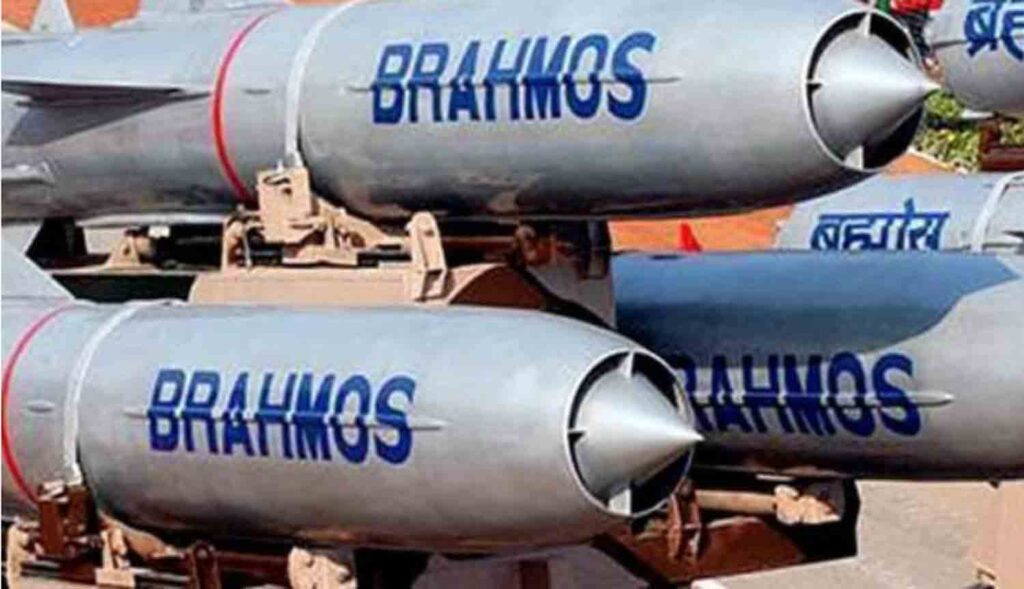
Brahmos missile

India’s most critical conventional strike weapon, the BrahMos supersonic cruise missile, is facing a serious production disruption that could ripple across its naval readiness and regional deterrence posture.

According to reports, output has dropped by more than 50%, following large-scale staff transfers that destabilized core manufacturing operations.

This is not just an industrial issue—it is a strategic concern with implications for India’s position in the Indo-Pacific.

Why BrahMos Matters to India’s Naval Power

Indian warship launching BrahMos missile

The BrahMos missile forms the backbone of India’s sea-denial doctrine.

  • deployed on frontline destroyers
  • key deterrent against adversaries in the Indian Ocean
  • central to India’s maritime strike capability

Warships such as the Visakhapatnam-class and Kolkata-class rely heavily on BrahMos for offensive power projection.

Workforce Shake-Up Behind the Crisis

The disruption stems from a sudden internal restructuring.

  • at least 56 experienced personnel reassigned
  • key transfers from Hyderabad (main hub) to Lucknow and Pilani
  • additional movements across multiple facilities

These included:

  • senior engineers
  • master technicians
  • system managers

According to sources, the abrupt transfers removed critical expertise from active production lines, creating a skills vacuum in high-precision manufacturing processes.

Why Skilled Personnel Matter in Missile Production

Unlike conventional manufacturing, missile production depends heavily on tacit knowledge:

  • propulsion alignment
  • seeker integration
  • calibration and quality assurance

Replacing experienced technicians is not immediate—it can take years to rebuild expertise.

The result:

  • disrupted workflows
  • slower integration cycles
  • reduced production efficiency

Operational Impact on the Indian Navy

The consequences are already being felt.

Reports indicate:

  • potential multi-year delays in missile deliveries
  • concerns raised directly to the Indian Navy
  • risk to ongoing fleet deployment planning

This is particularly critical given a ₹23,000 crore ($6+ billion) order for extended-range BrahMos variants placed in 2024.

Any delay affects:

  • warship readiness
  • missile stockpiles
  • contingency planning

Expansion Strategy Backfires—For Now

India opens new BrahMos missile plant amid growing export demand and regional tensions

The workforce reshuffle appears linked to expansion plans:

  • scaling production at new facilities in Lucknow and Pilani
  • increasing output for domestic and export demand

However, execution created a classic transition failure:

  • experienced staff moved too early
  • new facilities not fully operational
  • production lines disrupted

Instead of scaling up, output temporarily collapsed.

Export Ambitions at Risk

India has been pushing BrahMos exports to countries such as:

  • Indonesia
  • UAE

But export credibility depends on reliable production timelines.

Any perception of instability could:

  • weaken buyer confidence
  • affect defense diplomacy
  • slow future deals

Additional Pressure: BrahMos-NG Delays

Compounding the issue is uncertainty around the next-generation BrahMos-NG missile.

  • no formal approval yet
  • delays in development timelines
  • uncertainty in production planning

This lighter variant is key to:

  • air-launched platforms (Tejas, MiG-29)
  • submarine deployment
  • future multi-domain strike capability

Delays here add long-term strategic risk.

Strategic Implications for the Indo-Pacific

The timing of the disruption is critical.

India is facing:

  • expanding Chinese naval presence
  • increased competition in the Indo-Pacific
  • rising demand for sustained deterrence

A slowdown in BrahMos production could affect:

  • operational confidence
  • force projection
  • long-term strategic balance

Conclusion: Industrial Stability Is Strategic Power

The BrahMos missile remains one of India’s most successful defense programs.

But this episode highlights a deeper reality:

military strength depends not just on weapons—but on the systems that produce them.

If managed properly, the disruption could remain temporary.

If not, it risks evolving into:

  • operational vulnerability
  • export credibility loss
  • strategic imbalance

In modern warfare, deterrence is built as much in factories as on battlefields.

Diplomacy Freezes: US-Iran Deadlock Intensifies Over Blockade

0
Iran's supertanker is heading towards Kharg Island. Iran is transferring its oil to tankers after running out of storage capacity following the US Navy's blockade of Iran. Tensions are rising after the deadlock in the Islam talks.

Donald Trump has canceled a planned trip by envoys to Islamabad, just a day after reports emerged that U.S. officials were preparing for potential talks with Iran.

The decision underscores a growing reality: there are currently no active negotiations between the two sides, despite parallel diplomatic movements in the region.

Iranian officials have also denied any plans for talks in Pakistan, even as Foreign Minister Abbas Araghchi visited Islamabad to engage regional stakeholders.

Diplomacy Without Engagement

Image

The situation reflects a familiar pattern:

  • both sides are signaling openness to diplomacy
  • neither side is willing to appear eager for a deal
  • practical engagement remains absent

This creates a paradox where talks are discussed—but not actually taking place.

Iran’s Position Remains Unchanged

Despite speculation about internal divisions within Iran’s leadership, the overall strategic position appears consistent.

Tehran has reiterated its 10-point framework, which includes:

  • ending the U.S. naval blockade
  • lifting sanctions
  • recognition of core strategic red lines

Iran has also made clear that it will not enter negotiations unless these preconditions are addressed.

Focus on Internal Dynamics May Be Misleading

Recent commentary has focused heavily on internal Iranian politics:

  • the role of Mojtaba Khamenei
  • tensions involving Mohammad Bagher Ghalibaf
  • disagreements between civilian officials and the Islamic Revolutionary Guard Corps

However, these debates may obscure a more important reality:

Iran’s external negotiating position is already consolidated.

Even if internal disagreements exist, they are not translating into policy shifts.

US Strategy: Pressure Without Immediate Results

Image

The United States continues to rely on pressure mechanisms, including:

  • enforcement of a maritime blockade
  • interception of Iranian-linked vessels
  • expanded sanctions targeting oil exports

Recent actions include:

  • interception of an Iranian-flagged vessel attempting to reach port
  • sanctions on Hengli Petrochemical Refinery Co., a major buyer of Iranian crude
  • restrictions on dozens of shipping firms involved in Iran’s oil trade

Defense Secretary Pete Hegseth has confirmed that the blockade will remain in place.

Blockade Effectiveness Remains Uncertain

Despite increased pressure, expectations of rapid economic collapse in Iran appear overstated.

Recent developments suggest:

  • continued oil exports, including millions of barrels loaded in recent days
  • ongoing maritime activity despite restrictions
  • resilience in Iran’s economic networks

This raises doubts about whether the current strategy can achieve results within the short timelines envisioned by some policymakers.

A Strategic Deadlock

The core problem is now clear:

  • Iran will not negotiate under pressure
  • the U.S. is unwilling to ease pressure without concessions

This creates a mutual stalemate, where neither side is willing to move first.

The Real Question Returns to Washington

With Iran’s position unlikely to shift under current conditions, the key decision lies with the United States.

Washington must now choose between:

  • maintaining pressure and waiting for results
  • offering concessions to restart negotiations
  • or escalating if diplomacy fails

Conclusion: Talks Frozen, Pressure Rising

The cancellation of the Islamabad trip highlights a broader truth:

the diplomatic track is effectively frozen.

While both sides continue to maneuver politically and economically, there is no clear pathway toward a negotiated settlement.

Unless one side adjusts its expectations, the current standoff is likely to persist—and the risk of escalation will continue to grow.

Deja Vu in the Gulf: Are the US and Iran Heading for Another Clash?

0
US Vice President JD Vance and Iranian Parliament Speaker Mohammad Bagher Ghalibaf

Tensions between the United States, Iran, and Israel are once again approaching a critical point—one that feels strikingly similar to the escalation cycle seen earlier this year.

According to a source close to Mohammad Bagher Ghalibaf, U.S. and Israeli force concentration around Iran has reached its maximum level, raising fears of a potential large-scale strike targeting key infrastructure, including energy facilities.

The warning also underscores Tehran’s posture: any attack would be met with immediate and overwhelming retaliation, potentially extending to Israeli targets and energy assets across the Gulf.

Déjà Vu: Back to February 2026

In many ways, the current moment mirrors February 2026:

  • all sides are on high alert
  • military assets are positioned for rapid escalation
  • diplomatic efforts are ongoing—but fragile

The most striking similarity, however, is this:

the positions of the parties have not changed.

Despite months of conflict and economic disruption, neither Washington nor Tehran appears willing to fundamentally shift its core demands.

Hormuz Still at the Center of the Crisis

sea mines, Strait of Hormuz

The Strait of Hormuz remains the central fault line.

  • it carries roughly 20% of global oil supply
  • disruptions have already shaken energy markets
  • control over the strait remains Iran’s key leverage

This issue has moved from a background risk to a primary strategic battleground, shaping both military planning and diplomatic negotiations.

Washington’s Strategic Dilemma

The crisis once again raises a critical question for Washington:

Can pressure force Iran to concede—or will it trigger escalation instead?

The administration faces two familiar paths:

  • continue military and economic pressure in hopes of forcing concessions
  • offer compromises to unlock a diplomatic agreement

But Tehran’s apparent belief that it holds the upper hand complicates both options.

Israel’s Push for Military Action

Trump meets with Israeli Prime Minister Benjamin Netanyahu at his Mar-a-Lago estate.

In the background, Israel is reportedly advocating for renewed strikes, arguing that targeting Iran’s infrastructure could “finish the job.”

This reflects a broader divergence in strategy:

  • Israel favors decisive military action
  • the U.S. remains caught between escalation and diplomacy

That gap could prove decisive in the coming days.

Diplomacy Without Trust

Even if talks resume, expectations remain low.

The relationship between Abbas Araghchi and Steve Witkoff—key figures in past negotiations—has deteriorated significantly.

Trust between the two sides is now:

  • minimal
  • fragile
  • easily reversible

This means that any diplomatic process will operate under severe constraints, with little margin for error.

Iran’s Likely Response: No Major Shift

Steve Witkoff and Abbas Araghchi

There is little indication that Iran’s strategic posture will change.

Past behavior—and current signals—suggest:

  • resistance to pressure
  • willingness to escalate selectively
  • refusal to concede on core issues

Even a “constructive” response from Tehran is unlikely to include major concessions.

The Clock Is Ticking for Washington

Donald Trump now faces a narrowing window.

Options include:

  • easing pressure in response to partial progress
  • maintaining the current strategy and waiting
  • escalating militarily if talks fail

However, there is growing doubt that the administration is willing to wait months for results from a maritime pressure strategy.


A Decision Point Approaches

The current moment is not just another phase—it is a decision point.

  • diplomacy without compromise is unlikely to succeed
  • pressure without results increases risk
  • escalation remains the default outcome if talks fail

Absent a breakthrough in the coming days, the probability of renewed conflict will rise sharply.

Conclusion: A Crisis Repeating Itself

The most concerning aspect of the current situation is not just the risk of escalation.

It is the sense that:

nothing has fundamentally changed.

The same strategies are being tested.
The same assumptions are being made.
And potentially, the same outcomes are approaching.

The ceasefire may still be holding—but the conditions for conflict are once again falling into place.

Pentagon Explores Suspending Spain, Pressuring Allies Over Iran Conflict

0
Pentagon Weighs Punitive Options Against NATO Allies Over Iran War Support

The United States is considering a range of measures to pressure NATO allies that it believes failed to support U.S. operations during the war with Iran, according to a Reuters report citing a U.S. official familiar with internal discussions.

An internal Pentagon email outlines potential steps, including suspending certain allies from key NATO roles and reassessing broader strategic relationships.

Spain and Alliance Roles in Focus

Among the most notable options discussed is the possibility of targeting countries seen as “difficult,” including Spain.

The email suggests:

  • limiting participation in prestigious NATO positions
  • signaling dissatisfaction with defense cooperation
  • applying political pressure within the alliance

However, NATO’s founding treaty does not include provisions for suspending member states, making such moves largely symbolic but potentially highly damaging politically.

Dispute Over Access and Military Support

At the heart of the tension is disagreement over access, basing, and overflight rights (ABO)—a key requirement for U.S. military operations.

  • some allies declined or hesitated to provide access
  • others avoided direct involvement in operations
  • NATO support fell short of U.S. expectations

U.S. officials view ABO as a baseline obligation within NATO, making the lack of cooperation a major point of contention.

Trump’s Frustration With NATO Allies

Donald Trump has repeatedly criticized NATO allies for failing to support efforts to reopen the Strait of Hormuz during the conflict.

In previous remarks, Trump even raised the possibility of withdrawing the United States from NATO, reflecting growing frustration within the administration.

Despite this rhetoric, the Pentagon’s internal discussions do not currently include plans to exit the alliance or close U.S. bases in Europe.

Broader Strategic Signals Under Consideration

The Pentagon memo also explores more controversial ideas, including:

  • reassessing U.S. diplomatic support for European territorial claims
  • reviewing positions on disputed regions such as the Falkland Islands
  • applying symbolic pressure to reshape alliance behavior

Such measures would represent a significant shift in U.S. policy and could have long-term implications for transatlantic relations.

European Response: Concern and Pushback

European leaders have expressed concern over the direction of U.S. policy.

Many argue that:

  • joining U.S. naval operations against Iran would have meant entering the war
  • support should be limited to post-conflict stabilization
  • NATO commitments should not be redefined under pressure

Spanish Prime Minister Pedro Sánchez rejected the idea of punitive measures, emphasizing that Spain remains a “loyal partner” within NATO.

Strains on a 76-Year-Old Alliance

The Iran war has exposed deeper fractures within NATO:

  • differing threat perceptions
  • varying willingness to engage militarily
  • disagreements over burden-sharing

Analysts warn that even symbolic actions could undermine trust within the alliance and weaken its long-term cohesion.

Military and Strategic Context

Pete Hegseth, U.S. Defense Secretary, acknowledged that the conflict has revealed critical gaps in alliance coordination.

He noted that while Iran’s missile capabilities cannot reach the United States directly, they pose a significant threat to Europe—raising questions about shared security responsibilities.

Conclusion: A Turning Point for NATO Relations

The Pentagon’s internal deliberations highlight a growing reality:

the U.S.-NATO relationship is entering a more transactional phase.

While no final decisions have been made, the options under discussion signal increasing pressure on allies to:

  • contribute more actively
  • align more closely with U.S. operations
  • redefine their role in collective defense

As the fallout from the Iran war continues, the future of NATO cohesion may depend on how these tensions are resolved.