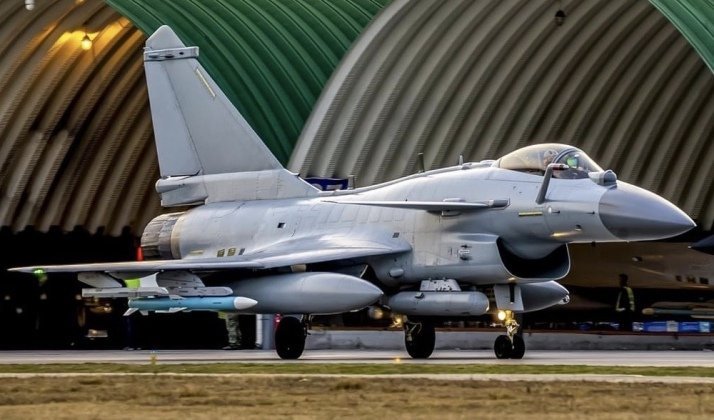
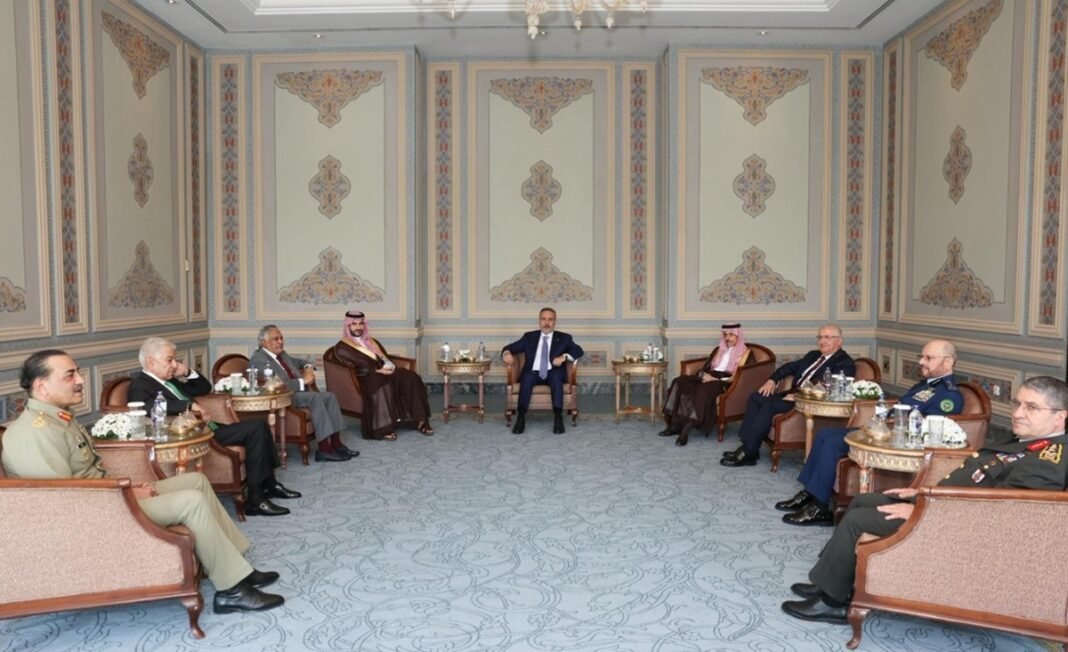
Senior US military leaders have reportedly warned Defense Secretary Pete Hegseth that prolonging the large-scale war against Iran is putting growing pressure on American military readiness. The warning points to a problem that goes beyond battlefield costs: the longer the conflict continues, the more Washington must divert ships, aircraft, personnel and scarce munitions from other strategic priorities, particularly Europe and the Indo-Pacific.

The most significant development in the latest reporting on the US-Iran war may not be another strike or missile launch. It is the increasingly explicit concern inside the US military itself about how long the campaign can be sustained.
According to The Washington Post, senior Army, Navy and Air Force leaders, together with commanders responsible for US operations in Europe, Asia and Latin America, warned Hegseth in a classified August 14 assessment that continuing large-scale operations against Iran was becoming unsustainable. The assessment reportedly characterized the campaign as having been “too much for too long.”
That language matters.
Military commanders routinely raise concerns about deployments, ammunition, maintenance and force availability. But the latest assessment reportedly went further, warning that the Iran campaign is beginning to affect the United States’ ability to respond to other crises around the world and even threats to the US homeland.
This changes the way the six-month-old conflict should be viewed.
The central question is no longer simply whether the United States possesses enough military power to continue striking Iran.
It is whether Washington can continue doing so without weakening the wider military posture it relies upon to deter Russia, China and other potential adversaries.
The Pentagon’s Problem Is No Longer Just Iran
The United States remains the world’s most powerful military, with an enormous global network of bases, aircraft carriers, aircraft, missiles and personnel.
But that power is based on a finite pool of resources.
Every carrier deployed to the Middle East is a carrier that cannot simultaneously perform its normal role in the Pacific.
Every long-range missile fired at Iran is one fewer available for a future contingency.
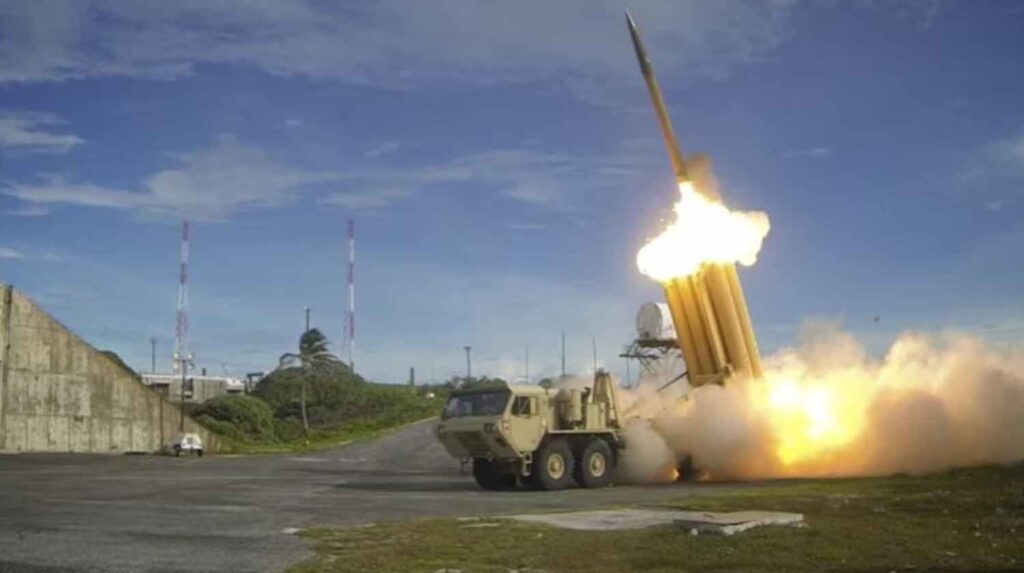
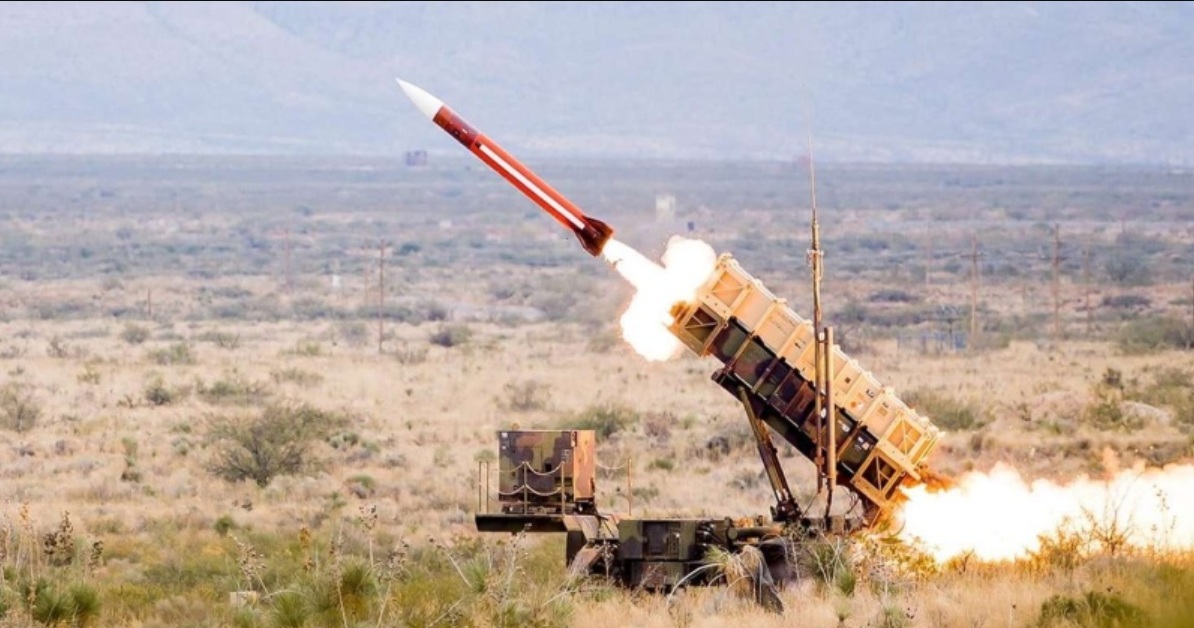
Every Patriot or THAAD interceptor used against Iranian missiles is one that must eventually be replaced.
And every military unit kept overseas for months faces additional demands on personnel, equipment, maintenance and training.
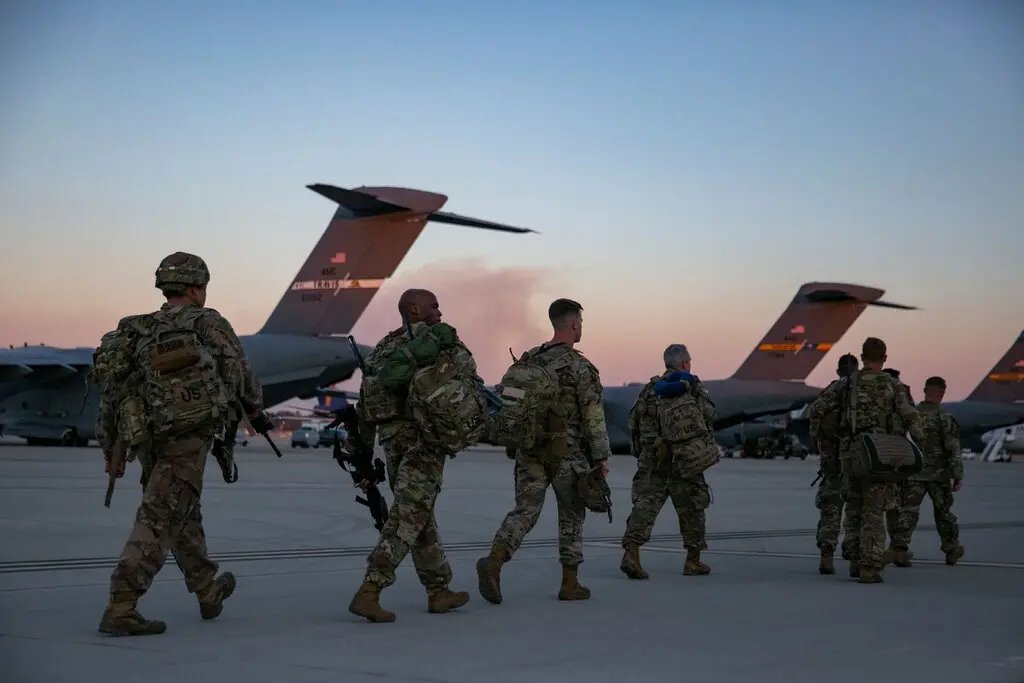
The Washington Post report says some US forces deployed to the Middle East have been ordered to remain there through September, while some deployments could extend into 2027. More than 50,000 US personnel have reportedly remained on alert in connection with the conflict.
That is where the concept of military readiness becomes important.
Readiness is not simply having soldiers and weapons available today.
It means having enough trained personnel, functioning equipment, ammunition, spare parts and prepared units to respond to the next crisis.
A prolonged war can therefore create a dangerous paradox:
The United States can remain extremely powerful while becoming less ready for a second major conflict.

The Pacific Is the Biggest Concern
The most consequential strategic question may be what the Iran war is doing to US preparations for China.
The Indo-Pacific has been the Pentagon’s long-term priority because of China’s military expansion and the possibility of a crisis around Taiwan.
But maintaining that deterrence requires substantial naval and air power.
According to the Washington Post reporting, ships, aircraft and other equipment normally assigned to US European, Indo-Pacific and Southern Commands have been pulled toward the Iran conflict. That has affected their ability to conduct missions and training.
The US Navy is particularly exposed.
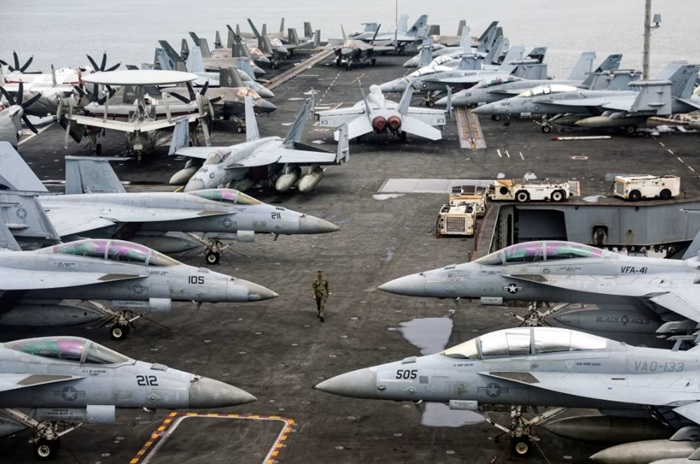
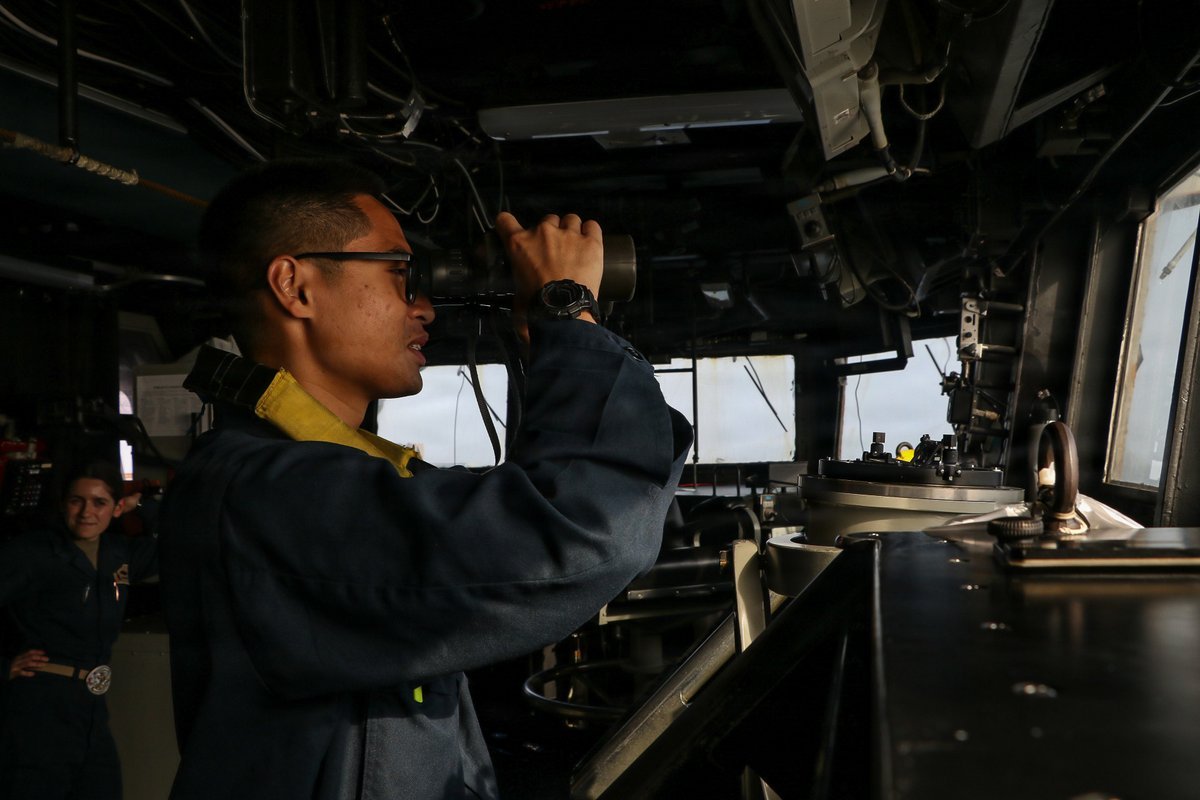
The Navy’s carrier force is one of Washington’s most important tools for maintaining global presence. Yet the conflict has already placed extraordinary demands on carrier deployments.
The USS Abraham Lincoln, for example, has been at sea for more than 260 days and was redirected toward the Middle East after originally being scheduled for a different deployment. A replacement carrier, the USS George Washington, has been moving toward the region.
This is not simply a question of sailor fatigue.
It is about the availability of the carrier fleet as a whole.
If the US has to keep rotating carriers into the Middle East, fewer are available for the Indo-Pacific at any given moment.
The Missile Problem Is Even More Serious
Perhaps the clearest evidence of the strain is the pressure on US missile inventories.
The United States has used enormous quantities of both offensive and defensive weapons during the conflict.
Earlier reporting indicated that the US fired more than 850 Tomahawk cruise missiles and more than 1,000 Patriot and THAAD interceptors during the early phase of the war, while more than 1,300 Army tactical ballistic missiles were also used.
These are not weapons that can simply be replaced overnight.
Some advanced missiles require long production cycles, while expanding production requires contracts, funding, manufacturing capacity and additional components.
That creates a strategic vulnerability.
The United States may have enough weapons to continue fighting Iran today, but the replacement pipeline determines how prepared it will be for tomorrow.
Patriot and THAAD Are Particularly Important
Offensive weapons attract most of the headlines, but defensive interceptors may be even more important strategically.
Iran has demonstrated the ability to launch missiles and drones against US and allied positions across the Middle East.
That means Washington needs air-defense interceptors simply to protect the forces it has already deployed.
The problem is that Patriot and THAAD missiles are also needed elsewhere.
They are relevant to US forces in Europe and the Indo-Pacific, while American allies such as Israel and other regional partners also depend on US missile-defense capabilities.
The Washington Post reported that the depletion of Patriot interceptors has already limited the administration’s ability to escalate the war further.
This creates another paradox:
The more forces Washington sends into the region, the more defensive ammunition it needs to protect them.
And the more defensive ammunition it consumes, the harder it becomes to maintain reserves for another crisis.
The 82nd Airborne and Other Units Are Being Stretched
The strain is not confined to missiles and ships.
The Army’s 82nd Airborne Division, which mobilized around 2,000 soldiers in response to the Iran war, is reportedly scheduled to remain in the Middle East through at least September, with the possibility of further extension.
Patriot units are also expected to remain deployed.
Such deployments have operational consequences.
Units need training.
Equipment needs maintenance.
Personnel need rotation and recovery.
If the same formations are repeatedly extended, the Army must manage the tension between maintaining combat power in the Middle East and preserving readiness for another contingency.
That is precisely what senior commanders appear to be warning about.
The “Non-Concur” Is the Most Interesting Detail
Perhaps the strongest signal in the Washington Post report is the reported use of the term “non-concur.”
Commanders from US European Command, Indo-Pacific Command and Southern Command, along with the Navy’s top admiral, reportedly disagreed with orders extending certain deployments but were still prepared to execute them.
This does not mean the military is refusing civilian authority.
It means senior commanders are reportedly putting their professional assessment on record:
the current force allocation has costs elsewhere.
That distinction is important.
In a global military such as the United States, every deployment decision involves opportunity costs.
The question is not whether America can send forces to Iran.
It can.
The question is what those forces would be unable to do somewhere else.
Six Months of War Has Changed the Original Calculation
The conflict was initially presented as a campaign that could achieve its objectives relatively quickly.
Six months later, the strategic picture is very different.
The Associated Press reported this week that the war has become increasingly focused on economic pressure and the Strait of Hormuz, while several of the original US objectives remain incomplete or difficult to verify.
That matters because a short war and a long war require completely different military planning.
A campaign lasting several weeks can consume large quantities of ammunition and still be considered sustainable.
A conflict lasting many months requires:
- replacement weapons;
- rotating personnel;
- maintenance cycles;
- additional funding;
- industrial replenishment;
- diplomatic support;
- and a sustainable force posture.
The United States is now dealing with all of those requirements simultaneously.
The Cost Is Also Financial
The military strain is accompanied by a substantial financial burden.
Hegseth told lawmakers in July that the war had already cost approximately $37.5 billion, while the administration sought an additional $67 billion in funding to replenish weapons and cover war-related requirements.
That additional funding is not simply about paying for bombs already dropped.
It is also about rebuilding the stockpile that has been consumed.
This is an important distinction.
The cost of a missile is not limited to the price of buying its replacement.
The United States must also maintain production capacity so that sufficient weapons are available in future conflicts.
Iran May Have Found America’s Strategic Pressure Point
This does not mean Iran has defeated the US military.
It has not.
The United States retains overwhelming advantages in airpower, naval power, intelligence, surveillance and precision strike capabilities.
But Iran may have demonstrated something strategically important:
A country does not necessarily need to match American military power to impose costs on the US military.
Iran can rely on missiles, drones, geography and attacks against fixed regional infrastructure to force Washington to spend expensive defensive weapons.
That creates an asymmetric economic problem.
A relatively inexpensive drone can force the defender to consider using a much more expensive interceptor.
Repeated over thousands of engagements, the economics become significant.
The Real Danger Is a Second Crisis
The biggest concern for Washington is therefore not necessarily that Iran will defeat the United States.
It is that another crisis could emerge while US forces are already committed to Iran.
Imagine a serious confrontation in the Indo-Pacific while American carrier forces, missile-defense systems and long-range weapons remain heavily committed to the Middle East.
Or imagine a major NATO crisis involving Russia while US European Command has fewer available assets and less training capacity because of the Iran campaign.
That is the strategic problem behind the commanders’ warning.
A global military must prepare for more than one enemy.
China Has Every Reason to Watch
For Beijing, the situation provides an opportunity to study how the United States manages a prolonged high-intensity conflict.
China does not need to intervene directly.
It can watch.
The PLA can observe:
- how quickly US missile stocks are consumed;
- how long American carriers can remain deployed;
- how air-defense systems are replenished;
- how the US rotates forces;
- how quickly defence production expands;
- and how Washington prioritizes between the Middle East, Europe and Asia.
This is particularly relevant because China has spent years preparing for a potential high-intensity conflict in the Indo-Pacific.
The longer the Iran war continues, the more information Beijing can potentially gather about the strengths and limitations of America’s global force posture.
The War May Be Creating a Readiness Trade-Off
This is ultimately the heart of the problem.
Washington has two competing requirements.
First: maintain enough military power in and around the Middle East to pressure Iran and protect American forces.
Second: preserve enough forces and weapons to deter or respond to threats elsewhere.
At some point, the two requirements begin competing with each other.
The August 14 assessment reported by The Washington Post suggests that senior commanders believe that point has already been reached in some areas.
What Happens If the War Continues Into 2027?
That is the question Washington now has to confront.
A conflict that continues into next year would require a more permanent military structure rather than an emergency deployment.
That means:
longer rotations, larger replacement orders, greater maintenance demands and potentially much higher defence spending.
It would also make it increasingly difficult to describe the Iran campaign as a temporary diversion.
It would become a major component of US military planning.
That could force the Pentagon to make difficult decisions about priorities elsewhere.
This Is Why an Off-Ramp Matters
The military warning does not necessarily mean American commanders believe the war cannot be won.
It means they appear concerned about the cost of continuing it indefinitely.
That distinction is important.
The United States can sustain enormous military operations.
But sustainability depends on time, industrial production, budgets and competing commitments.
If Washington wants to maintain pressure on Iran without permanently damaging its wider readiness, it needs a political or diplomatic mechanism that reduces the military burden.
That could involve a ceasefire, negotiated restrictions, changes around the Strait of Hormuz or some other arrangement.
Without an off-ramp, the military problem becomes progressively harder.
The Bigger Strategic Question
The latest warning reveals a broader problem with prolonged warfare in the modern era.
Military power is not simply about the number of aircraft or ships a country possesses.
It is about how long those forces can operate at high intensity while remaining ready for the next war.
The United States has enormous military capacity.
But capacity is not infinite.
The Iran conflict is consuming missiles, interceptors, aircraft hours, carrier deployments, personnel rotations and billions of dollars.
At the same time, Russia remains a major military challenge in Europe and China continues to expand its capabilities in the Indo-Pacific.
That is why the reported warning from America’s senior military leadership matters.
The issue is no longer simply whether the US can continue fighting Iran.
It is whether continuing the war is beginning to reduce the military power Washington needs to deter everyone else.
Bottom Line
The reported August 14 Pentagon assessment represents one of the clearest indications yet that the US-Iran war is becoming a force-management problem for Washington, not merely a battlefield problem for Tehran.
The United States still possesses overwhelming military superiority, and there is no evidence that the American military is incapable of continuing operations.
But senior commanders are reportedly warning that the current tempo is consuming resources and tying down forces that have responsibilities elsewhere.
The most serious pressure points are not necessarily visible in daily strike footage.
They are buried in munition inventories, carrier rotations, air-defense stocks, maintenance schedules and the readiness of forces assigned to Europe and the Indo-Pacific.
That makes the latest warning important beyond the Iran war itself.
For Tehran, the challenge is surviving sustained American pressure.
For Washington, the challenge is ensuring that defeating—or containing—Iran does not leave the United States less prepared for its next strategic crisis.
And for China and Russia, the longer the campaign continues, the more closely they can study the limits of America’s ability to fight a prolonged war while maintaining its global commitments.
The central question for Washington is therefore becoming increasingly difficult: how long can the United States afford to make Iran its primary military problem without allowing another adversary to become one?