US envoys Steve Witkoff and Jared Kushner are expected to travel to Moscow before Kyiv on September 5-6, but the proposed diplomatic shuttle comes at a time when Russia says there are still no concrete conditions for a peace settlement.

A new round of high-level American diplomacy could be about to test whether the long-stalled effort to end the war in Ukraine still has political life.
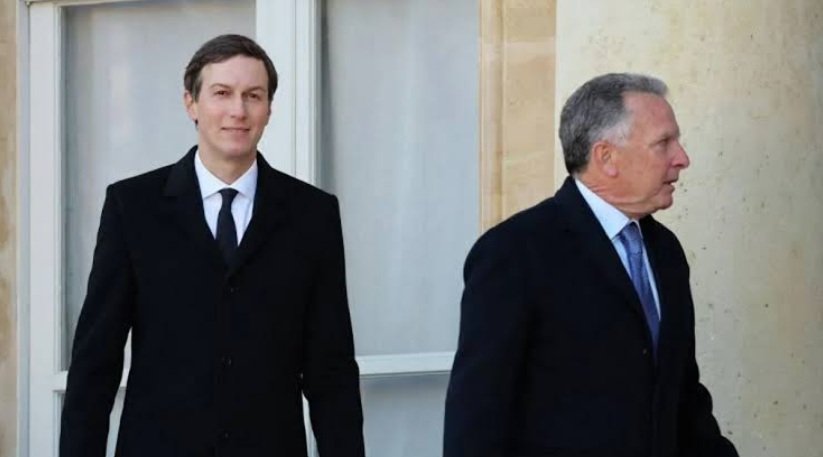
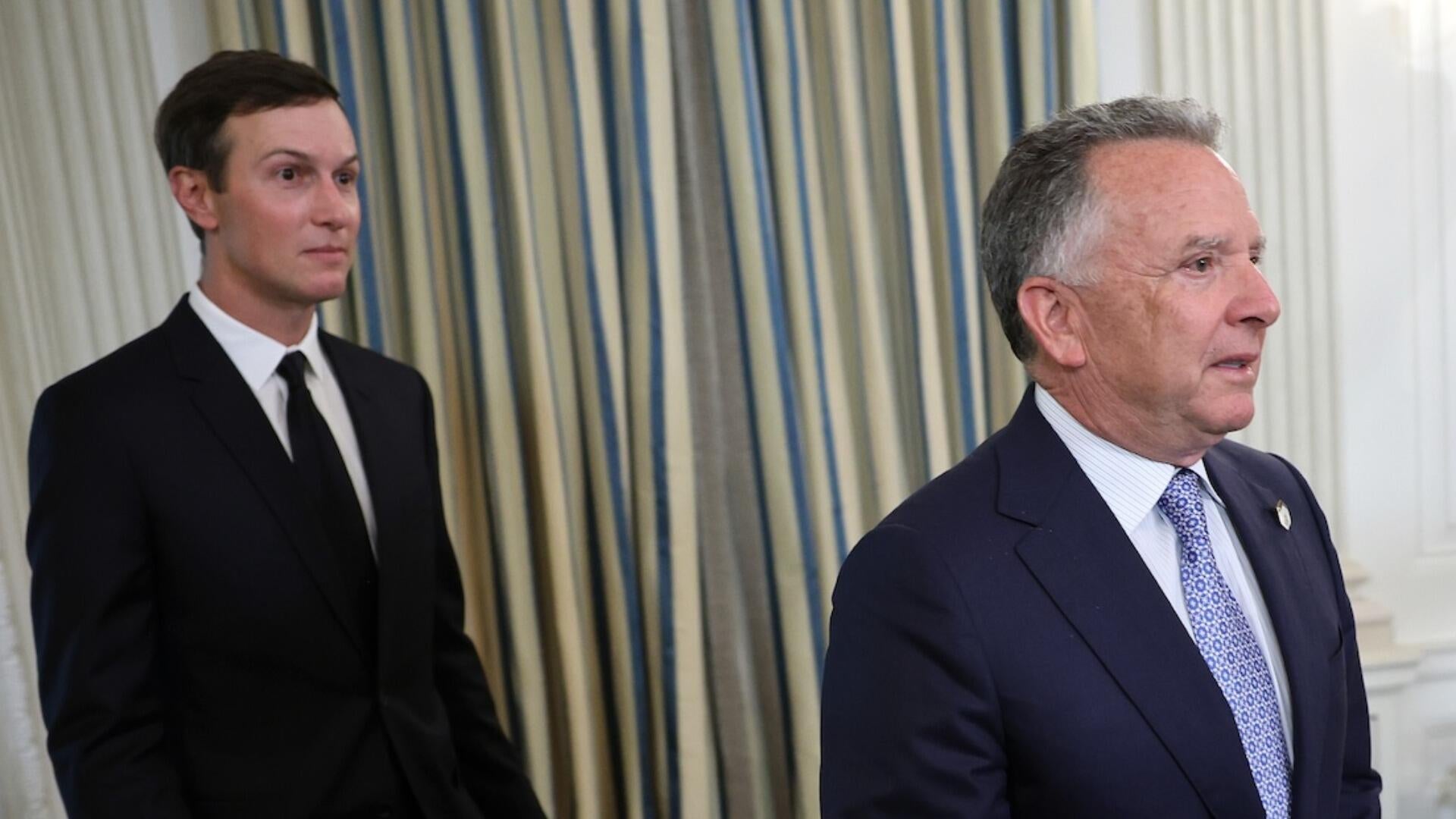
US negotiators Steve Witkoff and Jared Kushner are expected to travel first to Moscow and then to Kyiv on September 5-6, according to a source cited by Russia’s TASS news agency. The proposed trip has not received a full official confirmation from Washington, but Ukrainian President Volodymyr Zelensky has separately said that preliminary dates for meetings with the two American envoys had been agreed.
The timing is significant.
The planned Moscow-Kyiv shuttle would represent an attempt by the Trump administration’s negotiators to engage both sides directly at a moment when public statements from Moscow and Kyiv continue to suggest that the gap between their positions remains wide. Reuters and other international media have also reported the expected visits, although questions remain over the final itinerary and whether the Kyiv leg will proceed as planned.
For Washington, the mission could be less about announcing an immediate breakthrough and more about determining whether enough common ground exists to restart a meaningful negotiating process.
Moscow First: The Political Message Behind the Route
The reported decision to visit Moscow before Kyiv is likely to attract close scrutiny in Ukraine and across Europe.
Witkoff has already made multiple trips to Russia and has met President Vladimir Putin on several occasions. Kushner has also been involved in the administration’s broader diplomatic effort. Their possible visit to Kyiv, however, would be politically notable because it would mark a direct engagement with the Ukrainian leadership after months in which Moscow appeared to receive greater face-to-face attention from the two negotiators.
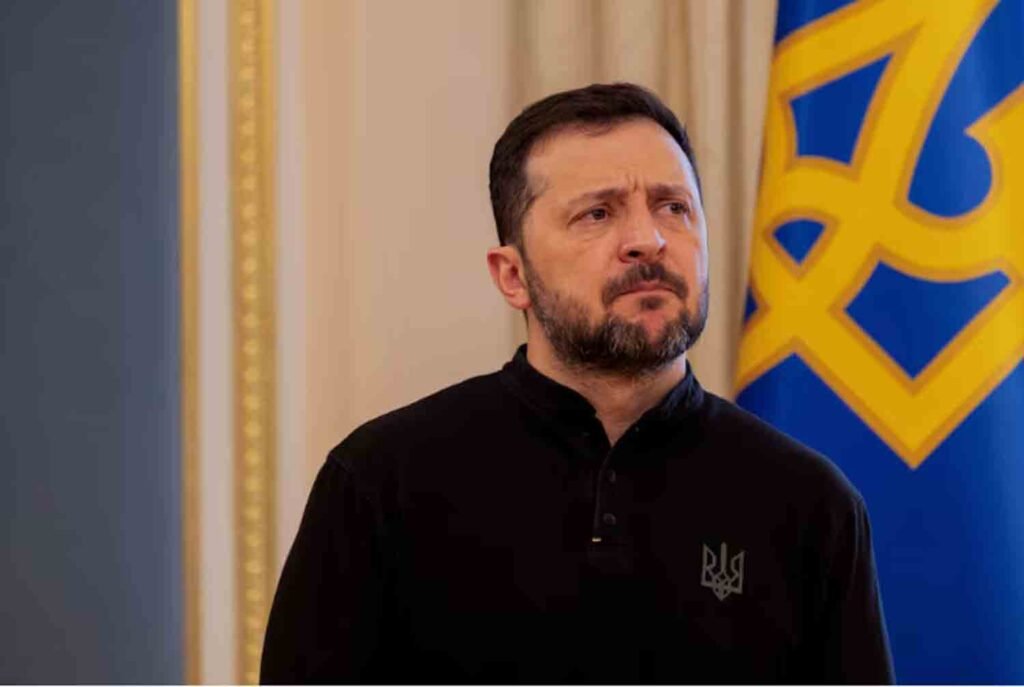
Zelensky has described continued US involvement as important and said Kyiv was preparing for substantive discussions with the American side.
That distinction matters.
A peace mediator cannot realistically construct an agreement by treating Moscow and Kyiv as separate diplomatic tracks indefinitely. At some stage, the negotiating positions of both sides must be tested against each other.
The Moscow-first itinerary may therefore be intended to establish what Russia is currently prepared to discuss before the US delegation carries those signals to Kyiv.
But it also creates a political risk for Washington.
Ukraine has repeatedly been concerned that bilateral US-Russia diplomacy could produce understandings that Kyiv is later asked to accept. A direct visit to Kyiv could help address that concern, particularly if the American negotiators are seeking to demonstrate that no settlement framework can move forward without Ukrainian participation.
The Kremlin’s Message: Diplomacy Continues, But There Is No Breakthrough
The most important signal from Moscow may not be the possible arrival of the American envoys.
It is what the Kremlin is saying about the state of negotiations.
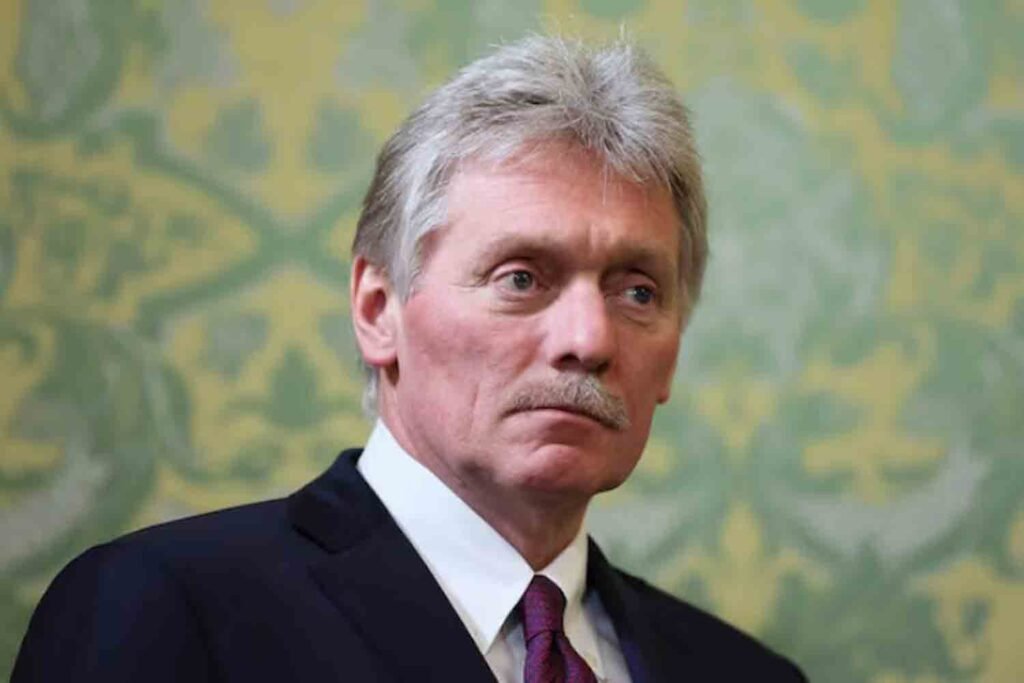
Kremlin spokesman Dmitry Peskov has stated that there are currently no specific conditions or prerequisites for a peaceful settlement, even though President Vladimir Putin has said that the possibility of peace remains and diplomatic work is continuing.
The message is deliberately cautious.
Russia is not closing the diplomatic door. But Moscow is also not suggesting that an agreement is close.
That distinction is crucial because Putin’s statements about a possible peace agreement have generated optimism in some political circles. Public optimism, however, does not automatically mean that the fundamental disputes separating Russia and Ukraine have been resolved.
Reuters reported this week that Putin spoke of the possibility of a peace agreement while continuing to stress that the ultimate resolution depends on Moscow and Kyiv themselves. Major disagreements over the terms of any settlement remain unresolved.
In other words, the diplomatic process may be active without being mature enough for a deal.
What Witkoff and Kushner Are Likely Trying to Find Out
The central purpose of the Moscow-Kyiv mission may be to answer a relatively simple but difficult question:
Has either side changed its negotiating position enough to make another round of serious diplomacy worthwhile?
The answer will likely depend on several interconnected issues.
1. Territory
The territorial question remains at the heart of the conflict.
Russia has maintained demands that Ukraine considers unacceptable, while Kyiv has consistently resisted any settlement that would formally recognize Russian control over Ukrainian territory.
Unless there is movement on how territorial disputes are handled, either immediately or through a longer-term political process, broader negotiations will remain difficult.
This does not necessarily mean that the negotiators expect an immediate agreement on borders.
A more realistic objective could be to determine whether the territorial question can be deferred, frozen or placed within a longer negotiating framework.
2. Security Guarantees for Ukraine
For Kyiv, ending active fighting without credible security guarantees could create the risk of a temporary pause followed by another conflict.
Ukraine is therefore likely to focus heavily on what international security arrangements would accompany any ceasefire or political settlement.
This is also one of the areas where Washington’s position will be closely watched.
Any American diplomatic proposal will need to balance Russia’s objections to Western military arrangements with Ukraine’s demand for protection against future Russian military action.
3. A Ceasefire Before a Political Settlement
One possible area for exploration could be whether a partial or phased ceasefire is easier to achieve than a comprehensive peace agreement.
That could include agreements related to attacks on infrastructure, energy facilities or civilian targets.
However, previous diplomatic efforts have demonstrated the difficulty of separating a ceasefire from the wider political dispute.
Both Moscow and Kyiv may fear that a temporary ceasefire could provide the other side with military or strategic advantages.
4. The Sequence of Negotiations
The order in which issues are addressed may be almost as controversial as the issues themselves.
Russia could seek political commitments before accepting certain security arrangements. Ukraine could insist on security guarantees before making any concessions.
The American negotiators may therefore be trying to develop a sequence in which neither side is required to make all of its concessions at the beginning.
That is often how difficult negotiations move forward: not by solving the hardest issue first, but by finding a structure that allows the hardest issues to remain under negotiation while other steps are implemented.
Why the Kyiv Visit Could Be More Important Than the Moscow Meeting
Witkoff’s meetings in Russia have already established a diplomatic channel between Washington and Moscow.
The proposed Kyiv visit could therefore be more significant in terms of the next stage of diplomacy.
It would allow the American team to hear Ukraine’s position directly and potentially explain what Moscow is prepared to discuss.
More importantly, it would give Kyiv an opportunity to assess whether Washington is acting as a genuine mediator or simply carrying messages from one capital to another.
The planned trip has also become complicated by the security situation.
Ukraine has faced continued Russian air attacks, while Ukrainian strikes inside Russia have also intensified the military and political pressure surrounding the conflict. Reports on September 4 said that the security environment and Russian concerns could complicate or alter plans for the Kyiv visit.
This underlines a basic problem confronting the diplomatic effort: negotiations are being discussed while the war itself continues at full intensity.
A Diplomatic Opening or Another Round of Shuttle Talks?
The biggest question is whether the Witkoff-Kushner mission represents the beginning of a new negotiating phase or simply another attempt to keep diplomacy alive.
There are reasons for caution.
The Kremlin itself says that there are no concrete prerequisites for a settlement. The territorial dispute remains unresolved. Ukraine and Russia continue military operations. Neither side has publicly indicated a major change in its fundamental position.
Yet there are also reasons why the visit matters.
Diplomatic processes often appear stalled until the political conditions suddenly begin to change. The purpose of shuttle diplomacy is frequently to identify those changes before they become visible publicly.
The American negotiators may not be traveling to Moscow and Kyiv with a completed agreement in their briefcases.
They may instead be trying to establish whether an agreement can eventually be built.
That distinction could define the importance of the trip.
Putin’s Peace Signals Should Be Read Carefully
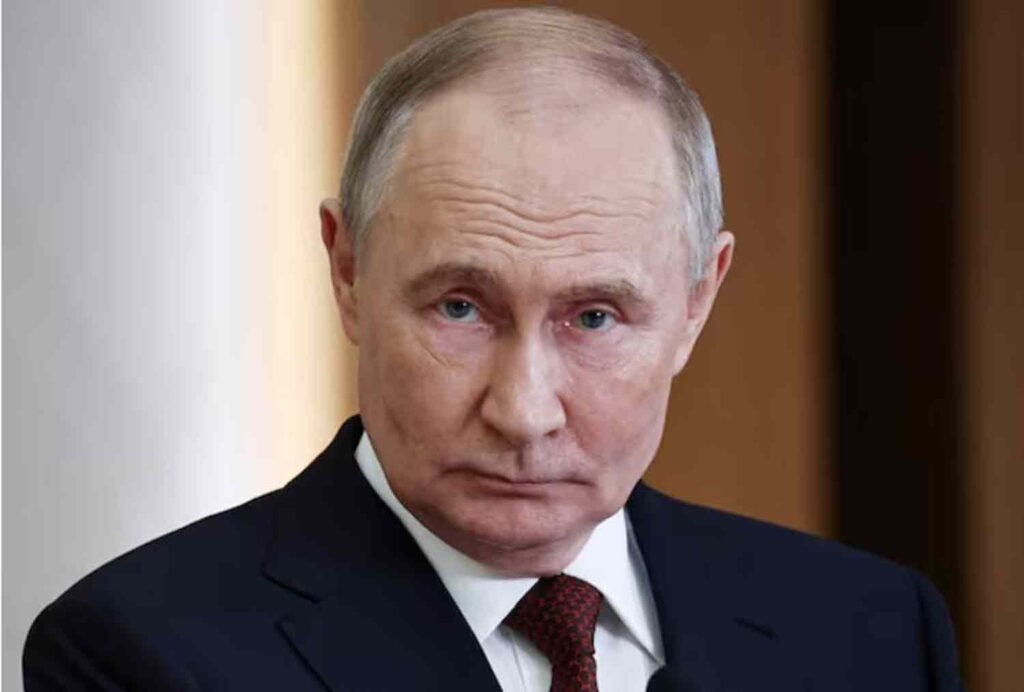
Putin’s recent statements about the possibility of peace have created a diplomatic opening, but Moscow’s simultaneous caution suggests that Russia does not believe a settlement is imminent.
This is an important point for interpreting the current diplomacy.
There is a difference between saying peace is possible and saying the conditions for peace have been created.
The Kremlin’s position appears to be that communication continues and diplomacy remains possible, but the underlying disagreements have not yet been resolved.
For the United States, this means that the immediate objective may be modest.
Washington may be attempting to prevent the diplomatic track from collapsing entirely while testing whether direct engagement can narrow the differences between Moscow and Kyiv.
The Wider Pressure on All Three Sides
The diplomatic push is also taking place under growing pressure.
Russia continues to face the economic and military costs of a prolonged war. Ukraine remains dependent on sustained international military, financial and political support. The United States, meanwhile, has an interest in demonstrating that its diplomatic engagement can produce results.
For Moscow, negotiations could offer an opportunity to secure political and strategic gains.
For Kyiv, diplomacy presents both an opportunity and a danger: a chance to reduce the war, but also the possibility of being pressured into an arrangement it considers unacceptable.
For Washington, the challenge is even more complicated.
The United States must convince Russia that diplomacy is worth pursuing without making Ukraine believe that its interests are being negotiated away.
That balancing act explains why direct visits to both capitals could become increasingly important.
What to Watch During the Moscow-Kyiv Mission
Several developments will determine whether the trip produces genuine momentum.
First, will Moscow publicly offer any new flexibility?
The Kremlin’s language after the Witkoff-Kushner meeting will be closely examined for signs of movement.
Second, will the Kyiv visit actually take place?
The reported schedule remains subject to uncertainty, and the security environment could affect the final plans.
Third, will Washington announce a new framework?
A joint statement or a reference to specific negotiating principles would suggest that the discussions produced more than routine diplomatic contact.
Fourth, will the fighting continue at the same intensity?
Continued escalation could quickly undermine any diplomatic optimism.
Finally, will Ukraine and Russia agree on the next stage of talks?
The clearest sign of progress would not necessarily be a peace deal. It could simply be an agreement to continue structured negotiations.
The Bottom Line
The possible September 5-6 visit by Steve Witkoff and Jared Kushner to Moscow and Kyiv should not yet be interpreted as evidence that a Ukraine peace agreement is close.
In fact, the Kremlin’s own statement that there are no concrete prerequisites for a settlement points in the opposite direction.
But the mission could still be important.
It may represent an effort by Washington to move from separate contacts with Moscow and Kyiv toward a more active form of shuttle diplomacy. The first real test will be whether the American negotiators return with evidence that the two sides are prepared to discuss not only the idea of peace, but the difficult terms required to achieve it.
For now, the diplomatic door remains open.
Whether there is anything substantial behind that door is what the Moscow-Kyiv mission may finally begin to reveal.