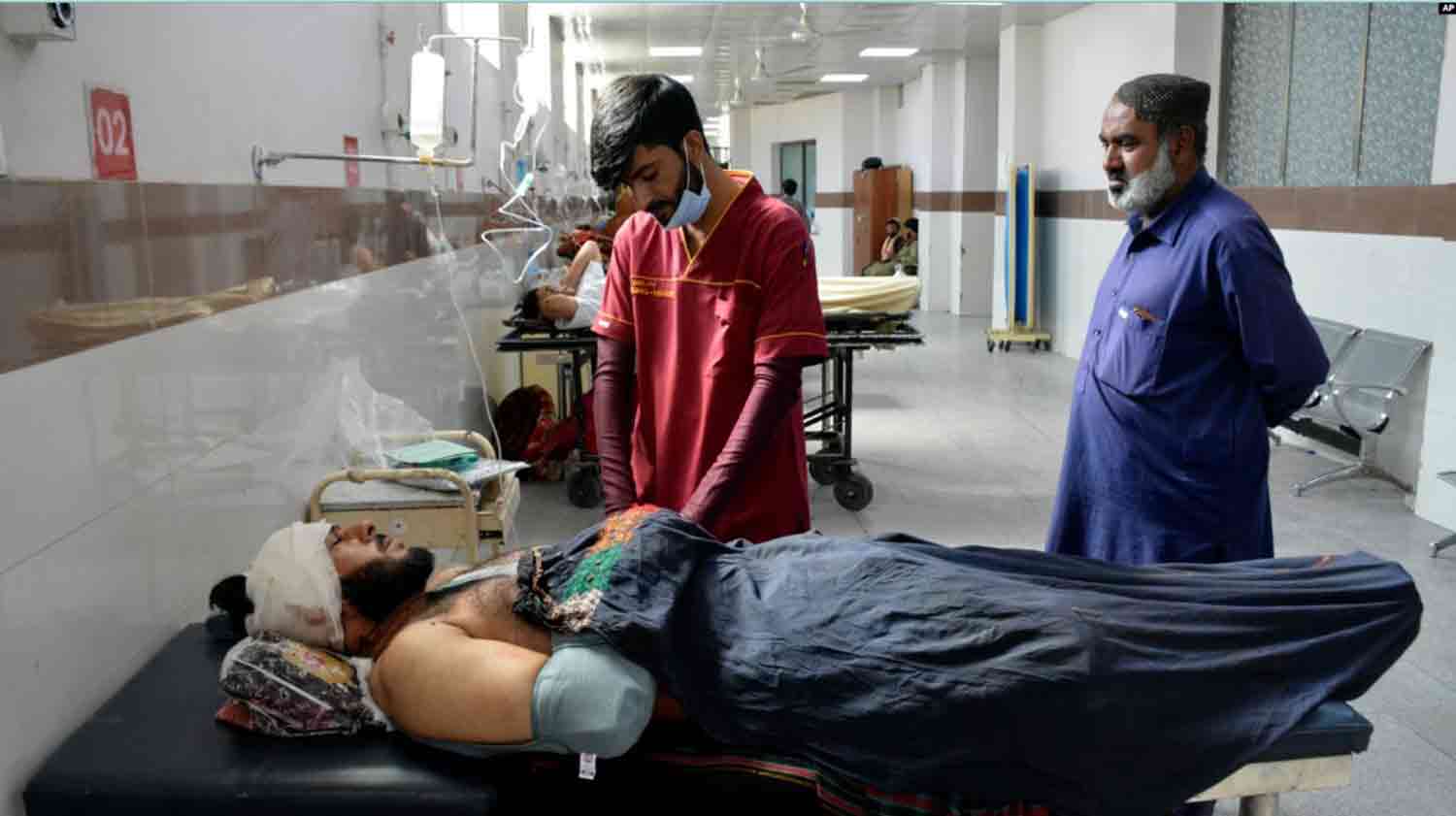
For the first time in history, Pakistan has been ranked as the most terrorism-affected country in the world, according to the Global Terrorism Index 2026.
The numbers are stark:
- 1,139 deaths from terrorism in 2025
- 1,045 terrorist incidents recorded
This marks Pakistan’s worst security situation in over a decade and signals a major shift in global terrorism geography.
The Drivers: TTP Resurgence and Border Instability
The primary driver behind Pakistan’s surge is the resurgence of Tehrik-e-Taliban Pakistan (TTP), now among the world’s deadliest groups.
Key factors include:
- Taliban takeover of Afghanistan in 2021
- Safe havens across the Afghanistan–Pakistan border
- Weak border control and porous terrain
The conflict has escalated into direct confrontation, with Pakistan launching cross-border strikes and declaring a state of war in early 2026.
This has transformed terrorism from an internal security issue into a regional war dynamic.
Balochistan and Hybrid Insurgency
Beyond TTP, Pakistan faces a growing hybrid threat:
- Balochistan Liberation Army (BLA) attacks
- Sectarian violence
- Urban terrorism
Nearly 74% of attacks are concentrated in Khyber Pakhtunkhwa and Balochistan, making these regions the epicenter of instability.
The convergence of insurgency, separatism, and jihadist militancy is creating a multi-front security crisis.
The Iran War Spillover Risk
Pakistan’s situation is further complicated by the ongoing Iran war.
Islamabad is:
- Acting as a mediator between Iran and the US
- Managing protests and sectarian tensions
- Securing its western border
The country risks becoming a spillover zone for proxy warfare and terrorism.
Strategic Outlook: A Dangerous Convergence
Pakistan today sits at the intersection of:
- Afghanistan instability
- Iran conflict
- Internal insurgency
This convergence creates a high-risk environment where terrorism is:
➡️ More frequent
➡️ More complex
➡️ More interconnected
The key takeaway:
Pakistan is no longer just a victim of terrorism — it is now central to global terrorism dynamics.