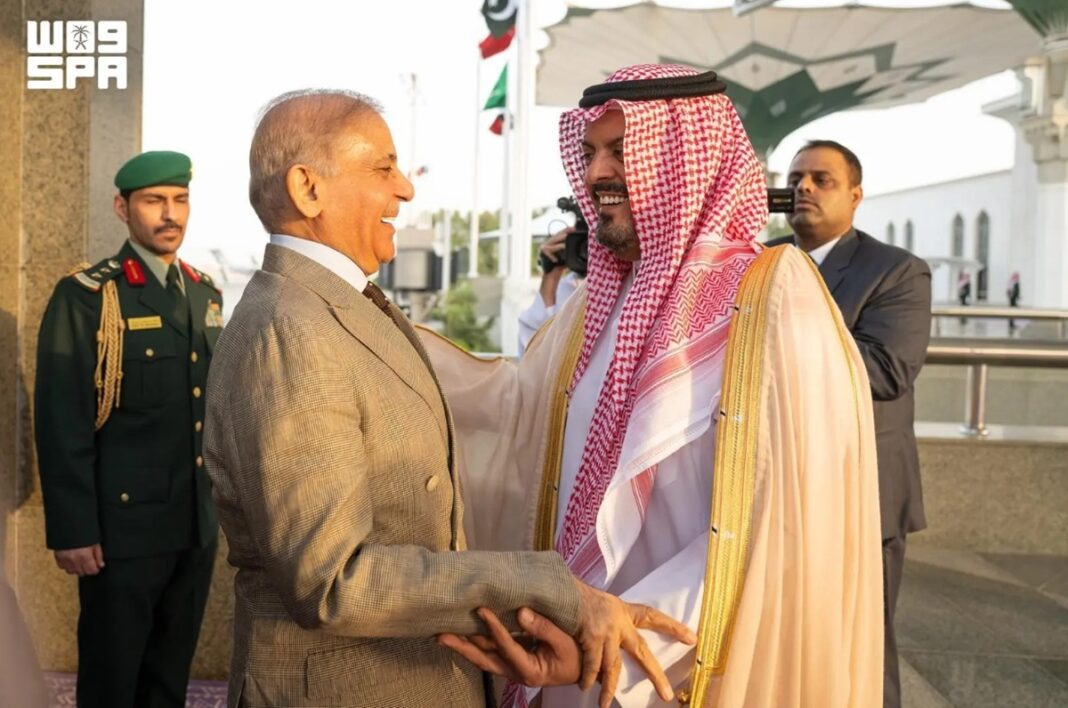

Pakistan has reaffirmed its commitment to regional diplomacy and conflict de-escalation, announcing that Prime Minister Shehbaz Sharif will undertake an official visit to Saudi Arabia from August 6 to 8 amid heightened tensions in the Gulf and continuing efforts to stabilize the Strait of Hormuz.
During the weekly press briefing, Foreign Office Spokesperson Shafqat Ali Khan outlined Pakistan’s diplomatic engagements over the past week, covering developments involving Saudi Arabia, Iran, Palestine, the United States, Australia, Bangladesh, Afghanistan, and Jammu and Kashmir.
The briefing also emphasized Pakistan’s continued role in supporting diplomatic efforts aimed at reducing tensions in the Gulf while strengthening strategic partnerships with key regional and international partners.
Prime Minister Shehbaz Sharif to Visit Saudi Arabia
The Foreign Office confirmed that Prime Minister Shehbaz Sharif will lead a high-level delegation to Saudi Arabia.
وزیراعظم محمد شہباز شریف سعودی ولی عہد و وزیرِ اعظم شیخ محمد بن سلمان بن عبدالعزیز آلسعود کی دعوت پر دورہء سعودی عرب کیلئے روانہ
نائب وزیرِ اعظم و وزیرِ خارجہ محمد اسحاق ڈار، آرمی چیف و چیف آف ڈیفینس فورسز فیلڈ مارشل سید عاصم منیر، وفاقی وزراء خواجہ محمد آصف، عطاء اللہ تارڑ اور… pic.twitter.com/uwSDRL4N7a
— Government of Pakistan (@GovtofPakistan) August 6, 2026
According to the spokesperson, the delegation includes:
- Deputy Prime Minister and Foreign Minister Ishaq Dar
- Chief of Army Staff and Chief of Defence Forces
- Senior federal ministers
During the visit, Prime Minister Sharif is expected to hold talks with Saudi Crown Prince and Prime Minister Mohammed bin Salman, focusing on:
- Pakistan-Saudi strategic partnership
- Regional security
- Gulf developments
- Bilateral cooperation
- International issues of mutual interest
The Foreign Office described the visit as another step toward strengthening the longstanding relationship between Islamabad and Riyadh, which it said is built on decades of cooperation and mutual trust.
Pakistan Continues Diplomatic Push on the Gulf Crisis
A major focus of the briefing was Pakistan’s continued diplomatic engagement regarding the crisis in the Gulf and the Strait of Hormuz.
According to the Foreign Office:
- Pakistan supports all efforts aimed at reducing tensions.
- Oman has played a constructive role in facilitating dialogue.
- Islamabad remains actively engaged with regional partners.
- Pakistan favors diplomatic solutions over military escalation.
The spokesperson welcomed initiatives designed to reduce tensions in the Strait of Hormuz, describing them as important for broader regional stability.
Support for Iran-US Dialogue
Responding to questions from journalists, the Foreign Office confirmed that Pakistan remains engaged with both Iran and the United States regarding regional diplomacy.
While declining to discuss confidential diplomatic exchanges, the spokesperson said Pakistan continues to support dialogue and hopes negotiations between Tehran and Washington will continue.
According to the Foreign Office, progress on the Strait of Hormuz could help create conditions for broader diplomatic engagement envisioned under previous understandings between the parties.
Ishaq Dar Participates in Jerusalem Ministerial Meeting
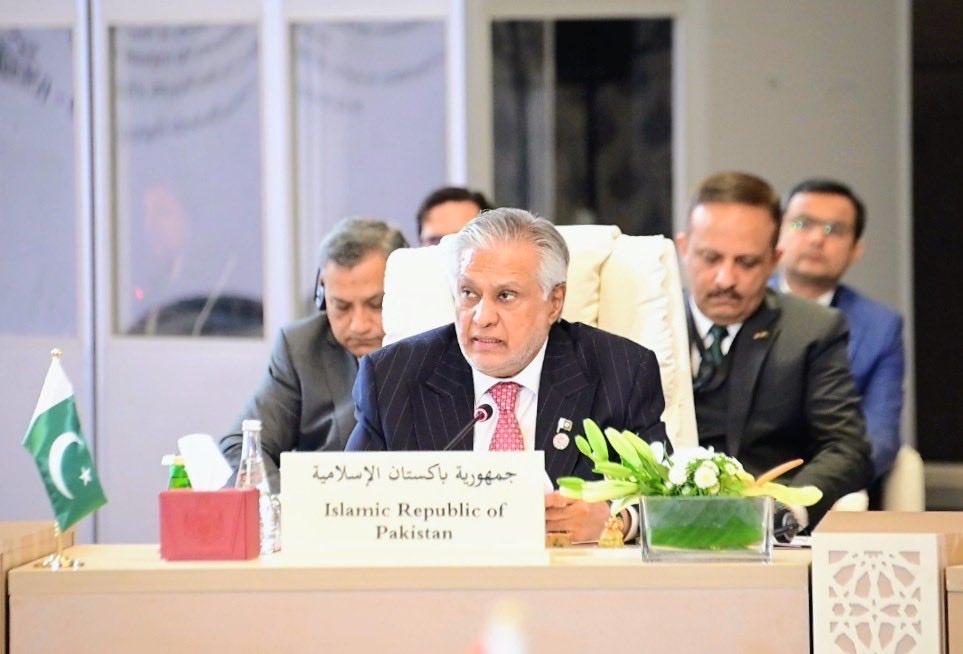
The briefing also highlighted Deputy Prime Minister and Foreign Minister Ishaq Dar’s participation in the Ministerial Meeting on Jerusalem held in Amman, Jordan.
Pakistan reiterated its support for:
- An independent Palestinian state
- Pre-1967 borders
- East Jerusalem (Al-Quds Al-Sharif) as the capital
- Palestinian self-determination
On the sidelines of the meeting, Ishaq Dar held discussions with the foreign ministers of:
- Jordan
- Türkiye
- Egypt
- Algeria
- Iraq
- Somalia
The Foreign Office also noted that the R-4 Group (Pakistan, Saudi Arabia, Türkiye, and Egypt) met to discuss Palestine and regional security.
Pakistan and US Hold Fourth Counterterrorism Dialogue
Another key announcement concerned the Fourth Pakistan-U.S. Counterterrorism Dialogue, held in Washington.
According to the Foreign Office, discussions focused on:
- Counterterrorism cooperation
- Border security
- Terrorist financing
- Regional security
- Intelligence cooperation
The spokesperson said both countries reaffirmed their commitment to combating terrorist organizations, including:
- ISIS-K
- Al-Qaida
- Tehreek-e-Taliban Pakistan (TTP)
- Balochistan Liberation Army (BLA)
Pakistan also confirmed that the fifth round of the dialogue is expected to take place in Islamabad next year.
Pakistan Rejects India’s Statements on Kashmir
Much of the question-and-answer session focused on Jammu and Kashmir.
The Foreign Office rejected recent statements issued by India’s Ministry of External Affairs concerning elections in Azad Jammu and Kashmir.
Pakistan maintained that:
- Jammu and Kashmir remains an internationally recognized disputed territory.
- India’s actions of August 5, 2019, cannot alter its legal status.
- The dispute should be resolved in accordance with UN Security Council resolutions.
The spokesperson also welcomed recent remarks by a United Nations spokesperson reiterating that unilateral actions do not change the internationally recognized status of Jammu and Kashmir.
Bangladesh, Afghanistan and Regional Issues
On Bangladesh, Pakistan said it continues diplomatic engagement with Dhaka while reiterating its policy of non-interference in Bangladesh’s internal affairs.
Regarding Afghanistan, the spokesperson stated:
- Pakistan does not seek conflict with Afghanistan.
- Concerns remain over militant groups allegedly operating from Afghan territory.
- Islamabad continues to call for action against terrorist networks threatening Pakistan’s security.
The Foreign Office emphasized that terrorism remains one of the principal challenges affecting bilateral relations.
Pakistan-Iran Trade and Border Cooperation
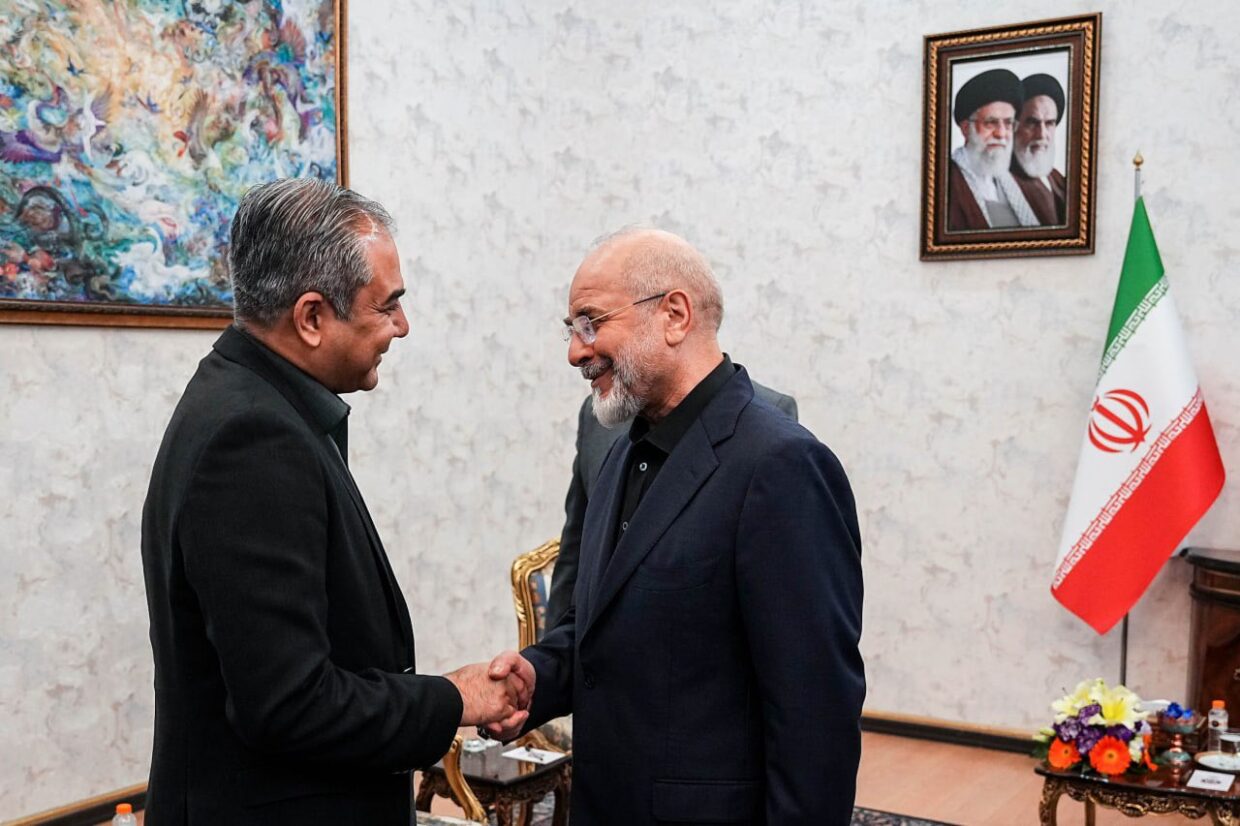
The spokesperson also confirmed Pakistan’s intention to continue trade with Iran through open border arrangements while ensuring compliance with applicable international constraints.
The Foreign Office said bilateral trade mechanisms take existing legal and international requirements into account and remain part of Pakistan’s broader economic engagement with neighboring countries.
Defence Cooperation and Maritime Security
The briefing also addressed questions regarding:
- Pakistan-Saudi defence cooperation
- Maritime security initiatives
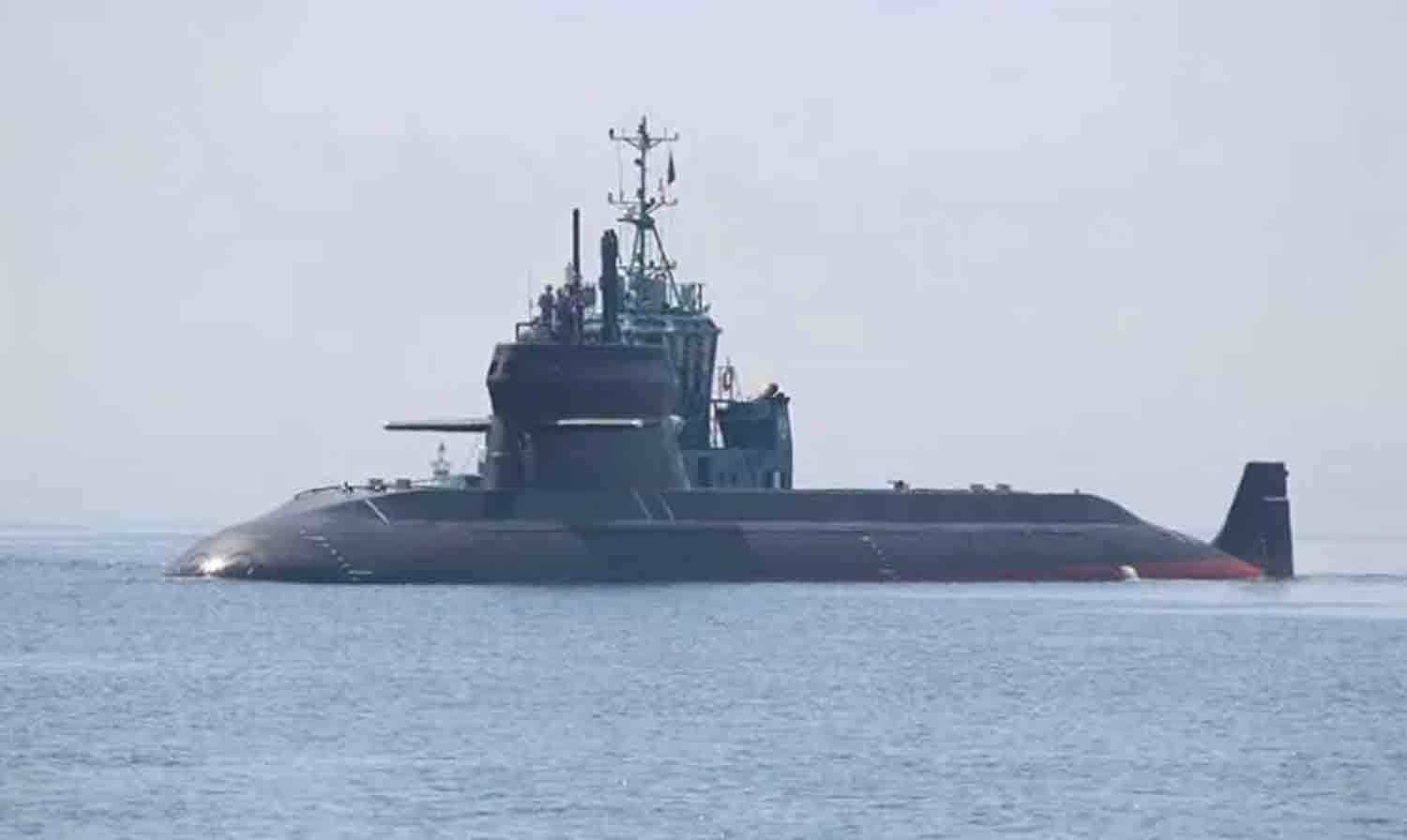
- A proposed Saudi-led naval security arrangement
- Defence exports
- JF-17 fighter aircraft sales
While declining to discuss operational military matters, the spokesperson confirmed that Pakistan remains engaged with Saudi Arabia on defence cooperation and said additional details regarding maritime security arrangements would become clearer as discussions progress.
Strategic Analysis
The latest Foreign Office briefing underscores Pakistan’s increasingly active diplomatic role amid a rapidly evolving regional security environment.
The announced visit of Prime Minister Shehbaz Sharif to Saudi Arabia, coupled with ongoing engagement with Iran, Oman, Jordan, and the United States, reflects Islamabad’s effort to balance strategic partnerships while promoting dialogue on issues ranging from the Strait of Hormuz to Palestine and regional counterterrorism.
The briefing also highlights Pakistan’s intention to maintain close coordination with Gulf partners, deepen security cooperation with Washington on counterterrorism, and continue advocating diplomatic solutions to regional crises. At the same time, longstanding issues—including Jammu and Kashmir, Afghanistan, and maritime security—remain central elements of Pakistan’s foreign policy agenda, according to the Foreign Office.