Turkey, Saudi Arabia and Pakistan are reportedly preparing to sign a new defence agreement in the Saudi city of Jeddah, according to separate reports published by Reuters, Arab News, Agence France-Presse (AFP) and Turkey’s Daily Sabah.
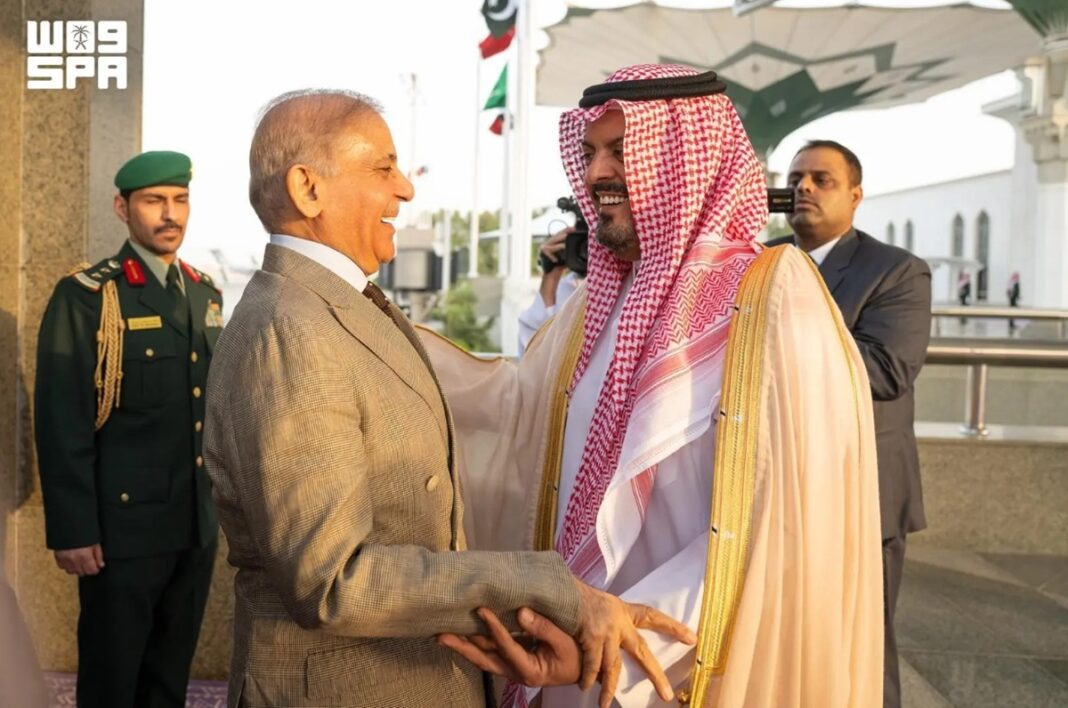
The agreement is expected to be signed during meetings involving Turkish President Recep Tayyip Erdoğan, Saudi Crown Prince Mohammed bin Salman, and Pakistani Prime Minister Shehbaz Sharif, who is accompanied by Pakistan’s Chief of Army Staff, Field Marshal Syed Asim Munir, and senior government officials.
Although officials from the three countries have not yet released the complete details of the agreement, regional sources quoted by international media outlets describe the proposed arrangement as a defensive security framework designed to strengthen regional stability amid continuing tensions in the Middle East.
Agreement Emerges During a Period of Regional Turbulence
The anticipated agreement comes at a time when the region is undergoing one of its most significant geopolitical crises in recent decades.
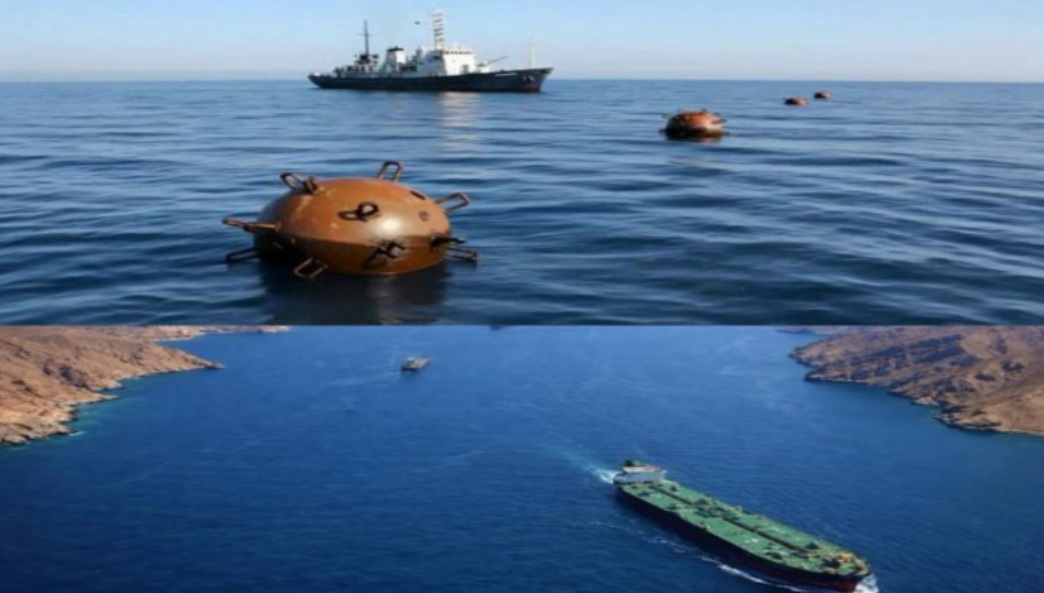
The conflict involving the United States, Israel and Iran has disrupted energy supplies, threatened maritime trade routes and heightened concerns regarding the security of the Strait of Hormuz and the Red Sea.
Recent diplomatic efforts by Oman and several regional states have reduced the immediate risk of escalation. However, concerns remain over the long-term security situation across the Gulf region.
According to the reports, the negotiations over the proposed defence agreement have continued for several months, but the deteriorating regional security environment appears to have accelerated the process.
What Is Known About the Proposed Agreement?
At the time of publication, the precise details of the pact remain unclear.
However, sources quoted by Reuters and AFP indicated that the agreement is intended to address common security threats while strengthening military cooperation among the three countries.
Turkish sources cited by local media described the agreement as a framework based on the principle of regional ownership, emphasizing that the arrangement is intended to be defensive rather than offensive in nature.
According to those reports, the agreement is expected to focus on:
- Territorial defence
- Intelligence sharing
- Joint military exercises
- Maritime security
- Defence industrial cooperation
- Crisis coordination
No official text of the agreement has yet been made public.
Saudi Arabia and Pakistan Already Share Close Security Ties
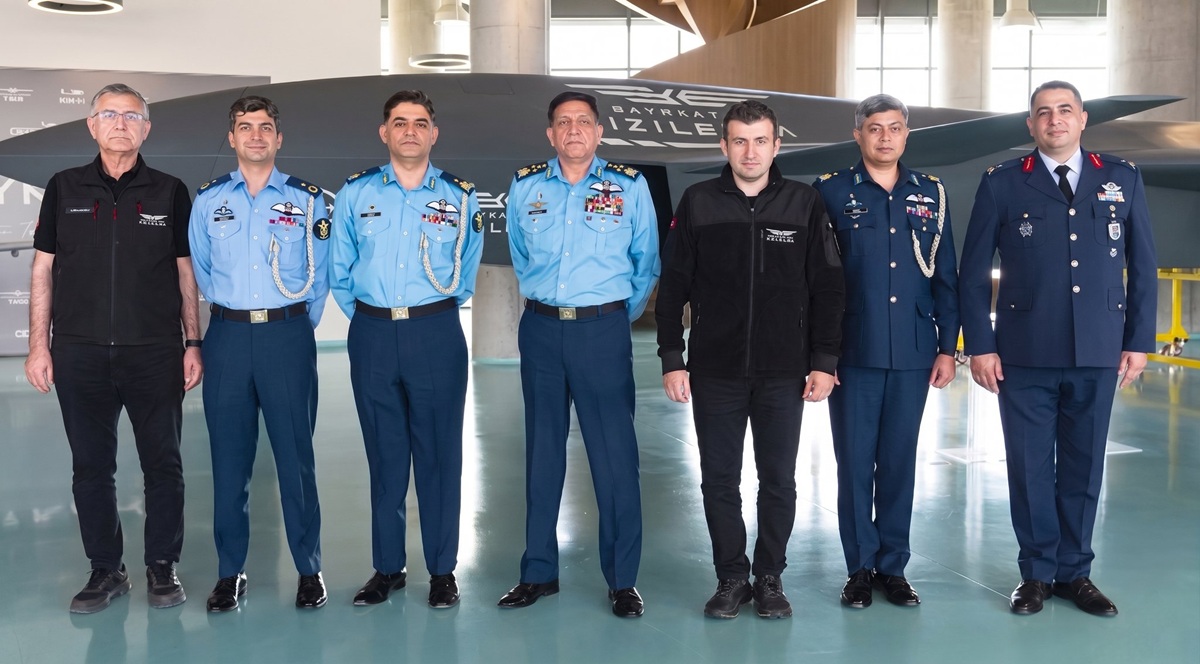
The proposed arrangement would build upon an already extensive security relationship between Saudi Arabia and Pakistan.
In 2025, the two countries announced a landmark defence agreement aimed at expanding military cooperation.
The agreement attracted significant international attention because Pakistan remains the only Muslim-majority country possessing a nuclear deterrent capability, while Saudi Arabia continues to be one of the world’s most influential economic and energy powers.
For decades, military cooperation between Islamabad and Riyadh has included:
- Joint military exercises
- Training programs
- Intelligence cooperation
- Defence consultations
- Counterterrorism initiatives
Türkiye’s Expanding Role in Regional Security
Türkiye has increasingly sought to establish itself as a major diplomatic and military power in the Middle East.
Ankara has significantly expanded its defence industry over the past two decades and has emerged as one of the world’s leading exporters of military technology, particularly unmanned systems.
Turkish-made platforms now operate across several regions, including:
- The Middle East
- Central Asia
- Africa
- Europe
Turkish Foreign Minister Hakan Fidan has previously advocated the creation of broader regional security mechanisms designed to reduce dependence on external powers and strengthen cooperation among regional states.
Pakistan’s Diplomatic Role
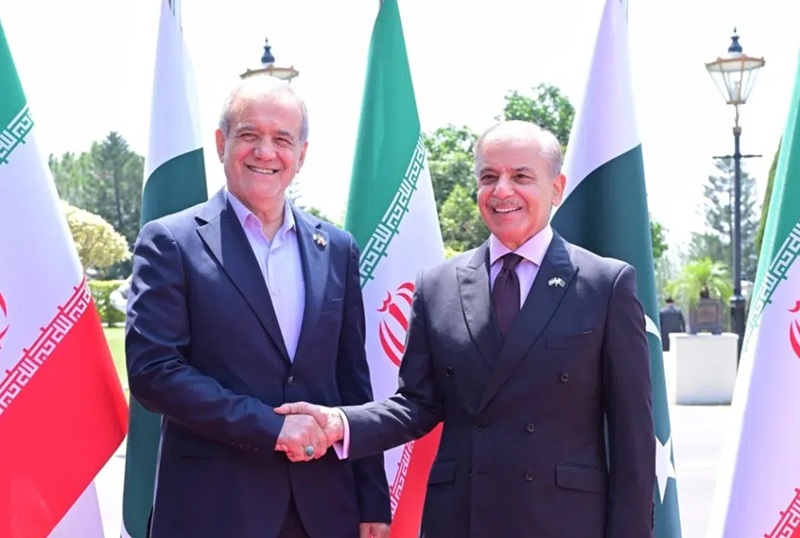
Pakistan has also played an active diplomatic role during the recent regional crisis.
Islamabad has maintained close communication with Washington, Tehran, Riyadh and Muscat while repeatedly emphasizing the need for diplomatic solutions.
Prime Minister Shehbaz Sharif’s current visit to Saudi Arabia comes against the backdrop of Pakistan’s broader efforts to support regional stability and protect vital maritime trade routes.
Pakistan’s strategic location, combined with its military capabilities, makes it a potentially important participant in any future regional security arrangement.
Why the Strait of Hormuz Matters
The proposed agreement also reflects growing concerns regarding the security of critical maritime chokepoints.
The Strait of Hormuz remains one of the world’s most important energy corridors, connecting the Persian Gulf to international markets.
Approximately one-fifth of global oil shipments normally pass through the waterway, making any disruption a matter of international concern.
Military planners are increasingly focused on:
- Maritime security operations
- Drone threats
- Ballistic missile attacks
- Critical infrastructure protection
- Energy supply routes
These concerns have intensified following repeated attacks on commercial shipping in recent months.
Potential Military Significance
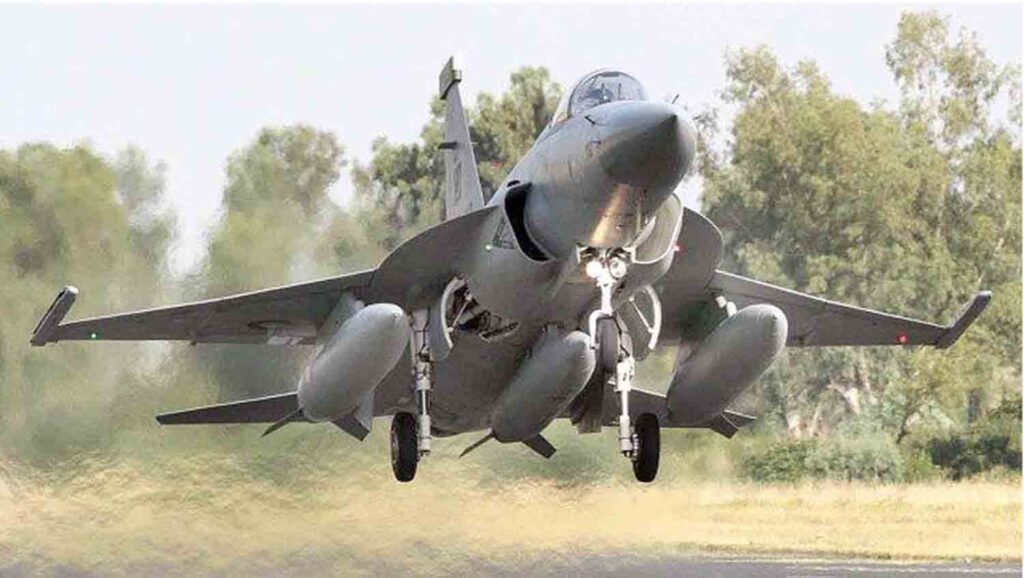
Although the complete details remain unknown, the agreement could have several important implications.
Integrated Maritime Security
The three countries occupy strategically important positions stretching from the eastern Mediterranean to the Arabian Sea.
Closer cooperation could improve maritime surveillance and intelligence-sharing capabilities across a vast geographical area.
Defence Industrial Cooperation
Türkiye’s rapidly expanding defence industry, Saudi Arabia’s financial resources and Pakistan’s military experience could create new opportunities for joint defence projects.
Enhanced Deterrence
Combined military cooperation among the three countries could contribute to strengthening regional deterrence capabilities amid growing instability.
Joint Training and Operations
Regular exercises and increased coordination could improve operational interoperability among their armed forces.
Strategic Analysis
The proposed agreement reflects broader efforts by regional powers to assume greater responsibility for their own security at a time of growing uncertainty across the Middle East.
While the agreement has been described as a purely defensive arrangement, its broader geopolitical implications could extend well beyond immediate security concerns.
The partnership would bring together three influential regional powers with complementary strengths:
- Türkiye’s defence industry and NATO experience
- Saudi Arabia’s economic influence and strategic location
- Pakistan’s military capabilities and nuclear deterrent
However, until official details are released, the exact nature of the agreement remains unclear.
For now, the reports indicate that regional actors are increasingly seeking new security frameworks as traditional alliances continue to evolve amid rapidly changing geopolitical realities.