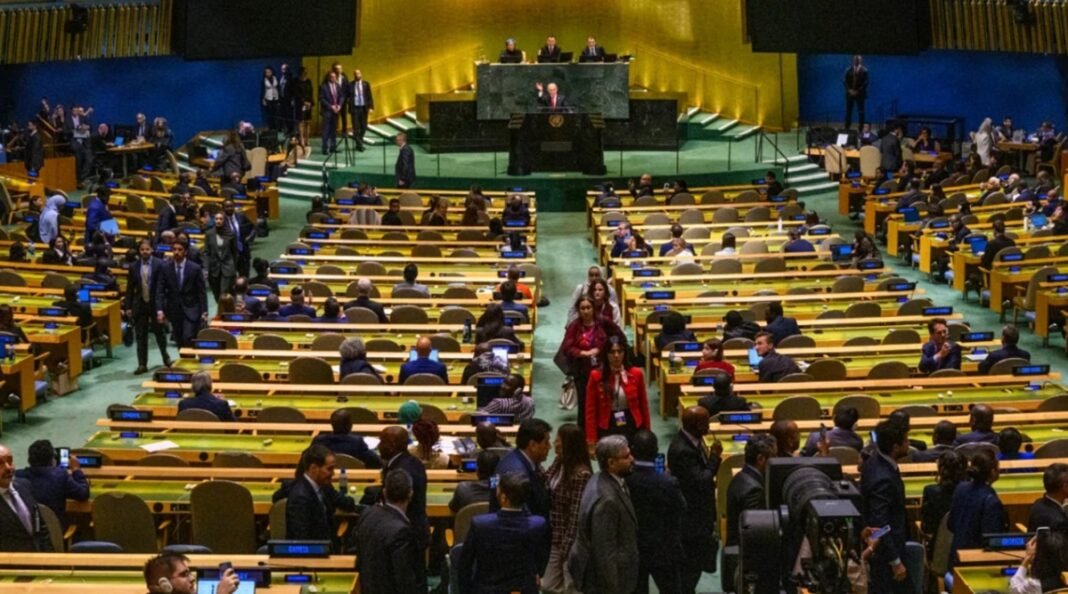
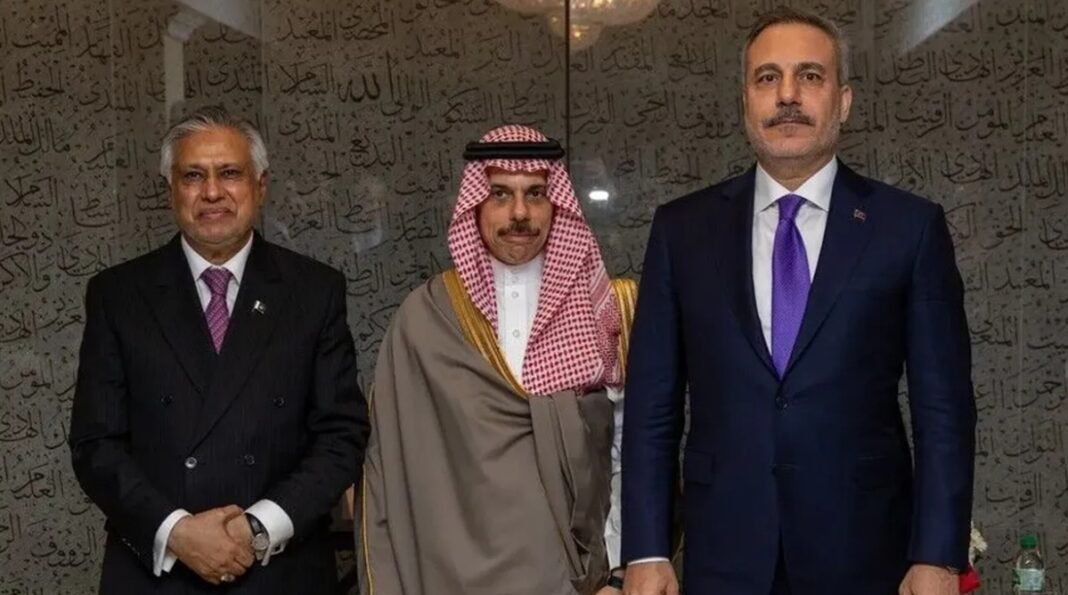
Yemen’s Houthi escalation against Saudi Arabia is pushing the newly signed Makkah Joint Defence Agreement into a critical phase, with Saudi Arabia, Pakistan and Türkiye preparing urgent military-level consultations as missile and drone attacks expand across the kingdom.
Saudi Arabia said its air defences intercepted six ballistic missiles fired by the Houthis toward Taif and the Red Sea port area around Yanbu on Thursday. The Houthis later claimed missile and drone attacks against what they described as a sensitive target in Riyadh and a Saudi Aramco facility in Yanbu.
The escalation comes only weeks after Saudi Arabia, Pakistan and Türkiye signed the Makkah Joint Defence Agreement in August, creating a trilateral security framework under which an armed attack against one of the three countries is regarded as an attack against all.
Now, the agreement is being discussed in the context of an active conflict involving Saudi territory, Yemen’s western coastline, the Red Sea and the strategically important Bab al-Mandab waterway.
The three countries’ foreign ministers have already discussed arrangements for an urgent meeting of their chiefs of staff to examine ways of supporting Saudi Arabia under the agreement.
Türkiye’s Chief of General Staff General Selçuk Bayraktaroğlu is due in Saudi Arabia for the meeting with his Saudi and Pakistani counterparts.
Houthi Attacks Expand the Yemen War Beyond the Border
The latest missile launches represent a significant expansion of the geographical dimension of the Yemen conflict.
Saudi authorities said six ballistic missiles were intercepted as they approached areas around Taif and Yanbu. The Houthis subsequently claimed attacks involving Riyadh and Yanbu.
Yanbu is particularly important because it is a major Red Sea energy and export hub. Its strategic value has increased as instability around the Strait of Hormuz has complicated regional energy flows.
Saudi Arabia has also issued security alerts covering several areas, including Makkah, Jeddah, Yanbu and Taif. Earlier in September, Saudi authorities reported intercepting a Houthi drone that they said was heading toward Makkah, although the Houthis denied responsibility.
The incident involving Makkah has given the latest confrontation an additional religious and political dimension because the city contains the Kaaba and Islam’s holiest sites.
Houthi Control of Yemen’s Red Sea Coast Changes the Equation
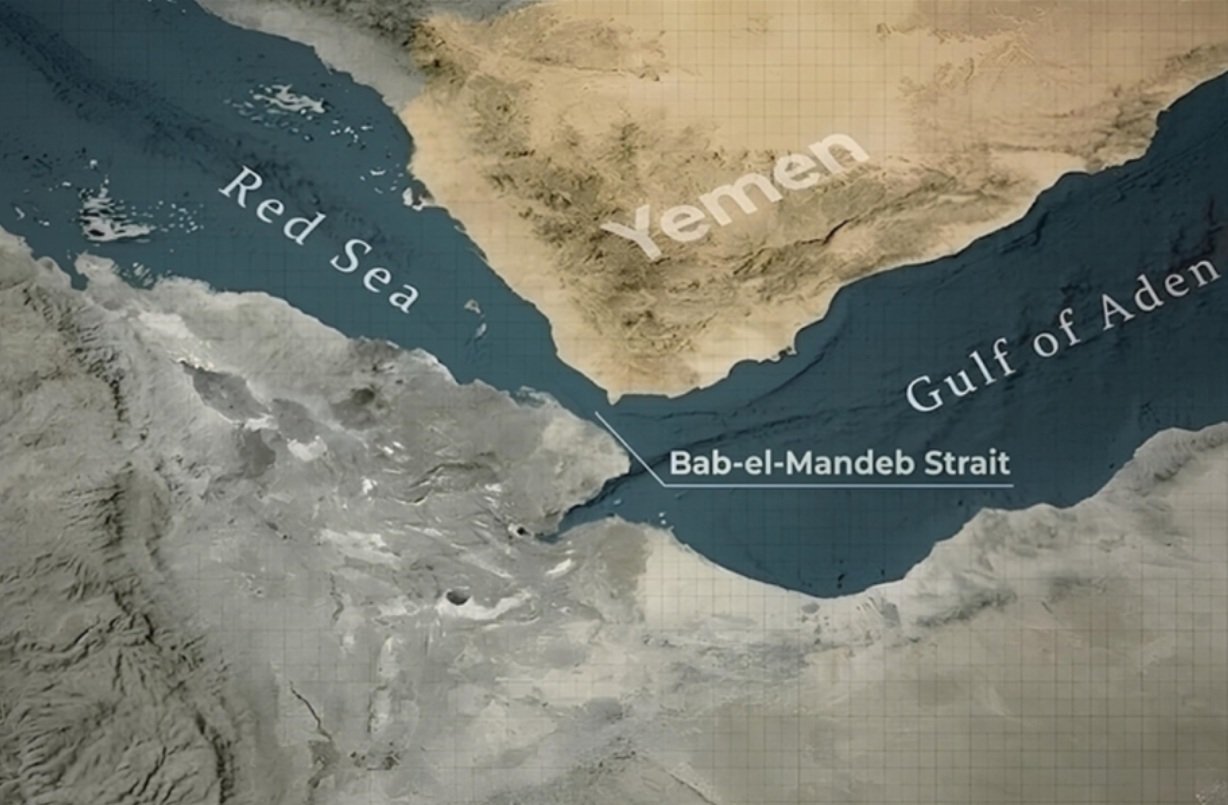
The Saudi-Houthi confrontation is occurring alongside major developments on the Yemeni battlefield.
The Houthis have expanded their control along Yemen’s western coastline and have moved toward strategically important positions around the Red Sea and Bab al-Mandab.
The developments have raised concerns over one of the world’s most important maritime corridors.
The Bab al-Mandab Strait connects the Red Sea with the Gulf of Aden and provides a major route for commercial shipping between Asia, the Middle East and Europe.
Yemen’s internationally recognised government has warned the United Nations that Houthi control around the waterway represents a wider international economic and maritime-security threat.
The conflict is therefore no longer simply a Saudi-Houthi confrontation.
It now links the security of Saudi Arabia to the Red Sea, global shipping and energy markets.
Makkah Defence Agreement Enters a More Important Phase
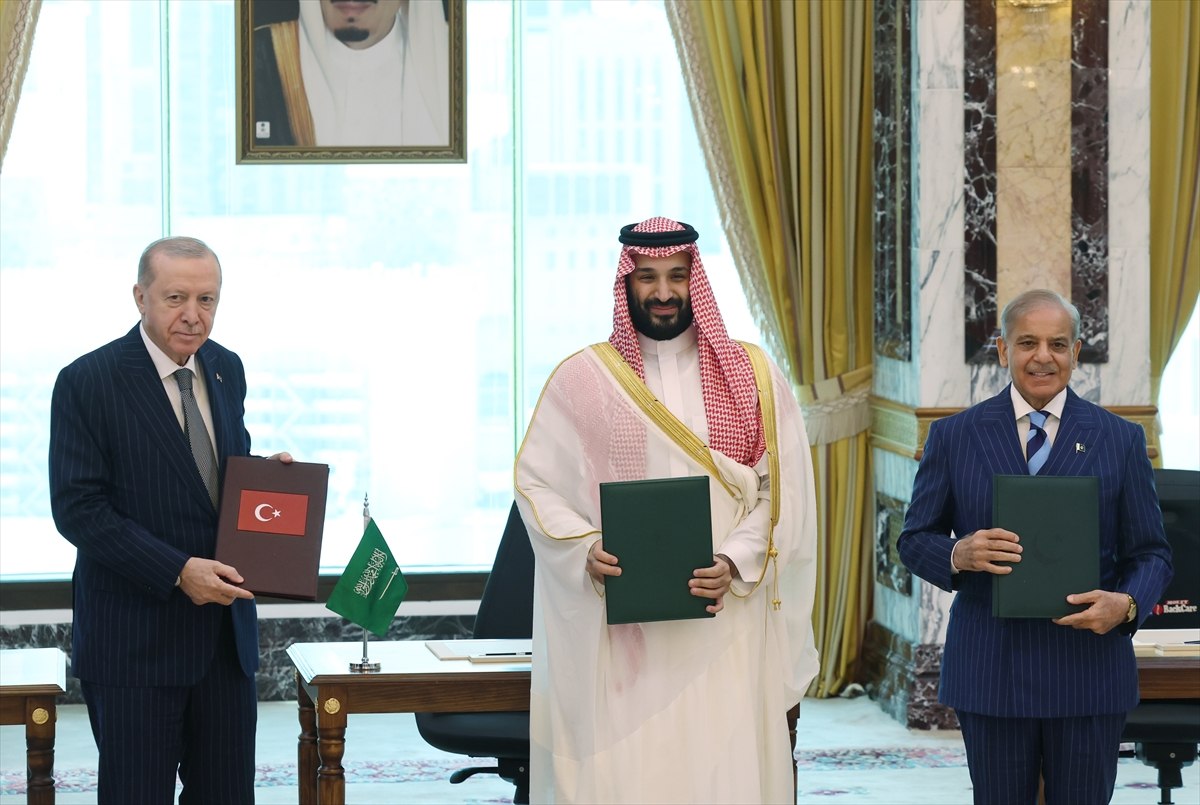
The Makkah Joint Defence Agreement was signed on August 7 in Makkah by Saudi Crown Prince Mohammed bin Salman, Turkish President Recep Tayyip Erdoğan and Pakistani Prime Minister Shehbaz Sharif.
The agreement says that an armed attack against any one of the three states will be regarded as an attack against all three. It also calls for broader defence cooperation among the three countries.
Pakistan has described the accord as defensive rather than directed against a particular country.
Pakistan’s Foreign Ministry said the agreement is intended to strengthen collective deterrence against external aggression and is consistent with the right of individual and collective self-defence under Article 51 of the UN Charter.
The pact was followed by the creation of a Strategic Political and Defence Committee.
The committee held its inaugural meeting in Istanbul on August 31, bringing together senior political, defence and military officials from the three countries.
The current Yemen escalation has now given that institutional structure a much more immediate security context.
Hakan Fidan Rejects the “Paper Tiger” Criticism
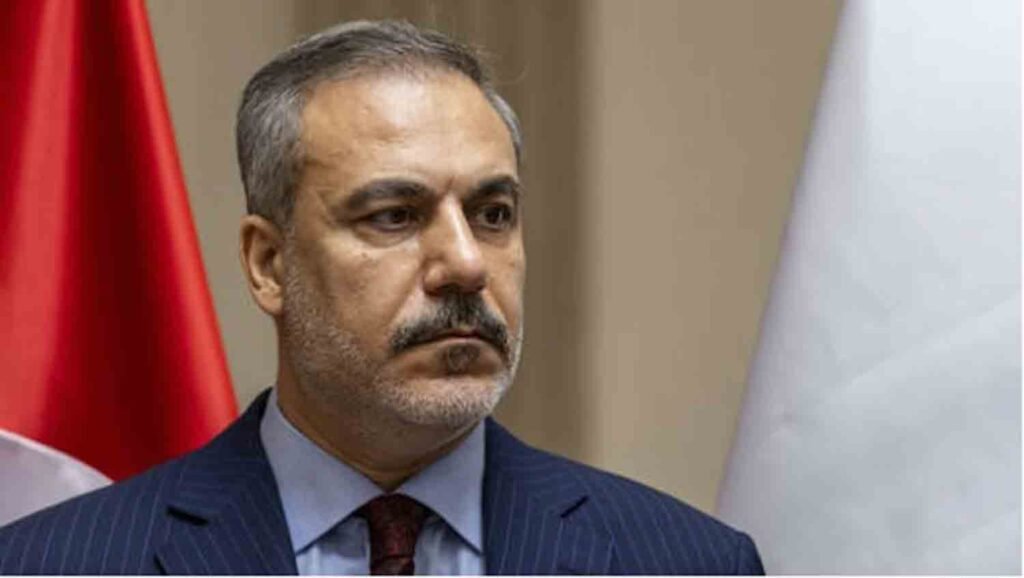
Turkish Foreign Minister Hakan Fidan has pushed back against criticism that the Makkah defence arrangement is too new to have practical value.
Responding to comparisons with NATO, Fidan argued that established alliances are not normally judged against decades-old conflicts immediately after their creation.
His message was that the Makkah framework has only recently been established and that its mechanisms are still being developed.
The argument is significant because criticism of the agreement has increasingly focused on whether it can translate its political commitments into practical military support.
Fidan’s response essentially places the emphasis on institution-building and implementation rather than immediate military intervention.
That distinction is important as Saudi Arabia faces a renewed Houthi missile and drone campaign.
Türkiye’s Parliament Has Not Yet Approved the Pact
There is also an important legal and institutional issue surrounding Türkiye’s participation.
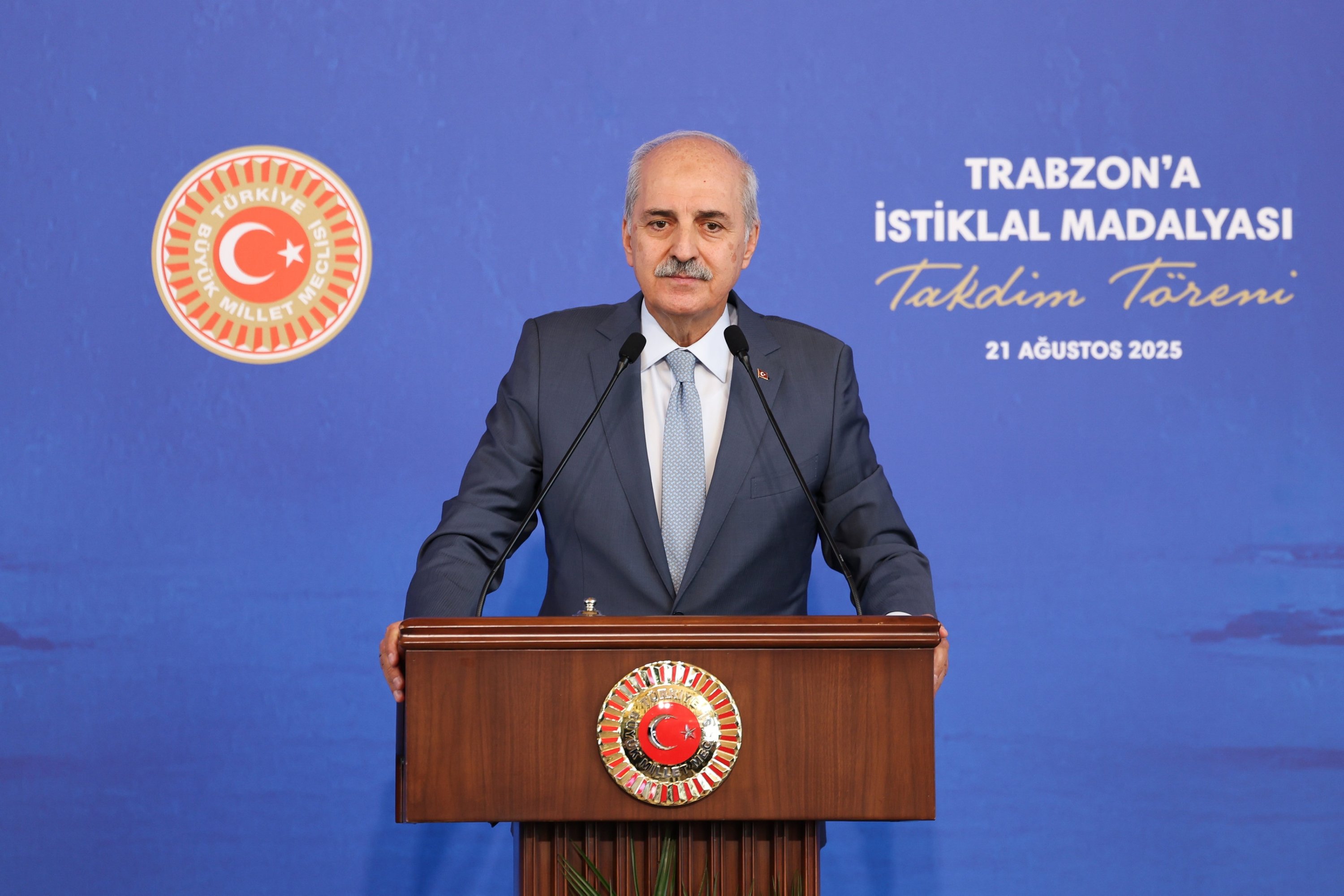
Turkish Parliament Speaker Numan Kurtulmuş said Friday that the Makkah Joint Defence Agreement has not yet been submitted to parliament for approval.
Kurtulmuş said he expects the agreement to be formally submitted when parliament returns from its recess next month.
“For international agreements to come into effect, parliamentary approval is needed,” Kurtulmuş said, adding that meetings currently being held under the agreement are preparatory.
This clarification provides important context to the planned meeting of the three countries’ military chiefs.
Türkiye is participating politically and militarily in consultations under the framework, but the formal parliamentary process remains unfinished.
That means the agreement’s operational development and its domestic legal ratification are proceeding on parallel tracks.
Why the Parliamentary Issue Matters
The Makkah agreement contains language resembling NATO’s collective-defence principle, but it should not automatically be treated as identical to NATO’s institutional structure.
NATO’s Article 5 operates within a long-established alliance system with decades of military planning, integrated command arrangements, established procedures and extensive interoperability.
The Makkah agreement is much newer.
Its institutions are still being developed.
Türkiye’s parliamentary approval process is also incomplete.
That does not mean the agreement has no practical significance.
It means that its precise military mechanisms are still emerging.
The upcoming chiefs-of-staff discussions could therefore be important in determining how collective defence is interpreted in practical terms.
Saudi Arabia’s Immediate Problem Is Air Defence
The most immediate requirement is protection against ballistic missiles and drones.
The scale of the latest attack illustrates the challenge.
Saudi Arabia said six ballistic missiles were intercepted on Thursday, while Reuters separately reported that a Greek-operated Patriot air-defence system in the wider Yanbu area intercepted a ballistic missile and a drone.
The attacks demonstrate why Saudi Arabia is likely to seek greater access to air-defence systems, interceptor missiles, radar coverage and early-warning capabilities.
For Pakistan and Türkiye, this could create opportunities for practical cooperation without necessarily requiring direct participation in ground combat in Yemen.
Yanbu Is a Strategic Houthi Target

The focus on Yanbu is especially significant.
The Red Sea port is linked to Saudi Arabia’s oil infrastructure and provides an alternative export route when shipping through the Strait of Hormuz is disrupted.
That makes the area strategically important at a time when the wider Middle East is already experiencing severe maritime and energy-security pressures.
The latest attacks contributed to a rise in oil prices, with Brent crude settling around $106.60 per barrel on September 24 after gaining about 3.4%.
A prolonged Houthi campaign against Saudi energy infrastructure could therefore have consequences well beyond Yemen.
The Makkah Dimension Raises the Stakes
The possibility of attacks affecting Makkah has added another layer to Saudi Arabia’s security calculations.
Saudi authorities recently reported intercepting a Houthi drone that they said was heading toward Makkah.
The Houthis denied the allegation.
Regardless of the dispute over responsibility, the incident demonstrated how quickly the conflict can acquire a religious dimension when threats approach Islam’s holiest city.
Saudi Grand Mufti Sheikh Saleh bin Fawzan Al-Fawzan has called on Saudi soldiers and forces involved in the Yemen conflict to remain united and defend Saudi territory and the holy sites.
The religious messaging reflects the sensitivity of any security threat involving Makkah and reinforces the Saudi government’s emphasis on protecting the kingdom’s territory and Islamic holy places.
Yemen’s War Is Becoming a Red Sea Conflict
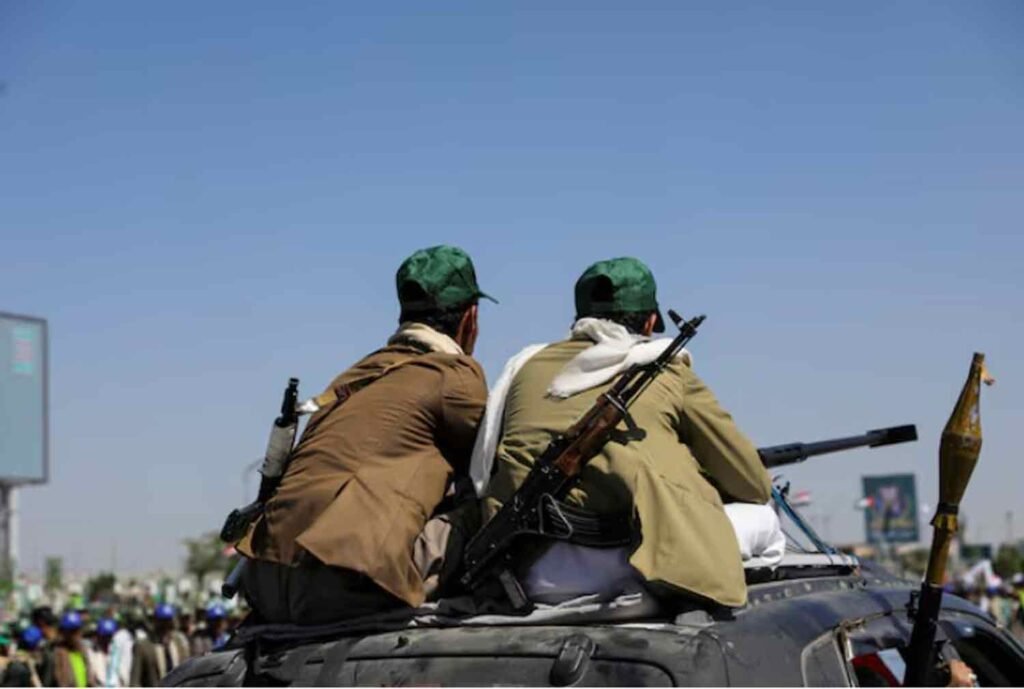
The latest developments suggest that the Yemen war is increasingly being shaped by geography.
Control of western Yemen provides the Houthis with access to the Red Sea coastline.
Control or influence around Bab al-Mandab provides additional leverage over maritime traffic.
Missile and drone attacks extend that pressure into Saudi territory.
At the same time, Saudi-backed Yemeni forces are fighting to prevent further Houthi expansion.
Recent clashes have included fighting around Taiz and routes linking Taiz with Aden and Lahij. The Institute for the Study of War reported that Yemeni government-aligned forces repelled a Houthi advance aimed at disrupting the Taiz-Aden ground line of communication.
The battlefield inside Yemen is therefore directly connected to the security calculations being made in Riyadh, Ankara and Islamabad.
France Also Moves to Help Protect Saudi Infrastructure
The growing threat to Saudi energy infrastructure has attracted assistance beyond the Makkah agreement.
French President Emmanuel Macron said France would provide military assets, including personnel, radars and defence systems, to help protect the Yanbu area.
This indicates that the immediate security requirement is increasingly centred on defensive protection of Saudi territory and critical infrastructure.
It also suggests that Saudi Arabia is seeking a broader network of air-defence and surveillance support rather than relying on a single alliance.
Pakistan’s Role Could Be Particularly Sensitive
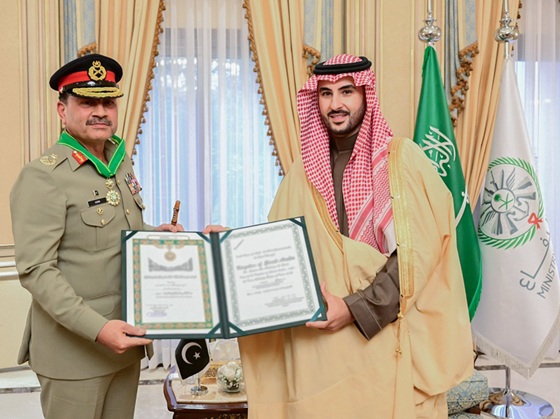
Pakistan has longstanding defence and security ties with Saudi Arabia, while its military has extensive experience in air operations, training and defence cooperation with Gulf states.
But Pakistan’s involvement in the Yemen conflict has historically been politically sensitive.
The Makkah agreement provides a different framework from the earlier Saudi-led military intervention in Yemen.
Its stated purpose is collective defence against external aggression rather than an automatic commitment to participate in every aspect of a regional war.
That distinction gives Islamabad room to support Saudi Arabia through defensive cooperation while maintaining its stated position in favour of regional de-escalation.
The upcoming military chiefs’ meeting could therefore focus heavily on defensive requirements rather than a decision for Pakistani forces to enter Yemen.
Türkiye’s Defence Industry Adds Another Dimension
Türkiye brings a significant defence-industrial component to the trilateral relationship.
Ankara has developed capabilities in unmanned systems, air defence, electronic warfare, missiles and other military technologies.
The Makkah agreement itself envisages deeper defence cooperation and defence-industry collaboration among the three countries.
The current crisis could therefore accelerate discussions over equipment, technology, maintenance and joint production.
But the parliamentary issue remains relevant.
Until Türkiye completes its domestic approval process, the legal status of the agreement inside Türkiye remains an important qualification to any discussion about its future military obligations.
What the Military Chiefs’ Meeting Could Change
The upcoming meeting between the Saudi, Pakistani and Turkish military chiefs could clarify several issues.
The most immediate is the type of assistance Saudi Arabia is seeking.
The second is how intelligence and early-warning information could be shared.
The third is the protection of Saudi energy and maritime infrastructure.
The fourth is the role of the three countries in securing the Red Sea and preventing the Yemen conflict from creating wider regional disruption.
And the fifth is how the collective-defence language of the Makkah agreement is translated into actual military planning.
The meeting therefore matters even if it does not result in a decision to deploy troops.
Military alliances are not defined only by combat deployments.
Their effectiveness also depends on planning, interoperability, intelligence, logistics, industrial cooperation and the ability to deter an adversary before a crisis becomes a larger war.
The Bigger Picture: Makkah Pact Meets Yemen Reality
The Yemen escalation has arrived at a sensitive moment for the Makkah Joint Defence Agreement.
The pact was signed only weeks ago.
Its strategic committee has held its first meeting.
Its military and political mechanisms are being developed.
And Türkiye’s parliament has yet to complete the domestic approval process.
At the same time, Saudi Arabia is confronting a growing missile and drone threat from Yemen’s Houthis.
That combination makes the coming weeks important for the future shape of the agreement.
The central issue is not simply whether Pakistan and Türkiye will fight alongside Saudi Arabia in Yemen.
The more immediate question is how the three states will build a collective security mechanism capable of responding to missile attacks, drone warfare, threats to energy infrastructure and maritime disruption without automatically turning every regional crisis into a larger war.
Hakan Fidan’s response to the criticism captures Ankara’s position: the alliance is new, its institutions are still developing, and its supporters do not believe its value can be judged solely through the lens of a conflict that has already lasted more than a decade.
Kurtulmuş’s parliamentary clarification adds an equally important qualification: the agreement still has a formal legal process to complete in Türkiye.
Meanwhile, Saudi Arabia is dealing with the immediate reality of missiles and drones launched from Yemen.
The Makkah agreement has consequently moved from diplomatic language into a much more demanding phase of institutional development, military coordination and regional crisis management.
And Yemen is now at the centre of that process.