Jaishankar’s October 23 visit to Baku highlights Azerbaijan’s effort to expand its diplomatic options as tensions emerge between Türkiye and Israel, its defence partnerships evolve, and relations with Pakistan and India enter a new phase.
Azerbaijan is navigating an increasingly complicated geopolitical landscape in which several of its most important partners are developing competing regional priorities. Pakistan supported Baku diplomatically during the Nagorno-Karabakh conflict, Türkiye remains its closest military ally, and Israel has become a major source of advanced defence technology. Yet Azerbaijan is also rebuilding relations with India, despite New Delhi’s longstanding defence partnership with Armenia and its differences with Islamabad.
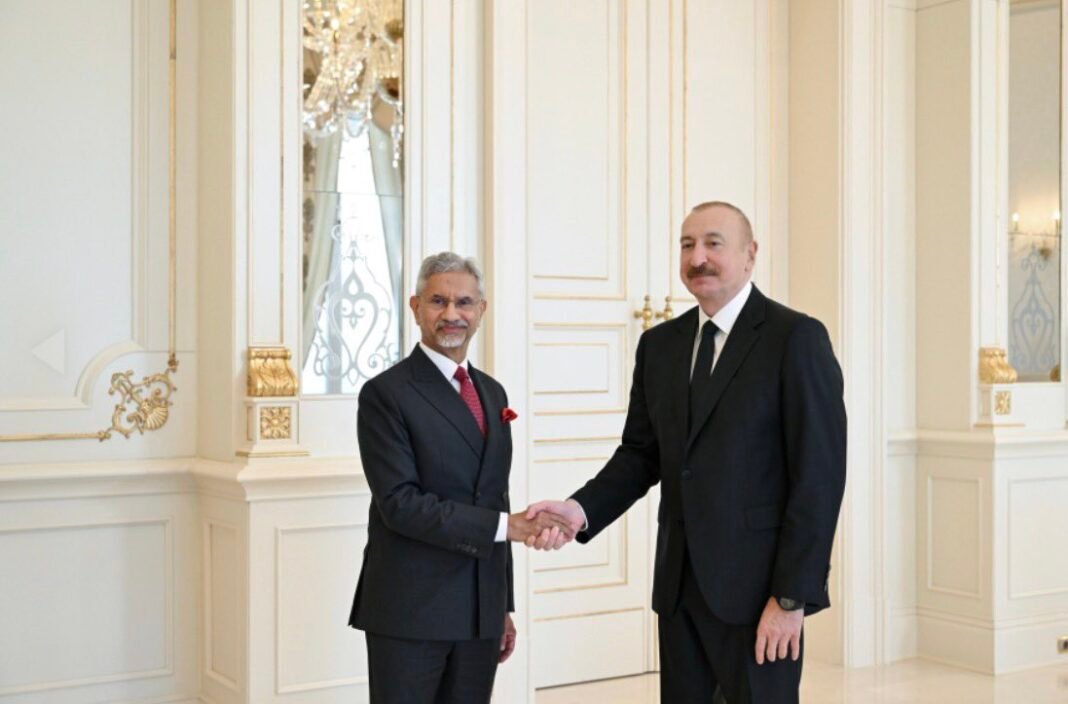
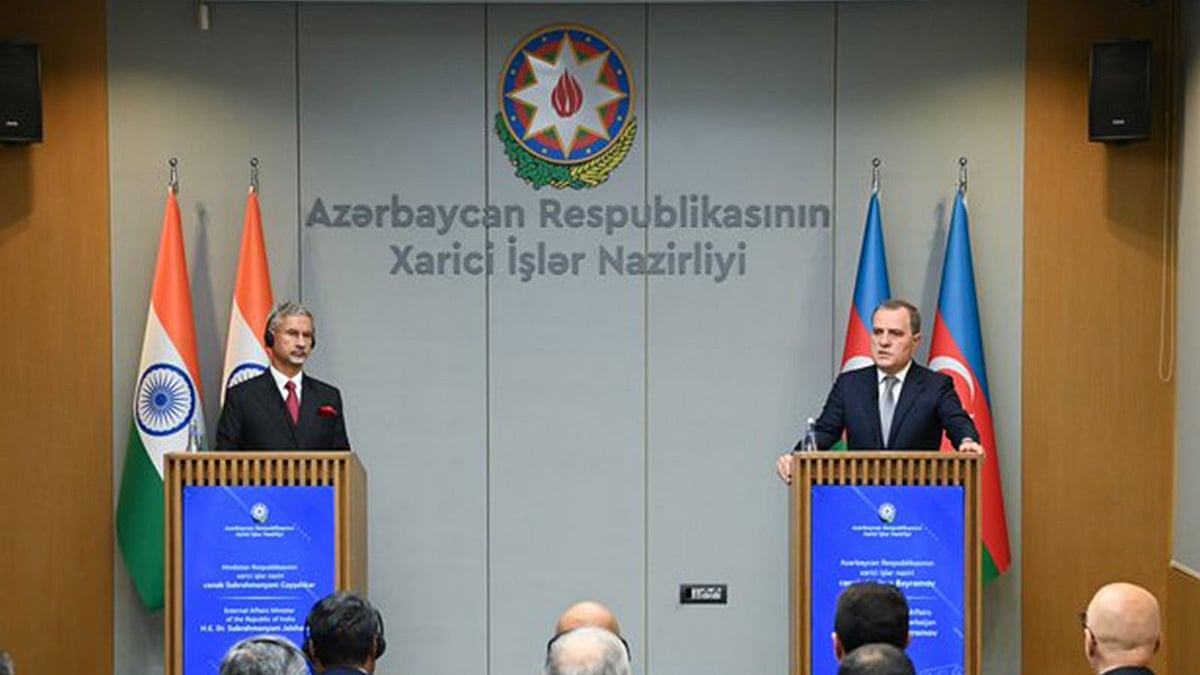
The latest indication of this balancing strategy came on October 23, when Indian External Affairs Minister S. Jaishankar visited Baku and met Azerbaijani President Ilham Aliyev and Foreign Minister Jeyhun Bayramov. Both sides discussed opportunities to expand cooperation across political, economic, energy, technological and humanitarian sectors.
The visit followed a period of strained India-Azerbaijan relations, particularly after Baku expressed support for Pakistan during the May 2025 India-Pakistan military confrontation. Its significance extends beyond bilateral diplomacy: Azerbaijan is seeking to preserve relationships with partners whose interests increasingly diverge over Türkiye, Israel, India and the wider Middle East.
At the same time, a dispute over religious dress rules in Azerbaijani schools has exposed unusual tensions between Baku and Ankara, while Israel continues to maintain important security and defence ties with Azerbaijan.
These developments do not establish that Azerbaijan is abandoning any of its established partners or joining a new geopolitical bloc. They instead illustrate a more pragmatic approach in which Baku seeks to preserve several valuable relationships without allowing any one of them to determine its entire foreign policy.
Jaishankar’s Visit to Baku Signals an India-Azerbaijan Reset

Jaishankar’s visit to Azerbaijan on October 23 represents a significant step towards repairing relations that deteriorated following the 2025 India-Pakistan confrontation.
According to the Azerbaijani presidency, Aliyev received the Indian foreign minister and discussed the current state and future prospects of bilateral relations. Both sides identified opportunities to expand cooperation in trade, investment, energy, high technology, culture and humanitarian affairs.
Indian reporting also highlighted discussions about the International North-South Transport Corridor, a network intended to improve connectivity between India, Iran, the South Caucasus, Russia and other markets.
The visit matters because Azerbaijan and India have overlapping economic interests despite their different regional security partnerships. India is a major economy with growing technological and industrial capabilities, while Azerbaijan occupies a strategically important position between Europe, Central Asia, Russia, Türkiye and Iran.
Baku can benefit from broader commercial relationships without necessarily changing its existing defence arrangements with Türkiye, Pakistan or Israel.
For India, improved relations with Azerbaijan could expand its diplomatic presence in the South Caucasus, strengthen regional connectivity and provide opportunities for economic cooperation.
The visit also demonstrates that the political fallout from the 2025 India-Pakistan confrontation has not permanently closed the door to diplomatic engagement between New Delhi and Baku.
Why Azerbaijan Supported Pakistan During the Nagorno-Karabakh Conflict
Pakistan and Azerbaijan developed close political ties after the Soviet Union dissolved and Azerbaijan became independent in 1991. Pakistan recognised Azerbaijan’s independence in December 1991, and diplomatic relations were established in June 1992.
Their relationship was reinforced by Pakistan’s diplomatic support for Azerbaijan during the Nagorno-Karabakh conflict.
For decades, Pakistan supported Azerbaijan’s sovereignty and territorial integrity while maintaining no formal diplomatic relations with Armenia. Islamabad’s position reflected its solidarity with Baku and its opposition to Armenian control over territories internationally recognised as part of Azerbaijan.
Azerbaijan, in turn, frequently expressed support for Pakistan on the Kashmir dispute and maintained close political ties with Islamabad.
The relationship acquired greater visibility during the 2020 Second Nagorno-Karabakh War and Azerbaijan’s 2023 operation that restored its control over the remaining territory of the former separatist region.
Türkiye provided substantial political and military support to Azerbaijan during the conflict, while Israeli-origin weapons and unmanned systems also played an important role in Azerbaijan’s military capabilities.
Pakistan’s contribution was primarily diplomatic, although military cooperation between Islamabad and Baku has expanded in subsequent years.
The three partnerships were complementary, but they were never identical. Türkiye’s alliance with Azerbaijan involves extensive political coordination and military integration, Israel has supplied advanced weapons and technology, and Pakistan has combined diplomatic support with defence cooperation.
This distinction is essential to understanding why Azerbaijan can maintain close ties with all three countries while pursuing additional partnerships elsewhere.
Pakistan-Azerbaijan Defence Cooperation Has Expanded
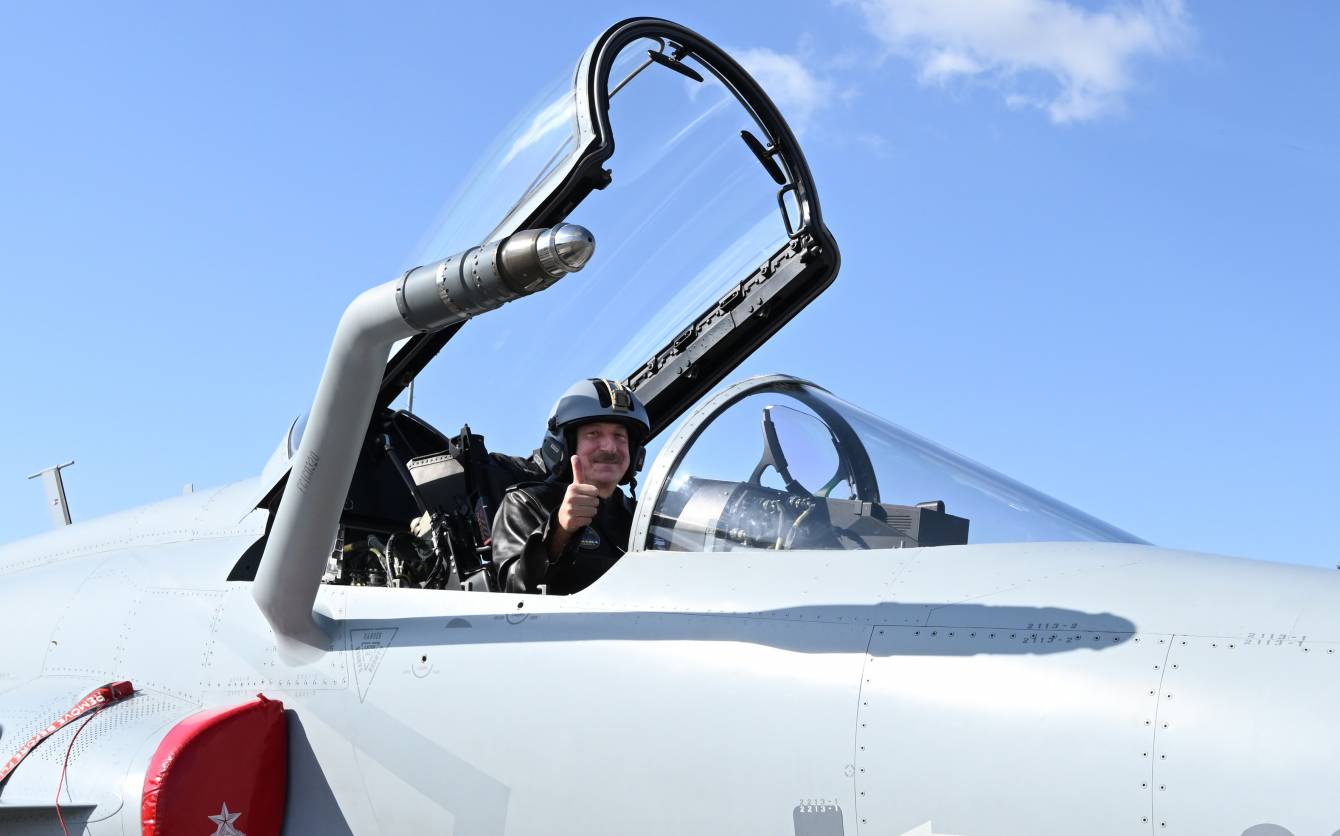
Pakistan’s defence relationship with Azerbaijan has moved beyond diplomatic statements to include a major combat-aircraft agreement.
In September 2024, Azerbaijan publicly presented JF-17C Block III multirole fighters and confirmed that the aircraft had been integrated into its air force. The JF-17 is jointly developed by Pakistan Aeronautical Complex and China’s Chengdu Aircraft Industry Group.
Reuters reported that Pakistan had signed a contract to sell the aircraft to Azerbaijan, although the number of aircraft and the contract’s financial value were not officially disclosed at the time.
The agreement was an important development for Pakistan’s defence industry because it demonstrated that the JF-17 had secured a foreign customer and provided a platform for further military cooperation.
For Azerbaijan, the aircraft offered another option for modernising its combat-air fleet. The acquisition also created opportunities for training, maintenance, technical support and longer-term defence-industrial engagement.
However, the sale does not place Pakistan on the same level as Türkiye in Azerbaijan’s military relationships. Ankara’s defence partnership with Baku extends across training, exercises, defence planning and military-technical cooperation under the 2021 Shusha Declaration.
Pakistan remains an important defence partner, but Türkiye’s relationship with Azerbaijan is more deeply embedded in the two countries’ political and military structures.
Pakistan’s Recognition of Armenia Changed the Diplomatic Equation
One of the most consequential changes in the regional picture occurred in August 2025, when Pakistan and Armenia agreed to establish diplomatic relations.
On August 31, Pakistan’s Deputy Prime Minister and Foreign Minister Ishaq Dar and Armenian Foreign Minister Ararat Mirzoyan exchanged a joint communiqué establishing formal diplomatic ties on the sidelines of the Shanghai Cooperation Organisation summit in Tianjin, China.
The move followed the US-brokered Armenia-Azerbaijan peace declaration signed in Washington on August 8, 2025.
For more than three decades, Pakistan had been the only UN member state that did not formally recognise Armenia. Islamabad’s decision to establish relations marked a change in a longstanding diplomatic position associated with its support for Azerbaijan over Nagorno-Karabakh.
This development does not mean Pakistan has abandoned Azerbaijan. The two countries continue to maintain close political relations and defence cooperation.
It does, however, illustrate that Islamabad’s diplomatic choices are not permanently fixed by the earlier conflict. Pakistan can maintain its support for Azerbaijan’s sovereignty while establishing normal diplomatic relations with Armenia.
Equally, Azerbaijan is not obliged to align every aspect of its foreign policy with Pakistan simply because Islamabad supported its position during the Nagorno-Karabakh conflict.
The establishment of Pakistan-Armenia relations therefore changes the diplomatic context in which Islamabad and Baku manage their partnership.
Türkiye Remains Azerbaijan’s Most Integrated Military Partner
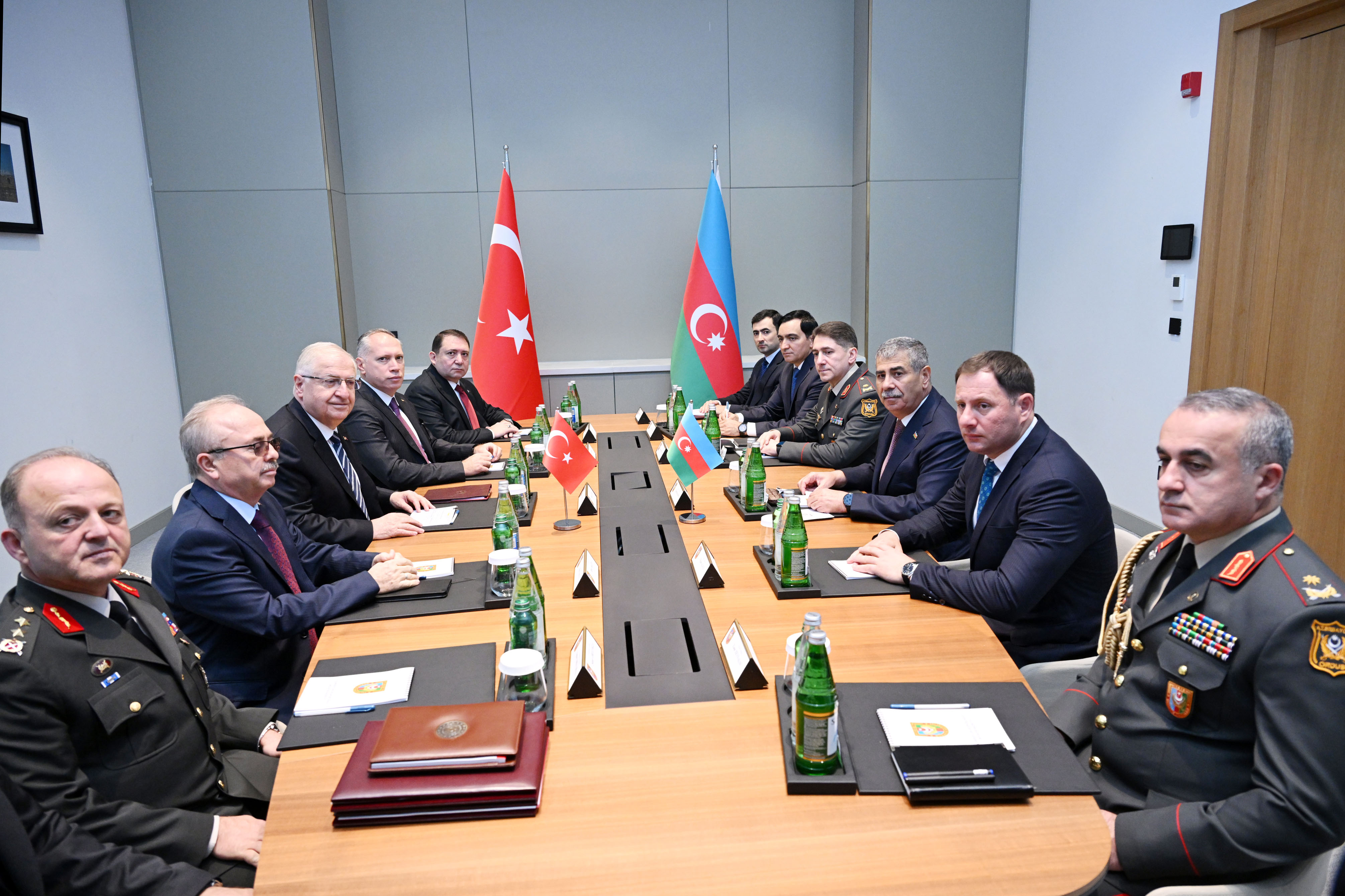
Despite recent political tensions, Türkiye continues to occupy a central position in Azerbaijan’s security policy.
The two countries formalised their allied relationship through the Shusha Declaration, signed by Presidents Recep Tayyip Erdoğan and Ilham Aliyev on June 15, 2021.
The declaration provides for closer coordination on defence and security, military training, exercises, defence technology and the modernisation of their armed forces. It also establishes a consultation framework for circumstances involving threats to either country’s sovereignty or security.
The agreement does not automatically require the same response to every security incident, but it provides a formal basis for a much deeper military partnership than a conventional arms-purchasing relationship.
The cooperation has continued in 2026. On October 2, Azerbaijani and Turkish defence ministers met in Shusha and discussed defence cooperation, regional security and the joint Power of Unity-2026 military exercise.
These developments underline the institutional depth of the relationship. Türkiye’s importance to Azerbaijan is not limited to political affinity or military equipment; it also involves regular exercises, training, defence planning and a broader strategic partnership.
Consequently, even if disagreements emerge between Ankara and Baku, a rapid collapse of their defence relationship should not be assumed.
The Hijab Dispute Exposes Tensions Between Baku and Ankara
A recent controversy over headscarves in Azerbaijani schools has exposed a rare public disagreement between the two governments’ political constituencies.
In late September, Azerbaijan introduced stricter school-uniform rules that prohibit clothing considered inconsistent with the secular character of public education. Although the regulations do not explicitly name the hijab, their enforcement has resulted in some students and teachers wearing headscarves being denied entry to schools.
The decision triggered protests and criticism from Turkish political figures, including Oktay Saral, an adviser to Erdoğan, who objected to restrictions affecting students who wear headscarves for religious reasons.
Azerbaijan’s governing New Azerbaijan Party responded by criticising what it considered interference in the country’s internal affairs. Aliyev also warned against outside interference in Azerbaijan’s way of life without explicitly naming Türkiye.
The dispute reflects a deeper difference in political approaches. Azerbaijan’s constitution defines the country as a secular state, and its leadership has repeatedly expressed concern about religious movements and foreign influence operating outside state control. Türkiye, meanwhile, has a political environment in which the governing party and prominent public figures more openly emphasise religious identity.
The controversy has also raised questions about religious freedom, education and the enforcement of secularism in Azerbaijan. Rights advocates have criticised the restrictions, while Azerbaijani officials have defended the state’s authority to regulate school uniforms.
It would be premature to interpret this disagreement as the end of the Turkish-Azerbaijani alliance. Nevertheless, it demonstrates that the partnership does not eliminate differences over domestic governance, religion and the limits of external influence.
Israel’s Defence Relationship With Azerbaijan Remains Strategically Important
Israel is another important element of Azerbaijan’s foreign policy, particularly in defence technology and security cooperation.
Azerbaijan has purchased Israeli-origin unmanned aerial vehicles, loitering munitions, guided weapons and air-defence systems. These capabilities helped diversify Azerbaijan’s military inventory and provided options for surveillance and precision strikes during its conflicts with Armenia.
Research published by the Middle East Institute, drawing on Stockholm International Peace Research Institute data, found that Israel accounted for 69% of Azerbaijan’s recorded major-arms imports during 2016–2020.
That figure applies to the specified five-year period; it should not be interpreted as Israel’s share of all Azerbaijani arms purchases today.
The relationship has also been supported by energy interests and wider security cooperation. Azerbaijan is an important energy supplier to Israel, while Israel has been able to maintain a strategic relationship with a predominantly Muslim country situated near Iran.
For Baku, Israeli defence technology has offered capabilities that complement its Turkish partnership. The two relationships serve overlapping but different purposes.
Türkiye provides an extensive political and military alliance, while Israel has been a significant supplier of specialised defence systems.
Azerbaijan therefore has reasons to preserve its relationship with Israel even as tensions between Ankara and Tel Aviv increase.
Türkiye-Israel Rivalry Complicates Azerbaijan’s Strategic Position
Relations between Türkiye and Israel have deteriorated over several regional issues, particularly the war in Gaza and their competing approaches to regional security.
Turkish leaders have sharply criticised Israeli military operations and Israeli policy towards the Palestinians. Israeli officials, meanwhile, have expressed concern about Türkiye’s growing regional influence and its policies in Syria and the wider Middle East.
Both countries remain significant regional powers, but their differences have increasingly affected their diplomatic relationships with other states.
Israel has also maintained close defence and strategic relations with India. This creates an additional complication for Azerbaijan because India has its own regional disagreements with Pakistan and has historically maintained defence cooperation with Armenia.
Nevertheless, the emergence of these competing relationships does not mean that Azerbaijan must choose one partner and abandon another.
States frequently maintain defence and economic relationships with countries that have disagreements among themselves. Whether such arrangements remain sustainable depends on the severity of those disagreements and the extent to which they directly affect the interests of the third country.
For Baku, the central challenge is to prevent Türkiye-Israel tensions from forcing it into a choice that could damage either its most integrated military partnership or its important defence-technology relationship.
There is currently insufficient evidence to conclude that Azerbaijan is preparing to break with either country. Its recent diplomatic activity instead suggests an effort to preserve room for manoeuvre.
Some Azerbaijani Voices Question Support for Pakistan Over Kashmir
Azerbaijan’s improving relationship with India has also revived debate within Azerbaijani commentary about the relationship with Pakistan.
One argument advanced by Azerbaijani commentators is that Baku’s support for Pakistan over Kashmir should not be treated as an obligation that automatically determines its relationship with India.
This perspective draws a distinction between Azerbaijan’s position on Nagorno-Karabakh, where Baku emphasised territorial integrity and the restoration of internationally recognised borders, and Pakistan’s position on Kashmir, where Islamabad emphasises self-determination and the disputed territory’s political status.
Some commentators also argue that Azerbaijan’s secular political identity and its national interests should take precedence over assumptions that it must align itself with other Muslim-majority countries on every international question.
These are arguments made by individual commentators, not an official Azerbaijani decision to withdraw support for Pakistan on Kashmir.
The distinction matters because Azerbaijan’s foreign policy has generally sought to combine solidarity with Pakistan and Türkiye with the pursuit of its own economic and strategic objectives.
The latest Jaishankar visit demonstrates that Baku is prepared to engage New Delhi despite its established relationship with Islamabad.
At the same time, a diplomatic reset does not automatically mean Azerbaijan will endorse India’s positions on every regional dispute. Nor does it establish that Baku intends to reduce defence cooperation with Pakistan.
The likely test will be whether Azerbaijan can expand economic and political engagement with India while preserving its existing partnerships.

Is a Wider Anti-Türkiye or Anti-Pakistan Bloc Emerging?
The changing relationships between Azerbaijan, Türkiye, Israel, Pakistan and India form part of a wider pattern of overlapping strategic partnerships. However, describing them as a coherent new bloc would go beyond the available evidence.
Israel and India maintain extensive defence ties. Türkiye has its own security disagreements with Israel, while Pakistan’s relationship with India remains shaped by longstanding disputes and military competition.
Greece and Cyprus have also developed security cooperation with Israel, in part because of shared concerns about regional developments and Türkiye’s influence. Yet these partnerships have their own national priorities and do not automatically constitute a unified alliance against Ankara.
Likewise, closer ties between Azerbaijan and India do not necessarily mean Baku is joining an Israeli-Indian strategic grouping.
Azerbaijan’s priorities include territorial security, energy exports, regional transport routes, defence modernisation and maintaining influence in the South Caucasus. Those interests may encourage cooperation with different partners on different issues.
The emerging pattern is better understood as a network of overlapping relationships rather than a rigid division into opposing camps.
This flexibility gives countries like Azerbaijan opportunities to attract investment, acquire military technology and improve diplomatic access. It also creates risks when tensions between partners become too serious to manage through careful diplomacy.
What the Changing Relationships Mean for Pakistan
For Pakistan, Azerbaijan’s diplomatic engagement with India should be understood as a reminder that bilateral relationships are based on continuing national interests rather than permanent political obligations.
Pakistan’s support during the Nagorno-Karabakh conflict helped build trust with Baku. The JF-17 Block III agreement has added a tangible defence-industrial dimension to that relationship.
But Azerbaijan also has economic and diplomatic reasons to engage India, one of the world’s largest economies. Its improving ties with New Delhi do not automatically invalidate its partnership with Islamabad.
Pakistan can preserve and strengthen its relationship with Azerbaijan through continued diplomatic engagement, reliable defence cooperation, trade and mutually beneficial projects.
The same principle applies to Pakistan’s new diplomatic relationship with Armenia. Establishing ties with Yerevan does not require Islamabad to abandon its support for Azerbaijan’s sovereignty or territorial integrity.
The strategic question is whether Pakistan can maintain a close relationship with Baku while allowing both countries sufficient independence to pursue their own national interests.
Conclusion: Azerbaijan Is Expanding Its Options, Not Necessarily Changing Sides
Azerbaijan’s relations with Pakistan, Türkiye, Israel and India are becoming more complex, but the available evidence does not show that Baku has decided to abandon any of its principal partnerships.
Türkiye remains Azerbaijan’s most deeply integrated military ally, supported by a formal allied declaration and continuing defence cooperation. Israel remains an important source of advanced military technology, while Pakistan has developed a defence relationship that includes the JF-17 Block III fighter aircraft and longstanding diplomatic support.
India’s renewed engagement with Azerbaijan adds another dimension to Baku’s foreign policy, offering opportunities in trade, energy, technology and regional connectivity.
The hijab controversy demonstrates that even close allies can disagree over sovereignty and domestic governance. Pakistan’s establishment of diplomatic relations with Armenia shows that longstanding regional positions can evolve as circumstances change.
The central lesson is that diplomatic solidarity does not remove the need for independent foreign-policy decisions. Azerbaijan may continue to support Pakistan on some issues while deepening relations with India, just as it can preserve ties with Türkiye while maintaining security cooperation with Israel.
Whether these relationships become more difficult to sustain will depend on future regional crises, the evolution of Türkiye-Israel relations and the practical interests of each government.
For now, Azerbaijan’s approach is best understood as strategic balancing: preserving established partnerships while expanding its diplomatic and economic options in an increasingly interconnected geopolitical environment.