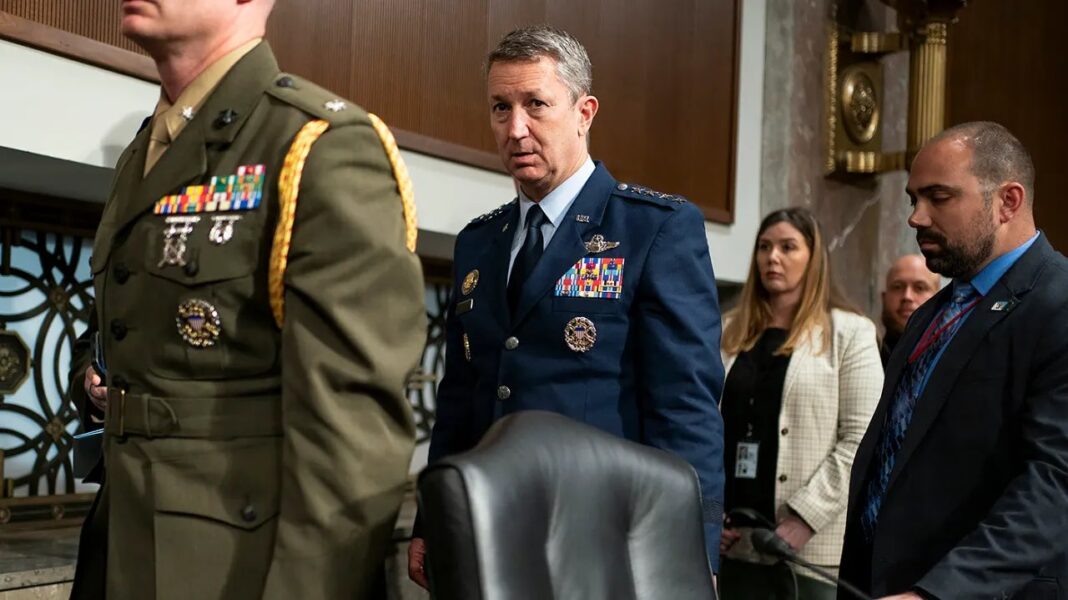
The United States is moving closer to potential military action against Iran, as President Donald Trump prepares to receive a high-level briefing from Admiral Brad Cooper on new operational plans.
At the same time, Washington is awaiting a revised Iranian peace proposal that could arrive on friday — setting the stage for a critical turning point in the crisis.
CENTCOM Strike Plan: “Short and Powerful” Option on the Table
According to sources, U.S. Central Command (CENTCOM) has developed a plan for a “short and powerful” wave of strikes targeting Iranian infrastructure.
The objective is clear:
- Break the diplomatic deadlock
- Pressure Tehran into concessions
- Avoid prolonged conflict
The proposed strikes would likely focus on strategic infrastructure and military assets, signaling escalation without full-scale war.
Hypersonic Option: ‘Dark Eagle’ Deployment Under Consideration
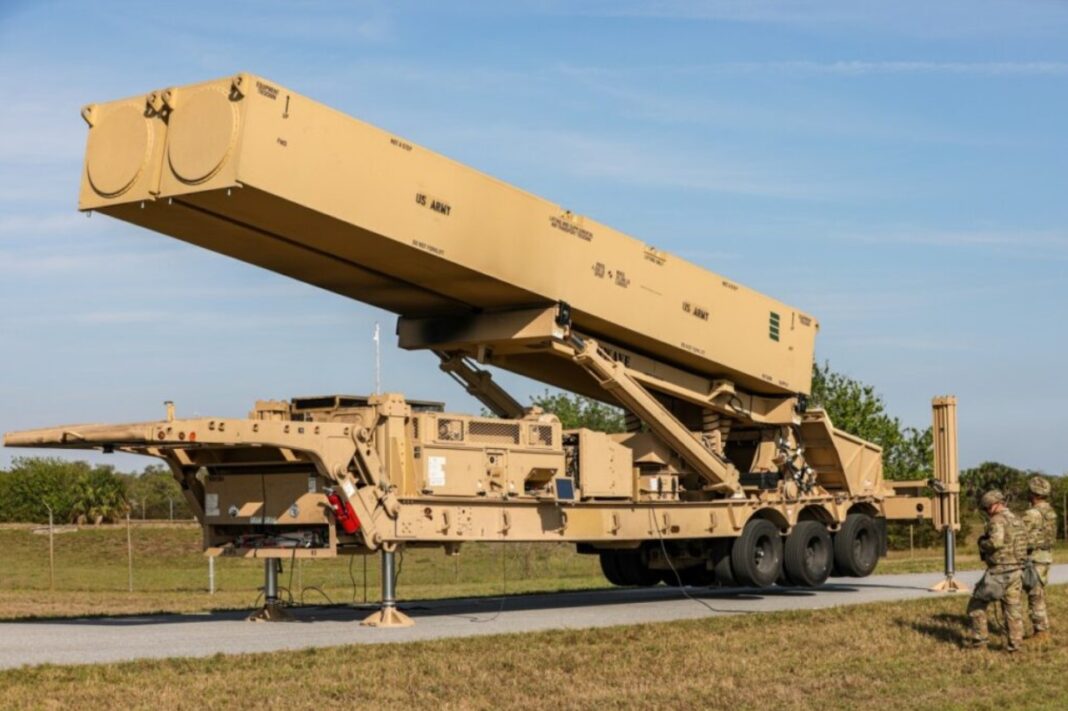
In a significant technological escalation, CENTCOM has requested approval to deploy the Dark Eagle hypersonic missile to the Middle East.
Key features:
- Range of approximately 1,725 miles (2,775 km)
- Ability to strike high-value targets beyond current system reach
- Designed to evade traditional missile defenses
If approved, this would mark the first operational deployment of a U.S. hypersonic weapon — a major shift in modern warfare dynamics.
Hormuz Strategy: US Builds New Maritime Coalition
Parallel to military planning, Washington is launching a diplomatic initiative to secure global shipping routes.
The proposed coalition — dubbed the “Maritime Freedom Construct” — aims to:
- Protect vessels in the Strait of Hormuz
- Share intelligence among partners
- Coordinate diplomatic pressure
- Enforce sanctions
U.S. diplomats have been instructed to recruit allied nations urgently, highlighting the strategic importance of keeping the vital waterway open.
More Aggressive Options: Hormuz Seizure and Special Operations
Beyond airstrikes, U.S. planners are reportedly considering more direct interventions:
- Partial control of the Strait of Hormuz to ensure commercial shipping
- Deployment of ground forces if necessary
- Special forces operation targeting Iran’s highly enriched uranium stockpiles
These options reflect a widening escalation ladder — from economic pressure to direct military intervention.
Iran Responds: “Blockade Will Fail”
Iran has issued strong warnings against U.S. actions.
President Masoud Pezeshkian declared that any attempt to block Iranian ports is:
“Contrary to international law… and doomed to failure.”
The statement came amid National Persian Gulf Day, where Iran framed the Strait of Hormuz as a symbol of resistance.
Meanwhile, senior military adviser Mohsen Rezaei warned:
“If the blockade continues, Iran will respond.”
He dismissed the effectiveness of the U.S. blockade, claiming Iran can bypass restrictions via the Indian Ocean.
Economic Pressure vs Military Escalation
The U.S. strategy currently centers on economic strangulation through blockade, which has:
- Severely limited Iran’s oil exports
- Triggered currency decline
- Increased domestic economic pressure
However, Washington is preparing military options in case Tehran refuses to compromise.
Global Stakes: Energy, Security and War Risk
The crisis has major global implications:
- Nearly 20% of global oil flows through Hormuz
- Disruptions are driving volatility in energy markets
- Insurance costs and shipping risks are rising
Any escalation could quickly transform into a regional or global economic shock.
Conclusion: Diplomacy on the Edge of War
The coming days could prove निर्णायक.
With:
- A potential Iranian proposal imminent
- U.S. military plans ready
- Hypersonic weapons entering the equation
The crisis is approaching a tipping point.
Whether diplomacy prevails — or escalation begins — will define the next phase of Middle East security.