India is trying to preserve strategic autonomy at a time when its decades-old defence relationship with Russia increasingly intersects with its expanding partnership with the United States. The meeting between Vladimir Putin and S. Jaishankar in Moscow comes as India faces pressure over Russian oil, but defence remains the harder issue: Russian-origin systems still form a major part of India’s military inventory, Moscow is offering the Su-57 fifth-generation fighter, and New Delhi must balance Russian technology with growing cooperation with Washington, France and Israel.
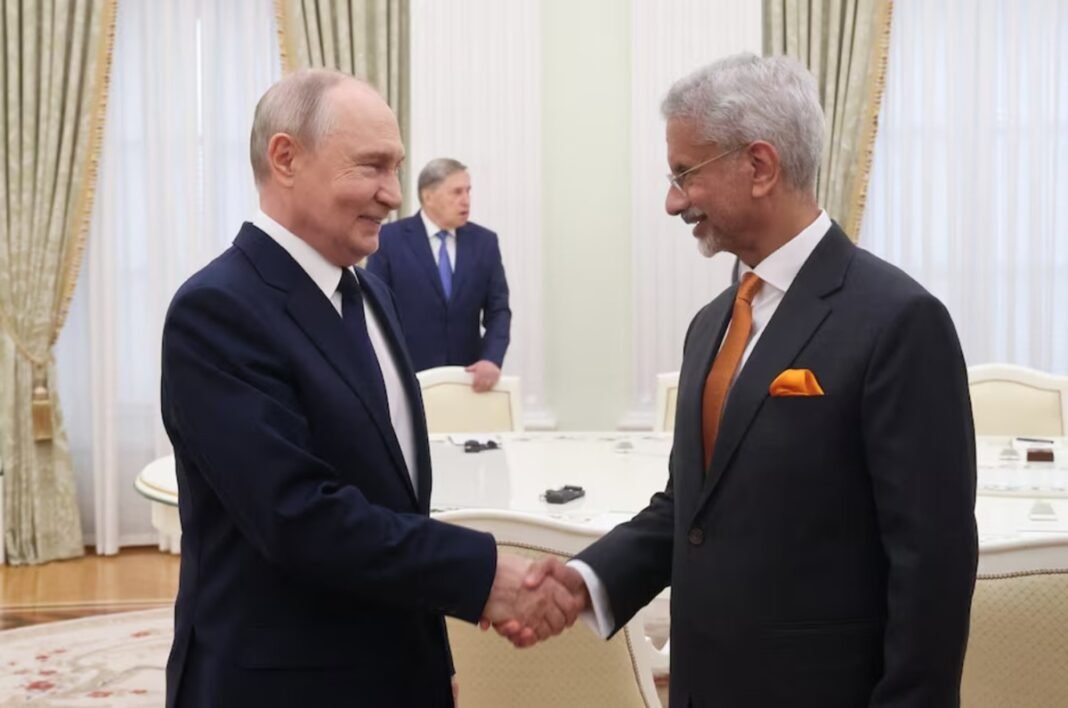
Russian President Vladimir Putin’s meeting with Indian External Affairs Minister S. Jaishankar in Moscow highlights a strategic dilemma that goes far beyond oil.
#WATCH | EAM Dr S Jaishankar meets Russian President Vladimir Putin in Moscow, Russia.
(Source: Russian Pool via Reuters) pic.twitter.com/VrrIirbd7i
— ANI (@ANI) August 24, 2026
India is under growing pressure from Washington over its economic relationship with Russia, particularly its purchases of Russian crude.
But energy is only one part of the problem.
The much more difficult issue is defence.
India has spent decades building its military around Russian and Soviet-origin platforms. Although New Delhi has significantly diversified its arms purchases in recent years, Russia remains deeply embedded in India’s fighter aircraft, armoured forces, air defence, naval capabilities, missiles, maintenance infrastructure and defence-industrial ecosystem.
That makes a rapid strategic separation from Moscow extremely difficult.
At the same time, India is building a much closer defence relationship with the United States and other Western powers, while China is rapidly expanding its own military capabilities.
The result is a complicated triangle:
Russia remains critical to India’s existing military capability.
The United States is increasingly important to India’s future military technology and China’s strategic containment.
China is the principal security challenge driving India’s military modernisation.
This is why Putin’s meeting with Jaishankar matters.
It is not simply about maintaining a traditional friendship.
It is about India’s attempt to preserve strategic autonomy while avoiding excessive dependence on either Russia or the United States.
Defence Is the Foundation of India-Russia Relations

India’s defence relationship with Russia is not a recent political arrangement.
It goes back decades.
During the Cold War, Moscow became India’s principal source of advanced military equipment at a time when Western countries were often reluctant to provide comparable technologies.
That relationship produced an enormous military legacy.
India operates Russian-origin or Russian-designed:
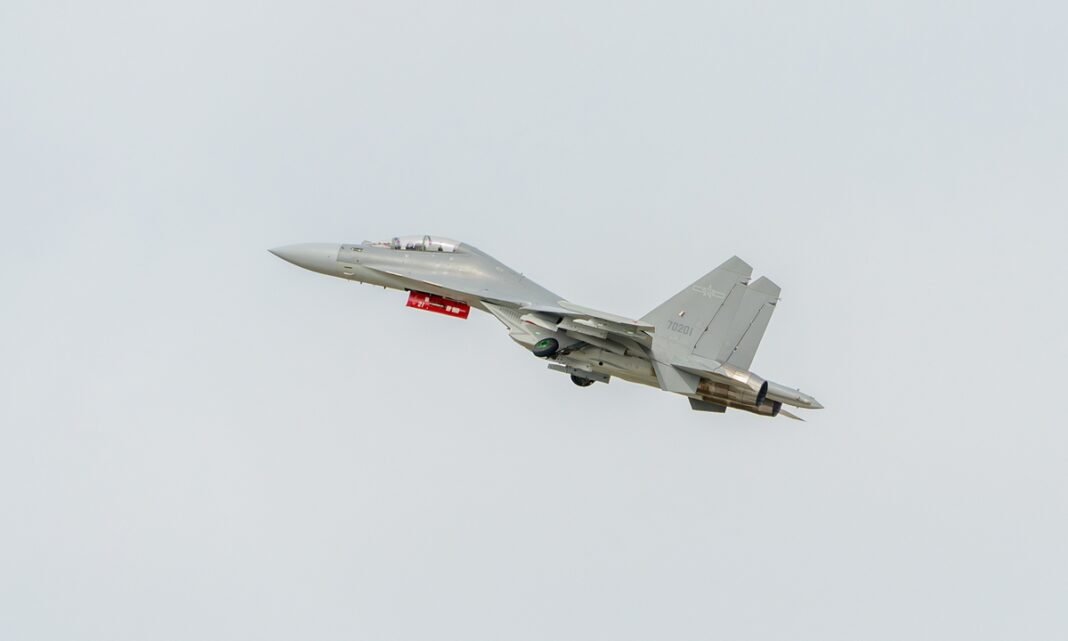
- Su-30MKI fighters;
- MiG-29 aircraft;
- T-90 tanks;
- helicopters;
- naval platforms;
- missiles;
- air-defence systems;
- artillery and armoured equipment;
- and numerous subsystems and support technologies.
The relationship eventually moved beyond simple purchases.
India and Russia developed BrahMos, India licensed production of the Su-30MKI and T-90, and the two sides expanded cooperation in research, development and manufacturing. India’s government itself describes the relationship as having evolved from a buyer-seller model toward joint development and production.
That history cannot simply be erased by a change in India’s foreign-policy preferences.
Russia Still Supplies a Large Share of India’s Weapons
The importance of Russia is visible in the latest arms-transfer data.
According to SIPRI’s 2026 assessment, Russia accounted for 40% of India’s major arms imports during 2021–25, although that share has fallen considerably from 51% in 2016–20 and 70% in 2011–15. India was the world’s second-largest arms importer during the period.
That decline is extremely important.
It shows that India is diversifying away from Russia.
But 40% is still an enormous share.
And imports are only part of the story.
India’s dependence also includes:
spare parts + maintenance + upgrades + ammunition + technical expertise + industrial infrastructure.
This makes the Russian relationship considerably deeper than the percentage of new weapons purchased each year suggests.
India Is Not Abandoning Russia—It Is Reducing Dependence
This is the more accurate description of India’s defence policy.
New Delhi is moving from:
Russia-dominated procurement
toward:
multi-source defence procurement.
India has expanded cooperation with:
- France;
- the United States;
- Israel;
- Germany;
- and domestic defence companies.
The Rafale fighter is the clearest French example.
The P-8I, C-17, C-130J, Apache, Chinook and MH-60R programmes demonstrate the growing American role.
Israeli systems are important in sensors, missiles, electronic warfare and air defence.
And India’s own defence industry is increasingly central.
But diversification takes years.
India cannot suddenly replace hundreds of Russian-origin aircraft, tanks and other systems.
The Ukraine War Made This Problem More Urgent
Russia’s invasion of Ukraine accelerated India’s diversification.
The war demonstrated the vulnerability of defence supply chains.
Russia itself has been under Western sanctions and has had to redirect industrial capacity toward its own military requirements.
That creates questions about:
- delivery schedules;
- spare parts;
- ammunition;
- engine availability;
- upgrades;
- and long-term support.
India therefore has an incentive to reduce its exposure.
But the irony is that the same war has also made Russia more dependent on large non-Western customers such as India.
Moscow consequently has a strong incentive to preserve the Indian defence market.
Putin’s Su-57 Offer Is the Most Important New Defence Test
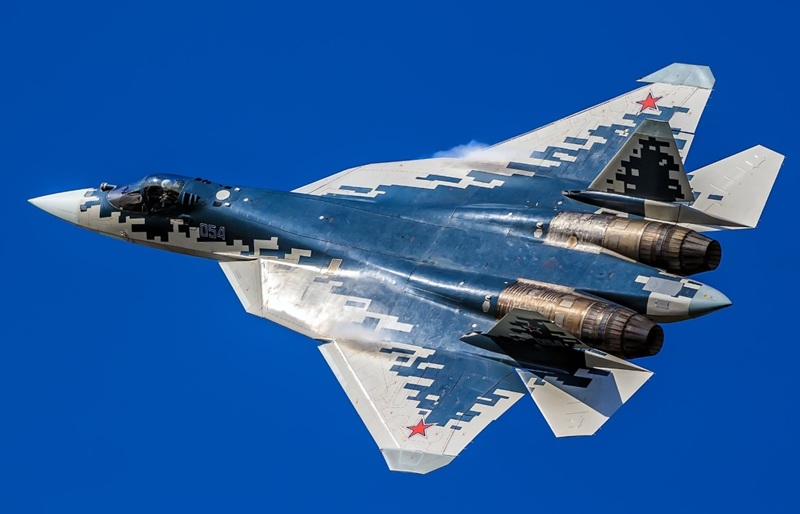
This is where the Putin-Jaishankar story becomes particularly interesting.
Russia has offered India its Su-57 fifth-generation fighter, including joint development and production.
Putin has said Moscow is prepared to work with India on the aircraft without the kinds of restrictions that might normally accompany such technology cooperation.
The offer arrives at precisely the right moment for Moscow.
India currently has no operational fifth-generation fighter.
China has rapidly expanded its fifth-generation fighter capability.
And reports that Pakistan could acquire China’s J-35 have increased pressure on Indian planners to address the stealth-fighter gap.
India’s own Advanced Medium Combat Aircraft (AMCA) programme is moving forward, but an operational Indian fifth-generation aircraft remains years away.
That creates an uncomfortable gap.
Russia is effectively telling India:
You do not have to wait for AMCA.
Why the Su-57 Offer Matters to Washington
The Su-57 is not simply a fighter proposal.
It is also a geopolitical offer.
Washington wants India to become increasingly integrated into Western defence ecosystems.
Russia is offering India something different:
a fifth-generation aircraft + possible local production + technology cooperation + strategic independence from the United States.
That gives New Delhi another option.
India can therefore negotiate with Washington from a stronger position.
If the United States offers advanced technology under restrictive conditions, Russia can present itself as the more flexible partner.
If Russia cannot provide the capability India wants, New Delhi can turn to France or the United States.
This is exactly how strategic autonomy works.
But India Has Reasons to Be Careful With the Su-57
The Russian offer also creates difficult questions.
India previously participated in negotiations for a joint fifth-generation fighter programme with Russia but eventually withdrew after years of disagreements involving issues including cost, technology access and aircraft requirements.
The Su-57 offer therefore does not automatically mean India will buy it.
India would need to examine:
- stealth performance;
- engine maturity;
- sensors;
- electronic warfare;
- weapons integration;
- technology transfer;
- local manufacturing;
- intellectual-property rights;
- maintenance requirements;
- cost;
- and delivery schedules.
Most importantly, India would have to decide whether buying an interim Russian fifth-generation fighter would strengthen or undermine the country’s long-term AMCA programme.
The Real Question Is AMCA Versus Su-57—or Su-57 Plus AMCA
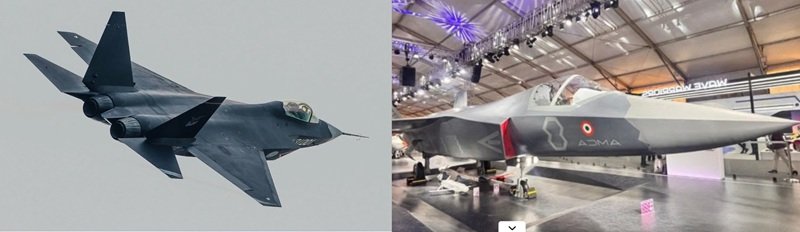
India may not necessarily have to choose one or the other.
A possible strategy would be:
Su-57 as an interim capability + AMCA as the long-term indigenous solution.
That would allow India to address the immediate stealth-fighter gap while continuing its domestic programme.
But it would also require substantial investment.
India would have to avoid repeating the historical problem of purchasing foreign platforms while its indigenous projects struggle to achieve scale.
The strategic value of the Su-57 therefore depends heavily on the technology-transfer and industrial-participation terms.
Russia Has a Powerful Advantage: India Knows Its Systems
There is another reason Moscow remains important.
Indian armed forces have decades of experience operating Russian equipment.
Indian pilots are familiar with Russian-designed aircraft.
Indian maintenance personnel understand Russian platforms.
Indian factories already manufacture or maintain several Russian-origin systems.
This creates what could be called institutional interoperability.
Switching suppliers does not simply mean buying another aircraft.
It means:
new training + new logistics + new maintenance + new weapons + new software + new infrastructure.
That is expensive and time-consuming.
S-400 Is Another Major Strategic Link
The S-400 air-defence system is perhaps the most politically sensitive example of India’s continuing Russian defence relationship.
India’s acquisition of the system became a major source of tension with Washington because the United States has a sanctions framework targeting significant purchases of Russian defence equipment.
Yet India proceeded with the acquisition.
That decision demonstrated something fundamental:
India was willing to accept friction with Washington when it believed a Russian system served a critical national-security requirement.
The S-400 therefore became a symbol of India’s strategic autonomy.
Russia Is Also Important to India’s Missile Industry
The BrahMos programme demonstrates an even deeper form of cooperation.
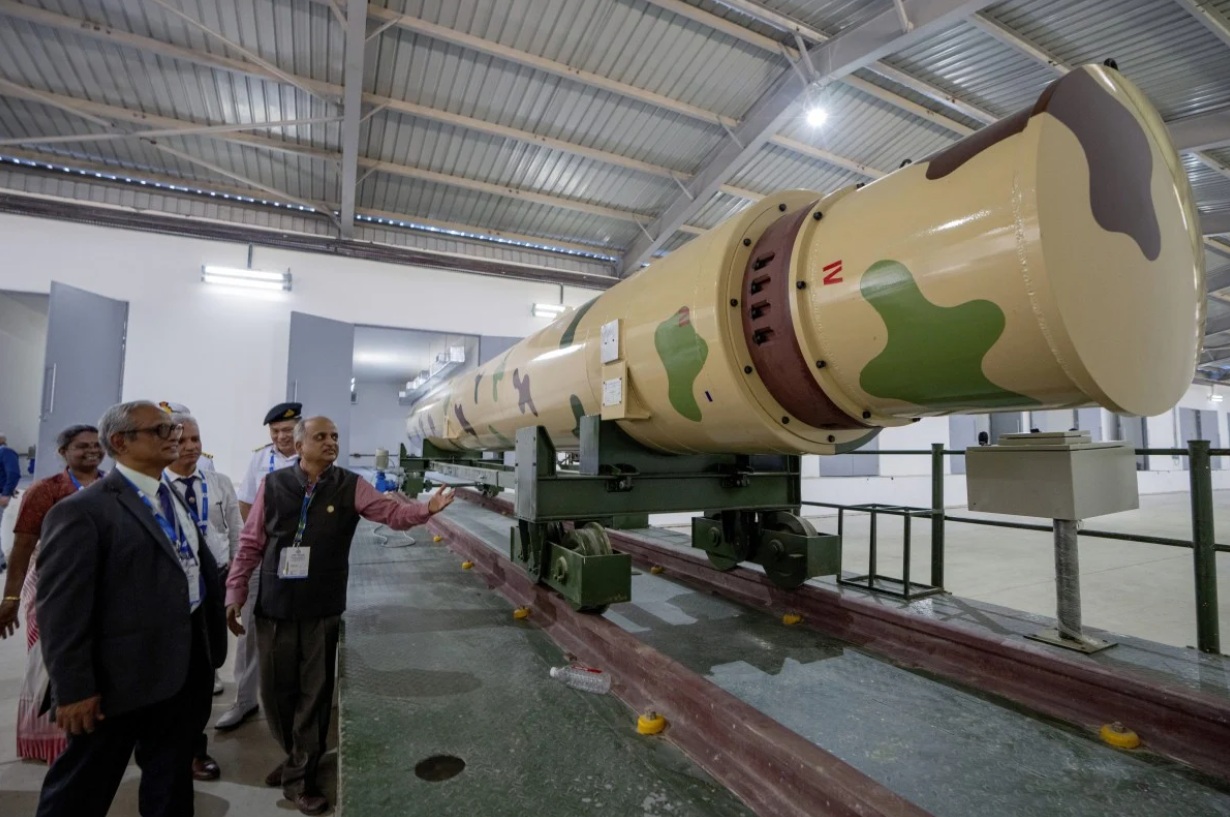
Unlike a simple imported weapons system, BrahMos represents joint technological and industrial development involving India’s DRDO and Russia’s NPO Mashinostroeyenia.
India has developed an increasingly extensive BrahMos production capability and has also begun exporting the missile.
That is strategically important.
It demonstrates that India can use Russian technological cooperation as a foundation for building its own defence-industrial capability.
This is closer to what New Delhi wants from foreign partnerships today.
Not:
“Sell us weapons.”
But:
“Help us develop and manufacture advanced weapons in India.”
That Is Why Russia Still Matters to “Make in India”
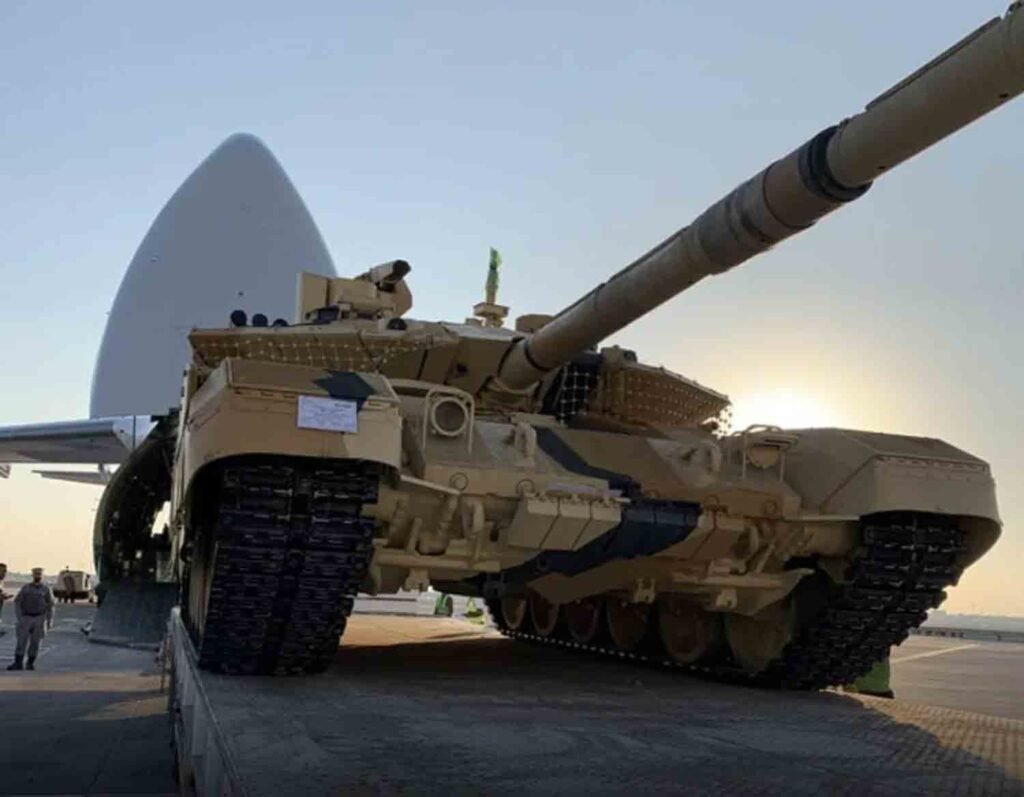
India’s defence policy increasingly prioritises domestic manufacturing.
Russia has an advantage because Moscow has historically been more willing than some Western suppliers to pursue licensed production and technology cooperation.
The Su-30MKI, T-90 and BrahMos programmes demonstrate this model.
The Indian government says the two countries are increasingly focusing on joint research, development and production under India’s self-reliance initiative.
This gives Russia a continuing role even as India’s overall procurement portfolio becomes more diversified.
But India Is Becoming More Dependent on Western Defence Technology
This is the other side of the story.
India’s future military modernisation increasingly requires technologies in which the United States and European countries are particularly strong.
These include:
- advanced sensors;
- network-centric warfare;
- artificial intelligence;
- high-end electronics;
- unmanned systems;
- aerospace technologies;
- engines;
- satellite systems;
- and certain precision weapons.
The United States therefore offers capabilities that Russia cannot easily replace.
That makes Washington increasingly important to India’s future military.
India’s Defence Strategy Is Now Multi-Source
The emerging structure is clear:
Russia
Legacy platforms, S-400, Su-30MKI, BrahMos, nuclear submarines, missiles and industrial cooperation.
United States
P-8I, C-17, C-130J, Apache, Chinook, MH-60R and expanding technology cooperation.
France
Rafale, naval aviation, missiles, engines and high-end defence cooperation.
Israel
Sensors, missiles, electronic warfare and air-defence technologies.
India
Tejas, AMCA, Astra, BrahMos, air-defence systems, drones and an expanding indigenous defence industry.
This diversification is deliberate.
And China Is the Reason Behind It
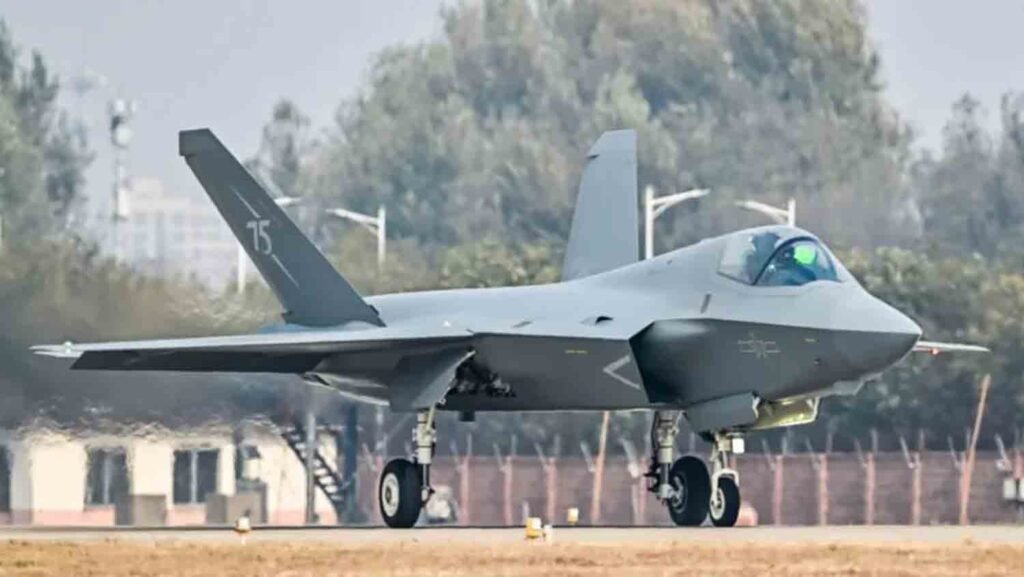
India’s defence modernisation cannot be understood without China.
China is producing aircraft, missiles, ships and drones at a scale India has struggled to match.
The People’s Liberation Army is also rapidly developing:
- fifth-generation fighters;
- long-range missiles;
- aircraft carriers;
- hypersonic weapons;
- drones;
- satellites;
- electronic warfare;
- and integrated air-defence systems.
India therefore needs technology from wherever it can obtain it.
That makes strategic autonomy less about neutrality and more about maintaining enough options to respond to China.
Pakistan Is Also Influencing India’s Fighter Debate
The second regional factor is Pakistan.
Reports of Pakistan potentially acquiring China’s J-35 have intensified India’s concern over its lack of an operational fifth-generation fighter.
The strategic competition is therefore becoming increasingly technological.
India has Rafale and Su-30MKI.
Pakistan operates Chinese J-10CE and JF-17 variants and is widely reported to be considering or pursuing the J-35.
That creates pressure on India to accelerate its own fifth-generation capability.
The Su-57 proposal therefore arrives at a strategically useful moment for Moscow.
Russia Benefits From India’s Fighter Gap
Moscow understands the problem.
India cannot wait indefinitely for AMCA if it believes its regional rivals are acquiring stealth fighters sooner.
Russia can therefore market the Su-57 as a bridge capability.
The pitch becomes:
Buy or jointly produce Su-57 now, while developing AMCA for the longer term.
Whether India accepts that argument remains uncertain.
But Russia has correctly identified one of India’s biggest defence vulnerabilities.
The United States Has Its Own Fighter Card
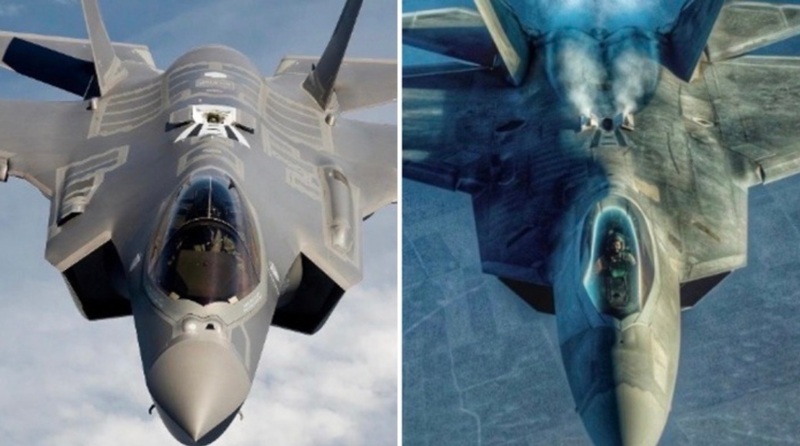
Washington also has options.
India is already operating American combat and support aircraft, while the two countries have discussed deeper aerospace cooperation.
An American offer involving advanced fighter technology would be strategically significant—but the export controls and technology restrictions attached to U.S. systems would matter enormously.
India’s experience with Russia gives New Delhi an important negotiating advantage:
it can compare the conditions offered by different suppliers.
This Is Why the Russia Relationship Is Useful to India
The relationship gives India strategic options.
If India depended entirely on Washington, American export restrictions could have greater leverage.
If India depended entirely on Moscow, Russian industrial limitations and sanctions exposure would create greater vulnerability.
By maintaining both relationships, India can reduce dependence on either.
That is the strategic logic behind the current policy.
Oil Is Important—But Defence Is Harder to Replace
This is where the broader India-Russia story needs to be understood correctly.
India can diversify its crude suppliers.
It can buy from:
- Saudi Arabia;
- Iraq;
- the UAE;
- the United States;
- Africa;
- Latin America.
That process may be expensive, but it is possible.
Defence is different.
India cannot simply replace its Russian-origin military ecosystem in a few months.
It would take years or decades.
That makes defence the deeper reason India cannot afford a sudden rupture with Moscow.
The US Pressure Therefore Has a Ceiling
Washington can put economic pressure on India.
It can impose tariffs.
It can restrict certain technologies.
It can use sanctions mechanisms.
But if Washington pushes India to sever important Russian defence ties too aggressively, it risks undermining India’s military readiness.
That would ultimately hurt the broader American objective of building India into a stronger counterweight to China.
This is the contradiction Washington has to manage.
India Wants the US—but Not at the Price of Russia
New Delhi’s message is increasingly straightforward.
India wants:
American technology.
It wants:
American investment.
It wants:
American defence cooperation.
But it does not want:
American control over Indian defence procurement.
The same applies to Russia.
India wants:
Russian technology.
It wants:
Russian energy.
It wants:
Russian defence cooperation.
But it does not want:
Russian dependence.
This Is Why India Is Diversifying
The fall in Russia’s share of India’s arms imports demonstrates the direction.
SIPRI says Russia accounted for 40% of India’s arms imports in 2021–25, down from 51% in 2016–20 and 70% in 2011–15. Meanwhile, Russia’s own share of global arms exports fell sharply to 6.8%, while India increasingly turned toward Western suppliers.
India is therefore already changing.
The question is not whether India will diversify.
It will.
The question is how quickly and how far.
Russia’s Challenge: Remain Relevant to India’s Next-Generation Military
Moscow cannot rely indefinitely on India’s existing Soviet-era inventory.
India’s next generation of military systems will increasingly come from multiple sources.
Russia therefore needs to offer India something more than legacy platforms.
The Su-57 is one attempt.
Other areas could include:
- advanced air defence;
- propulsion;
- hypersonic systems;
- submarines;
- electronic warfare;
- space technology;
- and joint missile development.
If Russia can provide genuine technology transfer and local manufacturing, it can remain relevant.
If it offers primarily finished products, India’s dependence will continue to decline.
India’s Defence Industry Is the Deciding Factor
The ultimate goal of New Delhi’s strategy is not simply supplier diversification.
It is domestic defence capability.
India wants to manufacture more of what it currently imports.
That means the best foreign partner is increasingly the one willing to provide:
technology + production + intellectual property + local supply chains.
Russia has historically been strong in this model.
Western countries are increasingly adapting to it as well.
India therefore has more bargaining power than it did a decade ago.
The Putin-Jaishankar Meeting Comes at a Critical Moment
The Moscow meeting therefore carries a much deeper defence message.
Putin’s praise for Modi and his emphasis on high-tech and nuclear cooperation show that Moscow wants to preserve the relationship.
Moscow, Russia | Russian President Vladimir Putin says, “Your visit today underscores the level of relations that has long been established between Russia and India, over decades. We continue to work together in virtually all areas. This includes governmental ties,… https://t.co/90zWL3fAz0 pic.twitter.com/4YdIfpyUoT
— ANI (@ANI) August 24, 2026
The Su-57 proposal demonstrates that Russia wants to remain part of India’s future military, not merely its past.
The S-400 and BrahMos relationships demonstrate the depth of existing cooperation.
And India’s continuing diversification shows that New Delhi is determined to prevent this relationship from becoming another form of strategic dependence.
The US-India Relationship Will Continue—But on Indian Terms
Washington should not interpret India’s Russia policy as hostility toward America.
India’s growing defence relationship with the United States is real.
But neither should Washington assume that India will abandon Russia because of American pressure.
The more realistic future is:
India will buy more Western technology while continuing to operate and upgrade Russian-origin systems.
It will also demand more local manufacturing from every supplier.
That is likely to be the defining model of India’s defence procurement over the next decade.
The Real Strategic Contest Is About India’s Future Military
The most important question is therefore not:
Will India choose Russia or America?
It is:
Who will help India build the military it wants by 2035 and beyond?
Russia has the Su-57, S-400, BrahMos experience and decades of military cooperation.
The United States has advanced technology, intelligence cooperation and a growing Indo-Pacific partnership.
France has Rafale, aerospace expertise and a strong record of technology cooperation.
India wants to take pieces of all three.
And build the rest itself.
The Bottom Line
The Putin-Jaishankar meeting demonstrates why defence—not oil—is the hardest part of India’s relationship with Russia.
Oil can be replaced over time.
A decades-old defence ecosystem cannot.
Russia remains deeply embedded in India’s military through aircraft, tanks, missiles, air defence, naval systems, maintenance infrastructure and joint production.
At the same time, India is steadily reducing its dependence on Moscow. Russia’s share of Indian arms imports has fallen from 70% in 2011–15 to 40% in 2021–25, according to SIPRI.
That is a major strategic shift—but it is diversification, not a rupture.
The Su-57 offer makes the situation even more interesting.
If Russia provides credible technology transfer and joint production, India could use the aircraft to address its immediate fifth-generation fighter gap while continuing its AMCA programme.
If the terms are unattractive, India can continue moving toward Western suppliers and indigenous systems.
Either way, New Delhi gains leverage.
And that is the essence of strategic autonomy.
India does not want to become dependent on Russia.
But it also does not want to become dependent on the United States.
It wants enough relationships, technologies and domestic capability to make its own choices.
That strategy is increasingly difficult as Washington-Russia tensions intensify.
But India’s defence requirements make a sudden break with Moscow unrealistic.
The United States therefore faces a strategic paradox: the more it tries to force India completely away from Russia, the more it risks undermining the very Indian military capability Washington wants to strengthen against China.
For India, the answer is increasingly clear:
diversify suppliers, localise production, retain Russia, deepen cooperation with America and France, and accelerate indigenous programmes.
The Putin-Jaishankar meeting is therefore not evidence that India is returning to the Russian camp.
It is evidence that India intends to keep Russia in its strategic portfolio while making sure no foreign power controls the portfolio itself.